Content
- 1 1. Product Overview: A Small Consumable with Broad Practical Value
- 2 2. Core Specifications
- 3 3. Why Absorbency Matters in Medical and Personal Care Use
- 4 4. Softness and Comfort for Sensitive Skin
- 5 5. Lint-Free Performance and Clean Application
- 6 6. Sterile and Non-Sterile Options for Different Markets
- 7 7. Compliance with BP Standards and Quality Expectations
- 8 8. Manufacturing Strengths Behind a Reliable Cotton Ball
- 9 9. Advantages Over Ordinary Competitor Products
- 10 10. Applications in Medical and First Aid Settings
- 11 11. Applications in Beauty, Makeup, and Daily Care
- 12 12. Applications in Baby Care and Sensitive Personal Care
- 13 13. Household, Polishing, Craft, and DIY Uses
- 14 14. Packaging, Shelf Life, and Storage Value
- 15 15. Size Selection and Market Positioning
- 16 16. Quality Control and Inspection Capabilities
- 17 17. Company Strength: Experience, Product Range, and Export Capability
- 18 18. OEM, Wholesale, and Distribution Advantages
- 19 19. Practical Buying Considerations
- 20 20. Sustainability and Responsible Use
- 21 21. Q&A Section
- 22 22. Conclusion: A Reliable Cotton Consumable for Professional and Everyday Use
- 23 References
Absorbent medical cotton balls are among the most familiar yet essential consumable products used in healthcare, beauty care, baby care, and home hygiene. Although simple in appearance, a high-quality cotton ball must meet strict expectations for absorbency, softness, cleanliness, safety, consistency, and packaging integrity. The Absorbent Medical Sterile Non-Sterile Household Cotton Ball, model DC662001, is designed to serve multiple professional and everyday applications, from skin preparation before injection to makeup removal, nail polish removal, lotion application, wound dressing support, appliance cleaning, and household polishing.
This product is made from pure cotton and is available in both sterile and non-sterile packaging. It is offered in multiple weights, including 0.15 g, 0.25 g, 0.4 g, 0.5 g, 0.8 g, and 1.0 g, giving buyers flexibility for different medical, cosmetic, and consumer-market requirements. The product is available in white and colorful options, allowing it to be used not only in clinical environments but also in beauty, baby care, retail, arts and crafts, and household care categories.
Unlike ordinary cotton products that may shed lint, lose shape, absorb slowly, or feel rough on sensitive skin, this cotton ball is designed to be highly absorbent, soft, lint-free, bleached, smell-less, and free from splash and visible spots. These qualities make it suitable for professional medical environments where cleanliness and reliability matter, as well as for sensitive personal care routines where comfort is important. With ISO 13485 and CE certification support, a five-year shelf life, and sterile or non-sterile pack availability, the product is positioned as a dependable cotton consumable for distributors, hospitals, first aid suppliers, pharmacies, supermarkets, beauty brands, and household-care channels.
1. Product Overview: A Small Consumable with Broad Practical Value
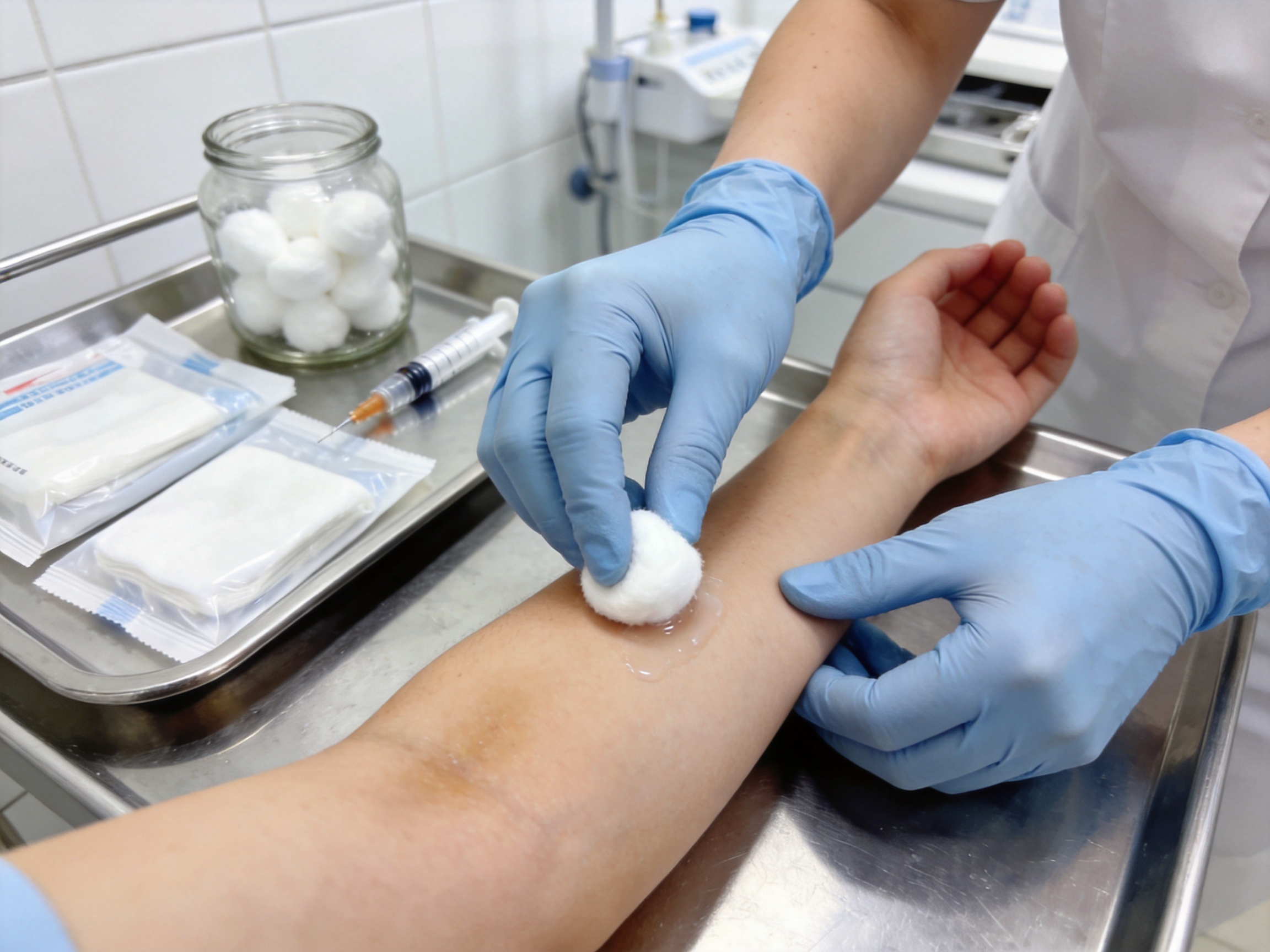
The DC662001 absorbent medical cotton ball is a versatile cotton product designed for repeated daily use across many environments. In hospitals and clinics, it can be used for skin sterilization before injection, minor dressing applications, cleaning medical appliances, and general patient-care support. In beauty and personal care, it is ideal for removing makeup, applying toner, using polish remover, applying astringents, and distributing lotions evenly across the skin. In baby care, its soft structure makes it suitable for applying oil, lotion, or powder on delicate skin. In home and craft applications, it can support polishing, cleaning, hobby work, and other daily household needs.
The value of this cotton ball comes from its balance of simplicity and technical control. A cotton ball may appear to be a basic item, but the quality difference between a professional-grade medical cotton ball and a low-cost general cotton substitute can be significant. Poorly processed cotton may contain impurities, have uneven fiber distribution, produce lint, have poor absorption, or feel rough. A well-manufactured cotton ball must be soft enough for delicate skin, absorbent enough for fluids and topical products, clean enough for healthcare use, and uniform enough for bulk packaging and commercial distribution.
For medical purchasing teams, consistency is essential. Every cotton ball should perform predictably, regardless of batch, package size, or application setting. For beauty and retail brands, the user experience is equally important: the cotton should feel pleasant, hold liquid effectively, and not leave fibers on the skin or nails. For baby-care users, softness and hypoallergenic comfort are major priorities. This product addresses those expectations with a pure cotton structure, strong absorption, gentle touch, and sterile or non-sterile packaging choices.
2. Core Specifications
The following table summarizes the main product information and practical significance of each specification.
| Item |
Specification |
Practical Meaning |
| Model |
DC662001 |
Identifies the product for quotation, ordering, production tracking, and quality documentation. |
| Product Type |
Absorbent Medical Cotton Ball |
Suitable for medical, beauty, baby, household, and personal-care applications. |
| Available Sizes |
0.15 g, 0.25 g, 0.4 g, 0.5 g, 0.8 g, 1.0 g |
Allows buyers to select lightweight or larger cotton balls for different usage scenarios. |
| Color |
White, Colorful |
White is preferred for clinical and hygiene uses; colorful options are useful for retail and crafts. |
| Material |
Cotton |
Provides softness, absorbency, and skin-friendly performance. |
| Sterility |
Sterile or Non-Sterile Available |
Supports both clinical-use requirements and general consumer-use markets. |
| Certificate |
ISO 13485, CE |
Demonstrates quality management and regulatory compliance support. |
| Shelf Life |
5 Years |
Suitable for stock management, emergency kits, healthcare distribution, and retail supply chains. |
| HS Code |
3005901000 |
Supports customs classification and international trade documentation. |
3. Why Absorbency Matters in Medical and Personal Care Use
Absorbency is one of the most important performance indicators for cotton balls. In healthcare settings, absorbent cotton is commonly used to hold antiseptic solution, remove small amounts of blood or fluid, assist with cleaning, and support dressing preparation. A cotton ball that absorbs quickly reduces dripping, improves control, and helps users work more efficiently. In beauty care, good absorbency allows toner, cleanser, makeup remover, and polish remover to be applied evenly without wasting product.
The DC662001 cotton ball is designed to be highly absorbent. This means it can capture and retain liquids effectively while remaining soft against the skin. For clinical use, this quality supports skin preparation before injection, where antiseptic liquid must be applied evenly and conveniently. For nail care, the cotton ball can hold polish remover long enough to dissolve polish efficiently. For toner and lotion application, absorbency helps distribute product without excessive runoff. For household cleaning, it allows polish or cleaner to be applied in controlled amounts.
Competitor products that are poorly compressed or made from short, uneven fibers may absorb liquid too slowly or fall apart when wet. Some cotton balls become dense and slippery after soaking, while others release fibers onto the surface being cleaned. A reliable cotton ball must maintain enough integrity during use while still being soft and absorbent. The cotton structure of this product supports that balance, making it a practical option for both professional and home users.
4. Softness and Comfort for Sensitive Skin
Softness is especially important when cotton balls are used on the face, around injection sites, on babies, or on sensitive skin. Rough cotton may cause discomfort, redness, or irritation, especially after repeated use. The DC662001 cotton ball is made with gentle, soft, hypoallergenic pure cotton, making it suitable for delicate applications. Its soft texture supports comfortable contact during makeup removal, lotion application, baby care, and minor medical procedures.
In baby care, even a small difference in cotton texture can affect user satisfaction. Parents and caregivers often use cotton balls to apply oil, lotion, powder, or gentle cleansing liquid. A cotton ball that feels scratchy or sheds fibers can be unsuitable for this purpose. This product is designed to be gentle on delicate skin, helping users complete routine care comfortably.
In beauty care, softness also affects results. When applying toner or removing makeup, users may pass the cotton ball repeatedly over the face. A soft cotton ball reduces friction and supports a more pleasant skincare experience. Compared with lower-grade cotton products, which may contain hard specks or inconsistent fiber clusters, this product emphasizes a clean, soft, uniform feel.
5. Lint-Free Performance and Clean Application
Lint is a common problem in inferior cotton products. When cotton fibers detach during use, they can remain on the skin, nails, equipment, or cleaned surfaces. In medical environments, excessive lint may interfere with cleanliness and user confidence. In beauty care, lint can stick to nail polish, skincare products, or makeup residue. In household polishing, lint can leave visible fibers on glass, metal, or furniture.
The DC662001 cotton ball is described as lint-free, supporting cleaner application across multiple uses. This is particularly valuable when cleaning around a medical procedure area, preparing skin before injection, or applying a topical product. It also matters in nail care, where fibers left on nails can interfere with polish application or removal. For cosmetics, a cotton ball that does not shed heavily helps users maintain a clean finish.
Achieving lint-free performance requires careful control of fiber quality, processing, and ball formation. If cotton fibers are too short, damaged, or poorly entangled, shedding is more likely. If the ball is loosely formed, it may open during use. If the cotton contains hard impurities or weak sections, lint and particle release can increase. Professional manufacturing processes reduce these problems through material selection, cleaning, bleaching, drying, forming, and quality inspection.
6. Sterile and Non-Sterile Options for Different Markets
One of the key strengths of this product is its availability in both sterile and non-sterile packs. Not every user needs sterile cotton balls, but many medical and first-aid environments require sterility depending on the intended application. By offering both options, the product can serve a broader market while allowing buyers to match product specification to actual need.
Sterile cotton balls are suitable for healthcare settings where controlled hygiene is required, such as skin preparation before injection or use in first aid kits. Sterile packaging helps protect the product before use and supports compliance with medical procedures. Non-sterile cotton balls are appropriate for beauty care, household use, crafts, baby care, general cleaning, and other applications where sterility is not required. This flexibility makes the product suitable for wholesalers, distributors, private-label brands, healthcare suppliers, and retailers with varied customer groups.
From a procurement perspective, sterile and non-sterile availability helps reduce sourcing complexity. Buyers can work with one supplier for multiple market channels. A medical distributor may purchase sterile versions for clinics and hospitals while also offering non-sterile versions to pharmacies or consumer retail channels. A beauty brand may choose non-sterile packaging for daily skincare use, while a first aid supplier may require sterile packaging for emergency-care kits.
7. Compliance with BP Standards and Quality Expectations
The product is stated to meet BP standards, which is an important quality reference for absorbent cotton products. Medical cotton products must satisfy expectations for cleanliness, absorbency, appearance, and safety. When buyers source cotton consumables for healthcare or regulated markets, standards alignment reduces uncertainty and supports product acceptance.
Compliance is not simply a matter of documentation. It reflects control across production, from raw cotton selection to finished packaging. Cotton must be processed to remove impurities, improve whiteness, reduce odor, and create a clean absorbent structure. Bleaching must be controlled so that the product is visibly clean while remaining suitable for skin contact. Drying and forming must avoid contamination and preserve softness. Packaging must protect the product during storage and transport.
ISO 13485 certification further supports the company’s ability to manage medical-device and medical-consumable manufacturing under a structured quality system. CE certification supports market confidence for relevant regions and product categories. Together, these credentials are valuable for importers, distributors, hospitals, and private-label customers who need dependable documentation for purchasing and regulatory review.
8. Manufacturing Strengths Behind a Reliable Cotton Ball
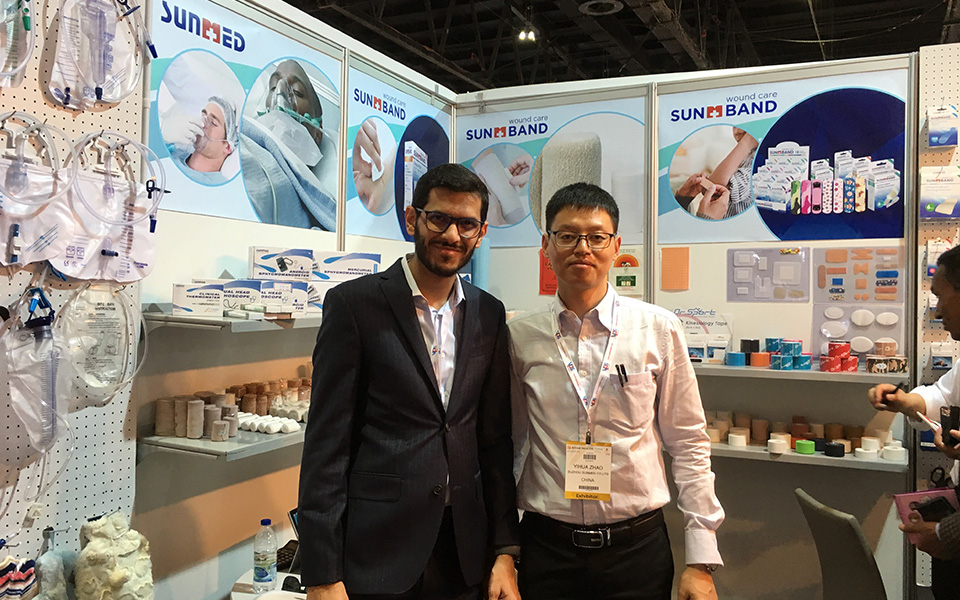
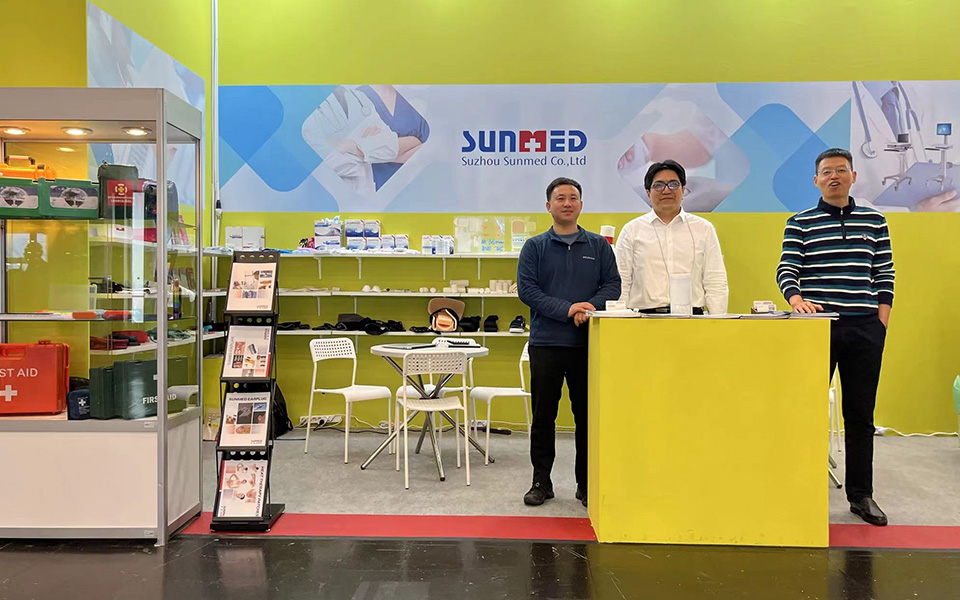
Suzhou Sunmed Co., Ltd. is a professional manufacturer and exporter of first aid, medical, and healthcare products in China. The company operates multiple production bases in Jiangsu, Zhejiang, and Anhui Province and has 30 years of experience in the medical device and medical consumables industry. This background is important because absorbent cotton production requires both material expertise and disciplined production management.
The manufacturing process for a high-quality cotton ball generally begins with cotton selection. Raw cotton must be evaluated for fiber quality, cleanliness, softness, and suitability for absorbent medical use. After selection, the cotton is opened and cleaned to remove impurities. The fibers are then processed to improve whiteness, absorbency, and hygiene. Controlled bleaching helps create the white appearance expected in medical cotton while removing natural waxes that may reduce absorbency.
After cleaning and bleaching, the cotton is dried under controlled conditions. Drying must be sufficient to prevent moisture-related quality issues but gentle enough to preserve softness and fiber performance. The cotton is then processed into uniform portions and formed into cotton balls. Forming consistency is important because each ball should have predictable weight, density, absorbency, and feel. Quality checks may include appearance inspection, weight control, absorbency evaluation, packaging review, and sterility-related verification when applicable.
Advanced manufacturing strength is not only about equipment; it is also about quality culture. The company has a professional quality control team comprising hundreds of personnel who follow inspection procedures to help ensure products meet ISO 13485:2016 standards. This level of quality organization supports batch consistency, traceability, and defect prevention. For buyers who need stable supply over long-term cooperation, quality management is as important as unit price.
9. Advantages Over Ordinary Competitor Products
The cotton consumables market includes a wide range of products, from basic household cotton to medical-grade absorbent cotton. Many products may look similar at first glance, but performance differences become clear during use. The DC662001 absorbent medical cotton ball offers several advantages over ordinary competitor products.
First, it offers strong absorbency. This improves efficiency in medical, beauty, and cleaning applications. Products with weak absorbency may require more cotton balls per task, resulting in higher actual usage cost despite lower initial price. A highly absorbent cotton ball can reduce waste and improve user convenience.
Second, it is designed to be lint-free. Many low-quality cotton balls leave fibers behind, especially when used with liquid products. Lint-free performance improves cleanliness and reduces frustration for users in clinics, beauty salons, and homes.
Third, it is soft and hypoallergenic. Comfort matters for facial use, baby care, and sensitive-skin applications. A product that feels harsh may not be accepted in beauty or baby-care channels, even if it is inexpensive. Soft pure cotton improves customer satisfaction and repeat purchasing.
Fourth, it is available in sterile and non-sterile packaging. Competitors may offer only one version, forcing buyers to source from multiple suppliers. This product gives buyers more flexibility and supports diverse market needs from one manufacturing source.
Fifth, it is available in multiple weights. Different applications need different cotton ball sizes. Smaller options are practical for precise applications and economical daily use; larger options are useful for higher liquid capacity and broader surface coverage. Multiple size choices support customized packaging programs and channel-specific product planning.
Sixth, the product is supported by ISO 13485 and CE certification. For medical consumables, documentation can be as important as physical performance. Buyers in regulated markets often need certificates, quality records, and stable production controls. A supplier with established quality systems offers stronger purchasing confidence.
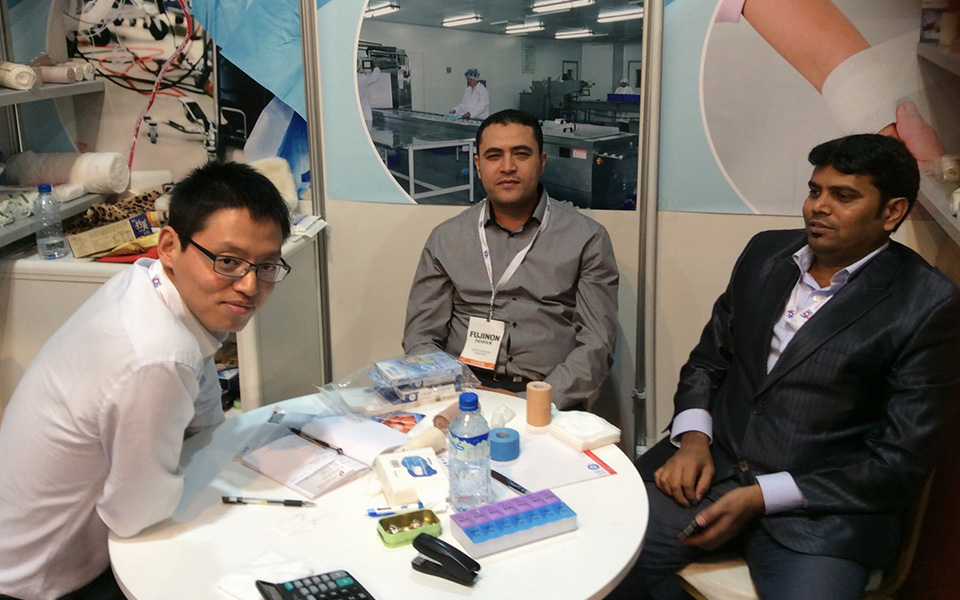
Finally, the company’s broad manufacturing experience and export history help differentiate the product. With products exported to more than 60 countries, including markets in Europe, Southeast Asia, Africa, and Oceania, the company understands the expectations of hospitals, first aid suppliers, supermarkets, and retail sports shops. This experience supports better communication, packaging customization, documentation preparation, and logistics coordination.
10. Applications in Medical and First Aid Settings
In medical settings, cotton balls are commonly used for skin preparation, injection-site cleaning, minor wound dressing support, and equipment cleaning. The DC662001 cotton ball is suitable for skin sterile use when injection procedures require antiseptic application. Its absorbent structure holds antiseptic solution effectively, while its soft texture helps reduce discomfort during application.
For wound dressing support, cotton balls may be used to clean surrounding skin, apply solutions, or assist with minor care tasks. Although cotton balls are not a replacement for specialized wound dressings when those are required, they are practical support items in many routine care scenarios. Their clean white appearance helps users identify visible contamination, and their absorbent quality improves handling of small amounts of fluid.
First aid kits often include cotton products because they are versatile and compact. A five-year shelf life makes this product suitable for emergency kits, workplace first aid stations, school infirmaries, travel kits, and household preparedness supplies. Sterile versions can be especially valuable where first aid users want protected packaging before use.
Hospitals and clinics also need products that are easy to store, distribute, and use in quantity. Consistent sizing and packaging options support inventory control. The availability of different weights allows departments to choose cotton balls according to procedure type and cost control needs. For example, smaller cotton balls may be suitable for injection preparation, while larger ones may be used for broader cleaning tasks.
11. Applications in Beauty, Makeup, and Daily Care
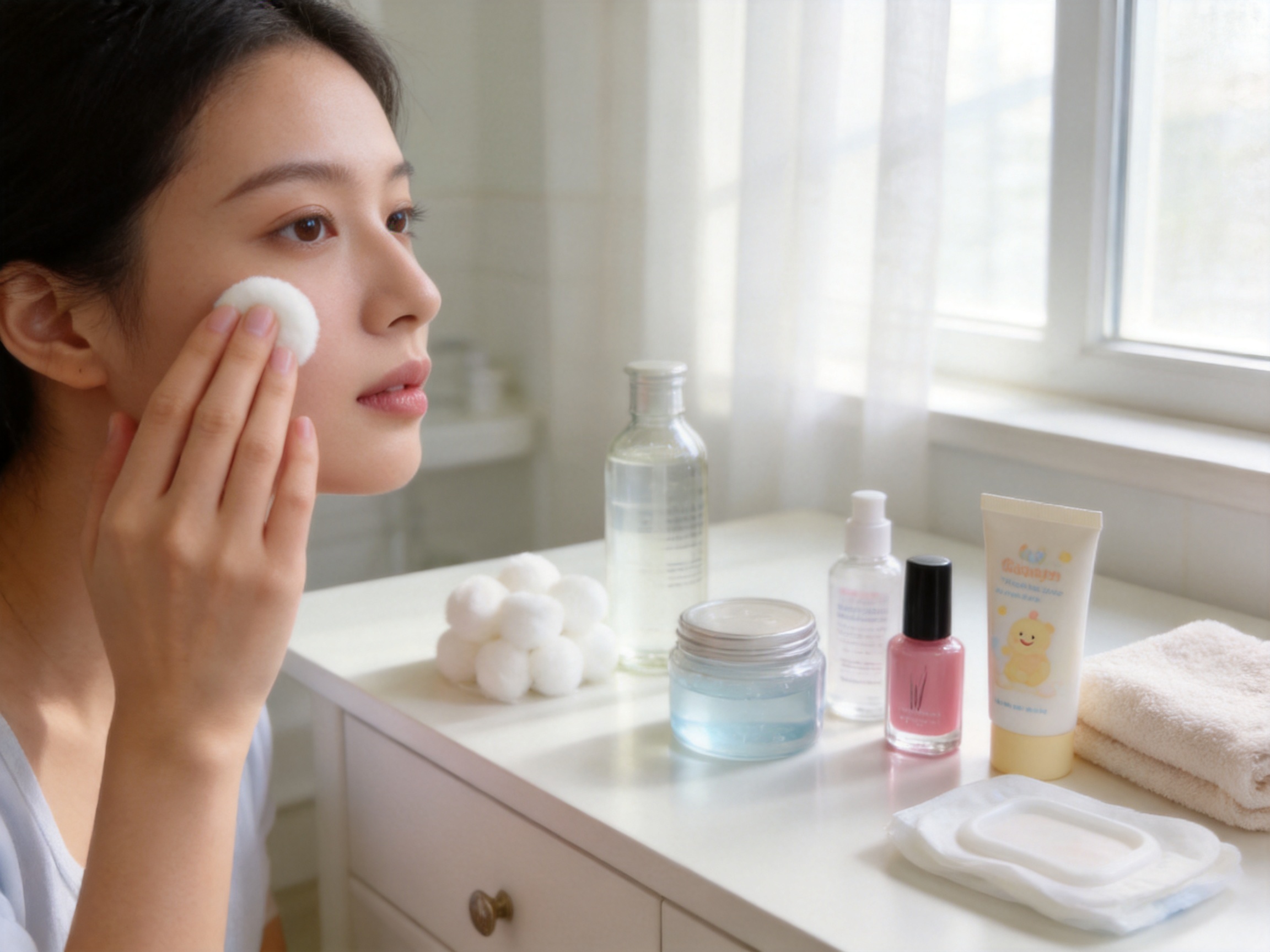
Beauty and personal-care applications represent one of the largest everyday uses for cotton balls. Consumers use cotton balls to remove makeup, apply toner, clean nail polish, apply cleanser, use astringents, and distribute lotion. The DC662001 cotton ball is especially suitable for these uses because it is soft, absorbent, and lint-free.
When removing makeup, a cotton ball should hold enough remover to dissolve product without soaking the user’s fingers or falling apart. It should glide gently across the skin and avoid leaving fibers behind. A rough or linty cotton ball can reduce the quality of the beauty-care experience. This product’s soft pure cotton construction supports smoother use on the face and around delicate areas.
For nail polish removal, absorbency and fiber integrity are essential. A cotton ball that absorbs remover well can help dissolve polish efficiently. Lint-free performance prevents fibers from sticking to nails during cleaning. This is important not only for home users but also for beauty salons and nail-care professionals who require efficient, clean results.
For toner and lotion application, the cotton ball should distribute liquid evenly without dripping excessively. The product’s absorbent structure supports controlled application. For retail beauty brands, this kind of performance can strengthen customer satisfaction and support private-label opportunities.
12. Applications in Baby Care and Sensitive Personal Care
Baby care requires materials that are soft, clean, and gentle. Caregivers may use cotton balls to apply baby oil, lotion, powder, or mild cleaning solutions. The DC662001 cotton ball is made with soft hypoallergenic pure cotton, making it suitable for gentle contact with delicate skin.
In baby-care routines, the cotton ball should not feel abrasive, produce hard particles, or leave excessive fibers. It should be easy to hold and should absorb product efficiently. The availability of different sizes also matters. Smaller cotton balls may be useful for precise application, while larger balls can be used for broader areas.
Sensitive personal care includes facial cleansing, after-shave care, minor skincare application, and elderly care. For these uses, softness and cleanliness are critical. A cotton ball that is too compact may feel hard, while one that is too loose may fall apart. This product is designed to provide a balanced structure for comfortable handling and reliable use.
13. Household, Polishing, Craft, and DIY Uses
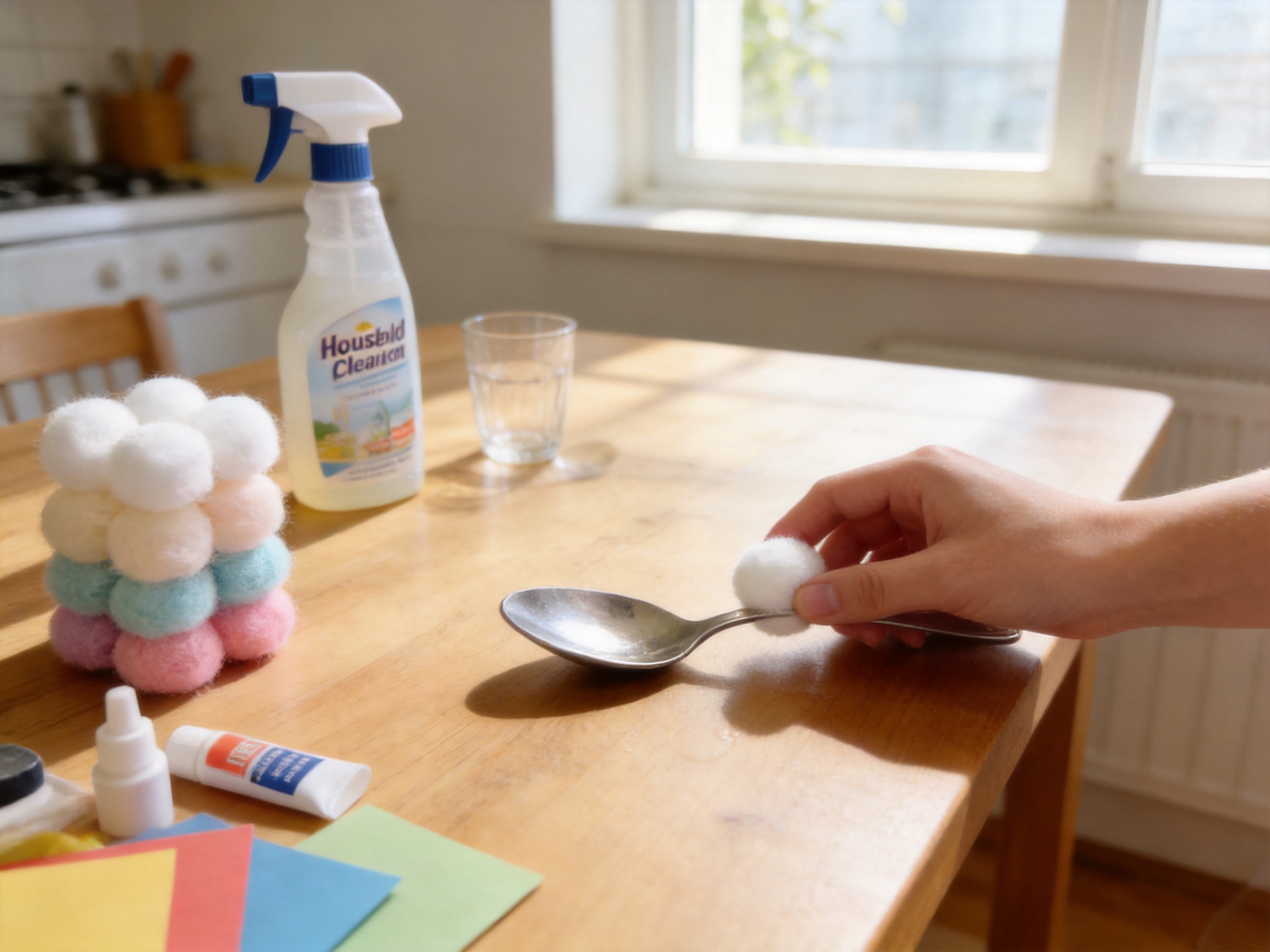
Although the product is suitable for medical and beauty applications, it also performs well in household and craft uses. Cotton balls are often used for polishing silver, furniture, and shoes. They can help apply small amounts of polish, oil, cleaning liquid, or dye. Their soft surface reduces the risk of scratching delicate items, while absorbency helps control liquid application.
In arts and crafts, cotton balls can be used for painting textures, handmade decorations, school projects, sensory activities, and DIY hobbies. Colorful cotton ball options are especially attractive in craft markets and educational retail channels. Because the product is available in white and colorful versions, buyers can target both clinical and creative consumer segments.
Household users appreciate multipurpose products. A pack of cotton balls may be used in first aid one day, beauty care the next, and cleaning or crafting later. This broad usability improves retail value and makes the product suitable for supermarkets, pharmacies, convenience stores, online shops, family-care brands, and promotional product sets.
14. Packaging, Shelf Life, and Storage Value
Packaging plays a major role in cotton ball quality. Even a well-made cotton ball can lose value if packaging is weak, contaminated, poorly sealed, or inconvenient for users. Sterile packaging must protect the product’s sterile condition until use. Non-sterile packaging should keep the product clean, dry, and easy to store. Bulk packaging should support efficient transport and warehouse handling.
The product’s five-year shelf life is a major advantage for distributors and institutional buyers. Medical consumables often need to be stored in warehouses, emergency kits, clinic cabinets, and retail inventory systems. A long shelf life reduces the risk of product expiration and supports stable procurement planning. For first aid suppliers, this is especially important because kits may remain unused for extended periods but still need reliable contents when emergencies occur.
Storage conditions should generally be clean, dry, and away from excessive moisture, heat, and contamination. Proper storage helps preserve softness, absorbency, and package integrity. Buyers should follow applicable storage guidance and rotate inventory using first-in, first-out stock management.
15. Size Selection and Market Positioning
The availability of multiple sizes is one of the most practical product advantages. Cotton balls are not one-size-fits-all. A 0.15 g cotton ball may be efficient for small applications and cost-sensitive packaging, while a 1.0 g cotton ball provides greater volume and liquid capacity for larger tasks. Intermediate sizes such as 0.25 g, 0.4 g, 0.5 g, and 0.8 g allow buyers to fine-tune product presentation and cost.
Medical users may prefer smaller or medium sizes for injection preparation and routine care. Beauty users may prefer medium sizes for toner, makeup remover, and nail polish remover. Baby-care and household users may prefer larger sizes for broader application and convenience. Craft markets may use colorful variations in different sizes depending on project type.
For OEM and wholesale buyers, size flexibility supports private-label planning. Different retail packs can be developed for pharmacies, supermarkets, beauty chains, and e-commerce channels. A distributor can offer economy packs for household use, sterile packs for first aid, and colorful packs for craft retail. This adaptability increases product competitiveness.
16. Quality Control and Inspection Capabilities
Quality control is central to medical consumable manufacturing. A cotton ball must be visually clean, properly formed, consistent in weight, absorbent, odorless, and suitably packaged. For sterile products, sterility assurance and packaging integrity become additional concerns. The company’s quality control team follows inspection procedures aligned with ISO 13485:2016 standards, helping ensure that products meet customer and regulatory expectations.
Inspection may include raw material review, production-process monitoring, semi-finished product checks, finished product inspection, and packaging verification. Appearance inspection helps detect visible spots, foreign matter, discoloration, or uneven forming. Weight checks help ensure size consistency. Absorbency testing helps confirm product performance. Packaging review helps confirm labeling, sealing, cleanliness, and carton arrangement.
A strong quality system reduces variability. This is important for buyers who need repeat orders across months or years. If the first shipment performs well but later shipments vary, customer trust is damaged. Consistent inspection and process control help maintain long-term product reliability.

17. Company Strength: Experience, Product Range, and Export Capability
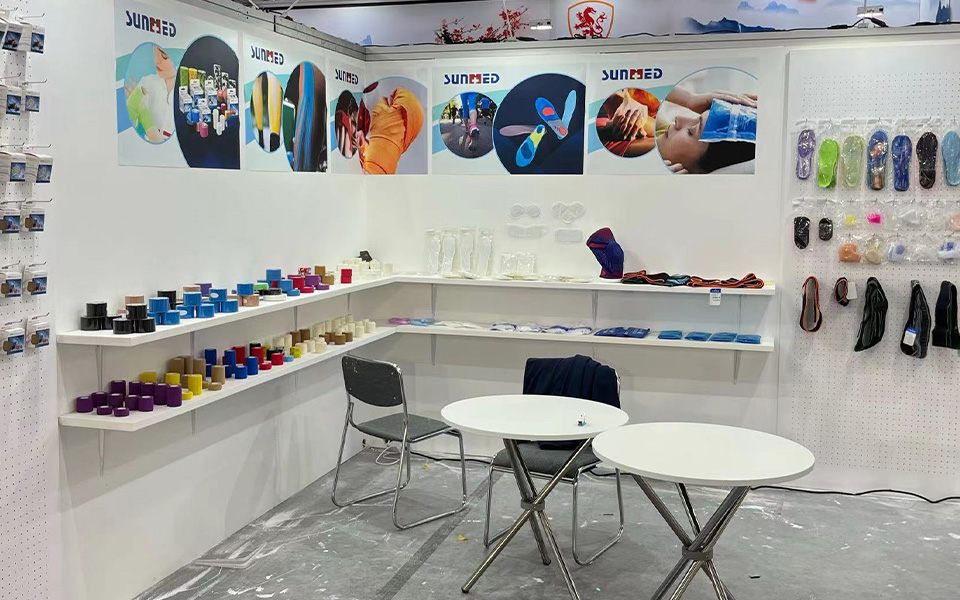
Suzhou Sunmed Co., Ltd. has 30 years of experience in medical devices, medical equipment, and medical consumables. The company specializes in first aid, wound dressing, medical gauze, bandages, medical tape, medical cotton, non-woven products, sports bandages, family healthcare, kinesiology tape, pill boxes, hot and cold packs, disposable syringes, catheters, surgical consumables, and related medical products.
This broad product range benefits customers who want integrated sourcing. A distributor buying cotton balls may also need gauze, adhesive bandages, medical tape, elastic bandages, syringes, or first aid kit components. Working with a supplier that understands multiple medical consumable categories can simplify procurement, reduce communication costs, and improve shipment consolidation.
The company has exported products to more than 60 countries, including key markets in Europe, Southeast Asia, Africa, and Oceania. Export experience matters because international buyers require not only product quality but also documentation, packaging compliance, shipment coordination, customs classification, and responsive communication. The HS code 3005901000 supports customs and trade documentation for this cotton product.
The company’s production base development also reflects market responsiveness. It established a first aid factory in 2008 to meet first aid customer demand and later established its own factory for kinesiology tape, cohesive bandages, and elastic adhesive bandages in 2021. This expansion demonstrates an ability to invest in production capacity according to customer needs. For cotton ball buyers, this indicates a supplier mindset focused on long-term cooperation rather than short-term trading alone.
18. OEM, Wholesale, and Distribution Advantages
The absorbent medical cotton ball is well suited for OEM, wholesale, and distribution programs. Because cotton balls are a high-consumption item, buyers often need stable volume, consistent quality, flexible packaging, and competitive cost. The product’s multiple sizes, color options, sterile and non-sterile availability, and quality certifications support diverse channel strategies.
OEM buyers may require customized retail packaging, private-label branding, carton labeling, multilingual instructions, or specific pack counts. Wholesale buyers may prioritize bulk packaging, competitive pricing, and stable replenishment. Healthcare distributors may focus on documentation, sterile options, and hospital acceptance. Beauty and household brands may focus on softness, packaging appearance, and user experience. The product can be positioned effectively across all these segments.
Compared with suppliers offering only generic cotton products, a manufacturer with medical consumable expertise can better support technical discussions and compliance expectations. This is especially useful for customers entering regulated markets or seeking to build a trusted private-label product line. Stable supply and professional communication contribute to lower risk and smoother cooperation.
19. Practical Buying Considerations
When selecting absorbent cotton balls, buyers should consider intended use, sterility requirement, size, packaging format, certification needs, shelf life, and target market. If the product will be used in medical or first aid applications, sterile options and documentation may be necessary. If the product is for beauty or household use, non-sterile packaging may be more economical and appropriate. If the product is for baby care, softness and hypoallergenic comfort should be emphasized.
Buyers should also evaluate absorbency and lint performance through samples. Testing with water, toner, makeup remover, polish remover, or antiseptic solution can reveal how the cotton performs in real conditions. A good cotton ball should absorb efficiently, remain comfortable, and avoid excessive fiber shedding.
Packaging decisions should match market channels. Pharmacies may prefer clean medical-style packaging. Beauty retailers may prefer consumer-friendly presentation. Hospitals may prefer bulk or sterile packs that support workflow. E-commerce sellers may require durable packaging that withstands shipping. The flexibility of this product helps buyers match these requirements.
20. Sustainability and Responsible Use
Cotton is a natural fiber, and pure cotton products are valued for softness and absorbency. Responsible sourcing, efficient manufacturing, appropriate packaging, and correct product selection can help reduce waste. A highly absorbent cotton ball may require fewer units for a task compared with a poorly absorbent competitor product, improving practical efficiency.
Users should select the correct size for each application. Using a very large cotton ball for a small task may waste material, while using a very small cotton ball for a larger task may require several pieces. The availability of multiple weights helps reduce unnecessary consumption by matching the product to the application.
In medical environments, used cotton balls should be disposed of according to healthcare waste procedures, especially when contaminated with blood, body fluids, chemicals, or antiseptic agents. In household and beauty settings, disposal should follow local waste guidance. Proper use and disposal help maintain hygiene and environmental responsibility.
21. Q&A Section
Q1: What is the main material of this absorbent cotton ball?
The product is made from cotton. It is designed to be soft, absorbent, lint-free, and suitable for medical, beauty, baby, household, and personal-care uses.
Q2: Is the cotton ball available in sterile packaging?
Yes. The product is available in both sterile and non-sterile packs. Sterile versions are suitable for applications that require protected medical packaging, while non-sterile versions are suitable for beauty, household, baby care, crafts, and general daily use.
Q3: What sizes are available?
The available sizes include 0.15 g, 0.25 g, 0.4 g, 0.5 g, 0.8 g, and 1.0 g. This range allows buyers to choose the correct cotton ball size for clinical, cosmetic, retail, or household applications.
Q4: Can this cotton ball be used before injections?
Yes. It can be used for skin sterile preparation when injection procedures require application of an antiseptic solution. For such use, buyers should select the appropriate sterile or medically suitable packaging according to local practice and regulatory requirements.
Q5: Is it suitable for makeup removal and nail polish removal?
Yes. The product can be used with makeup remover, nail polish remover, toners, cleansers, astringents, and lotions. Its absorbency and soft texture support comfortable and efficient beauty-care application.
Q6: Is this product gentle enough for baby care?
Yes. The cotton balls are soft and gentle, making them suitable for applying lotion, oil, or powder to a baby’s delicate skin. Users should choose appropriate care products and follow normal baby-care hygiene practices.
Q7: What certifications support the product?
The product is supported by ISO 13485 and CE certification. These credentials demonstrate quality management and compliance support for medical consumable supply.
Q8: What is the shelf life?
The product has a shelf life of five years when stored properly. This makes it suitable for hospitals, clinics, first aid kits, retail inventory, emergency supply programs, and household storage.
Q9: What makes this cotton ball better than ordinary low-cost alternatives?
Key advantages include high absorbency, lint-free performance, soft pure cotton, hypoallergenic comfort, sterile or non-sterile availability, multiple size options, quality certification support, and professional manufacturing control. These features improve user experience and reduce practical waste.
Q10: Can distributors request OEM or wholesale cooperation?
Yes. The product is suitable for OEM, wholesale, private-label, and distribution programs. Its flexible size range, packaging options, color choices, and certification support make it adaptable for medical, beauty, baby-care, household, and retail markets.
22. Conclusion: A Reliable Cotton Consumable for Professional and Everyday Use
The Absorbent Medical Sterile Non-Sterile Household Cotton Ball, model DC662001, is a practical, versatile, and professionally manufactured cotton product that serves a wide range of applications. It is suitable for skin preparation before injection, medical dressing support, medical appliance cleaning, makeup removal, nail polish removal, toner application, baby care, polishing, crafts, and daily household needs. Its core strengths include high absorbency, lint-free performance, soft and gentle pure cotton, sterile and non-sterile packaging options, multiple weight choices, white and colorful versions, a five-year shelf life, and ISO 13485 and CE certification support.
Compared with ordinary competitor products, this cotton ball offers better value through consistent quality, cleaner use, broader application flexibility, and professional manufacturing support. For medical buyers, it provides confidence in hygiene, documentation, and performance. For beauty and baby-care markets, it offers softness and user comfort. For household and craft channels, it provides multipurpose utility and flexible presentation.
Behind the product is a manufacturer with decades of medical consumable experience, multiple production bases, a strong quality control team, international export capability, and a broad product portfolio. These strengths make the product not only a simple cotton item but also a dependable solution for hospitals, clinics, first aid suppliers, supermarkets, pharmacies, beauty brands, private-label companies, and global distributors seeking consistent supply and long-term cooperation.
References
British Pharmacopoeia Commission. British Pharmacopoeia: Standards for Medicinal Substances and Pharmaceutical Products.
International Organization for Standardization. ISO 13485: Medical Devices Quality Management Systems Requirements for Regulatory Purposes.
European Commission. Guidance on CE Marking and Medical Device Conformity Assessment.
World Health Organization. Practical Guidelines for Infection Prevention and Control in Health Care Facilities.
Association for the Advancement of Medical Instrumentation. Sterilization and Quality Assurance Guidance for Medical Products.
Textile Institute. Handbook of Textile Fibres: Natural Fibres and Cotton Processing Principles.

 English
 Español
 русский
 Français
 Deutsch
 italiano
 By Admin