Absorbent medical cotton balls are simple, familiar, and highly versatile products used in hospitals, clinics, first-aid stations, beauty routines, childcare, and everyday household care. Their effectiveness depends on more than appearance. A reliable cotton ball must absorb liquids efficiently, remain soft against the skin, produce minimal lint, maintain its shape during use, and be available in packaging appropriate for either clinical or general-purpose applications.
The absorbent medical sterile and non-sterile household cotton ball described in this article is designed to meet these practical requirements. Manufactured from cotton and produced in multiple weights, colors, and packaging configurations, the product supports professional medical procedures as well as personal care and household tasks. It is identified by model DC662001 and is available in sterile and non-sterile versions.
Its product profile combines medical functionality with consumer convenience. The cotton balls are described as highly absorbent, lint-free, soft, bleached, odorless, and free from visible splashing or spotting. These characteristics make them suitable for skin preparation before injections, medical dressing support, appliance cleaning, makeup removal, application of lotions, baby care, craft projects, and many other uses.
For buyers, distributors, hospitals, pharmacies, supermarkets, beauty suppliers, and private-label customers, the main value of this product is flexibility. One product family can serve multiple market segments while allowing purchasers to select the appropriate cotton-ball weight, color, sterility status, and packaging format.
Product Overview
The product is a pure cotton ball intended for absorbent and surface-application tasks. Its design emphasizes softness, cleanliness, and convenient handling. Cotton is naturally suited to these applications because its fibers can take up liquids while providing a gentle contact surface. When processed correctly, cotton balls can be used for cleansing, applying solutions, removing cosmetics, protecting delicate skin, and supporting routine care.
Model DC662001 is offered in weights of 0.15 g, 0.25 g, 0.4 g, 0.5 g, 0.8 g, and 1.0 g. This range enables customers to match product size with the intended procedure. Smaller cotton balls may be suitable for precision applications, small skin areas, cosmetic use, or infant care. Larger weights can provide greater absorbency and coverage for dressing support, cleaning, or general household tasks.
Both sterile and non-sterile versions are available. This distinction is important because different customers have different handling and application requirements. Sterile cotton balls may be selected for specified clinical or first-aid applications where sterile presentation is required. Non-sterile cotton balls may be appropriate for general cleaning, beauty care, household polishing, crafts, and other uses where sterility is not required.
The product is available in white and colorful options. White cotton balls are commonly associated with medical, first-aid, cosmetic, and baby-care applications because their clean appearance makes contamination or discoloration easier to notice. Colorful versions can be used for consumer presentation, educational activities, craft applications, or product differentiation in retail packaging.
| Item | Product Information |
|---|
| Product name | Absorbent Medical Sterile Non-Sterile Household Cotton Ball |
| Model | DC662001 |
| Material | Cotton |
| Available weights | 0.15 g, 0.25 g, 0.4 g, 0.5 g, 0.8 g, and 1.0 g |
| Colors | White and colorful |
| Sterility | Sterile or non-sterile versions available |
| Standards and certifications | BP standards, ISO 13485, and CE |
| HS code | 3005901000 |
| Shelf life | Five years |
| Model reference | DC662001 |
Performance Characteristics
High Absorbency
Absorbency is one of the most important performance characteristics of a cotton ball. A highly absorbent product can take up liquids efficiently and reduce the number of cotton balls needed for a task. This is useful when applying antiseptic solutions, removing cosmetics, cleaning a medical appliance, applying lotion, or wiping a small area of skin.
The cotton ball’s absorbent structure is also useful in situations where controlled liquid handling is required. A user can apply a suitable quantity of liquid to the cotton, use it on the target area, and dispose of it after use. The product is therefore convenient for both professional workflows and household routines.
Different applications require different capacities. The available weight range gives purchasers a practical way to choose between compact cotton balls for precision work and larger cotton balls for broader coverage. A distributor can also offer several sizes under one product family, helping customers select a format that corresponds to their needs.
Soft and Gentle Contact
Softness is essential when cotton balls are used on skin. Medical personnel may use them around injection sites, while parents may use them on a baby’s delicate skin. Beauty users may apply toner, cleanser, lotion, or makeup remover to the face, where a rough surface could cause discomfort. The product is designed to provide a soft and gentle contact experience.
The use of pure cotton supports applications where a comfortable touch is important. The product is described as hypoallergenic, which makes it suitable for customers seeking gentle cotton products for personal care. As with any skin-contact item, individual users should consider their own sensitivities and follow the instructions provided with any liquid, cosmetic, or medical preparation being applied.
Low-Lint Construction
Lint can be inconvenient in medical, cosmetic, and household use. Loose fibers may remain on the skin, interfere with a clean application, or create an untidy appearance. The product is described as lint-free, providing an advantage over poorly processed cotton products that may shed excessively during use.
Low-lint performance is especially valuable when cleaning small surfaces, preparing skin, applying cosmetics, or handling equipment. A cotton ball that maintains its integrity during normal use can improve user confidence and reduce the need for repeated wiping.
Clean Appearance and Odorless Quality
The product is bleached and described as free from smell and visible spotting. A clean, white appearance is particularly important in healthcare and retail environments because it communicates product cleanliness and supports visual inspection. Odorless cotton is also more comfortable for users who do not want the material to affect the smell of a cosmetic, cleanser, disinfectant, or lotion.
Clean appearance is not merely a marketing feature. It contributes to a professional presentation in clinics, pharmacies, beauty counters, hospitals, and household storage areas. For private-label customers, a neutral white product can also be easily incorporated into different packaging and brand-positioning strategies.
Sterile and Non-Sterile Options
Offering sterile and non-sterile versions allows the product family to serve different channels without forcing every customer to purchase the same configuration. Sterile cotton balls are intended for applications in which sterile presentation is specified. Non-sterile cotton balls are intended for general use, including personal care, cosmetic application, cleaning, crafts, and household maintenance.
Buyers should select the version according to the intended use, local regulations, and the requirements of the healthcare professional or end user. Sterility is a packaging and processing attribute, and it should not be assumed simply because a product is made from cotton or appears clean. Correct labeling and appropriate storage are important parts of responsible product distribution.
For hospitals and first-aid suppliers, the sterile option can support organized clinical procurement. For supermarkets, beauty retailers, and general household distributors, the non-sterile option can provide a cost-effective and convenient product for routine tasks. The availability of both options allows a supplier to create clear market segmentation while maintaining a common product identity.
Packaging selection should preserve the stated product status throughout handling and storage. Sterile products should remain in intact packaging until use, while non-sterile products should be protected from moisture, dust, and other sources of contamination. Distributors should also communicate the difference clearly so customers can make an informed selection.

Absorbent Medical Sterile Non-Sterile Household Cotton Ball
Applications in Medical and First-Aid Settings
Skin Preparation
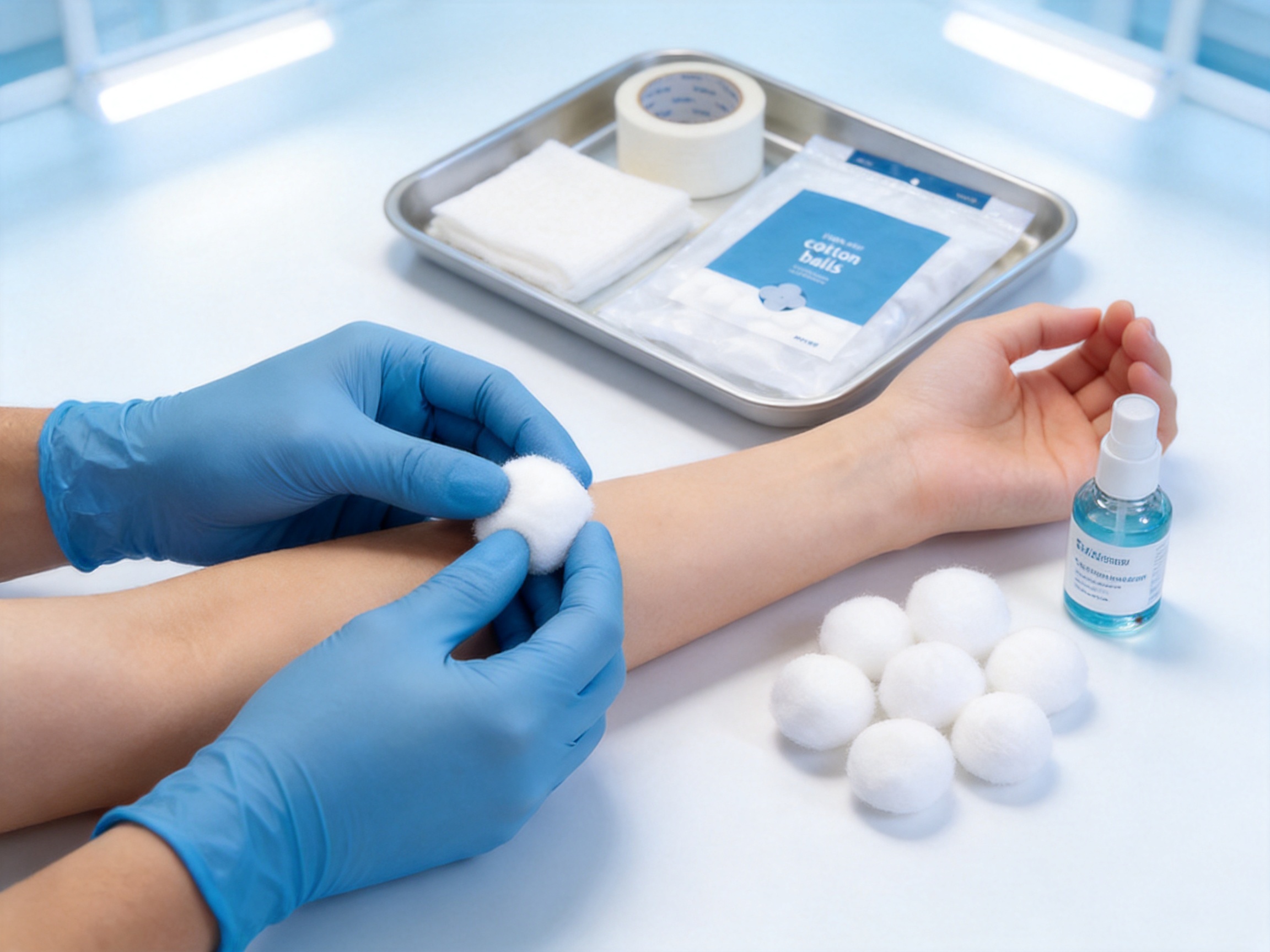
Cotton balls are frequently used to apply suitable skin-preparation solutions before injections or other routine procedures. Their rounded form makes them easy to hold, and their absorbent surface helps distribute liquid across a small area. The user can apply the required preparation without needing a large dressing or bulky applicator.
For medical environments, the sterile version may be selected when the procedure and local protocol require sterile materials. Healthcare facilities can choose the appropriate ball weight according to the size of the application area and the quantity of liquid required. Clear stock management is recommended so that sterile and non-sterile products are not confused.
Medical Dressing Support
The product can be used as part of routine medical dressing preparation and support. Cotton balls may help apply solutions, clean surrounding skin, or handle small quantities of liquid during dressing changes. They are not a substitute for specialized wound dressings when a wound requires a particular level of protection, absorption, compression, or sterility. Instead, they function as a convenient supporting consumable.
The soft surface and low-lint profile are valuable in situations where the user needs a gentle material that does not leave substantial fibers behind. A cotton ball can also be selected for small, controlled tasks where a larger gauze pad would be unnecessary.
Medical Appliance Cleaning
Healthcare workers and caregivers may use cotton balls to clean accessible areas of certain medical appliances or equipment, provided the cleaning method is compatible with the appliance and approved cleaning solution. The cotton ball’s small size allows the user to reach limited areas and apply liquid in a controlled manner.
Cleaning procedures should always follow the appliance manufacturer’s instructions. Cotton balls should not be used where their fibers could enter sensitive mechanisms, openings, or fluid pathways. When used appropriately, they can be a convenient addition to a broader cleaning and care routine.
First-Aid Kits
First-aid kit manufacturers and distributors can include cotton balls as a versatile absorbent component. They require little storage space, are easy to portion, and can support skin cleaning or general first-aid preparation. A sterile pack can be positioned for clinical and emergency applications, while a non-sterile format may be suitable for household or travel kits where general-purpose cotton is required.
The five-year shelf life listed for this product is useful for inventory planning. First-aid suppliers can establish replacement schedules and maintain organized stock, subject to the condition that the product remains properly stored and the packaging is intact.
Applications in Beauty and Personal Care
Makeup Removal
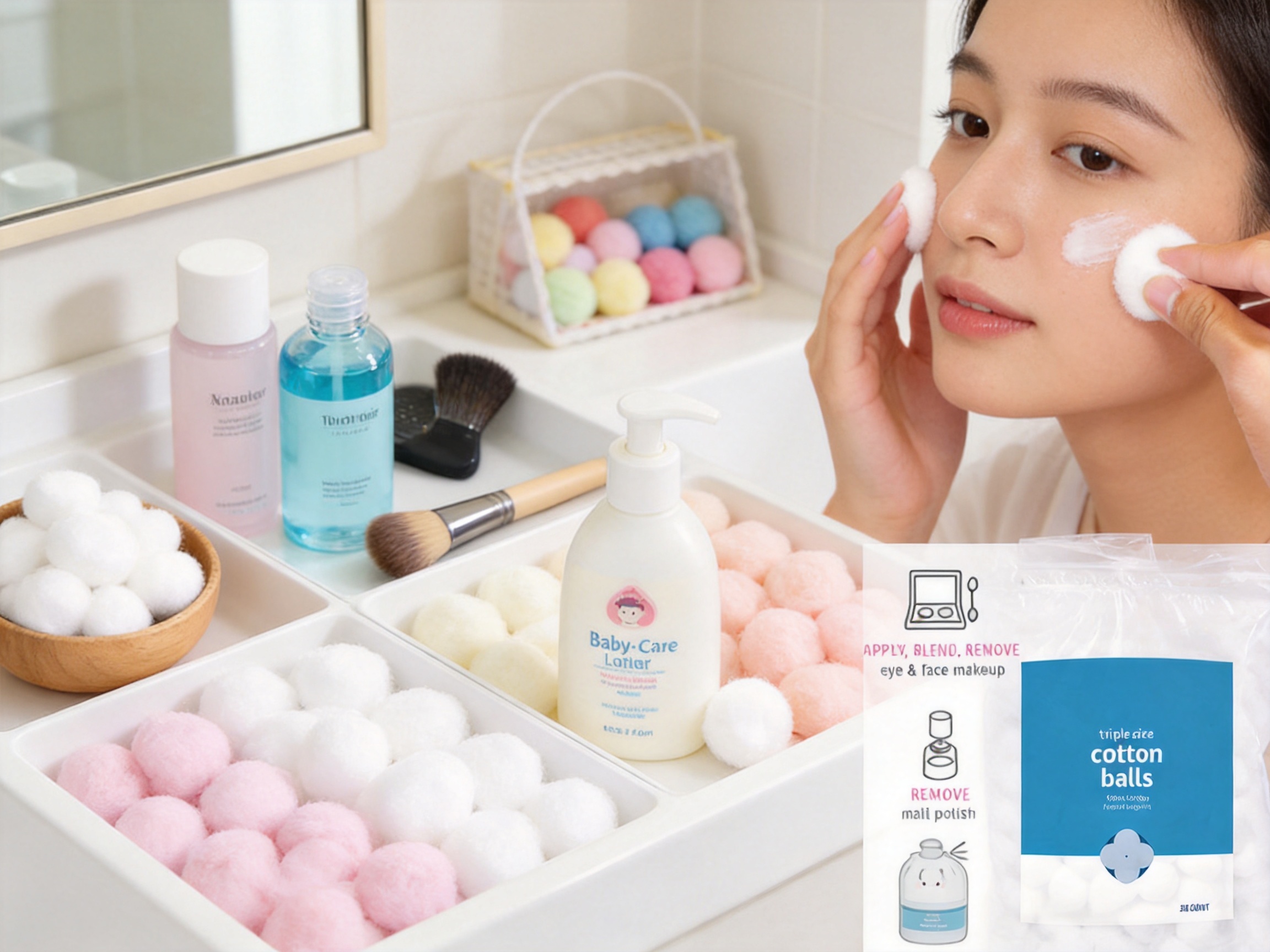
Cotton balls are widely used for removing makeup from the face, eyes, and other areas. Their absorbent surface can hold a suitable makeup-removal product, while their soft texture allows users to wipe gently. The ball shape also provides flexibility when working around facial contours.
For heavy makeup or large surface areas, users may prefer cotton pads or other dedicated products. However, cotton balls are convenient for targeted removal, correcting small areas, cleaning cosmetic tools, or reaching around the eyes and lips. Their availability in different sizes allows beauty retailers to serve both everyday users and professional makeup artists.
Application of Toners, Lotions, and Cleansers
The product can be used to apply toners, astringents, lotions, and cleansers. Because the cotton absorbs liquid and releases it gradually during use, it can help spread a product evenly over a small area. This makes it useful in daily skincare routines, salon services, and travel-care kits.
Customers may value an odorless cotton material because it does not add an unwanted fragrance to skincare products. The soft surface is also appropriate for users who prefer a gentle application method. Retailers can market the product as a multi-purpose personal-care accessory rather than limiting it to medical use.
Nail Polish Removal
Cotton balls are suitable for applying nail polish remover and wiping polish from fingernails or toenails. The user can place a controlled amount of remover on the cotton, apply it to the nail, and dispose of the used material afterward. Larger cotton balls can also be separated or adjusted for different nail sizes.
When used with solvents, customers should follow the instructions of the nail polish remover manufacturer. The cotton should be kept away from heat, flames, and incompatible chemicals. Clear consumer guidance can help retailers promote safe and responsible use.
Baby Care
Soft cotton balls can support baby-care routines such as applying lotion, oil, or powder. The gentle surface is useful for delicate skin, particularly when a caregiver needs a small applicator rather than a large cloth or pad. The product’s pure cotton material and hypoallergenic positioning may appeal to parents seeking simple personal-care accessories.
Caregivers should use baby-care products according to their instructions and avoid introducing cotton fibers into the eyes, nose, ears, or mouth. Cotton balls should be kept out of children’s reach, and used pieces should be discarded promptly.
Household, Craft, and General-Purpose Uses
The product is not limited to medical and personal-care applications. Non-sterile cotton balls are also useful in many household activities. Their soft, absorbent surface makes them suitable for applying polish, cleaning small objects, distributing a solution, or protecting delicate surfaces during minor maintenance work.
For polishing silver, furniture, or shoes, users can apply an appropriate polishing product to the cotton ball and work on a small area. The cotton can help control the amount of product used and reduce direct contact between the user’s fingers and the polish. Users should test any cleaning or polishing solution on an inconspicuous area before treating a visible surface.
Craft and hobby users can use colorful cotton balls in educational activities, decorative projects, seasonal crafts, model making, and sensory projects. White cotton balls can represent clouds, snow, animal features, flowers, or other soft-textured elements. The different weights and colors provide flexibility for schools, activity centers, home projects, and retail craft kits.
Because the product is lightweight and easy to store, it can be included in household supply cabinets, beauty kits, first-aid drawers, and hobby boxes. Its multi-purpose character is a commercial advantage for distributors because one product line can appeal to several customer groups.
Advantages Over Generic or Poorly Processed Alternatives
Many cotton-ball products look similar at first glance, but performance can differ significantly. A low-quality product may be unevenly formed, shed fibers, carry an unpleasant odor, absorb liquid inconsistently, or lose its shape during use. These issues can reduce user satisfaction and increase waste.
The product described here offers several differentiating characteristics. Its specified advantages include high absorbency, low-lint performance, soft texture, bleaching, odorless quality, and the absence of visible splashing or spotting. These features are relevant to both professional and consumer applications.
The availability of six weight options is another advantage over suppliers that offer only one standard size. Buyers can build a more precise product range, and end users can choose a cotton ball appropriate for a specific task. This helps reduce the tendency to use an oversized product for a small job or several undersized products for a larger one.
The sterile and non-sterile choices provide additional flexibility. Some competitors may focus exclusively on household cotton or exclusively on clinical products. A supplier offering both configurations can support healthcare, retail, beauty, first-aid, and household channels through a more coordinated purchasing program.
Certification and quality-system information also contribute to buyer confidence. The product is listed as meeting BP standards and carrying ISO 13485 and CE credentials. These references can be important to importers, medical distributors, institutional buyers, and customers who require documented quality management and conformity information.
A five-year shelf life can also be advantageous for procurement. Long shelf life supports bulk ordering, warehouse planning, private-label programs, and international distribution. It may help reduce the pressure of frequent replenishment, although storage conditions and packaging integrity must still be maintained.
| Evaluation area | Product advantage | Buyer benefit |
|---|
| Absorbency | Highly absorbent cotton construction | Supports efficient application and cleaning |
| Surface feel | Soft and gentle material | More comfortable for skin-contact use |
| Fiber control | Lint-free positioning | Reduces loose fibers during use |
| Product cleanliness | Bleached, odorless, and without visible spots | Provides a clean and professional presentation |
| Selection | Six listed weight options | Allows application-specific purchasing |
| Sterility choice | Sterile and non-sterile versions | Serves clinical and general-use markets |
| Material | Cotton | Supports medical, cosmetic, baby-care, and household applications |
| Service life | Five-year shelf life | Assists inventory and distribution planning |
Manufacturing Expertise and Quality Management
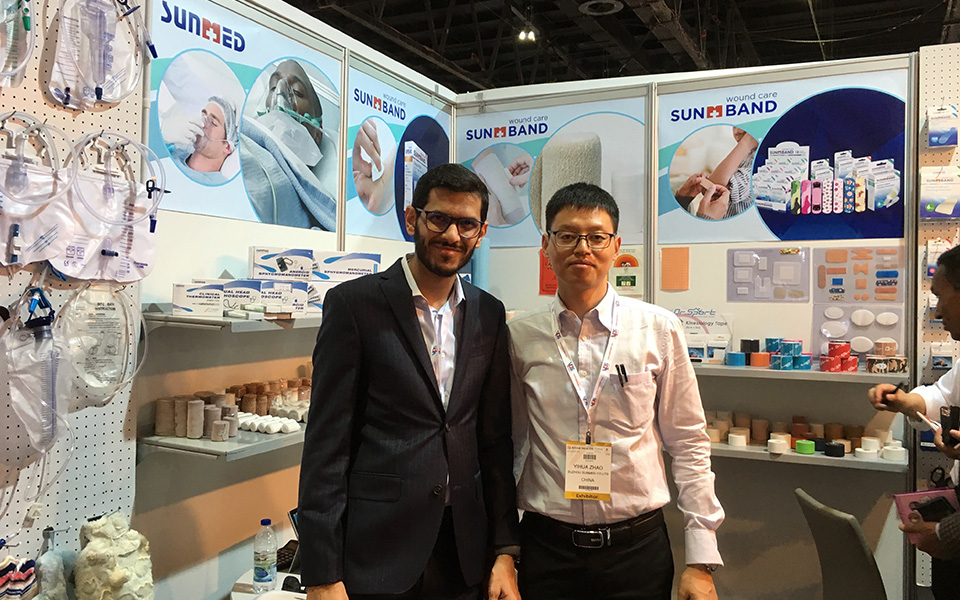
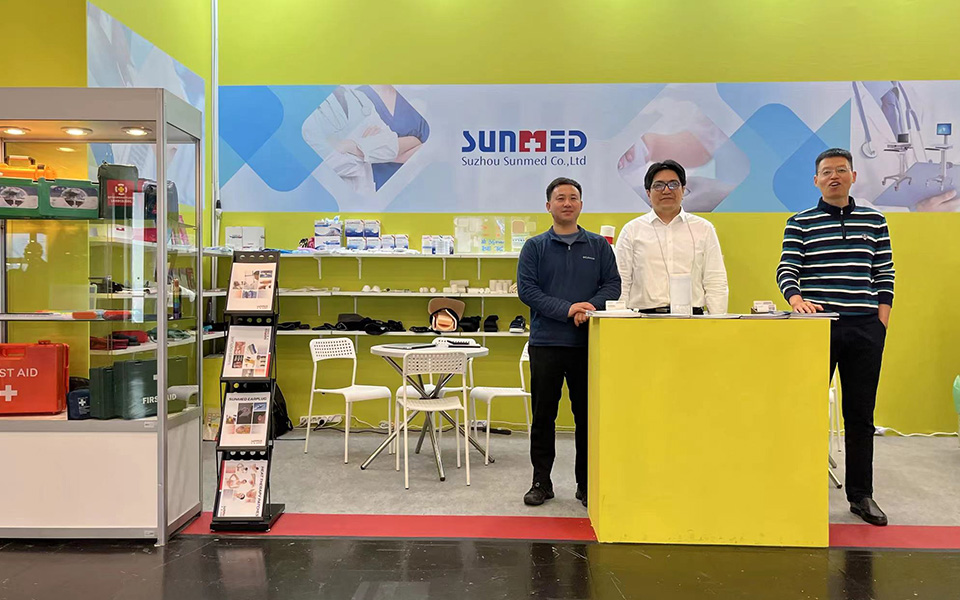
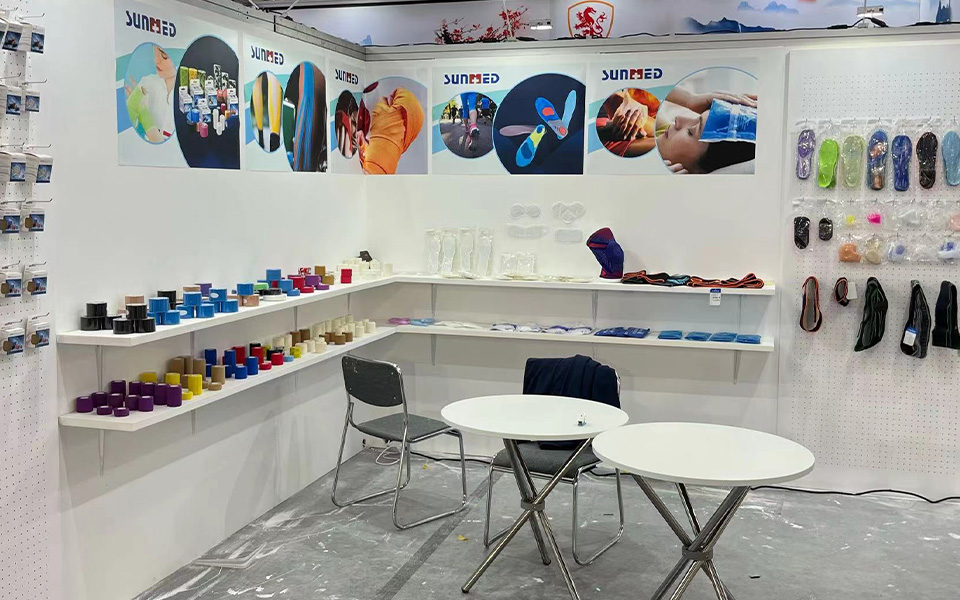
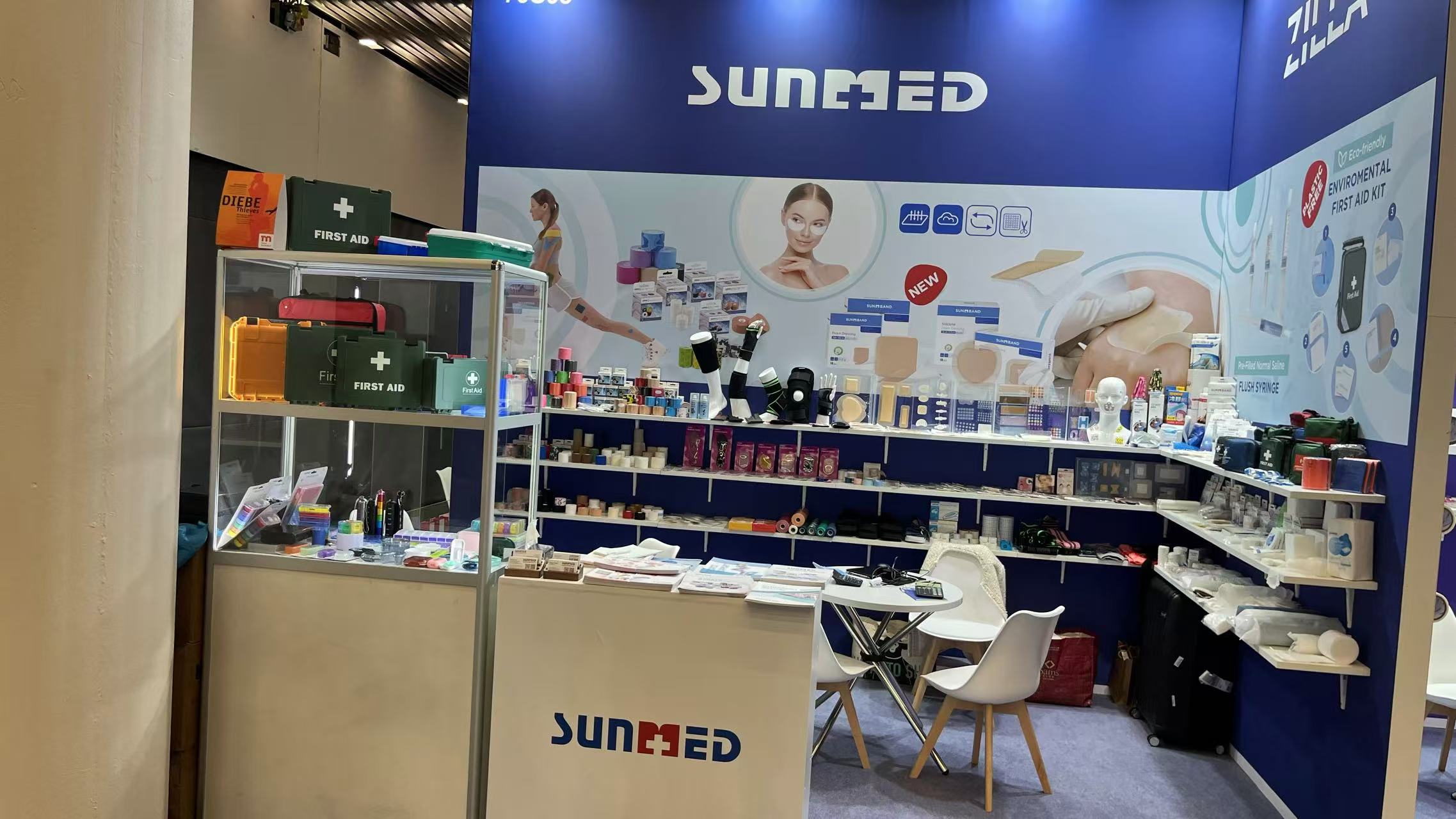
The manufacturer is a professional producer and exporter of first-aid, medical, and healthcare products in China. Its business experience covers approximately 30 years in medical devices, medical equipment, and medical consumables. This long-term specialization is relevant to cotton products because consistent absorbency, cleanliness, material control, and packaging require repeatable production and quality procedures.
The company operates multiple production bases in Jiangsu, Zhejiang, and Anhui Province. A multi-site manufacturing structure can provide broader production capability and support for a diverse product portfolio. It also reflects experience in coordinating production, quality control, packaging, and export requirements across different product categories.
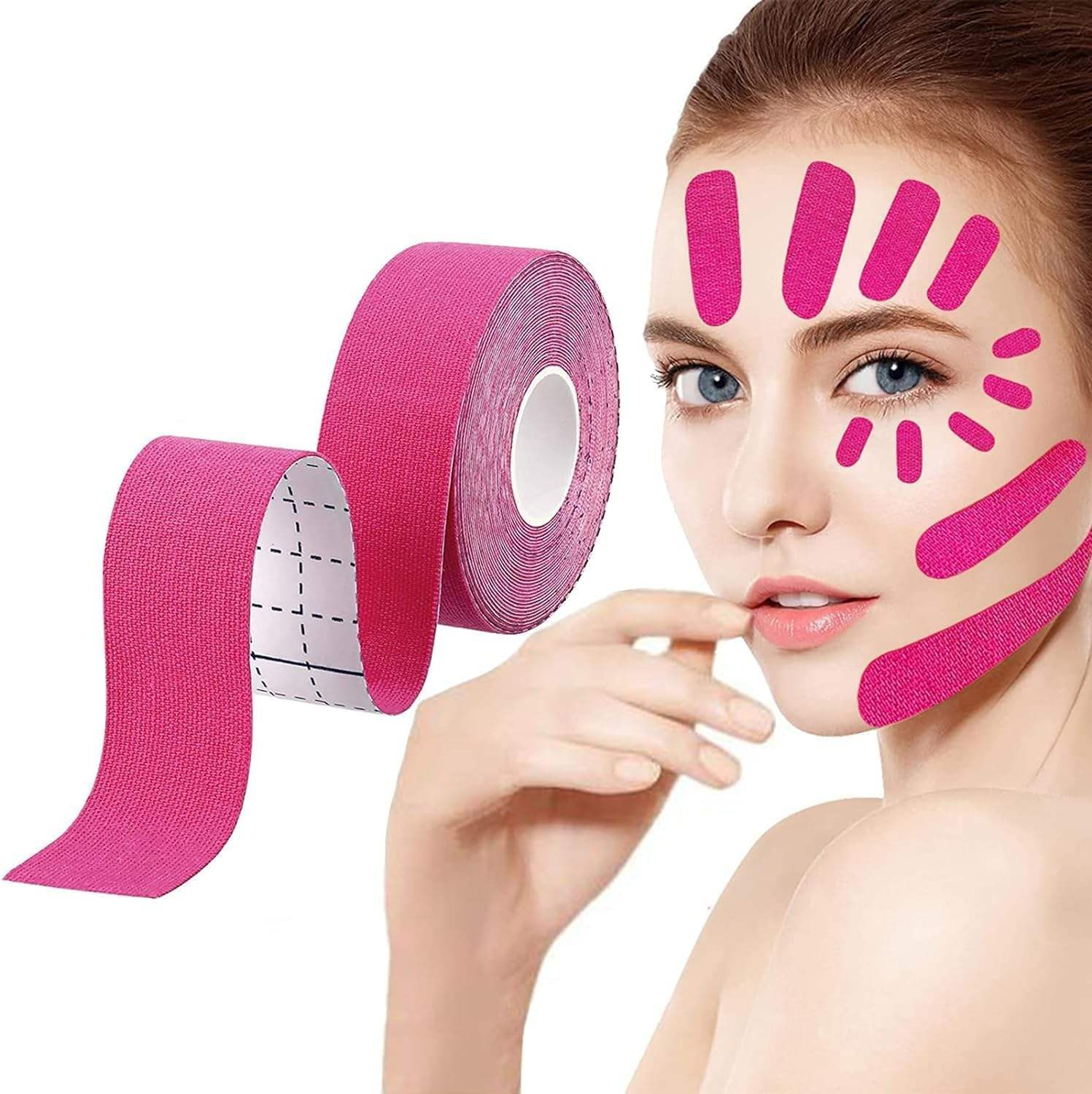
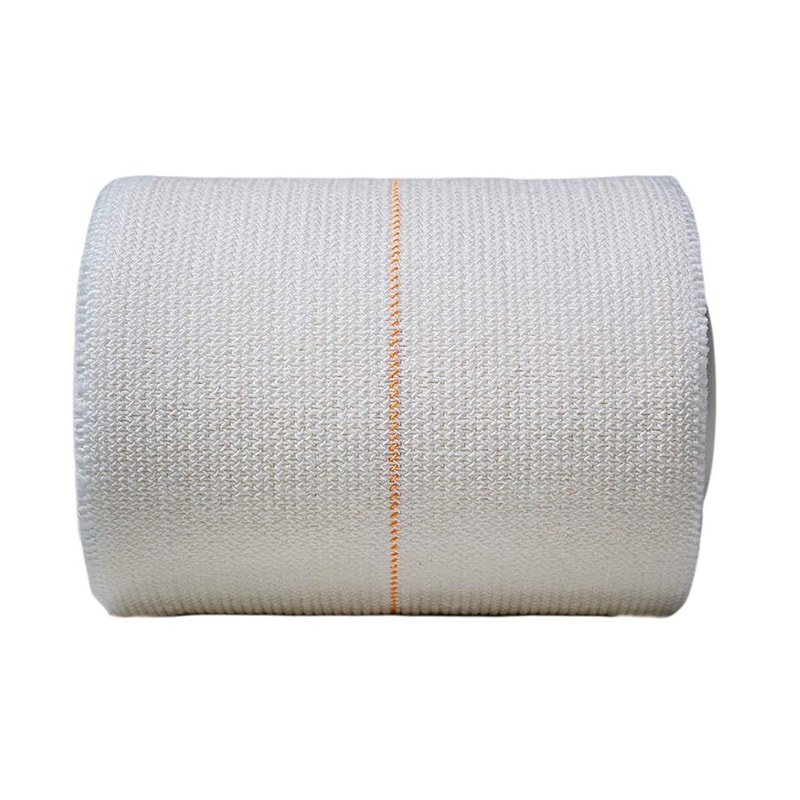
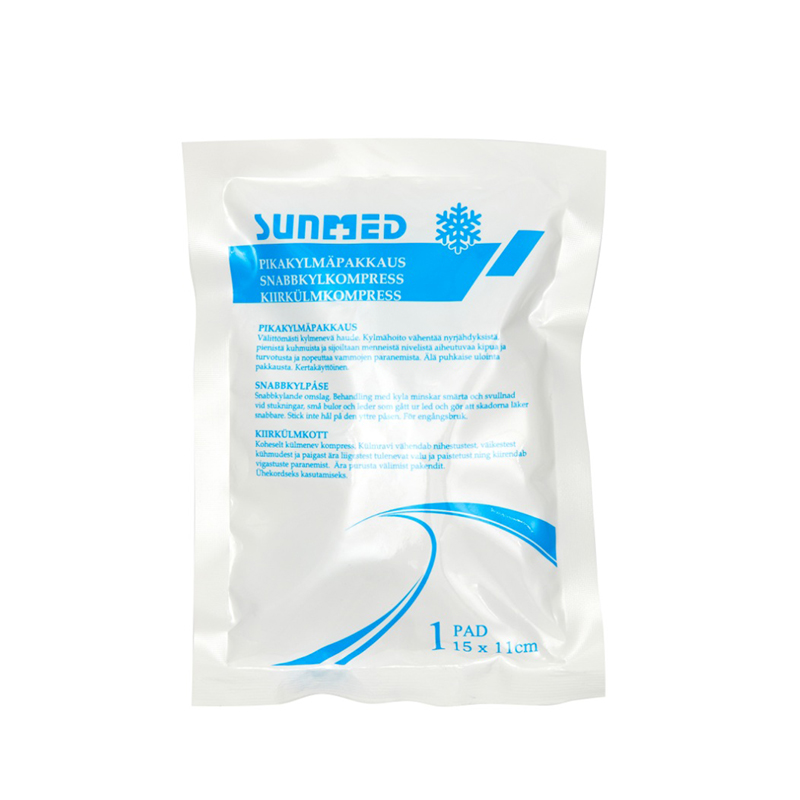
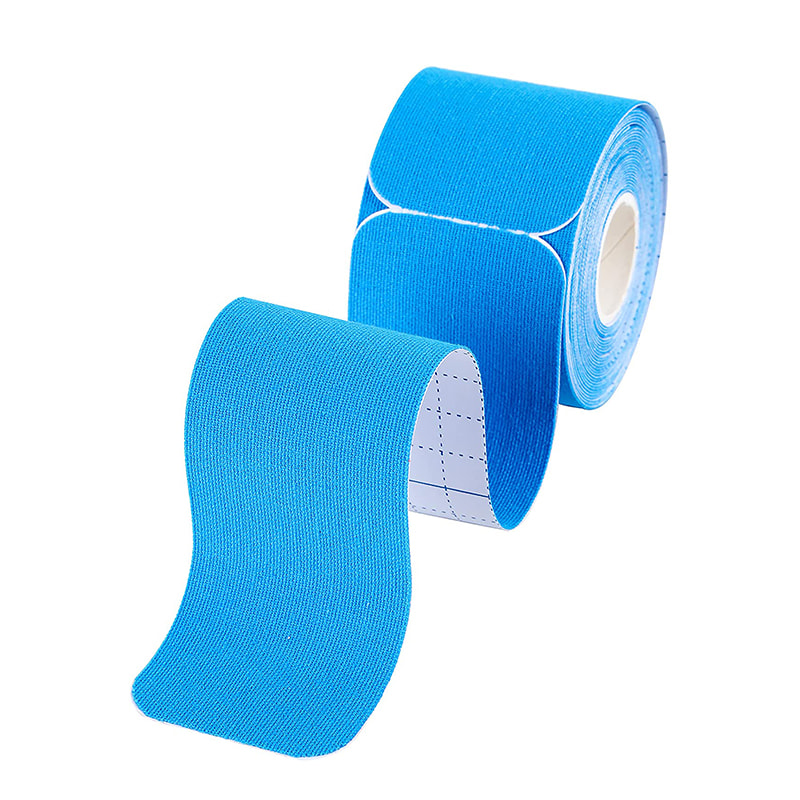
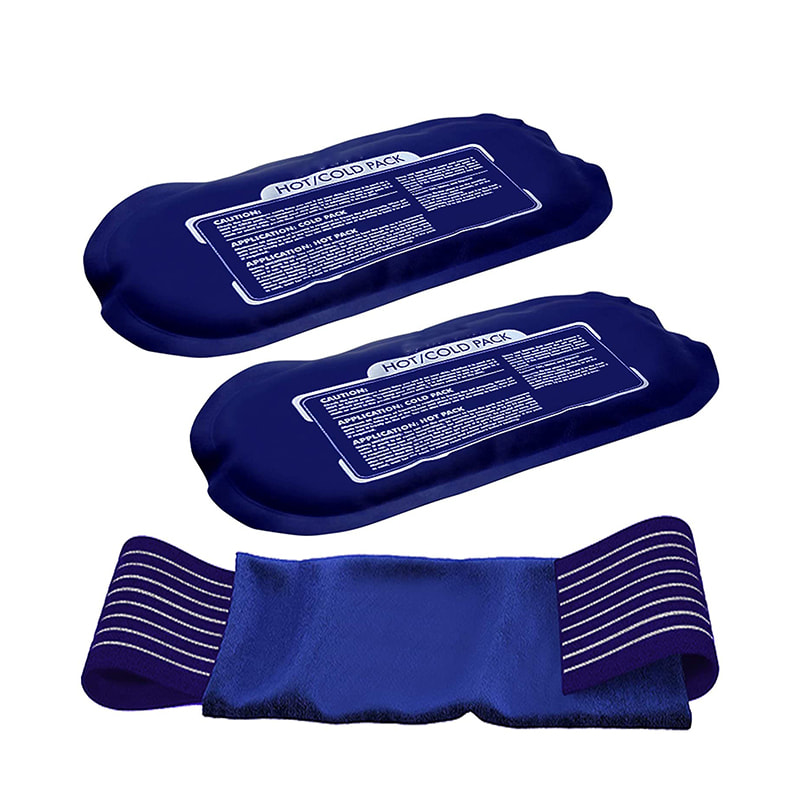
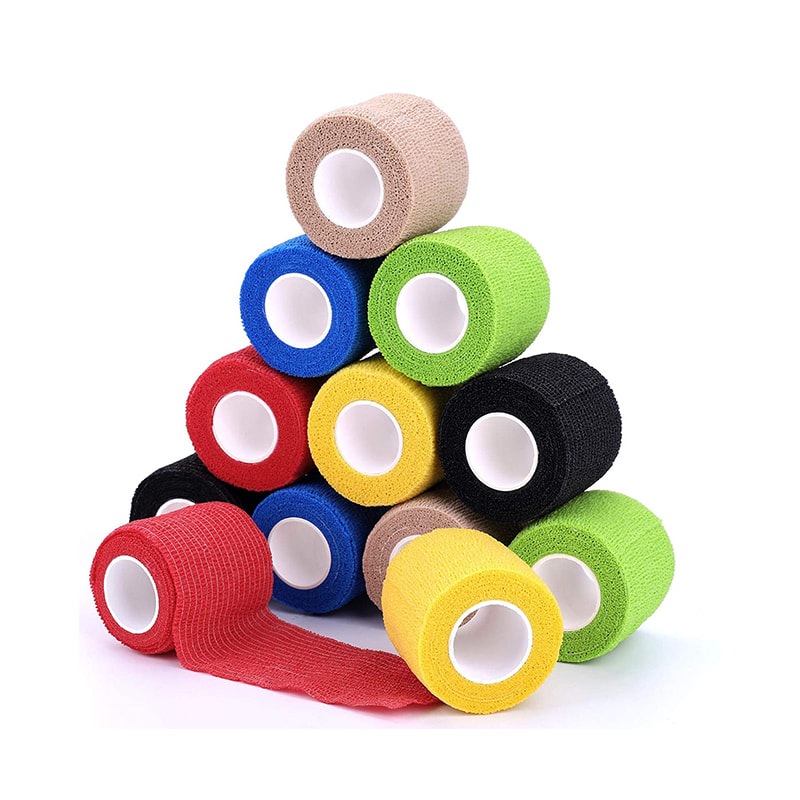
Its product fields include medical gauze, bandages, medical tape, medical cotton, non-woven products, sports bandages, kinesiology tape, cohesive bandages, elastic adhesive bandages, pill boxes, hot and cold packs, syringes, catheters, surgical consumables, and other medical supplies. This broad portfolio gives the manufacturer practical knowledge of how cotton products are used alongside dressings, tapes, first-aid materials, and clinical consumables.
According to the supplied company information, a professional quality-control team comprising hundreds of personnel follows inspection procedures aligned with ISO 13485:2016 requirements. A formal quality system is particularly important for medical consumables because quality must be considered throughout material purchasing, production, inspection, packaging, storage, and shipment.
For cotton balls, advanced manufacturing strength is reflected in the ability to maintain uniformity across batches. Relevant quality considerations include cotton cleanliness, ball shape, weight consistency, absorbency, surface softness, fiber shedding, odor, packaging integrity, labeling, and sterility status where applicable.
Material Selection and Preparation
Material selection is the foundation of cotton-ball quality. The supplied product information identifies cotton as the material and describes the finished product as pure cotton. Before forming, cotton must be handled in a way that supports cleanliness and consistent fiber performance.
Controlled preparation helps reduce unwanted foreign matter and supports a more uniform final texture. The raw material must be compatible with the intended product specification, including the required softness, absorbency, color, and cleanliness. Careful material handling also helps reduce variation between different production lots.
For a medical and personal-care product, material control is especially important because the cotton may contact skin or be used with liquids applied to the body. A structured purchasing and incoming-inspection process helps manufacturers identify unsuitable material before it enters the production workflow.
Forming and Weight Control
Cotton balls must be formed into a stable, rounded shape that is easy to hold and apply. Weight control is important because the product is offered in several defined sizes. A 0.15 g cotton ball and a 1.0 g cotton ball serve different purposes, so accurate classification supports both customer expectations and packaging accuracy.
Consistent forming can also improve user experience. Cotton balls that are too loose may separate during use, while those that are excessively dense may not absorb or release liquid as efficiently. Balanced processing aims to create a soft but serviceable product that retains its shape during normal handling.
Bleaching and Appearance Control
The product is described as bleached and available in white or colorful options. Appearance control helps provide a clean and consistent presentation. White products are especially appropriate for healthcare and personal care because their appearance supports visual inspection and aligns with common medical expectations.
Colorful options require controlled coloration and clear product identification. When colors are used for retail or craft applications, uniformity between batches can help maintain customer satisfaction. Any color-specific product should be packaged and labeled in a manner that clearly communicates its intended use.
Inspection and Packaging
Inspection procedures can include visual checks, weight checks, packaging checks, and review of the applicable product status. For sterile versions, sterilization and sterile-barrier controls are critical. The final package must protect the cotton balls from contamination and preserve the stated sterility until the package is opened.
For non-sterile versions, packaging still plays an important role. It should protect the product during storage and transport, limit exposure to dust and moisture, and provide clear information about material, size, quantity, use, and storage. Packaging design also affects retail presentation and the efficiency of warehouse handling.
A manufacturer with experience across medical consumables can coordinate packaging requirements for hospitals, distributors, retailers, and private-label customers. Different channels may require different pack counts, labeling languages, carton configurations, or branding arrangements. Manufacturing flexibility is therefore valuable in addition to product quality.
Certifications, Standards, and Documentation
The product information states that the cotton balls meet BP standards and are associated with ISO 13485 and CE certification. Buyers should request the relevant technical documentation, declarations, test reports, and product-specific certificates required for their market before placing an order.
ISO 13485 is widely recognized as a quality-management standard for medical devices and related manufacturing systems. A quality system based on this standard supports documented processes, traceability, corrective action, risk consideration, and controlled production. It does not mean that every product has identical regulatory status in every country, so importers should verify local requirements.
CE marking and related conformity documentation may be relevant for products placed on applicable European markets. The precise obligations depend on product classification, intended use, packaging claims, and current regulations. Responsible purchasing requires confirming that the supplied documentation corresponds to the exact cotton-ball configuration being imported.
BP standards refer to British Pharmacopoeia requirements or related quality expectations. Buyers should confirm the specific edition, test scope, and applicability to the product. Documentation should be reviewed by the importer’s regulatory or quality team when the cotton balls are intended for medical distribution.
Clear documentation benefits both manufacturers and customers. It supports product registration, customs procedures, internal audits, distributor qualification, and end-user confidence. A supplier able to communicate product specifications accurately can help reduce delays and misunderstandings during international procurement.
OEM, Wholesale, and Export Capabilities
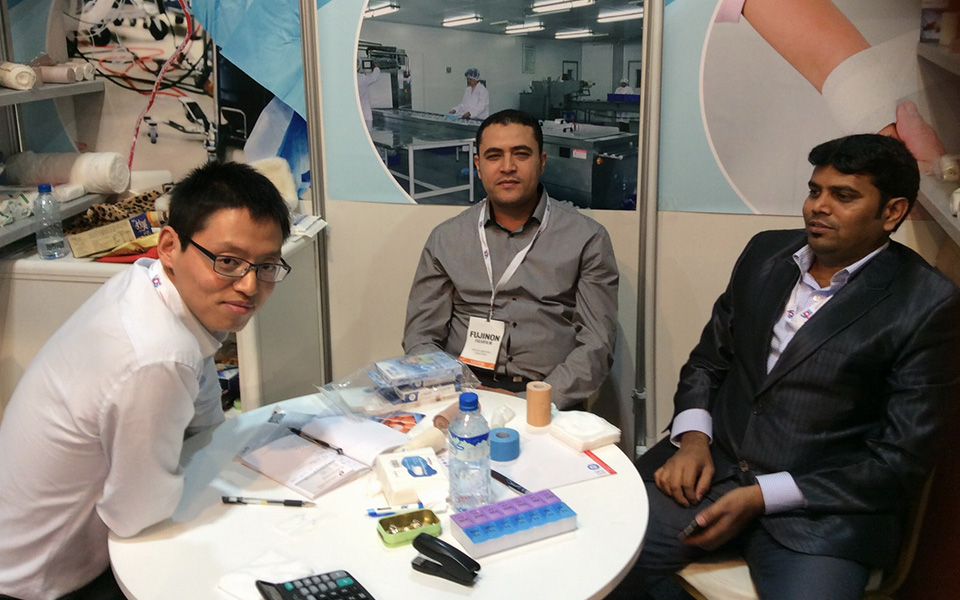
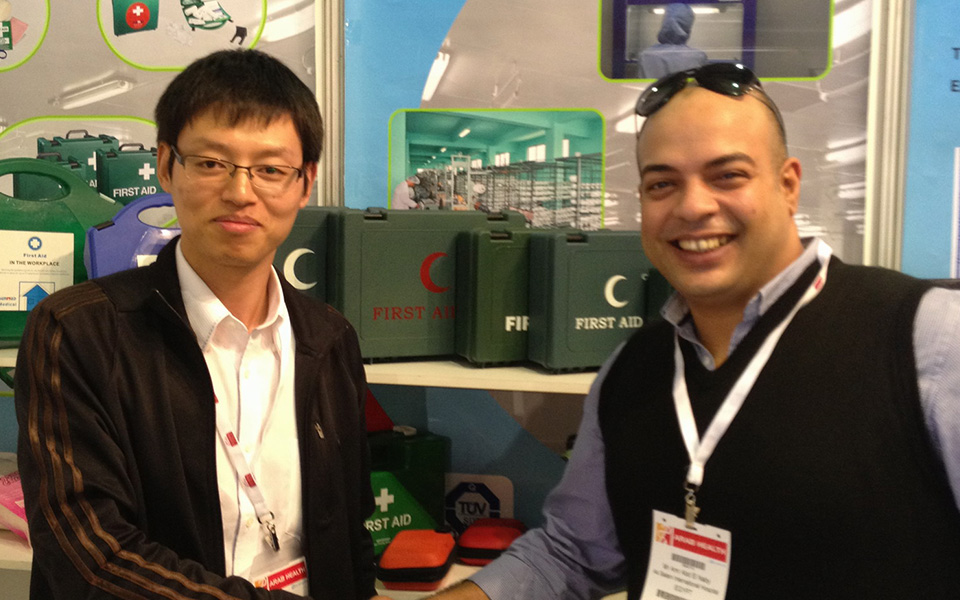
The manufacturer supplies medical consumables and medical devices for international customers. Its export experience covers more than 60 countries across Europe, Southeast Asia, Africa, Oceania, and other markets. This experience is relevant to wholesale customers seeking a supplier familiar with export coordination, product documentation, and international communication.
Wholesale buyers may purchase cotton balls for hospitals, first-aid suppliers, pharmacies, supermarkets, beauty retailers, sports shops, childcare channels, or general distributors. The product’s broad application range allows customers to position it in several categories, including cotton products, first aid, wound care, beauty care, baby care, and household supplies.
OEM customers may benefit from the ability to specify product weight, color, sterility, pack format, labeling, and other commercial details. Any customized project should be confirmed through a formal specification and sample-approval process. Packaging artwork, carton marks, language requirements, and regulatory claims should be reviewed before mass production.
Long-term cooperation is supported by consistent communication. A professional supplier should provide product specifications, quotations, lead-time estimates, packaging information, quality documents, and shipment details in a clear format. The manufacturer’s stated focus on communication and long-term customer relationships is aligned with the needs of international medical-supply procurement.
Storage, Handling, and Responsible Use
Cotton balls should be stored in a clean, dry environment away from excessive moisture, direct sunlight, dust, chemicals, and strong odors. The original packaging should remain closed until the product is needed. Storage areas should be organized so that sterile and non-sterile versions are clearly separated and easily identifiable.
Before use, customers should inspect the package for damage, moisture, unusual odor, or other visible problems. Sterile cotton balls should not be used if the sterile barrier is damaged, opened, wet, or otherwise compromised. Products beyond their stated shelf life should be handled according to the purchaser’s quality procedures and applicable local requirements.
Users should select the appropriate cotton-ball size and sterility status for the task. Cotton balls should not be reused, particularly after contact with skin, medical solutions, cosmetics, or contaminated surfaces. Used cotton should be disposed of in accordance with the nature of the material applied and the relevant healthcare or household disposal rules.
Although cotton balls are soft and convenient, they should be used carefully around sensitive areas. They should not be pushed into the ear canal, inserted into wounds, or introduced into the eyes, nose, mouth, or other body openings unless a qualified professional specifically directs such use. Children should use cotton balls only with appropriate adult supervision.
For medical applications, the cotton ball is a consumable accessory and does not replace specialized wound dressings, swabs, absorbent pads, disinfecting protocols, or other products required for a particular procedure. The healthcare professional should determine the correct product and method for each clinical situation.
Procurement Guidance for Distributors
Distributors should begin by identifying the target customer and intended application. A hospital buyer may prioritize sterile presentation, documentation, and consistent weight. A beauty retailer may prioritize soft texture, consumer packaging, and attractive presentation. A craft supplier may prioritize color variety and economical non-sterile packaging.
The six available weights provide a basis for creating a tiered product range. Smaller options may be positioned for facial care, infant care, precision cleaning, or first-aid kits. Medium weights may serve general medical and cosmetic uses. Larger weights may be marketed for broader cleaning, dressing support, household tasks, and high-absorbency applications.
Purchasers should request samples before approving a large order. Sample evaluation may include appearance, softness, odor, shape retention, liquid absorption, lint behavior, weight consistency, packaging quality, and ease of dispensing. For sterile products, documentation and package integrity should also be evaluated.
Buyers should confirm the product classification and regulatory requirements in the destination market. The HS code provided is 3005901000, but customs classification should be verified by the importer according to current local rules, product configuration, packaging, and intended use.
It is also advisable to establish a written quality agreement for recurring orders. The agreement may define acceptable product variation, inspection methods, packaging standards, labeling requirements, defect handling, change-control procedures, and documentation. These steps help protect both the buyer and the manufacturer as order volume increases.
Environmental and Efficiency Considerations
Cotton balls are disposable products, so efficient use is important. Selecting an appropriate weight can reduce unnecessary consumption. For a small task, a compact cotton ball may be sufficient, while a larger cotton ball may reduce the number of pieces needed for a broader application. Clear user instructions can support more economical consumption.
Manufacturers and distributors can also consider packaging efficiency. Appropriate pack sizes reduce excess packaging and improve storage density. Cartons designed for stable stacking can help reduce transport damage and warehouse inefficiency. Retail packaging should balance product visibility, protection, labeling, and material use.
Disposal depends on what the cotton ball has contacted. Cotton balls used with ordinary cosmetic products or household materials may follow general waste procedures, while those used with medical substances or contaminated materials may require specialized disposal. Users and institutions should follow local waste-management requirements rather than assuming that all cotton products can be discarded in the same way.
Because the product is made from cotton, customers may ask about sourcing, processing, packaging materials, and environmental claims. Such claims should be supported by appropriate documentation. Buyers seeking specific sustainability attributes should discuss them with the manufacturer before ordering and ensure that the final labeling accurately reflects verified information.
Why This Product Is Suitable for Multiple Markets
The product’s principal commercial strength is its ability to bridge professional and everyday use. In healthcare, the cotton balls can support skin preparation, dressing procedures, appliance cleaning, and first-aid supplies. In beauty care, they can assist with makeup removal, toner application, cleansing, and nail polish removal. In baby care, they can be used for applying lotion, oil, or powder. In the household, they can support polishing, cleaning, crafts, and hobbies.
This broad usability can simplify purchasing for distributors. Instead of managing unrelated suppliers for every application, a buyer may be able to source multiple cotton-ball configurations from one experienced medical-consumables manufacturer. The availability of sterile and non-sterile options further strengthens this multi-market approach.
The product is also suitable for different scales of operation. A small retailer may select a few popular sizes for consumer sale. A hospital distributor may focus on sterile packs and documentation. A private-label company may build a complete range with multiple weights and colors. A first-aid kit assembler may purchase selected sizes for inclusion in emergency packs.
For international customers, the manufacturer’s export experience and broad product portfolio may support coordinated procurement. Customers purchasing cotton balls alongside gauze, bandages, medical tape, sports supports, hot and cold therapy products, or other medical supplies can explore consolidated sourcing opportunities.
Q&A
What is the material of the cotton balls?
The product is made from cotton and is described as pure cotton. Its cotton construction supports softness, absorbency, and suitability for medical, cosmetic, baby-care, household, and craft applications.
Are sterile and non-sterile versions available?
Yes. The product is available in both sterile and non-sterile versions. Customers should select the appropriate configuration according to the intended use, local requirements, and applicable healthcare procedures.
What product weights are available?
The listed weights are 0.15 g, 0.25 g, 0.4 g, 0.5 g, 0.8 g, and 1.0 g. The range allows buyers to select smaller or larger cotton balls according to the application.
What colors can be supplied?
The listed colors are white and colorful. White is commonly used for medical, first-aid, cosmetic, and baby-care applications, while colorful options may be suitable for retail differentiation, crafts, and educational projects.
Are the cotton balls lint-free?
The product description identifies them as lint-free. Low-lint performance is useful for skin preparation, cosmetic application, equipment cleaning, and other tasks where loose fibers may be inconvenient.
Can the cotton balls be used for injection preparation?
They are described as being used for skin preparation when administering injections. The sterile version should be selected when sterile materials are required, and healthcare professionals should follow the relevant clinical protocol.
Can they be used for babies?
Yes. The product is described as soft, gentle, and suitable for applying lotion, oil, and powder to a baby’s delicate skin. Caregivers should use the cotton balls carefully and keep them away from the child’s eyes, mouth, nose, and other body openings.
Can the non-sterile version be used for beauty care?
Yes. Non-sterile cotton balls are suitable for general beauty applications such as makeup removal, nail polish removal, toner application, cleanser application, astringent use, and lotion application, provided the cosmetic product instructions are followed.
What certifications and standards are listed?
The supplied information lists BP standards, ISO 13485, and CE. Importers should request the applicable product-specific documents and confirm the regulatory requirements of the destination market.
What is the shelf life?
The listed shelf life is five years. Products should be stored correctly, and packaging should remain intact. Buyers should verify the expiration information printed on the actual package or shipping documentation.
Can the product be customized for wholesale or OEM orders?
The manufacturer supplies medical consumables for international customers and may discuss wholesale or OEM requirements. Potential customization areas can include weight, color, sterility, pack format, labeling, and private-label packaging, subject to confirmation and formal approval.
How should the product be stored?
Store the cotton balls in a clean, dry place away from moisture, direct sunlight, dust, strong odors, and chemicals. Sterile products should remain sealed until use, and damaged or compromised packages should not be used for sterile applications.
What is the model number?
The model number is DC662001.
Conclusion
Absorbent medical cotton balls are a practical consumable with applications extending from hospitals and first-aid kits to beauty counters, baby-care cabinets, households, and craft studios. The DC662001 product combines cotton softness with high absorbency, low-lint performance, bleaching, odorless quality, and a clean appearance.
Its six listed weights, white and colorful options, and sterile or non-sterile configurations provide flexibility for different customer groups. These choices help distributors create focused product ranges and allow end users to select a suitable format for each task.
The manufacturer strengthens the product offering through long-term experience in medical devices and consumables, multiple production bases, a broad healthcare portfolio, international export experience, and a quality-control organization aligned with ISO 13485:2016 practices. The stated BP, ISO 13485, and CE credentials provide a useful basis for further buyer verification and regulatory review.
For purchasers seeking a versatile cotton product, the main advantages are application breadth, configuration flexibility, documented manufacturing capability, and suitability for both professional and general-use channels. Proper selection, storage, handling, and disposal will help customers obtain the best performance from the product while supporting safe and responsible use.
References
1. Product specification for absorbent medical sterile and non-sterile household cotton ball, model DC662001.
2. British Pharmacopoeia, general principles and applicable quality requirements for healthcare and pharmaceutical materials.
3. ISO 13485, Medical Devices — Quality Management Systems — Requirements for Regulatory Purposes.
4. European conformity-assessment principles applicable to medical devices and healthcare consumables.
5. General guidance for the storage, handling, and disposal of disposable medical consumables.
6. Manufacturer-provided company profile and product portfolio information for medical consumables and healthcare products.

 English
 Español
 русский
 Français
 Deutsch
 italiano
 By Admin