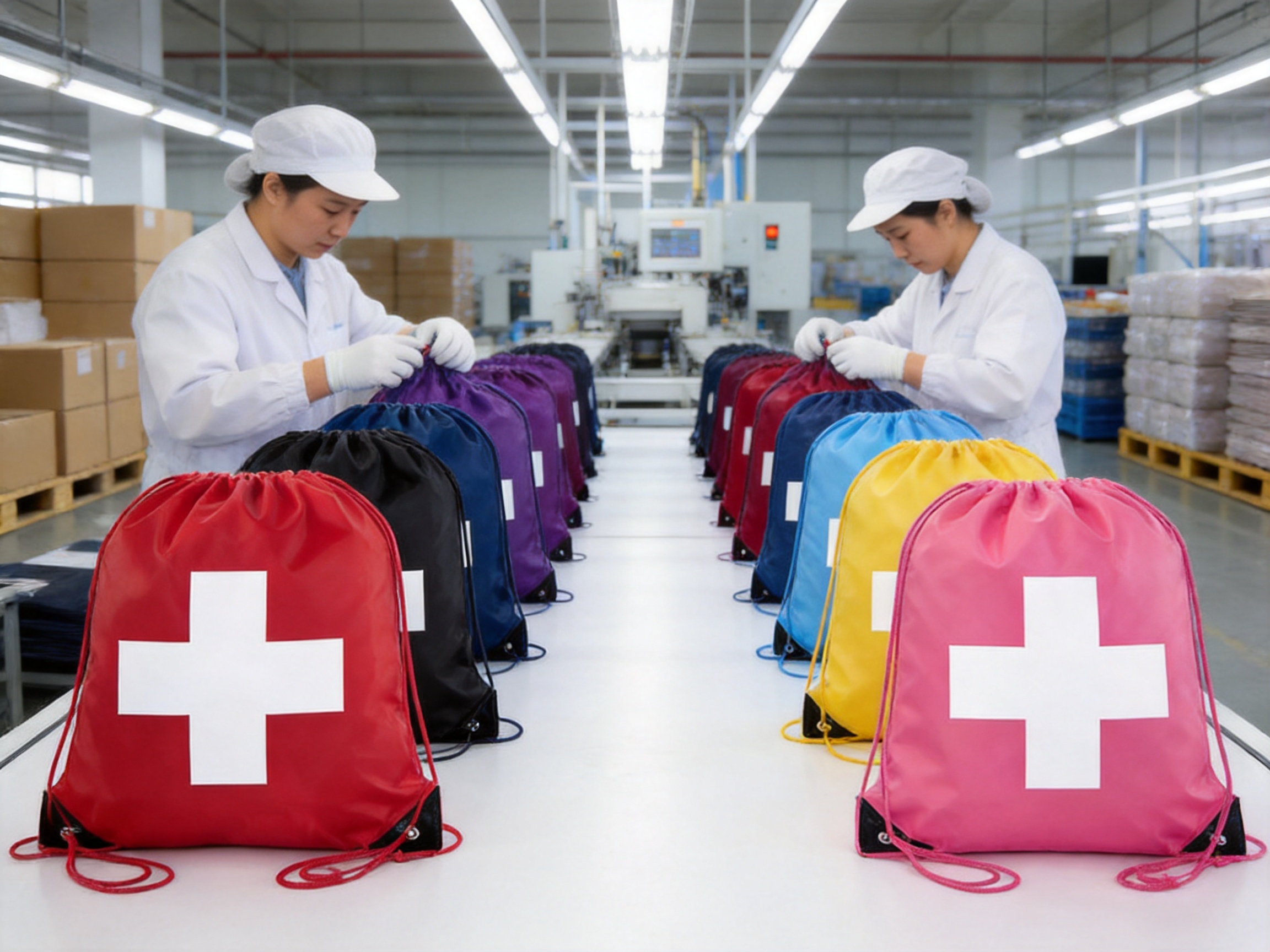
Preparedness depends on more than having the right first aid supplies. Those supplies must also be organized, protected, identified, and easy to transport when time matters. The Promotional Custom Medical Drawstring Backpack First Aid Bag is designed to provide a simple, flexible, and economical way to carry first aid essentials, daily medicines, emergency accessories, and personal care items. Its lightweight backpack format supports portability, while its polyester construction offers practical durability for repeated use in classrooms, homes, workplaces, outdoor activities, sporting events, and promotional safety programs.
This product is an empty first aid bag, meaning that purchasers can select the contents according to their intended use. A school may fill it with adhesive bandages, gauze, alcohol prep pads, and basic wound-care products. A family may use it for daily medicines, emergency prescriptions, or personal care supplies. A sports organization may configure it with athletic tape, cohesive wrap, cold packs, and protective supports. A promotional distributor may add branded first aid products and place a logo on the bag itself.
Model DC660918 combines a customizable size, multiple color options, polyester fabric, and branding capability. The standard size is 15.5 inches by 13.5 inches, while the product information also identifies the size as customizable for project-specific requirements. With a stated minimum order quantity of 3,000 pieces, it is particularly suitable for institutional purchasing, wholesale distribution, company campaigns, school programs, public safety events, and large-scale promotional applications.
Understanding the Product and Its Intended Use
The Medical Drawstring Backpack First Aid Bag is a soft-sided carrying solution rather than a pre-packed medical kit. This distinction is important because it gives buyers control over the contents, packaging configuration, labeling, and final application. The bag can function as a compact first aid carrier, an emergency medicine pouch, a school safety pack, a sports support bag, or a promotional giveaway intended to encourage preparedness.
The drawstring backpack format allows the user to carry the bag over one or both shoulders. It can be quickly opened, loaded, closed, and transported without the complexity of a rigid case or a large multi-compartment medical backpack. The design is especially useful when the bag needs to be distributed to teachers, parents, babysitters, coaches, students, employees, or event participants.
The product description identifies a size of 15.5 inches by 13.5 inches. This offers enough surface area for common first aid and daily-care articles while preserving a compact footprint. Since the bag is soft and lightweight, it can be stored in a classroom cabinet, vehicle, sports equipment area, office drawer, camping pack, or household storage location without occupying the space required by a rigid container.
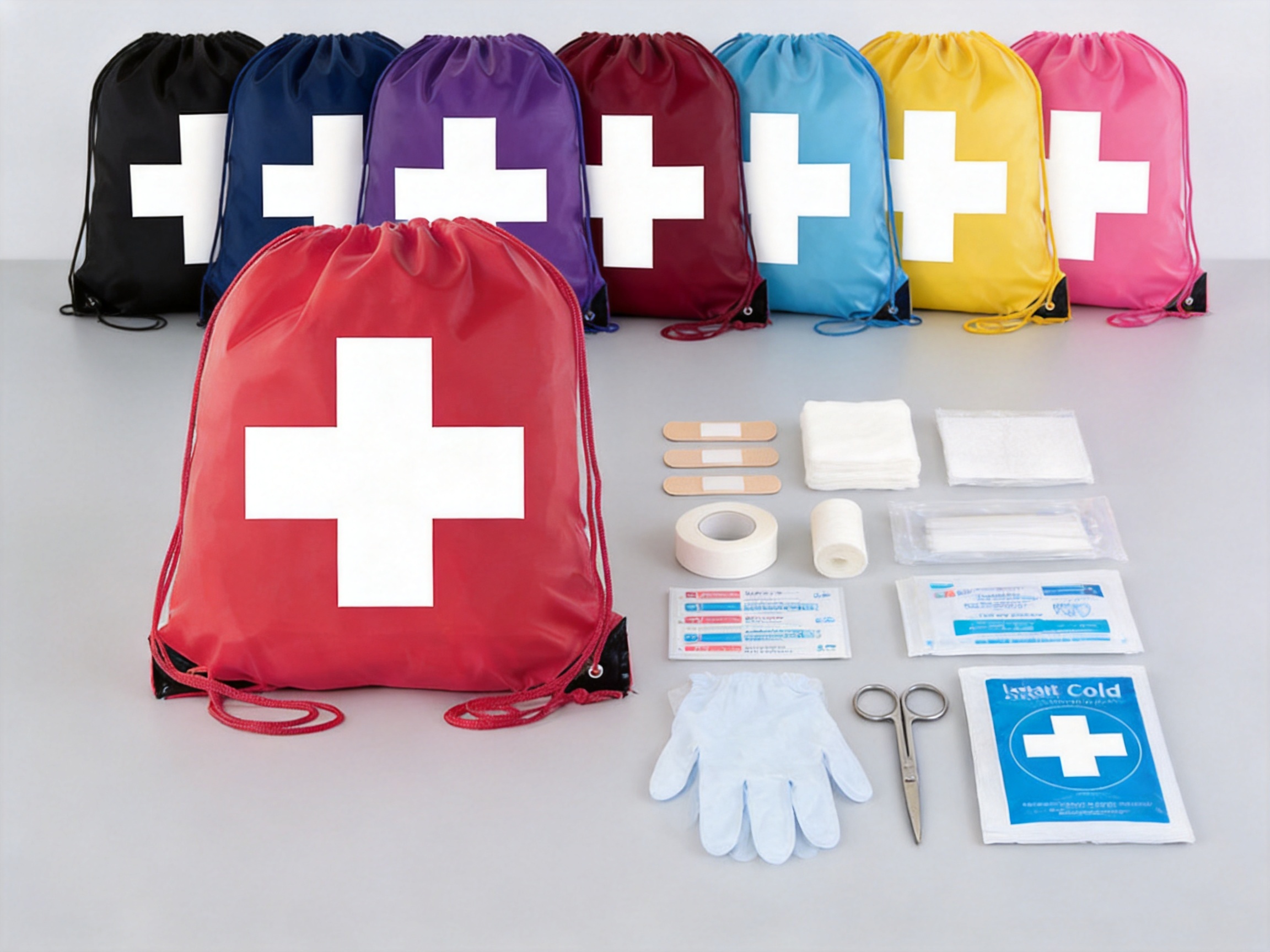
Because the bag is supplied empty, the buyer can match the contents to local requirements and user needs. Possible contents may include adhesive bandages, sterile gauze, non-woven swabs, medical tape, alcohol prep pads, disposable gloves, instant cold packs, scissors, tweezers, emergency contact information, and basic personal medication. The actual contents should be selected, labeled, and distributed in accordance with applicable regulations and the recommendations of qualified healthcare or safety professionals.
Core Product Specifications
| Item | Specification |
|---|
| Product type | Empty first aid drawstring backpack |
| Model | DC660918 |
| Standard size | 15.5 inches by 13.5 inches |
| Size option | Customizable according to project requirements |
| Primary material | Polyester |
| Available colors | Red, black, dark blue, purple, dark red, light blue, yellow, and pink |
| Branding | Can be branded |
| Minimum order quantity | 3,000 pieces |
| Recommended applications | First aid storage, schools, sports teams, camping, hunting, promotional events, household preparedness, and workplace safety |
The specification profile is deliberately straightforward. The bag emphasizes flexibility, custom branding, and broad usability rather than complicated mechanical features. This simplicity can be an advantage for organizations that need to purchase, customize, fill, and distribute a large number of bags efficiently.
Portable Organization for Everyday and Emergency Needs
A first aid product is only useful when it can be located and carried promptly. The drawstring backpack structure supports this practical requirement by creating a recognizable, portable container for medical and safety supplies. Users can keep the bag in a known location and transport it to the classroom, playing field, campsite, vehicle, or temporary treatment area as needed.
Compared with loose supplies stored in a drawer or ordinary shopping bag, a dedicated first aid backpack provides a more consistent method of organization. A designated container makes it easier to identify where emergency items are stored and helps prevent small supplies from being scattered across different locations. It may also support inventory checks, especially when the purchaser places a contents list or inspection label inside the bag.
The backpack format is also useful in situations where both hands may be needed for other tasks. A user can carry the bag on the shoulders while moving equipment, assisting another person, or traveling to a remote location. This is not a substitute for a professional emergency response pack, but it is a practical carrying format for basic supplies and non-complex first aid applications.
The soft construction enables the bag to be folded or compressed when it is empty. This can reduce storage volume during shipping or before the bag is distributed. Organizations purchasing in bulk can store unfilled bags efficiently and add contents later according to event schedules, customer requirements, or regional product regulations.
Polyester Construction and Practical Durability
Polyester is widely used for bags and promotional textile products because it offers a useful balance of strength, weight, flexibility, and cost. In this application, the fabric supports repeated handling during school activities, sports programs, outdoor trips, promotional events, and household use. A polyester bag is generally easier to carry than a rigid plastic case and less vulnerable to cracking under ordinary handling than some hard-shell alternatives.
The material is suitable for a product that may be placed in a vehicle, carried between buildings, stored in a classroom, or used outdoors. Its textile construction allows the bag to accommodate differently shaped contents, including rolled bandages, boxed adhesive bandages, gauze packages, gloves, pouches, and small medicine containers. The flexibility of the fabric is valuable when the contents vary from one project to another.
Durability should always be considered in relation to the intended load and environment. The bag is appropriate for organized first aid and daily-care supplies, but it should not be overloaded or used as a substitute for a heavy-duty rescue pack. Buyers should evaluate the selected contents, carrying frequency, closure condition, and storage environment before establishing a particular use protocol.
For institutional programs, durability also has an economic dimension. A bag that withstands routine handling can reduce the need for frequent replacement and help preserve a consistent appearance across a distribution campaign. The polyester material also provides a suitable surface for branding, making the carrying product part of a wider safety-awareness initiative.
Advantages Over Ordinary Pouches and Rigid Cases
Flexible Capacity
A conventional small pouch may be convenient for a few adhesive bandages or personal-care items, but it can become crowded when the user adds gauze, tape, gloves, cold therapy products, or medicine containers. The backpack format provides a larger and more adaptable carrying area. It can be configured for minimal contents or expanded to support a broader first aid selection, within reasonable capacity limits.
Lightweight Transport
Rigid cases can protect contents effectively, but they may be heavier and less convenient to carry over longer distances. The polyester drawstring backpack is designed around portability. It is suitable for teachers moving between rooms, coaches traveling to sports areas, families preparing for overnight stays, and outdoor users carrying supplies together with other equipment.
Easy Customization
Many basic pouches are sold in fixed colors, sizes, and configurations. This product offers multiple color choices and can be branded. Customization allows a purchaser to coordinate the bag with an organization’s visual identity, distinguish different supply categories by color, or create a campaign-specific appearance for a public safety event.
Scalable Bulk Distribution
A rigid medical case may be more appropriate for a single professional kit, but large programs often require hundreds or thousands of matching units. The stated minimum order quantity of 3,000 pieces supports a bulk-oriented business model. This makes the product suitable for distributors, retailers, educational networks, employers, municipal initiatives, and promotional agencies that need consistent product output rather than a small one-time purchase.
Multi-Environment Use
The bag is not restricted to a hospital or clinic. It can support first aid readiness in classrooms, scout trips, sports teams, camping, hunting, family travel, workplaces, and promotional safety programs. This broad application range can simplify purchasing for organizations that serve multiple user groups or distribute the bags through different channels.
Branding and Promotional Value
The product can be branded, creating an opportunity to combine practical utility with communication. A logo, organization name, event identity, safety message, or contact detail can help the bag remain recognizable after distribution. When used correctly, branded first aid bags can keep safety information visible in schools, offices, homes, sports venues, and community settings.
Branding also supports product differentiation for wholesalers and retailers. A distributor may create a custom series for a hospital network, a sports association, a school district, a nonprofit organization, or a corporate health campaign. Different colors can be associated with different departments, age groups, event types, or product contents. For example, a purchaser might select red for general first aid, dark blue for workplace use, or bright yellow for outdoor and youth programs.
Before production, buyers should confirm the artwork format, printing method, logo size, number of print locations, color requirements, and approval process. They should also verify whether the selected branding remains legible against the chosen bag color. A clear production specification reduces the risk of inconsistent visual results and helps align the finished bags with the purchaser’s marketing or safety objectives.
Promotional use should not imply that the bag itself contains regulated medical products unless those items are actually included and labeled appropriately. The safest communication is precise: the product is an empty first aid bag that can be filled, labeled, and distributed according to the purchaser’s program.

Promotional Custom Medical Drawstring Backpack First Aid Bag
Color Selection for Identification and Program Management
The available color range includes red, black, dark blue, purple, dark red, light blue, yellow, and pink. This variety gives buyers practical options beyond visual preference. Color may be used to support product segmentation, stock management, group identification, and campaign design.
Red is commonly associated with first aid and emergency awareness, which can make it intuitive for general-purpose kits. Black and dark blue may appeal to workplaces, outdoor users, security teams, or organizations seeking a more understated appearance. Yellow can improve visibility in many environments, while light blue, purple, dark red, and pink can support customized campaigns or differentiated product lines.
Color coding can be especially useful when a large institution distributes several versions of the bag. One color may be assigned to sports teams, another to classrooms, and another to household or employee programs. The purchaser should document the color system clearly so users understand whether color indicates the intended contents, location, or distribution group.
Color selection may also influence branding. Light-colored bags can offer contrast for dark logos, while darker bags may provide a suitable background for light or bright artwork. Buyers should request and approve production samples or digital proofs where appropriate, particularly for large orders.
Suitable Contents for Different Applications
Classroom and Childcare Use
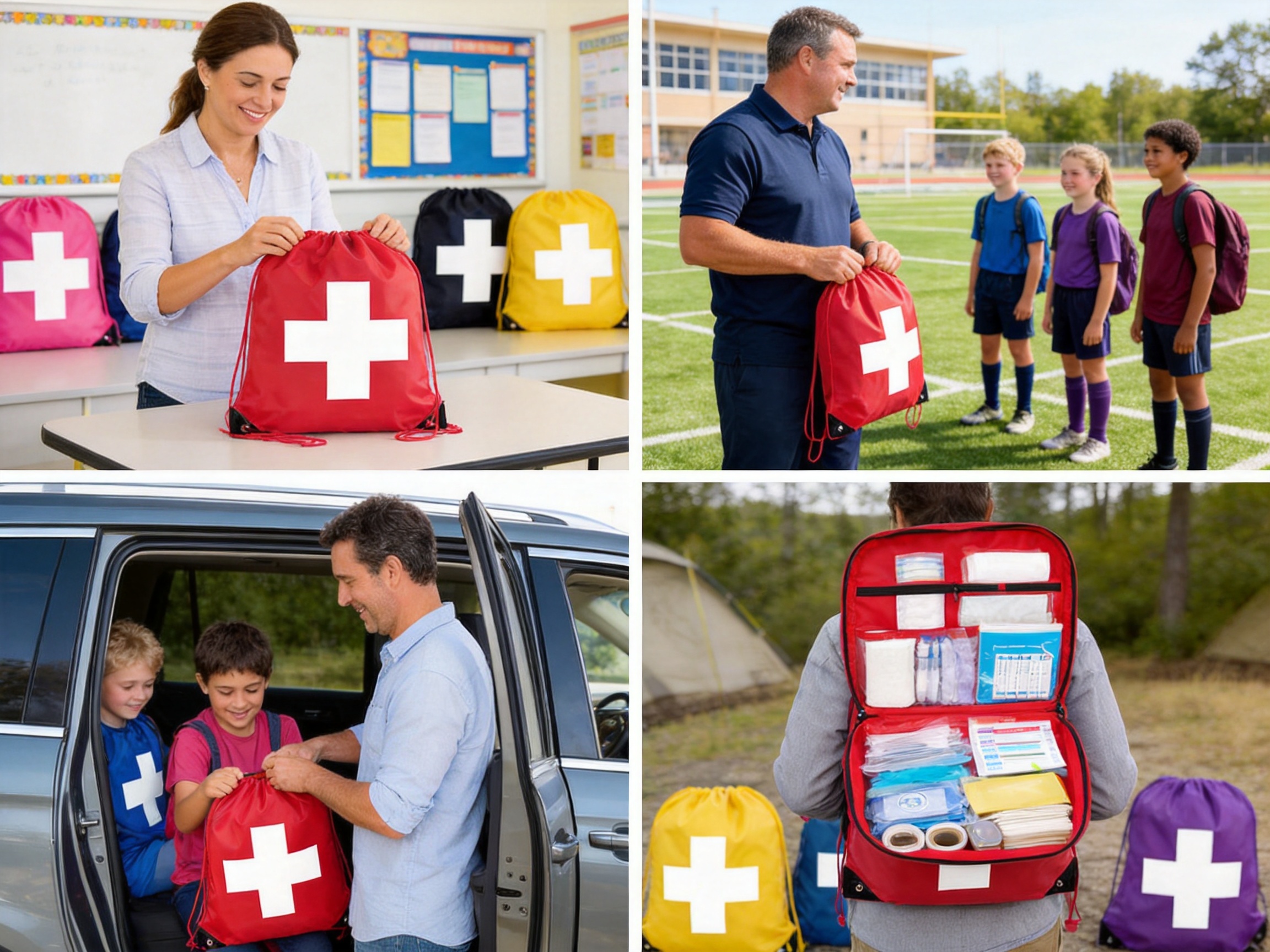
In a classroom or childcare environment, the bag may be configured with adhesive bandages, sterile gauze, non-woven swabs, disposable gloves, medical tape, antiseptic wipes, and an emergency contact sheet. Contents should be selected according to the age group, supervision requirements, school policy, and local regulations. Medicines should only be included and administered in accordance with authorized procedures.
The bag can be given to a teacher, babysitter, or parent for an overnight stay or excursion. Its recognizable appearance can help caregivers identify the supplies quickly without searching through unrelated personal luggage.
Sports and Athletic Use
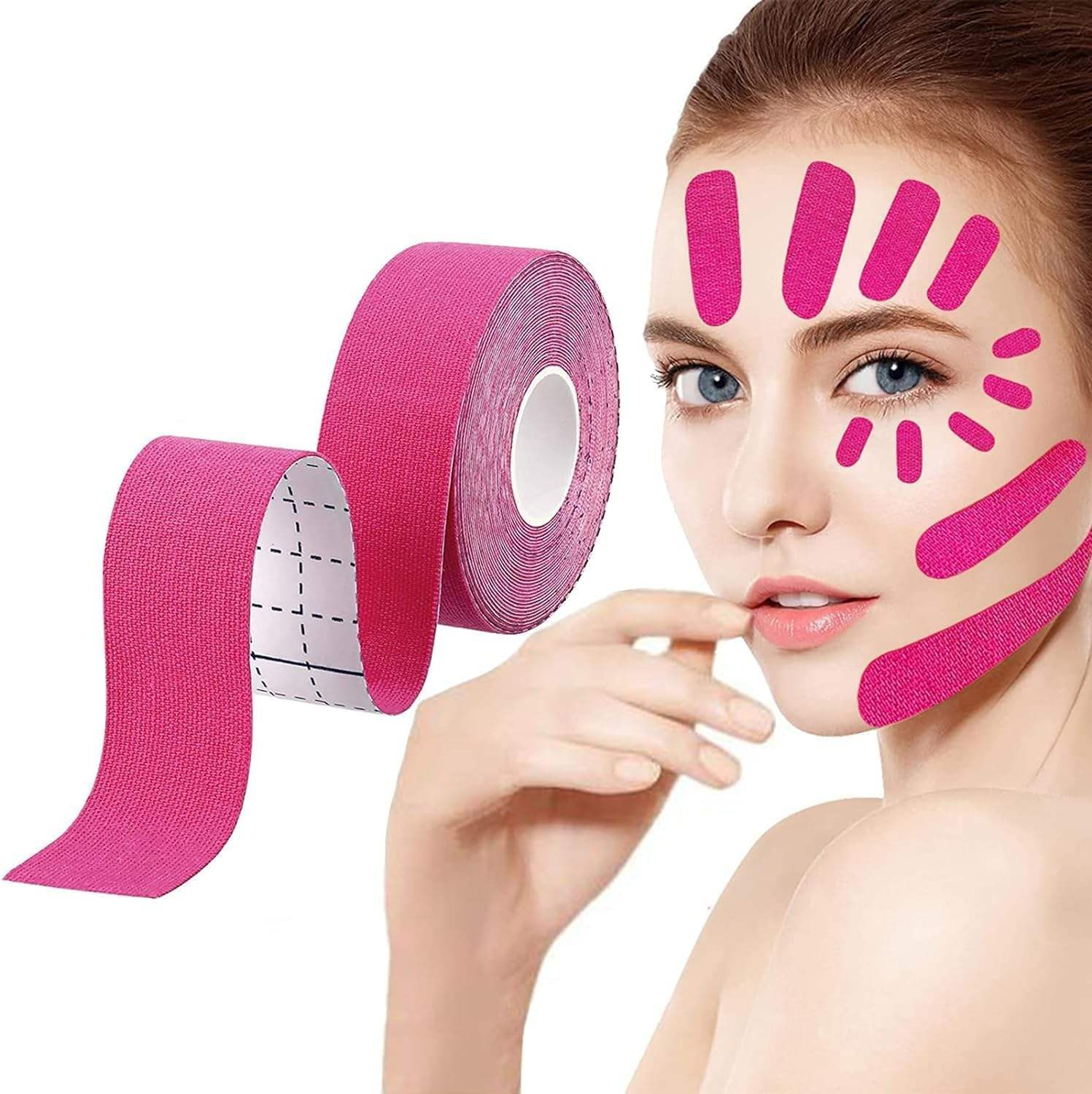
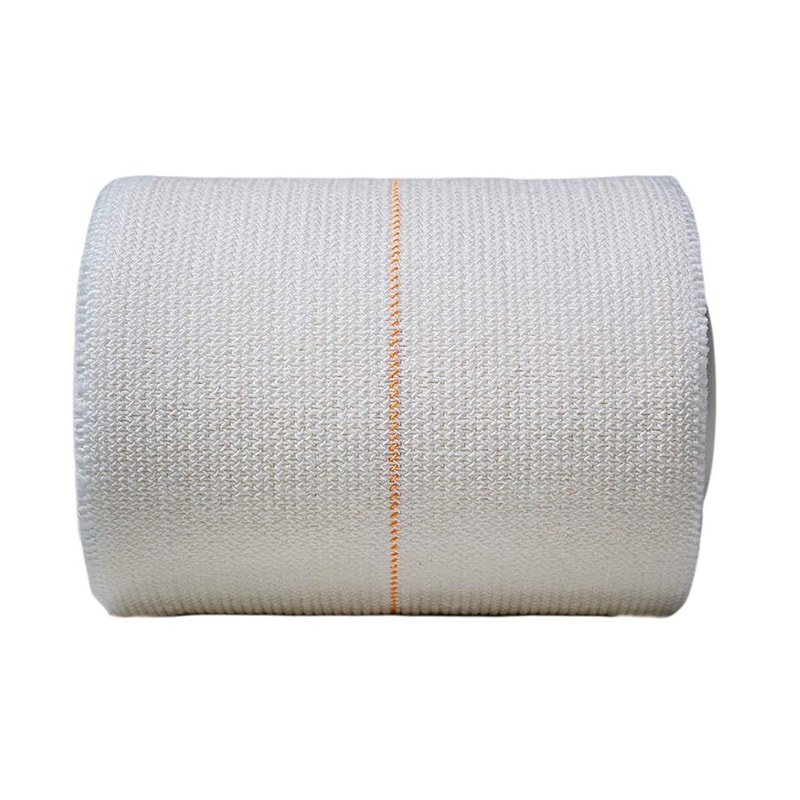
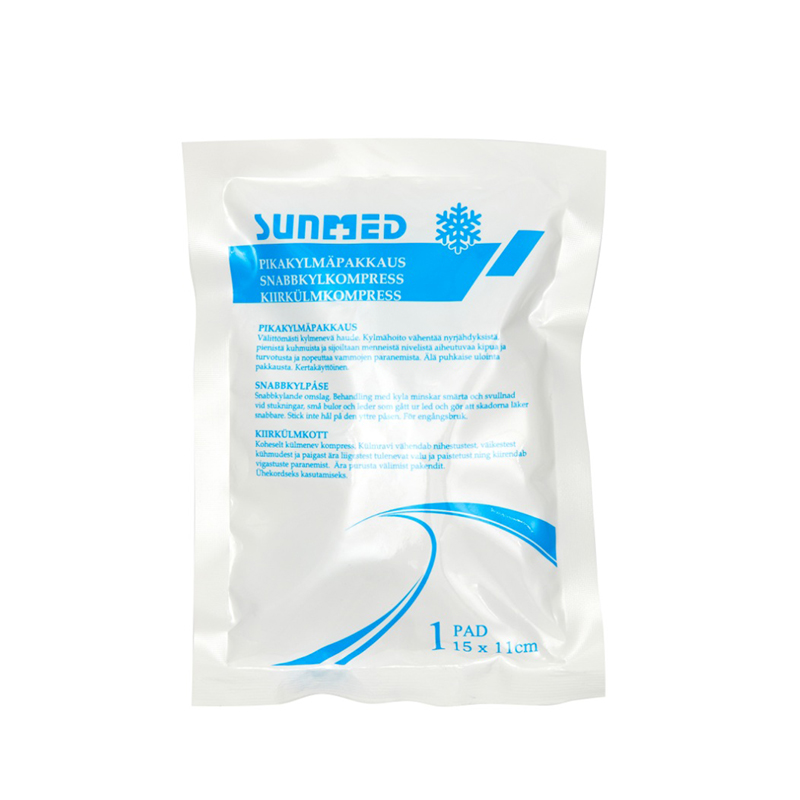
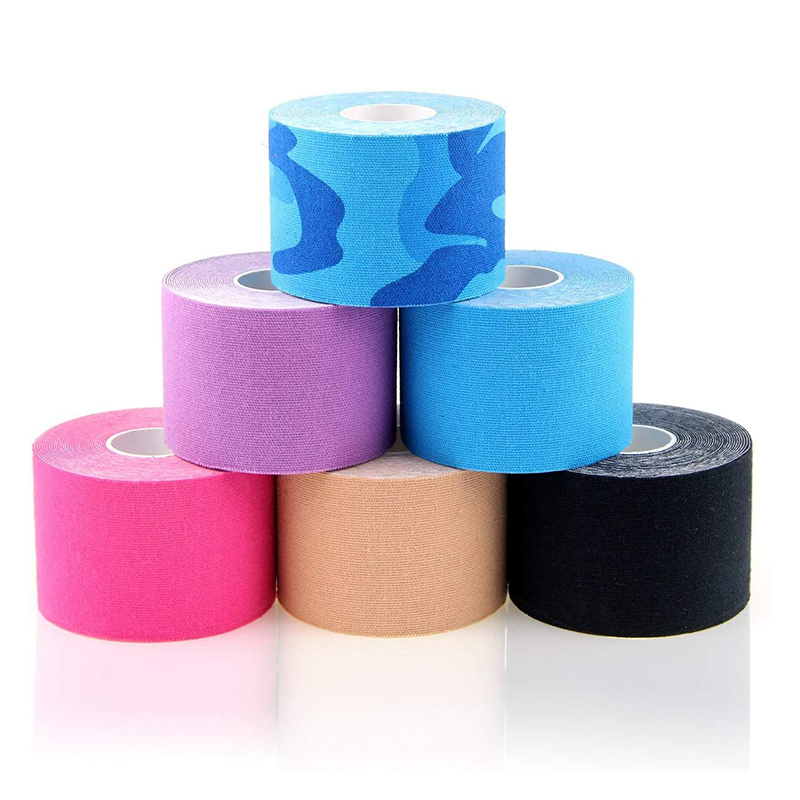
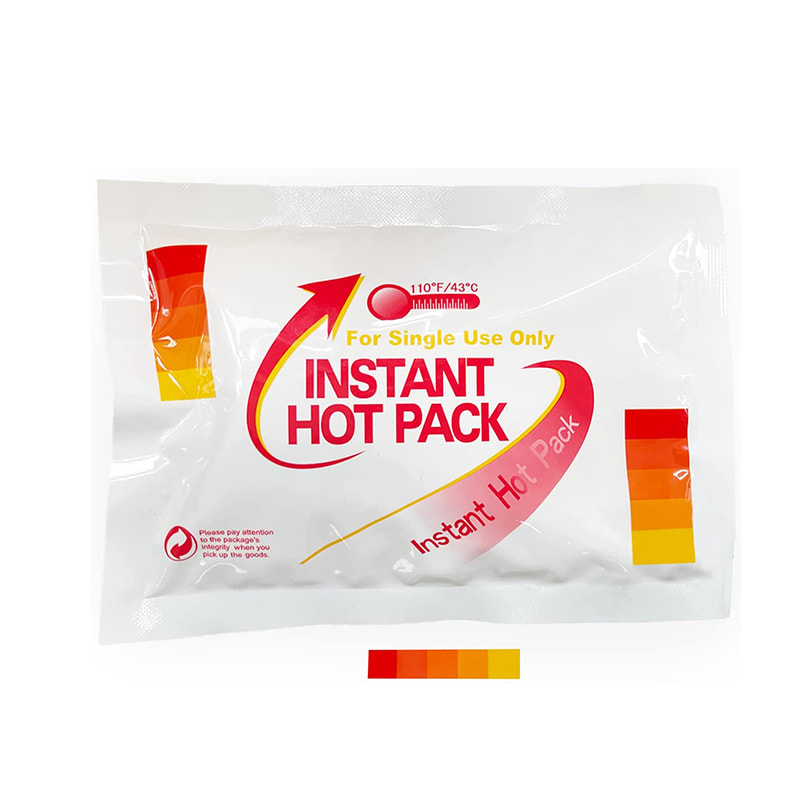
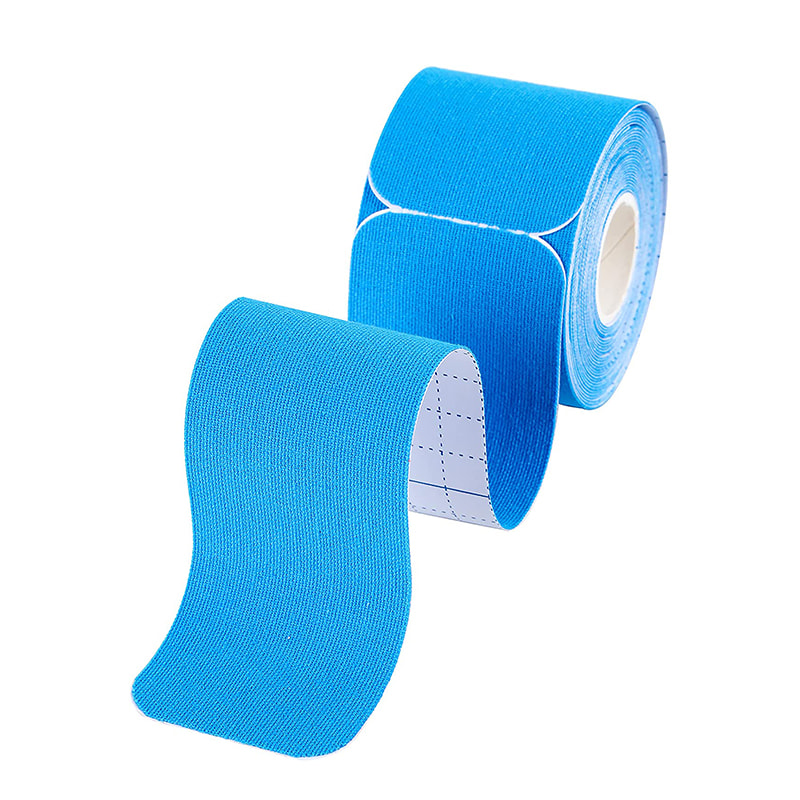
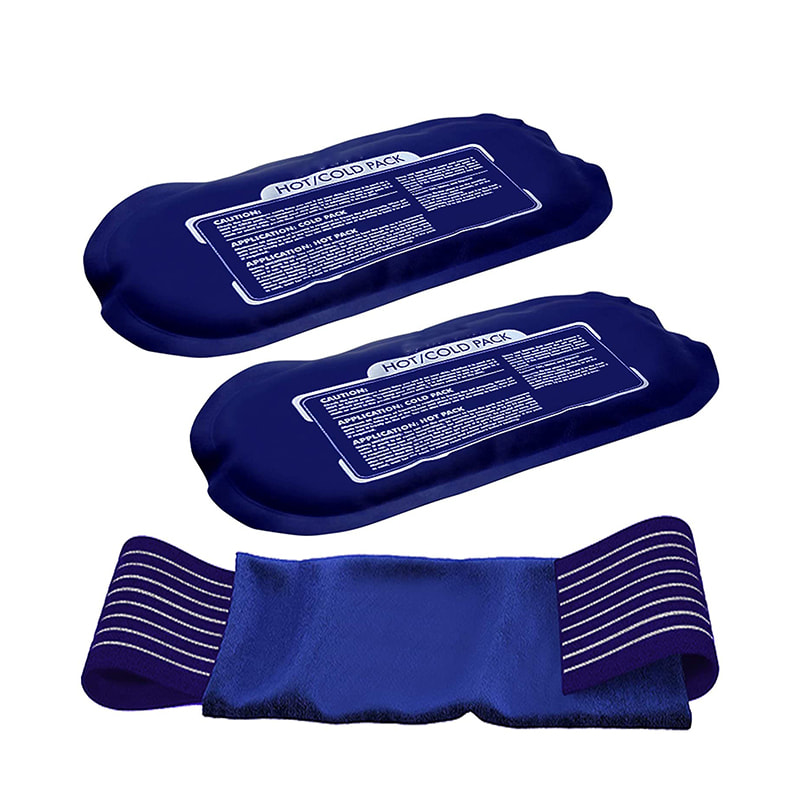
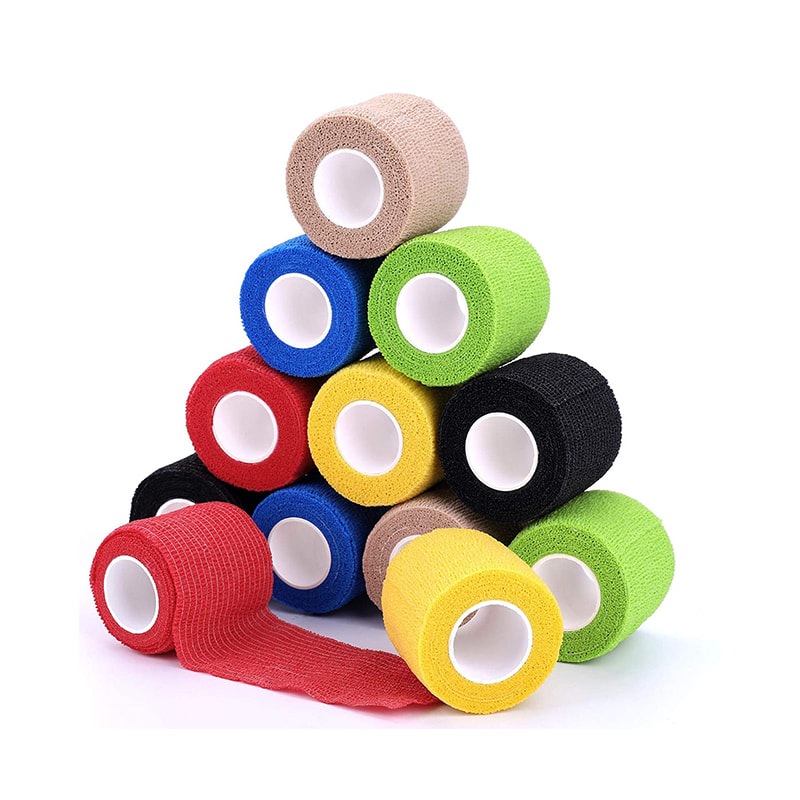
Sports teams may use the backpack for athletic tape, cohesive bandages, elastic supports, gauze, adhesive dressings, instant cold therapy products, gloves, and other non-complex first aid items. A coach or team representative can carry the bag from training sessions to competitions. The flexible capacity also allows the contents to be tailored to the activity, whether it is school athletics, recreational sports, or outdoor training.
The bag is not a replacement for a trained athletic trainer or a comprehensive medical response system. It is a transport and organization tool that can support established safety procedures.
Camping, Hunting, and Outdoor Activities
Outdoor users often need a compact carrying solution for minor wound care, insect-related discomfort, blister protection, tape, gauze, gloves, and cold therapy. The polyester backpack can be carried with other personal equipment and stored in a vehicle, tent, cabin, or campsite supply area. The selected contents should reflect the activity, travel distance, weather conditions, group size, and access to professional medical care.
Household and Family Preparedness
At home, the bag can hold daily medicines, Epi Pens where appropriate and properly managed, wound-care items, emergency contact information, and personal care products. A family may keep one bag in a central location and another in a vehicle or travel kit. Any prescription or temperature-sensitive item must be stored according to its specific instructions, since a fabric backpack does not provide specialized temperature control.
Promotional and Public Safety Events
Organizations conducting health fairs, safety campaigns, emergency-preparedness events, or community outreach programs can distribute branded empty bags or fill them with approved supplies. The product offers a tangible reminder that preparedness requires both knowledge and accessible equipment. Bulk ordering and color selection can support consistent event presentation across multiple locations.
Manufacturing Strengths and Quality-Oriented Production
The product is supplied by a company with a stated focus on first aid, medical, and healthcare products. Its broader product range includes wound dressings, medical gauze, bandages, medical tape, cotton products, non-woven products, sports bandages, kinesiology tape, cohesive bandages, family healthcare products, pill boxes, hot and cold packs, medical instruments, syringes, catheters, surgical consumables, and other medical supplies.
This product breadth is relevant because a first aid bag is often purchased as part of a larger program. A buyer may need the bag together with adhesive bandages, gauze, medical tape, cotton products, protective gloves, hot and cold therapy items, or other supplies. A manufacturer and exporter familiar with these product categories may be better positioned to discuss coordinated packaging, product selection, and supply planning than a general textile supplier with no medical-product experience.
The company reports multiple production bases in Jiangsu, Zhejiang, and Anhui Province and more than 30 years of experience in the medical device and medical consumables industry. It also reports a professional quality-control team comprising hundreds of personnel, inspection procedures aligned with ISO 13485:2016 standards, CE certification for most products, and compliance of its Suzhou factories with FDA requirements. These statements should be evaluated against the specific product, purchase agreement, destination-market requirements, and documentation requested by the buyer.
Manufacturing strength is not limited to the fabric or sewing process. In a customized bulk order, quality depends on specification review, material selection, color consistency, dimensions, stitching, drawstring installation, branding accuracy, packaging, quantity control, and pre-shipment inspection. A supplier experienced in medical and healthcare products is more likely to appreciate the importance of traceability, documentation, controlled specifications, and consistent batch management.
Specification Review
Production begins with confirmation of the product requirements. These may include the model number, size, material, color, branding artwork, packaging method, order quantity, delivery destination, and intended application. For a product described as customizable, the final specification should be written clearly before mass production begins.
Material and Color Control
Polyester fabric should be selected according to the agreed weight, texture, color, and performance expectations. Color approval is particularly important when the bag is part of a branded campaign. The buyer should confirm whether a standard color or a custom color is required and whether the appearance must match a reference sample or a recognized color system.
Sewing and Component Assembly
The manufacturing process includes cutting fabric panels, forming the bag body, preparing the opening, installing and securing drawstrings, and finishing the seams. Consistent stitching and properly secured stress points contribute to the bag’s ability to withstand normal carrying and repeated handling. Inspections should check for skipped stitches, loose threads, uneven seams, fabric damage, incorrect dimensions, and closure problems.
Branding Inspection
Customized bags require additional control points. The artwork should be compared with the approved proof, including logo position, orientation, size, color, spelling, and visual clarity. A branding error can affect the usefulness of an entire promotional batch, so approval procedures and sample confirmation are valuable before mass production.
Final Inspection and Packing
Final inspection may include visual examination, dimensional checks, quantity verification, color review, branding review, and packaging assessment. The finished bags should be packed to protect them from dirt, moisture, crushing, and handling damage during transportation. Buyers should agree in advance on carton labeling, inner packaging, palletization, and shipping documentation where applicable.
Why a Medical-Focused Supplier Can Add Value
A general promotional-bag manufacturer may be able to produce a drawstring backpack, but a medical-focused supplier brings a different understanding of the end use. First aid products are connected to safety procedures, inventory control, labeling, and user expectations. The bag may be used alongside gauze, bandages, medical tape, cotton products, protective equipment, or emergency accessories, so knowledge of healthcare product categories can improve project coordination.
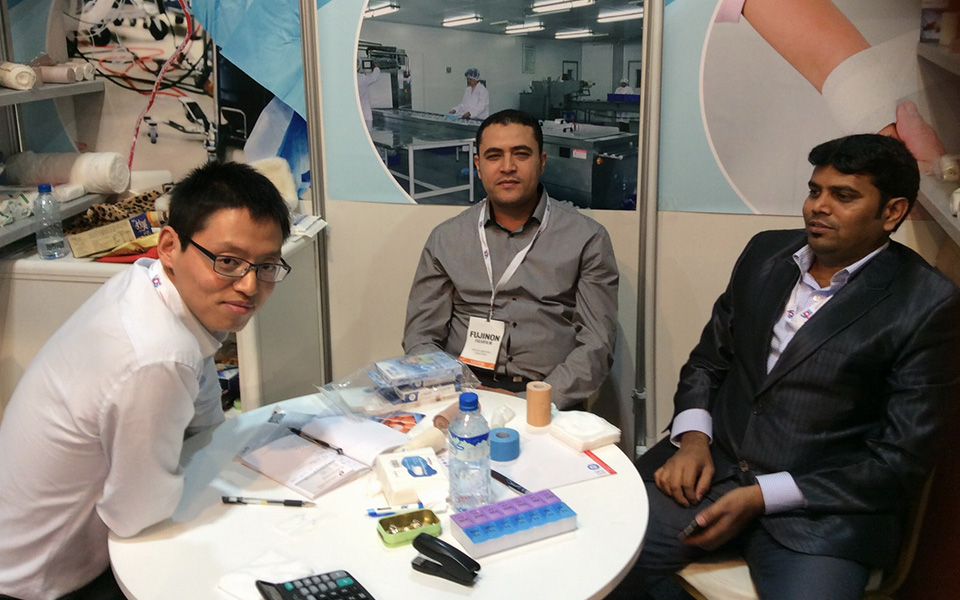
The reported export experience across more than 60 countries also indicates familiarity with international customer communication and varied market requirements. The listed markets include Europe, Southeast Asia, Africa, and Oceania. Export capability can be important for purchasers that need documentation, packaging adjustments, country-specific labeling, or coordination across multiple delivery destinations.
Long-term cooperation may also benefit buyers that begin with the empty bag and later expand into complete first aid kits or related medical consumables. A supplier with a wide product portfolio can potentially help create a unified product range rather than requiring the purchaser to manage many separate vendors.
However, buyers should request product-specific evidence rather than relying only on general company credentials. The relevant questions may include whether the bag itself is classified as a medical device in the destination market, what quality documents apply to the textile product, how customization is controlled, what inspection records are available, and what packaging and shipping standards are used.
Purchasing Considerations for Wholesale Buyers
Define the Final Use
Before requesting a quotation, determine whether the bags will be used for schools, sports, household distribution, workplaces, outdoor activities, retail sale, or promotional events. The final use affects the preferred color, branding, contents, packaging, and communication materials.
Confirm Size and Capacity
The standard size is 15.5 inches by 13.5 inches, but the product information also identifies size as customizable. Buyers should confirm whether the quoted size refers to the flat bag, finished bag, or usable internal area. They should also estimate the volume and weight of the planned contents to avoid overloading the bag.
Plan the Contents Separately
Since the product is an empty bag, the purchaser must decide whether to fill it independently, request a coordinated supply package, or distribute it as a reusable container. Contents may have separate regulatory, labeling, shelf-life, sterilization, or import requirements. The bag and its contents should not be treated as automatically approved as a complete medical kit simply because the bag is intended for first aid use.
Review Branding Requirements
Supply artwork in the requested format and provide clear instructions for logo placement, size, colors, and print locations. Confirm whether artwork approval, physical samples, or pre-production samples are included in the order process. It is also useful to define acceptable tolerances for print position, color variation, and dimensional variation.
Establish Quality Standards
A written inspection standard can cover fabric quality, stitching, drawstring security, dimensions, color, branding, cleanliness, packaging, and carton quantity. For a 3,000-piece minimum order, even a small defect rate can affect many units. An agreed inspection process provides a common basis for acceptance and corrective action.
Consider Storage and Distribution
Empty bags may be stored before they are filled or distributed. Buyers should keep them in a clean, dry area away from excessive heat, moisture, sharp objects, and contaminants. If the bags are packed with medical products, storage conditions must follow the requirements of those products. Distribution plans should identify who is responsible for inventory checks, contents replacement, and user instructions.
Safety and Responsible Use
The bag is a storage and transport product; it is not itself a treatment device. Users should receive appropriate first aid training and follow local emergency procedures. Severe bleeding, breathing difficulties, suspected spinal injury, serious burns, severe allergic reactions, and other urgent conditions require professional medical assistance. A small portable bag should not encourage users to delay contacting emergency services.
Any medicine, prescription product, Epi Pen, or temperature-sensitive item placed in the bag must be managed according to its instructions. The bag does not automatically provide child resistance, sterile protection, waterproofing, refrigeration, or tamper evidence unless those features are specifically designed, tested, and documented for the purchased version.
Contents should be inspected regularly. Expired, damaged, opened, contaminated, or missing items should be replaced. If the bag is used outdoors or in a vehicle, inspection may need to occur more frequently because heat, cold, moisture, and sunlight can affect the contents even when the textile bag remains visually intact.
Organizations should consider adding an inventory list, emergency contact information, use instructions, and a review date. These additions can turn the bag from a simple carrying product into part of a more reliable preparedness system.
Environmental and Operational Considerations
The reusable nature of a polyester bag may help reduce reliance on disposable carrying packaging when the bag is maintained and reused. A school, sports organization, or workplace can refill the same bag after supplies are consumed. Reuse depends on proper cleaning, inspection, and the absence of contamination or structural damage.
Purchasers should ask about fabric composition, packaging materials, production waste management, and end-of-life options if environmental reporting is important to their organization. Polyester is a synthetic textile, and disposal or recycling conditions vary by region. Environmental claims should be supported by specific documentation rather than assumed from the product format alone.
Operationally, a consistent bag design can simplify inventory. A warehouse may store one model in several colors, while a retailer may use the same base product for multiple campaigns. Standardization can reduce training requirements and make replacement supplies easier to organize.
Applications Across Different Customer Groups
| Customer group | Potential use | Possible contents or customization |
|---|
| Schools and childcare providers | Classroom, excursion, and overnight-care preparedness | Bandages, gauze, gloves, wipes, contact information, school branding |
| Sports teams | Training and competition-side first aid organization | Athletic tape, cohesive wrap, cold therapy, gauze, team colors |
| Families | Home, travel, vehicle, and outdoor preparedness | Basic wound-care items, personal medicines, emergency information |
| Employers | Workplace safety campaigns and department distribution | Branded bags, color-coded departments, basic first aid supplies |
| Retailers and distributors | Private-label or promotional product programs | Custom logo, retail packaging, selected color range |
| Public safety organizations | Community education and preparedness events | Safety messaging, event branding, approved first aid contents |
| Outdoor organizations | Camping, scouting, hiking, and hunting support | Compact wound care, tape, blister care, gloves, cold packs |
This broad customer suitability is one of the product’s principal commercial advantages. The same basic construction can support many different programs, while contents, color, branding, and packaging allow the final product to be adapted to a specific audience.
Comparison with Alternative First Aid Carriers
A zipper pouch is often compact and may provide a degree of organization through internal pockets. It can be useful for personal kits or a small number of items. However, a pouch may be less comfortable to carry when the user is traveling between locations, and its capacity can be constrained by its fixed shape. The drawstring backpack offers a more flexible carrying format and can be placed over the shoulders.
A hard plastic case can protect supplies from crushing and may be appropriate for a permanent home, vehicle, or industrial location. Its disadvantages may include greater weight, reduced flexibility, higher shipping volume, and less comfortable transport. The soft polyester backpack is better suited to distributed programs where portability and economical bulk procurement are priorities.
A large professional response backpack may contain multiple compartments, reinforced structures, and specialized equipment. It is appropriate for trained responders or complex clinical operations, but it may be unnecessarily expensive and oversized for classrooms, households, promotional events, or basic sports support. The DC660918 model occupies a practical middle ground for simple, portable, customizable organization.
A disposable plastic bag has a low initial cost but offers limited durability, poor organization, and little long-term promotional value. A reusable drawstring bag can serve as both a functional carrier and a visible reminder of the purchaser’s safety initiative.
Order Planning and Communication
For a successful bulk project, communication should begin with a complete product brief. The brief can include model DC660918, quantity, preferred color, size, material, logo artwork, packaging, destination, required delivery date, and intended contents. If the buyer needs a customized dimension or a particular fabric specification, that requirement should be stated before quotation and sampling.
The buyer should request a quotation that clearly separates the empty bag price from the cost of branding, packaging, filling, accessories, inspection, and shipping. This makes it easier to compare offers and avoid misunderstanding about what is included in the finished unit.
Samples are valuable for confirming physical size, fabric feel, color, drawstring performance, branding appearance, and the relationship between the bag and the planned contents. A sample should be assessed under realistic conditions: opening and closing, carrying a representative load, storing the bag in its intended location, and checking whether the contents remain accessible.
For larger orders, purchasers should establish a schedule covering artwork approval, sample approval, production, inspection, packing, and shipment. They should also define how changes are handled after approval. A clear change-control process helps prevent an old logo, incorrect color, or outdated specification from entering production.
Company Capability and Cooperation
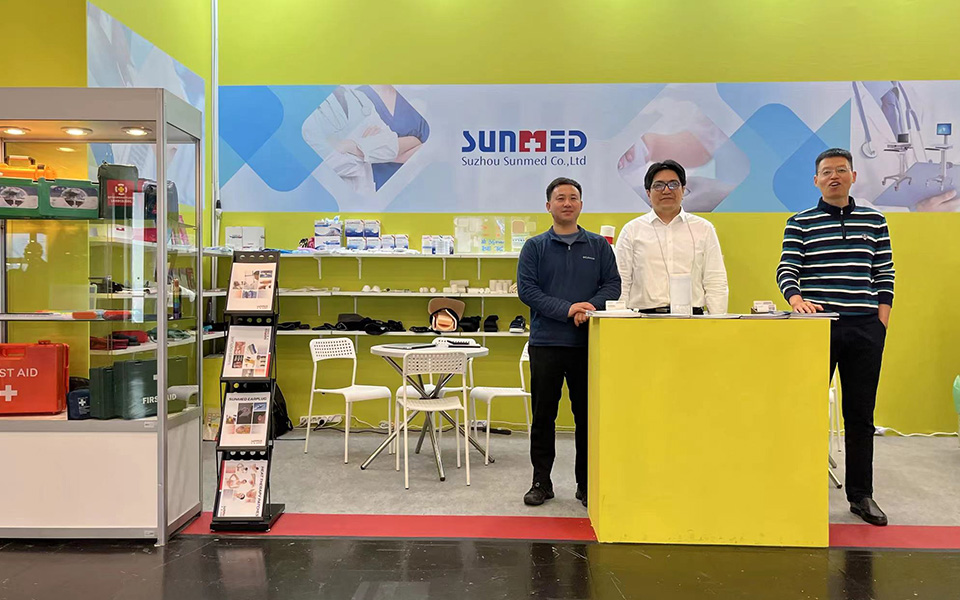
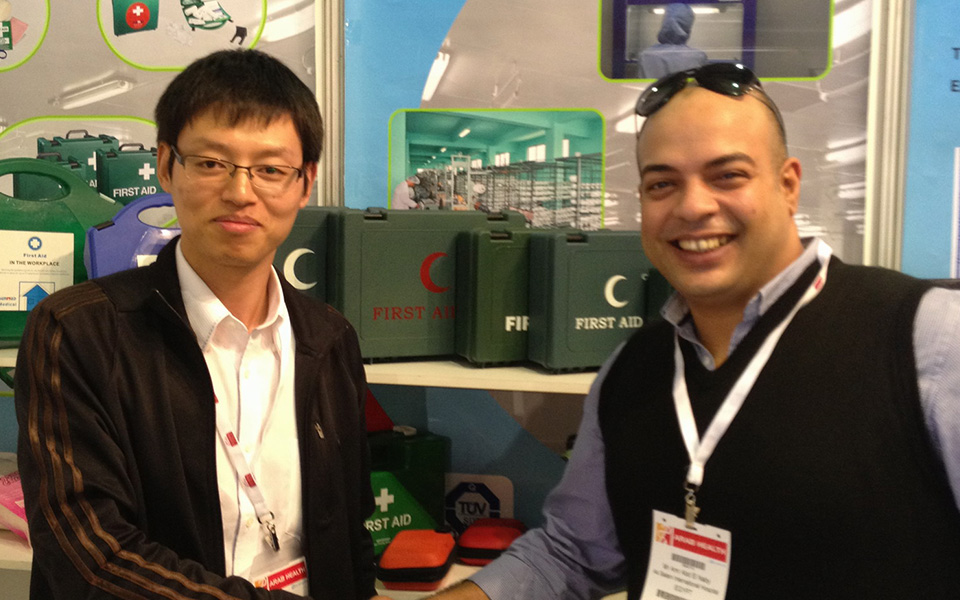
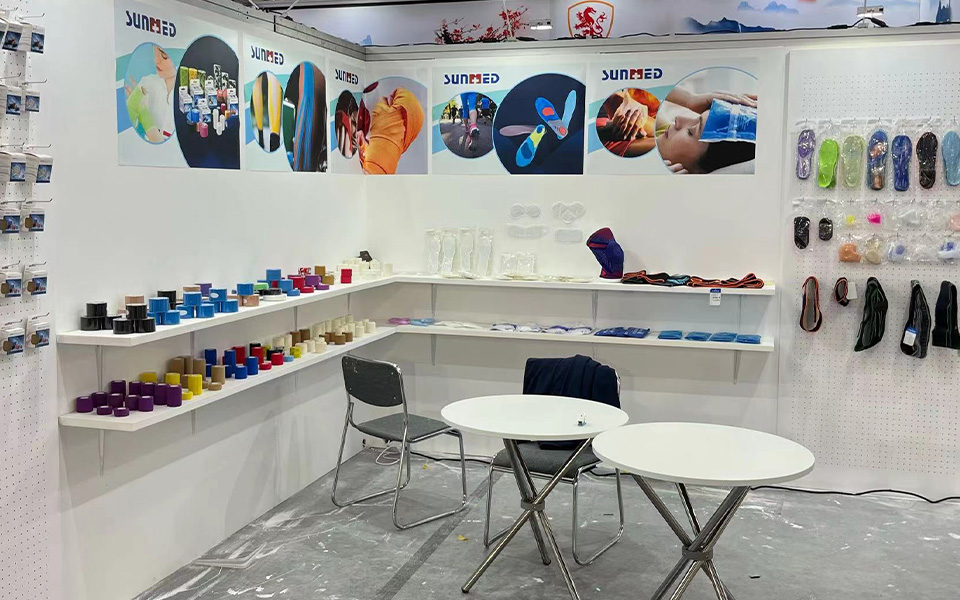
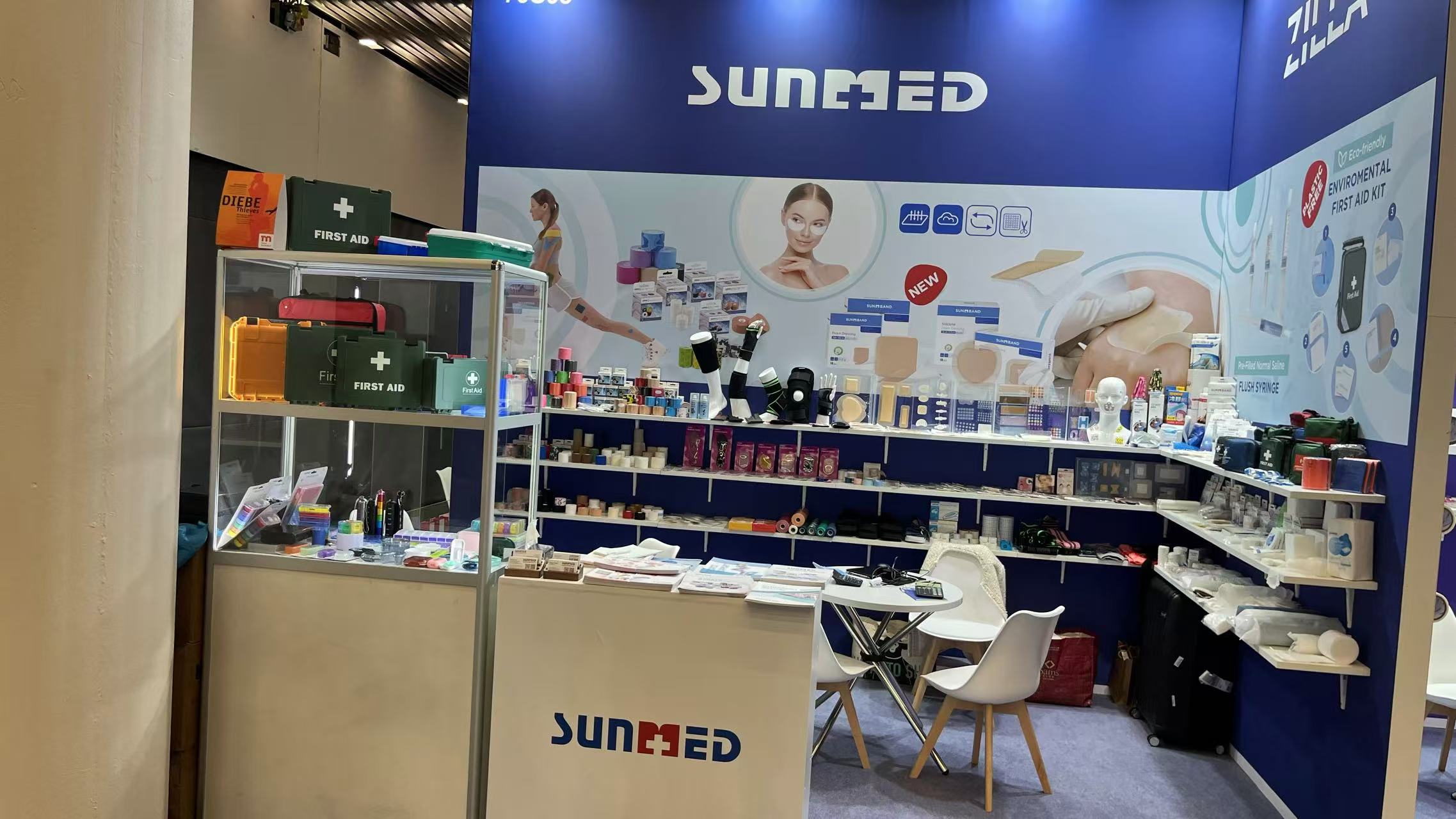
The supplier profile describes Suzhou Sunmed Co., Ltd. as a professional manufacturer and exporter of first aid, medical, and healthcare products in China. The company reports operations across production bases in Jiangsu, Zhejiang, and Anhui Province, with more than three decades of industry experience. Its product categories cover first aid, wound care, sports support, family healthcare, medical diagnostics, surgical supplies, infusion products, blood collection, anesthesia and respiratory products, and related medical consumables.
The company states that it serves hospitals, first aid suppliers, supermarkets, retail sports shops, and customers in more than 60 countries. It also reports the establishment of a first aid factory in 2008 and a factory for kinesiology tape, cohesive bandages, and elastic adhesive bandages in 2021. These developments suggest a strategy of expanding internal manufacturing capability in response to customer demand.
For the first aid backpack buyer, the significance of this capability is the possibility of coordinated sourcing. The bag can be used alone, but it can also be integrated into a broader product program involving wound dressings, gauze, bandages, medical tape, athletic supports, hot and cold products, and other supplies. One experienced supplier may simplify communication, product matching, and export coordination.
The company reports quality-control procedures designed to meet ISO 13485:2016 standards and states that most products are CE certified, with its Suzhou factories complying with FDA requirements. Because certifications and regulatory obligations can differ by product and market, purchasers should request current, product-specific documentation before making compliance claims or importing the finished goods.
Frequently Asked Questions
Is this product supplied with first aid contents?
No. The listed product is an empty first aid bag. Buyers can fill it with their own selected supplies or discuss a coordinated package separately. The final contents should be chosen according to the intended use and applicable regulations.
What is the standard size?
The stated standard size is 15.5 inches by 13.5 inches. The product information also identifies the size as customizable, so buyers should confirm the final dimensions before placing an order.
What material is used?
The primary material is polyester. Polyester provides a lightweight, flexible, and practical textile construction for normal carrying and storage applications.
Can the bag carry daily medicine?
It can be used to organize and carry suitable daily medicines, subject to the storage instructions for those products. Medicines requiring refrigeration, special security, or controlled conditions may need a different container or additional protection.
Can the bag be branded?
Yes. The product information states that it can be branded. Logo size, position, printing method, artwork format, color, and sample approval should be confirmed with the supplier before production.
What colors are available?
Listed colors include red, black, dark blue, purple, dark red, light blue, yellow, and pink. Availability and minimum quantities for individual colors should be confirmed during quotation.
What is the minimum order quantity?
The stated minimum order quantity is 3,000 pieces. Buyers should confirm whether the quantity applies to one color, one design, one model, or a combined order.
Is the bag waterproof?
Waterproof performance is not stated in the supplied information. Buyers should not assume that the polyester bag is waterproof or water-resistant. If this feature is required, it should be specifically requested, tested, and documented.
Is it suitable for professional emergency responders?
The bag is suitable for basic portable organization and promotional or general preparedness programs. Professional responders may require a larger, reinforced, compartmentalized, or specially certified medical response bag. Suitability depends on the equipment, training, and operational requirements of the responder organization.
Can different contents be placed in different colors?
Yes, color coding can be used as part of a purchasing and distribution plan. The organization should document what each color represents and ensure that users do not rely on color alone when identifying critical medical supplies.
How should the bag be maintained?
Inspect the fabric, seams, drawstrings, and contents regularly. Keep the bag clean and dry, replace missing or expired supplies, and follow the cleaning instructions provided for the specific material and any included medical products.
Can the supplier provide related medical products?
The company profile lists a broad range of first aid, wound-care, sports-support, family-healthcare, and medical-consumable products. Buyers can ask whether related items such as gauze, bandages, medical tape, cotton products, cohesive wraps, or hot and cold therapy products can be coordinated with the bag order.
What should buyers request before ordering?
Buyers should request a detailed quotation, final specification, sample or proof, branding requirements, packaging information, production lead time, inspection standards, shipping terms, and product-specific compliance documentation where required.
Best Practices for Creating a Finished First Aid Program
A successful first aid bag program starts with a needs assessment. Identify the number of users, likely hazards, storage locations, travel requirements, age groups, activity types, and access to professional medical care. This information helps determine the contents and whether the standard size is sufficient.
Next, create a standardized contents list. The list should identify each item, quantity, expiration requirement, replacement procedure, and responsible person. Standardization is particularly important when hundreds or thousands of bags are distributed, because users should receive a consistent level of preparedness.
Add clear user information. A simple contents card can explain the purpose of each item, emergency contact procedures, inspection dates, and instructions to seek professional care when necessary. For schools and workplaces, the card can refer users to the organization’s established safety policy.
Use the color and branding options strategically. A red bag may communicate general first aid, while a company logo can increase accountability and recognition. If several versions are produced, use a documented color system and matching labels to reduce confusion.
Finally, establish a replenishment plan. A first aid bag is not complete merely because it was filled once. Supplies are consumed, damaged, misplaced, or expired. Assign responsibility for routine checks and keep replacement stock available. The reusable backpack format supports this approach by allowing the same carrier to be refilled over time.
Conclusion
The Promotional Custom Medical Drawstring Backpack First Aid Bag is a flexible solution for organizations that need portable, recognizable, and customizable first aid organization. Its polyester construction, 15.5-inch by 13.5-inch standard size, multiple color options, branding capability, and drawstring backpack format make it suitable for a wide range of applications. As an empty bag, it gives purchasers control over contents, labeling, and program design rather than forcing them into a fixed kit configuration.
Its main advantages over ordinary pouches, rigid cases, and disposable carriers are portability, adaptability, bulk-distribution suitability, and promotional value. It can support classrooms, households, sports teams, outdoor activities, workplaces, retailers, distributors, and public safety campaigns. The stated minimum order quantity of 3,000 pieces makes it particularly appropriate for large-scale procurement and branded programs.
The supplier’s reported experience in first aid, medical consumables, sports support, family healthcare, and related product categories adds value for buyers seeking more than a standalone textile item. Its stated production bases, export experience, quality-control organization, and medical-industry background may support coordinated sourcing and long-term cooperation. Buyers should nevertheless confirm all product-specific specifications, testing, certifications, regulatory requirements, and quality standards before ordering.
When paired with carefully selected contents, clear user guidance, regular inspection, and responsible storage, this drawstring backpack can become a useful component of a broader emergency-preparedness strategy. It provides a practical bridge between medical supplies and the people who need to organize, carry, and access them.
References
1. Product specification sheet for Model DC660918, Promotional Custom Medical Drawstring Backpack First Aid Bag.
2. Company profile and manufacturing information supplied for Suzhou Sunmed Co., Ltd.
3. ISO 13485:2016, Medical Devices—Quality Management Systems—Requirements for Regulatory Purposes.
4. General principles of first aid kit organization, inspection, replenishment, and safe storage.
5. Guidance on responsible handling and storage of medicines, emergency supplies, and personal protective products.

 English
 Español
 русский
 Français
 Deutsch
 italiano
 By Admin