Disposable bed sheets have become an indispensable component of modern healthcare, hospitality, and personal care settings. Designed to provide a clean, sterile barrier between patients or users and surfaces, these products eliminate the risk of cross-contamination, reduce laundry costs, and offer unparalleled convenience. Among the diverse range of disposable bed sheets available, the Protection Sheet (a type of disposable bed sheet) stands out for its superior material composition, customizable features, and alignment with strict medical standards. This article explores the key attributes of high-quality disposable bed sheets, their advantages over alternatives, the advanced manufacturing processes that ensure their reliability, and their wide-ranging applications across industries.
The Critical Role of Disposable Bed Sheets in Infection Control
In healthcare environments, infection control is a top priority. Reusable bed sheets, while once common, pose significant risks: they require frequent laundering (which can introduce bacteria if not properly sanitized), may retain pathogens even after washing, and contribute to high operational costs. Disposable bed sheets address these issues by providing a single-use, sterile barrier that is discarded after each use. According to the World Health Organization (WHO), proper use of disposable medical supplies is a key strategy in preventing healthcare-associated infections (HAIs), which affect millions of patients globally each year (WHO, 2021). The Protection Sheet, for example, is engineered to meet these infection control standards, making it an ideal choice for hospitals, clinics, emergency rooms, and surgical settings.
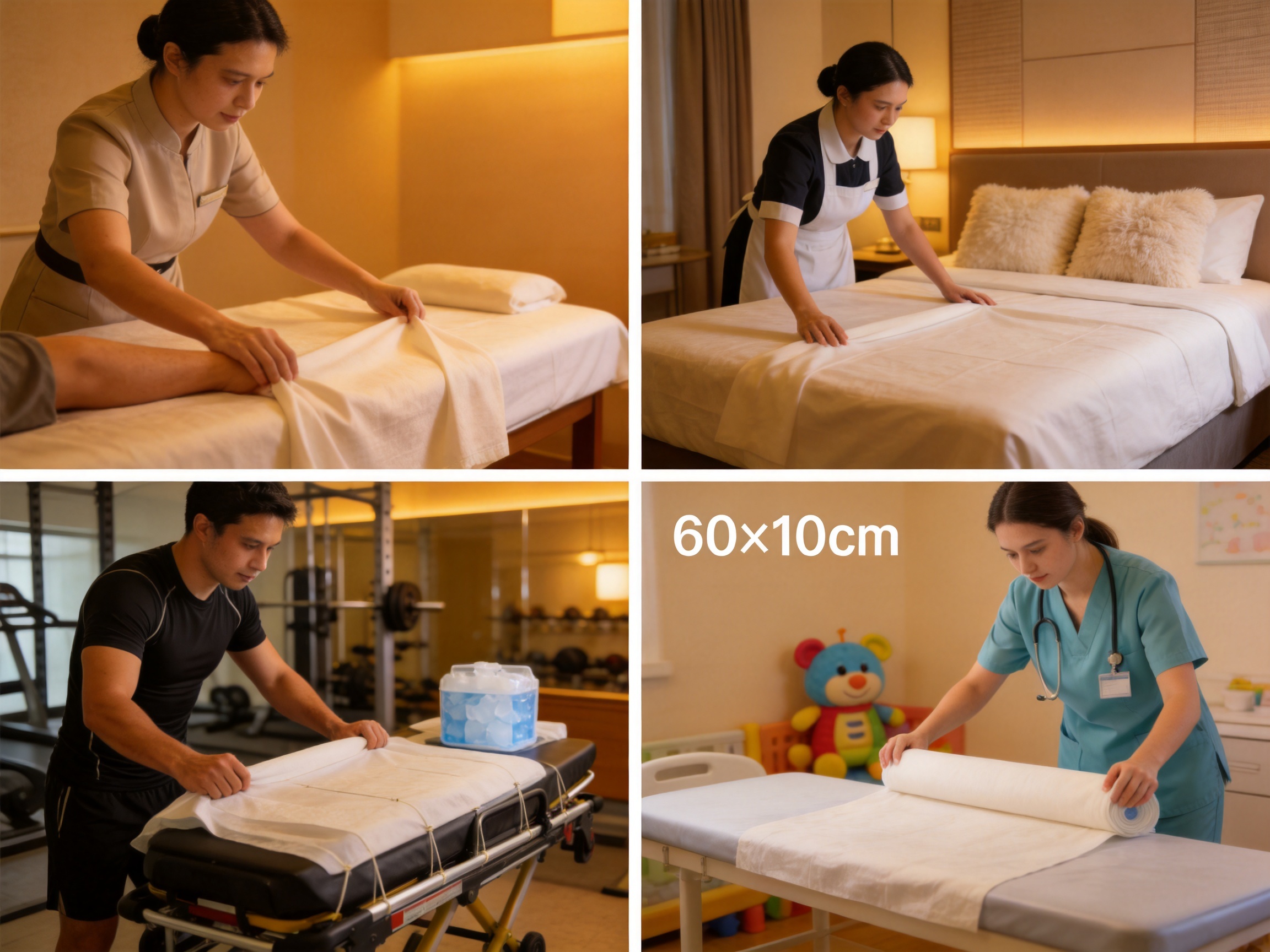
Beyond healthcare, disposable bed sheets are widely used in beauty salons (for facials, massages), travel (for hotel stays to avoid contact with unknown surfaces), and sports facilities (for first aid stations). In each of these contexts, the primary benefit remains the same: a clean, safe surface that minimizes the risk of infection and ensures user comfort.
Key Features of the Protection Sheet Disposable Bed Sheet
The Protection Sheet is distinguished by its thoughtful design and high-quality materials. Let’s break down its core features:
1. Multi-Layer Material Composition
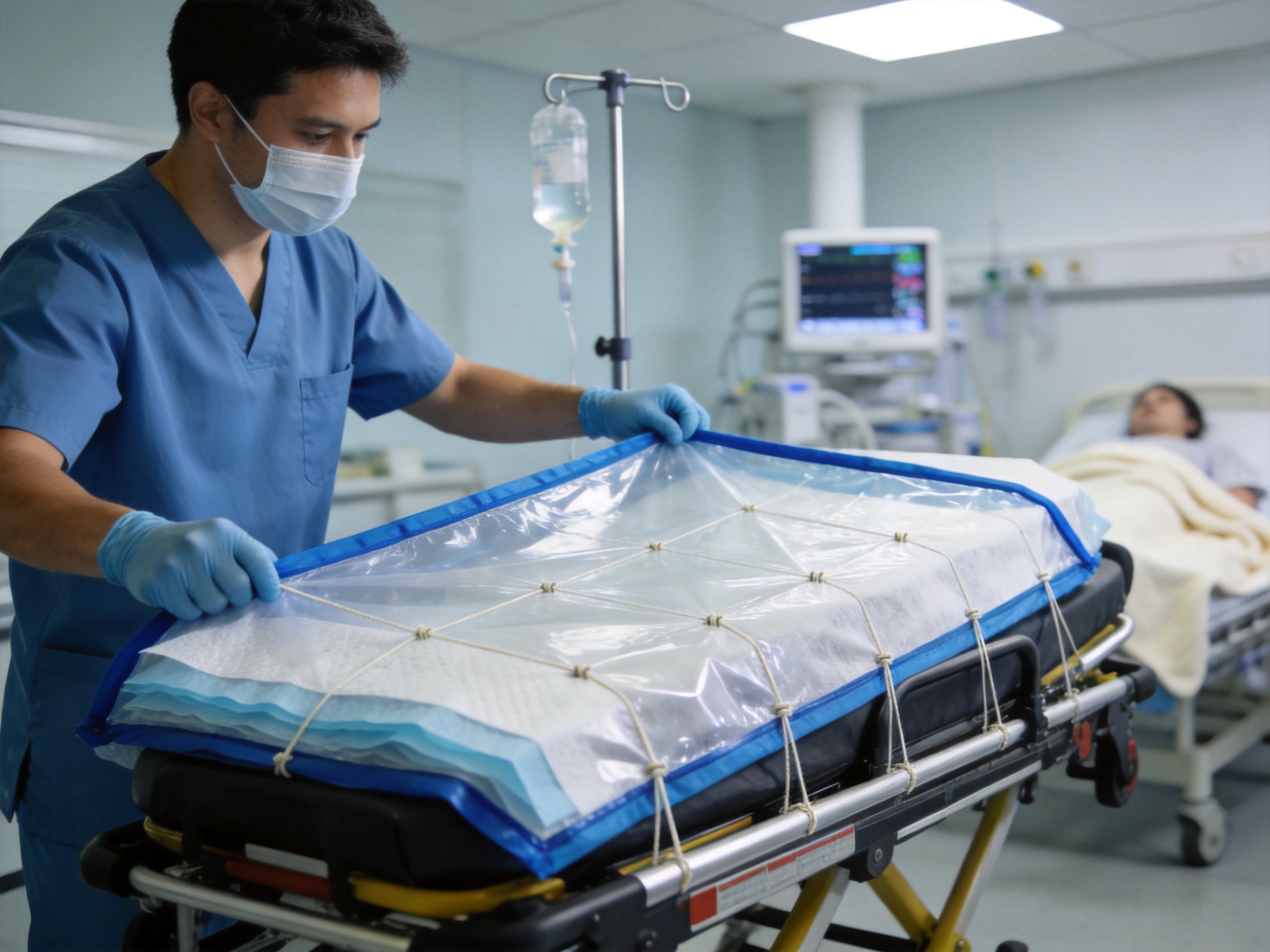
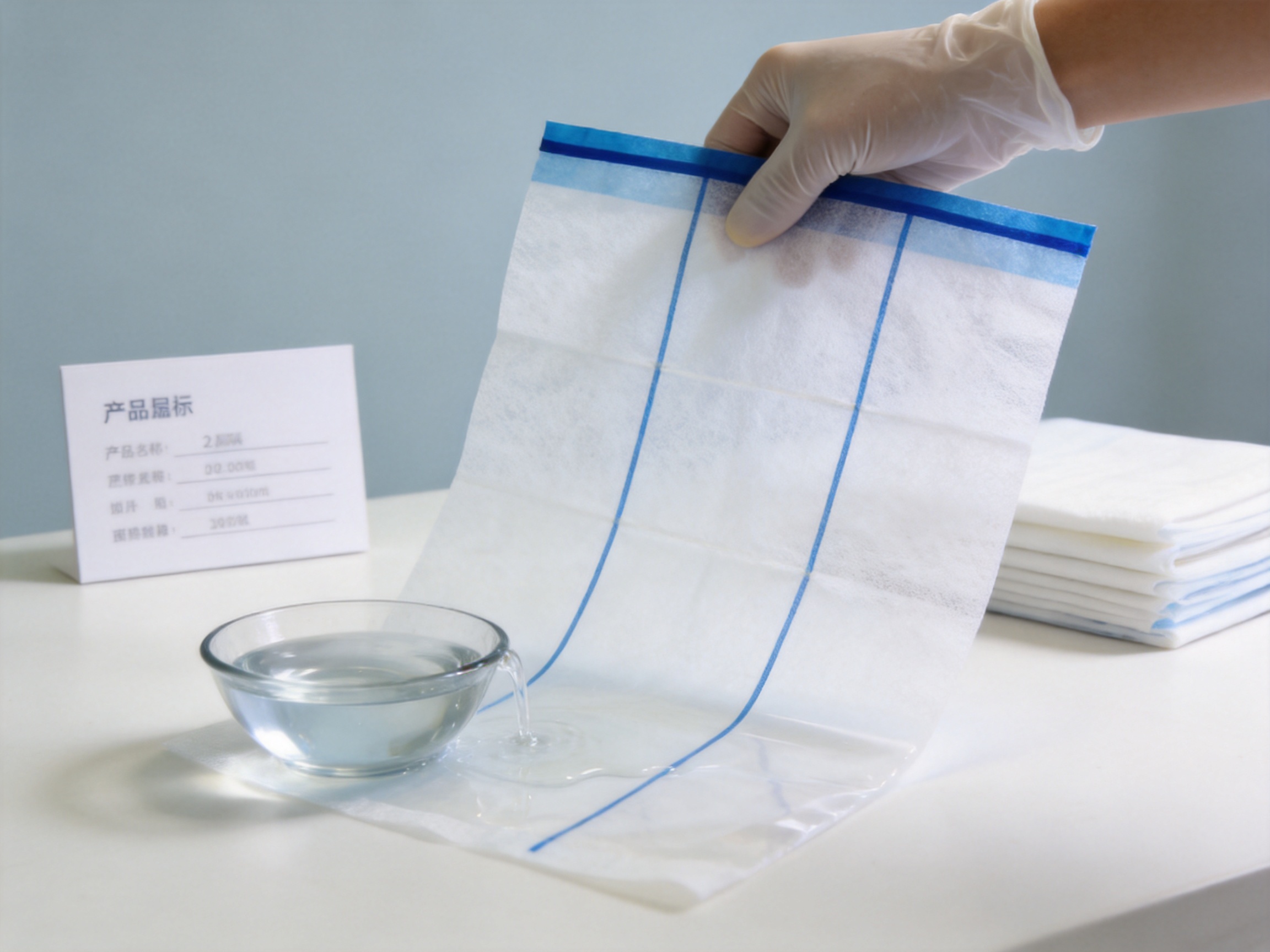
The Protection Sheet is made of a combination of PE film and non-woven fabric or tissue. This dual-layer design offers two critical benefits:
- The PE film provides a waterproof barrier, preventing liquids (such as blood, bodily fluids, or water) from seeping through and contaminating the underlying surface.
- The non-woven or tissue layer adds comfort, making the sheet soft against the skin while maintaining breathability. This combination is superior to single-layer disposables, which often lack either waterproofing or comfort.
2. Customizable Thread Options
To ensure a secure fit on various bed sizes and surfaces, the Protection Sheet offers four thread options: 10, 20, 40, and (by request) additional thread counts. Threads are attached to the sheet to hold it in place during use, preventing slipping or bunching—an important feature in surgical settings where stability is critical. Unlike many competitors, which offer only one or two thread options, the Protection Sheet’s range allows users to choose the exact fit they need for their specific application.
3. Versatile Size Range
The Protection Sheet is available in a wide array of sizes to accommodate different needs:
- 50×50 cm (ideal for small surfaces like examination tables)
- 60×90 cm (common for pediatric care or minor procedures)
- 80×80 cm (suitable for small beds or recovery areas)
- 80×140 cm (used in emergency vehicles or short-term care)
- 80×170 cm (standard for adult hospital beds)
- 80×190 cm (extended length for taller patients)
- 80×210 cm (extra-long for specialized care)
- 80×200 cm (standard hotel or salon bed size)
- 100×200 cm (large size for bariatric care or multiple users)
This extensive size range sets the Protection Sheet apart from competitors, which often limit their offerings to 2-3 sizes. Whether for a small clinic or a large hospital, there is a size that fits.
4. Blue Enhancement Lines
The Protection Sheet features blue lines inside, which serve two purposes:
- They act as a visual guide for proper placement, ensuring the sheet covers the entire surface evenly.
- They help users identify the top and bottom of the sheet, reducing the risk of incorrect orientation (which could compromise the waterproof barrier).
Many low-cost disposables lack these lines, leading to improper use and potential leaks.
Advantages Over Competitors
To understand why the Protection Sheet is a top choice, it’s important to compare it to both reusable alternatives and low-quality disposable bed sheets:
1. vs. Reusable Bed Sheets
Reusable bed sheets require significant resources:
- Laundry Costs: Each wash consumes water, energy, and detergent. For a hospital with 100 beds, this can cost thousands of dollars annually (American Hospital Association, 2020).
- Infection Risk: Even with industrial washing, reusable sheets may retain pathogens like MRSA or C. diff if not sanitized properly (CDC, 2019).
- Replacement Costs: Reusable sheets wear out over time, requiring frequent replacement (every 6-12 months for heavy use).
In contrast, the Protection Sheet is single-use:
- No laundry costs.
- Sterile out of the box, eliminating cross-contamination risk.
- Cost-effective over time, as the total cost of disposable sheets often equals or is lower than the cost of reusable sheets plus laundry.
2. vs. Low-Quality Disposable Bed Sheets
Many budget disposable sheets cut corners, leading to poor performance:
- Thin Material: Single-layer PE or low-grade non-woven fabric tears easily, especially during patient movement.
- Lack of Waterproofing: Liquids seep through, contaminating surfaces and requiring immediate replacement.
- Limited Sizes/Threads: No customization options, leading to ill-fitting sheets that slip or bunch.
The Protection Sheet addresses these issues:
- Durable Multi-Layer Material: Resists tearing and leaks, even with heavy use.
- Full Waterproof Barrier: PE film prevents any liquid from passing through.
- Customizable Options: Multiple sizes and threads to fit any need.
3. Regulatory Compliance
The Protection Sheet meets strict international standards:
- ISO13485:2016: A quality management system standard for medical devices, ensuring consistent product quality.
- CE Certified: Complies with European Union safety, health, and environmental protection standards.
- FDA Compliant: Meets U.S. Food and Drug Administration requirements for medical devices.
Many competitors do not adhere to these standards, putting users at risk of non-compliance or product failure.
Advanced Manufacturing Processes Behind the Protection Sheet
The Protection Sheet is manufactured by Suzhou Sunmed Co., Ltd., a professional medical consumables manufacturer with 30 years of experience in the industry. The company operates multiple production bases in Jiangsu, Zhejiang, and Anhui provinces, each equipped with state-of-the-art machinery and staffed by skilled technicians. These bases are designed to handle large-scale production while maintaining strict quality control standards.
1. Material Sourcing
The company sources high-quality raw materials from trusted suppliers:
- PE Film: Food-grade, medical-grade PE film that is non-toxic and waterproof.
- Non-Woven Fabric: Polypropylene non-woven fabric that is soft, breathable, and lint-free.
- Threads: Medical-grade polyester threads that are strong and resistant to breaking.
All materials are tested for purity and compliance before entering the production line.
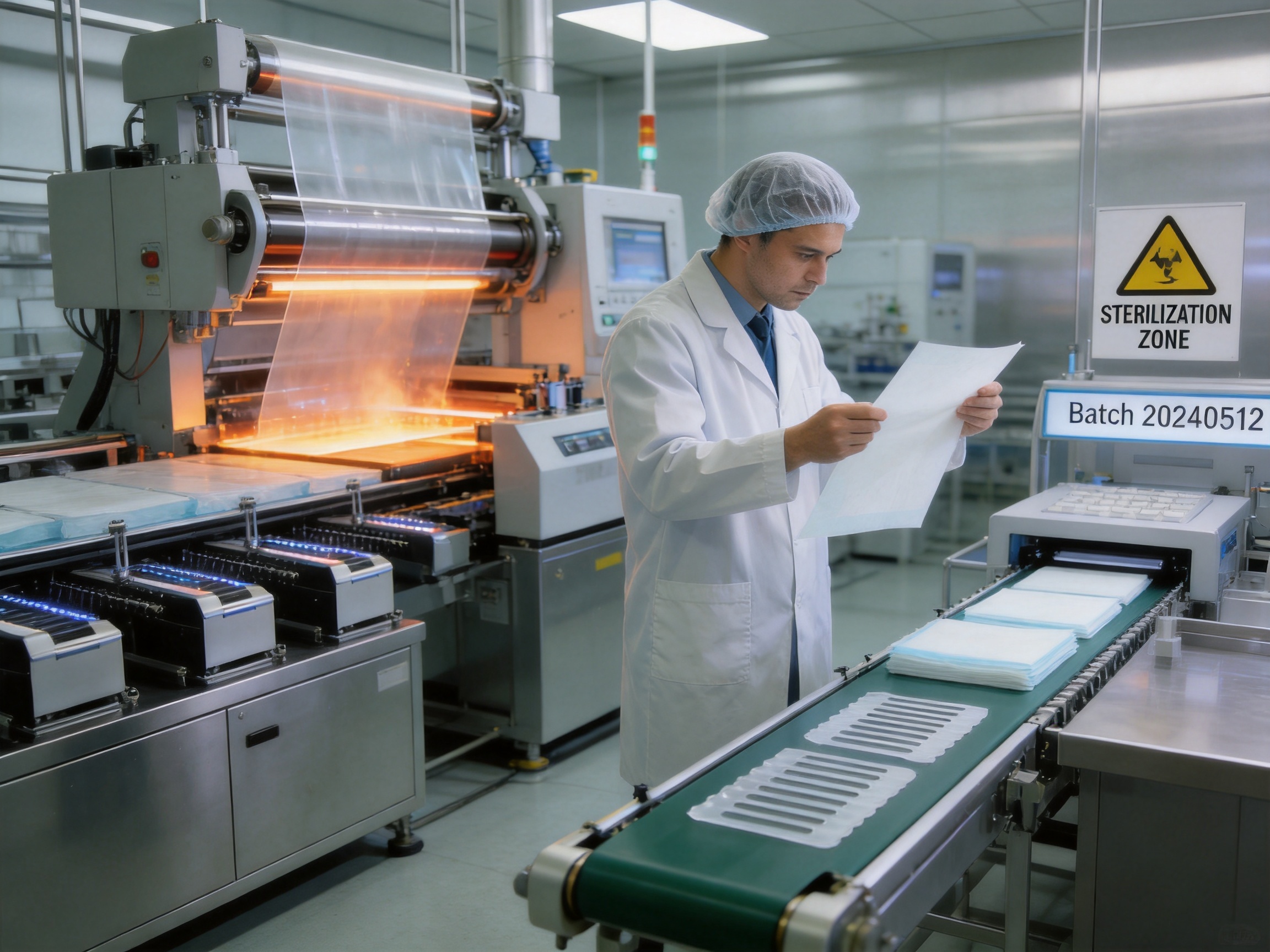
2. Layer Lamination
The PE film and non-woven fabric are laminated together using a heat-sealing process. This ensures a strong bond between the layers, preventing separation during use. The lamination process is controlled by automated machines to ensure consistency across every sheet.
3. Cutting and Sizing
After lamination, the material is cut into the desired sizes using precision laser cutters. This ensures that each sheet has exact dimensions, eliminating variations that could lead to ill-fitting sheets.
4. Thread Attachment
Threads are attached to the sheet using automated sewing machines. The number of threads (10,20,40) is set according to the product specification, and each thread is tested for strength to ensure it can hold the sheet in place.
5. Quality Control
The company employs a team of hundreds of quality control personnel who perform rigorous inspections at every stage of production:
- Pre-Production: Testing raw materials for compliance.
- In-Production: Checking lamination, cutting, and thread attachment for defects.
- Post-Production: Sterilizing the sheets (using ethylene oxide or gamma radiation, depending on the product) and testing for sterility, leak resistance, and tear strength.
All products are labeled with batch numbers for traceability, allowing the company to track any product back to its production batch if issues arise.
6. Sterilization
The Protection Sheet is sterilized to meet medical standards. Ethylene oxide (EO) sterilization is used for most products, as it is effective against a wide range of pathogens and does not damage the material. Gamma radiation is used for products that require higher levels of sterilization. Each batch is tested for sterility using biological indicators (like Bacillus atrophaeus spores) to ensure it meets ISO 11137 standards.
Wide-Ranging Applications of the Protection Sheet
The Protection Sheet’s versatility makes it suitable for a variety of industries and settings:
1. Healthcare Settings
- Hospitals: Used on patient beds, examination tables, and surgical tables to prevent cross-contamination.
- Clinics: Ideal for minor procedures, physical therapy, and diagnostic tests.
- Emergency Rooms: Used in triage areas and ambulance stretchers to provide a clean surface for patients.
- Surgical Centers: Essential for maintaining a sterile environment during operations.
2. Beauty and Wellness
- Salons: Used for facials, massages, and waxing to ensure a clean surface for clients.
- Spas: Ideal for body treatments and relaxation therapies.
- Tattoo Parlors: Required by health regulations to provide a sterile surface for clients.
3. Hospitality and Travel
- Hotels: Used in guest rooms to provide an extra layer of cleanliness (especially for guests with allergies or concerns about hygiene).
- Airports: Used in first aid stations and lounge areas.
- Cruise Ships: Essential for maintaining hygiene in cabins and medical facilities.
4. Sports and Fitness
- Gyms: Used in first aid stations and recovery areas.
- Sports Teams: Used on training tables and in locker rooms to prevent infections from shared surfaces.
- First Aid Events: Used in marathons, triathlons, and other outdoor events to provide a clean surface for injured participants.
Product Specifications Table
Below is a detailed table of the Protection Sheet’s product specifications:
| Product Code |
Description |
Size (cm) |
Thread Count |
Material Composition |
Application |
| SMD-281801 |
Disposable Bed Sheet |
80×175 |
0 (without thread) |
PE Film + Non-Woven Fabric |
Examination tables, short-term care |
| SMD-281802 |
Disposable Bed Sheet |
80×175 |
10 |
PE Film + Non-Woven Fabric |
Standard hospital beds, minor procedures |
| SMD-281803 |
Disposable Bed Sheet |
80×175 |
20 |
PE Film + Non-Woven Fabric |
General patient care, surgical prep |
| SMD-281804 |
Disposable Bed Sheet |
80×175 |
40 |
PE Film + Non-Woven Fabric |
Surgical tables, long-term care |
| Custom |
Disposable Bed Sheet |
50×50 to 100×200 |
10-40 (custom) |
PE Film + Non-Woven/Tissue |
Any application (OEM available) |
Q&A Section
To address common questions about disposable bed sheets, we’ve compiled this Q&A:
Q1: Are the Protection Sheets safe for sensitive skin?
A: Yes. The non-woven layer is made of hypoallergenic polypropylene, which is soft and non-irritating to sensitive skin. The PE film is non-toxic and free of harmful chemicals, making it safe for all users.
Q2: Can the sheets be customized?
A: Yes. The manufacturer offers OEM services, allowing customers to customize the size, thread count, material composition, and even add their own branding. This is ideal for hospitals, salons, or hotels that want to create a consistent brand experience.
Q3: What is the shelf life of the Protection Sheets?
A: The shelf life is 2-3 years, depending on storage conditions. The sheets should be stored in a cool, dry place away from direct sunlight and moisture to maintain their quality.
Q4: Are the sheets biodegradable?
A: The current standard Protection Sheets are not fully biodegradable, but the manufacturer is working on eco-friendly alternatives using biodegradable PE film and non-woven fabric. These will be available in the near future.
Q5: How are the sheets sterilized?
A: Most sheets are sterilized using ethylene oxide (EO) gas, which is effective against all pathogens. For products that require higher sterilization levels, gamma radiation is used. Each batch is tested for sterility to ensure compliance with medical standards.
Q6: Can the sheets be used for bariatric patients?
A: Yes. The 100×200 cm size is designed for bariatric care, providing enough space for larger patients. The durable material can withstand the weight and movement of bariatric patients without tearing.
Q7: Are the sheets flame-resistant?
A: Yes, the PE film and non-woven fabric are treated to be flame-resistant, making them safe for use in healthcare settings where fire risk is a concern.
Q8: Can the sheets be used in pediatric settings?
A: Yes, the 60×90 cm size is ideal for pediatric beds and examination tables, and the soft non-woven layer is gentle on children’s skin.
References
Below are credible references used in this article:
- World Health Organization (WHO). (2021). Infection Prevention and Control in Healthcare Settings. Geneva: WHO Press.
- Centers for Disease Control and Prevention (CDC). (2019). Healthcare-Associated Infections (HAIs). Atlanta: CDC.
- American Hospital Association (AHA). (2020). Cost of Laundry in Healthcare Facilities. Chicago: AHA.
- International Organization for Standardization (ISO). (2016). ISO 13485:2016 Medical Devices – Quality Management Systems. Geneva: ISO.
- U.S. Food and Drug Administration (FDA). (2022). Medical Device Sterilization. Silver Spring: FDA.
- European Commission. (2021). CE Marking for Medical Devices. Brussels: European Commission.
Conclusion
Disposable bed sheets like the Protection Sheet have revolutionized infection control and convenience across healthcare, beauty, and hospitality industries. Their multi-layer design, customizable features, and compliance with global standards make them a superior choice over reusable and low-quality disposable alternatives. The advanced manufacturing processes employed by Suzhou Sunmed Co., Ltd. ensure consistent quality and reliability, while their wide range of applications makes them suitable for any setting. As healthcare and hygiene standards continue to evolve, disposable bed sheets will remain an essential tool for maintaining clean, safe environments for users worldwide.

 English
 Español
 русский
 Français
 Deutsch
 italiano
 By Admin