A coverall is a practical protective garment designed to help shield clothing and exposed skin from dust, splashes, loose particles, and routine workplace contaminants. In medical, healthcare, laboratory, cleaning, manufacturing, food-service, and general-purpose environments, the right disposable coverall can support hygiene, improve operational efficiency, and provide a convenient barrier between the wearer and the surrounding environment.
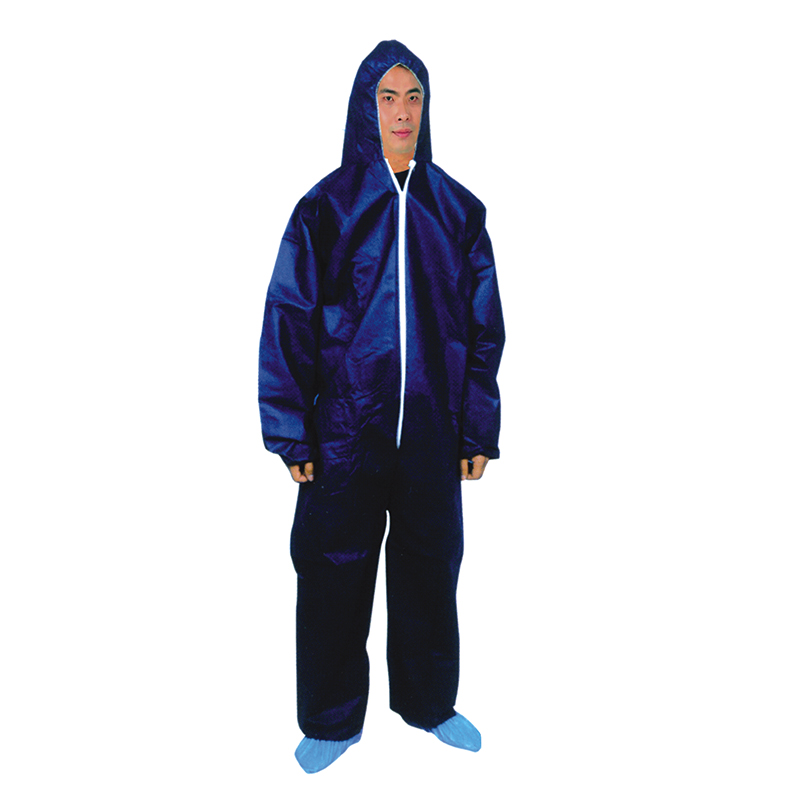
The PP Coverall identified by code SMD-280701 is manufactured from non-toxic polypropylene material and is available in different colours. Its simple, functional construction makes it suitable for applications where users need lightweight, economical, and convenient protective clothing. As part of a broader range of medical consumables and healthcare products, this coverall is designed to support professional procurement requirements while remaining practical for daily use.
Unlike ordinary clothing, a disposable coverall is intended to reduce the transfer of dirt, fibres, and incidental contaminants from the wearer’s garments to the work area. It can also help protect the wearer’s clothing from dust, powder, light liquid contact, and other non-hazardous substances encountered during routine tasks. The PP material provides a balance between coverage, low weight, flexibility, and cost, making this product a useful option for facilities that require protective garments in multiple departments.
For buyers, product selection involves more than simply choosing a garment with full-body coverage. Material safety, production consistency, packaging, colour availability, supply capacity, quality control, and communication with the manufacturer all influence the long-term value of a disposable coverall. The manufacturer associated with product code SMD-280701 combines medical product experience, multiple production bases, professional quality control, and export experience to support wholesale and OEM cooperation.
Coverall
Product Overview
The SMD-280701 PP Coverall is a disposable protective garment made from non-toxic polypropylene. It is intended for users who need a practical layer of protection over ordinary clothing during medical, first aid, healthcare, cleaning, maintenance, production, and other routine activities.
Polypropylene, commonly abbreviated as PP, is a lightweight synthetic material frequently used in disposable medical and hygiene products. It is valued for its low density, flexibility, relatively good tear resistance for its weight, and suitability for conversion into non-woven fabrics. In a coverall, PP fabric can be formed into a comfortable protective layer that covers the torso, arms, and legs while allowing the user to carry out ordinary movements.
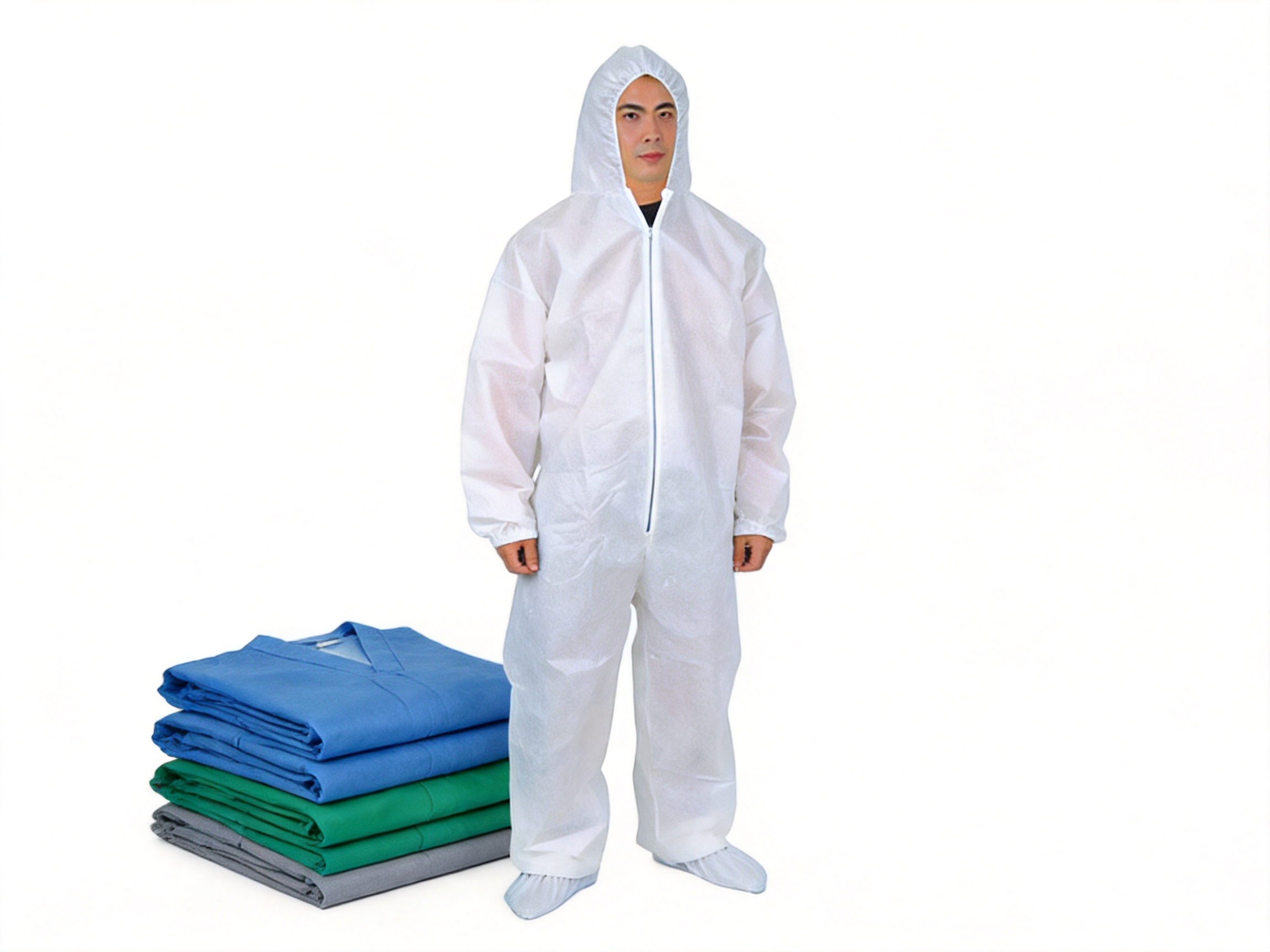
The product description highlights two principal characteristics: non-toxic PP material and the availability of different colours. These features are important for buyers that serve multiple customer groups. A healthcare distributor may prefer a clean, professional colour for clinical use, while a cleaning supplier, factory, laboratory, or retail customer may require a different colour for department identification or brand coordination.
| Product item |
Specification |
| Product name |
Coverall |
| Product code |
SMD-280701 |
| Material |
Non-toxic polypropylene |
| Product type |
PP disposable protective coverall |
| Colour options |
Different colours available |
| Primary value |
Lightweight full-body protective coverage for routine applications |
| Supply role |
Medical consumables, protective clothing, and general-purpose hygiene use |
Because the supplied product information does not specify a particular level of liquid resistance, microbial barrier classification, seam sealing, hood design, cuff construction, closure system, or sterile status, buyers should confirm these details before using the coverall for specialized or regulated applications. The product should be selected according to the actual hazards and performance requirements of the intended workplace.
Why Polypropylene Is a Practical Coverall Material
Polypropylene is widely used in disposable protective products because it can provide useful protection without creating the weight and cost associated with heavier reusable garments. Non-woven PP fabric can be produced with a soft hand feel and a flexible structure, supporting comfortable wear during routine work. This is particularly valuable in settings where workers may wear the garment for extended periods or may need to move between different workstations.
A lightweight garment can also help reduce user fatigue. Heavy protective clothing may be appropriate for demanding hazards, but it can be unnecessary for low-risk tasks such as routine cleaning, stock handling, equipment maintenance, visitor protection, basic examination support, or general hygiene control. For these applications, a PP coverall can provide a sensible level of coverage while allowing the wearer to remain mobile.
Polypropylene is also suitable for disposable product programs. After use, a garment can be removed and discarded according to the facility’s waste-management procedures. This avoids the need for laundering, inspection, repair, and redistribution. For organizations without an established reusable garment system, disposable PP coveralls can simplify purchasing and usage control.
The non-toxic material specification is particularly relevant in healthcare and personal protection purchasing. It indicates that the material is selected for contact with ordinary clothing and routine workplace use without the intentional addition of toxic substances. However, non-toxic material should not automatically be interpreted as a guarantee of protection against every chemical, infectious agent, or hazardous liquid. Risk assessment and product verification remain essential.
Lightweight Wearability
Comfort is a major factor in whether protective clothing is worn correctly. If a garment is too hot, heavy, stiff, or restrictive, users may loosen it, remove it prematurely, or avoid wearing it during tasks where it is recommended. A lightweight PP coverall can encourage better user acceptance, especially in warm environments or during activities involving frequent walking and bending.
Convenient Disposable Use
Disposable coveralls are convenient for facilities that need clean garments for individual tasks, visitors, temporary workers, or short-term projects. They can be stocked in central supply rooms and issued when required. This approach may be more efficient than maintaining different sizes and laundering cycles for reusable garments, particularly where contamination control or rapid turnover is important.
Colour Flexibility
The availability of different colours supports visual organization. A facility may assign colours to departments, job functions, cleanliness zones, or user groups. Colour differentiation can support quick identification and help prevent garments from being moved between areas without authorization. It can also assist distributors that serve customers with different preferences.
Advantages Over Ordinary Protective Clothing
An ordinary shirt, coat, or work uniform is not designed to provide full-body coverage against workplace dust and incidental contamination. It may leave the lower arms, legs, and other areas exposed, and it is normally reused without a controlled cleaning process. A disposable PP coverall provides a dedicated protective layer that can be removed after a task or work period.
Compared with basic disposable gowns, a coverall can offer broader coverage because it is designed to surround more of the body. The exact coverage depends on the product’s pattern and closure details, which should be confirmed with the supplier, but the coverall format is generally selected when users want protection beyond the front torso and sleeves.
Compared with heavy reusable protective suits, a PP coverall can offer lower purchase complexity and easier handling for routine, lower-risk applications. There is no need to track laundering, detergent compatibility, drying, repairs, or garment loss. This can be especially useful for hospitals, clinics, laboratories, cleaning contractors, wholesalers, and industrial facilities that need a large volume of garments at predictable intervals.
Compared with low-quality disposable garments, a professionally manufactured PP coverall can offer more dependable material selection, production control, packaging discipline, and supply continuity. The value of a disposable product is not determined only by the lowest unit price. A garment that tears easily, varies significantly between batches, or arrives with inconsistent packaging can increase waste and disrupt operations.
| Comparison factor |
PP disposable coverall |
Ordinary clothing |
Reusable heavy garment |
| Coverage |
Designed for broad protective coverage |
Usually limited to normal clothing coverage |
Generally broad, depending on design |
| Weight |
Lightweight |
Varies |
Often heavier |
| Cleaning requirement |
Normally discarded after use according to site procedures |
Requires ordinary laundering |
Requires controlled laundering and inspection |
| Deployment |
Quick issue and use |
Not specifically designed for protective deployment |
Requires inventory and return management |
| Colour flexibility |
Different colours available |
Depends on uniform policy |
Depends on garment program |
| Typical value |
Convenient protection for routine applications |
Basic clothing only |
Long-term use for selected higher-demand tasks |
The comparison does not mean that a PP coverall is suitable for every hazard. Heavy chemical exposure, high-temperature work, pressurized liquids, biological hazards, or environments requiring certified high-barrier protection may call for a different garment specification. The advantage of the PP coverall is its practicality for applications that require a lightweight, disposable protective layer rather than specialized hazardous-material protection.
Applications in Healthcare and First Aid
Healthcare facilities require a broad range of disposable products, including dressings, gauze, medical tape, cotton products, protective equipment, diagnostic devices, surgical consumables, syringes, infusion products, and patient-care supplies. A disposable coverall can complement these products by supporting the hygiene routines of clinical personnel, maintenance teams, visitors, and support staff.
In first aid environments, the coverall may be used when personnel need an additional garment layer during cleaning, preparation, or response activities. First aid stations, emergency supply distributors, sports facilities, schools, workplaces, and public institutions may keep coveralls available for situations involving dirt, dust, spills, or contact with potentially contaminated clothing.
In hospitals and clinics, coveralls may be considered for non-sterile support functions, environmental cleaning, waste-handling preparation, storage-room work, equipment servicing, or other tasks where a disposable garment is appropriate. The exact use should follow the facility’s infection-prevention policies. The coverall should not be represented as sterile or as a substitute for a certified isolation garment unless the relevant specifications have been verified.
Healthcare purchasing teams may value product standardization. When the same product code is used across departments, staff training, replenishment, stock counting, and internal ordering can be simplified. The SMD-280701 designation gives buyers a clear reference for quotations, purchase orders, repeat orders, and product discussions.
Use in Cleaning, Maintenance, and General Industry
Cleaning personnel often encounter dust, cleaning residues, splashes, and soiled surfaces. A disposable coverall can be worn over a uniform to reduce the transfer of dirt to personal clothing and to support a cleaner work routine. It may be useful in commercial cleaning, housekeeping, building maintenance, warehouse cleaning, property management, and sanitation-support operations.
In maintenance environments, the garment can help protect clothing from dust, light grease, fibres, and incidental debris. It is suitable for consideration during equipment servicing, workshop preparation, painting support, storage-area work, and facility repairs where a lightweight disposable layer is preferred. The user should always check whether the task involves flammable materials, solvents, corrosive substances, sharp edges, excessive heat, or other hazards requiring specialized protective clothing.
Manufacturing and logistics companies may use disposable coveralls for visitors, temporary work areas, product-handling zones, or tasks that require a clean outer layer. In some facilities, different colours may be assigned to different personnel groups. For example, one colour may be used for visitors, another for cleaning personnel, and another for a controlled work zone. Such programs can help reinforce workplace procedures, although colour alone does not provide protection.
The garment may also be considered by food-service and food-processing businesses for general hygiene support, subject to the organization’s own food-safety requirements. Where the garment is used around food, buyers should confirm that the material, packaging, colour, and intended use comply with applicable local rules and site procedures.
Manufacturing Strengths and Quality Approach
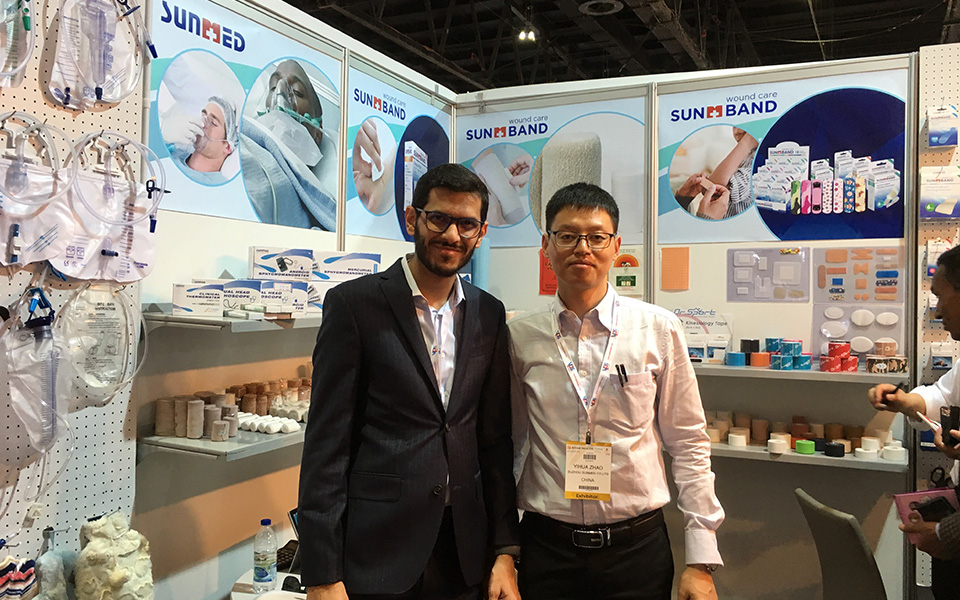
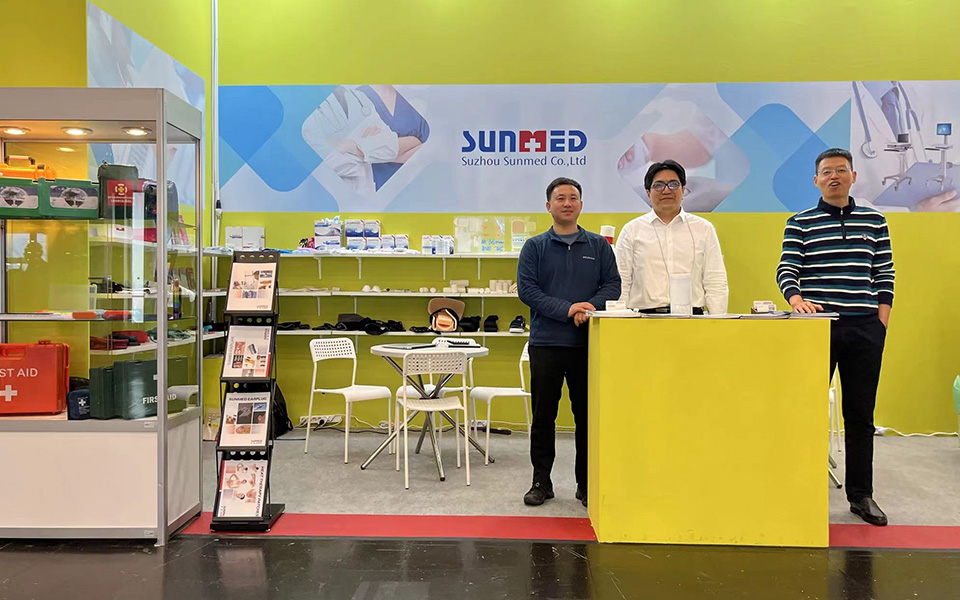
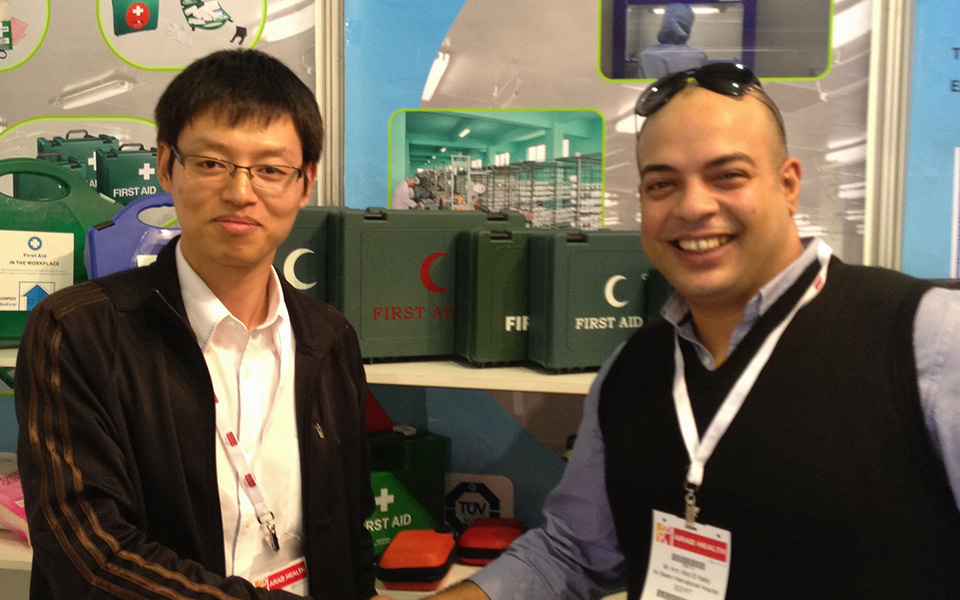
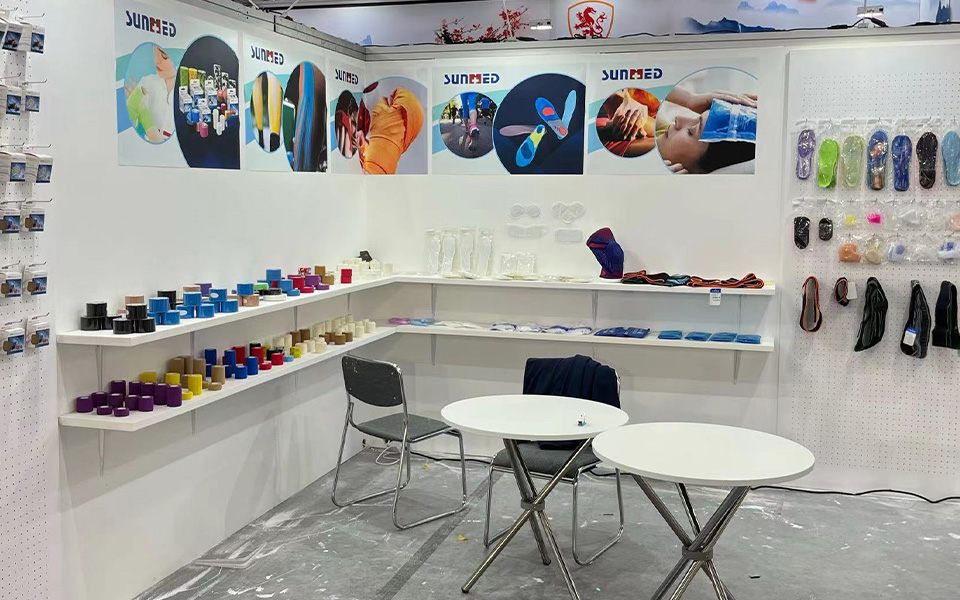
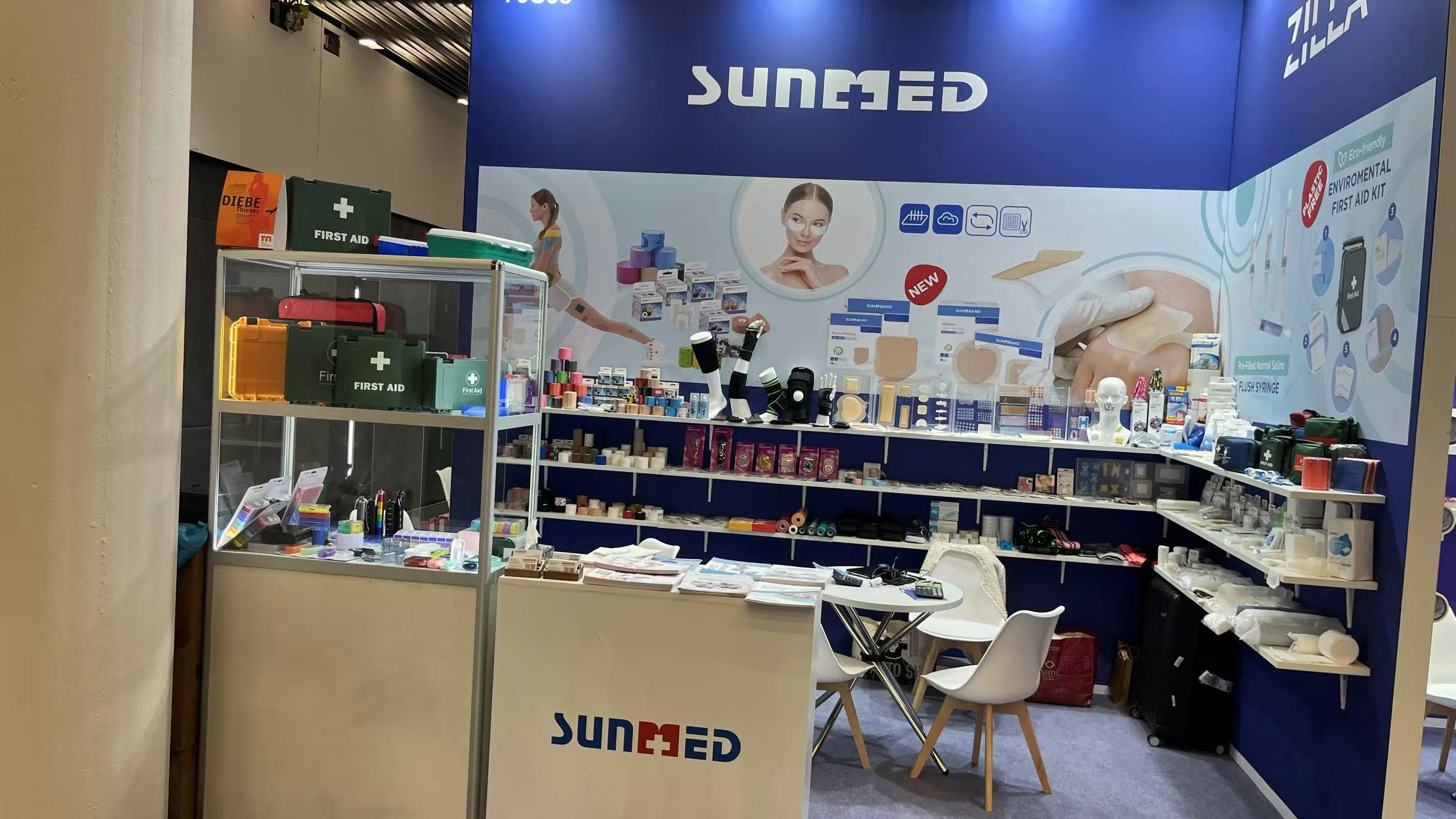
The company behind SMD-280701 is Suzhou Sunmed Co., Ltd., a professional manufacturer and exporter of first aid, medical, and healthcare products in China. Its broader product range includes wound dressings, gauze, bandages, medical tape, medical cotton, non-woven medical products, sports bandages, family healthcare products, medical instruments, surgical consumables, catheters, and other medical supplies.
This breadth is relevant to coverall procurement because it demonstrates experience in product categories that depend on material control, converting processes, packaging discipline, and repeatable production. A company familiar with medical consumables is accustomed to serving customers that require clear specifications, stable supply, export documentation, and consistent communication.
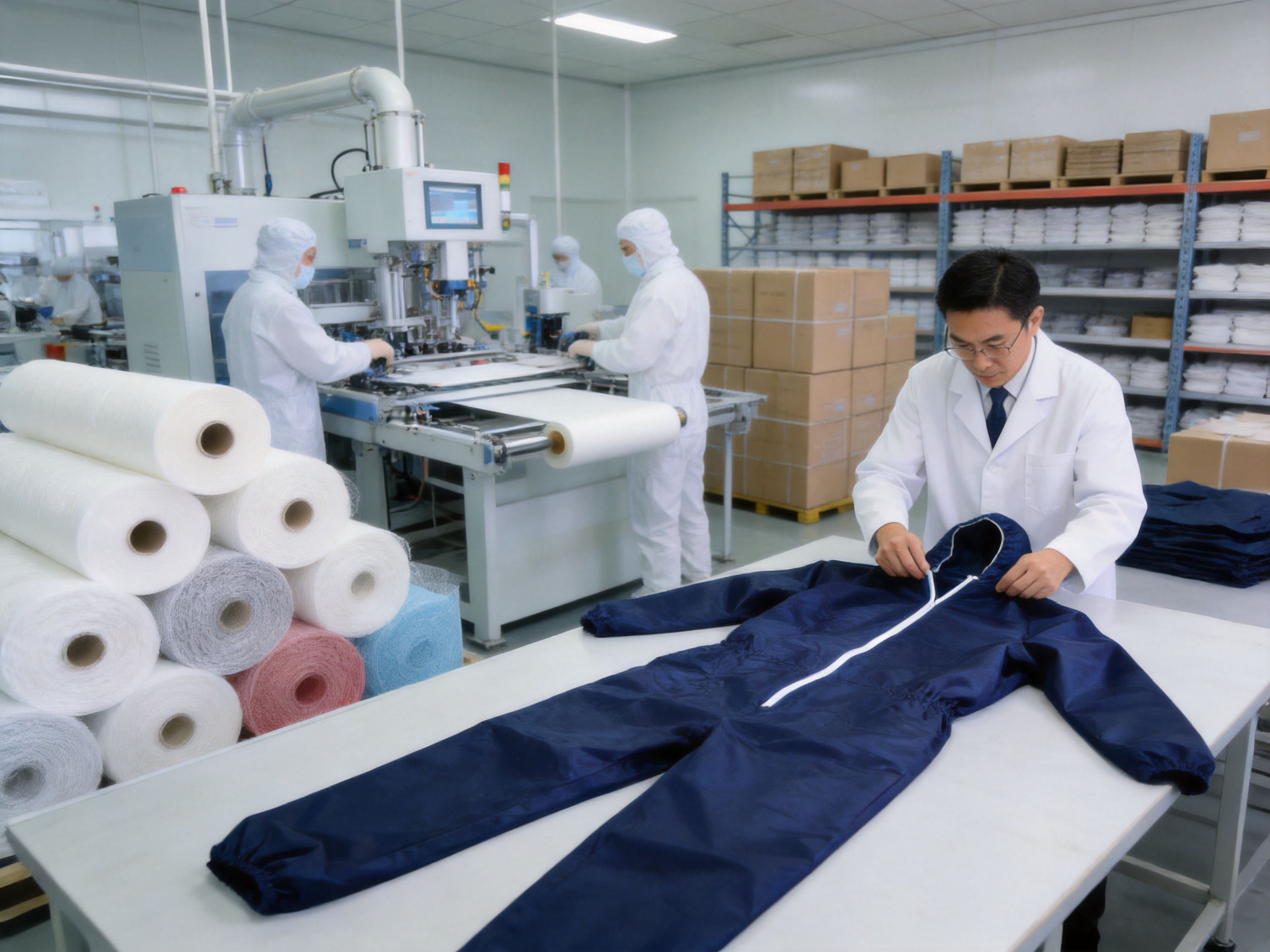
The company operates multiple production bases in Jiangsu, Zhejiang, and Anhui Province. A multi-base manufacturing structure can support broader production capabilities and help the organization respond to different product categories and customer requirements. It also provides a foundation for coordinating raw materials, production planning, quality inspection, packaging, and export preparation.
According to the supplied company information, the business has approximately 30 years of experience in the medical device and medical consumables industry. Long-term industry experience can contribute to practical knowledge of customer expectations, common product risks, regulatory documentation, packaging requirements, and international purchasing practices. Experience does not replace product-specific verification, but it can strengthen the manufacturer’s ability to manage recurring orders and customer communication.
Material and Component Control
A reliable disposable coverall begins with suitable raw material selection. For the SMD-280701, the specified material is non-toxic polypropylene. Production control should include the identification of the material grade, incoming inspection, storage protection, and confirmation that the material matches the approved product specification.
Proper storage is important because non-woven materials can be affected by dust, humidity, compression, and improper handling. Organized storage areas help reduce the risk of contamination and physical damage before the material enters production. Batch identification can also support traceability when customers require investigation of a quality concern.
Pattern Cutting and Garment Formation
Coverall production normally involves converting rolls of non-woven material into garment panels and joining those panels into a wearable form. Consistent cutting supports reliable dimensions and helps the garment fit the intended size range. Production personnel must pay attention to panel alignment, seam positioning, sleeve and leg proportions, and the overall balance of the garment.
Garment formation may involve heat sealing, stitching, or other joining methods depending on the approved design. The appropriate process should be selected according to the intended use and product specification. Consistent joining is important because weak or irregular seams may reduce usability, while excessive tension can affect comfort and movement.
In-Process Inspection
Quality control should not be limited to the final packing stage. In-process checks can identify problems earlier, reducing waste and preventing large quantities of non-conforming garments from moving forward. Typical inspection points may include material appearance, colour consistency, dimensions, seam integrity, closure performance where applicable, visible contamination, and packaging preparation.
The company reports that it has a professional quality control team comprising hundreds of personnel. A large quality organization can provide the human resources required for inspection across multiple product categories and production locations. For buyers, the practical benefit is the possibility of more structured oversight, provided that product-specific inspection procedures and acceptance criteria are clearly defined.
Final Inspection and Packing
Final inspection is important for disposable protective clothing because the product is usually purchased in quantity and distributed quickly. Inspection may include checking the quantity per package, package appearance, product code, labelling, colour, size, material condition, and general garment integrity. Correct packing supports warehouse handling and helps distributors maintain accurate inventory.
For export customers, packing must also be suitable for long-distance transport. Carton strength, moisture protection, pallet configuration, shipping marks, and documentation should be agreed according to the order. Buyers can request packing specifications in advance when the product will be stored for extended periods or transported through humid or variable climates.
Quality Management and International Supply Capability
The supplied information states that the company’s quality control procedures are designed to support ISO 13485:2016 requirements. ISO 13485 is a quality management standard associated with medical devices and related organizations. A quality system based on this standard generally emphasizes documented processes, risk-based thinking, traceability, corrective actions, supplier control, production records, and continual maintenance of process effectiveness.
It is important to distinguish between a company quality-management system and the regulatory status of an individual product. Buyers should request current product documentation, declarations, certificates, test reports, and market-specific information for the coverall itself. The applicable requirements may vary by country, intended use, classification, and customer claims.
The company also reports that most of its products are CE certified and that its Suzhou factories comply with FDA requirements. These statements indicate experience with international market expectations, but customers should confirm whether the specific SMD-280701 coverall is covered by a particular certification or registration. Documentation should be reviewed before using certification language in marketing materials or regulatory submissions.
Exporting to more than 60 countries gives the manufacturer experience with different purchasing systems, communication styles, shipping arrangements, and documentation expectations. The reported markets include Europe, Southeast Asia, Africa, and Oceania. This international exposure can benefit distributors that need a supplier familiar with export packaging, commercial documentation, inspection coordination, and repeat-order planning.
For large buyers, supply capability is as important as product performance. A distributor may require regular monthly quantities, seasonal increases, private labels, colour variation, or mixed product shipments. A manufacturer with multiple product categories and established export operations may be better positioned to coordinate such requirements than a supplier focused only on occasional spot sales.

OEM and Wholesale Cooperation
The SMD-280701 PP Coverall can be considered by wholesalers, importers, medical distributors, hospital suppliers, first aid companies, cleaning-product distributors, and retailers seeking a source of disposable protective garments. Wholesale cooperation is most effective when product requirements are defined clearly at the beginning of the relationship.
Important commercial questions may include the required material, sizes, colours, packaging quantity, carton dimensions, labelling language, private-label requirements, order quantity, delivery schedule, inspection arrangements, and destination-market documentation. Buyers should also clarify whether samples are available and whether the production sample will be retained as the approved reference for future orders.
OEM cooperation may involve customized packaging, product labels, colour selection, carton printing, instructions, or customer-specific product codes. Any customization should be documented so that both parties understand which features are fixed and which may vary according to available materials or production conditions.
For distributors, a stable product code is useful for catalogue management and repeat ordering. The code SMD-280701 can be used as a reference when requesting quotations, samples, technical files, and production updates. When multiple sizes or colours are offered, the buyer should ask whether each variation has a separate code or suffix.
How to Select the Correct Coverall for an Application
Before placing an order, the buyer should identify the actual task for which the coverall will be used. A garment intended for routine dust protection may not be appropriate for chemical handling. A coverall used by visitors may have different requirements from one used by workers in a clean production area. Matching the product to the task helps avoid both under-protection and unnecessary cost.
Assess the Hazard
Consider whether the work involves dust, fibres, light splashes, oils, cleaning substances, biological materials, sharp objects, heat, sparks, or pressurized liquids. If the task involves a regulated hazard, request technical information and testing relevant to that hazard. The PP coverall should not be used beyond its verified capabilities.
Confirm Fit and Mobility
A coverall should allow users to bend, walk, sit, reach, and perform their duties without excessive restriction. Buyers should confirm available sizes and review measurement information before ordering large quantities. A garment that is too small may tear or restrict movement, while one that is too large may create tripping or snagging risks.
Review Colour Requirements
Different colours may be used for visual identification, brand presentation, department allocation, or customer preference. Colour selection should be agreed before production because material availability and minimum order quantities may differ among colours.
Define the Disposal Procedure
Disposable garments should be removed carefully and discarded according to workplace, local, and environmental procedures. If the garment has been used in a setting involving contamination or hazardous substances, the disposal route may require special handling. The purchasing department should coordinate with health, safety, infection-control, and waste-management personnel.
Using the Coverall Correctly
Users should inspect the coverall before use. The garment should be free from visible damage, excessive contamination, open seams, or packaging defects. If the product is torn or otherwise compromised before use, it should be replaced.
The coverall should be put on in a clean area and adjusted so that it provides the intended coverage without creating unnecessary openings. If the design includes closures, cuffs, or other securing features, they should be used according to the product instructions. Users should avoid modifying the garment because cutting or altering it may reduce its protective function.
During use, the wearer should avoid contact with sharp edges, open flames, excessive heat, and substances for which the garment has not been verified. A PP coverall is a protective aid, not a complete personal protective system. Depending on the task, additional gloves, masks, eye protection, footwear, head protection, or specialized clothing may be required.
After use, the garment should be removed in a way that minimizes contact between the potentially soiled outer surface and the wearer’s skin or clothing. It should then be placed in the designated waste container. Reuse should not be assumed unless the product has been specifically designed, tested, and labelled for reuse.
Advantages for Distributors and End Users
For end users, the main advantage is convenience. The garment is ready to issue, easy to wear over normal clothing, and suitable for many routine protective tasks. Its lightweight construction can support comfort, while its disposable format can reduce the operational burden associated with cleaning and garment return.
For distributors, the product offers an accessible entry point into the disposable PPE and medical consumables market. Coveralls may be sold through hospital supply channels, occupational safety distributors, cleaning-equipment wholesalers, industrial suppliers, first aid retailers, and online healthcare stores. Different colours can broaden the target customer base.
For facility managers, disposable stock can be allocated by department and replenished according to usage. Standardized purchasing can reduce the number of garment types held in inventory. When combined with clear usage instructions and staff training, a disposable coverall program can support consistent workplace routines.
For procurement teams, the manufacturer’s experience across first aid, medical, sports support, family healthcare, and surgical product categories may make it possible to consolidate several purchasing needs with one supplier. Combining products in a broader sourcing relationship can simplify communication, although each item should still be reviewed according to its own technical and regulatory requirements.
Responsible Product Positioning
Accurate product positioning is essential. The SMD-280701 should be described according to the verified specification: a PP coverall made from non-toxic polypropylene, with different colours available. Buyers should avoid making unsupported claims such as “sterile,” “waterproof,” “chemical resistant,” “virus proof,” or “surgical grade” unless the specific product has the required testing, certification, and labelling.
Clear positioning protects users and supports responsible distribution. A product can be valuable without being described as suitable for every hazard. In many workplaces, the most appropriate garment is a simple, lightweight, disposable coverall for routine protection and hygiene support. Honest technical communication helps customers choose the correct product and reduces the possibility of misuse.
Marketing materials should also distinguish the manufacturer’s general capabilities from the features of this individual product. The company’s experience, production bases, quality team, and international export record are strengths of the supplier. The coverall’s material, colour options, product code, and intended applications are product-specific details. Presenting both categories clearly gives buyers a more accurate understanding of the offer.
Purchasing Checklist
When evaluating the SMD-280701 or a comparable PP coverall, buyers may use the following checklist:
1. Confirm that the material is non-toxic polypropylene and matches the approved sample.
2. Confirm available sizes, colours, and garment dimensions.
3. Ask whether the coverall is disposable and whether any reuse is permitted.
4. Clarify the intended protection level and the types of exposure for which the garment is suitable.
5. Request product photographs, samples, technical specifications, and packaging information.
6. Confirm whether the product is sterile or non-sterile. Do not assume sterile status.
7. Request relevant certificates, declarations, or test reports for the destination market.
8. Review the product label, carton marking, batch information, and shelf-life details where applicable.
9. Agree on inspection standards, acceptable quality limits, and procedures for handling non-conforming goods.
10. Confirm minimum order quantities, lead times, shipping terms, and payment arrangements.
11. If OEM packaging is required, approve artwork and labelling before mass production.
12. Establish storage and transportation requirements to preserve packaging and material condition.
13. Ensure that end users receive instructions on wearing, removal, and disposal.
14. Reassess the product if the workplace process, hazard, or regulatory requirement changes.
Frequently Asked Questions
What is the SMD-280701 product?
SMD-280701 is a PP Coverall made from non-toxic polypropylene material. It is a disposable protective garment intended for routine medical, healthcare, cleaning, maintenance, industrial, and general-purpose applications, subject to the requirements of the specific workplace.
What material is used in the coverall?
The stated material is non-toxic polypropylene, commonly known as PP. Polypropylene is a lightweight synthetic material frequently used in non-woven disposable medical and hygiene products.
Are different colours available?
Yes. The product information states that different colours are available. Buyers should confirm colour choices, minimum quantities, and production lead times with the supplier before ordering.
Is the coverall sterile?
Sterile status is not stated in the supplied product information. Buyers should not assume that the coverall is sterile. If sterile use is required, the customer must request and verify specific sterilization, packaging, and regulatory documentation.
Is the coverall waterproof?
Waterproof performance is not stated. Polypropylene material alone does not establish that a garment is waterproof or resistant to pressurized liquid. Buyers should request verified test data if liquid protection is essential.
Can the coverall be used for chemical protection?
The supplied information does not specify chemical resistance. It should not be selected for chemical handling without reviewing the chemical exposure, material compatibility, seam construction, and applicable test results.
What types of businesses may purchase this product?
Potential buyers include hospitals, clinics, first aid suppliers, medical distributors, cleaning companies, laboratories, maintenance contractors, industrial suppliers, wholesalers, supermarkets, and retailers. Suitability depends on the customer’s application and local requirements.
Why choose a disposable PP coverall instead of reusable clothing?
A disposable PP coverall can be issued quickly and discarded after use according to site procedures. It does not require laundering, repair, or return management. This can be convenient for short-term tasks, visitors, temporary workers, and routine low-risk protection.
What should buyers verify before placing a wholesale order?
Buyers should verify the material, dimensions, sizes, colours, packaging, product status, intended use, technical documents, certificates, labelling, minimum order quantity, lead time, inspection procedure, and shipping arrangements.
Can the product be customized for OEM orders?
The manufacturer offers OEM medical consumables and medical devices according to the supplied company profile. Customers interested in customized coverall packaging, labelling, colour, or product presentation should discuss the requested specifications and obtain written confirmation before production.
How should the coverall be stored?
It should generally be stored in a clean, dry area away from direct sunlight, excessive heat, moisture, dust, sharp objects, and chemicals. Specific storage conditions should be confirmed from the product documentation and packaging instructions.
Does the coverall replace other personal protective equipment?
No. A coverall may be only one part of a protective system. Depending on the task, users may also need gloves, masks, respirators, eye protection, protective footwear, head coverings, or specialized garments.
What does the manufacturer’s quality experience contribute?
The company reports approximately 30 years of experience in medical devices and medical consumables, multiple production bases, a professional quality control team, ISO 13485:2016-oriented procedures, and export experience in more than 60 countries. These capabilities can support product consistency, documentation, and supply coordination, while product-specific verification remains necessary.
Conclusion
The SMD-280701 PP Coverall is a practical disposable garment for organizations seeking lightweight full-body protective coverage for routine applications. Its non-toxic polypropylene material, different colour options, simple product identification, and suitability for wholesale supply make it a useful choice for healthcare support, first aid, cleaning, maintenance, industrial, and general hygiene programs.
Its principal advantages are convenience, low weight, broad application potential, colour flexibility, and the reduced operational burden associated with disposable use. Compared with ordinary clothing, it provides a dedicated protective layer. Compared with heavy reusable garments, it can be easier to issue and manage in lower-risk environments. Compared with inconsistent low-cost alternatives, a product supported by structured manufacturing and quality-control processes can offer greater confidence in repeat purchasing.
Suzhou Sunmed Co., Ltd. brings relevant strengths to the supply relationship through its long experience in medical consumables, multiple production bases, broad product portfolio, international export activity, and professional quality-control organization. These capabilities can support distributors and institutional buyers that need dependable communication, product documentation, and ongoing supply.
At the same time, responsible selection remains essential. Customers should verify the coverall’s exact construction, size, packaging, regulatory status, and performance limitations before using it in specialized environments. When matched to the right task and supported by correct wearing and disposal procedures, the PP Coverall can be an efficient and valuable component of a broader protective-clothing program.
References
1. Product specification supplied for PP Coverall, product code SMD-280701.
2. Manufacturer profile and company information supplied for Suzhou Sunmed Co., Ltd.
3. ISO 13485:2016, Medical Devices—Quality Management Systems—Requirements for Regulatory Purposes.
4. General principles of personal protective equipment selection, workplace risk assessment, and safe-use procedures.
5. General technical literature concerning polypropylene non-woven materials used in disposable medical and hygiene products.
6. General guidance on disposable protective garment handling, storage, wearing, removal, and disposal.

 English
 Español
 русский
 Français
 Deutsch
 italiano
 By Admin