Medical wound care depends on simple, reliable tools that support cleanliness, precision, and controlled application. A cotton bud with a plastic stick is one of those essential medical consumables. Although its structure is simple, the quality of its cotton head, stick, packaging, sterilization status, and manufacturing controls can significantly influence its usefulness in hospitals, clinics, laboratories, first-aid kits, beauty-care settings, and home healthcare.
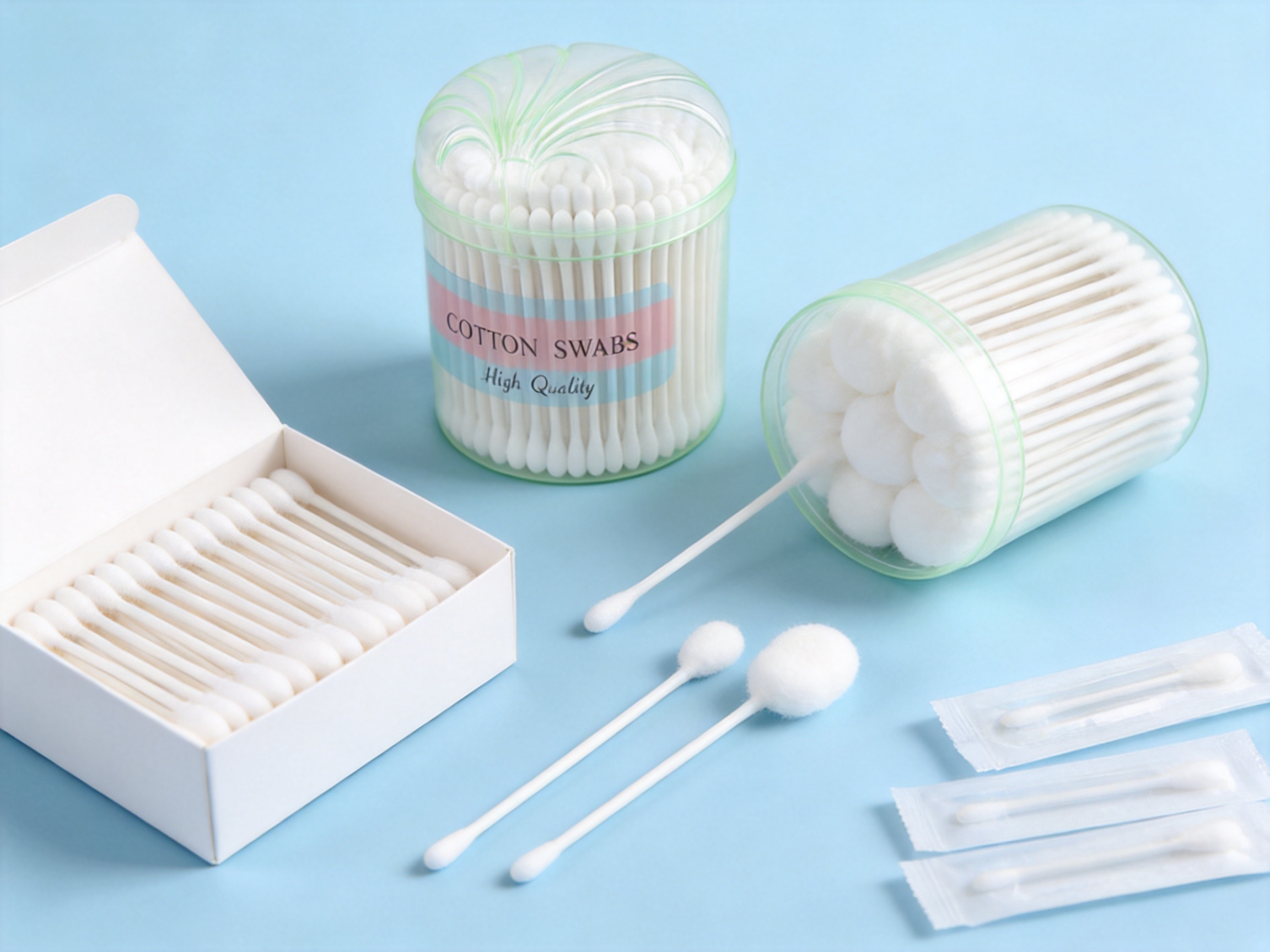
The Medical Wound Care White Cotton Bud with Plastic Stick is designed for practical and hygienic handling during routine care procedures. It combines a soft cotton tip with a lightweight plastic stick to provide a convenient applicator for cleaning around minor wounds, applying topical products, collecting samples where appropriate, and performing other controlled care tasks. The product can be supplied in sterile or non-sterile versions, with different lengths, cotton head diameters, and packaging configurations available to meet the needs of professional distributors and institutional buyers.
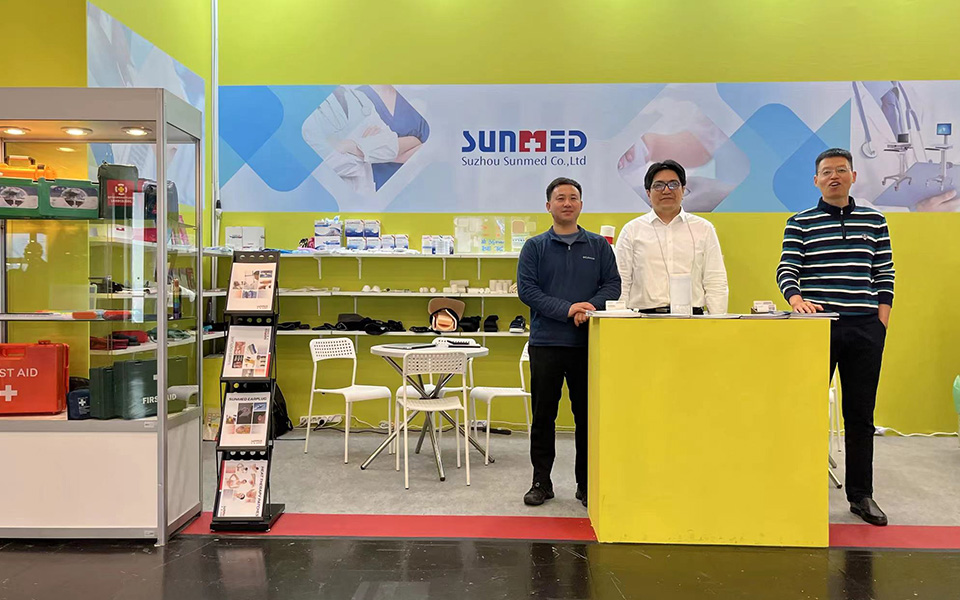
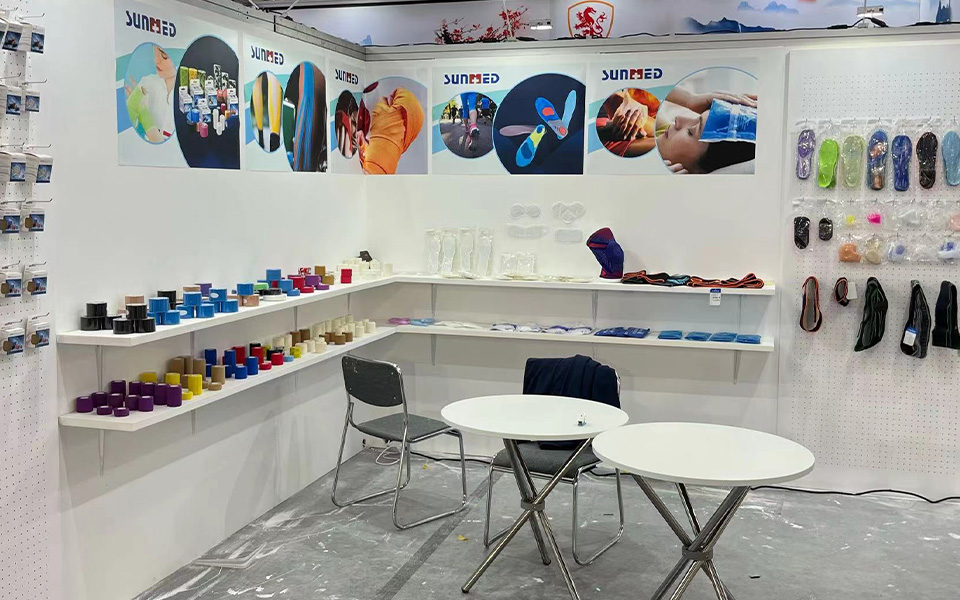
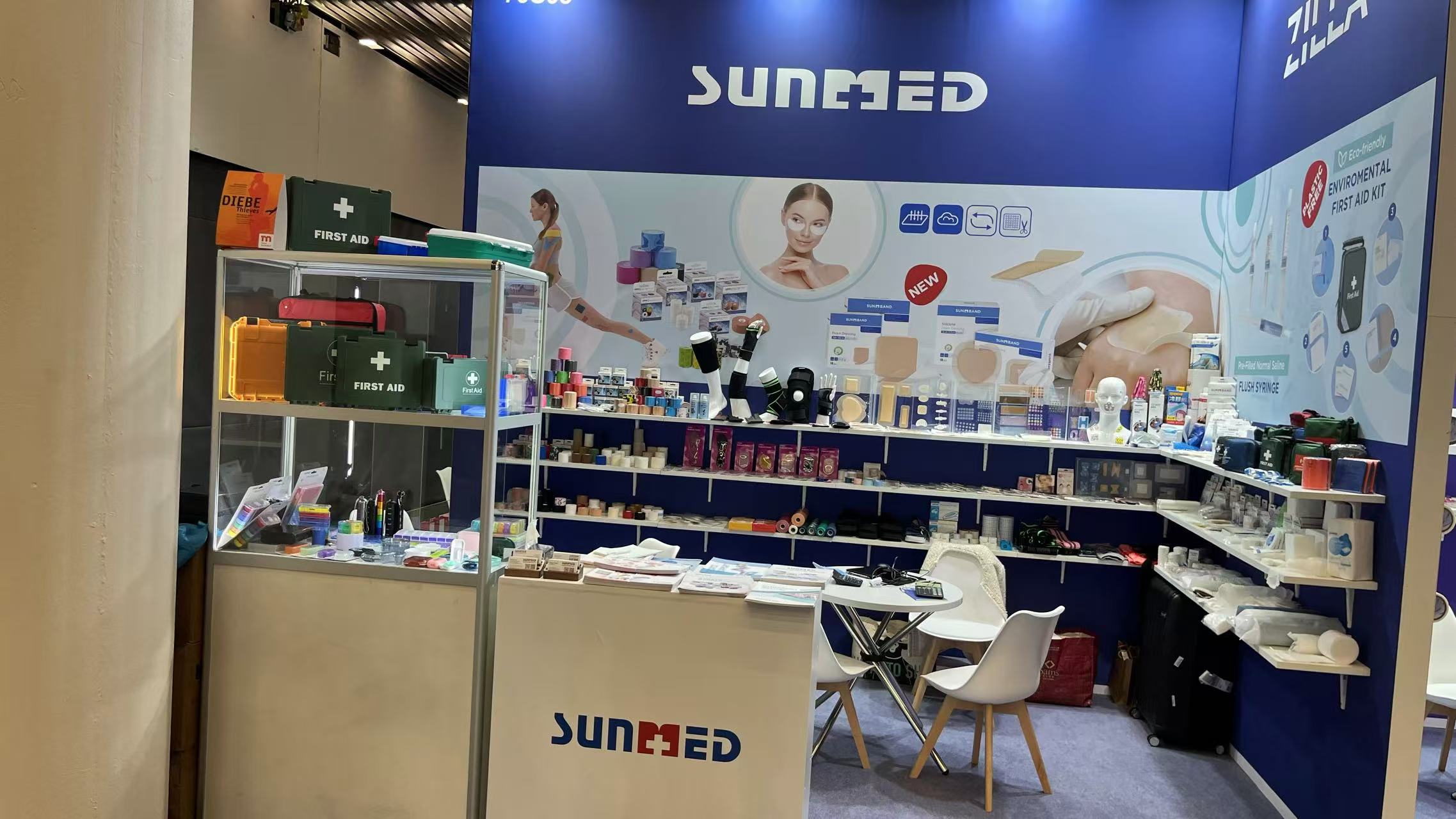
Manufactured and supplied by Suzhou Sunmed Co., Ltd., the product reflects the company’s wider experience in first aid, wound dressing, medical cotton, gauze, bandages, medical tape, surgical consumables, and other healthcare products. Through specialized production bases, quality inspection procedures, and experience serving international customers, the company provides a flexible sourcing solution for buyers seeking consistent medical consumables and OEM support.
Product Overview
The product consists of two primary components: a cotton head and a plastic stick. The cotton head is formed to create a soft, absorbent tip, while the plastic stick provides structure and handling convenience. The combination is suitable for applications that require a small, manageable applicator rather than a larger gauze pad or dressing.
The cotton tip is available in several diameter options, including approximately 4 mm, 5 mm, 6 mm, 7 mm, 10 mm, and 20 mm. These dimensions allow buyers to select a tip that corresponds to the intended application. A smaller head may be useful when precision is important, while a larger head can offer greater surface coverage and absorbency for broader cleaning tasks.
Available stick lengths include approximately 3 inches, 6 inches, 8 inches, and 10 inches, with customization possible according to order requirements. Shorter versions are easy to control and convenient for compact first-aid kits. Longer versions can provide additional reach and help the user keep hands farther from the treatment area during suitable procedures.
The product is offered in a white cotton configuration with a plastic stick. White cotton provides a clean and professional appearance and makes visible discoloration easier to notice during use. Plastic offers a consistent shape, smooth handling, and resistance to moisture-related deterioration compared with some natural stick materials.
Packaging can be arranged at 100 pieces per box or according to customer requirements. Sterile and non-sterile versions are available. The correct version depends on the intended use, applicable regulations, customer specifications, and the required level of microbial control.
| Product Attribute | Available Option | Buyer Benefit |
|---|
| Product type | Medical wound care cotton bud | Suitable for controlled application and cleaning tasks |
| Cotton head | Soft white cotton | Provides absorbency and a clean appearance |
| Stick material | Plastic | Lightweight, uniform, and easy to handle |
| Stick length | Approximately 3, 6, 8, or 10 inches | Supports different handling and reach requirements |
| Head diameter | Approximately 4, 5, 6, 7, 10, or 20 mm | Allows selection according to application size |
| Packaging | 100 pieces per box or customized | Supports retail, clinical, and wholesale requirements |
| Supply status | Sterile or non-sterile | Matches different use environments and specifications |
| Customization | Dimensions and packaging can be discussed | Helps distributors develop suitable product lines |
How the Product Supports Wound Care
Wound care requires careful attention to cleanliness, product selection, and handling technique. Cotton buds are often used as supporting tools for tasks such as applying a small amount of topical product, cleaning the surrounding skin, or reaching a limited area that is difficult to access with a larger dressing. Their narrow form allows the user to work within a controlled area without unnecessarily disturbing adjacent skin.
The cotton head is designed to hold a limited amount of liquid or topical preparation. This can help the user apply a product in a measured manner rather than spreading an excessive quantity. The exact absorbency depends on cotton quality, head size, compression, and the characteristics of the liquid being used. For professional applications, users should follow the instructions of the relevant medical product and local clinical procedures.
The plastic stick gives the cotton head a stable support. A well-formed stick helps the user guide the tip accurately and maintain a comfortable grip. Its smooth surface can also make the product easier to remove from packaging and handle during routine procedures.
For wound care, the cotton bud should be selected according to the intended application. A small tip may be appropriate for a narrow area, while a larger tip may be better for cleaning a wider region. Sterile versions should be used when the clinical procedure requires a sterile applicator. Non-sterile versions may be appropriate for general care, external cleaning, educational use, or other applications where sterility is not specified.
The cotton bud is not intended to replace a dressing, gauze pad, absorbent swab, or other product when those products are clinically required. Instead, it functions as a focused applicator and supporting consumable within a broader wound-care process.

Medical Wound Care White Cotton Bud with Plastic Stick
Advantages of a Plastic Stick Design
Consistent Shape and Handling
Plastic sticks can be manufactured with a stable, repeatable profile. This consistency is valuable for buyers who need products with predictable dimensions across large production batches. A uniform stick supports reliable packaging, easier counting, and more consistent use by healthcare personnel.
Compared with an irregular natural stick, a molded plastic stick can offer a smooth surface and a standardized length. These characteristics contribute to comfortable handling and reduce variation between individual pieces. Consistency is especially important for hospitals, distributors, and private-label customers that require dependable product performance.
Lightweight Construction
The plastic stick is lightweight, which helps make the cotton bud easy to transport, pack, and handle. Lower product weight can support efficient storage and distribution without compromising the basic structural function of the applicator.
Lightweight construction is also useful in first-aid kits and mobile medical supplies. A box containing many pieces can be kept compact and convenient for clinics, ambulances, pharmacies, sports facilities, schools, and household use.
Moisture Resistance
Plastic is less susceptible to moisture absorption than paper, wood, or bamboo. This characteristic can help maintain the stick’s shape in normal storage conditions, provided that the product is correctly packaged and protected from excessive heat, humidity, and contamination.
Moisture resistance does not eliminate the need for suitable storage. Medical consumables should remain in their original packaging, be stored in a clean and dry environment, and be used according to the label and applicable instructions. Proper logistics and warehouse management remain essential to preserving product quality.
Flexible Specification Options
A plastic-stick cotton bud can be configured in different lengths and head sizes. This flexibility gives buyers more control over product selection than a single fixed specification. It also allows distributors to develop several stock-keeping units for different healthcare, first-aid, personal-care, or institutional customers.
Customization can extend beyond dimensions. Buyers may discuss packaging quantity, box design, labeling, private-label requirements, and sterile or non-sterile supply. The exact scope of customization depends on order volume, technical requirements, regulatory conditions, and production feasibility.
Cotton Head Quality and Functional Performance
The cotton head is the working part of the product. Its softness, shape, density, cleanliness, and attachment to the stick all affect the user experience. A high-quality cotton tip should be securely formed, sufficiently soft for its intended external application, and free from visible foreign matter under appropriate inspection conditions.
Head formation is important because loose or uneven fibers may reduce handling quality. A well-formed tip helps maintain a stable shape during normal use and provides a predictable contact area. The head should remain attached to the stick during ordinary application, while the stick should not have sharp edges or obvious defects that interfere with safe handling.
Different head diameters serve different purposes. Smaller cotton heads are suitable for precision work and limited-area application. Medium sizes can support general first-aid tasks. Larger heads provide a wider contact surface and may be selected when greater absorbency or broader coverage is desired.
Cotton quality also influences how the product interacts with liquids. The head can absorb and release a certain amount of solution, although the actual capacity depends on the cotton structure and the liquid used. Users should avoid assuming that all cotton buds have the same absorbency, and professional customers should evaluate samples before confirming a large order.
The white color of the cotton offers a clean visual appearance. It may also make it easier to identify visible residue or discoloration. However, visual appearance is only one aspect of quality. Buyers should also consider material documentation, packaging integrity, production controls, inspection records, and the intended regulatory classification.
Manufacturing Process
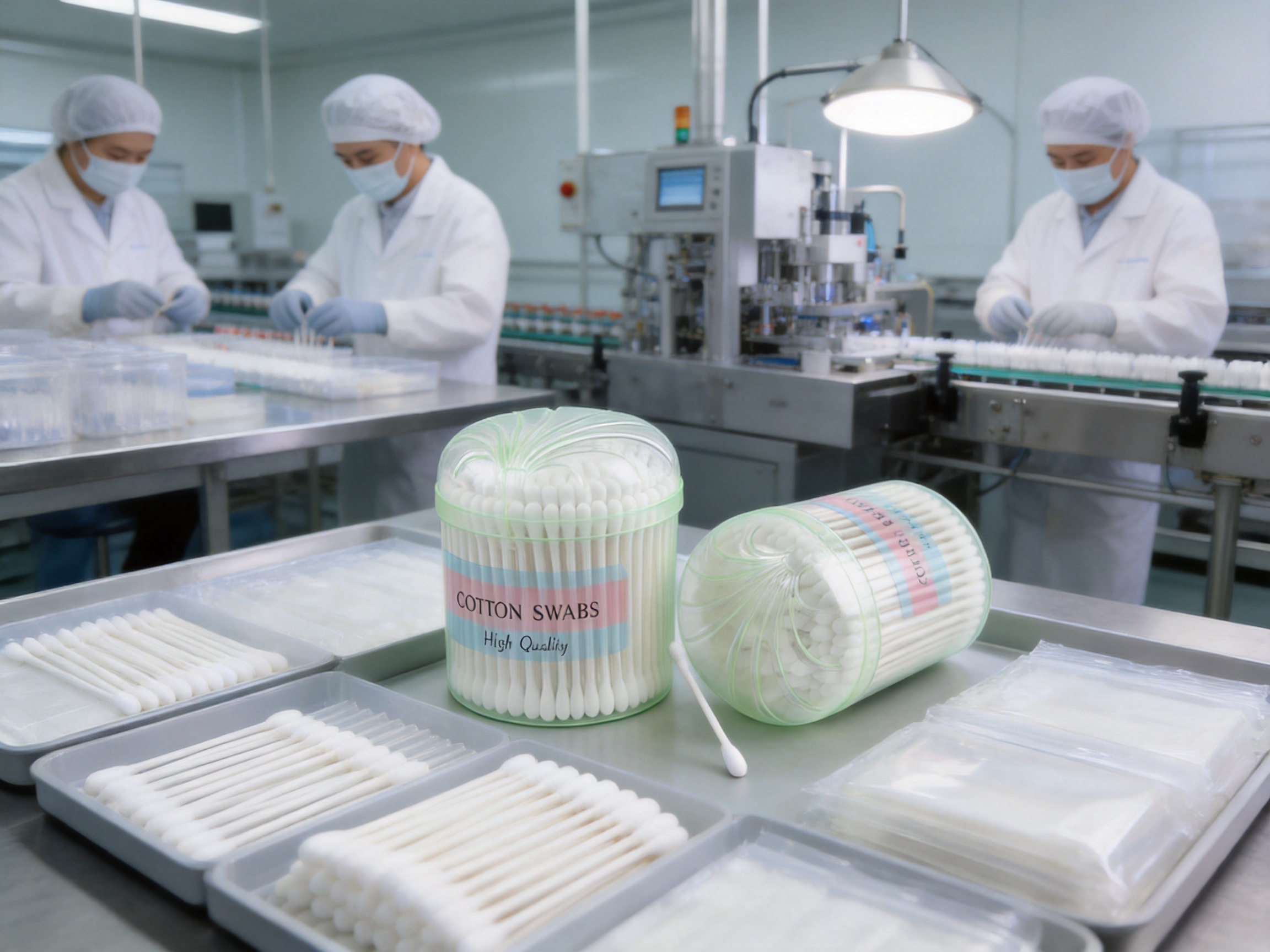
The production of a medical cotton bud involves several controlled stages. While the exact process may vary according to equipment, product specification, and sterile status, a structured manufacturing system generally includes material preparation, stick production or sourcing, cotton preparation, tip forming, assembly, inspection, packaging, and release.
Material Preparation
Production begins with the preparation and verification of incoming materials. Cotton and plastic components should be selected according to the approved product specification. Incoming materials may be checked for identity, appearance, dimensions, cleanliness, packaging condition, and other applicable criteria.
Material control is an important part of medical consumables manufacturing because the final product depends on the consistency of its basic components. A stable supply chain and documented purchasing process help reduce variation and support reliable production planning.
Plastic Stick Formation or Preparation
The plastic stick is produced or prepared to the required length and shape. Depending on the manufacturing arrangement, plastic components may be molded, cut, finished, and inspected before they are transferred to the assembly area.
Dimensional consistency is important at this stage. Length, diameter, surface condition, and end shape may all influence the final product. The stick should be smooth and suitable for attachment to the cotton head. Defective pieces can be removed before assembly through visual and dimensional checks.
Cotton Preparation
The cotton is prepared for forming into the specified head size. Preparation may include opening, aligning, portioning, and shaping the cotton fibers. The objective is to create a tip with an appropriate volume and density for the selected specification.
Control of cotton quantity helps maintain consistency between pieces. Too little cotton may result in a small or weak head, while excessive cotton may cause dimensional variation or make packaging less efficient. Production operators and inspection personnel work according to established procedures to maintain the required appearance and structure.
Head Forming and Assembly
The prepared cotton is attached to the plastic stick and formed into the required shape. The attachment method must provide sufficient stability for normal use. The production line may include mechanical forming equipment and manual inspection, depending on the product design and production volume.
Assembly controls help ensure that the cotton head is positioned correctly and that the stick remains free from significant defects. Proper forming also supports consistent packing because pieces with similar dimensions can be counted and arranged more efficiently.
Inspection and Sorting
Inspection may include checks for cotton head appearance, attachment strength, stick condition, length, tip diameter, cleanliness, and packaging quality. Products that do not meet the established acceptance criteria should be identified and removed according to the company’s quality procedures.
Inspection is particularly important for medical consumables because small defects can affect customer confidence, packaging performance, and suitability for the intended application. A systematic quality-control approach helps protect the consistency of the finished product.
Packaging
After inspection, the cotton buds are packed according to the approved packaging specification. A common configuration is 100 pieces per box, although other quantities may be available for wholesale, clinical, retail, or private-label requirements.
Packaging protects the product during storage and transport. It also provides space for product identification, batch information, sterile status where applicable, instructions, and other required labeling. The packaging format should be selected according to the intended market and applicable regulatory requirements.
Sterile Product Processing
When a sterile version is required, the product must be manufactured, packaged, and sterilized under an appropriate validated process. Sterility claims should be supported by the applicable production controls, validation documentation, packaging integrity requirements, and regulatory procedures.
Sterile and non-sterile products should be clearly distinguished throughout production, storage, labeling, and shipment. This separation helps prevent confusion and supports correct use by customers.
Quality Management and Manufacturing Strengths
Suzhou Sunmed Co., Ltd. has supplied first-aid, wound-care, medical, and healthcare products for international markets for approximately 30 years. The company operates production bases in Jiangsu, Zhejiang, and Anhui Province, giving it experience across several product categories and manufacturing environments.
The company’s product portfolio includes medical gauze, bandages, medical tape, medical cotton, non-woven products, sports bandages, kinesiology tape, cohesive bandages, elastic adhesive bandages, pill boxes, hot and cold packs, disposable syringes, catheters, surgical consumables, and other medical supplies. This broad product knowledge supports a more complete understanding of how cotton buds are used alongside other wound-care and first-aid products.
According to the supplied company information, Sunmed has a professional quality-control team comprising hundreds of personnel. The company states that its inspection procedures are designed to support ISO 13485:2016 requirements. ISO 13485 is widely recognized as a quality-management standard for organizations involved in medical devices and related products. Buyers should review current certificates, product documentation, and market-specific compliance information during supplier qualification.
The company also reports that most of its products are CE certified and that its Suzhou factories comply with FDA requirements. Certification and regulatory status may vary by product, market, model, and intended use, so customers should request the relevant documentation for the specific cotton bud configuration and destination country.
A key manufacturing strength is the company’s experience across both basic and specialized medical consumables. This can be valuable when a buyer needs to source multiple related products from one supplier. For example, a distributor may require cotton buds together with gauze, adhesive bandages, medical tape, cohesive wraps, and first-aid kits. A supplier with experience in these categories may simplify communication, sampling, packaging coordination, and order management.
Production Base Experience
Multiple production bases can support category specialization, capacity planning, and supply continuity. Different facilities may focus on particular product families or production processes. This structure can help the supplier respond to varied customer requirements while maintaining organized manufacturing workflows.
For buyers, production-base experience may provide an advantage when orders include several product types or when demand changes during the year. Nevertheless, customers should confirm the actual manufacturing location, production capacity, lead time, and quality documentation for each order.
International Export Experience
Sunmed reports exports to more than 60 countries, including markets in Europe, Southeast Asia, Africa, and Oceania. International experience can help a supplier understand the importance of documentation, packaging language, product traceability, shipment preparation, and customer communication.
Export experience does not replace local regulatory review, but it can support smoother cooperation. Buyers can discuss destination-market labeling, packaging formats, shipping cartons, inspection requirements, and private-label specifications at an early stage of the purchasing process.
OEM and Customization Support
The product supports customization of stick length, cotton head diameter, packaging quantity, and sterile status. OEM customers may also discuss branding, box artwork, labeling, and product presentation, subject to technical feasibility and applicable regulations.
Customization is useful for distributors that serve different customer segments. A hospital supplier may prefer a sterile, individually controlled specification, while a retail customer may require a compact box with consumer-friendly labeling. A first-aid kit assembler may request a particular quantity and package size to fit a standard kit configuration.
Advantages Compared with Alternative Cotton Bud Designs
Compared with Wooden Sticks
Wooden sticks are used in some cotton applicators and may be suitable for particular applications. However, plastic sticks offer a more uniform appearance and can provide greater resistance to moisture-related deformation. They can also be produced in standardized lengths and shapes, which supports consistency during large-scale manufacturing.
Plastic may be a practical choice for buyers seeking a lightweight, smooth, and uniform applicator. The correct selection depends on the intended use, customer preference, environmental policy, and product specification.
Compared with Paper Sticks
Paper sticks can offer certain sustainability benefits, but their performance may be affected by moisture and handling conditions. A plastic stick provides a stable structure and is generally less likely to soften during ordinary contact with moisture.
For products used with liquids or stored in varied logistics environments, plastic may provide a dependable handling experience. Buyers that prioritize environmental characteristics should evaluate the full product life cycle, packaging, disposal requirements, and local regulations before selecting the most appropriate stick material.
Compared with Bamboo Sticks
Bamboo is a natural material with a distinctive appearance and may appeal to customers seeking renewable-material options. Plastic, by contrast, offers highly consistent dimensions and a smooth standardized surface. The choice should be based on the intended use, performance requirements, market positioning, and customer expectations.
Compared with Large Cotton Pads or Gauze
Large cotton pads and gauze are useful for covering or absorbing broader areas. A cotton bud serves a different purpose: it provides a smaller, more controlled contact point. This makes it suitable for focused application, detail cleaning, or reaching limited areas where a large pad would be inconvenient.
The products are complementary rather than interchangeable. A complete wound-care offering may include cotton buds for precision tasks, gauze for cleaning and covering, adhesive bandages for minor injuries, and medical tape for securing dressings.
Applications
Hospitals and Clinics
Hospitals and clinics may use cotton buds as supporting tools in routine wound-care procedures, outpatient treatment, dermatological care, sample-related workflows where permitted, and general clinical preparation. The exact application must follow institutional protocols and the product’s intended-use information.
Healthcare facilities often value consistent packaging, clear sterile status, reliable supply, and batch traceability. A supplier that can provide several sizes and packaging formats may help facilities standardize their inventory.
First-Aid Kits
Cotton buds are compact and easy to include in first-aid kits. They can complement adhesive bandages, gauze pads, antiseptic products, gloves, tape, and other basic supplies. A 100-piece box may be suitable for institutional storage, while smaller configurations may be more appropriate for portable or retail kits.
Kit assemblers can discuss the required quantity, package dimensions, and labeling so that the product fits efficiently within the finished kit. The sterile or non-sterile version should be selected according to the kit’s intended use and claims.
Pharmacies and Retail Healthcare
Pharmacies and healthcare retailers often require products that are easy to understand, store, and display. A white cotton head and transparent or clearly identified packaging can provide a familiar appearance for customers. Retail packaging may include instructions, material information, quantity, dimensions, and storage recommendations.
Private-label packaging can help distributors build a consistent product range. Before printing packaging, customers should confirm the product specification, regulatory wording, language requirements, and any claims that may appear on the label.
Sports and Outdoor Care
Sports clubs, gyms, schools, outdoor activity providers, and athletic first-aid teams may use cotton buds as part of their minor-injury care supplies. The compact format makes them convenient for equipment bags and treatment stations.
In sports settings, cotton buds may be used alongside athletic tape, cohesive bandages, elastic supports, instant cold packs, wound dressings, and disposable gloves. A durable box and suitable transport carton can help protect the product in mobile supply environments.
Personal and Daily Care
Depending on labeling and intended-use requirements, cotton applicators may also be included in personal-care and daily-care product ranges. Customers should ensure that the final product presentation accurately reflects its approved or intended use and does not encourage unsafe applications.
In particular, cotton buds should not be promoted for inserting deeply into the ear or for any use that could cause injury. Clear instructions are an important part of responsible product communication.
Packaging, Storage, and Logistics
Packaging should protect the cotton heads from dust, moisture, crushing, and unnecessary handling. A suitable box also supports counting, inventory control, and efficient dispensing. For sterile products, packaging integrity is especially important because damage or improper storage may compromise the sterile barrier.
Products should generally be stored in a clean, dry, and well-ventilated area. They should be protected from direct sunlight, excessive heat, high humidity, chemicals, and sources of contamination. Cartons should be stacked in a way that avoids crushing the inner boxes.
During transportation, the product should remain in its original packaging whenever possible. Shipping cartons should be selected according to the product quantity and expected handling conditions. International shipments may require additional documentation, carton markings, palletization, and destination-specific labeling.
Buyers should discuss shelf-life information, batch identification, production dates, storage conditions, and stock rotation with the supplier. The first-in, first-out principle can help reduce unnecessary inventory aging.
Purchasing Considerations for Distributors
Before placing an order, buyers should identify the exact intended use and required specification. Important questions include whether the product must be sterile, which cotton head size is needed, what stick length is appropriate, how many pieces should be included per box, and whether retail or institutional packaging is required.
Samples should be evaluated before mass production. A sample review may include checking cotton softness, head uniformity, stick smoothness, attachment security, dimensions, packaging quality, labeling, and overall handling. If the product will be used in a regulated market, customers should also request the applicable technical and quality documents.
Buyers should establish acceptance criteria in writing. These criteria may cover visual defects, dimensional tolerances, packaging quantity, carton markings, sterile status, and documentation. Clear specifications reduce misunderstandings between the buyer and manufacturer.
Order planning should consider lead time, minimum order quantity, raw-material availability, packaging approval, production scheduling, inspection, and shipment. Customized products may require additional time for artwork confirmation, tooling, sample approval, or regulatory review.
For long-term cooperation, buyers may benefit from regular quality reviews, forecast sharing, and periodic product evaluation. A stable communication process can improve supply continuity and make it easier to introduce new sizes or packaging formats.
Why Choose an Experienced Medical Consumables Manufacturer
A cotton bud may be a small product, but reliable supply involves much more than assembling cotton and plastic. The manufacturer must coordinate raw materials, production equipment, inspection personnel, packaging, documentation, inventory, and export logistics.
An experienced medical consumables manufacturer can offer a more structured approach to these activities. Sunmed’s long history in first aid, wound care, family healthcare, medical instruments, and related product categories provides a broad foundation for customer support.
The company’s experience with hospitals, first-aid suppliers, supermarkets, retail sports shops, and international distributors also reflects an understanding of different purchasing channels. Each channel has its own expectations regarding packaging, quantity, price structure, documentation, and delivery.
The company’s stated ISO 13485:2016-oriented quality procedures and professional inspection team are additional strengths for customers seeking a controlled manufacturing partner. Buyers should still complete their own supplier qualification and verify current documents, but an established quality system can provide a useful foundation for cooperation.
Another advantage is the ability to coordinate related products. Customers may source cotton products, wound dressings, medical tapes, sports supports, hot and cold therapy products, first-aid items, and other consumables from the same organization. This can reduce the number of supplier relationships that a distributor must manage.
Responsible Use and Safety Notes
The cotton bud should be used only for its intended application and according to the product labeling, professional procedures, and local requirements. Users should wash or sanitize hands as appropriate before handling wound-care materials. Sterile products should remain sealed until use, and damaged or opened packages should be assessed before use.
A cotton bud should not be reused unless the product is specifically designed and labeled for reuse, which is generally not the case for disposable medical applicators. Used items should be discarded according to the waste-management procedures applicable to the setting.
The product should not be inserted deeply into wounds, body openings, or the ear unless a qualified healthcare professional specifically directs such use. It should also not be used to remove deeply embedded material or to replace professional medical treatment.
When applying a topical solution or medicine, the user should follow the instructions for that product. Not every liquid or chemical is compatible with every material or application. Healthcare professionals and buyers should assess compatibility where necessary.
Conclusion
The Medical Wound Care White Cotton Bud with Plastic Stick is a practical, adaptable, and easy-to-handle medical consumable for controlled application and supporting wound-care tasks. Its white cotton head provides a familiar absorbent tip, while the plastic stick offers a lightweight, uniform, and moisture-resistant structure. Multiple head diameters, stick lengths, package quantities, and sterile statuses allow the product to serve different customer requirements.
Compared with wooden, paper, or bamboo alternatives, the plastic-stick design can provide consistent dimensions, smooth handling, and dependable structural stability. Compared with larger cotton pads or gauze, the cotton bud offers a more focused contact point for small-area tasks. These characteristics make it useful across hospitals, clinics, first-aid kits, pharmacies, sports facilities, retail healthcare, and selected daily-care applications.
The product is supported by Suzhou Sunmed Co., Ltd.’s experience in medical consumables, first aid, wound care, sports support, family healthcare, and surgical products. The company’s production bases, international export experience, OEM capabilities, and stated quality-control procedures provide a foundation for customized and wholesale supply.
For buyers, the most important steps are to define the intended use, select the correct dimensions and sterile status, evaluate samples, confirm packaging and documentation, and establish clear quality requirements. With appropriate specification and responsible use, this cotton bud can become a dependable component of a broader medical and first-aid product portfolio.
Questions and Answers
What is the Medical Wound Care White Cotton Bud with Plastic Stick used for?
It is designed as a supporting applicator for wound-care, first-aid, clinical, and related healthcare tasks. Depending on the approved intended use, it may assist with controlled application of topical products, cleaning around a limited area, and other procedures that require a small cotton-tipped tool.
What materials are used in the product?
The product uses cotton for the head and plastic for the stick. Other stick materials, including wood, paper, and bamboo, may be available in related product configurations, but this product specification focuses on the plastic-stick version.
What cotton head sizes are available?
Available head diameters include approximately 4 mm, 5 mm, 6 mm, 7 mm, 10 mm, and 20 mm. Custom dimensions may be discussed according to technical feasibility, order quantity, and customer requirements.
What stick lengths can be supplied?
Common options include approximately 3 inches, 6 inches, 8 inches, and 10 inches. The appropriate length depends on the intended handling method and application. Customized lengths may also be discussed.
Are sterile cotton buds available?
Yes. The product can be supplied in sterile or non-sterile versions. Customers should select the version according to the intended use, applicable regulations, and healthcare procedures. Sterile claims should be supported by the relevant packaging, validation, and quality documentation.
How many pieces are included in one box?
A common packaging option is 100 pieces per box. Other quantities and packaging formats may be available for hospitals, distributors, retail customers, first-aid kit assemblers, and OEM projects.
Can the product be customized?
Yes. Buyers can discuss cotton head diameter, stick length, sterile status, packaging quantity, labeling, box artwork, and private-label requirements. Customization is subject to production feasibility, order volume, and destination-market requirements.
What are the main advantages of a plastic stick?
A plastic stick can provide consistent dimensions, lightweight handling, smooth surfaces, and better resistance to moisture-related deformation than some natural or paper-based alternatives. It also supports repeatable production and packaging.
Is the cotton bud a replacement for gauze or a wound dressing?
No. The cotton bud is a focused applicator and supporting consumable. Gauze, wound dressings, adhesive bandages, and other products should be selected when broader absorption, coverage, protection, or fixation is required.
How should the product be stored?
It should generally be kept in its original packaging in a clean, dry, well-ventilated environment. It should be protected from excessive humidity, heat, direct sunlight, chemicals, dust, and crushing. Sterile products require particular attention to packaging integrity and storage conditions.
What quality information should buyers request?
Buyers may request product specifications, material information, packaging details, batch information, inspection records, sterile-status documentation where relevant, certificates, and market-specific compliance documents. The required documentation depends on the intended use and destination country.
What company experience supports this product?
Suzhou Sunmed Co., Ltd. reports approximately 30 years of experience in medical devices and medical consumables, production bases in Jiangsu, Zhejiang, and Anhui Province, exports to more than 60 countries, and a professional quality-control team. The company also states that its inspection procedures follow ISO 13485:2016 requirements and that its Suzhou factories comply with FDA requirements. Customers should verify current documents for the specific product and market.
References
1. International Organization for Standardization. ISO 13485:2016, Medical Devices—Quality Management Systems—Requirements for Regulatory Purposes.
2. World Health Organization. Basic Principles of Infection Prevention and Control in Health Care.
3. World Health Organization. WHO Guidelines on Hand Hygiene in Health Care.
4. International Organization for Standardization. ISO 14971, Medical Devices—Application of Risk Management to Medical Devices.
5. United States Pharmacopeia. General Principles for Sterility and Sterile Medical Products.
6. European Committee for Standardization. Principles for the Safety, Performance, and Quality of Medical Devices.
7. Product specification supplied for the Medical Wound Care White Cotton Bud with Plastic Stick, including cotton head, plastic stick, available dimensions, packaging options, and sterile or non-sterile supply.
8. Manufacturer information supplied for Suzhou Sunmed Co., Ltd., including company history, production bases, quality-control experience, product categories, export markets, and OEM capabilities.

 English
 Español
 русский
 Français
 Deutsch
 italiano
 By Admin