Preparedness is most effective when essential supplies are easy to find, easy to carry, and easy to organize. The Mini Outdoor First Aid Organizer Bag for Travel is designed for people who want a compact, lightweight, and practical empty first aid bag that can be filled according to their own medical, travel, outdoor, family, workplace, or nursing needs. With a convenient 12.5 x 17 cm format, internal organizational sections, netted pockets, a fold-out storage structure, and a recognizable cross symbol on the front, this bag offers a simple but highly useful solution for keeping first aid items together wherever they may be needed.
This product is not a pre-filled first aid kit. It is an empty organizer bag, which is one of its most important advantages. Many standard ready-made first aid kits contain items that may not match the user’s destination, health condition, workplace risk, or local regulations. By offering the bag alone, this product allows buyers, distributors, emergency-preparedness suppliers, outdoor retailers, families, vehicle owners, nurses, and institutional purchasers to create customized kits with the exact supplies they need. It can hold wound dressings, gauze pads, adhesive bandages, medical tape, emergency medications, small instruments, antiseptic wipes, burn care items, personal prescriptions, sports support accessories, or other compact healthcare supplies.
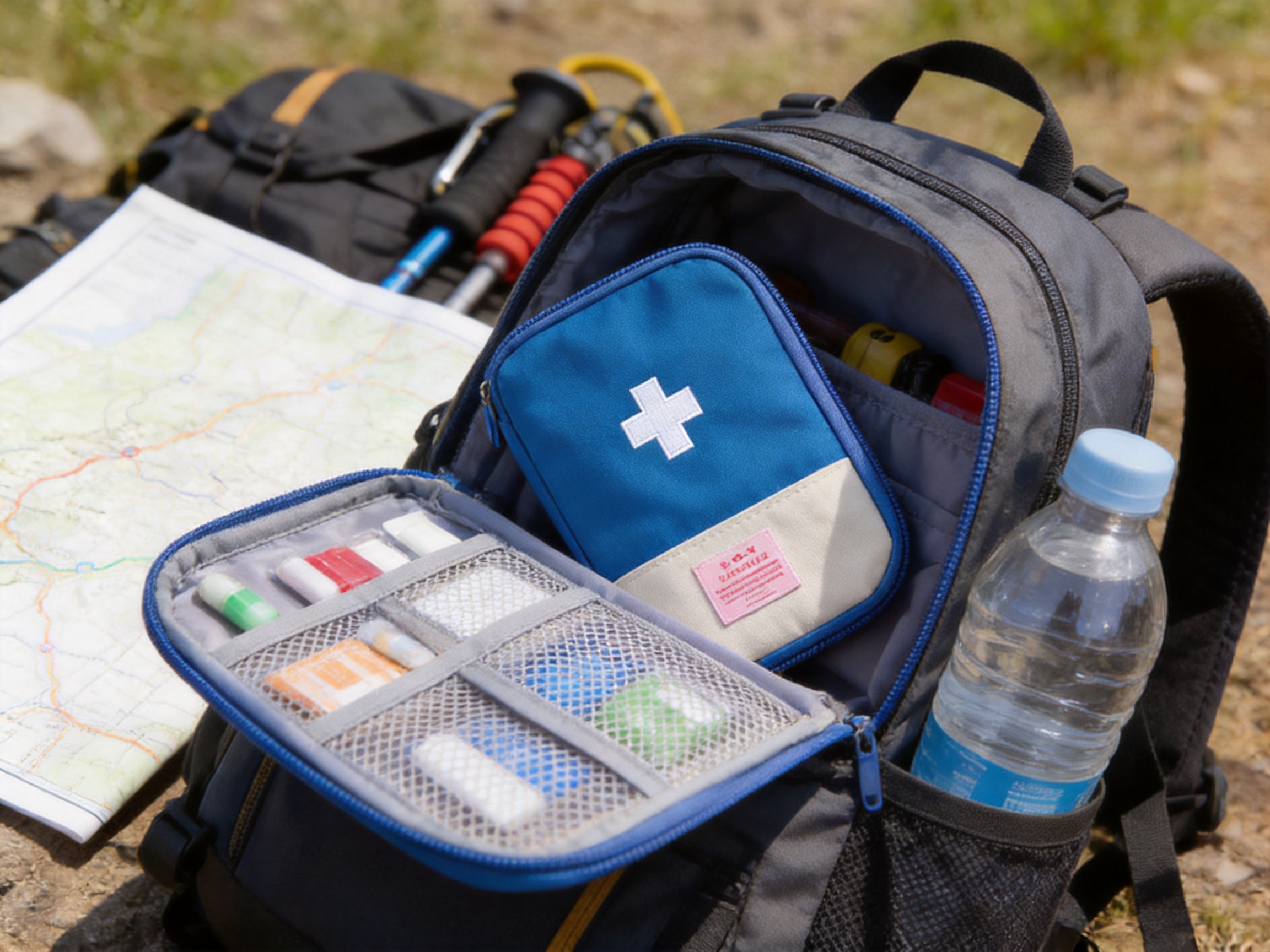
The bag is suitable for short trips, long stays, road travel, camping, cruises, daily commuting, workplace storage, family use, and car emergency preparation. Its compact size makes it easy to pack in carry-on luggage, backpacks, glove compartments, handbags, nursing work bags, or outdoor gear pockets. At the same time, it is spacious enough to consolidate small first aid items that might otherwise become scattered in drawers, pouches, or plastic bags. The result is a more organized and more reliable approach to personal and family first aid readiness.
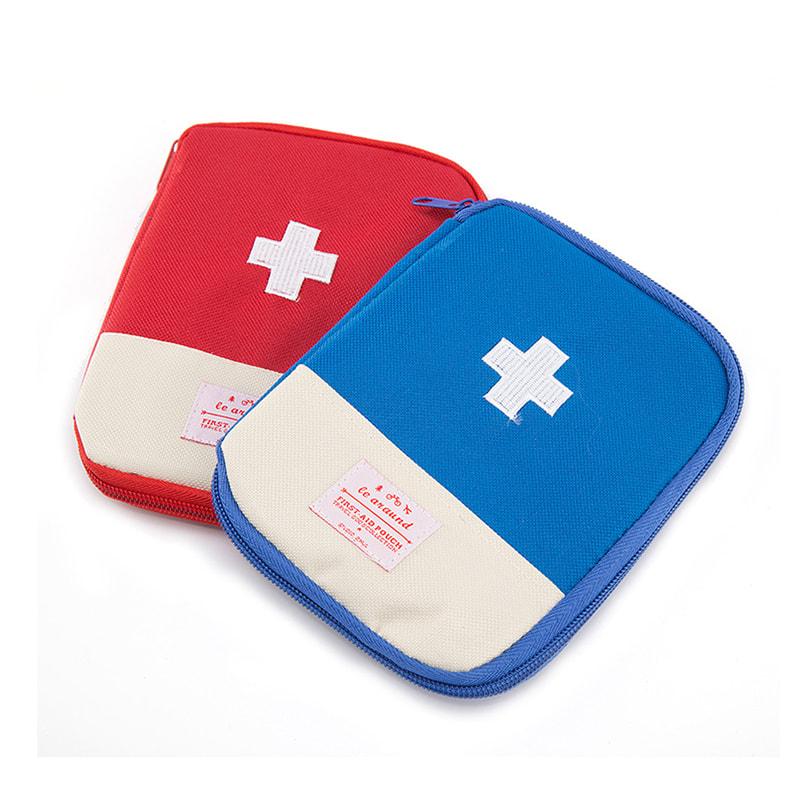
Mini Outdoor First Aid Organizer Bag for Travel
Product Overview
The Mini Outdoor First Aid Organizer Bag for Travel is a fillable empty first aid bag developed for users who value portability, organization, and quick identification. Its front cross symbol helps indicate that the pouch contains medical or emergency supplies. This visual cue can be important when family members, travel partners, colleagues, or emergency helpers need to locate first aid items quickly. In everyday situations, clear identification can reduce delays and confusion.
The bag is designed with a zipper closure that allows smooth access to the inside compartments. It includes netted pockets and section dividers that help separate supplies by function or urgency. For example, one side may be used for adhesive bandages and small dressings, while another section may hold antiseptic wipes, medical tape, or compact medication packs. The fold-out design creates better visibility than a single-compartment pouch, helping users check contents and locate supplies faster.
The available colors include green, red, and blue, with customization options available for qualified orders. This supports different market preferences, private-label programs, institutional color coding, and retail assortment planning. For example, red may be preferred for traditional emergency first aid presentation, green may fit outdoor or camping themes, and blue may appeal to medical, travel, or family-care product lines.
The model number is DC660925. The standard size is 12.5 x 17 cm. The minimum order quantity is 2000 pieces. The HS code is 4202920000. These details are important for professional buyers, importers, distributors, and procurement teams who require clear specifications for sourcing, customs classification, packaging planning, and inventory management.
| Item |
Specification |
| Product Type |
Empty first aid organizer bag |
| Model |
DC660925 |
| Size |
12.5 x 17 cm |
| Available Colors |
Green, red, blue, customizable |
| Minimum Order Quantity |
2000 pieces |
| HS Code |
4202920000 |
| Typical Use |
Travel, outdoor activities, car storage, home first aid, nursing, camping, day trips |
| Contents Included |
Bag only; medical contents are not included |
Why an Empty First Aid Bag Is Often the Smarter Choice
Many buyers initially compare empty first aid bags with fully packed kits. A pre-filled kit may appear convenient, but it often includes generic components. Some supplies may be too limited, too basic, unsuitable for the destination, or not aligned with a user’s medical needs. An empty first aid organizer bag provides greater control. Users can choose the exact items they trust, replace expired supplies easily, and adapt the kit to a family member’s allergies, chronic conditions, travel risks, sports activities, or workplace environment.
For travel, this flexibility is especially valuable. A weekend city trip, a camping excursion, a cruise, and an international business journey may each require different supplies. Outdoor travelers may need blister care, elastic bandages, insect bite treatment, small trauma dressings, and compact antiseptic products. Families may prefer adhesive bandages, fever medication, digital thermometer accessories, gauze, medical tape, and children’s healthcare items. Nurses or mobile care providers may want a small organizer for essential supplies used during travel or home visits. Because the bag is empty, each user can build a practical kit rather than accept a fixed assortment.
Another advantage is quality transparency. In some inexpensive pre-filled kits, the bag may be acceptable but the internal contents may vary greatly in usefulness or quality. With this organizer bag, distributors and end users can select their own approved contents from reliable supply channels. This is particularly important for professional buyers who must meet market requirements, safety expectations, or regional standards.
The empty format also supports sustainability and long-term use. Once contents are used or expired, the bag itself can continue to serve as the organizing platform. Rather than disposing of the entire kit, the user simply refills the necessary items. This makes it suitable for repeat use in homes, vehicles, schools, sports clubs, outdoor groups, and travel programs.
Compact Size with Practical Capacity
At 12.5 x 17 cm, the bag is small enough to be carried easily but large enough to hold a useful range of first aid and personal care supplies. Compactness is a key requirement for travel and outdoor products. If a first aid bag is too bulky, users may leave it at home, in the hotel, or in the car when they actually need it. If it is too small or poorly organized, it may not hold essential items effectively. This product balances portability and usable storage by offering internal compartments in a lightweight form.
The mini size is ideal for carry-on luggage, backpacks, shoulder bags, glove compartments, bicycle bags, camping packs, gym bags, office drawers, and bedside storage. It can also be placed inside a larger emergency kit as a dedicated sub-organizer for small items. For example, a household emergency box may contain larger supplies, while this mini bag may hold daily-use items such as adhesive bandages, small gauze pads, medication strips, antiseptic wipes, or wound cleaning accessories.
Travelers often struggle with scattered supplies. A strip of tablets may be in one pocket, adhesive bandages in another, and antiseptic wipes at the bottom of a suitcase. During an urgent moment, this disorganization wastes time. By consolidating these items into one recognizable pouch, the user can respond faster and more calmly. The cross symbol further supports fast identification, especially when more than one person may need to find the bag.
The compact structure also supports disciplined packing. Because the bag has limited but practical capacity, users are encouraged to select essential items carefully. This prevents overpacking while still providing readiness. A well-planned small first aid kit is often more useful than a large kit that is too heavy to carry consistently.
Organizational Design for Quick Access
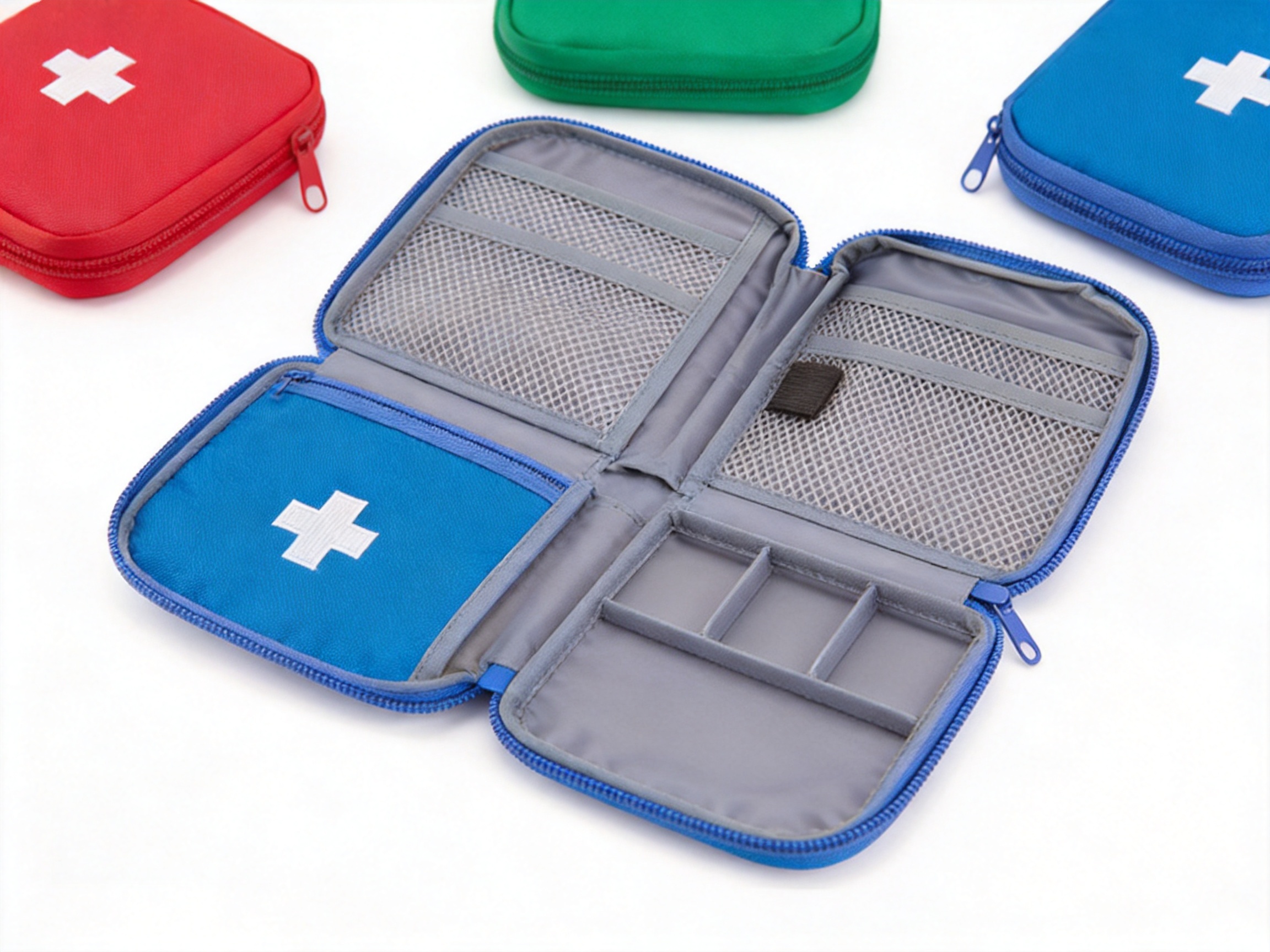
One of the strongest features of this organizer bag is its internal layout. The netted pockets, section dividers, and fold-out structure help users arrange supplies by type, size, or priority. In first aid situations, quick access matters. A simple pouch without dividers may force the user to search through mixed contents, while a structured organizer makes it easier to see what is available.
Netted pockets are useful because they help hold small supplies in place while still allowing visibility. Adhesive bandages, alcohol pads, small gauze pads, medication packets, blister pads, gloves, and cotton items can be separated without disappearing into the bottom of the bag. The fold-out section improves access because the bag can open more fully than a narrow pouch. This makes it easier to check inventory, replace expired items, and maintain readiness.
Section dividers also reduce damage to contents. Small first aid items can become crushed, bent, or contaminated if they are not organized properly. While the bag is compact and soft-sided, its structured pockets help reduce unnecessary shifting. For travel and outdoor use, this is important because bags are often moved, compressed, and handled frequently.
Professional buyers may also appreciate the organizer layout for retail presentation. A bag that opens neatly and reveals a clear storage structure is easier to demonstrate. Retailers can show customers how it may be used. Distributors can combine it with separately sourced medical supplies to create tailored kits for different markets. Promotional buyers can customize the exterior and contents to match corporate safety programs, outdoor events, travel packages, or healthcare campaigns.
Front Cross Symbol for Recognition
The cross symbol on the front is a simple but meaningful design feature. In an emergency, people instinctively look for recognizable signs. A plain pouch may be overlooked, especially if it is stored among many other travel items. A first aid cross communicates purpose immediately. This can help family members, friends, colleagues, or travel companions identify the bag when the owner is not nearby or cannot explain where supplies are stored.
For families, this is particularly useful. Parents may teach children or relatives that the bag with the cross contains basic first aid supplies. In a car, outdoor tent, backpack, or home drawer, the symbol helps reduce search time. For group activities such as camping, hiking, sports, and road trips, clear identification can support better preparedness.
The symbol also improves retail clarity. Customers can immediately understand that the item is intended for first aid organization, even before reading the packaging. This increases product communication efficiency in stores, online listings, catalogs, and promotional programs.
Compared with competitors that use plain cosmetic-bag styling or unmarked storage pouches, this product offers a more direct emergency-care identity. It does not rely on excessive decoration. Instead, it uses a clean, recognizable sign that supports function.
Suitable for Travel, Outdoor Activities, and Daily Preparedness
The product is especially well suited for travel. Whether the trip is short or long, many travelers prefer carrying a compact medical organizer for minor injuries, headaches, stomach discomfort, cuts, blisters, allergies, or routine medications. Since the bag is empty, users can pack supplies according to airline rules, destination requirements, and personal health needs. The compact size makes it convenient for carry-on luggage while still providing enough room for essential items.
Outdoor activities create additional first aid needs. Hiking, camping, cycling, fishing, running events, and backcountry trips may involve cuts, scrapes, insect bites, blisters, sprains, or exposure-related discomfort. A mini first aid organizer can help carry immediate-care supplies without adding unnecessary bulk. It is not intended to replace a full professional emergency kit for high-risk expeditions, but it is highly practical for common minor incidents and personal preparedness.
Vehicle storage is another strong application. Many people keep emergency supplies in a car, but small items can become scattered in the glove compartment or center console. This organizer bag helps keep them together. It can be stored in a door compartment, trunk organizer, or glove box, depending on vehicle space. For families, rideshare drivers, commuters, and road-trip travelers, this improves readiness.
At home, the bag can be used as a compact first aid pouch for quick access. It may be stored in a kitchen drawer, bathroom cabinet, bedroom, child-care area, or travel shelf. Some households may use multiple bags with different contents: one for wound care, one for children’s supplies, one for travel medications, and one for outdoor activities. Color customization can support this kind of classification.
The product may also be useful for nurses and mobile care workers who need a small case for selected non-bulky supplies while on the road. Its lightweight structure and organized layout make it easier to carry small items separately from larger professional equipment.
Advantages Over Typical Competing Products
The market for small first aid pouches includes many basic bags, cosmetic-style pouches, and generic zippered cases. This product stands out because it is designed specifically as an empty first aid organizer rather than a general storage pouch. Its combination of compact size, cross symbol, netted pockets, fold-out access, zipper closure, and customization options gives it a practical advantage for both end users and wholesale buyers.
Some competing pouches are too small to hold meaningful supplies. They may fit only a few adhesive bandages and tablets, making them unsuitable for broader use. Others are too large and become inconvenient for travel. This model offers a balanced mini format that can fit in daily bags while still holding a thoughtful selection of first aid materials.
Many low-cost pouches use a single empty compartment. While this reduces manufacturing complexity, it creates inconvenience for users. Supplies mix together, small items become difficult to find, and inventory checks take more time. The netted pockets and dividers in this organizer improve usability without making the product bulky.
Another advantage is its identity as an empty bag. Pre-packed competitors may seem convenient but often include standardized contents that do not match market needs. For professional buyers, this can create regulatory, quality, or customer-satisfaction challenges. An empty bag allows distributors to source contents separately, comply with local requirements, and build differentiated first aid kits for travel, sports, family, workplace, or outdoor markets.
Customization is also important. The availability of green, red, and blue, along with customizable color options, gives buyers more flexibility than generic single-color products. Retailers can create product lines for different customer groups. Corporate buyers can align with campaign colors. Outdoor suppliers can choose colors that match their brand or seasonal collections.
Finally, the product benefits from the manufacturer’s extensive experience in medical and healthcare products. Unlike suppliers that only produce general bags, the manufacturer behind this organizer has deep knowledge of first aid, wound care, bandages, gauze, medical tape, cotton products, sports support, hot and cold therapy, medical instruments, and broader medical consumables. This background helps ensure that the bag is developed with real first aid use in mind.
Manufacturing Strength and Quality Control
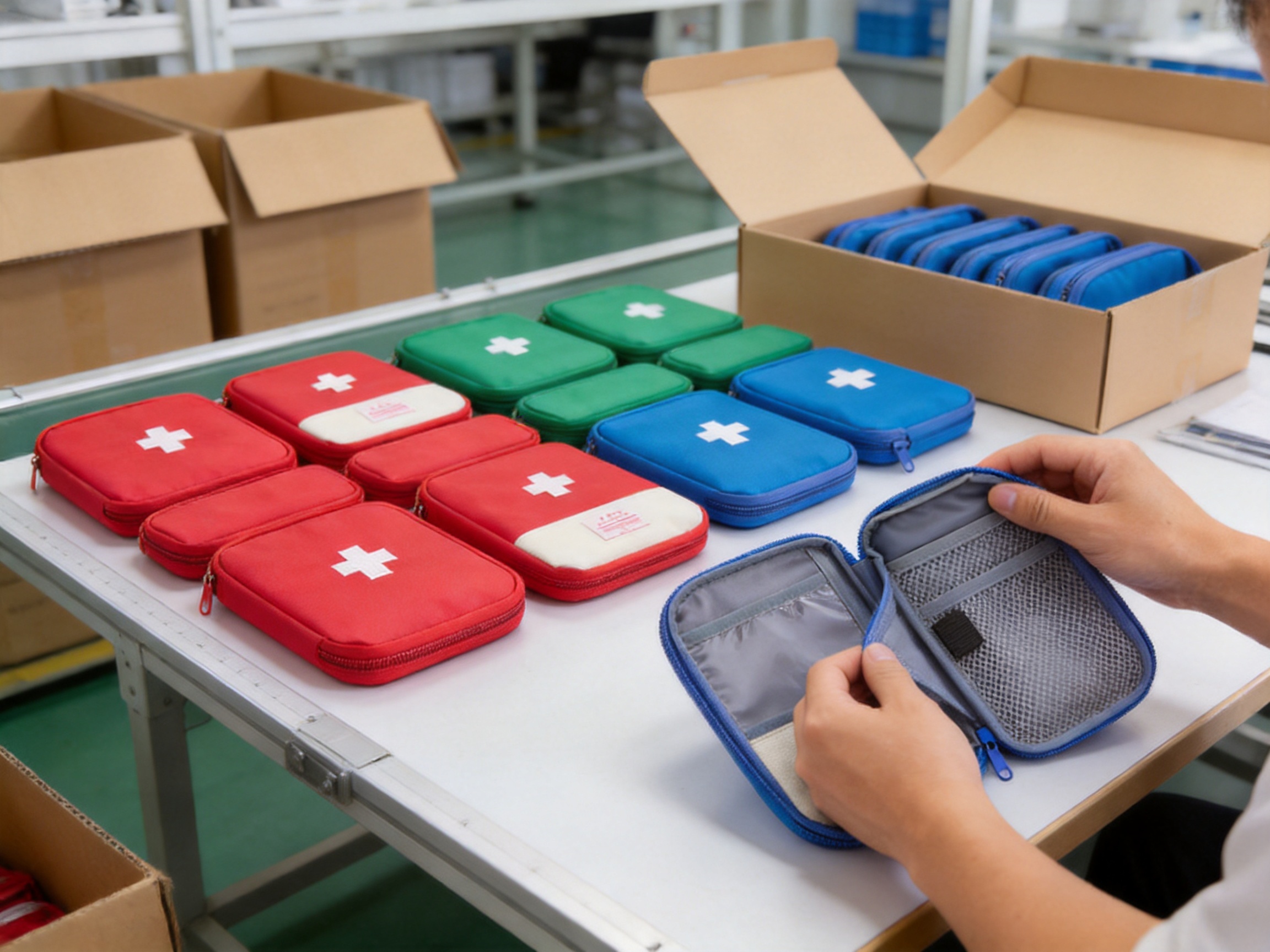
A first aid bag may appear simple, but consistent quality depends on careful material selection, accurate cutting, stable sewing, proper zipper installation, clean finishing, and reliable inspection. For wholesale and OEM buyers, manufacturing consistency is essential. A bag that looks acceptable in a sample must also maintain the same quality across thousands of pieces. This requires disciplined production management and quality control.
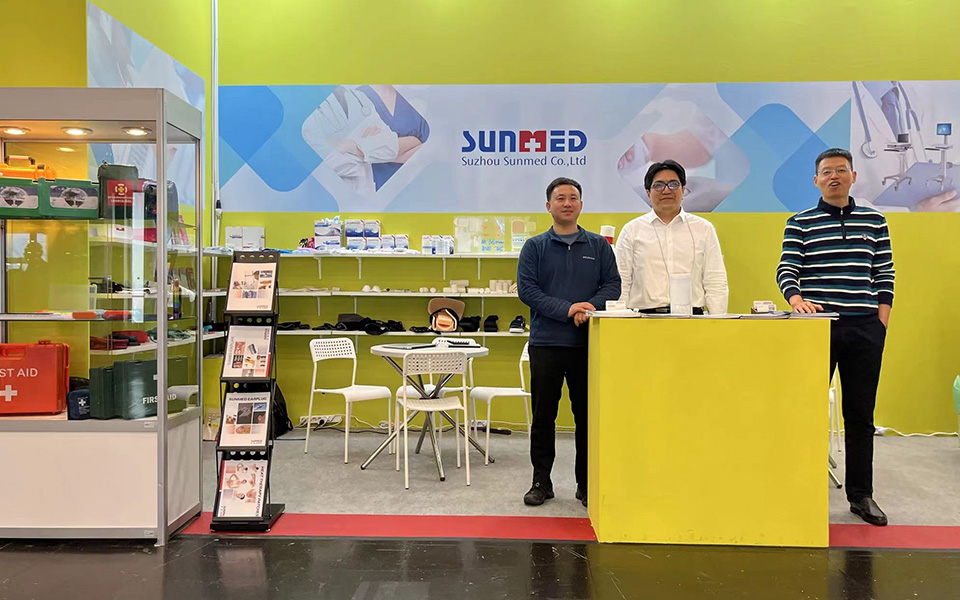
The manufacturer operates with extensive experience in the medical device, medical consumables, first aid, and healthcare product industries. With production resources across several regions and decades of export experience, the company understands the expectations of hospitals, first aid suppliers, supermarkets, sports retailers, and healthcare distributors in international markets. This background supports more professional execution than suppliers with limited medical-product knowledge.
Quality control is a major strength. A professional quality control team follows inspection procedures to help ensure products meet established standards. The company’s management system aligns with ISO13485:2016, a recognized quality management standard for medical devices. While this organizer bag itself is an empty carrying case, the broader manufacturing environment benefits from medical-industry discipline, documentation awareness, inspection routines, and export compliance experience.
In production, practical details matter. Materials should be selected for appropriate strength and lightweight handling. Seams should be reinforced enough for the intended use. Zippers should move easily and close securely. The cross symbol should be clearly placed on the front. Pockets and dividers should be sewn neatly so that users can organize supplies without loose threads or weak attachment points. The fold-out structure should open conveniently and support repeated use.
For bulk orders, manufacturing control also includes color consistency, size accuracy, packing condition, carton marking, and order traceability. Professional buyers need predictable delivery and consistent specifications. A manufacturer with long export experience is better prepared to support documentation, communication, sampling, customization, and inspection needs.
Advanced Process Approach for a Practical Soft Medical Organizer
The production of a compact first aid organizer bag involves a sequence of controlled steps. The process generally begins with requirement confirmation. Buyers may specify color, logo, packaging, order quantity, and intended market. The product team then confirms the model, size, material approach, and any customization details. Clear confirmation at the beginning reduces misunderstandings and supports efficient production.
Material preparation follows. Fabrics and accessories are selected according to the desired durability, appearance, weight, and cost structure. Since this product is intended for travel and outdoor first aid organization, the materials must balance sturdiness and portability. The fabric should feel practical, not overly heavy. The zipper should be easy to operate. The mesh pockets should provide visibility and enough holding strength for small contents.
Cutting accuracy is important because the bag is compact. Even small deviations can affect shape, zipper alignment, pocket placement, or folding performance. Controlled cutting helps maintain consistent dimensions from piece to piece. After cutting, components are prepared for sewing and assembly. Skilled sewing ensures that seams are properly aligned, pocket sections are functional, and the fold-out design opens smoothly.
Zipper installation is another key process. A poor zipper can reduce the user’s confidence even if the fabric is acceptable. The zipper should open and close without unnecessary resistance. It should align with the bag shape and support repeated access. In a first aid organizer, the user may need to open the bag quickly, so zipper function is part of product performance.
After assembly, products are inspected for appearance, size, stitching, zipper performance, symbol placement, cleanliness, and packing readiness. Defective pieces can be identified before shipment. This inspection culture is especially important for wholesale buyers who require stable quality across large quantities. When products are intended for export, packaging and carton preparation must also be managed carefully to reduce damage during transport.
The company’s broader manufacturing capabilities in medical consumables add value to this product category. Because the manufacturer works with first aid products, wound dressings, bandages, medical tape, gauze, cotton products, non-woven products, sports support items, syringes, catheters, and other medical supplies, it understands how buyers may combine this empty bag with various contents. This allows more informed communication during OEM or custom kit development.
OEM and Wholesale Potential
The Mini Outdoor First Aid Organizer Bag for Travel is well suited for OEM, private-label, promotional, and wholesale programs. Its minimum order quantity of 2000 pieces makes it practical for distributors, retailers, safety-program providers, travel brands, outdoor equipment companies, healthcare suppliers, and first aid kit assemblers. Because the bag is empty, it can be integrated into many different commercial strategies.
A travel goods distributor may sell it as a personal medical organizer. An outdoor retailer may combine it with blister care, gauze, bandages, and emergency accessories. A workplace safety supplier may create a compact employee first aid pouch. A healthcare wholesaler may offer it as a refillable organizer for home care. A sports retailer may position it for runners, cyclists, hikers, and gym users. A promotional buyer may customize the color and exterior presentation for events or campaigns.
Customization gives buyers an important competitive edge. In crowded retail categories, visual differentiation matters. A customized color, logo, label, or packaging format can help products stand out. It can also allow buyers to create different versions for different customer groups. For example, a red version may be marketed as a classic first aid pouch, a green version as an outdoor emergency bag, and a blue version as a travel healthcare organizer.
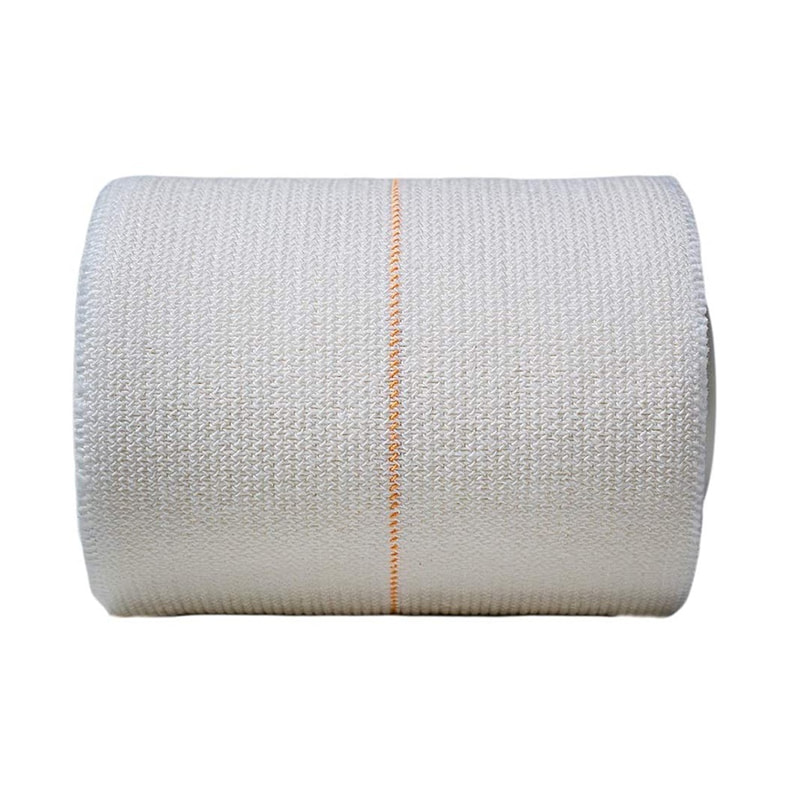
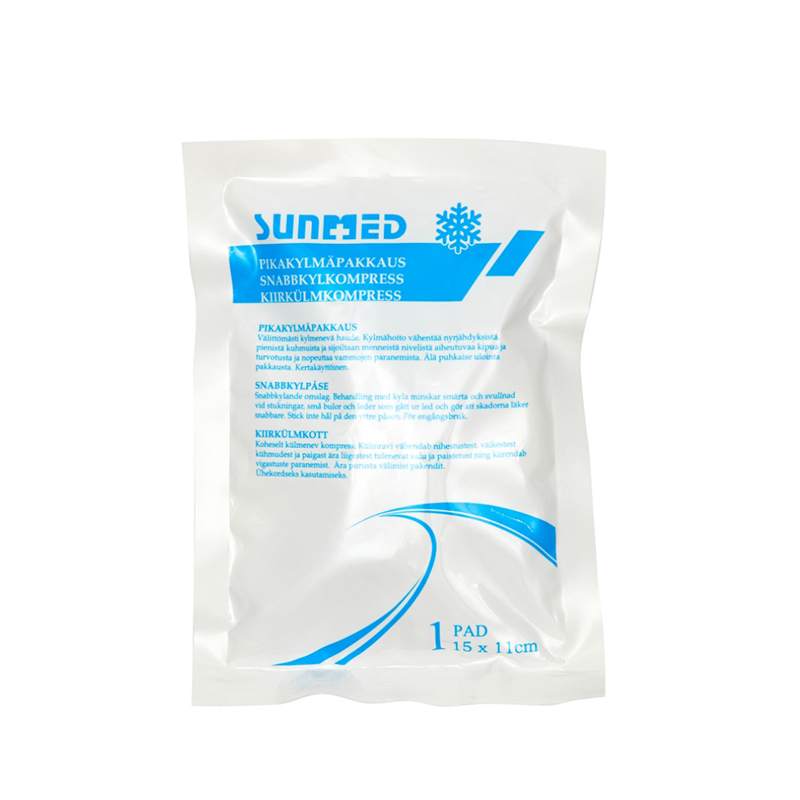
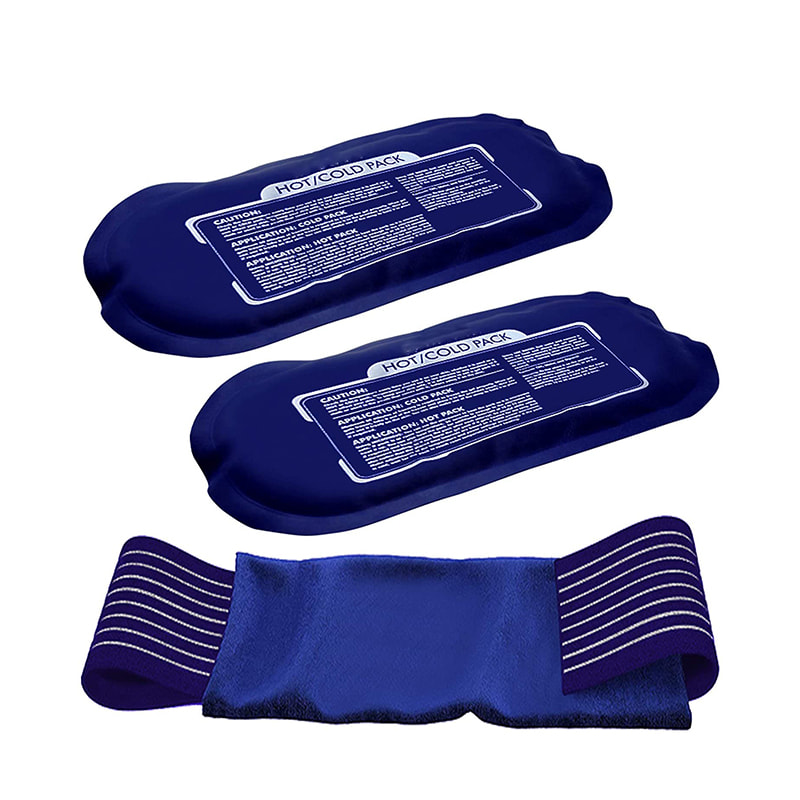
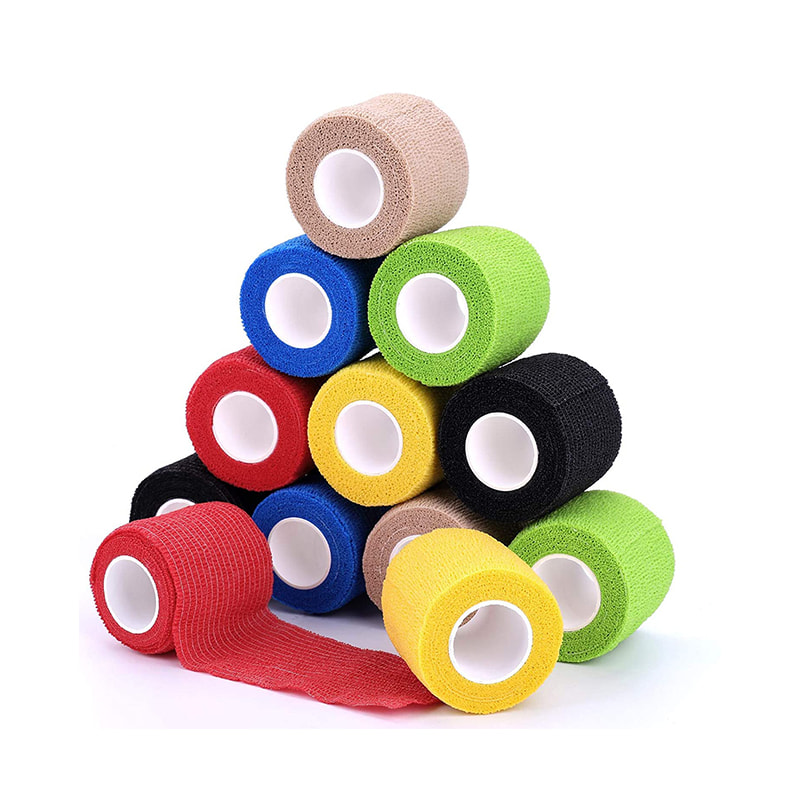
Wholesale buyers also benefit from sourcing from a company with a broad medical product catalog. If they need to fill the organizer with wound dressings, gauze, medical tape, adhesive bandages, cotton products, cohesive bandages, elastic adhesive bandages, hot and cold packs, or other first aid supplies, the same supplier’s industry knowledge can simplify communication. Even when contents are ordered separately, a manufacturer familiar with the category can help buyers plan more coherent product programs.
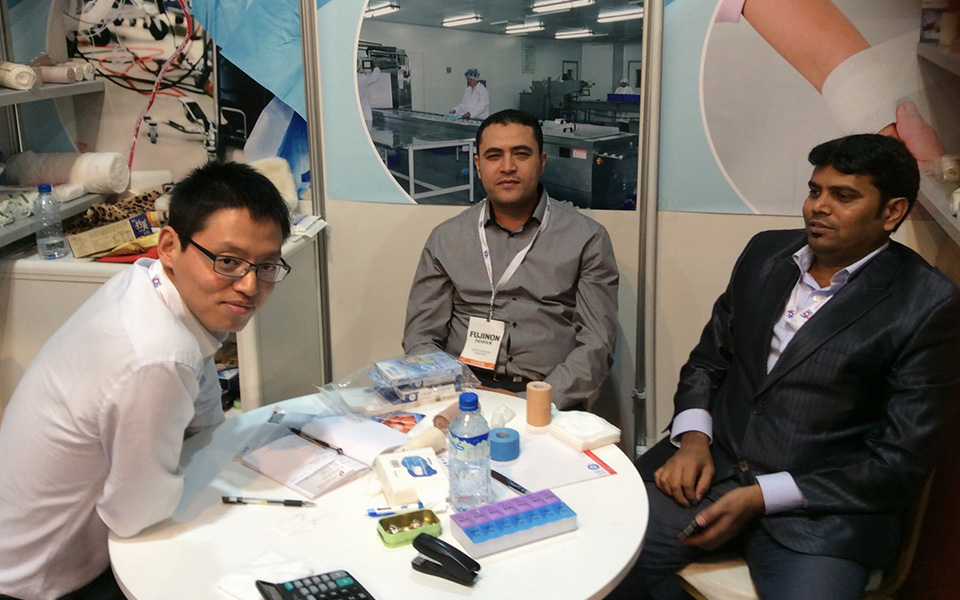
Export experience is another advantage. The company has served markets across Europe, Southeast Asia, Africa, and Oceania, including customers such as hospitals, first aid suppliers, supermarkets, and retail sports shops. This background supports smoother cooperation with international buyers who need clear product information, stable communication, and reliable production follow-up.
How Users Can Build a Practical Mini First Aid Kit
Because the bag is supplied empty, users can create a kit based on personal needs. A basic travel setup may include adhesive bandages in several sizes, sterile gauze pads, medical tape, antiseptic wipes, small scissors if permitted for travel, tweezers, disposable gloves, blister pads, pain relief medication, antihistamine, personal prescriptions, and emergency contact information. The exact contents should be selected according to local laws, medical guidance, and individual health requirements.
For outdoor activities, users may add elastic bandage, cohesive wrap, insect bite relief, burn dressing, triangular bandage, wound closure strips, and a small emergency blanket if space allows. For sports use, blister care, sports tape, cohesive bandage, instant cold pack alternatives, and small wound care items may be prioritized. For families, child-safe medicines, thermometer covers, small cotton products, and extra adhesive bandages may be useful.
For car storage, users may include wound cleaning supplies, gauze, tape, gloves, a small flashlight, emergency medication, and basic trauma-related items suitable for minor incidents. However, heat-sensitive medications should not be stored in vehicles for long periods unless their storage conditions are appropriate. Users should check expiration dates regularly and replace used or expired items.
A clear internal organization method improves the usefulness of the bag. One pocket can hold wound cleaning items, another can hold dressings, another can hold medication, and another can hold tools. Users can also place a small inventory list inside the bag. This helps identify missing items after use. For families or group travel, the list can include emergency phone numbers, allergy notes, and medication instructions where appropriate.
The bag’s compact nature encourages users to focus on essential supplies. It should not be overloaded to the point that the zipper strains or contents become crushed. A first aid organizer is most effective when items are easy to see and remove. Regular review is recommended before travel, outdoor trips, and seasonal changes.
Applications Across Multiple Markets
This mini first aid organizer bag has broad market potential because first aid preparedness is relevant to many industries and lifestyles. In the travel market, it can be sold as a compact health organizer for holidays, business trips, backpacking, cruises, and family travel. It supports travelers who prefer to carry familiar medicines and trusted wound care supplies rather than rely on uncertain availability at the destination.
In the outdoor and camping market, the bag fits the need for lightweight emergency organization. Outdoor customers often value gear that is compact, visible, and functional. The cross symbol communicates purpose, while the internal pockets support quick access during hikes, campsites, fishing trips, and road excursions.
In the family healthcare market, it can be positioned as a household first aid pouch. Families may use it at home, in the car, in a stroller, or in a child’s travel bag. Its size makes it approachable for everyday use rather than only major emergencies. Parents can prepare separate bags for school trips, vacations, or sports days, depending on regulations and supervision requirements.
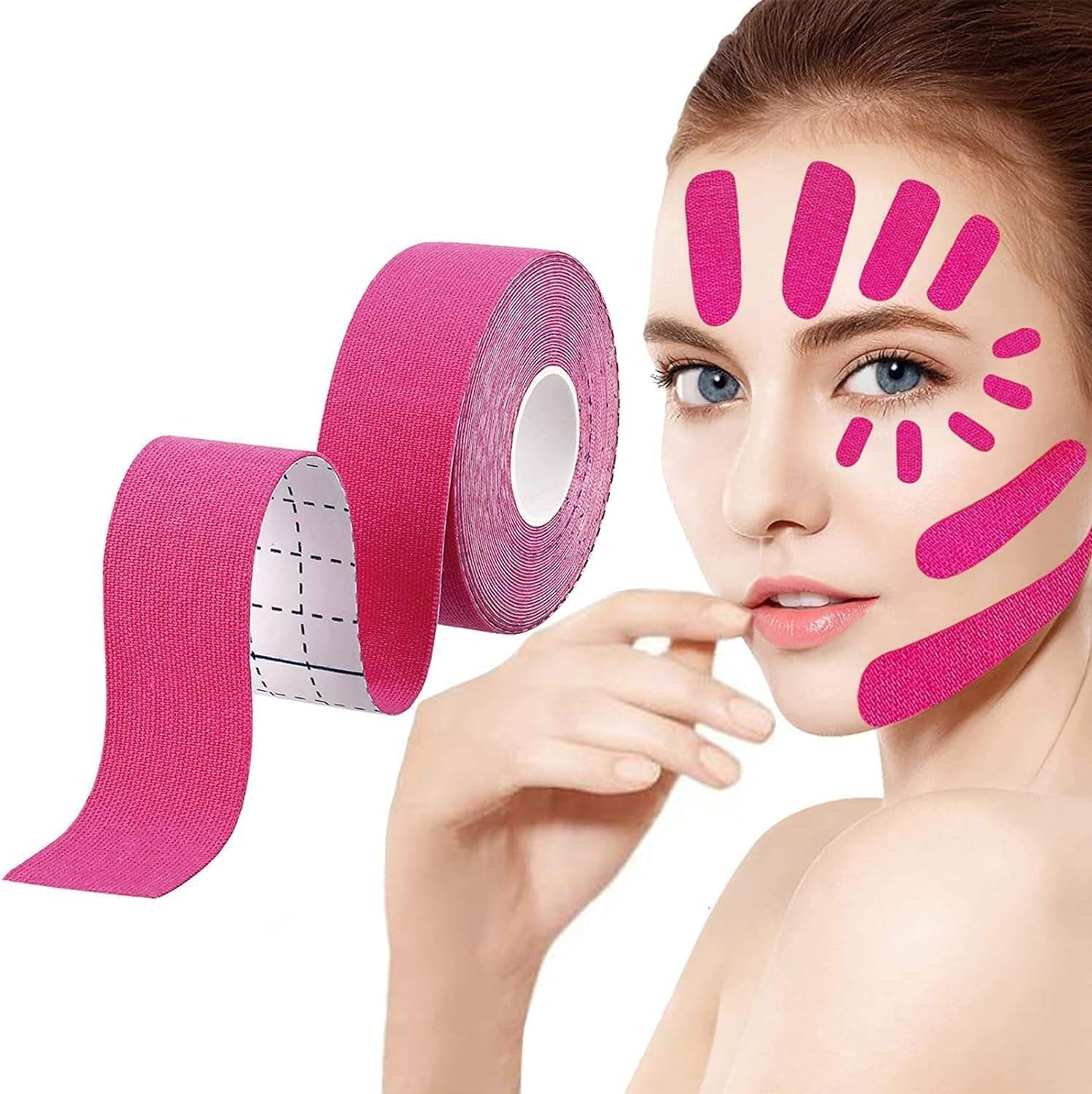
In the sports and fitness market, the organizer can be used for minor injury supplies. Runners, cyclists, gym users, coaches, and sports clubs may carry tape, bandages, blister care, and small dressings. Because the manufacturer also has experience with sports support products such as kinesiology tape, cohesive bandages, and elastic adhesive bandages, the product can be integrated into broader sports-care assortments.
In workplace and institutional markets, the bag can be used as a compact personal first aid pouch or as part of emergency-preparedness programs. It may be distributed to field staff, drivers, event teams, maintenance crews, or remote workers. Custom colors and branding can support company safety initiatives.
In healthcare and nursing contexts, the bag may serve as a small organizer for selected supplies during travel or mobile work. It is not a substitute for professional medical equipment, but it can help keep minor items sorted and accessible. For nurses on the road, compact organization can reduce time spent searching for small supplies.
Design Simplicity That Supports Reliability
The value of this product lies in practical simplicity. It does not depend on complicated mechanisms or excessive decorative elements. Instead, it focuses on what users actually need: a sturdy lightweight bag, recognizable first aid marking, internal organization, smooth zipper access, compact carry size, and the freedom to customize contents.
Simplicity also supports manufacturing consistency. Products with too many unnecessary components may create more failure points. A well-designed organizer bag can be reliable because each feature has a purpose. The zipper opens the bag. The mesh pockets hold and display supplies. The dividers separate items. The cross symbol identifies the bag. The compact dimensions support portability. This direct relationship between design and function gives the product a strong practical identity.
Compared with competitors that prioritize appearance over usability, this bag is more aligned with real first aid organization. Compared with bulky hard cases, it is easier to pack and carry. Compared with plain pouches, it is more recognizable and better structured. Compared with pre-filled kits, it offers greater customization and control.
For distributors, this practical design also reduces market barriers. The product can be explained easily in catalogs, online stores, and retail displays. Customers immediately understand its purpose. The empty format allows flexible pricing and bundling strategies. The small size reduces storage and shipping burden compared with larger cases.
Quality Expectations for International Buyers
International buyers often require more than a good-looking sample. They need a supplier capable of stable production, clear communication, inspection discipline, and export support. The company behind this product has long experience in medical consumables and healthcare exports, serving customers in many regions and market channels. This experience is important because first aid and medical-related products require trust, consistency, and attention to detail.
The company’s quality control team applies inspection procedures designed to ensure products meet expected standards. Its adherence to ISO13485:2016 quality management principles reflects a disciplined approach to medical product manufacturing. Many products in the company’s broader portfolio are CE certified, and its factories follow FDA-related expectations where applicable. These strengths can give buyers greater confidence when sourcing from a manufacturer with established medical-industry practices.
For the first aid organizer bag, quality expectations include correct size, accurate color, neat stitching, smooth zipper operation, clean appearance, correct cross symbol placement, functional internal pocket structure, and proper packing. Buyers may request samples, review customization options, and confirm packaging requirements before bulk production. A professional manufacturer can support this process with clearer documentation and responsive communication.
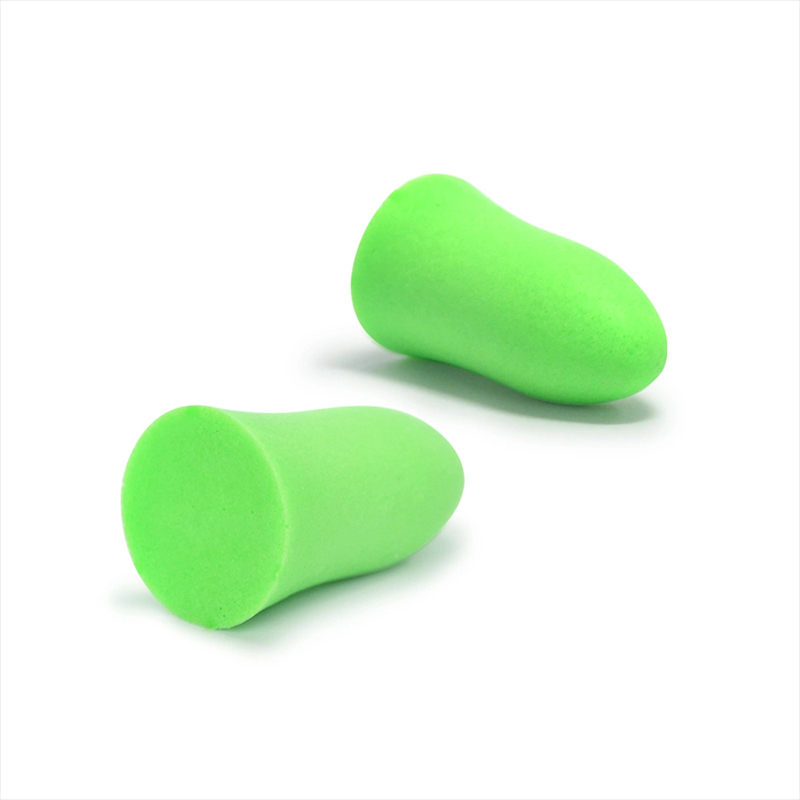
The company’s broad product categories also indicate supply-chain maturity. Its portfolio includes first aid, bandages, wound care, gauze, medical tape, cotton products, PPE products, sports support, pill boxes, adhesive bandages, beauty and daily care, hot and cold therapy, urology products, enteral feeding, surgical suction management, anesthesia and respiratory products, surgery and nursing items, diagnostic devices, foot care products, earplugs, rehabilitation shoes, surgical instruments, syringes, infusion products, blood collection and transfusion products, and patient transfer items. This extensive category knowledge supports buyers who need more than a single product and prefer long-term sourcing cooperation.
Packaging, Logistics, and Commercial Considerations
For wholesale distribution, packaging and logistics are important. A compact empty first aid bag has advantages in shipping because it is lightweight and space-efficient compared with filled kits or rigid cases. This may help buyers manage freight costs, warehouse space, and retail inventory. Since medical contents are not included, buyers can also avoid some complications associated with importing mixed medical kits, depending on local regulations.
The HS code 4202920000 supports customs classification for this type of bag. Professional importers can use this information during documentation preparation, although final classification should always be confirmed according to local customs rules and the exact product configuration. The product’s MOQ of 2000 pieces is suitable for commercial orders while still accessible for many medium-sized buyers.
Packaging can be planned according to buyer needs. Retailers may prefer individual polybags, header cards, cartons, or customized packaging. Promotional buyers may request branding on packaging. First aid kit assemblers may order the bag as a component for later filling. Online sellers may prefer compact packaging that protects the product while minimizing shipping volume.
Because the bag is empty, buyers can also create tiered product offerings. A basic version may be sold as the empty organizer only. A value-added version may be filled by the distributor with selected supplies. A premium version may include higher-quality wound care, sports support, or travel healthcare items. This flexibility supports different pricing strategies and market segments.
Maintenance and User Responsibility
To get the best value from the organizer bag, users should maintain both the bag and its contents. The bag should be kept clean, dry, and protected from excessive moisture, heat, or contamination. If it is used outdoors, users should check for dirt, sand, or damage after the trip. The zipper should remain free from debris so that it can open smoothly when needed.
Contents should be reviewed regularly. Expired medications, damaged sterile packaging, used bandages, dried wipes, or depleted supplies should be replaced. Users should also adjust contents before specific activities. A kit prepared for home use may not be sufficient for hiking. A kit prepared for adults may not be appropriate for children. A kit prepared for local travel may need revision for international trips.
Users should remember that a mini first aid bag is intended for organizing basic supplies. It does not replace medical training, professional care, or emergency services. In serious injuries or medical emergencies, users should seek qualified medical assistance immediately. The organizer supports preparedness, but proper judgment and responsible use remain essential.
Q&A Section
Question 1: Is this a complete first aid kit?
No. This product is an empty first aid organizer bag. It does not include medical supplies inside. This allows users, retailers, and distributors to fill it with the specific first aid items they need.
Question 2: What is the main advantage of buying an empty first aid bag?
The main advantage is customization. Users can choose their own adhesive bandages, gauze, medical tape, medications, antiseptic wipes, gloves, sports support items, or other supplies based on their health needs, travel plans, workplace risks, or market requirements.
Question 3: What size is the bag?
The standard size is 12.5 x 17 cm. It is compact enough for travel and daily carry while still offering practical space for small first aid items.
Question 4: What colors are available?
Standard colors include green, red, and blue. Custom colors may be available for qualified orders, depending on production requirements and order details.
Question 5: What is the minimum order quantity?
The minimum order quantity is 2000 pieces, making the product suitable for wholesalers, distributors, retailers, promotional buyers, and first aid kit assemblers.
Question 6: Can the bag be used for outdoor activities?
Yes. It is suitable for camping, hiking, road trips, cruises, day outings, backcountry trips, and other outdoor or travel situations where compact first aid organization is useful.
Question 7: Why does the bag have a cross symbol on the front?
The cross symbol helps identify the bag as a first aid or medical supply organizer. This can make it easier for family members, travel companions, or helpers to find supplies quickly.
Question 8: How does this product compare with generic pouches?
Unlike many generic pouches, this bag is designed specifically for first aid organization. It includes a recognizable cross symbol, netted pockets, section dividers, and a fold-out structure that improves visibility and access.
Question 9: Is the zipper easy to use?
The bag is designed with an easy zipper for convenient opening and closing. Smooth access is important when users need to find first aid supplies quickly.
Question 10: Can distributors create their own filled kits using this bag?
Yes. Because the bag is supplied empty, distributors can fill it with selected supplies and create customized first aid kits for travel, outdoor, sports, workplace, family, or healthcare markets.
Conclusion
The Mini Outdoor First Aid Organizer Bag for Travel is a practical, compact, and customizable empty first aid bag designed for modern preparedness. Its 12.5 x 17 cm size makes it easy to carry, while its internal pockets, dividers, fold-out design, zipper closure, and front cross symbol support organized and quick access to essential supplies. It is suitable for travel, camping, road trips, home use, car storage, outdoor activities, nursing, sports, and customized first aid kit assembly.
Its strongest advantage is flexibility. Instead of forcing users to accept a generic pre-filled kit, it allows each buyer or end user to build a kit that matches real needs. This makes it valuable for families, travelers, outdoor enthusiasts, retailers, healthcare distributors, promotional buyers, and professional first aid suppliers. The availability of multiple colors and customization options further increases its commercial potential.
Behind the product is a manufacturer with extensive experience in first aid, medical consumables, healthcare supplies, sports support products, and medical devices. With strong quality control, ISO13485:2016 management awareness, broad export experience, and established production capabilities, the company is positioned to support stable bulk supply and OEM cooperation. For buyers seeking a compact first aid organizer that is simple, useful, and commercially adaptable, this model offers a strong balance of function, portability, and sourcing reliability.
References
International Organization for Standardization. ISO 13485:2016 Medical Devices: Quality Management Systems Requirements for Regulatory Purposes.
World Health Organization. International Medical Guide for Ships and Travel Health Preparedness Guidance.
American Red Cross. First Aid, Emergency Preparedness, and Basic Care Recommendations.
European Committee for Standardization. Workplace and First Aid Kit Guidance for General Safety Preparedness.
International Trade Centre. Export Packaging and Product Classification Practices for Manufactured Goods.

 English
 Español
 русский
 Français
 Deutsch
 italiano
 By Admin