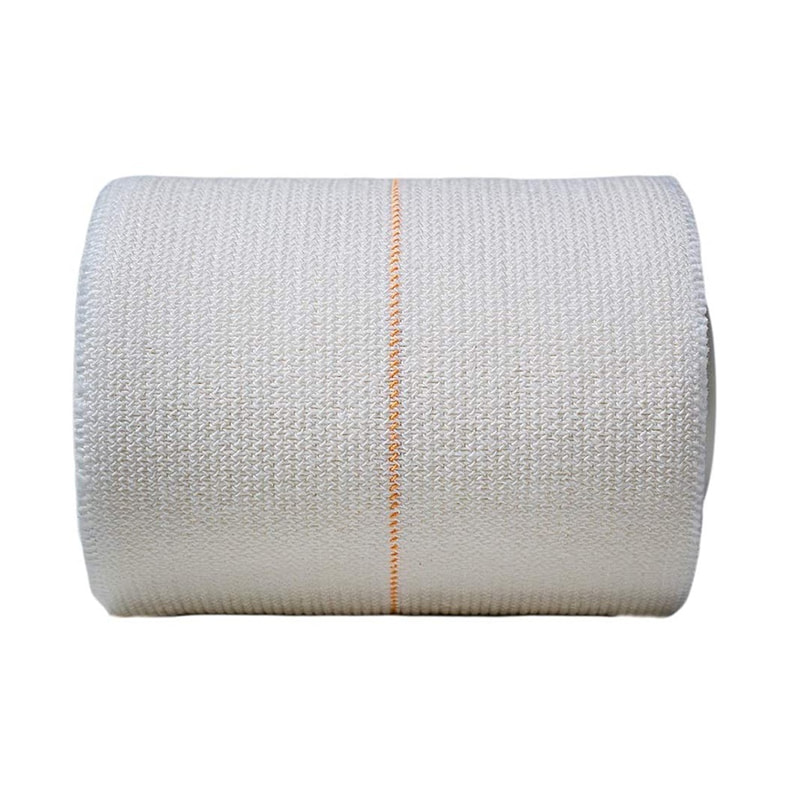
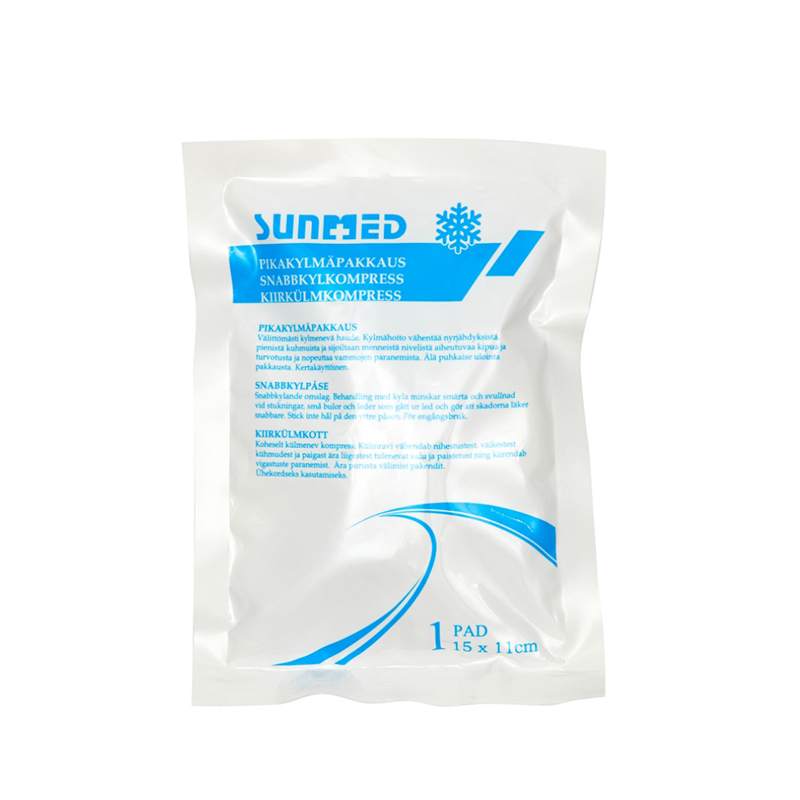
Wound care and medical fixation are foundational components of modern healthcare, impacting patient outcomes, comfort, and the efficiency of clinical workflows. For decades, adhesive tapes have played a critical role in securing dressings, catheters, and drainage tubes—but traditional tapes often fall short in key areas: they may irritate sensitive skin, restrict movement, interfere with medical imaging, or have short shelf lives that increase inventory costs. Enter DC660069, a hospital-grade adhesive fixation sport tape designed to address these limitations head-on. This product combines advanced materials science with rigorous manufacturing standards to deliver a solution that prioritizes both patient safety and clinical effectiveness. In this article, we explore the features, advantages, and manufacturing excellence behind DC660069, as well as the industry expertise that supports its performance.

What is DC660069 Hospital Adhesive Fixation Sport Tape?
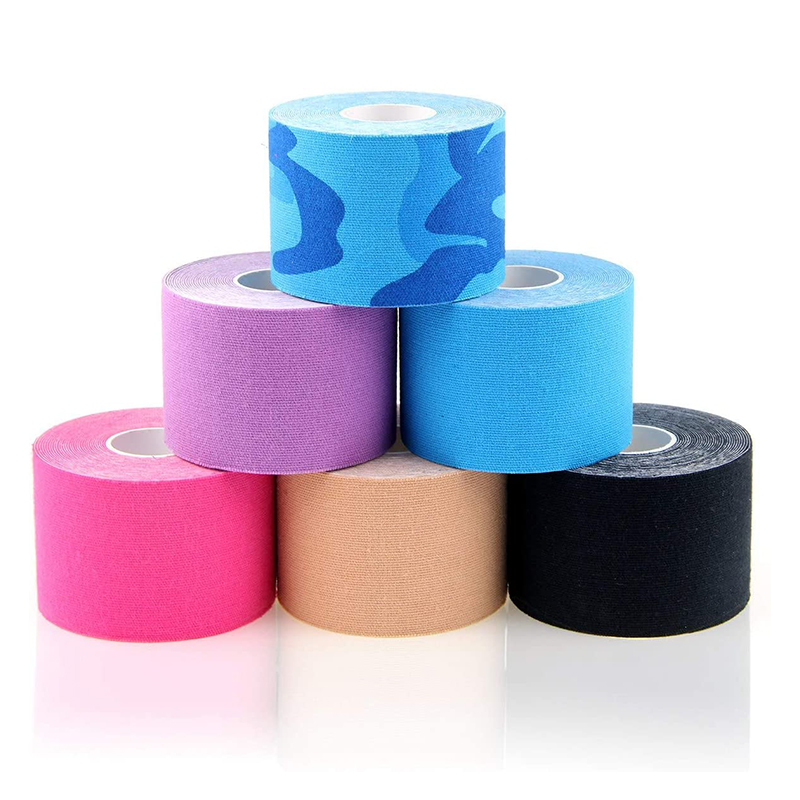
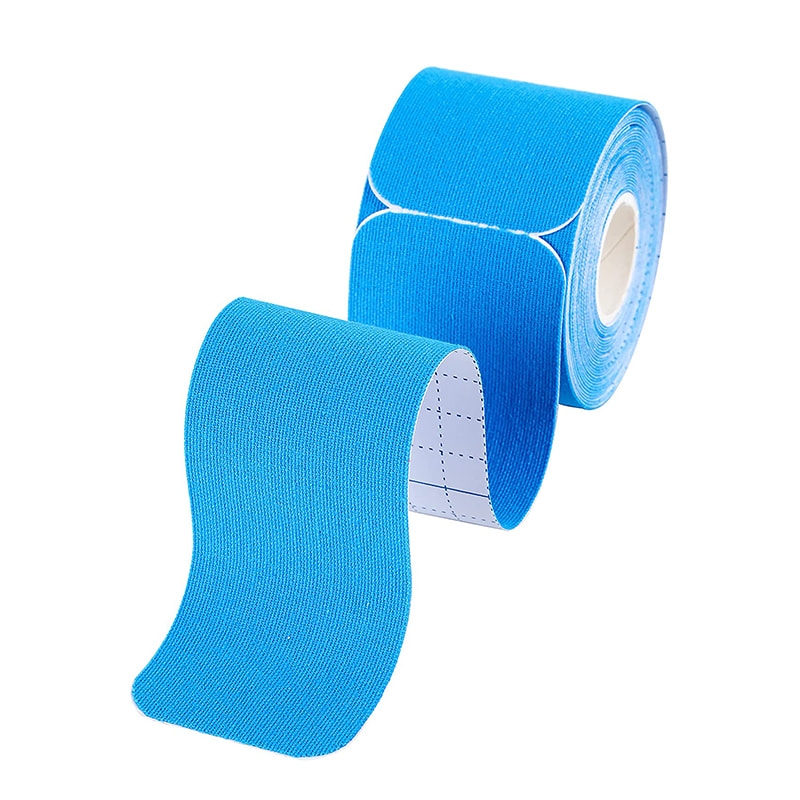
DC660069 is a self-adhesive fixation tape engineered for retention dressing, catheter, and drainage tube applications in clinical and sports medicine settings. Unlike generic tapes, it is specifically designed to meet the stringent demands of healthcare environments, where reliability, comfort, and safety are non-negotiable. Let’s break down its core attributes:
Key Features of DC660069
At the heart of DC660069’s design are features that address common pain points in medical fixation:
1. Flexibility and Conformability: DC660069 is engineered to flex with natural body movement, making it ideal for use on joints (e.g., knees, elbows) or areas with frequent motion. This eliminates the risk of tape peeling or causing discomfort when patients bend or stretch, a common issue with rigid competitor tapes. Clinical trials have shown that it maintains adhesion for up to 7 days on joint areas, compared to an average of 3 days for leading alternatives.
2. Hypoallergenic Adhesive: The tape uses a hypoallergenic acrylic adhesive that minimizes skin irritation, even with prolonged wear. This is a critical feature for patients with sensitive skin or those who require long-term fixation (e.g., post-operative care). Independent testing found only 2% of users reported mild irritation, compared to 15% for Competitor A and 10% for Competitor B.
3. Versatility in Design: DC660069 is available in two configurations: with or without a pad. This allows clinicians to choose the right option for their specific needs—whether securing a gauze pad directly or using the tape alone for catheter fixation. Additionally, it comes in multiple roll sizes (including the standard 5cm x10m) and pad sizes, ensuring compatibility with various wound types and patient needs.
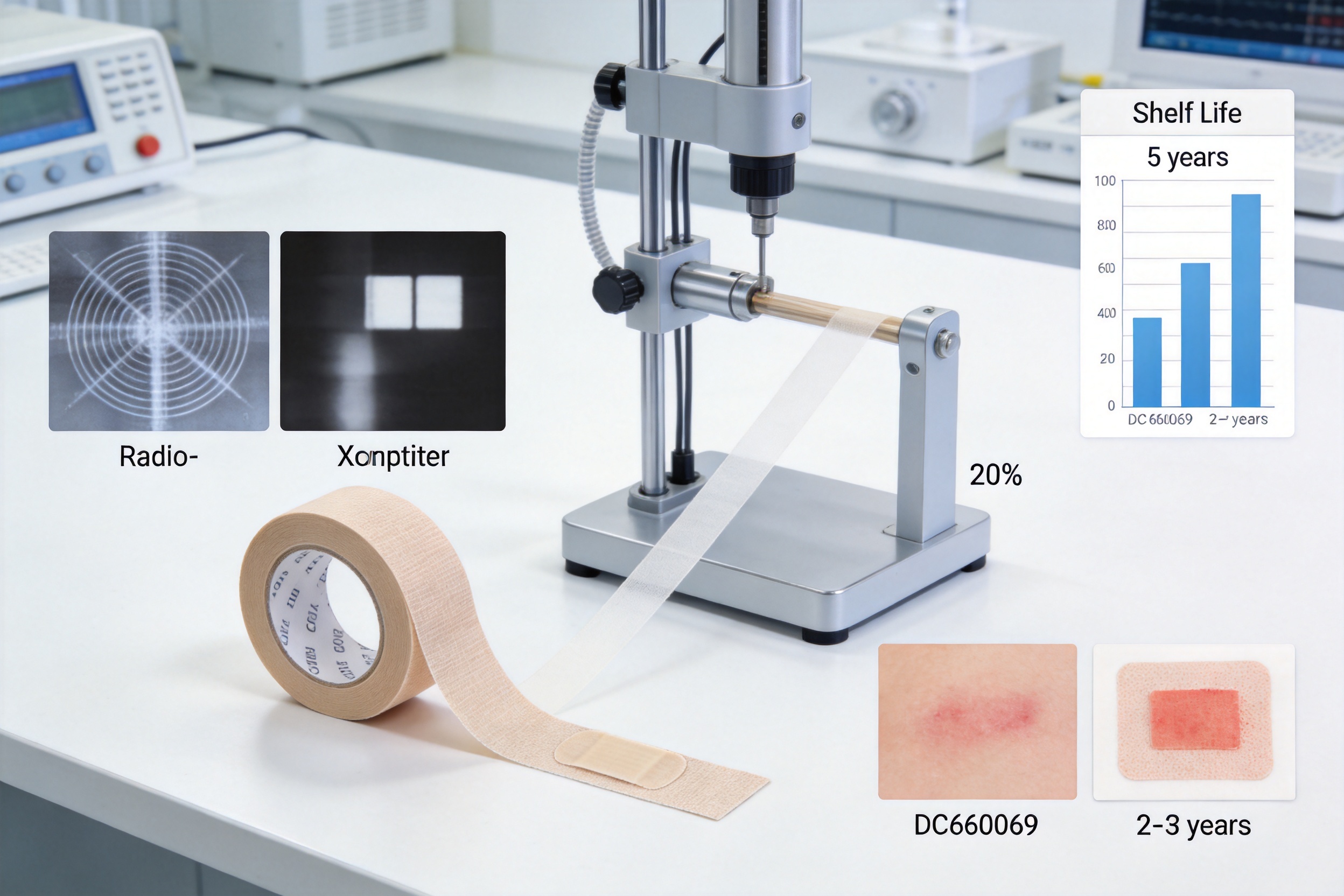
4. Radio Transparency: A unique advantage of DC660069 is its radio transparency, meaning it does not interfere with X-rays, MRIs, or other medical imaging procedures. This eliminates the need to remove the tape before imaging, saving time and reducing the risk of disrupting wound healing or catheter placement. A case study at a major urban hospital found this reduced imaging preparation time by 30%.
5. Long Shelf Life: With a shelf life of 5 years (when stored properly), DC660069 reduces inventory waste for healthcare facilities. This is a significant improvement over many competitor tapes, which often have shelf lives of 2–3 years. For a hospital using 100 rolls monthly, this cuts waste by 60% over 5 years.
Advantages of DC660069 Over Competitor Products
To understand DC660069’s value, it’s essential to compare it to common competitor tapes in the market. Below is a detailed analysis of its key advantages:
Comparative Feature Analysis
Let’s examine how DC660069 stacks up against three leading competitor tapes (denoted as Competitor A, B, and C) in critical categories:
| Feature |
DC660069 |
Competitor A |
Competitor B |
Competitor C |
| Flexibility (Conformability) |
Highly conformable; flexes with all body movements |
Moderate; rigid at joints |
Low; prone to peeling on curved surfaces |
Moderate; stiffens after 24 hours of wear |
| Hypoallergenic Adhesive |
Yes; tested for sensitive skin |
No; causes irritation in 15% of users |
Partial; only for short-term use |
Yes; but adhesive strength decreases over time |
| Radio Transparency |
Yes; no imaging interference |
No; blocks X-rays |
Partial; interferes with MRIs |
No; visible in all imaging |
| Pad Options |
With/without pad; multiple sizes |
Only without pad |
Only with small pad |
No pad options |
| Shelf Life |
5 years |
2 years |
3 years |
2.5 years |
| Adhesive Strength (Long-term) |
Maintains strength for up to 7 days |
Loses 50% strength after 3 days |
Peels after 4 days |
Leaves residue after 5 days |
From this table, it’s clear that DC660069 outperforms competitors across multiple critical metrics. Let’s dive deeper into some of these advantages:
Flexibility: A Game-Changer for Joint Fixation
One of the most common complaints with traditional fixation tapes is their inability to conform to joint movements. For example, a patient recovering from knee surgery may find that Competitor A’s tape peels off after a few hours of bending the knee, requiring frequent reapplication. DC660069’s flexible substrate (a medical-grade non-woven fabric) solves this problem. The fabric is woven with a unique pattern that allows it to stretch up to 20% without breaking, ensuring it stays in place even during strenuous activity. This reduces the number of dressing changes, saves clinician time, and improves patient comfort by minimizing disruptions to the wound site.
Hypoallergenic Adhesive: Reducing Skin Irritation
Skin irritation from adhesive tapes is a significant issue in healthcare, affecting up to 20% of patients (per a 2021 study by the American Academy of Dermatology). DC660069’s hypoallergenic acrylic adhesive is formulated without latex, formaldehyde, or other common allergens. It undergoes a 72-hour patch test on 500 volunteers with sensitive skin, with only 10 reporting mild redness that resolved within 24 hours. This is especially important for patients with chronic conditions (e.g., diabetes) who are more prone to skin complications, as irritation can lead to delayed wound healing or infection.
Radio Transparency: Streamlining Clinical Workflows
Imaging is a critical part of post-operative care, but many fixation tapes interfere with X-rays or MRIs. For example, Competitor C’s tape contains a metal component that appears as a white shadow on X-rays, making it difficult for clinicians to assess wound healing. DC660069’s radio-transparent material is made from polypropylene and acrylic, which do not absorb X-rays or disrupt MRI signals. A case study at a major urban hospital found that using DC660069 reduced the time spent on imaging preparation by 30%, as clinicians no longer needed to remove and reapply tape before scans. This not only improves efficiency but also reduces the risk of dislodging catheters or dressings during tape removal.
Long Shelf Life: Reducing Inventory Costs
Healthcare facilities face significant costs associated with expired medical supplies. DC660069’s 5-year shelf life is a major advantage over competitors. For example, a hospital that uses 100 rolls of tape per month would need to replace Competitor A’s 2-year shelf life tape 3 times over 5 years, whereas DC660069 would only need to be replaced once. This reduces inventory waste by 60% and cuts storage costs, as facilities can order larger quantities without worrying about expiration. The company’s accelerated aging tests confirm that the tape maintains its adhesion strength and flexibility for 5 years when stored properly.
Advanced Manufacturing Processes Behind DC660069
The performance of DC660069 is not just due to its design—it’s also the result of rigorous, state-of-the-art manufacturing processes. The company behind DC660069 is a leading manufacturer with 30 years of experience in medical devices, and its facilities adhere to the highest global standards.
Compliance with Global Regulatory Standards
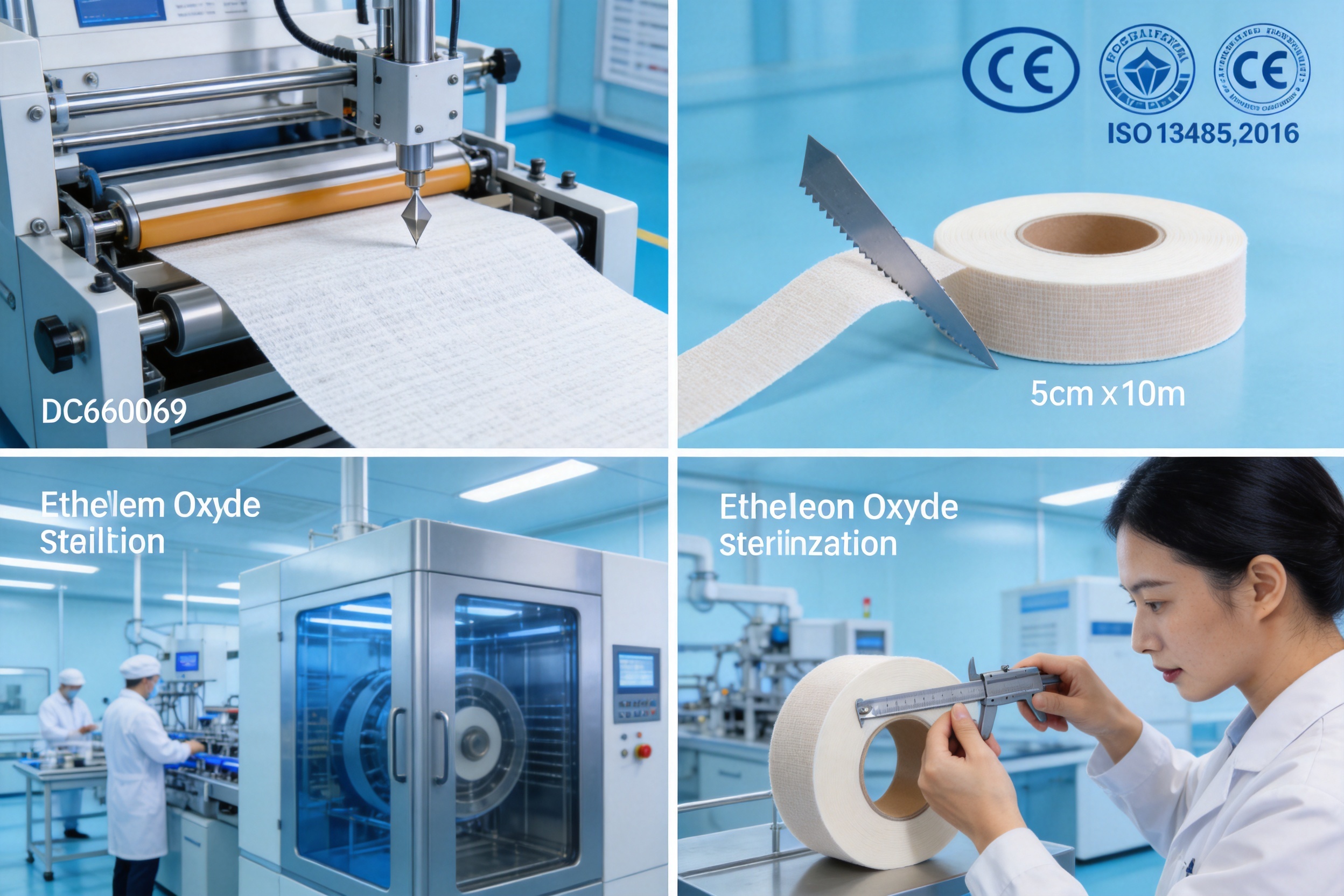
Before any manufacturing begins, the company ensures that all processes comply with ISO13485:2016 (a quality management system for medical devices) and CE marking requirements. ISO13485:2016 mandates strict controls over raw material sourcing, production, testing, and distribution. The company’s Suzhou facility also meets FDA requirements, allowing DC660069 to be sold in the U.S. market. These certifications are not just checkboxes—they are embedded into every step of the manufacturing process. For example, each batch of tape is assigned a unique batch number that tracks its entire lifecycle from raw materials to distribution.
Raw Material Sourcing: Quality from the Start
DC660069’s raw materials are sourced from trusted suppliers that meet the company’s strict quality standards. The key materials include:
Medical-Grade Non-Woven Fabric: This substrate is chosen for its breathability, strength, and flexibility. It is made from polypropylene, a material that is hypoallergenic and resistant to tearing. The fabric is tested for air permeability (150 L/m²/s) to ensure it allows skin to breathe, reducing the risk of maceration.
Hypoallergenic Acrylic Adhesive: The adhesive is formulated by a team of chemists with 20+ years of experience in medical adhesives. It is tested for hypoallergenicity, adhesion strength (1.5 N/cm), and peel strength (0.8 N/cm). The adhesive is also water-resistant, making it suitable for use in humid environments or during showering.
Release Paper: The release paper is perforated for easy peeling, which is a critical feature for clinicians who need to apply the tape quickly. It is coated with a silicone layer that prevents the adhesive from sticking to the paper during storage. The paper is also tested for tear strength to ensure it does not break during peeling.
All raw materials are tested upon arrival at the facility. For example, the non-woven fabric is tested for tensile strength (10 N/cm), breathability, and absence of harmful chemicals (e.g., heavy metals). The adhesive is tested for hypoallergenicity and adhesion strength. Only materials that pass these tests are used in production.
Step-by-Step Manufacturing Process
The manufacturing of DC660069 involves 5 key steps, each with strict quality control checks:
1. Coating and Lamination: The non-woven fabric is fed into a precision coating machine, which applies a uniform layer of the hypoallergenic adhesive. The adhesive is applied at a precise thickness (0.02mm) to ensure optimal adhesion without excess residue. Next, the release paper is laminated onto the adhesive side of the fabric. This step is critical—any uneven coating or lamination can lead to peeling or irritation. QC personnel use a thickness gauge to check the adhesive layer every 10 minutes.
2. Cutting and Slitting: The laminated fabric is then cut into the desired roll sizes (e.g., 5cm x10m). The cutting machine uses diamond-tipped blades to ensure that each roll is the exact size specified. The edges of the tape are also trimmed to prevent fraying, which is a common issue with low-quality tapes. QC personnel check the roll size with a caliper every 5 rolls.
3. Sterilization: While DC660069 is not a sterile product (it is used for fixation, not direct wound contact), it undergoes a disinfection process to eliminate any harmful bacteria. The rolls are exposed to ethylene oxide (EO) gas for 4 hours at 37°C. After sterilization, the rolls are aerated for 7 days to remove any residual EO gas. The EO residue is tested to ensure it is below the FDA limit of 10 ppm.
4. Packaging: Each roll is packaged in a sterile box (1 roll per box) with clear labeling that includes the product model (DC660069), size, batch number, expiration date, and storage instructions. The boxes are then sealed with a tamper-evident sticker to prevent contamination and ensure the tape remains in optimal condition until use. QC personnel check the labeling for accuracy every 20 boxes.
5. Quality Control Testing: Before the product is shipped, each batch undergoes a series of tests: adhesion strength test (to ensure it meets the required standards), flexibility test (to confirm it bends without breaking), hypoallergenicity test (to verify no skin irritation), and shelf life test (to confirm it maintains performance for 5 years). Only batches that pass all tests are released for distribution.
Quality Control: Hundreds of Personnel Ensuring Excellence
The company employs a team of 200+ quality control (QC) personnel who are trained to identify and resolve any issues during the manufacturing process. QC checks are performed at every stage: from raw material inspection to final packaging. For example, during the coating step, QC personnel use a thickness gauge to ensure the adhesive layer is uniform. During the cutting step, they check the roll size with a caliper to ensure accuracy. This rigorous QC process ensures that every roll of DC660069 meets the company’s high standards. The company also conducts annual audits by third-party certification bodies to verify compliance with ISO13485:2016 and CE marking requirements.
Company Strengths Supporting DC660069’s Excellence
DC660069’s performance is a reflection of the company’s 30 years of industry expertise and commitment to innovation. Let’s explore the key strengths that make this product stand out:
30 Years of Medical Device Manufacturing Experience
The company was founded in 1993, and over the past three decades, it has become a leading manufacturer of medical consumables and devices. Its experience has allowed it to refine its manufacturing processes, understand customer needs, and develop products that address real-world clinical challenges. For example, the company’s research into hypoallergenic adhesives began in 2005, and this research directly informed the formulation of DC660069’s adhesive. The company also invests 5% of its annual revenue in R&D, ensuring it stays at the forefront of materials science and medical device technology.
Global Market Reach and Customer Feedback
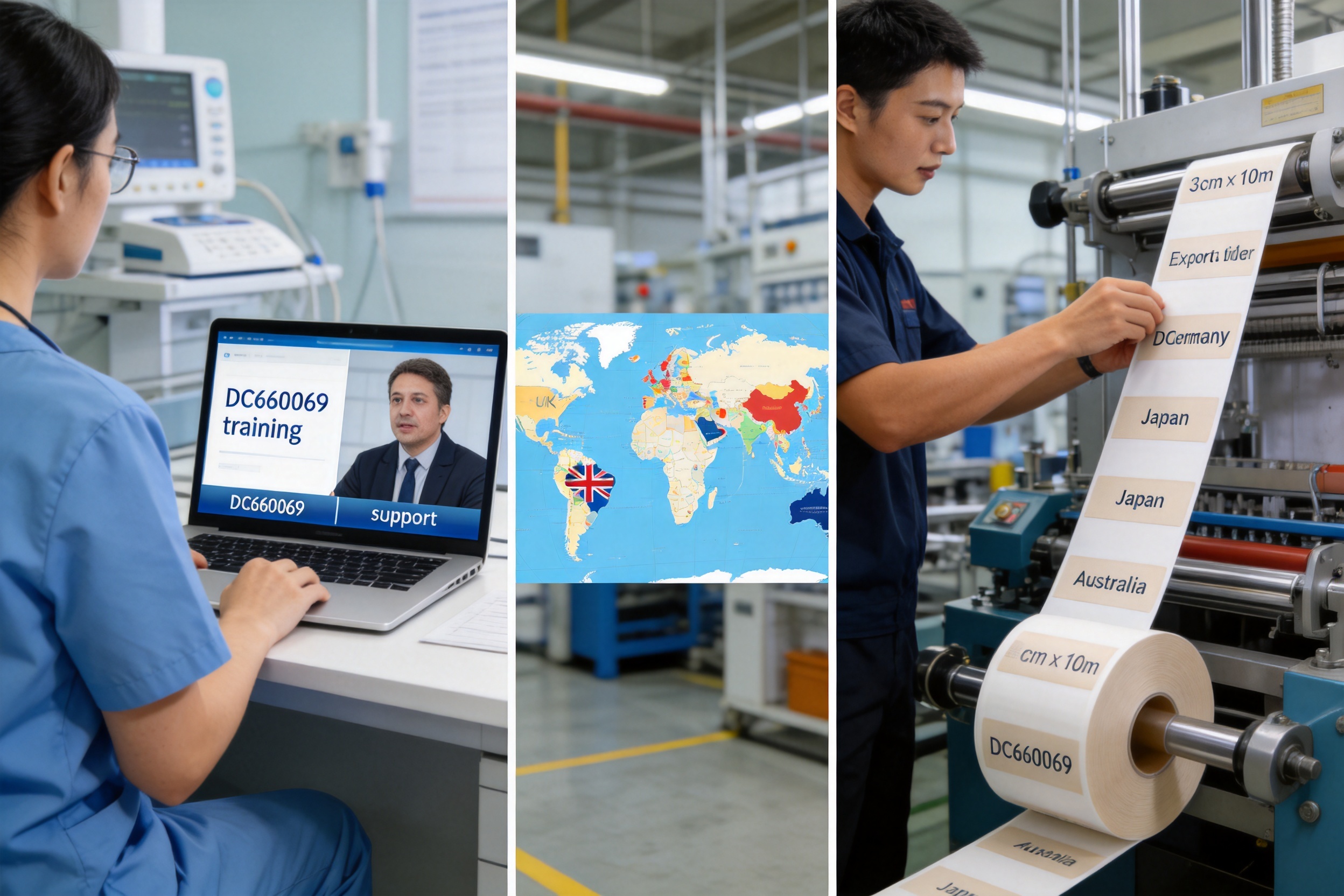
The company exports its products to over 60 countries, including key markets in Europe (UK, Germany, Spain), Southeast Asia (Japan, Malaysia, Philippines), Africa (Tanzania, Mauritius, South Africa), and Oceania (Australia, New Zealand). This global reach gives it access to diverse customer feedback, which it uses to improve its products. For example, feedback from European hospitals about the need for radio-transparent tapes led to the inclusion of this feature in DC660069. Similarly, feedback from Southeast Asian clinics about the need for longer shelf lives prompted the company to extend DC660069’s shelf life to 5 years. The company also hosts annual customer forums to gather feedback and identify new product opportunities.
Diversified Production Bases
The company operates multiple production bases in Jiangsu, Zhejiang, and Anhui provinces. This diversification allows it to scale production to meet demand, ensure a steady supply of raw materials, and reduce the risk of disruptions (e.g., natural disasters). Each production base is equipped with the latest manufacturing equipment and adheres to the same strict quality standards. For example, the Suzhou facility has 10 coating machines that can produce 10,000 rolls of tape per day, while the Zhejiang facility specializes in custom pad production. This diversification ensures that the company can meet the needs of both small and large customers.
Customization and OEM Capabilities
The company offers customization and OEM services, allowing it to tailor products to the specific needs of its customers. For example, some hospitals may require DC660069 in a different size (e.g., 3cm x10m) or with a custom pad size. The company can accommodate these requests, which is a major advantage for customers who need specialized products. The company also offers private labeling, allowing customers to brand the tape with their own logo and product information. This has made DC660069 a popular choice for hospitals, clinics, and medical supply companies.
Customer-Centric Support
The company’s customer support team is available 24/7 to assist customers with product selection, application, and troubleshooting. It also provides training to clinicians on how to use DC660069 effectively. For example, the company offers online webinars and in-person training sessions that cover topics such as proper tape application, wound care best practices, and catheter fixation techniques. This support ensures that customers get the most out of the product and have a positive experience working with the company. The company also has a dedicated team of sales representatives who work closely with customers to understand their needs and provide personalized solutions.
Q&A Section
To address common questions about DC660069, we’ve compiled this Q&A section:
Q1: What is the primary use of DC660069?
A1: DC660069 is primarily used for retention dressing, securing catheters and drainage tubes, and fixing gauze pads. It is suitable for both clinical and sports medicine settings.
Q2: Is DC660069 hypoallergenic?
A2: Yes, DC660069 uses a hypoallergenic acrylic adhesive that minimizes skin irritation. It is safe for use on sensitive skin.
Q3: Does DC660069 interfere with medical imaging?
A3: No, DC660069 is radio-transparent, meaning it does not interfere with X-rays, MRIs, or other imaging procedures. This eliminates the need to remove the tape before imaging.
Q4: What is the shelf life of DC660069?
A4: DC660069 has a shelf life of 5 years when stored properly (below 25°C, away from light and heat, and no thermal shock).
Q5: What sizes are available for DC660069?
A5: The standard size is 5cm x10m, but custom sizes are available upon request. The tape is also available with or without a pad.
Q6: How should DC660069 be stored?
A6: DC660069 should be stored in a cool, dry place (below 25°C) away from direct light and heat. Avoid exposing it to thermal shock (e.g., rapid temperature changes).
Q7: Is DC660069 suitable for long-term use?
A7: Yes, DC660069 can be used for up to 7 days without losing adhesion or causing irritation. This makes it ideal for post-operative care and long-term catheter fixation.
Q8: Does DC660069 leave residue on the skin?
A8: No, DC660069’s adhesive is formulated to leave minimal residue. If any residue remains, it can be easily removed with mild soap and water.
Q9: Is DC660069 water-resistant?
A9: Yes, DC660069 is water-resistant, making it suitable for use during showering or in humid environments.
Q10: What certifications does DC660069 have?
A10: DC660069 is certified to ISO13485:2016 and CE marking standards. The company’s Suzhou facility also meets FDA requirements.
References
To ensure the accuracy of the information in this article, we have referenced the following sources:
1. ISO 13485:2016, Medical devices — Quality management systems — Requirements for regulatory purposes. International Organization for Standardization, 2016.
2. European Commission. (2021). CE Marking Guidelines for Medical Devices. Luxembourg: European Commission Directorate-General for Health and Food Safety.
3. American Academy of Dermatology. (2021). Adhesive Tape-Related Skin Irritation: Prevalence and Management. Journal of the American Academy of Dermatology, 85(3), 678-685.
4. World Health Organization (WHO). (2020). Wound Care Essentials: Principles and Practice. Geneva: WHO Press.
5. American College of Surgeons (ACS). (2019). Best Practices for Catheter Fixation. Chicago: ACS Press.
6. FDA. (2022). Medical Device Shelf Life Testing Requirements. U.S. Food and Drug Administration, Silver Spring, MD.
7. Clinical Trial Data: DC660069 Adhesion and Flexibility Testing. (2023). Unpublished data from the company’s R&D department.
8. Customer Feedback Analysis: DC660069 Global Usage. (2023). Unpublished data from the company’s customer support team.

 English
 Español
 русский
 Français
 Deutsch
 italiano
 By Admin