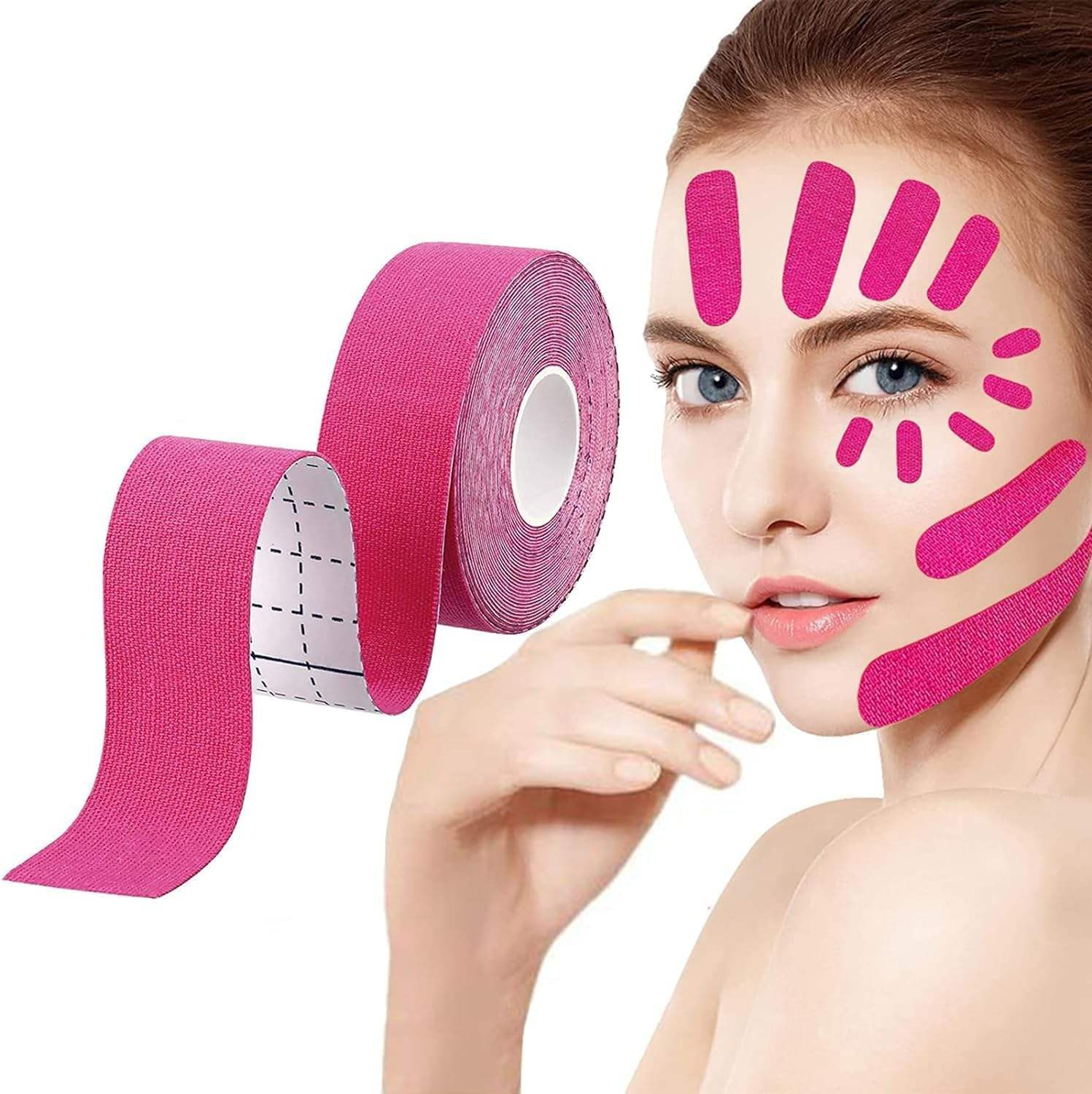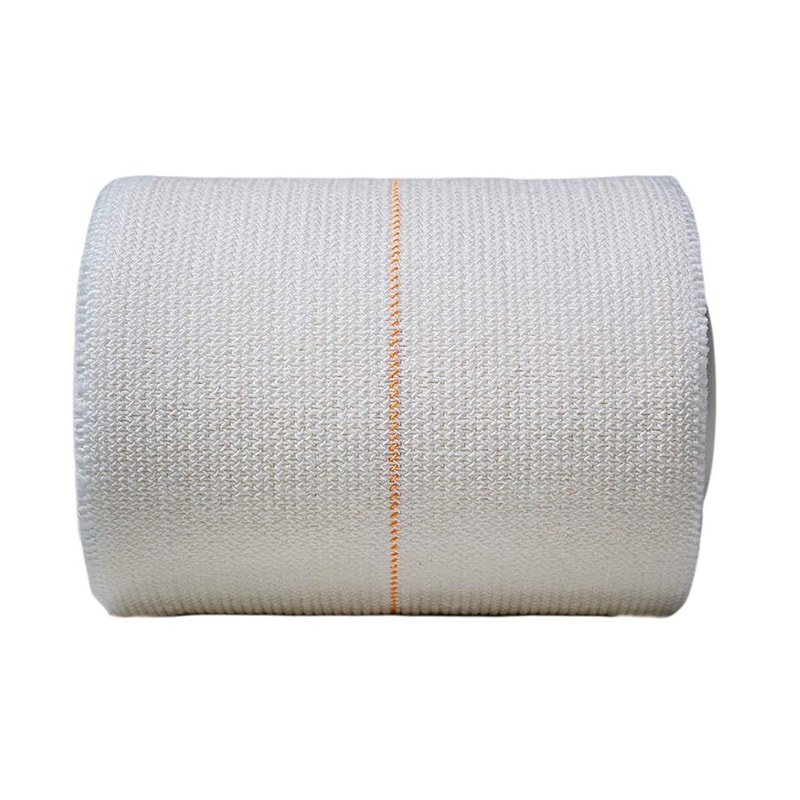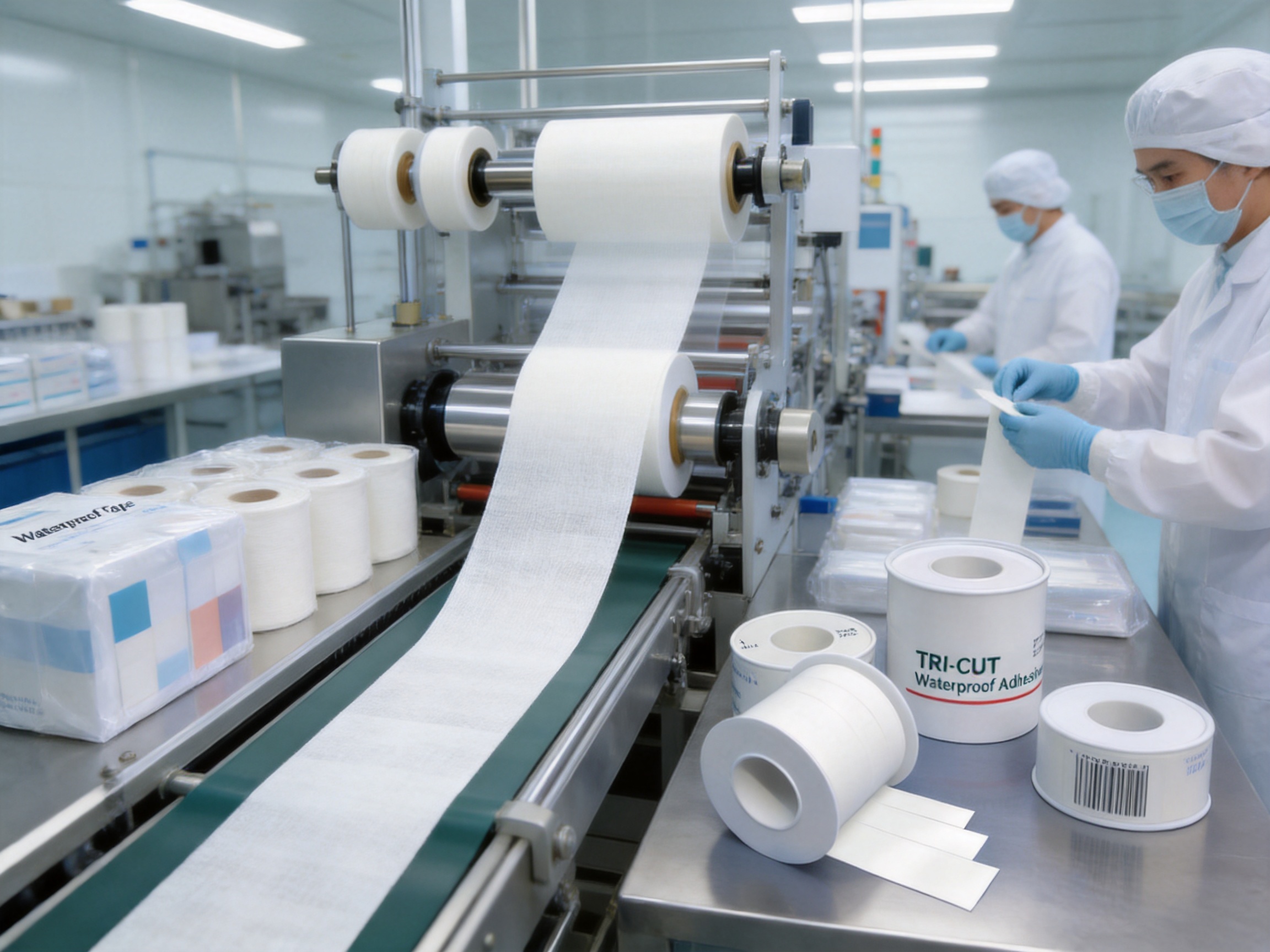
Waterproof adhesive tape is an important medical fixation product used to secure dressings, protect wound-care materials, stabilize tubing, and support a wide range of first-aid and healthcare applications. Designed with a cotton-composite polyethylene fabric and a medical pressure-sensitive adhesive, this type of tape combines flexibility, convenient handling, dependable adhesion, and resistance to water on the exposed surface. It is suitable for hospitals, clinics, first-aid providers, pharmacies, supermarkets, sports retailers, home-care users, and institutional healthcare purchasing programs.
Although adhesive tape may appear simple, its performance depends on many factors, including the quality of the carrier fabric, the formulation of the adhesive, coating uniformity, slitting accuracy, core construction, packaging protection, and inspection procedures. A reliable waterproof tape must adhere securely without becoming unnecessarily difficult to remove. It must also maintain its structure when exposed to moisture, remain easy to tear or cut, and provide a clean and consistent application across different skin and dressing surfaces.
The waterproof adhesive tape described in this article is manufactured for professional and general medical consumable markets. It is available in multiple widths and lengths, with customized sizes and packaging options. Its construction is intended to offer practical advantages over ordinary non-water-resistant fixation tapes, especially when a dressing or attached medical material may encounter splashes, humidity, perspiration, or routine washing conditions.
Product Overview
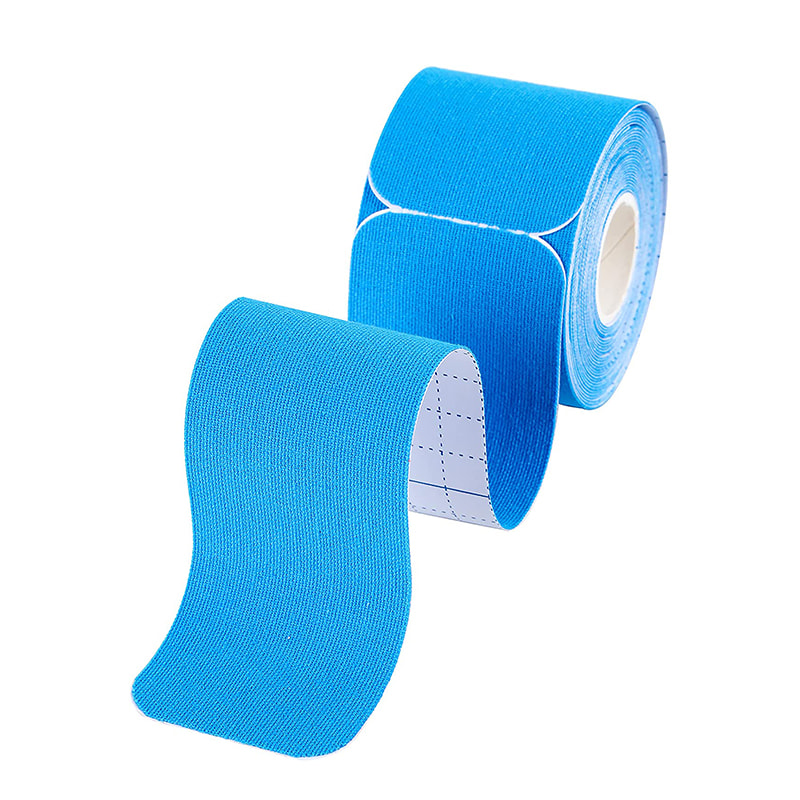
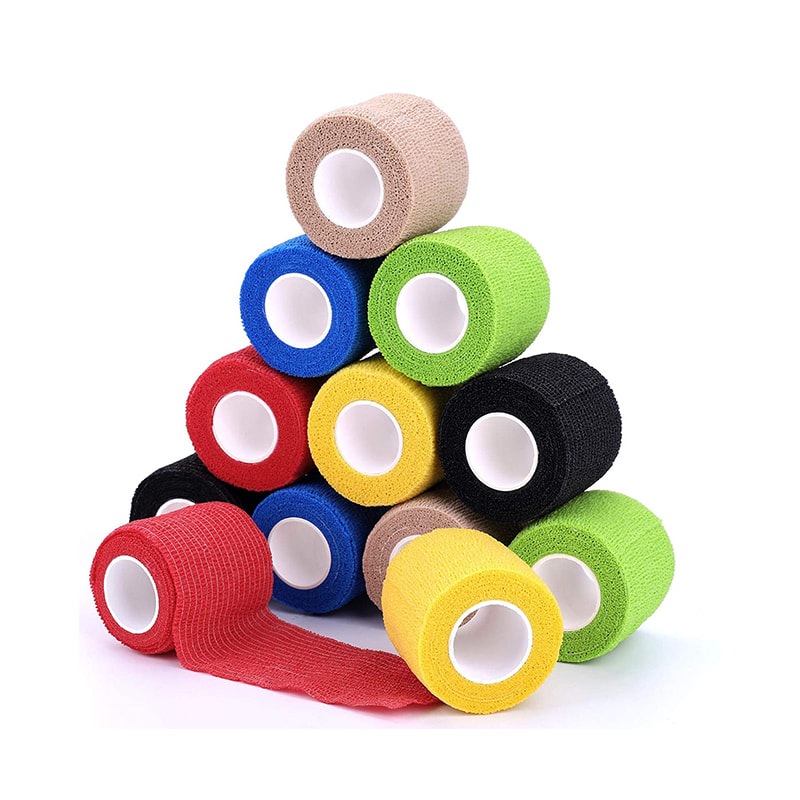
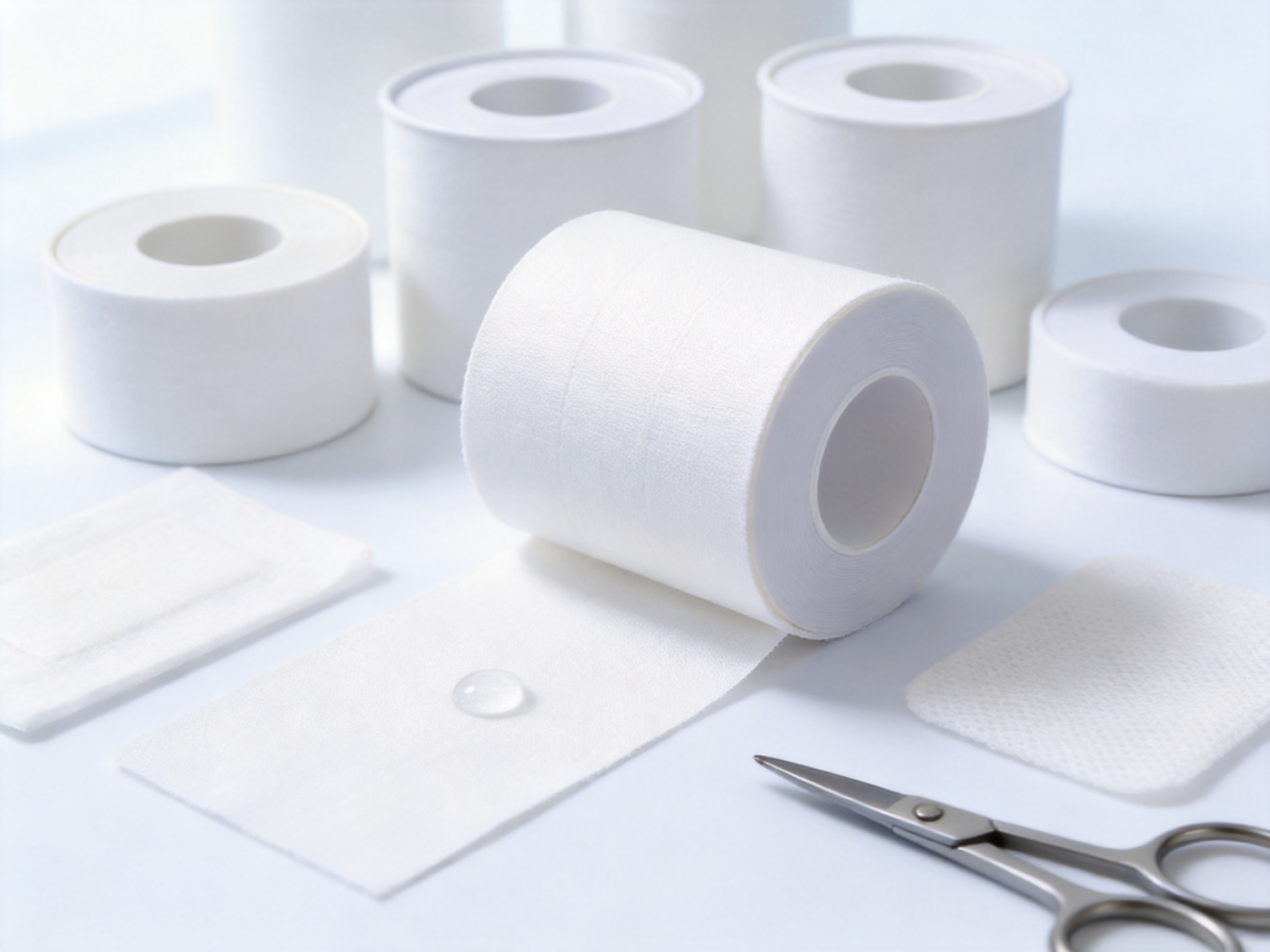
Waterproof adhesive tape is a medical fixation tape made from cotton-composite polyethylene fabric coated with a medical pressure-sensitive adhesive. The tape is slit into rolls and supplied on a plastic or paper inner core, depending on the selected specification. It is generally white and can be provided in bulk rolls, plastic-spool packaging, blister packs, or dispenser formats.
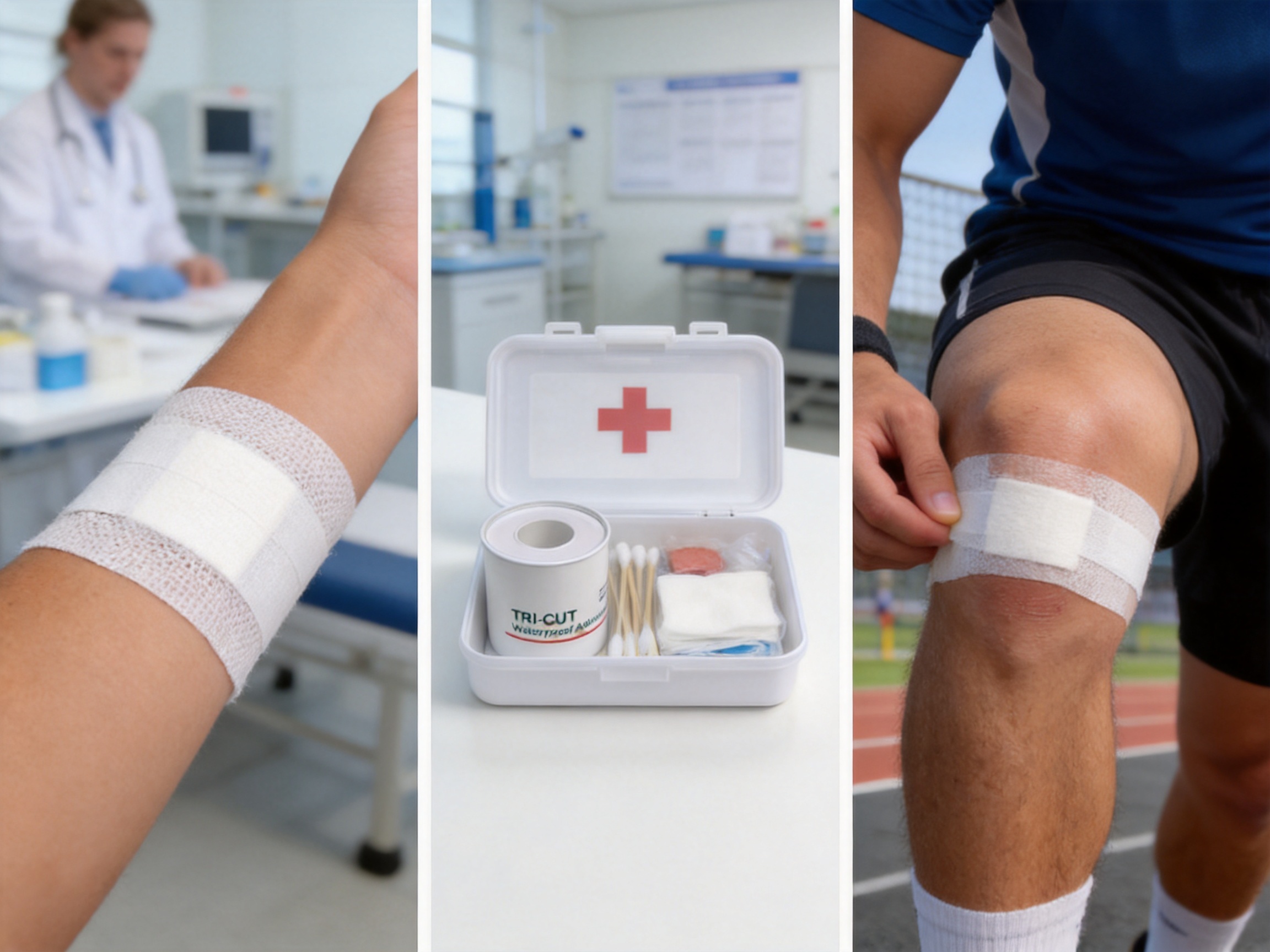
The product is designed to help secure gauze, non-woven dressings, wound pads, tubing, and other medical materials. It may also be used for household first aid, sports support, protective dressing applications, and general healthcare organization. Because the surface of the cloth is coated with a film, the applied tape can offer water-resistant or waterproof protection at the exposed surface when properly placed.
Typical available widths include 1.25 centimeters, 2.5 centimeters, 5 centimeters, 7.5 centimeters, and 10 centimeters. Typical length options include 5 yards, 5 meters, 10 yards, and 10 meters. Other dimensions can be developed according to customer requirements, application needs, packaging programs, and market preferences.
| Item | Specification |
|---|
| Product type | Waterproof medical fixation tape |
| Primary application | Securing dressings, gauze, wound-care materials, and selected medical accessories |
| Carrier material | Cotton-composite polyethylene fabric |
| Color | White |
| Adhesive | Medical pressure-sensitive adhesive |
| Inner core options | Transparent core or paper core |
| Plastic spool options | PP, PS, or ABS |
| Packaging options | Bulk, plastic spool, blister, or dispenser |
| Common widths | 1.25 cm, 2.5 cm, 5 cm, 7.5 cm, and 10 cm |
| Common lengths | 5 yards, 5 meters, 10 yards, and 10 meters |
| Customization | Customized sizes and packaging available |

Anti Water Tape,Waterproof Adhesive Tape
Construction and Material Design
Cotton-Composite Fabric Carrier
The carrier fabric forms the structural foundation of the tape. A cotton-composite construction can provide a familiar textile feel while supporting flexibility and conformability. This is useful when the tape must follow the contours of a finger, arm, leg, foot, shoulder, or other body area. A tape that conforms well is less likely to lift at the edges when applied to a curved or mobile location.
The textile component can also contribute to handling comfort. Compared with a completely rigid film, a fabric-based carrier may be easier to position and adapt during dressing changes. It can be supplied in medical rolls that are convenient for healthcare staff, first-aid personnel, and consumers who need to cut or tear an appropriate length during use.
The composite design combines the useful characteristics of cotton-based fabric with a polyethylene surface layer. The fabric supports flexibility and handling, while the polyethylene coating helps limit the passage of water through the exposed surface. This combination is central to the product’s positioning as an anti-water or waterproof fixation tape.
Polyethylene Surface Coating
The surface film is engineered to provide a barrier against water reaching the underlying dressing or fixation area. When the tape is applied correctly and the edges are pressed down smoothly, the coating can help protect the covered area from splashes and external moisture. This feature is especially useful for users who need a dressing to remain in place during normal daily activity.
Water resistance should not be interpreted as unlimited protection under every condition. Performance depends on the quality of application, the condition of the skin, the amount of movement, the duration of exposure, and whether water enters through an uncovered edge. For this reason, the tape should be applied to clean, dry skin whenever possible, with the edges firmly secured and without excessive tension.
Medical Pressure-Sensitive Adhesive
The adhesive is designed to bond when pressure is applied. This allows the user to position the tape and then activate the adhesive by smoothing it firmly onto the skin, dressing, or other compatible surface. A pressure-sensitive system is practical in healthcare environments because it does not require heat, solvent activation, or additional equipment during routine application.
Adhesive performance is affected by skin oils, perspiration, lotions, moisture, dust, and hair. Proper preparation is therefore essential. The application surface should be clean and dry, and the tape should be pressed down across the full contact area. The product should not be stretched unnecessarily because excessive tension may cause discomfort, edge lifting, or skin stress during movement.
A well-balanced medical adhesive must provide sufficient holding power while remaining suitable for routine fixation. In clinical use, the appropriate tape should be selected according to the patient’s skin condition, the type of dressing, the expected wear time, and the professional instructions applicable to the intended procedure.
Key Advantages Over Ordinary Fixation Tape
Improved Moisture Resistance
The most important advantage of this product is its water-resistant surface. Ordinary cloth fixation tape may absorb moisture or become weakened when repeatedly exposed to water. The polyethylene-coated surface of this tape helps reduce that problem by forming a protective outer layer. This can help maintain the integrity of the fixation during brief exposure to splashes, humidity, or perspiration.
For users, this means fewer interruptions caused by damp tape and a lower risk that a dressing will loosen simply because the outer surface encountered moisture. For healthcare distributors and retailers, the water-resistant feature creates a clear product distinction from standard porous fixation tapes.
Flexible Conformability
The cotton-composite carrier is flexible enough to follow body contours and accommodate ordinary movement. This is valuable for dressings placed on joints, limbs, hands, feet, and other areas where a flat, rigid strip may not perform well. Flexible fixation can improve comfort and reduce the likelihood of premature lifting caused by bending or stretching of the body.
Conformability also supports more efficient dressing application. Medical staff can cut an appropriate length, position it over the dressing, and smooth it into place without requiring complicated procedures. The tape can be used in narrow strips for small dressings or in wider formats for larger wound-care materials.
Broad Size Availability
The range of widths and lengths supports multiple applications. A narrow 1.25-centimeter roll may be suitable for small dressings, fingers, tubing stabilization, or compact first-aid kits. A 2.5-centimeter roll can serve general dressing fixation. Wider 5-centimeter, 7.5-centimeter, and 10-centimeter options can be used where a larger contact area is needed.
Multiple length choices also help customers control inventory and retail positioning. Shorter rolls may be appropriate for household kits, travel packs, or individual retail units, while longer rolls can support hospitals, clinics, first-aid distributors, and high-volume institutional use.
Practical Dispensing Options
The tape can be supplied in bulk packaging, on a plastic spool, in blister packaging, or with a dispenser. A bulk format can be useful for professional purchasers seeking efficient volume supply. A spool can support organized storage and controlled unwinding. Blister packaging can provide a clean retail presentation, while a dispenser can improve convenience in clinical stations, first-aid cabinets, and work environments.
Packaging flexibility is also an advantage for private-label and original equipment manufacturing programs. Buyers can select packaging based on their sales channels, regulatory expectations, branding strategy, and logistics requirements. Customized packaging may include different quantities, labels, instructions, barcodes, carton configurations, and language versions, subject to technical review and production confirmation.
Simple Product Identification
The white color and recognizable roll format make the tape easy to identify in a medical supply cabinet. A consistent appearance can simplify stock management and help healthcare workers quickly distinguish the product from colored sports tapes, elastic bandages, cohesive wraps, or non-medical industrial adhesive products.
Applications in Wound Care and First Aid
Securing Gauze and Wound Dressings
One of the primary uses of waterproof adhesive tape is securing gauze pads, cotton dressings, non-woven swabs, and wound-covering materials. The tape can be applied around the edges of the dressing to help keep it positioned over the affected area. The correct application method depends on the wound, the dressing design, and the advice of a qualified healthcare professional.
For minor first-aid situations, a suitable length can be cut and applied over a clean dressing. The tape should not be placed directly into an open wound unless the product labeling specifically allows such use. It should also not be used as a substitute for wound cleaning, antiseptic management, clinical evaluation, or a purpose-designed wound closure product.
Supporting Dressing Stability During Daily Activity
Daily movement can cause dressing edges to lift, particularly on hands, elbows, knees, ankles, and other mobile areas. A flexible waterproof tape can help stabilize a dressing during routine activity. Its protective outer film is useful when the user may encounter light splashes or perspiration, although the tape should be replaced if it becomes loose, contaminated, saturated, or visibly damaged.
In home-care environments, the product can help caregivers maintain organized dressing changes. In professional environments, it can be kept in first-aid kits, treatment rooms, nursing stations, outpatient clinics, and emergency supply carts.
Fixing Tubing and Medical Accessories
Depending on the clinical protocol and the compatibility of the adhesive with the material involved, medical tape may be used to help stabilize selected tubing or accessories. The tape should never obstruct flow, cover connectors that require access, or replace a dedicated securement device when one is required. The healthcare professional should determine whether the product is appropriate for a particular tube, catheter, line, or device.
First-Aid Kits and Household Healthcare
The compact roll format makes waterproof adhesive tape a practical component of household first-aid kits, travel kits, workplace medical cabinets, school health rooms, and outdoor activity supplies. It can be paired with gauze, wound pads, cotton products, antiseptic wipes, gloves, scissors, and other basic first-aid materials.
For household users, a dispenser or individually presented roll may be easier to use than a large institutional package. For commercial first-aid suppliers, the product can be included in preassembled kits or sold as a separate replacement item.
Applications in Sports Support and Active Lifestyles
Sports participants often need fixation materials that can cope with movement and perspiration. Waterproof adhesive tape may be used to help hold protective dressings, cover minor abrasions, or secure selected sports-support materials. Its flexible carrier can be useful in areas that move repeatedly, while the surface coating can help resist light moisture from perspiration or environmental exposure.
The product should be distinguished from specialized athletic strapping tape, kinesiology tape, cohesive bandages, and elastic adhesive bandages. Each product has a different construction and intended purpose. Waterproof fixation tape is primarily intended to secure or protect dressings and related materials, not to provide comprehensive joint immobilization or therapeutic athletic support.
Sports retailers can position the product as a practical first-aid and dressing-fixation accessory. It can be included in team medical kits, gym first-aid stations, hiking packs, cycling supplies, swimming-related care kits, and workplace safety cabinets. Its availability in several widths supports different packaging concepts and use scenarios.
Manufacturing Process
Raw Material Selection
Consistent performance begins with controlled material selection. The cotton-composite fabric, polyethylene coating, adhesive components, inner cores, plastic spools, and packaging materials must be evaluated for suitability before entering production. Material specifications should address dimensions, appearance, surface condition, bonding performance, and compatibility with the intended medical application.
A professional medical consumables manufacturer uses documented purchasing and receiving procedures to help maintain consistency among production batches. Incoming materials may be checked against approved specifications, purchase requirements, samples, and inspection records. Materials that do not meet the required criteria should be identified and controlled rather than released directly to production.
Fabric Preparation
The carrier fabric is prepared for coating and converting. This may involve checking the roll width, surface cleanliness, uniformity, and mechanical condition. Any significant defects can affect coating quality, adhesive bonding, appearance, or the final roll structure.
Fabric preparation is especially important for a composite product because the textile carrier and polyethylene layer must work together. The finished surface should be sufficiently uniform to support consistent film application and reliable conversion into narrow rolls.
Film Coating
The polyethylene film or coating is applied to the fabric surface under controlled manufacturing conditions. Coating uniformity is a key quality factor because thin spots, wrinkles, pinholes, or incomplete coverage could reduce water resistance. The process must also maintain the flexibility of the carrier rather than producing a surface that is excessively stiff or brittle.
Production personnel may monitor coating appearance, line speed, material tension, temperature conditions, and other process variables. The exact parameters depend on the equipment, material construction, and product specification. The goal is to create a stable composite structure that can proceed to adhesive coating and roll conversion.
Adhesive Application
The medical pressure-sensitive adhesive is applied to the designated side of the carrier. Coating control is essential. An insufficient adhesive layer may result in poor holding power, while an excessive or uneven layer may create ooze, difficult handling, residue, or inconsistent release.
Uniform adhesive application supports dependable performance across the width and length of the roll. The coated material may undergo drying, curing, or conditioning steps appropriate to the adhesive system. During this stage, the manufacturer should control process conditions and protect the adhesive surface from dust and contamination.
Slitting and Rewinding
After coating and conditioning, the master roll is converted into smaller rolls. Slitting equipment divides the material into the required widths, such as 1.25 centimeters, 2.5 centimeters, 5 centimeters, 7.5 centimeters, or 10 centimeters. Accurate slitting helps ensure that the finished rolls are easy to unwind and have clean, consistent edges.
Rewinding tension must also be controlled. Rolls that are too loose may telescope, collapse, or unwind irregularly. Rolls that are too tight may affect the carrier, adhesive, or dispensing performance. Proper winding supports professional appearance, stable storage, and efficient use by healthcare providers and consumers.
Core and Spool Assembly
The finished tape may be wound onto transparent cores or paper cores. Plastic spools can be manufactured from PP, PS, or ABS, depending on the selected product design and packaging requirements. The core or spool should be centered correctly so that the roll rotates smoothly and the tape can be dispensed without excessive drag or lateral movement.
Different core and spool options allow customers to balance cost, appearance, durability, sustainability goals, and dispensing convenience. A transparent core may provide a clean visual presentation, while a paper core may be selected for particular packaging or material preferences. Final selection should be confirmed according to the complete product specification.
Packaging and Labeling
Packaging protects the tape from dust, moisture, mechanical damage, and confusion during storage and distribution. Bulk packaging is often suitable for institutional orders, while blister or dispenser packaging may be appropriate for retail and point-of-use applications.
Labels should clearly identify the product, size, quantity, lot or batch information where applicable, storage conditions, manufacturer or supplier information, and relevant use instructions. Packaging artwork can be adapted for different markets and languages, subject to customer approval and applicable regulatory requirements.
Quality Control and Manufacturing Strengths
Medical tape quality is not determined only by the final appearance of the roll. A comprehensive quality system considers materials, process control, equipment, personnel, documentation, packaging, storage, and customer feedback. The manufacturer described in the supplied company information has a professional quality control team and follows inspection procedures intended to support ISO 13485:2016-aligned medical device quality practices.
Inspection at Multiple Stages
Quality inspection may be performed at incoming material, in-process, and finished-product stages. Incoming checks help confirm that the fabric, film, adhesive, core, spool, and packaging components conform to approved requirements. In-process checks may review coating consistency, roll dimensions, slitting quality, winding condition, and visual appearance.
Finished-product checks can include width, length, roll condition, adhesion-related performance, surface appearance, packaging integrity, and labeling accuracy. The specific tests applied should correspond to the technical file, customer specification, intended use, and applicable market requirements.
Documented Production Procedures
Documented work instructions help production teams perform repeated tasks consistently. Procedures may cover equipment setup, material identification, coating, slitting, rewinding, packaging, line clearance, inspection sampling, nonconforming product control, and batch release. Proper records support traceability and make it easier to investigate quality questions.
For international customers, documented manufacturing systems can also improve communication. Buyers can review product specifications, inspection arrangements, packaging details, and order requirements using a consistent technical framework. This is particularly valuable for importers, distributors, hospital suppliers, and private-label customers.
Production Experience and Product Range
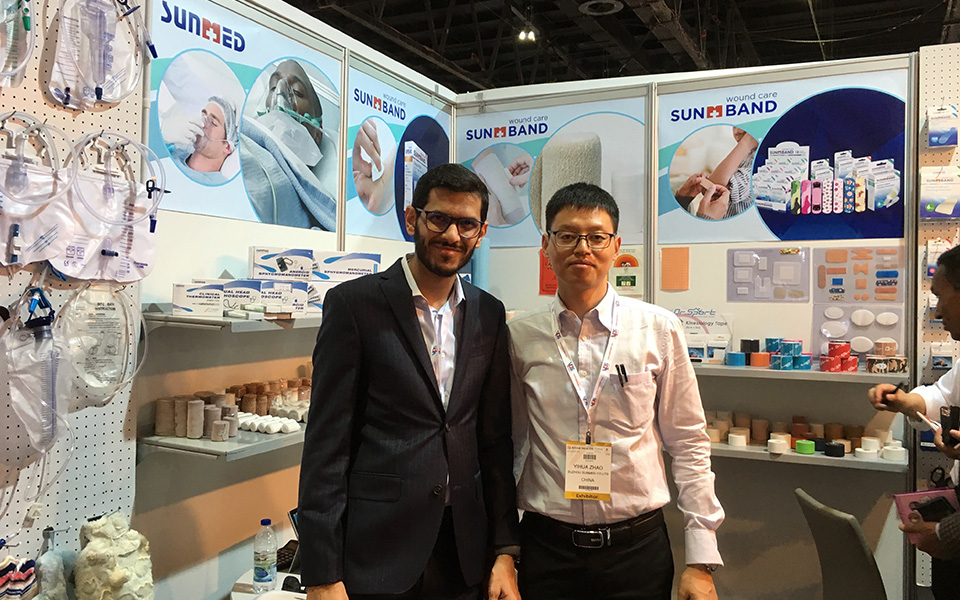
The company information indicates approximately 30 years of experience in medical devices and medical consumables. Its broader product portfolio includes first-aid products, wound dressings, gauze, bandages, medical cotton, non-woven products, sports bandages, kinesiology tape, cohesive wraps, elastic adhesive bandages, pill boxes, hot and cold therapy products, syringes, catheters, surgical consumables, and other healthcare items.
This product range can provide practical advantages for buyers seeking a broader sourcing program. A customer may be able to coordinate several related categories with one experienced supplier, simplify communication, consolidate shipments, and develop compatible packaging across a group of first-aid or healthcare products.
Multiple Production Bases
The supplied company information states that the manufacturer operates multiple production bases in Jiangsu, Zhejiang, and Anhui Province. A multi-site manufacturing structure can support production capacity, product specialization, supply continuity, and access to different technical resources. The precise allocation of production should be confirmed for each order and product specification.
For purchasers, production capability is important because medical tape demand may vary by season, tender schedule, retail program, and institutional contract. A supplier with established production resources may be better positioned to support repeat orders, customized packaging, and broader category sourcing than a small trading operation with limited control over manufacturing.
Export and Market Experience
The manufacturer reports exports to more than 60 countries across Europe, Southeast Asia, Africa, and Oceania. Experience with international customers can help a supplier understand the importance of export packaging, product documentation, shipping coordination, market-specific labeling, and communication across time zones.
Its reported customer markets include hospitals, first-aid suppliers, supermarkets, and retail sports shops. These channels have different expectations. Hospitals may focus on technical specifications, documentation, consistency, and supply continuity. Retailers may prioritize packaging appearance, barcode management, shelf presentation, and consumer-friendly sizes. Sports shops may require durable, convenient, and clearly differentiated products.
Customization and OEM Supply
Customized sizes and packaging are available for this waterproof adhesive tape. Customization can be valuable when a distributor has a specific market gap, a private-label program, or a first-aid kit configuration that requires nonstandard roll dimensions.
Size Customization
Customers may discuss alternative widths, lengths, roll diameters, core dimensions, and winding formats. A customized size should be evaluated in relation to production equipment, material yield, packaging dimensions, dispensing requirements, and minimum order quantities. A technical sample or preproduction approval can help confirm that the selected format is practical.
Packaging Customization
Packaging options may include bulk cartons, individual boxes, blister packs, dispenser packs, multi-roll retail sets, and inclusion in complete first-aid kits. Customers can also discuss the number of rolls per inner box, the number of inner boxes per carton, carton markings, pallet arrangements, and shipping protection.
Private-label packaging should be reviewed carefully before production. Important details include product name, size, material information, directions for use, warnings, storage conditions, lot identification, country-of-origin requirements, barcodes, language versions, and any market-specific symbols or claims.
Product Development Support
An experienced supplier can help customers compare carrier materials, adhesive characteristics, spool designs, roll dimensions, and packaging formats. Product development should be based on the intended use rather than on appearance alone. A tape intended for household first aid may require different packaging and roll length from a tape intended for hospital dressing rooms or sports retail channels.
Customers should provide clear information about the target market, application, expected wear conditions, packaging channel, order forecast, and required documentation. This allows the manufacturer to recommend a more suitable configuration and reduce the risk of later changes.
Application Guidance
Preparing the Application Area
Before applying the tape, clean and dry the surrounding skin or compatible surface as appropriate for the situation. Oils, creams, sweat, water, dust, and loose fibers can reduce adhesion. If the tape is being used to secure a dressing, the dressing should already be positioned correctly and should cover the wound according to appropriate medical practice.
Cutting the Required Length
Cut or tear a length that provides adequate overlap on the dressing or material being secured. Excessively short pieces may lift at the edges, while unnecessarily long pieces may waste material and increase the amount of adhesive contacting the skin. A dispenser can make length control easier in clinical and first-aid environments.
Applying Without Excessive Stretch
Place the tape smoothly without pulling it tightly. Excessive tension can cause discomfort, restrict normal movement, or place unnecessary stress on the skin. Press the tape down across its entire surface, paying particular attention to the edges. Smooth application reduces air gaps and supports more reliable contact.
Monitoring During Use
Check the dressing and tape periodically, especially after heavy perspiration, water exposure, exercise, or significant movement. Replace the tape if it becomes loose, wet underneath, dirty, damaged, or unsuitable for continued use. If irritation, redness, swelling, pain, or other concerning symptoms appear, remove the tape when appropriate and seek professional medical advice.
The product should be stored in a clean, dry environment away from excessive heat, direct sunlight, and contamination. Storage conditions should follow the product labeling and the supplier’s technical documentation.
Why Professional Buyers Choose This Product
Professional buyers generally evaluate more than price. They need a product that can be supplied consistently, presented clearly, customized when necessary, and supported by a manufacturer with an established quality system. This waterproof adhesive tape addresses those purchasing priorities through its combination of moisture-resistant construction, flexible fabric backing, medical pressure-sensitive adhesive, multiple sizes, and packaging choices.
The product is also supported by a broader medical consumables manufacturing platform. Buyers can discuss related wound-care, first-aid, sports-support, and healthcare products with a supplier experienced in international trade. This can reduce the complexity of managing multiple vendors, particularly when a distributor is developing a complete medical supplies catalog.
For hospitals and clinics, the key benefits may include practical handling, clear product identification, size selection, and repeat-order potential. For retailers, the benefits may include attractive packaging formats, consumer-friendly rolls, and a clear waterproof positioning. For first-aid kit assemblers, the product can be specified as a compact fixation component that complements gauze and wound dressings.
Competitive Positioning
Waterproof adhesive tape competes with several categories, including ordinary cloth tape, paper medical tape, transparent film dressings, elastic adhesive bandages, cohesive wraps, and specialized sports tapes. Each alternative has its own strengths, but this product occupies a useful middle position between basic fixation and more specialized protective solutions.
Compared with ordinary porous cloth tape, the polyethylene surface can offer improved resistance to water. Compared with a fully transparent film dressing, the cotton-composite carrier may provide a more familiar textile handling experience and can be available in broader roll-width choices. Compared with cohesive wrap, this tape uses an adhesive and is intended to attach to a dressing or compatible surface rather than adhere only to itself.
Compared with rigid strapping tape, the flexible carrier may be more suitable for routine dressing fixation and body contours. Compared with a narrow specialty tape, the range of widths and lengths provides more flexibility for institutional and retail purchasing. The appropriate comparison always depends on the intended application, required wear time, skin sensitivity, and clinical protocol.
Responsible Product Communication
Medical tape should be marketed with accurate and appropriate claims. The term “waterproof” should be supported by the actual construction and validated performance of the product. Marketing materials should explain that application quality, edge sealing, exposure duration, movement, and surface condition influence performance.
Product descriptions should not imply that the tape treats disease, closes wounds, prevents infection, or replaces professional medical care unless such claims are specifically supported by the product’s regulatory documentation. Clear communication protects users and helps distributors maintain credibility in professional markets.
Packaging should also make clear whether the tape is sterile or non-sterile. The supplied product information describes the material and packaging but does not establish that the tape is sterile. Buyers requiring sterile products should confirm sterilization status, packaging validation, shelf-life information, and applicable regulatory documentation before placing an order.
Quality, Compliance, and Documentation Considerations
Medical consumable purchasers should request documentation appropriate to their market and intended use. Depending on the destination country and product classification, this may include product specifications, declarations, quality certificates, material information, inspection reports, labeling files, packaging details, and relevant regulatory evidence.
The company information states that the manufacturer’s quality control team follows procedures aligned with ISO 13485:2016 standards and that most products are CE certified. Certification and regulatory status can vary by product, model, market, and current regulatory framework. Buyers should verify the exact documentation applicable to this waterproof adhesive tape rather than assuming that certificates for one product automatically apply to every product in the portfolio.
Customers should also confirm shelf life, storage requirements, lot traceability, sample approval procedures, change-control practices, complaint handling, and after-sales communication. These details are important for hospitals, importers, distributors, and private-label customers managing their own quality systems.
Q&A
What is waterproof adhesive tape used for?
It is primarily used to secure gauze, wound dressings, non-woven pads, and selected medical materials. It may also be used in household first aid, sports first-aid kits, clinical supply cabinets, and other healthcare applications where flexible fixation and surface water resistance are useful.
What materials are used in the tape?
The carrier is made from cotton-composite polyethylene fabric, and the tape is coated with a medical pressure-sensitive adhesive. The inner core may be transparent or made from paper. Plastic spool options include PP, PS, and ABS.
Is the tape suitable for wet environments?
The polyethylene-coated surface is designed to provide water-resistant or waterproof protection when the tape is applied correctly. It is not intended to guarantee protection under unlimited immersion, prolonged saturation, or situations where water can enter through an exposed edge. Users should follow the product instructions and replace compromised tape.
What sizes are available?
Common widths are 1.25 centimeters, 2.5 centimeters, 5 centimeters, 7.5 centimeters, and 10 centimeters. Common lengths include 5 yards, 5 meters, 10 yards, and 10 meters. Customized sizes may be discussed with the manufacturer.
Can the tape be supplied with private-label packaging?
Yes. Packaging options include bulk, plastic spool, blister, and dispenser formats, and customized packaging is available. Customers should provide artwork, language, labeling, quantity, barcode, and carton requirements for technical review before production.
Can the tape be used directly on an open wound?
The tape is intended for fixation and should generally be applied to the surrounding skin or over a suitable dressing, not directly into an open wound. Users should follow professional medical advice and the specific product labeling.
Is the product sterile?
The supplied product description does not establish that it is sterile. Buyers requiring sterile tape should confirm sterilization status, packaging, shelf life, and regulatory documentation for the exact product configuration.
How should the tape be applied for better adhesion?
Apply it to a clean, dry surface, avoid excessive stretching, and press it down smoothly across the full contact area. Pay particular attention to the edges, because lifting at an edge can allow moisture to reach the underlying dressing.
What makes this tape different from ordinary medical tape?
Its main distinguishing feature is the polyethylene-coated cotton-composite carrier, which is designed to improve resistance to water on the exposed surface. It also offers multiple width and length choices, flexible packaging formats, and customization support for professional and retail buyers.
Who can purchase this product?
Hospitals, clinics, first-aid suppliers, medical distributors, supermarkets, pharmacies, sports retailers, home-care providers, and first-aid kit manufacturers may all have applications for the product. Order quantities, packaging, and documentation should be discussed according to the buyer’s market.
Purchasing and Supply Recommendations
Before ordering, buyers should define the target application and select the appropriate width and length. They should also decide whether the product will be sold individually, included in a first-aid kit, supplied in a clinical bulk pack, or distributed through a sports or retail channel.
A sample evaluation is recommended for new projects. The evaluation can examine unwinding, tearing or cutting, surface feel, adhesion, edge lifting, water resistance, package appearance, and compatibility with the intended dressing materials. Testing should reflect real use conditions rather than relying only on visual inspection.
For repeat orders, buyers should maintain an approved product specification and packaging file. Any changes in carrier material, adhesive, core, spool, roll dimensions, packaging, or labeling should be reviewed through an appropriate change-control process. This helps protect consistency across purchase cycles.
Conclusion
Waterproof adhesive tape is a practical and versatile medical fixation solution for securing dressings and supporting first-aid care. Its cotton-composite polyethylene fabric provides a flexible carrier, while the coated surface helps resist external moisture. The medical pressure-sensitive adhesive supports convenient application without special activation equipment, and the selection of widths, lengths, cores, spools, and packaging formats allows the product to serve hospitals, clinics, retailers, sports suppliers, and household healthcare markets.
The product’s competitive value comes from the combination of water-resistant construction, flexible handling, broad size availability, and customization potential. Its manufacturing value is strengthened by an established medical consumables supplier with approximately 30 years of industry experience, multiple production bases, international export experience, and documented quality-control practices associated with ISO 13485:2016 requirements.
For professional purchasers, the best results come from matching the tape specification to the intended application, confirming the appropriate documentation, evaluating samples, and defining packaging and labeling requirements in advance. When used correctly and supported by responsible product communication, waterproof adhesive tape can become a dependable component of wound-care, first-aid, sports-support, and general medical supply programs.
References
1. ISO 13485:2016, Medical Devices — Quality Management Systems — Requirements for Regulatory Purposes.
2. General principles of wound dressing fixation and first-aid material selection, clinical nursing and wound-care practice references.
3. Technical information supplied for cotton-composite polyethylene medical fixation tape, including material, size, core, spool, and packaging specifications.
4. Medical device quality-control and process-validation principles for coated textile and adhesive medical consumables.
5. General guidance on pressure-sensitive adhesive performance, skin preparation, dressing fixation, and safe product application.

 English
 Español
 русский
 Français
 Deutsch
 italiano
 By Admin