Many people breathe through their mouths during sleep without realizing it. This habit may be associated with dry mouth, morning throat irritation, unpleasant breath, disturbed sleep, and noisy breathing. For suitable users, anti-snoring sleep tapes can provide a simple physical reminder to keep the lips gently closed and encourage nasal breathing during rest. The Anti Snoring Sleep Tapes Mouth Tape for Sleeping Nasal Breathing product is designed as a lightweight, disposable, and customizable healthcare accessory for personal sleep routines, travel kits, pharmacies, wellness retailers, and professional distribution channels.
Although mouth tape is not a treatment for obstructive sleep apnea or other serious sleep disorders, it can be a useful aid for adults who have already determined that nasal breathing is comfortable and medically appropriate. The product combines a skin-contact adhesive design with soft cotton or non-woven materials, a compact package format, and OEM customization capabilities. Its design is intended to balance secure placement with easy removal, allowing the user to maintain a gentle reminder against habitual mouth opening without relying on bulky equipment.
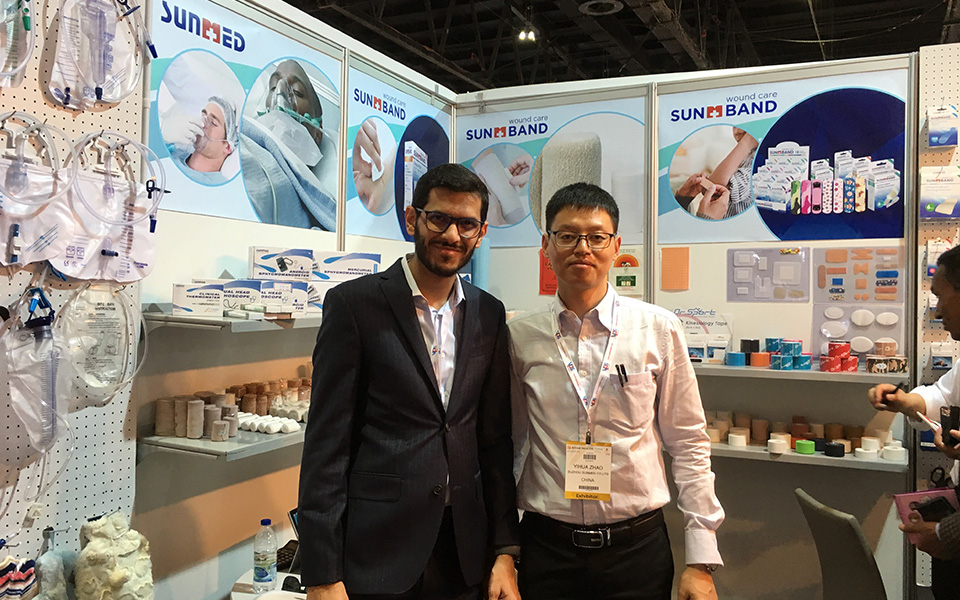
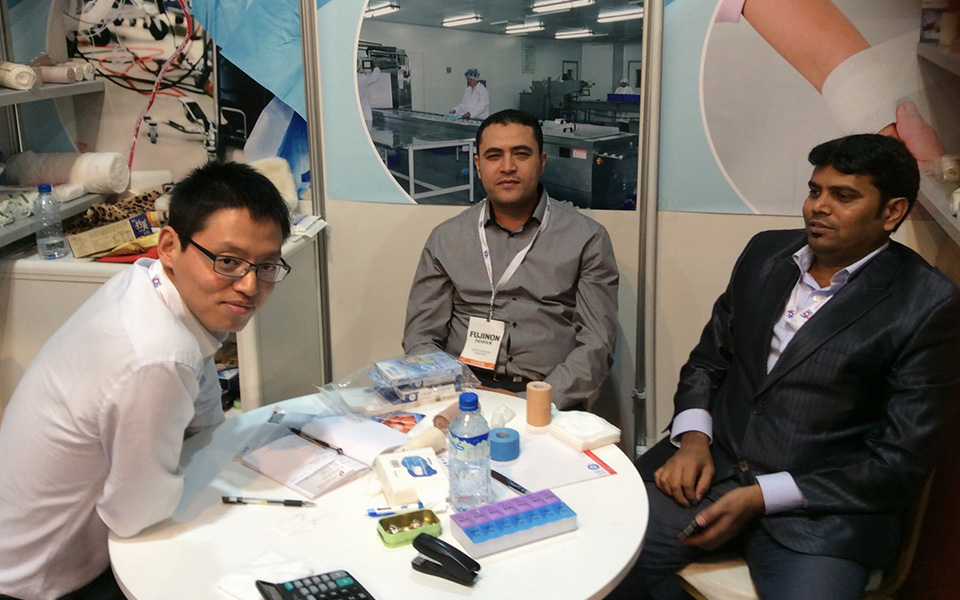
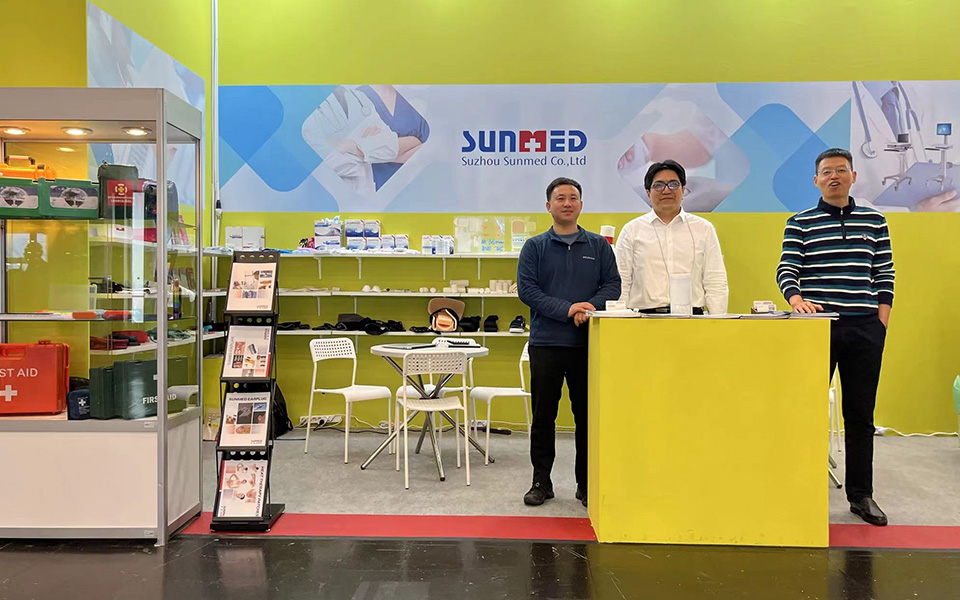
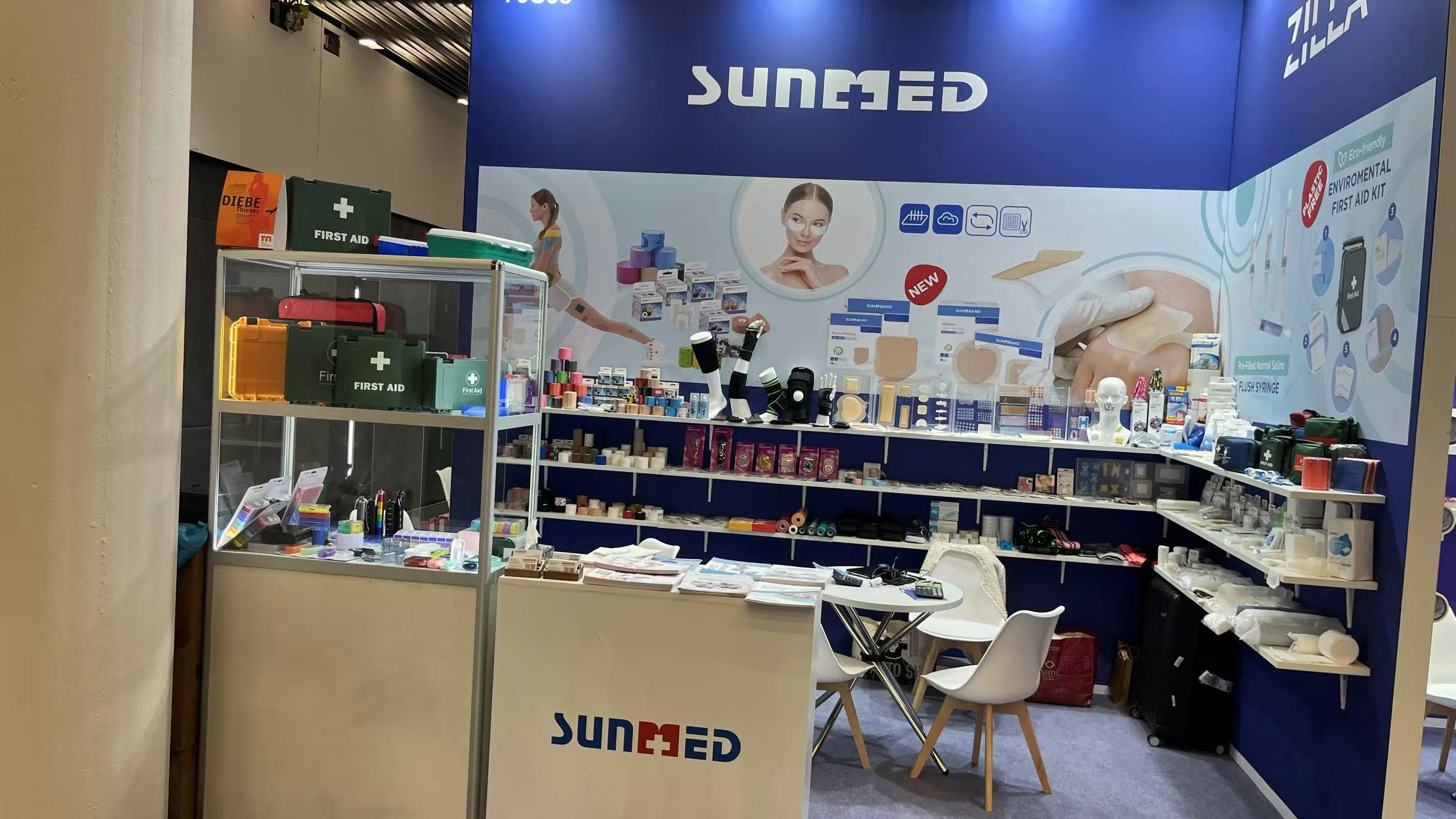
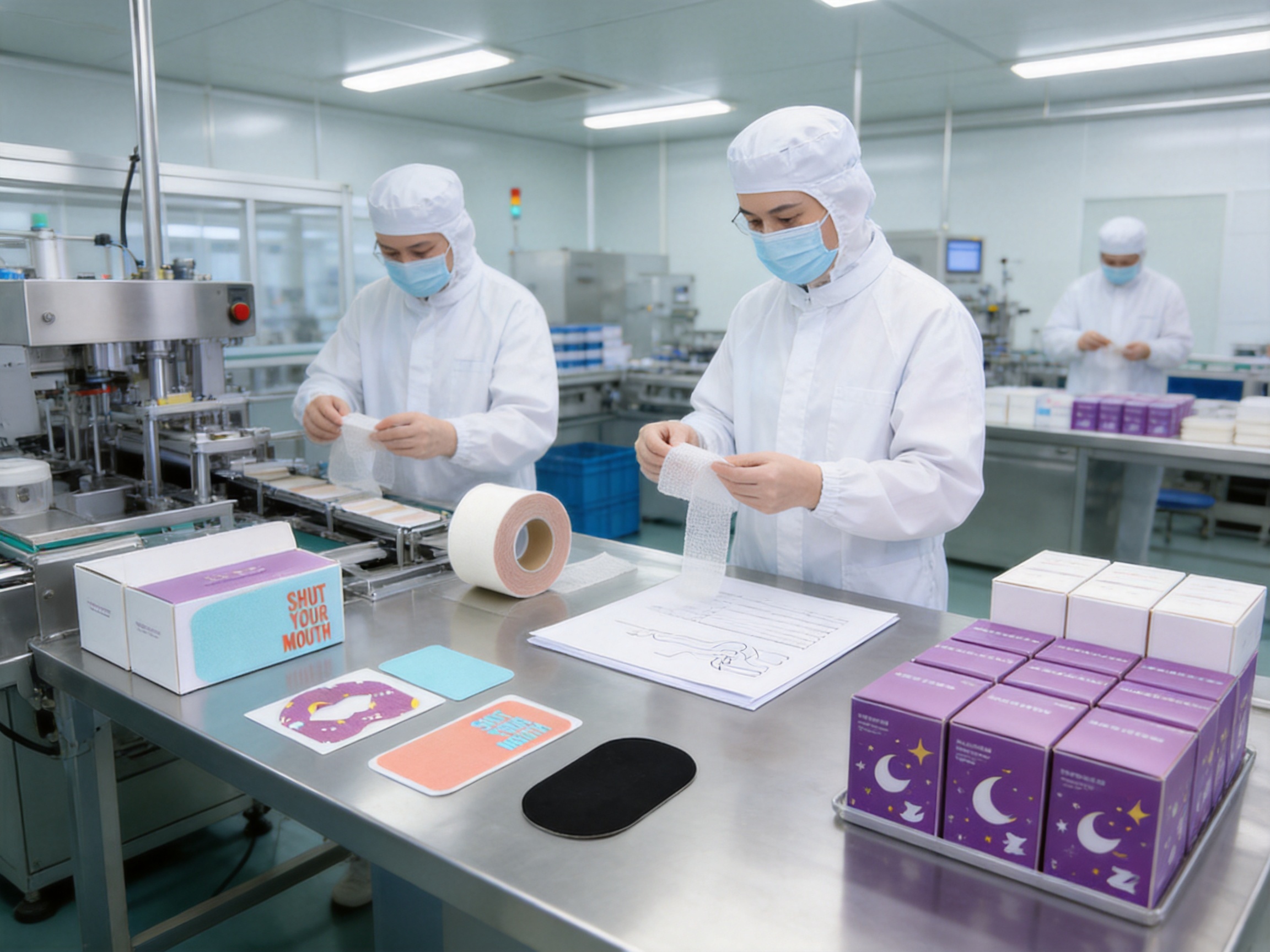
Manufactured by an experienced medical and healthcare product supplier, the sleep tape is supported by established production, quality control, packaging, and customization capabilities. The manufacturer operates production bases in several Chinese provinces and has decades of experience in first aid, wound care, medical tapes, sports supports, family healthcare products, and medical consumables. This broader manufacturing background is important because a sleep tape must be more than a simple adhesive strip. It requires suitable material selection, controlled coating, reliable converting, consistent die cutting, clean packaging, and documented quality procedures.
This article examines the product’s intended use, construction, features, advantages, customization options, manufacturing strengths, quality considerations, commercial applications, and safe-use principles. It also explains why buyers comparing private-label sleep tapes should evaluate the complete supply chain rather than focusing only on unit price.
Product Overview
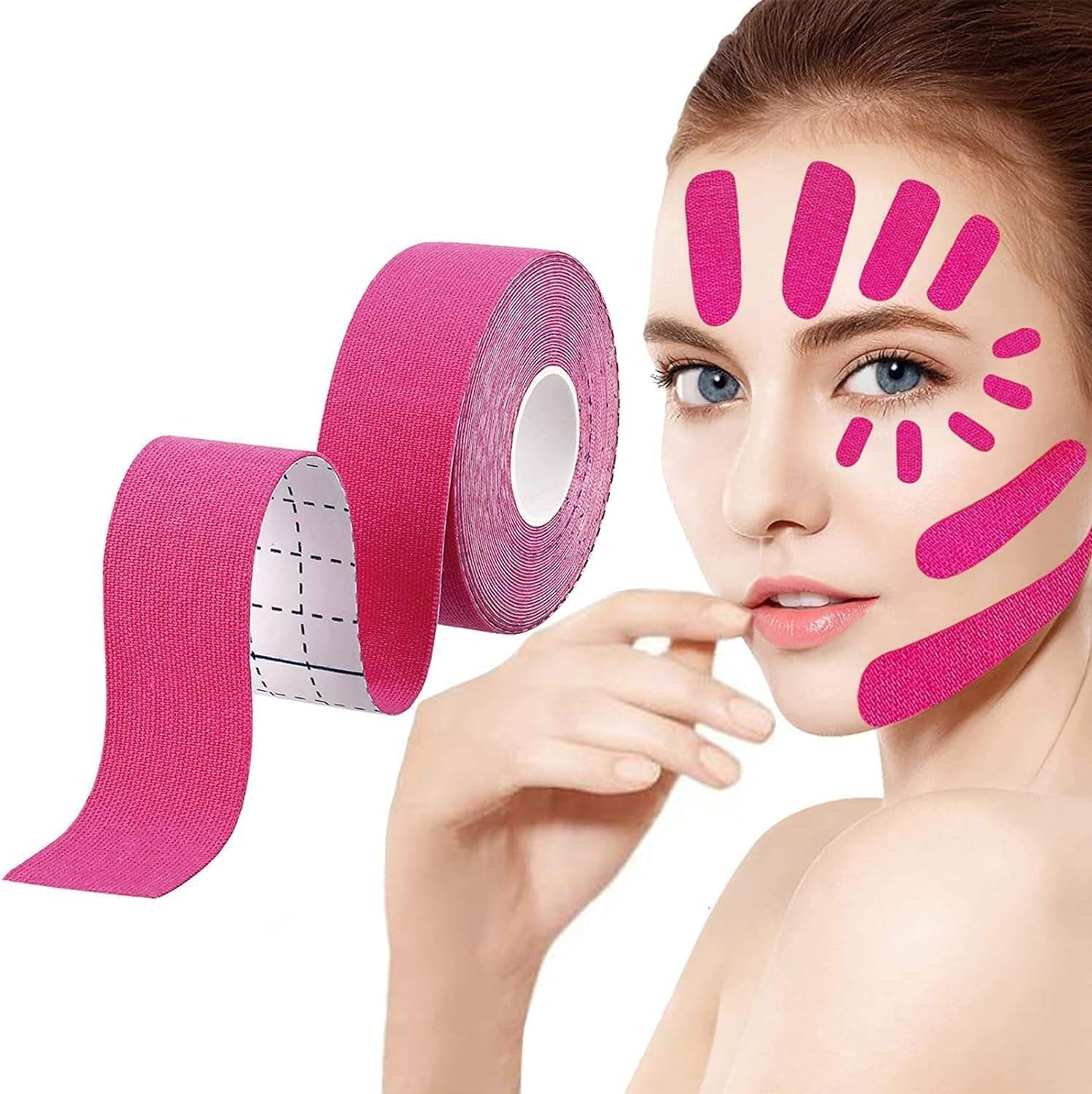
The product is an anti-snoring sleep tape intended to support mouth closure during sleep and promote awareness of nasal breathing. It is listed under the Kinesiology Tape category, although its specific application is different from athletic kinesiology tape. Rather than supporting muscles or joints, this product is designed for the lips and surrounding facial area as a sleep-related breathing aid.
The product model is SMD-96789. It is available for OEM development, and the listed size is OEM, meaning that dimensions, packaging, artwork, and related specifications can be discussed according to the buyer’s requirements. The tape may be produced using cotton, non-woven fabric, or spandex-based material options. The standard fabric information identifies cotton and non-woven material, while the customization section also lists spandex as an available material option.
Available package quantities include 30, 60, or 120 pieces per box. These formats are suitable for different sales channels. A 30-piece box may be convenient for trial purchases or short-term personal use. A 60-piece box can serve as a regular monthly supply, while a 120-piece box may appeal to frequent users, value-oriented retailers, subscription programs, or institutional distributors.
The listed product attributes include flexibility, portability, lightweight construction, breathability, disposability, water resistance, easy cleaning of applicable external packaging surfaces, and eco-friendly positioning. Because the tape is intended for single-use application, the actual adhesive strip should not be washed or reused. Product labels and instructions should clearly distinguish the tape itself from the outer packaging and should provide accurate cleaning and disposal guidance.
The product is identified as unsterile and Class I under the supplied product information, with CE certification listed as a quality certification. Buyers should verify the applicable regulatory status, technical documentation, labeling requirements, and conformity obligations in the destination market before commercial distribution. Regulatory classification and permitted claims can differ between countries and regions.
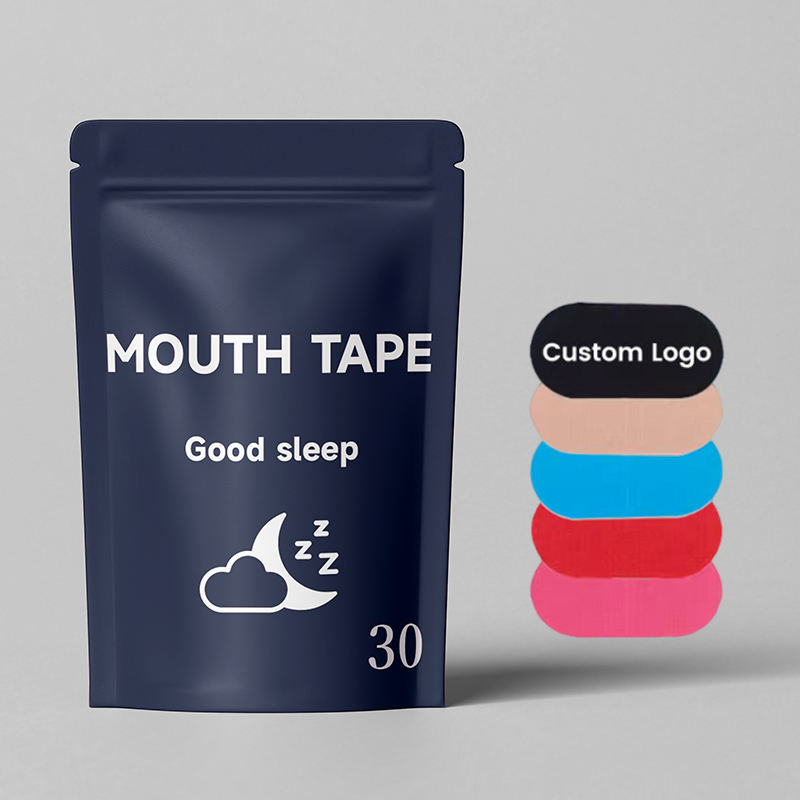
Anti Snoring Sleep Tapes Mouth Tape for Sleeping Nasal Breathing
How Sleep Tape Is Intended to Work
During sleep, some people allow the jaw to relax and the lips to part. Mouth breathing can occur because of habit, temporary congestion, dry air, sleeping position, or other factors. A properly designed sleep tape can act as a gentle external cue that encourages the user to keep the lips together. It does not mechanically force the airway open, remove nasal blockage, or replace clinical treatment.
The basic concept is straightforward. The user applies the tape across the lips or in a vertical configuration over the center of the mouth, depending on the product design and the instructions supplied with the final package. The adhesive should maintain contact during normal movement but should also permit controlled removal in the morning. The backing material should be flexible enough to follow facial movement without creating unnecessary stiffness.
The product is most appropriate for adults who can breathe comfortably through the nose, do not have unexplained breathing difficulties during sleep, and are using the tape as a personal behavioral aid rather than a medical substitute. A user may choose to test the product while awake before using it overnight. This allows the user to evaluate skin comfort, adhesive tolerance, breathing comfort, and removal technique.
Snoring has many possible causes, including nasal congestion, relaxed throat tissues, sleeping position, alcohol consumption, medication effects, enlarged tonsils, anatomical factors, and sleep-related breathing disorders. Therefore, a sleep tape should not be marketed as a universal snoring solution. A responsible product description should use careful language such as “supports mouth closure,” “encourages nasal breathing,” or “helps reduce mouth opening for suitable users.” It should avoid promising that every user will stop snoring.
Users who experience loud habitual snoring, witnessed pauses in breathing, gasping, choking, morning headaches, excessive daytime sleepiness, or concentration problems should seek professional medical advice. These signs may indicate obstructive sleep apnea or another condition requiring assessment. Mouth taping may be unsuitable or unsafe for people with significant nasal obstruction, respiratory disease, vomiting risk, impaired consciousness, severe reflux, facial wounds, adhesive allergies, or other relevant conditions.
Material Options and Skin Contact Design
Cotton and Non-Woven Construction
Cotton and non-woven materials offer different performance characteristics that can be selected according to the target market. Cotton may provide a familiar, soft, textile-like feel and can be suitable for users who prefer a natural-feeling surface. Non-woven material can provide lightweight flexibility, consistent web formation, and efficient converting for high-volume production. The final choice depends on adhesive compatibility, tensile performance, breathability, packaging requirements, and the intended user experience.
For a product used near the mouth, softness and flexibility are particularly important. The tape should conform to the skin without feeling excessively rigid. A smooth surface can help reduce friction during application and removal. At the same time, the material must retain enough dimensional stability to prevent unwanted curling, tearing, or deformation during packing and use.
Optional Spandex-Based Material
Spandex is listed among the customization material options. An elastic component may help the tape accommodate facial movement and differences in lip shape. It can also support a more adaptable fit when the product is designed with an elastic structure. However, elasticity must be controlled carefully. Excessive stretch may create uncomfortable tension or change the way the adhesive contacts the skin. The final design should therefore balance flexibility with low-restraint performance.
Material selection should be supported by documented specifications. Buyers may request information about material composition, basis weight, thickness, elongation, tensile strength, adhesive type, release liner, color, and packaging compatibility. A professional supplier should be able to discuss these parameters during sampling and pre-production approval.
Adhesive Balance
An effective sleep tape requires a carefully balanced adhesive system. If adhesion is too weak, the tape may lift during sleep. If adhesion is too aggressive, removal may cause discomfort, redness, or skin irritation. The optimal performance also depends on facial oils, perspiration, humidity, application pressure, skin preparation, and individual sensitivity.
Adhesive performance should be evaluated through controlled testing rather than judged only by a short manual trial. Typical evaluations may include initial tack, peel adhesion, holding power, aging stability, humidity exposure, and removal behavior. The supplier and buyer should define the intended performance range together because the best adhesive for a dry indoor climate may not be identical to the best choice for hot or humid conditions.
Where appropriate, packaging instructions should advise users to apply the product to clean, dry, intact skin. Creams, oils, and moisturizers can reduce adhesion. The tape should not be applied over cuts, rashes, cold sores, irritated skin, or areas affected by dermatitis. Users should discontinue use if persistent redness, swelling, itching, pain, or other concerning symptoms occur.
Key Advantages Compared with Basic Competitor Products
Lightweight Alternative to Bulky Sleep Accessories
Many sleep-related products are physically noticeable. Chin straps, full-face devices, and certain respiratory accessories may feel cumbersome to some users. A disposable mouth tape is compact, lightweight, and easy to place in a bedside drawer, suitcase, handbag, or first aid cabinet. It does not require batteries, charging, tubing, or complicated assembly.
This compact format creates advantages for both users and distributors. Retailers can display multiple boxes in a small area. E-commerce sellers can offer a practical product with relatively simple fulfillment. Travel-oriented customers can pack a small supply without sacrificing luggage space. Healthcare and wellness distributors can include the product in broader sleep, respiratory comfort, or personal care assortments.
Flexible Material for Facial Comfort
Compared with rigid plastic devices or inflexible adhesive labels, a textile-based tape can provide a softer and more adaptable contact experience. Cotton, non-woven, and optional elastic constructions can be evaluated for comfort, breathability, and conformity. Flexibility is especially valuable because facial movement continues during sleep, even when the user is not consciously aware of it.
The flexible design also supports multiple product variations. Buyers may request different shapes, lengths, widths, center openings, perforations, tabs, or application patterns. These variations can be developed for different user preferences while maintaining the primary objective of supporting gentle mouth closure.
Disposable and Convenient
Single-use construction supports personal hygiene and simplifies the user routine. After use, the tape can be removed and discarded instead of cleaned, dried, and stored. This can be more convenient than reusable products that require regular maintenance. Disposable packaging also allows the manufacturer to control the number of clean, unused pieces in each box.
The product is listed as disposable and unsterile. These characteristics should be communicated clearly. It is not intended to be sterilized by the consumer, and used pieces should not be reapplied. Clear instructions help prevent misuse and reduce confusion between a general personal-care accessory and a sterile medical product.
Portable Packaging Formats
The 30-, 60-, and 120-piece options enable buyers to create a tiered product line. Smaller boxes can support introductory marketing and convenience retail. Larger boxes can provide a lower cost per use and encourage repeat purchase. A buyer may also request individual sachets, multi-pack cartons, retail boxes, or shipping configurations, subject to minimum order quantities and manufacturing feasibility.
OEM and Private-Label Potential
The product is offered with OEM capability and a minimum customization order of 2,000 boxes for listed material customization. The supplier also identifies several levels of customization: minor customization, drawing-based customization, sample-based customization, and full customization. This range is valuable for distributors that do not all require the same level of product development.
Minor customization may include packaging artwork, labeling, color, or standard format adjustments. Drawing-based customization can be used when a buyer provides dimensions, shape files, or technical drawings. Sample-based customization allows the manufacturer to evaluate a physical reference product. Full customization may include material selection, product geometry, adhesive specification, packaging, instructions, and brand presentation.
Compared with suppliers that only offer a fixed catalog item, a manufacturer with several customization levels can help buyers progress from a standard product to a differentiated private-label range. This is particularly useful for retailers seeking a distinct package design, regional language labeling, or a product format matched to a specific consumer group.
Manufacturing Capabilities Supporting the Product
Experience Across Medical Consumables
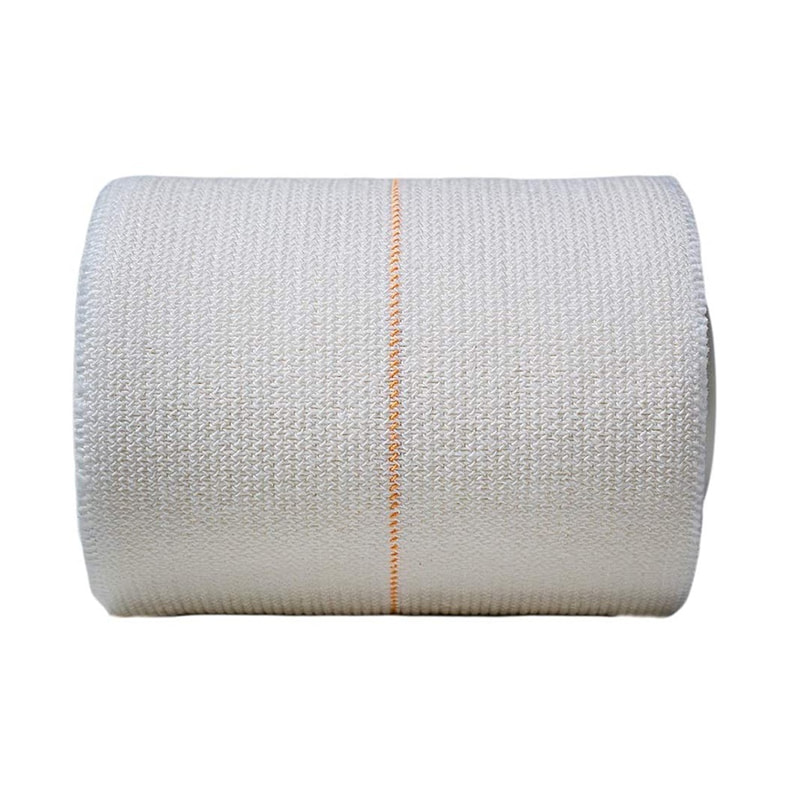
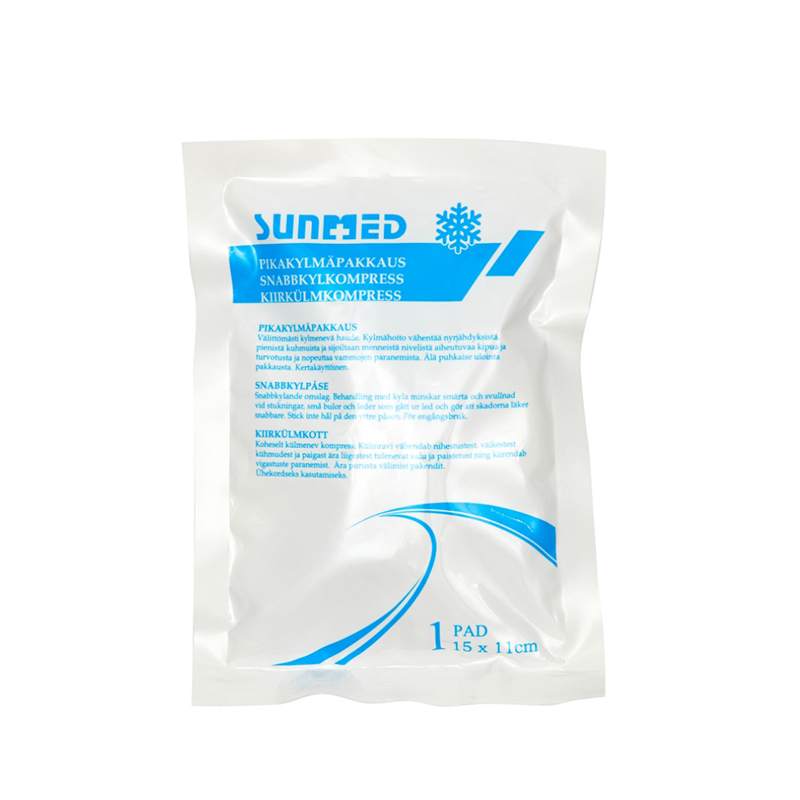
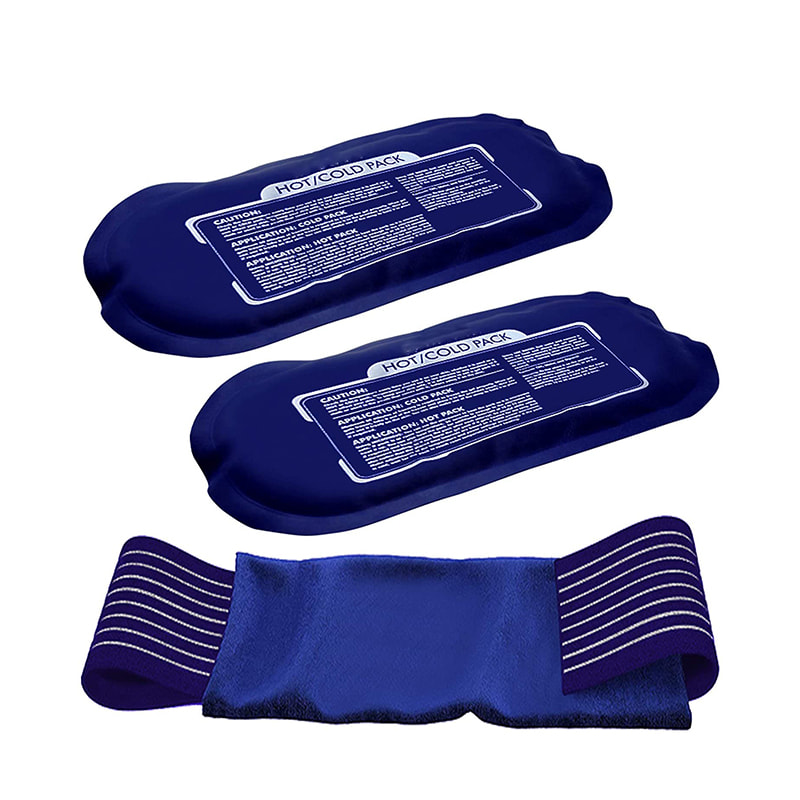
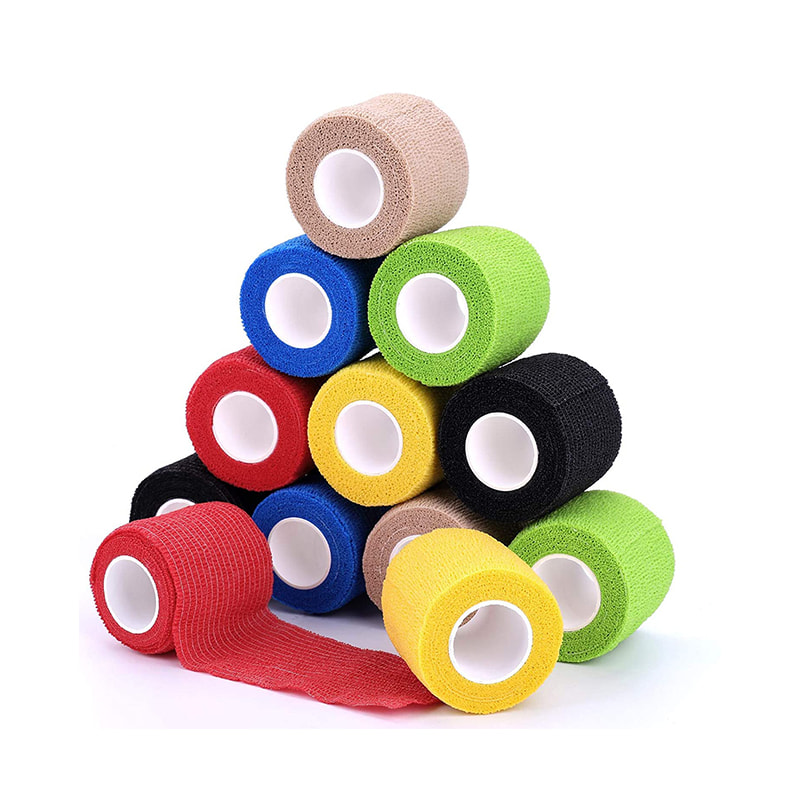
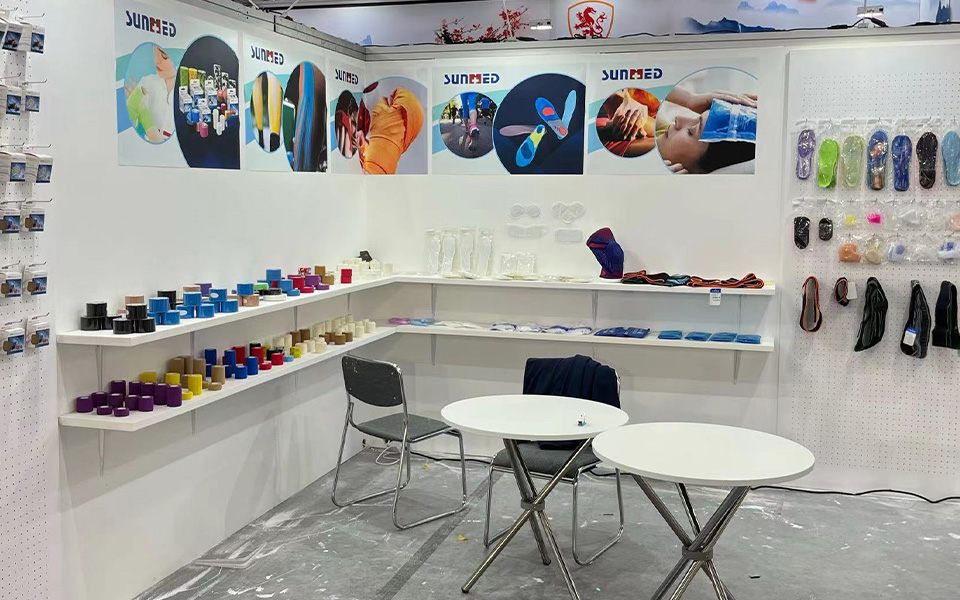
The manufacturer’s product portfolio covers first aid, wound dressings, medical gauze, bandages, medical tapes, medical cotton, non-woven products, sports bandages, kinesiology tape, cohesive wraps, elastic adhesive bandages, hot and cold packs, pill boxes, medical instruments, syringes, catheters, surgical consumables, and other healthcare products. This breadth creates useful technical overlap for sleep tape production.
Experience with medical tapes and wound-care materials can contribute to better control of adhesive coating, backing selection, die cutting, release liners, packaging, and inspection. Experience with sports supports and kinesiology products can also support the development of flexible textile constructions. Although the sleep tape has its own application requirements, related manufacturing knowledge can reduce avoidable development errors.
Multiple Production Bases
The company operates production bases in Jiangsu, Zhejiang, and Anhui Province. Multiple production locations can support broader manufacturing capacity and product specialization. For buyers, this may provide access to different production resources, equipment, labor arrangements, and supply-chain options. It may also support continuity planning when demand changes or when separate product categories require different production environments.
However, buyers should confirm which specific factory will produce the sleep tape, where conversion and final packing will occur, and which quality documents apply to the selected production site. A clear manufacturing specification should identify the production location, approved materials, inspection standards, packaging configuration, and change-control process.
Controlled Converting and Die Cutting
Sleep tape is a converted product. Large rolls of backing material, adhesive-coated substrate, and release liner must be processed into consistent individual pieces. Converting operations may include slitting, laminating, adhesive coating or adhesive-laminate preparation, die cutting, stripping, counting, folding, and packing.
Accurate die cutting is important because inconsistent dimensions can affect placement and comfort. A clean edge helps reduce unnecessary contact with surrounding skin. The individual pieces should be separated reliably from the release liner without excessive tearing or adhesive transfer. Proper tension control during web processing helps prevent wrinkles, skewing, and variation across the roll.
Adhesive and Material Compatibility
The backing, adhesive, release liner, and packaging must function as a complete system. An adhesive that performs well on one substrate may behave differently on another. A release liner that is too difficult to peel can frustrate users, while a liner that releases too easily may lead to exposed adhesive during production or transport.
Manufacturing validation should therefore examine the interaction of all components. Product samples should be stored under suitable conditions and evaluated at defined intervals. Packaging should protect the tape from dust, moisture, excessive heat, and mechanical damage. For international distribution, the supplier and buyer should also consider the likely climate conditions during storage and transportation.
Quality Control Personnel and Inspection Procedures
The company describes a professional quality control team comprising hundreds of personnel and states that its inspection procedures are designed to support ISO 13485:2016 standards. A structured quality system can contribute to traceability, documented inspections, supplier management, process control, nonconformance handling, corrective actions, and customer complaint review.
For this product, quality control may cover incoming raw materials, adhesive-coated rolls, fabric appearance, dimensions, adhesive continuity, release performance, package count, print quality, seal integrity, carton markings, and shipping condition. Depending on the buyer’s requirements and applicable regulations, additional testing may be requested for skin compatibility, microbial limits, chemical properties, aging, or transport stability.
Quality claims should always be matched with current documentation. Buyers should request relevant certificates, declarations, test reports, factory information, technical files where applicable, and product-specific inspection records. Certification of a company or factory does not automatically mean that every product configuration has identical regulatory approval in every destination country.
Product Specifications at a Glance
| Item | Supplied Information | Commercial Consideration |
|---|
| Product type | Anti-snoring sleep tape for mouth closure and nasal breathing support | Market as a support product, not as a guaranteed cure for snoring |
| Model number | SMD-96789 | Use the model number for sampling and documentation control |
| Category | Kinesiology Tape | Confirm the most suitable destination-market product category |
| Material options | Cotton, non-woven, and optional spandex customization | Choose based on comfort, elasticity, breathability, and target price |
| Package quantities | 30, 60, or 120 pieces per box | Supports trial, regular-use, and value-pack formats |
| Certification listed | CE | Verify current product-specific conformity documents |
| Instrument classification | Class I | Confirm classification in the intended market |
| Disinfecting status | Unsterile | Label clearly and do not imply sterile use |
| Shelf life | 3 years | Confirm storage conditions and date-marking requirements |
| Origin | Jiangsu, China | Review factory, packing, and shipping documentation |
| Customization minimum | 2,000 boxes for listed material customization | Confirm quantities for artwork, packaging, and full development |
| Lead time | 30 days for 1–1,000 boxes; larger quantities to be negotiated | Lead time begins after specifications and approvals are finalized |
Packaging, Labeling, and Distribution
The listed single-package size is 25 × 20 × 15 cm, with a single gross weight of 1.0 kg. These figures should be confirmed against the final package configuration because box quantity, inserts, cartons, and labeling may change the shipping dimensions and weight. Accurate packaging data is important for freight quotations, warehouse planning, online marketplace listings, and customs documentation.
Retail packaging should provide enough information for the consumer to make a responsible decision. Recommended content may include the product name, intended use, material information, quantity, lot or batch identification, manufacturing date, expiration date, storage instructions, manufacturer or responsible-party details, disposal guidance, and relevant warnings. Instructions should explain how to apply and remove the tape and should advise users to test a small area if skin sensitivity is a concern.
Safety labeling should state that the product is intended for suitable users who can breathe comfortably through the nose. It should warn against use when nasal breathing is obstructed or when the user has a known allergy to the materials or adhesive. It should also advise users to seek medical guidance for persistent or severe snoring, suspected sleep apnea, or unusual nighttime breathing symptoms.
For international sales, packaging may require multiple languages and country-specific symbols. The supplier can support drawing-based or full customization, but the buyer remains responsible for confirming local legal requirements, permitted claims, importer information, and registration obligations. Artwork approval should occur before mass production, and every language version should be reviewed by a competent translator.
Application Guidance for Suitable Adult Users
Before first overnight use, the user should read the package instructions and inspect the tape. The skin around the mouth should be clean and dry, without oil, cream, shaving irritation, rash, broken skin, or active inflammation. The user should first test the product while awake in a safe environment to confirm that nasal breathing remains comfortable and that the adhesive can be removed without undue discomfort.
The tape should be applied according to the approved design instructions. Some products use a horizontal strip across the lips, while others use a vertical strip that encourages gentle lip contact without covering the entire mouth. The final configuration should be validated by the manufacturer and described clearly on the packaging. Users should never modify the product in a way that creates a breathing hazard.
Removal should be slow and controlled. If the adhesive feels strong, the user may follow the package instructions for loosening the edge. The tape should not be forcibly pulled from irritated skin. Each piece is intended for one use only. Used tape should be discarded, and unused tape should remain sealed and stored in a cool, dry place away from direct sunlight and excessive humidity.
Sleep tape should not be considered a substitute for continuous positive airway pressure, oral appliances, prescribed medication, nasal treatment, surgery, or professional diagnosis. The product’s role is limited to supporting a particular sleep habit for users who are appropriate candidates.
Why Manufacturer Selection Matters
At first glance, sleep tape may appear to be a simple consumer item. In practice, consistent production requires attention to multiple variables. A supplier must source stable raw materials, maintain adhesive uniformity, control roll tension, cut accurate shapes, count pieces correctly, protect the adhesive surface, and pack the finished product without contamination or deformation.
A manufacturer experienced in medical consumables is more likely to understand the importance of traceability and controlled changes. If a fabric supplier changes a backing specification, the adhesive performance may change. If the die shape is adjusted, user comfort and package count may be affected. If the packaging film changes, shelf-life or release behavior may be influenced. A documented quality system helps ensure that these changes are assessed rather than introduced casually.
The supplier’s long experience in first aid, wound dressing, medical tape, cotton products, non-woven materials, sports bandages, and family healthcare products provides a foundation for cross-category product development. The company reports approximately 30 years of industry experience and exports to more than 60 countries, including markets in Europe, Southeast Asia, Africa, and Oceania. International experience can help a supplier understand common expectations concerning packaging, documentation, logistics, and customer communication, although each destination still requires its own regulatory review.
The company established a first aid factory in 2008 and later established a factory for kinesiology tape, cohesive bandages, and elastic adhesive bandages in 2021. These investments indicate a continued focus on adhesive and flexible healthcare products. For sleep tape buyers, relevant capabilities may include textile handling, adhesive product development, private-label packaging, and scalable production.
Customization Opportunities for Different Markets
Consumer Retail
Consumer retail packaging can emphasize simple instructions, comfortable materials, and convenient quantity options. A buyer may request a clean design with icons, multilingual directions, and a clear distinction between the product’s intended support function and medical treatment claims. A 30-piece package may be positioned as an introductory option, while 60- and 120-piece formats can serve repeat users.
Online and Subscription Sales
Online sellers may prefer lightweight boxes with strong product photography, easy-to-understand usage information, and compact shipping dimensions. Subscription businesses can select a regular monthly quantity and use private-label artwork. Consistent replenishment requires reliable batch quality, stable lead times, and packaging that can withstand parcel distribution.
Pharmacy and Healthcare Distribution
Pharmacy buyers may require more detailed technical information, stronger labeling controls, and documentation suitable for local regulatory review. They may also request lot traceability, standardized carton markings, and quality agreements. The product should be presented conservatively, with appropriate warnings and no implication that it diagnoses, prevents, or cures sleep disorders unless such claims are specifically authorized.
Hospitality, Travel, and Wellness Programs
Hotels, airlines, travel retailers, and wellness providers may prefer small individual packs or compact multi-packs. These channels value portability, hygienic presentation, simple instructions, and reliable supply. Custom printed packaging can support a hospitality brand or wellness program, subject to minimum order quantities and artwork approval.
Material and Shape Development
Full customization can include an alternative textile, different adhesive level, a modified shape, a comfort tab, a center ventilation feature, new packaging, or a specific color. Every change should be tested because a design that looks attractive may not perform well on the skin or during sleep. Sampling should evaluate comfort, adhesion, removal, packaging stability, and user comprehension before approval.
Quality and Compliance Questions for Buyers
Before placing a large order, buyers should request a formal quotation and a product specification sheet. The quotation should identify the material, piece count, box format, printing, carton quantity, delivery terms, sample charges, tooling charges if applicable, and lead time. The specification sheet should identify dimensions, tolerances, adhesive details, storage requirements, shelf life, and inspection criteria.
Buyers should ask whether the supplied CE information applies to the exact sleep tape configuration, including the selected material, adhesive, shape, and package design. If the product is sold in a region with specific medical device rules, the buyer should confirm the required responsible party, technical documentation, labeling, post-market responsibilities, and registration process.
Samples should be evaluated by more than one person. Different users have different skin types, facial shapes, sleep habits, and adhesive tolerance. A structured sample review can record application comfort, removal comfort, edge lifting, skin reaction, packaging quality, odor, printed instructions, and overall convenience. Any adverse reaction should be documented and assessed before commercial approval.
Quality acceptance criteria should be agreed before production. Examples include acceptable dimensions, maximum edge defects, piece-count accuracy, print registration, adhesive contamination limits, carton condition, and required batch documents. Clear criteria help reduce disputes and give the factory a measurable production target.
Competitive Positioning
The product can compete effectively in a crowded market when it is positioned around practical benefits rather than exaggerated promises. Its strongest differentiators are flexible material options, lightweight disposable construction, multiple box quantities, OEM development, broad customization support, and access to a manufacturer with experience across adhesive medical and healthcare products.
Some competing products may be sold only in one fixed size or one package quantity. Others may use materials that feel stiff, produce excessive adhesive residue, or lack clear instructions. A well-controlled cotton or non-woven construction can offer an alternative user experience. Optional spandex-based development can support buyers seeking additional flexibility, provided that the final formulation remains comfortable and suitable for the intended application.
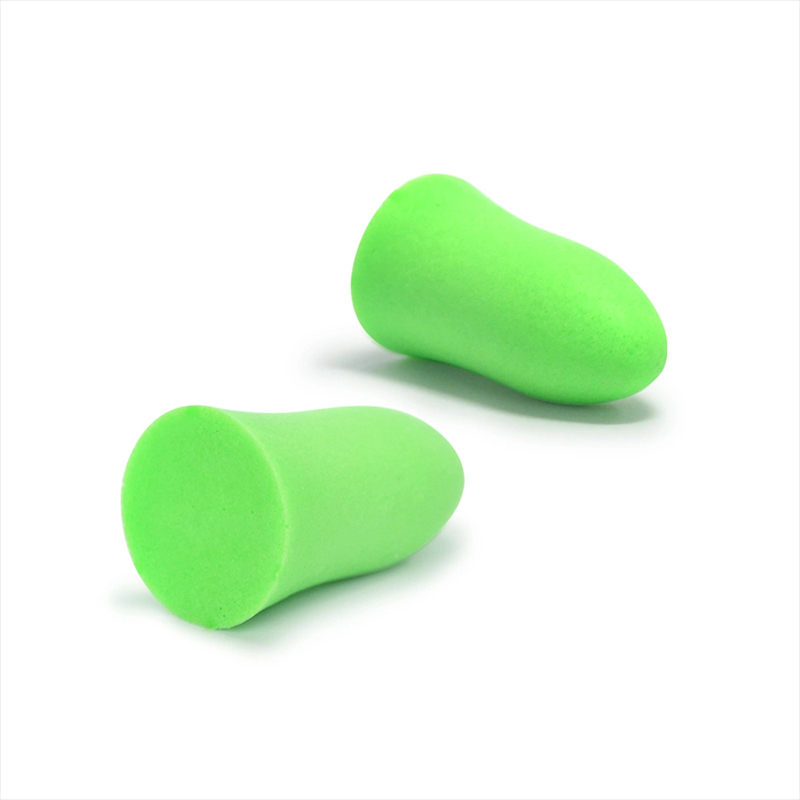
Another advantage is the ability to work with a supplier that handles a broad range of related products. A distributor can potentially combine sleep tapes with first aid products, kinesiology tape, cohesive bandages, hot and cold therapy items, pill boxes, earplugs, foot care products, or other family healthcare goods. This can simplify sourcing and create opportunities for coordinated packaging, consolidated shipments, and broader category development.
Price remains important, but the lowest quoted unit price does not always represent the lowest total cost. Poor dimensional consistency, incorrect counts, weak packaging, late delivery, or regulatory rework can create hidden expenses. A supplier with documented processes, sampling support, scalable production, and responsive communication may provide stronger long-term value even when initial pricing is not the lowest available.

Storage and Shelf-Life Considerations
The listed shelf life is three years. To preserve product performance throughout that period, the tape should be stored in the conditions specified by the final technical documentation. In general, unused products should be kept in their original packaging, protected from direct sunlight, excessive heat, moisture, dust, and strong chemical odors.
Warehouses should use a first-expiring, first-out system and should monitor carton condition. Damaged, opened, wet, or visibly contaminated packages should be isolated for evaluation. Distribution cartons should be selected to protect the individual boxes from crushing and friction during transport.
Long-term stability should be evaluated using the final material, adhesive, liner, and packaging combination. A change in any one of these components may require additional shelf-life assessment. Buyers should also consider transport conditions such as high temperature, low temperature, humidity, vibration, and extended storage in freight facilities.
Environmental and Operational Considerations
The product is lightweight and compact, which can reduce material use and transport volume compared with larger sleep accessories. Disposable products nevertheless create waste, so responsible packaging design is important. Buyers may explore reduced packaging volume, recyclable outer cartons, water-based printing systems, or material choices compatible with local recycling infrastructure where feasible.
Environmental claims should be specific and supported by evidence. If a package is described as recyclable, the relevant component and recycling conditions should be identified. If an adhesive or backing contains a particular fiber content, the composition should be accurately stated. Avoiding broad unsupported claims protects both the buyer and the end consumer.
Production efficiency also contributes to operational sustainability. Accurate die cutting can reduce material waste. Automated or semi-automated counting can reduce packing errors. Standardized box sizes can simplify warehousing. Consolidated procurement across related healthcare products may reduce administrative and transportation inefficiencies.
Commercial Partnership and Lead Time
The listed lead time is approximately 30 days for quantities from 1 to 1,000 boxes, while quantities above 1,000 boxes are subject to negotiation. Actual lead time may depend on material availability, artwork approval, sampling, tooling, order volume, packaging complexity, production scheduling, inspection, and shipping arrangements.
For customized orders, the process generally begins with a requirement review. The buyer provides the target market, material preference, shape, dimensions, package quantity, artwork, language, regulatory expectations, and estimated annual demand. The supplier then evaluates feasibility and prepares samples or drawings. After sample approval, the parties confirm the purchase order, final specifications, packaging files, and inspection requirements.
Production planning should include time for pre-production approval and quality checks. Buyers should avoid treating the nominal manufacturing lead time as the complete delivery period. International logistics, customs processing, local delivery, and regulatory release may add additional time. A realistic launch plan should include contingency time for artwork corrections or sample changes.
For communication and commercial inquiries, the supplied company contact is Suzhou Sunmed Co., Ltd. The listed email is [email protected], and telephone contacts include +86-512-68785855 and +86-13812795048. The supplied office address is 20F-2001, Gold River Center Building, No. 88 Shishan Road, Suzhou, Jiangsu Province, China, 215011. Buyers should confirm current contact details and the correct contracting entity before issuing an order.
Q&A
What is the primary purpose of this sleep tape?
The product is designed to support gentle mouth closure during sleep and encourage nasal breathing for suitable users. It is not a guaranteed anti-snoring treatment and does not diagnose or treat sleep apnea.
Can the tape be used by everyone who snores?
No. Snoring can have many causes, and mouth tape may be unsuitable for people with nasal obstruction, respiratory problems, vomiting risk, facial skin conditions, adhesive sensitivity, or suspected sleep apnea. Users with persistent or severe snoring should consult a qualified healthcare professional.
Is the product sterile?
No. The supplied specification identifies the product as unsterile. Packaging and marketing should not imply sterile use.
What materials are available?
The listed options include cotton, non-woven fabric, and spandex for customization. Cotton and non-woven materials are identified in the product attributes, while spandex is included among the customization options.
What package quantities are offered?
The listed formats are 30, 60, and 120 pieces per box. Buyers should confirm whether all formats are available for the selected material, shape, artwork, and destination market.
Can the product be private labeled?
Yes. The supplier identifies minor customization, drawing-based customization, sample-based customization, and full customization capabilities. Packaging, dimensions, materials, and other details should be confirmed during the development process.
What is the minimum customization order?
The supplied information lists a minimum order of 2,000 boxes for material customization. Minimum quantities may differ for artwork, packaging, tooling, or fully customized designs, so buyers should request a product-specific quotation.
How should a user apply the tape?
The user should follow the approved instructions supplied with the final product. The skin should be clean, dry, and intact. First-time users should test the tape while awake and should remove it immediately if breathing discomfort or significant skin irritation occurs.
Can the tape be washed and reused?
No. The product is disposable and intended for single use. Used pieces should be discarded rather than washed or reapplied.
What is the shelf life?
The listed shelf life is three years. The final shelf-life statement should be confirmed through the approved technical documentation and should be supported by appropriate storage conditions.
Does the supplier provide quality documentation?
The company states that it maintains quality control procedures aligned with ISO 13485:2016 standards and that most products are CE certified. Buyers should request current, product-specific certificates, declarations, test reports, and other documents required for their market.
Where is the product manufactured?
The product information identifies Jiangsu, China as the place of origin. The company reports production bases in Jiangsu, Zhejiang, and Anhui Province. Buyers should confirm the exact manufacturing and packing site for each order.
What makes this product suitable for OEM development?
Its material options, flexible construction, multiple package quantities, and supplier-supported customization levels allow buyers to develop private-label versions for retail, pharmacy, travel, wellness, and online sales channels.
Can the product be sold as a cure for snoring?
Claims should be limited to the product’s supported function, such as assisting mouth closure or encouraging nasal breathing for suitable users. “Cure” claims and broad guarantees should not be used unless specifically supported and legally permitted by the applicable regulatory authority.
Conclusion
The Anti Snoring Sleep Tapes Mouth Tape for Sleeping Nasal Breathing product offers a compact approach to supporting mouth closure during sleep. Its key strengths include lightweight disposable construction, cotton and non-woven material options, potential spandex customization, flexible design, portable packaging, and 30-, 60-, and 120-piece box formats. These characteristics make it suitable for private-label development and a range of consumer healthcare distribution channels.
The product’s competitive value is strengthened by the manufacturer’s broader experience in medical tapes, wound care, sports supports, first aid, family healthcare products, and medical consumables. Multiple production bases, an established quality control organization, OEM development capabilities, and experience serving international markets can support buyers seeking dependable long-term supply rather than a one-time commodity purchase.
Successful commercialization depends on responsible positioning and careful validation. The product should be presented as a breathing-support accessory for suitable users, not as a replacement for professional evaluation or treatment of sleep disorders. Material selection, adhesive performance, skin comfort, packaging, labeling, shelf life, regulatory documentation, and inspection standards should all be confirmed before mass production.
For distributors and brands seeking a customizable sleep tape, the most effective purchasing strategy is to begin with clear specifications, review samples, verify documentation, agree on quality standards, and plan lead time realistically. With those controls in place, this product can serve as a practical addition to a broader portfolio of medical, first aid, sports support, and family healthcare products.
References
1. Supplied product specification for Anti Snoring Sleep Tapes Mouth Tape for Sleeping Nasal Breathing, model SMD-96789.
2. Supplied manufacturer information for Suzhou Sunmed Co., Ltd., including company history, product categories, production locations, export markets, and quality-control capabilities.
3. ISO 13485:2016, Medical devices — Quality management systems — Requirements for regulatory purposes.
4. General principles of medical device labeling, instructions for use, traceability, and post-market quality management.
5. General clinical guidance concerning snoring, nasal breathing, obstructive sleep apnea warning signs, and the importance of professional assessment for persistent sleep-related breathing symptoms.
6. General textile adhesive product-development principles covering backing materials, adhesive compatibility, die cutting, release liners, packaging stability, and storage evaluation.


 English
 Español
 русский
 Français
 Deutsch
 italiano
 By Admin