In any workplace, school, public facility, sports venue, warehouse, workshop, or commercial environment, emergency readiness begins with one essential product: a well-organized first aid kit. The HSE First Aid Kit is designed to provide a practical, accessible, and dependable solution for everyday injuries and urgent first aid situations. It combines sterile dressings, adhesive plasters, eye pads, triangular bandages, antiseptic wipes, gloves, safety pins, and first aid guidance in a durable portable case. For organizations that need a structured first aid solution for 10, 20, or 50 people, this kit offers a balanced combination of usability, compliance awareness, and professional product quality.
The product is developed for users who need more than a random collection of supplies. A first aid kit must be easy to carry, simple to open, organized for fast access, and protected from environmental contamination. The HSE First Aid Kit meets these expectations through a polypropylene box with a carrying handle and internal partitions. This construction helps protect contents from dust and water penetration while allowing users to identify and retrieve the required item quickly during an emergency. In stressful situations, time matters. A clean, organized layout can reduce confusion and support a more effective response.
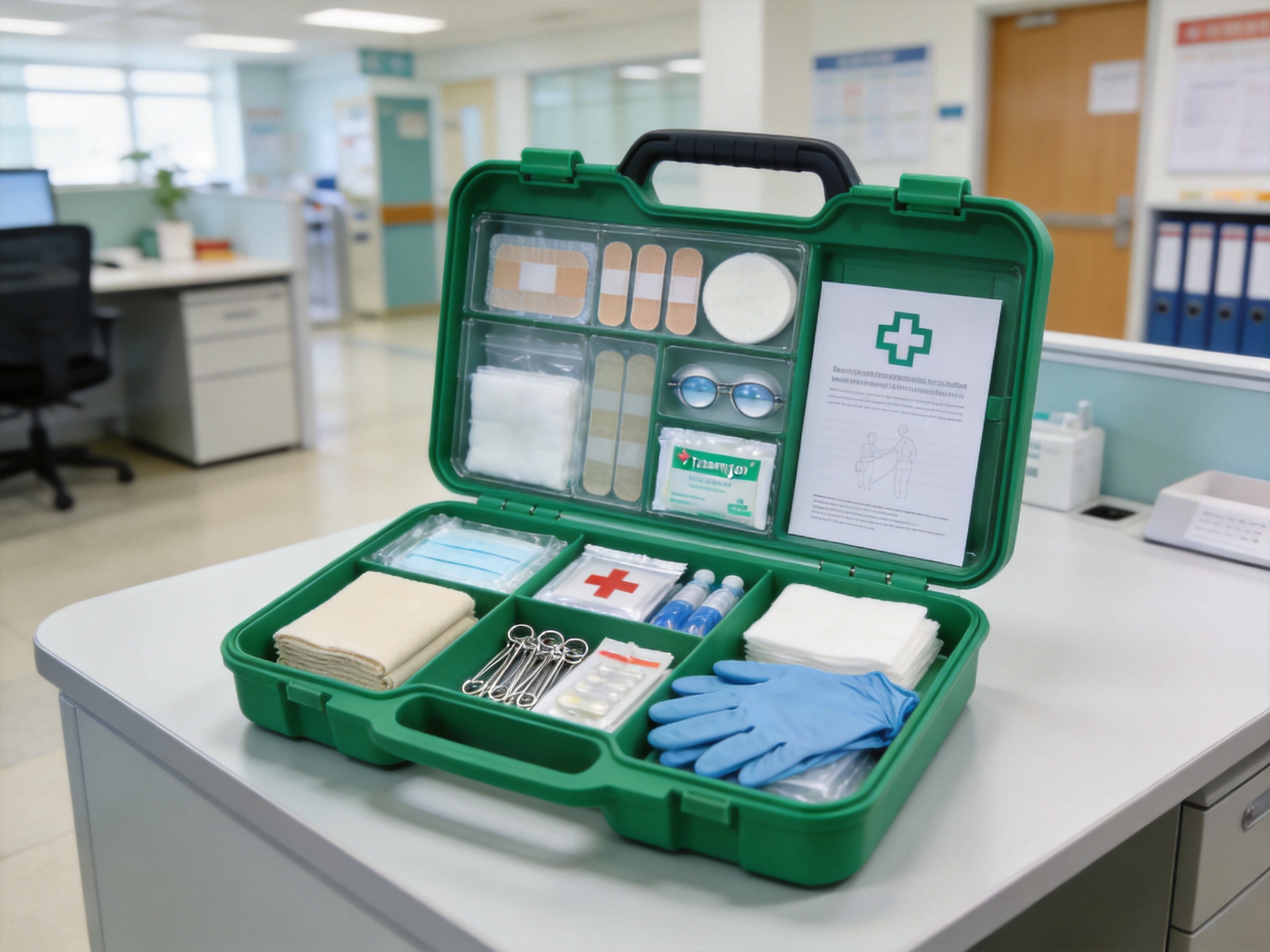
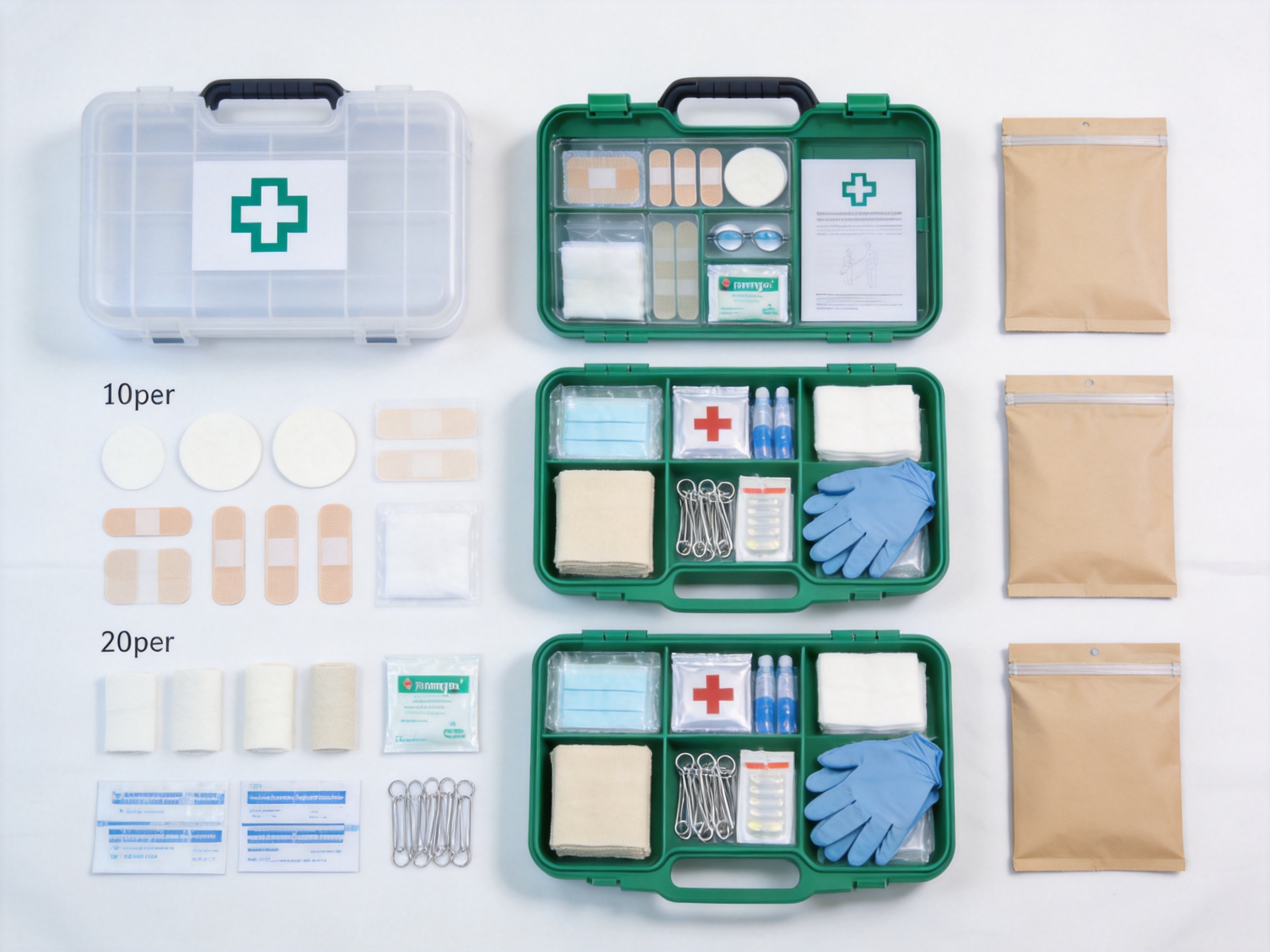
Compared with many ordinary first aid boxes on the market, the HSE First Aid Kit is positioned as a complete, scalable, and professionally assembled workplace first aid solution. It is available in 10-person, 20-person, and 50-person configurations, enabling buyers to choose a kit size that matches the number of people and the risk profile of the location. In addition, refill kits are available with the same contents, supplied in a cardboard box or zip bag. This makes restocking convenient and cost-efficient for organizations that already have plastic boxes and want to maintain preparedness without purchasing a new case each time.
Why a High-Quality HSE First Aid Kit Matters
First aid is often the first line of protection before professional medical assistance arrives. Even minor injuries such as cuts, scrapes, eye irritation, sprains, and small wounds can become more serious if they are not treated promptly and hygienically. A reliable first aid kit supports quick wound protection, bleeding control, infection prevention, and temporary stabilization. In workplaces, it also demonstrates a proactive safety culture and helps employers maintain a more organized response to accidents.
Many low-cost first aid kits appear complete at first glance but may lack the right balance of items. Some contain too many non-essential accessories while missing adequate sterile dressings or sufficient plasters. Others use weak cases that crack easily, have no internal organization, or provide materials that are not well suited for regular workplace use. A professional HSE First Aid Kit avoids these weaknesses by focusing on practical content selection, durable packaging, and easy replenishment.
The value of a first aid kit is not measured only by the number of pieces inside. It is measured by whether the contents are relevant, accessible, protected, and consistent. The HSE First Aid Kit includes items commonly required for immediate response: sterile adhesive plasters for minor cuts, eye pad dressings for eye injuries, triangular bandages for support and immobilization, safety pins for securing bandages, medium and large HSE dressings for wound coverage, antiseptic wipes for cleaning surrounding skin, disposable vinyl gloves for hygiene, and a first aid guidance leaflet for basic instruction.
Product Overview
The HSE First Aid Kit is supplied in a handy polypropylene box fitted with a carrying handle and internal partitions. The case is designed to help protect the medical supplies from dust and water penetration, while the internal divisions help keep items in place. This structure makes the kit suitable for offices, factories, schools, construction support areas, sports clubs, public buildings, vehicles, shops, hotels, warehouses, and general first aid stations.
The product family includes 10-person, 20-person, and 50-person kits. Each version contains the same types of core products but in different quantities according to the expected number of users. This tiered structure simplifies purchasing decisions. A small office may choose a 10-person kit, a medium workplace may choose a 20-person kit, and a larger site may select a 50-person kit or multiple units distributed across different departments.
The refill kit option is another practical advantage. Instead of replacing the entire kit after supplies are used, buyers can order a 10-person, 20-person, or 50-person refill kit with the same contents. These refill kits are supplied in a cardboard box or zip bag, making it easy to repack the supplies into existing plastic cases. This approach helps reduce waste, simplify inventory management, and lower long-term maintenance costs.
Kit Contents and Configuration
The following table summarizes the standard contents of the 10-person, 20-person, and 50-person HSE First Aid Kits.
| Contents |
10 Person Kit |
20 Person Kit |
50 Person Kit |
| Product Code |
SMD-110111 |
SMD-110112 |
SMD-110113 |
| First Aid Guidance Leaflet |
1 |
1 |
1 |
| Adhesive Plasters, Sterile |
20 |
40 |
60 |
| Eye Pad Dressing |
2 |
4 |
6 |
| Triangular Bandages |
4 |
6 |
8 |
| Safety Pins |
6 |
12 |
12 |
| HSE Medium Dressing, 12 × 12 cm |
6 |
9 |
12 |
| HSE Large Dressing, 18 × 18 cm |
2 |
3 |
4 |
| Antiseptic Wipe |
6 |
10 |
20 |
| Disposable Vinyl Gloves, Pair |
1 |
2 |
2 |
This contents structure reflects the needs of common first aid events. Sterile plasters address everyday minor wounds. Dressings provide coverage for larger injuries. Eye pads help protect injured eyes. Triangular bandages can be used for slings, support, and immobilization. Antiseptic wipes support hygiene before dressing wounds. Gloves help protect both the caregiver and the injured person. The guidance leaflet supports users with essential first aid information.
Advantages Over Ordinary First Aid Kits
Practical Selection of Essential Items
One of the strongest advantages of the HSE First Aid Kit is its practical selection of contents. Rather than filling the box with unnecessary items that may never be used, the kit focuses on supplies that are frequently needed in real first aid situations. This helps reduce clutter and makes the kit more efficient. Users can quickly find the item they need without searching through unrelated products.
Some competing first aid kits emphasize piece count as a selling point. However, a high piece count does not always mean better value. A kit with many small, low-use items may still fail to provide enough sterile dressings or bandages for a real incident. The HSE First Aid Kit offers a more balanced approach by including useful quantities of adhesive plasters, dressings, triangular bandages, antiseptic wipes, and gloves. It is designed around function, not just numbers.
Durable Polypropylene Box
The polypropylene box is another important advantage. First aid supplies must remain clean, dry, and organized. A weak cardboard box or poorly designed plastic case may allow dust, moisture, or accidental damage to affect the contents. The HSE First Aid Kit uses a handy polypropylene case that helps protect the supplies from dust and water penetration. It is also easy to carry, making it suitable for both stationary placement and mobile response.
The carrying handle improves portability. When an accident occurs, the first responder may need to bring the kit to the injured person rather than asking the injured person to move. A handled case allows the kit to be transported quickly across a workplace, sports field, warehouse floor, or public facility. The internal partitions also improve organization, reducing the chance that contents will become mixed, crushed, or difficult to locate.
Multiple Kit Sizes
Another competitive strength is the availability of 10-person, 20-person, and 50-person configurations. Different environments have different needs. A small office does not require the same stock level as a busy production facility, and a sports club may require multiple kits in different areas. The three size options allow buyers to select an appropriate configuration without overbuying or understocking.
This scalability is especially useful for distributors, safety officers, purchasing managers, facility administrators, and first aid suppliers. A single product family can cover several customer segments. Retailers can stock multiple options, while organizations can standardize their first aid program around the same kit style in different sizes.
Convenient Refill System
The refill kit option provides a major long-term advantage. Many first aid kits become incomplete after a few incidents because used items are not replaced promptly. Over time, the box may look available but no longer contain the necessary supplies. Refill kits help solve this problem. Users can restock the original box with the correct items and quantities instead of guessing which products to purchase individually.
The refill kits are supplied in a cardboard box or zip bag and include the same contents as the corresponding HSE kit. This simplifies maintenance and supports consistent readiness. It also offers environmental and economic benefits because the durable plastic box can be reused while only the medical consumables are replaced.
Designed for Workplace Safety and Everyday Emergencies
The HSE First Aid Kit is particularly suitable for workplaces because it supports response to the types of injuries that commonly occur during daily operations. In offices, workers may experience paper cuts, minor abrasions, eye irritation, or small wounds. In warehouses and factories, cuts, scrapes, bumps, and minor bleeding can occur during handling, packaging, and maintenance work. In schools and sports facilities, falls and minor injuries are common. A properly stocked first aid kit helps manage these situations quickly.
For a workplace first aid program, accessibility is as important as content. The kit should be placed where it can be reached easily. Employees should know its location. The case should be checked regularly to ensure that products are not expired, damaged, or missing. The availability of structured refill kits makes this maintenance easier and more systematic.
In addition to physical supplies, the inclusion of a first aid guidance leaflet adds practical value. Not every person responding to an emergency is a medical professional. Basic guidance can support calm decision-making and remind users of essential steps. While the leaflet is not a replacement for formal first aid training, it is a helpful component in a complete kit.
Hygiene, Protection, and Infection Control
Infection control is a key principle in first aid. Even small wounds can become contaminated if handled with dirty hands or covered with unsuitable materials. The HSE First Aid Kit includes sterile adhesive plasters and sterile dressings to help protect wounds. Antiseptic wipes can be used to clean the surrounding skin area, and disposable vinyl gloves help reduce direct contact between the caregiver and bodily fluids.
Gloves are especially important in shared workplaces and public environments. They protect the first aider and the injured person by reducing exposure to blood and other contaminants. The inclusion of gloves in all three kit sizes reflects a professional understanding of basic first aid hygiene.
Eye pad dressings also support proper protection for eye-related incidents. Eye injuries require careful handling, and an eye pad can help shield the area until professional care is available. Triangular bandages are versatile and can be used for arm slings, limb support, securing dressings, or immobilizing an injured area. Their multi-purpose nature makes them an essential component of workplace first aid kits.
Manufacturing Strength Behind the Product
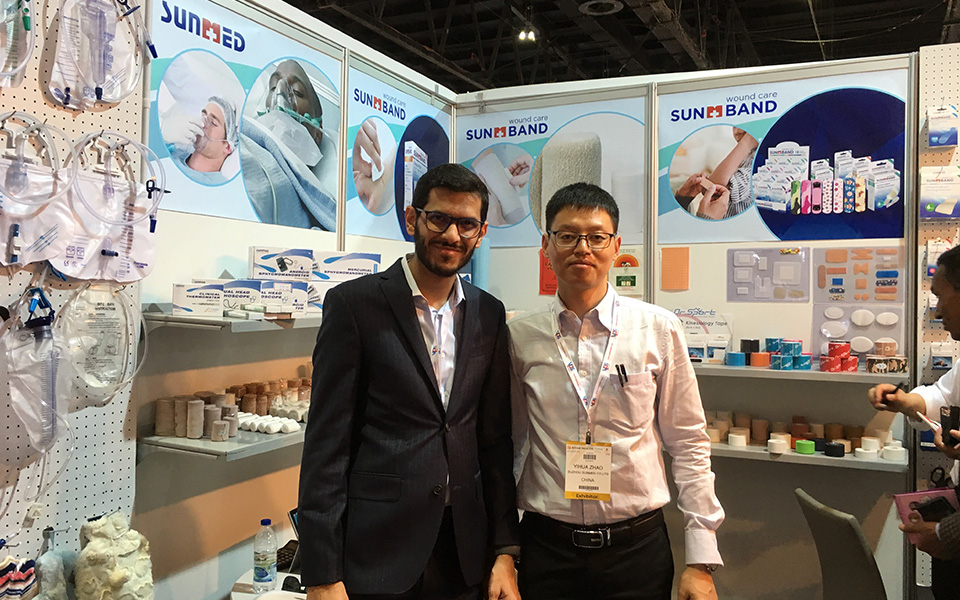
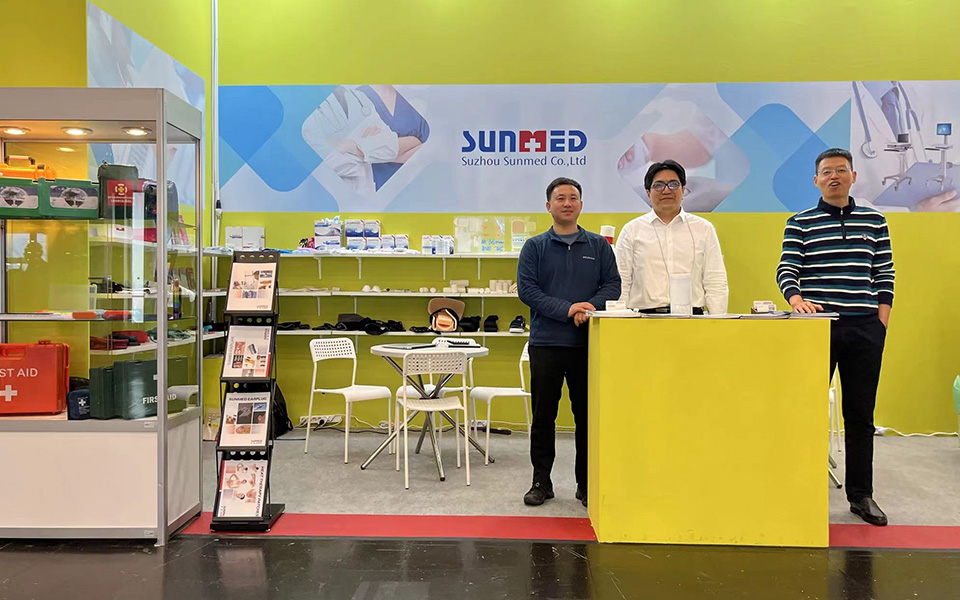
A first aid kit is only as reliable as the manufacturer behind it. Suzhou Sunmed Co., Ltd. is a professional manufacturer and exporter of first aid, medical, and healthcare products in China. The company has around 30 years of experience in the medical device and medical consumables industry. This long-term specialization gives the company a strong understanding of product selection, production control, export requirements, and customer expectations in global medical supply markets.
The company operates multiple production bases in Jiangsu, Zhejiang, and Anhui Province. This manufacturing network supports stable production capacity and flexible supply. For wholesale buyers, distributors, and OEM customers, production stability is essential. A reliable manufacturer must be able to deliver consistent products, manage large orders, and maintain quality across different batches. The company’s multi-base production structure helps meet these requirements.
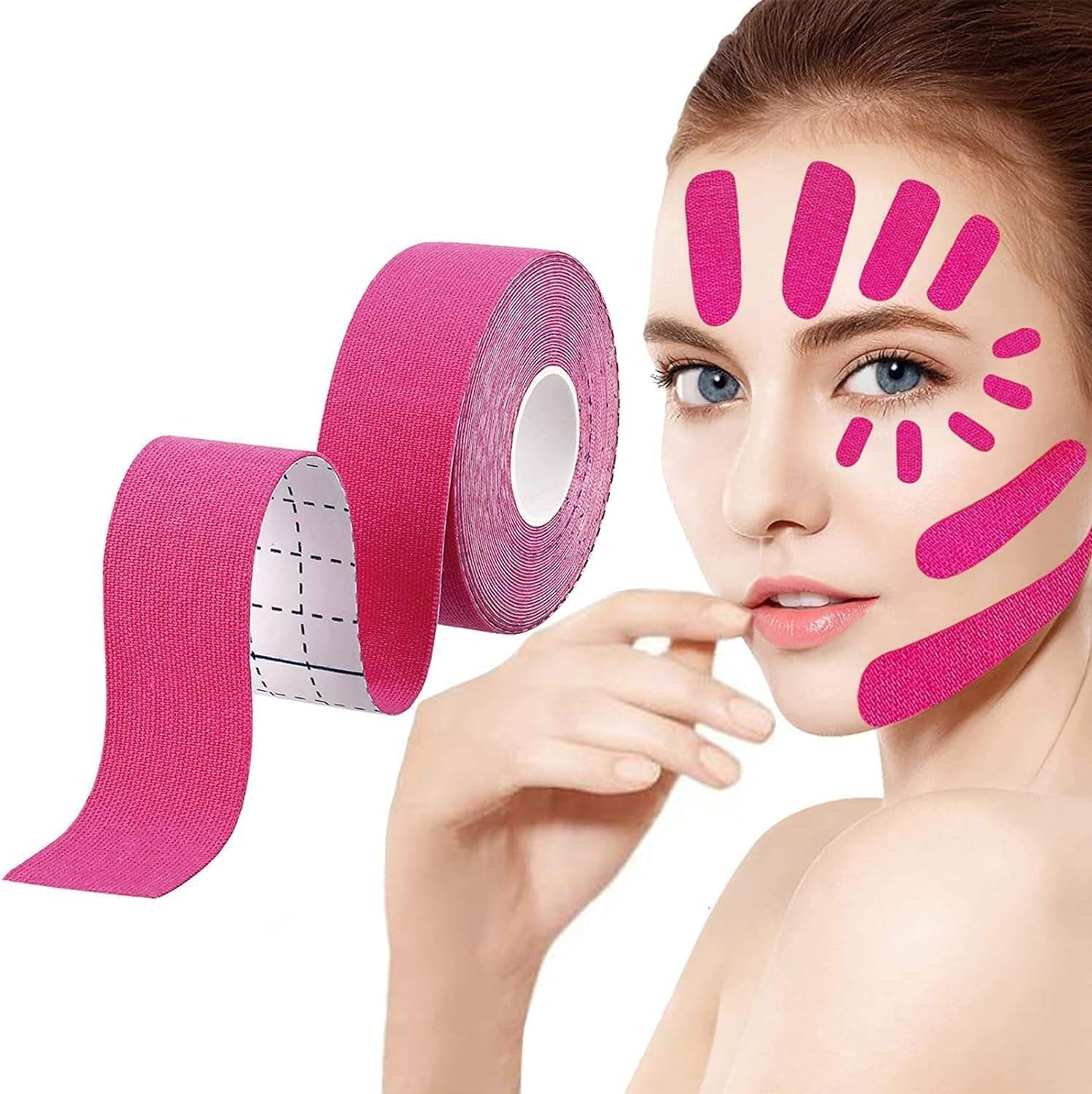
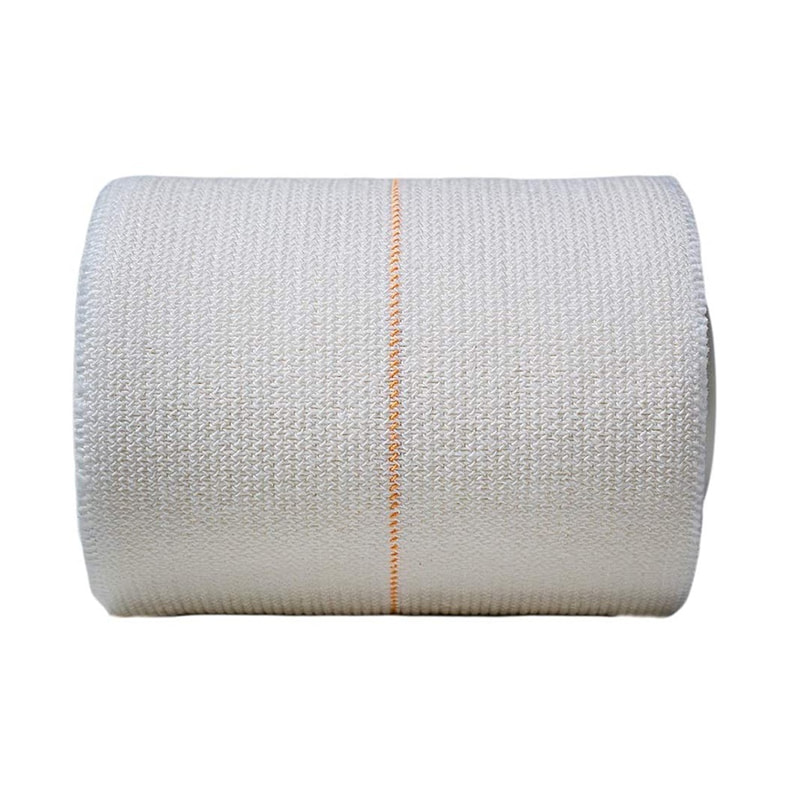
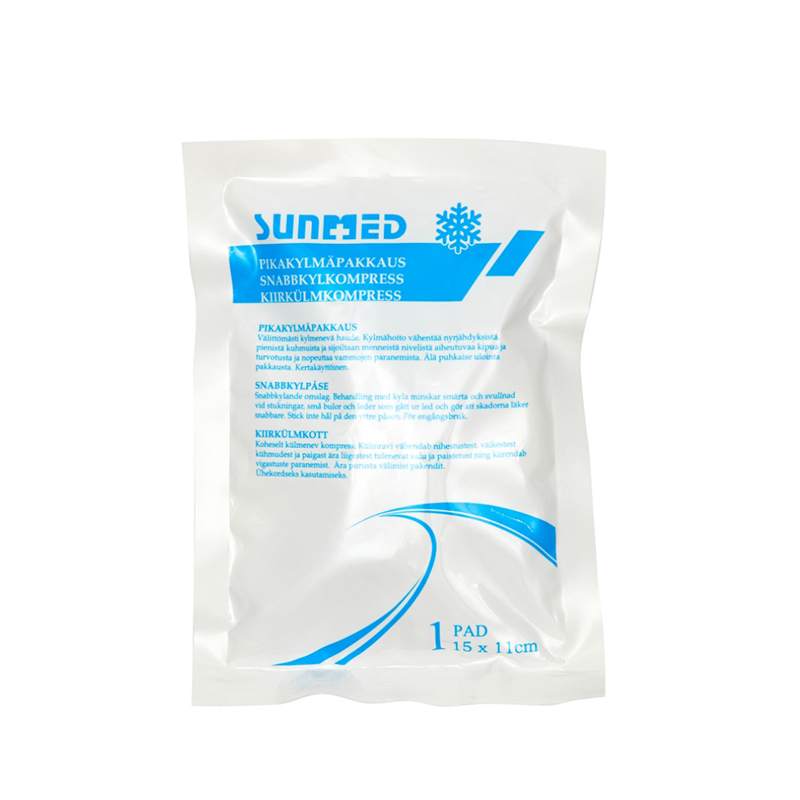
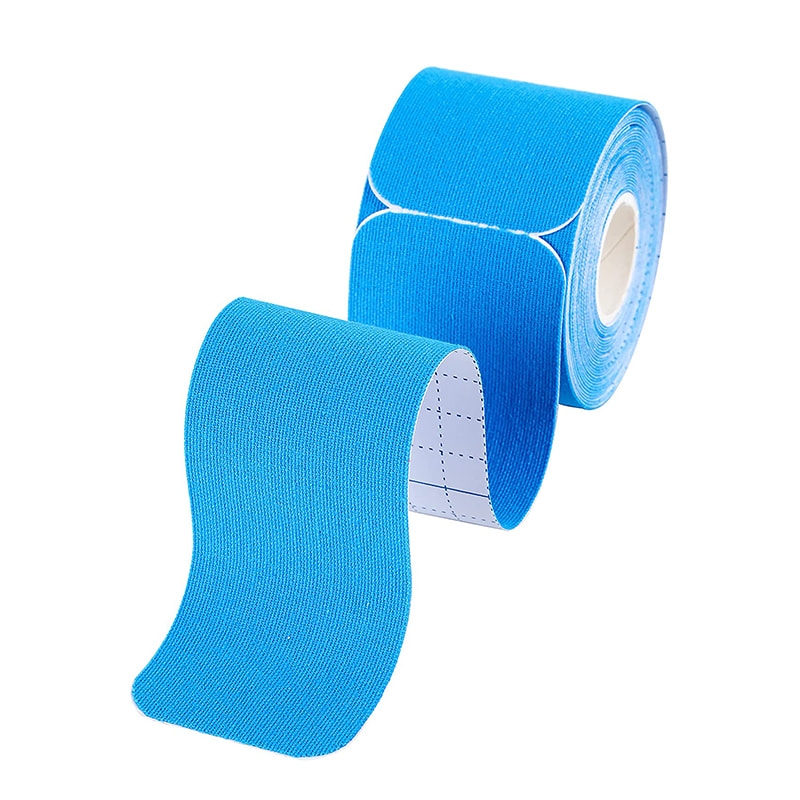
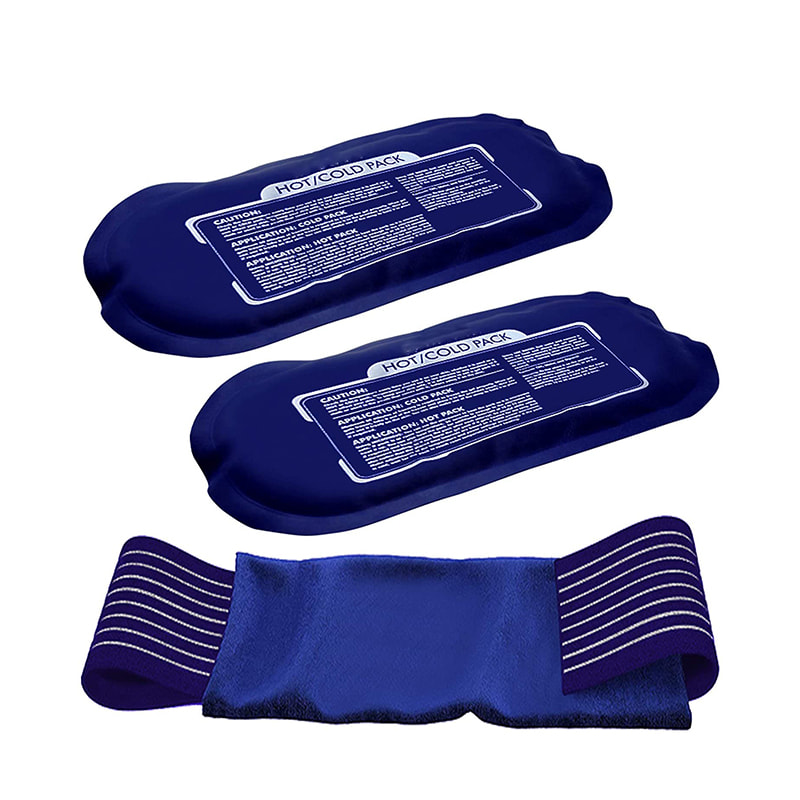
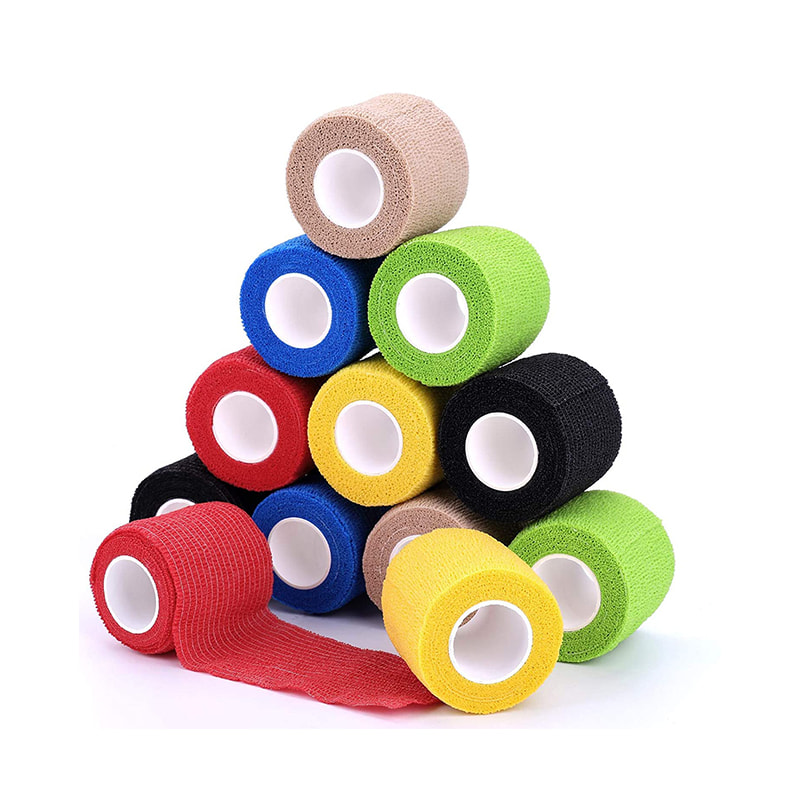
The product range includes first aid products, wound dressings, gauze, bandages, medical tape, medical cotton, medical non-woven products, sports bandages, family healthcare products, kinesiology tape, pill boxes, hot and cold packs, disposable syringes, catheters, surgical consumables, and other medical consumables. This broad product portfolio supports integrated sourcing. Buyers who need first aid kits may also need refill items, bandages, tapes, gauze, gloves, or related medical supplies. Working with a manufacturer that offers a wide range of products can simplify procurement and improve supply chain efficiency.
Advanced Production and Quality Control
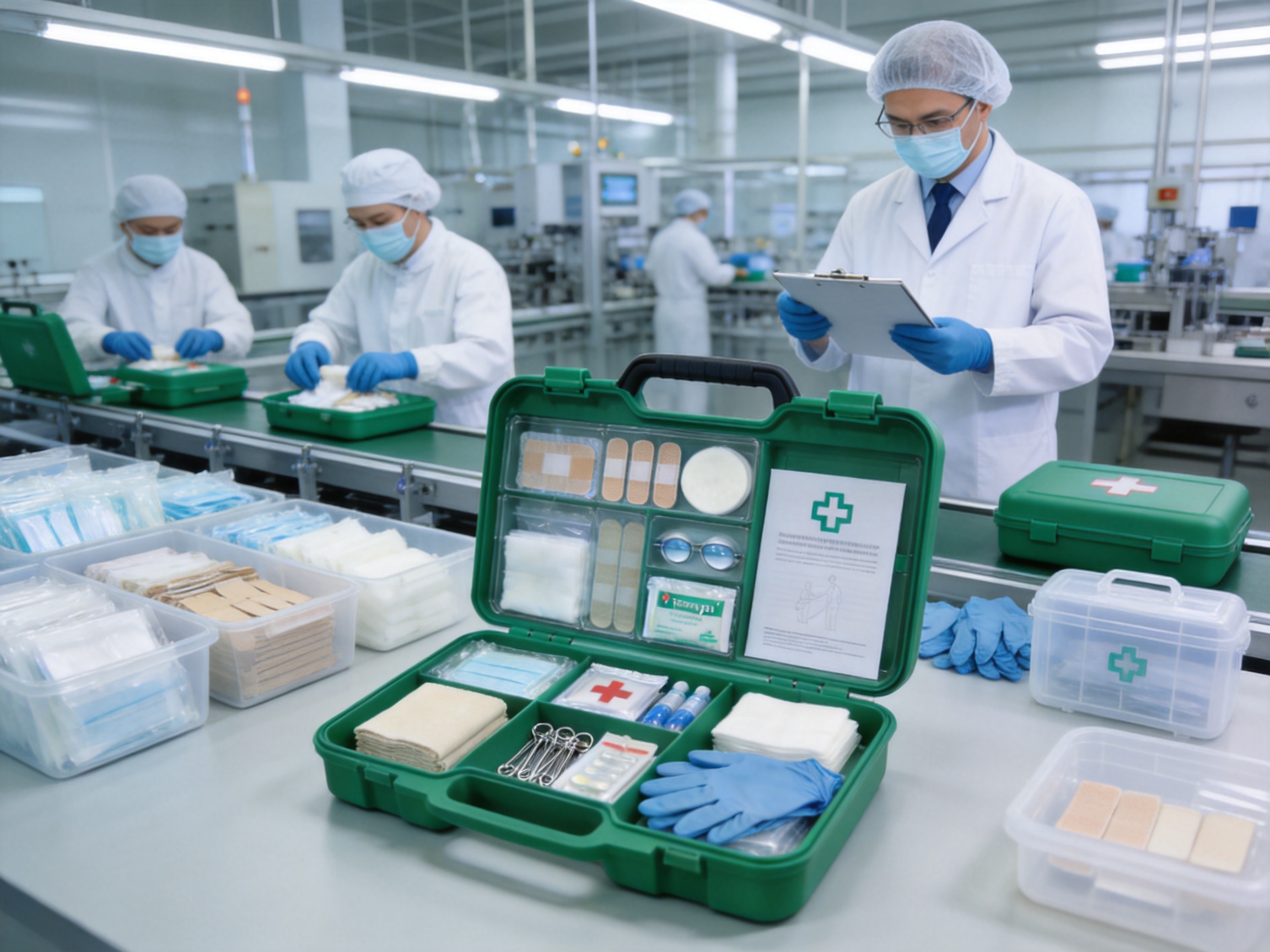
Professional first aid products require careful manufacturing processes. Materials must be selected according to intended use. Sterile items must be produced, handled, and packed with attention to cleanliness and safety. Packaging must protect contents during storage and transportation. Labels and configurations must be accurate. The HSE First Aid Kit benefits from a manufacturing environment supported by experienced quality control teams and standardized procedures.
Suzhou Sunmed maintains a professional quality control team with hundreds of personnel who follow inspection procedures to ensure products meet ISO 13485:2016 standards. ISO 13485 is an internationally recognized quality management standard for medical devices. It emphasizes controlled processes, risk management, documentation, traceability, corrective actions, and continuous improvement. For buyers, this certification-oriented quality system provides confidence that products are not assembled casually but under controlled medical supply processes.
Many of the company’s products are CE certified, and its Suzhou factories comply with FDA requirements. These strengths are important for global customers because medical consumables often need to satisfy regulatory expectations in different markets. While individual product requirements may vary by destination, a manufacturer with experience in CE and FDA-related systems is better prepared to support international buyers with documentation, product consistency, and compliance-oriented production.
Quality control for first aid kits includes multiple checkpoints. Incoming materials such as plasters, dressings, wipes, gloves, boxes, and printed leaflets must be inspected. During assembly, the correct quantities must be placed in each kit. The box must be checked for structure and appearance. Finished kits must be inspected for completeness, labeling, cleanliness, and packaging integrity. A missing item can reduce the effectiveness of the kit, so accuracy is essential.
Material and Component Considerations
Every item inside a first aid kit has a purpose. Adhesive plasters must adhere properly while protecting small wounds. Dressings must be absorbent and suitable for covering injuries. Bandages must be folded and packed conveniently. Safety pins must be strong enough to secure bandages when needed. Gloves must be easy to wear and suitable for disposable use. Wipes must be packaged to preserve their function until opened. The case must be durable enough for repeated handling.
A manufacturer with broad experience in gauze, bandages, medical tape, cotton products, non-woven products, and wound care items has a significant advantage when assembling first aid kits. Instead of sourcing unfamiliar components without technical understanding, the company can rely on established knowledge across related medical consumable categories. This helps improve product compatibility and consistency.
For example, the medium and large HSE dressings included in the kit are central to managing wounds larger than small cuts. Their dimensions, 12 × 12 cm and 18 × 18 cm, provide options for different wound sizes. Adhesive plasters handle smaller cuts. Triangular bandages support immobilization and securing. This combination allows the kit to respond to a range of likely workplace injuries.
OEM and Wholesale Advantages
For importers, distributors, medical supply companies, and retail chains, the HSE First Aid Kit offers strong OEM and wholesale potential. The company’s experience as a manufacturer and exporter helps support customized requirements, bulk supply, and stable cooperation. Customers may require different packaging, labeling, language versions, carton specifications, or market-specific configurations. A manufacturer with decades of export experience is better equipped to understand these needs and provide practical support.
Wholesale buyers often evaluate more than the product itself. They consider price stability, production capacity, quality documentation, communication efficiency, delivery reliability, and after-sales support. The company’s long history in the medical consumables industry and its export experience to more than 60 countries demonstrate its ability to support international business relationships. Markets served include Europe, Southeast Asia, Africa, and Oceania, including countries such as the United Kingdom, Germany, Spain, Denmark, the Netherlands, Japan, Malaysia, the Philippines, Thailand, Tanzania, Mauritius, South Africa, Australia, and New Zealand.
This global experience matters because different regions have different preferences and compliance expectations. A buyer in Europe may focus on CE-related documents and workplace safety standards. A buyer in Southeast Asia may need competitive pricing and flexible packaging. A buyer in Oceania may require reliable shipping schedules and durable product presentation. The manufacturer’s wide market exposure allows it to respond to diverse customer needs.
Applications Across Multiple Environments
Offices and Commercial Buildings
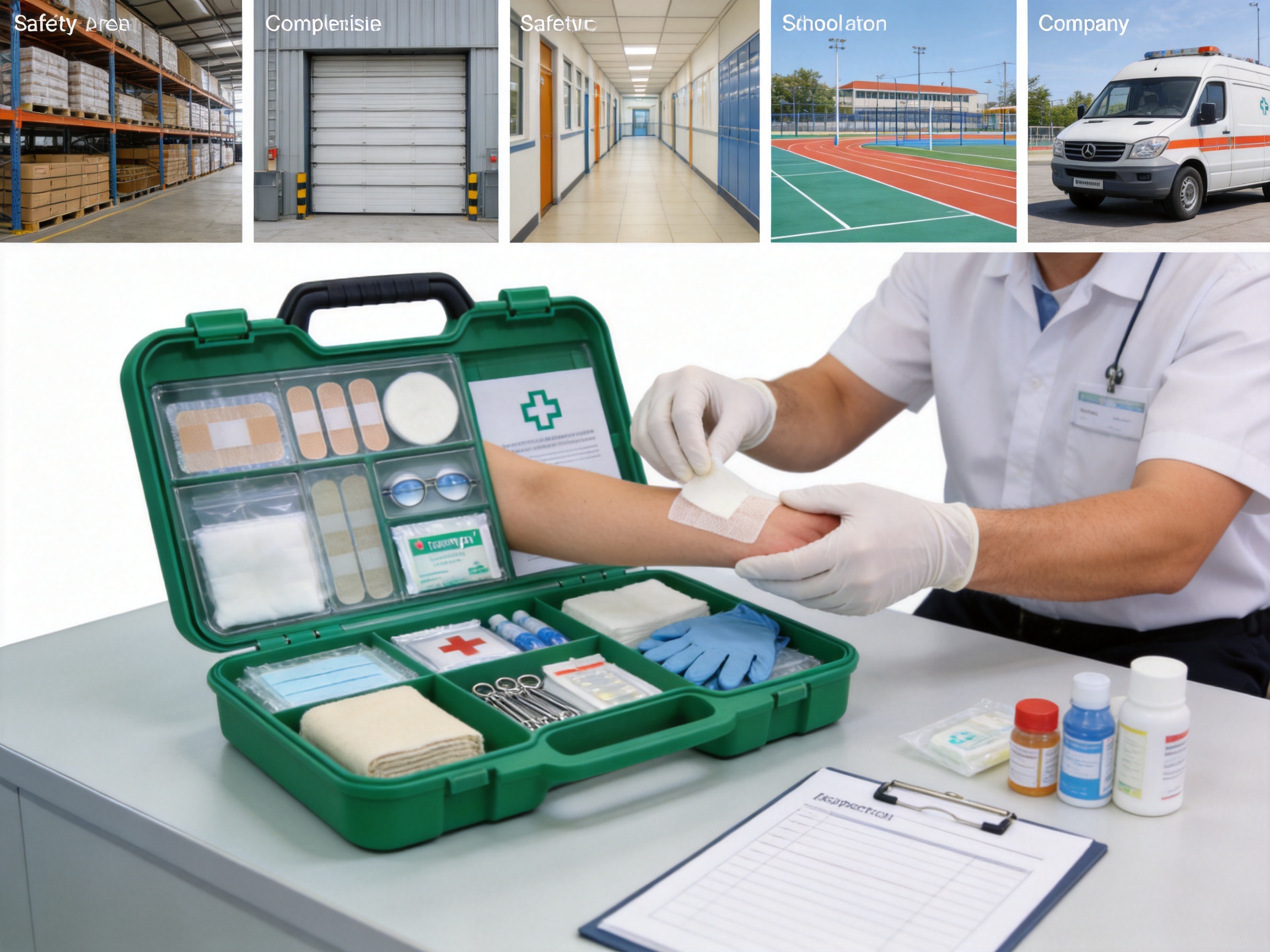
In office environments, first aid kits are needed for minor cuts, slips, small burns, eye irritation, and general incidents. The 10-person or 20-person kit may be suitable for small to medium office teams, while larger buildings may place several kits across floors or departments. The compact handled case allows easy storage in reception areas, break rooms, safety cabinets, or administrative offices.
Factories and Warehouses
Factories and warehouses often require more robust first aid readiness because employees may handle tools, cartons, machinery, pallets, and packaging materials. Cuts, abrasions, and minor impact injuries may occur. A 20-person or 50-person kit can support larger teams, and refill kits help maintain stock after regular use. Internal partitions make the kit easier to manage in busy industrial environments.
Schools and Training Centers
Schools, training centers, and childcare-related facilities need accessible first aid supplies for everyday injuries. Adhesive plasters, dressings, triangular bandages, and wipes are commonly used in such environments. The guidance leaflet is also useful for staff members who may need a quick reminder of first aid basics.
Sports Clubs and Recreation Facilities
Sports and recreation areas face frequent minor injuries such as cuts, grazes, sprains, and falls. While some sports environments may also require specialized cold packs or athletic tapes, the HSE First Aid Kit provides a strong basic foundation. It can be placed near courts, gyms, club offices, or event stations.
Vehicles and Field Operations
Portable first aid kits are useful for company vehicles, mobile service teams, outdoor work crews, and field operations. The carrying handle and protective case make the kit suitable for movement. Organizations can distribute multiple kits across vehicles and use refill packs to restock them regularly.
How the Kit Supports Safety Management
A first aid kit is part of a broader safety management system. Safety managers should assess workplace risks, determine the number of kits required, place them in visible and accessible locations, assign responsibility for inspection, and train staff in basic first aid. The HSE First Aid Kit supports this process because it is standardized, organized, and available in different sizes.
Standardization is especially helpful for multi-site organizations. If every department or location uses the same kit family, employees can become familiar with the layout and contents. Refill management becomes easier because the same refill structure can be used repeatedly. Purchasing departments also benefit from simplified ordering and inventory control.
The presence of a first aid kit can also improve employee confidence. Workers are more likely to feel protected when they know that emergency supplies are available. Although a first aid kit cannot prevent accidents, it can reduce the impact of minor injuries and support a faster response when incidents occur.
Storage and Maintenance Recommendations
To maintain the value of the HSE First Aid Kit, users should store it in a clean, dry, and accessible location. The box should be clearly visible or marked with first aid signage. It should not be locked away in a place where employees cannot reach it during an emergency. In larger facilities, multiple kits should be distributed according to risk areas and travel distance.
Regular inspection is important. A responsible person should check the kit at scheduled intervals. Used items should be replaced immediately. Sterile products should be checked for packaging integrity and expiry dates. If the box is damaged, it should be replaced or repaired. The refill kit makes this process simpler by providing the correct contents for restocking.
It is also useful to keep an inspection record. A simple checklist can note the inspection date, the person responsible, missing items, replacement actions, and next inspection date. This supports accountability and helps ensure that the kit remains ready for use.
Why Professional Buyers Choose This Product
Professional buyers look for dependable products that are easy to sell, easy to use, and easy to reorder. The HSE First Aid Kit meets these requirements through clear size options, practical contents, durable packaging, and refill availability. It is suitable for both end users and distribution channels. The kit can be marketed to workplaces, public facilities, schools, sports venues, retail stores, and safety suppliers.
The manufacturer’s broad product capability further strengthens buyer confidence. A company that produces and exports a wide range of medical consumables can support long-term cooperation beyond one product. Buyers can source first aid kits together with gauze, bandages, medical tape, cotton products, non-woven products, sports support products, hot and cold therapy items, diagnostic supplies, surgical consumables, and more. This creates opportunities for consolidated purchasing and product line expansion.
Another important factor is communication. With 30 years of professional knowledge, skills, and a dedicated team, the company emphasizes easy and fruitful cooperation. For international buyers, smooth communication can reduce misunderstanding, accelerate sampling and ordering, and improve long-term satisfaction. In medical supplies, accuracy and responsiveness are essential because product specifications and shipment timelines matter.
Competitive Differentiation in the First Aid Market
The first aid market is competitive, with many suppliers offering basic kits. However, not all kits provide the same value. The HSE First Aid Kit stands out because it combines professional contents, protective packaging, scalable size options, refill convenience, and manufacturing credibility. These advantages create a stronger product proposition than low-grade kits assembled without systematic quality control.
Competitor products may use fragile cases, unclear layouts, insufficient dressings, poor refill options, or inconsistent contents. Some may be difficult to restock because the user must purchase each item separately. Others may be designed only for retail appearance rather than practical emergency use. The HSE First Aid Kit is built around functional readiness and long-term usability.
For distributors, the product’s differentiation is also commercial. A kit with multiple sizes and refill options encourages repeat business. Customers who purchase the main kit may later purchase refills. Organizations with growing staff numbers may upgrade from a 10-person kit to a 20-person or 50-person kit. This creates a product family rather than a one-time sale.
Role of Experience in First Aid Product Development
Experience matters in first aid product development because practical details affect usability. The size of the case, the arrangement of partitions, the balance of contents, the durability of packaging, and the availability of refills all influence customer satisfaction. A company with decades of work in medical consumables understands that buyers need products that perform reliably in real settings, not just products that look acceptable in a catalog.
The company’s history includes the establishment of a dedicated first aid factory in 2008 to meet the demands of first aid customers. This investment reflects a focused commitment to the category. In 2021, the company further expanded by establishing its own factory for kinesiology tape, cohesive bandages, and elastic adhesive bandages. These developments show continued growth, product specialization, and responsiveness to customer demand.
This manufacturing evolution benefits the HSE First Aid Kit because many related product categories support first aid readiness. Bandages, tapes, dressings, and wound care products are central to emergency supplies. A company that understands these categories can assemble kits with better attention to product function and customer needs.
Customer Value: More Than a Box of Supplies
The HSE First Aid Kit should be understood not simply as a box of supplies, but as a readiness system. It provides a structured collection of first aid essentials, a protective and portable case, size options for different user groups, and refill solutions for ongoing maintenance. This complete approach delivers value throughout the product life cycle.
At the time of purchase, the buyer receives an organized kit. During use, the first aider benefits from accessible supplies. After use, the refill system allows the kit to be restored. Over time, the durable case continues to serve the organization. This cycle is more efficient than replacing entire kits frequently or allowing kits to become incomplete.
For end users, the value is safety and convenience. For distributors, the value is a marketable product with repeat sales potential. For procurement teams, the value is standardization and reliable supply. For safety managers, the value is easier compliance support and better emergency preparedness.
Guidance for Selecting the Right Kit Size
Choosing the right first aid kit size depends on the number of people, workplace risk level, and site layout. A 10-person kit may be appropriate for small offices, small shops, compact teams, or low-risk environments. A 20-person kit may suit medium workplaces, training rooms, smaller warehouses, or shared office floors. A 50-person kit may be more suitable for larger facilities, production areas, schools, public venues, or sites with higher foot traffic.
However, the number of people is not the only factor. A larger workplace spread across multiple floors may need several smaller kits rather than one large kit in a distant location. A higher-risk area may require additional kits or supplementary supplies. A sports club may need first aid kits near each activity area. A vehicle fleet may need one kit per vehicle. The HSE product range supports these strategies because it offers multiple configurations and refill options.
Organizations should review first aid needs periodically. Staffing levels, work activities, facility layouts, and risk profiles can change. When changes occur, the first aid arrangement should be updated. The three kit sizes make adjustment easier without switching to an entirely different product family.
Sustainability and Cost Efficiency
Although first aid products are primarily selected for safety, sustainability and cost efficiency are also important. The refill kit system helps reduce unnecessary replacement of plastic cases. Users can keep the original polypropylene box and replenish only the medical consumables. This reduces material waste and supports a more responsible purchasing approach.
Cost efficiency also comes from reduced downtime and simplified procurement. When supplies are standardized, purchasing teams do not need to search for individual replacement items after every incident. A refill kit provides a ready-made solution. This saves time and reduces the risk of buying incompatible or incorrect products.
Durable packaging also contributes to cost efficiency. A stronger case lasts longer and protects the contents better. If a low-quality case breaks, the contents may become disorganized or contaminated, resulting in waste. The polypropylene box used for the HSE First Aid Kit supports repeated handling and practical workplace use.
Export Capability and Global Market Trust
The manufacturer has exported products to more than 60 countries worldwide. This international experience is a meaningful advantage for buyers who require stable export service. Medical consumables must often be shipped in bulk, packed securely, documented correctly, and delivered according to agreed timelines. Export experience reduces risk and improves buyer confidence.
The company serves hospitals, first aid suppliers, supermarkets, and retail sports shops. This diversity demonstrates flexibility across professional healthcare, industrial safety, consumer retail, and sports-related channels. The HSE First Aid Kit fits naturally into these channels because it is practical, understandable, and broadly needed.
Global customers also benefit from the company’s wide product range. A buyer may start with first aid kits and later expand into wound dressings, gauze, bandages, medical tape, sports supports, hot and cold therapy products, or other medical consumables. A dependable manufacturing partner can support this growth with consistent service and product knowledge.
Quality Assurance from Assembly to Delivery
Quality assurance for a first aid kit includes more than checking individual items. It requires control from component sourcing through final packing and shipment. Each kit must contain the correct items in the correct quantities. The case must close properly. The packaging must protect the kit during transport. Cartons must be suitable for export handling. Labels and product codes must be accurate.
Inspection procedures help prevent common problems such as missing components, incorrect quantities, damaged packaging, mixed kit versions, or poor presentation. A dedicated quality control team can identify issues before shipment, reducing customer complaints and protecting buyer reputation. This is especially important for distributors and retailers, because the quality of the kit reflects directly on their own brand or sales channel.
Consistency is equally important. Buyers need each batch to match the approved specification. If the first order is good but later orders vary, customer trust is damaged. A manufacturer working under ISO 13485:2016 quality management principles is better positioned to maintain stable production and continuous improvement.
Training and Preparedness Considerations
While the HSE First Aid Kit provides essential supplies, organizations should remember that products work best when people know how to use them. Basic first aid training helps employees respond calmly and correctly. Training may include wound care, bleeding control, use of dressings and bandages, eye injury response, glove use, and when to seek professional medical help.
The first aid guidance leaflet included in the kit supports preparedness, but it should be combined with proper training whenever possible. Employers and facility managers should encourage designated first aiders to become familiar with the kit contents. During an emergency, familiarity can save time and reduce hesitation.
Regular drills or safety briefings can include first aid kit location and inspection procedures. Employees should know who is responsible for first aid supplies and how to report used or missing items. A well-maintained kit and trained personnel together create a stronger safety environment.
Q&A Section
What is the main purpose of the HSE First Aid Kit?
The main purpose of the HSE First Aid Kit is to provide organized first aid supplies for quick response to common workplace and public-area injuries. It includes sterile plasters, dressings, eye pads, triangular bandages, antiseptic wipes, gloves, safety pins, and a first aid guidance leaflet.
What sizes are available?
The kit is available in 10-person, 20-person, and 50-person versions. These options allow users to choose a configuration suitable for small teams, medium workplaces, or larger facilities.
What is the benefit of the polypropylene box?
The polypropylene box helps protect the contents from dust and water penetration. It also includes a carrying handle and internal partitions, making the kit portable, organized, and easy to use during emergencies.
Are refill kits available?
Yes. Refill kits are available for the 10-person, 20-person, and 50-person versions. They contain the same supplies as the full kits and are supplied in a cardboard box or zip bag for easy repacking into existing plastic boxes.
How does this product compare with ordinary first aid kits?
Compared with many ordinary kits, this product offers a more practical selection of essential items, stronger protective packaging, multiple size options, and convenient refill solutions. It is designed for real workplace use rather than only for appearance or high piece count.
Where can the kit be used?
The kit can be used in offices, factories, warehouses, schools, sports facilities, public buildings, retail shops, hotels, vehicles, and other environments where first aid readiness is important.
Why is the refill system important?
The refill system helps users maintain the kit after supplies are used. Instead of replacing the entire case or purchasing individual items one by one, users can restore the kit with a complete refill pack. This saves time and supports consistent preparedness.
What manufacturing strengths support the product?
The product is supported by a manufacturer with around 30 years of experience in medical consumables, multiple production bases, broad product capability, ISO 13485:2016 quality management practices, CE-certified product experience, FDA-compliant factory operations, and export history to more than 60 countries.
Is the kit suitable for wholesale and OEM customers?
Yes. The product is suitable for distributors, importers, safety suppliers, retailers, and OEM customers. Its standardized sizes, refill options, and practical contents make it easy to sell and maintain in different markets.
How often should the kit be checked?
The kit should be inspected regularly according to the organization’s safety policy. Used, expired, damaged, or missing items should be replaced immediately. A scheduled checklist can help ensure the kit remains ready for use.
Conclusion
The HSE First Aid Kit is a practical, reliable, and professionally assembled solution for workplace and general emergency preparedness. Its durable polypropylene box, carrying handle, internal partitions, and protection against dust and water penetration make it suitable for real-world use. The contents are selected to address common injuries, including cuts, wounds, eye injuries, and the need for basic support or immobilization. The availability of 10-person, 20-person, and 50-person versions gives buyers flexibility, while refill kits provide long-term convenience and cost efficiency.
Beyond the product itself, the manufacturing strength behind the kit adds significant value. With decades of experience in first aid, wound care, bandages, medical tape, gauze, cotton products, non-woven products, sports supports, and medical consumables, Suzhou Sunmed Co., Ltd. offers the professional background needed to produce dependable first aid solutions. Its quality control team, ISO 13485:2016 standards, CE product experience, FDA-compliant factory operations, and global export capability support consistent product quality and international cooperation.
For workplaces, distributors, safety suppliers, schools, sports facilities, and public organizations, the HSE First Aid Kit is more than a storage box. It is a structured emergency preparedness tool designed to help people respond quickly, maintain hygiene, protect wounds, and keep first aid supplies organized. In a competitive market, its combination of practical design, refill convenience, quality manufacturing, and global supply capability makes it a strong choice for professional first aid readiness.
References
International Organization for Standardization. ISO 13485:2016 Medical Devices Quality Management Systems Requirements for Regulatory Purposes.
Health and Safety Executive. First Aid at Work Guidance and Workplace First Aid Recommendations.
European Commission. Medical Device Regulatory Framework and CE Marking Principles.
World Health Organization. Practical Guidance on Basic Emergency Care and Infection Prevention.
International Labour Organization. Occupational Safety and Health Management Principles.

 English
 Español
 русский
 Français
 Deutsch
 italiano
 By Admin