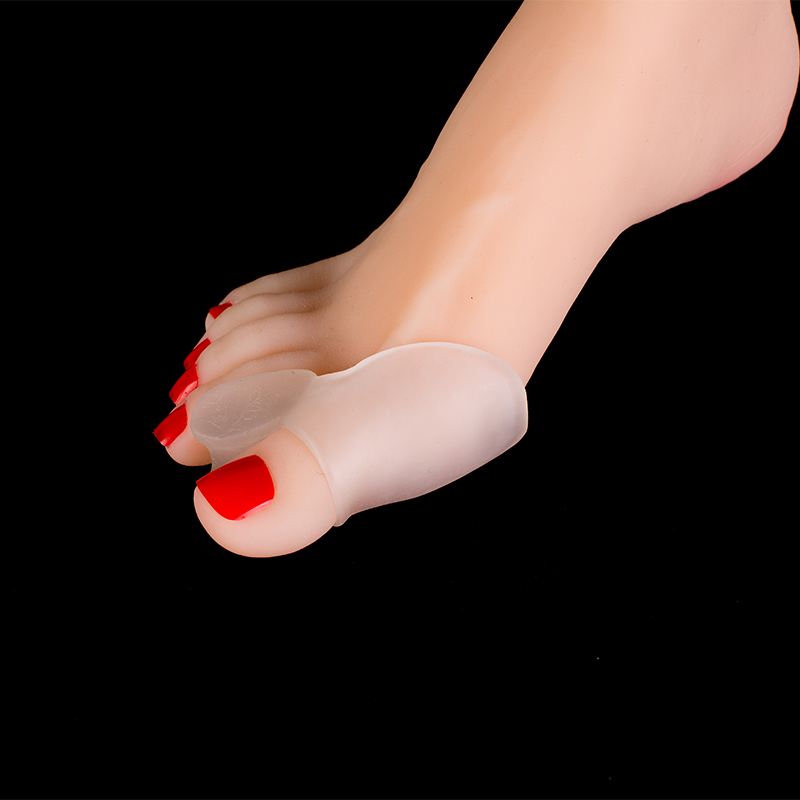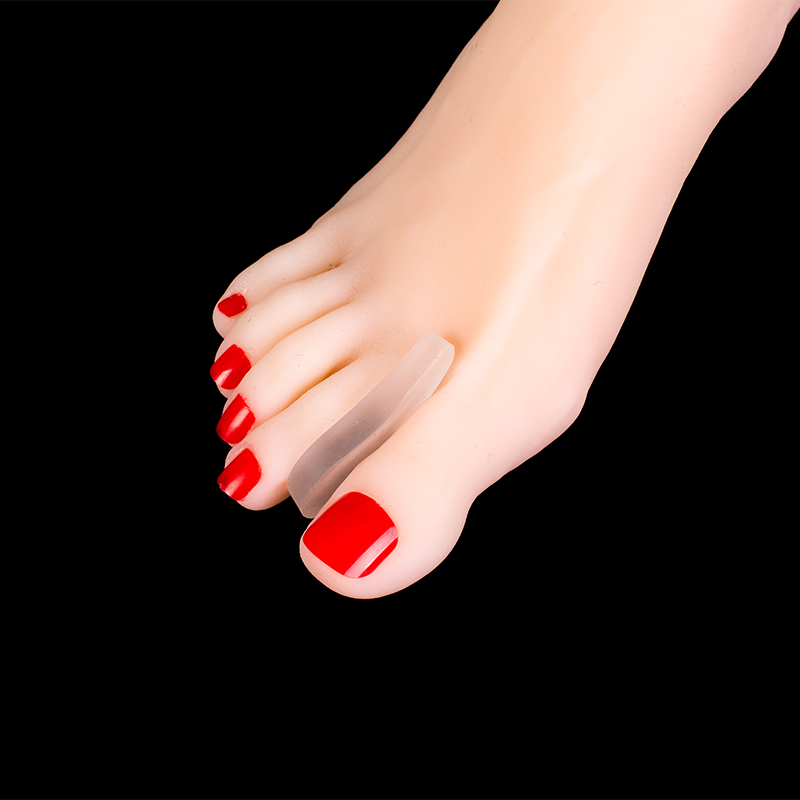
Heel discomfort can affect walking, standing, exercise, work, and ordinary daily activities. A well-designed heel cushion can help improve comfort by creating a supportive interface between the foot and the shoe. The Footcare Heel Cushion, Large, is developed for adult users who need practical heel cushioning in casual footwear. Made primarily from thermoplastic rubber (TPR), with options involving Poron and polyurethane (PU), this reusable heel support combines shock absorption, heel stabilization, washable construction, and flexible customization for professional buyers.
This product belongs to the foot care category and is designed as a shoe heel support rather than a rigid orthopedic device. Its structure is intended to sit inside the heel area of a suitable shoe, helping distribute impact and supporting the heel during normal movement. It may be considered by distributors, retailers, healthcare suppliers, sports shops, and organizations seeking a dependable private-label or OEM footcare product.
The large size is intended to provide broad coverage beneath the heel. Since foot shapes, shoe constructions, and personal comfort preferences vary, users should select a size that fits the footwear correctly and discontinue use if discomfort or skin irritation develops. The product is not a substitute for professional diagnosis or treatment of persistent heel pain, injury, infection, or other medical conditions.
Product Overview
The Footcare Heel Cushion, Large, is a reusable insert designed to support the heel inside casual shoes. Its principal material is TPR, a versatile elastomer valued for flexibility, resilience, and resistance to repeated compression. Depending on the purchasing specification, the product can also be manufactured using Poron and PU components or alternative material combinations that provide a different balance of softness, rebound, cushioning, thickness, and durability.
The heel cushion is designed around four practical performance goals: shock absorption, support, stabilization, and convenient maintenance. When a person walks or stands, the heel experiences repeated contact forces. A cushioning layer can help reduce the harsh sensation associated with impact by absorbing and redistributing part of that force. The support profile can also help the heel remain more securely positioned in the shoe, reducing unwanted movement caused by a loose or poorly fitting heel area.
The product is washable and reusable. This feature is important for consumers who want a longer-lasting alternative to disposable cushioning accessories. It is also valuable for retailers and distributors because reusable products can be presented as practical, economical, and suitable for routine footcare. Proper cleaning and drying are necessary to preserve hygiene and material performance.
| Product Attribute | Specification |
|---|
| Product name | Footcare Heel Cushion, Large |
| Product category | Foot Care Products |
| Product type | Shoe heels and heel support |
| Primary material | TPR |
| Optional material direction | Poron and PU combinations, subject to specification |
| Available sizes | Small or large |
| Featured size | Large |
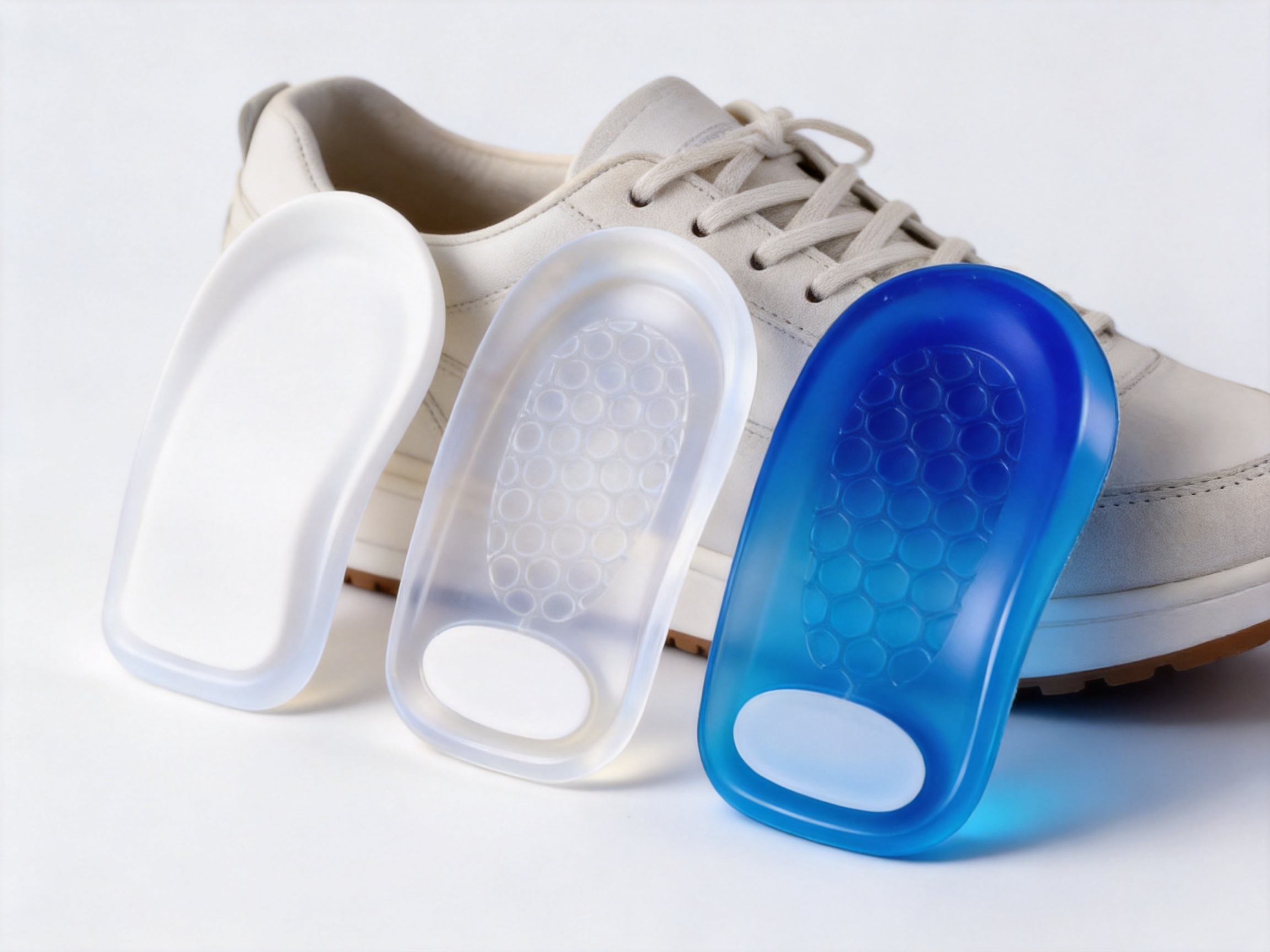
| Color options | White, transparent, blue, or customized colors |
| Applicable users | Adults |
| Gender | Unisex |
| Recommended footwear | Casual shoes |
| Maintenance | Washable and reusable |
How the Heel Cushion Supports Everyday Comfort
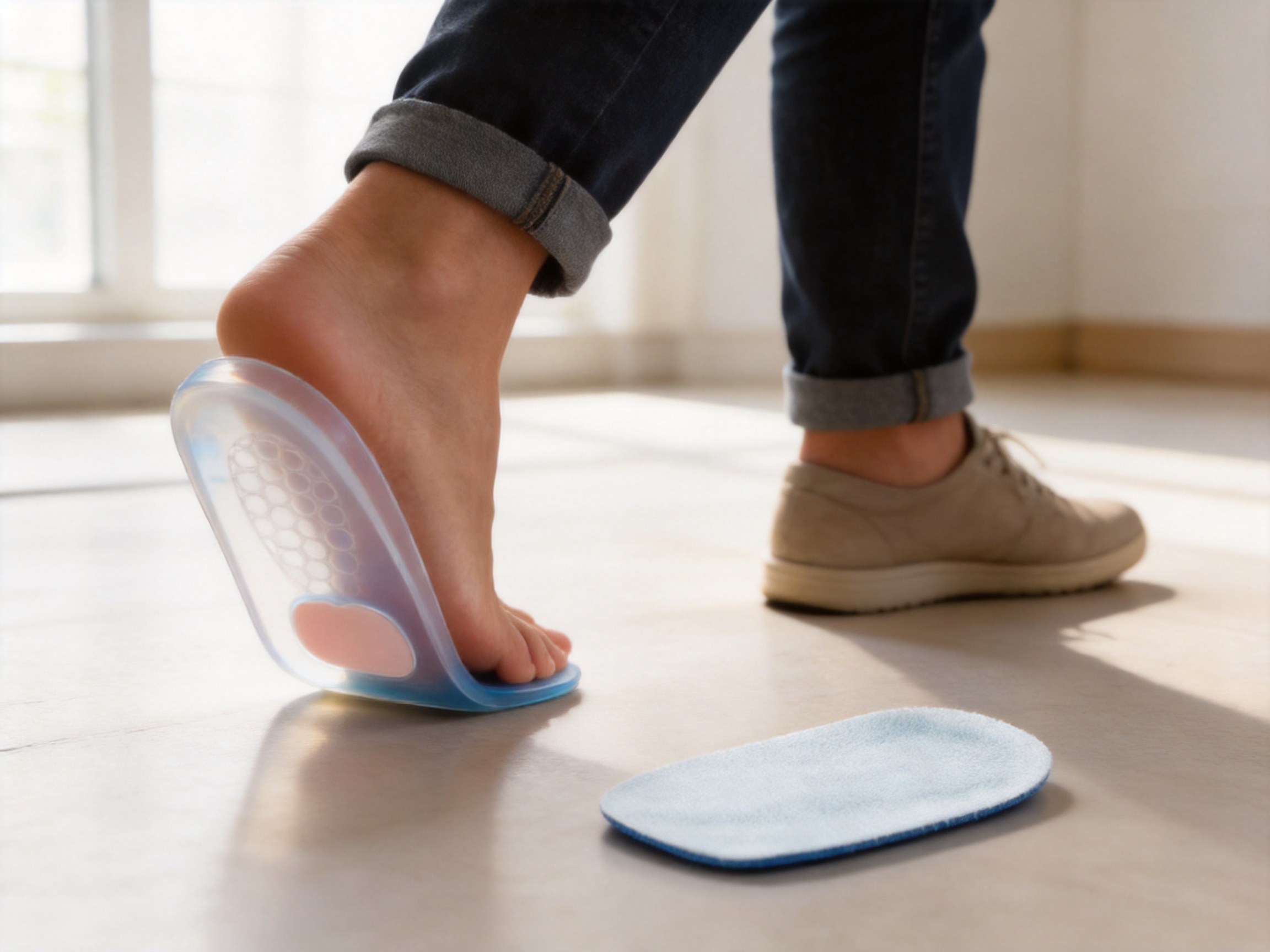
The heel is one of the first areas of the foot to receive force when a person takes a step. In a hard-soled shoe, a thin sole, a worn heel, or an unsuitable fit can make this contact feel uncomfortable. A heel cushion adds a resilient layer between the foot and the footwear. The material compresses under load and then recovers, helping create a softer and more stable landing sensation.
TPR is particularly suitable for this type of product because it can be engineered to provide controlled elasticity. It is neither a completely rigid plastic nor an ordinary soft foam. By adjusting the compound, geometry, and thickness, a manufacturer can create a heel support that balances flexibility with structural stability. This balance is important: a cushion that is too soft may collapse quickly, while a cushion that is too hard may not provide the desired comfort.
For users who experience discomfort associated with heel impact or bone-spur-related pressure, cushioning may help reduce the sensation caused by repeated contact. The product description identifies support and stabilization as key functions and states that the cushion can help eliminate ache from a bone spur. However, individual results vary, and persistent pain should be evaluated by a qualified healthcare professional.
Stabilization is another important function. A heel that shifts repeatedly inside the shoe can increase friction and make walking feel insecure. A correctly fitted heel cushion can help occupy excess space and provide a more supportive contact surface. This may be especially useful in casual shoes that have a slightly loose heel counter or limited built-in padding.
The product is intended for routine use rather than high-risk medical applications. It may be used in everyday walking, commuting, shopping, office work, travel, and other ordinary activities. It can also be considered for light recreational use when the footwear provides adequate room and the insert does not cause pressure or alter the wearer’s gait.

Footcare Heel Cushion, Large
Material Advantages: TPR, Poron, and PU Options
TPR Construction
Thermoplastic rubber is a practical material for heel cushions because it combines rubber-like elasticity with thermoplastic processing. This allows manufacturers to shape the material efficiently and produce consistent profiles. TPR can be formulated in different hardness levels, enabling the product to be adapted for various comfort preferences and application requirements.
For a heel cushion, material consistency is essential. Uneven hardness can create pressure points or an inconsistent walking sensation. Controlled TPR processing helps support repeatable production across batches. It also allows product developers to create an appropriate relationship between compression, recovery, and surface grip.
TPR can also support attractive product presentation. Depending on the selected compound and manufacturing method, it may be produced in white, transparent, blue, or other requested colors. Color flexibility is useful for private-label products, retail differentiation, and coordinated healthcare or sports product ranges.
Poron Possibilities
Poron is a specialized polyurethane foam material commonly associated with cushioning and impact management. When included in a product specification, it can be used to create a softer or more responsive layer within the heel cushion. The exact construction may vary according to the required thickness, density, recovery behavior, and footwear application.
A Poron-based design can be appropriate for buyers who prioritize a soft cushioning sensation. It may also be selected when a product needs a distinct multi-layer structure, such as a resilient base combined with a shock-absorbing top layer. The final performance depends on the complete design rather than on one material alone.
PU Integration
Polyurethane can provide flexibility in the design of cushioning components, surface layers, or supportive structures. PU may be used to achieve a particular balance of comfort, durability, and appearance. A manufacturer can adjust the formulation and processing conditions to match the intended end use, subject to technical validation and customer requirements.
The availability of TPR, Poron, and PU directions gives professional buyers more room to select a product configuration. Instead of relying on one fixed design, purchasers can discuss material hardness, construction, color, size, packaging, and target market requirements with the manufacturer. This flexibility is a significant advantage in OEM and private-label projects.
Key Product Benefits
Shock Absorption
The primary functional advantage of the Footcare Heel Cushion is shock absorption. The cushion is designed to soften the contact between the heel and the shoe. By providing an elastic layer, it can help reduce the sensation of harsh impact during walking and standing.
Shock absorption is particularly relevant for footwear with firm soles or limited heel padding. It may also appeal to people who spend many hours on their feet. Retailers can position the product as a practical comfort accessory for work shoes, casual shoes, travel footwear, and other suitable applications.
Heel Support
The product supports the heel by adding structure beneath the heel area. A large cushion can provide broad contact, which may help distribute pressure over a wider surface than a very small pad. Broader coverage can also help the insert remain properly positioned when placed in compatible footwear.
Support should never be confused with immobilization. This product is a flexible comfort accessory, not a rigid brace. Its role is to provide cushioning and everyday support while allowing normal foot movement within the shoe.
Heel Stabilization
Heel stabilization can improve the feeling of security inside a shoe. When the heel slides excessively, the wearer may experience friction, rubbing, or a sense that the shoe does not fit properly. A heel cushion can help reduce available space in the heel area and create a more stable interface.
Correct sizing is essential. The large model should be used only when the shoe has enough internal room and the cushion does not force the foot forward. Users should check that the insert lies flat and does not fold, bunch, or create an elevated edge that causes pressure.
Washable and Reusable Design
Washability and reusability provide practical value over single-use or quickly worn cushioning products. Users can clean the insert as part of their regular footwear-care routine. Reuse may reduce replacement frequency and make the product more economical over time, provided that the cushion remains intact and continues to fit properly.
Cleaning instructions should be communicated clearly by the seller. In general, the cushion should be washed using mild soap and water, rinsed thoroughly, and dried completely before being returned to the shoe. Strong solvents, excessive heat, and harsh chemicals may affect the material and should be avoided unless specifically approved by the manufacturer.
Unisex Adult Application
The product is listed for adults and is suitable for all genders. This broad target audience simplifies product selection for distributors and retailers. A unisex design can be offered through pharmacies, medical supply stores, sporting goods shops, supermarkets, online stores, and general footwear channels.
Advantages Compared with Ordinary Heel Pads
Heel pads differ significantly in design, material quality, and expected service life. Some low-cost alternatives are made from thin, low-resilience materials that compress quickly. Others provide little structural support and may move inside the shoe. The Footcare Heel Cushion is designed to combine cushioning with stabilization, creating a more complete heel-support solution.
One advantage is material selection. TPR provides a resilient foundation, while Poron or PU options can support more specialized cushioning requirements. This gives buyers a wider technical platform than a one-material, one-hardness product. The manufacturer can discuss the intended market and recommend a suitable material direction.
Another advantage is reusability. Disposable or poorly constructed inserts may need frequent replacement, creating inconvenience for users and additional inventory pressure for sellers. A washable design can offer a more durable product experience, assuming the cushion is cleaned correctly and replaced when signs of wear appear.
Color customization is also valuable. White, transparent, blue, and other colors allow the product to be matched with brand identity, packaging themes, or consumer preferences. Transparent versions may be attractive to buyers who prefer a less visible insert, while colored versions can improve product recognition or support retail segmentation.
Size flexibility is another differentiating feature. The product is available in small or large specifications, allowing buyers to serve more users and different shoe constructions. The large model is suitable for customers who want greater heel-area coverage, while the small option can be considered for more compact footwear or a less extensive support profile.
OEM adaptability provides a further advantage over generic stock products. Buyers can discuss product color, material, packaging, labeling, dimensions, and order requirements. This can help importers create a product line that is better aligned with local market expectations rather than selling an undifferentiated accessory.
Nevertheless, no heel cushion is appropriate for every foot or shoe. Product performance depends on the user’s anatomy, footwear design, activity level, and correct placement. A responsible manufacturer and distributor should communicate these limitations clearly rather than making universal therapeutic promises.
Manufacturing and Quality-Control Strengths
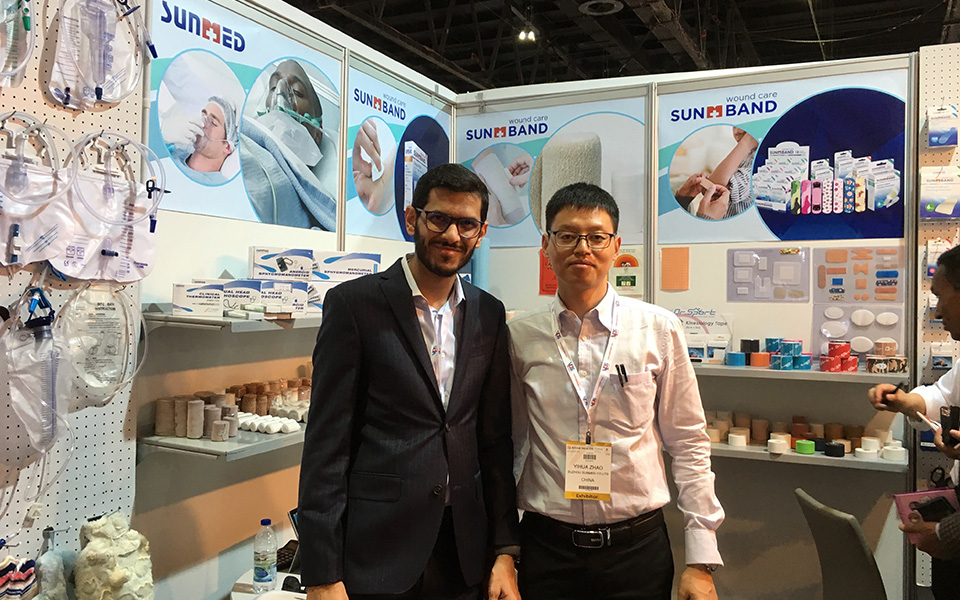
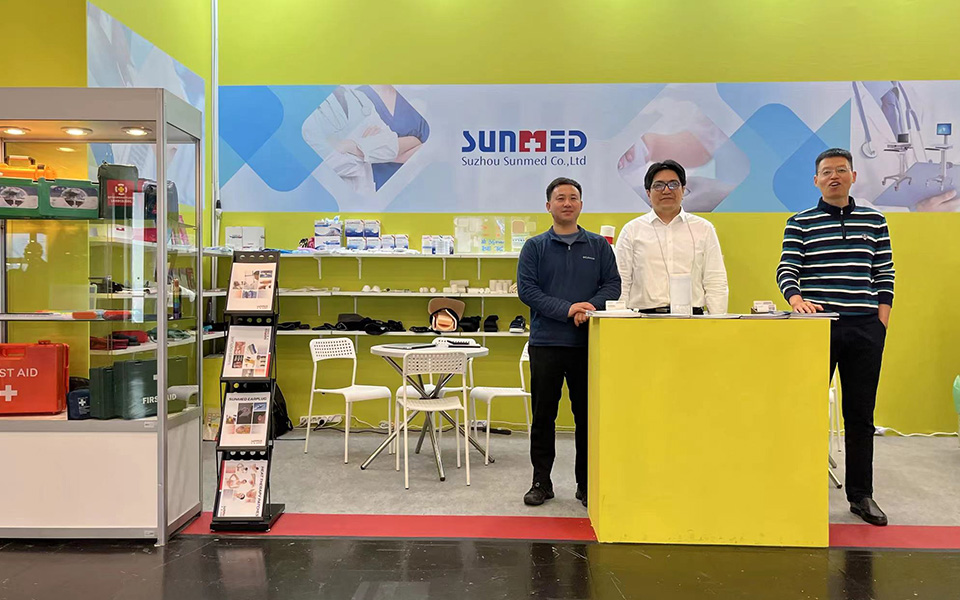
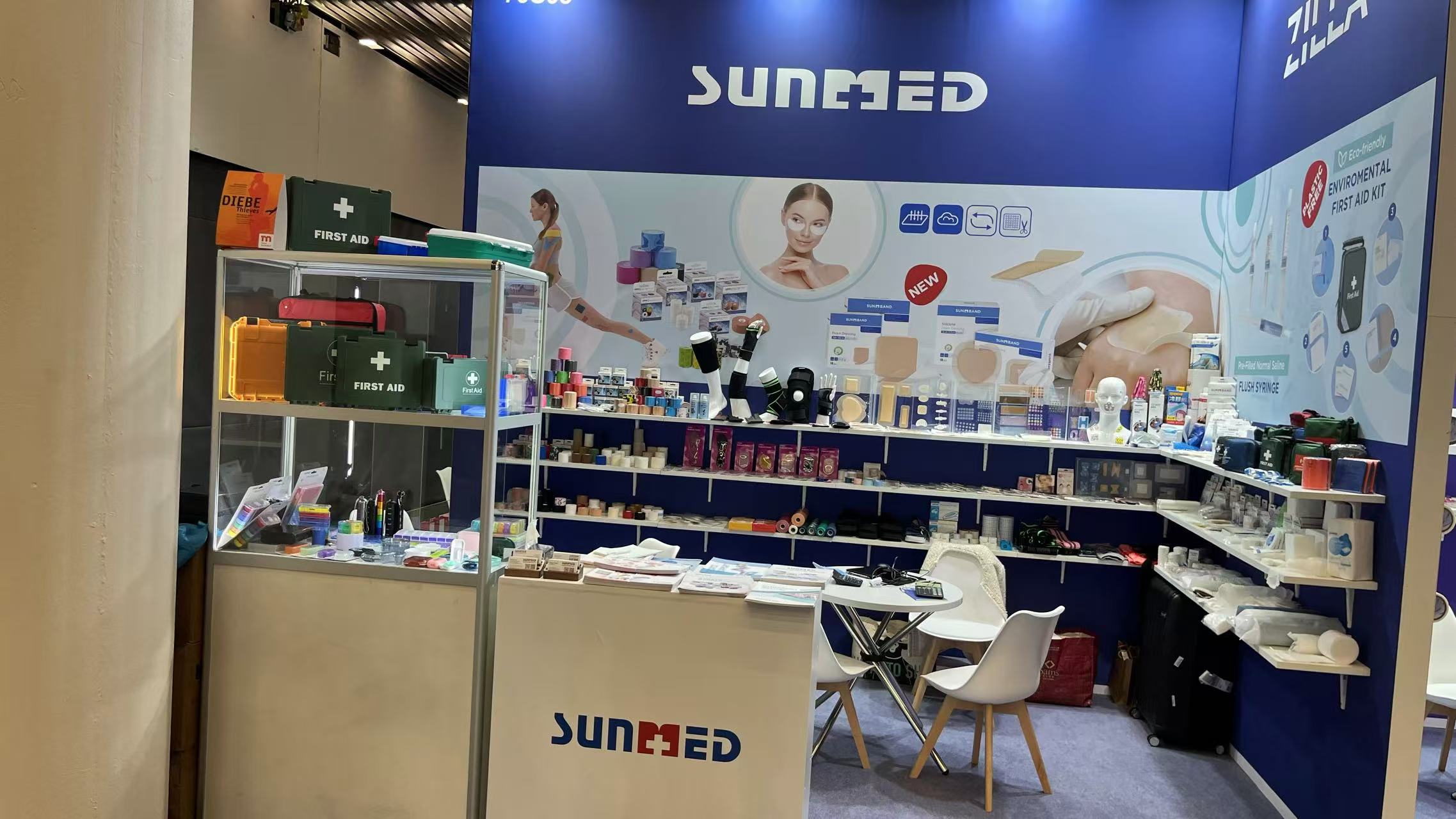
The manufacturer is an experienced Chinese producer and exporter of first aid, medical, and healthcare products. Its production scope includes medical gauze, bandages, medical tape, cotton products, non-woven products, sports bandages, kinesiology tape, cohesive bandages, family healthcare products, disposable syringes, catheters, surgical consumables, and other medical supplies.
This broad product background is relevant to the Footcare Heel Cushion because it demonstrates experience in materials, converting, packaging, inspection, and international supply. Footcare accessories require more than a suitable raw material. They also require controlled dimensions, consistent appearance, reliable packaging, and the ability to meet buyer specifications. A company accustomed to supplying multiple healthcare categories is positioned to coordinate these requirements.
Multiple Production Bases
The company operates production bases in Jiangsu, Zhejiang, and Anhui Province. Multiple bases can support broader manufacturing capacity and help organize different product categories according to their technical requirements. For an international buyer, a wider production network may also provide greater access to specialized equipment, skilled personnel, and supply-chain resources.
Manufacturing locations and production arrangements should always be confirmed for a specific order. Product specifications, factory allocation, inspection procedures, and packaging methods may vary by project. Buyers should request current technical documents and samples before placing a large commercial order.
Specialized Production Experience
The company established a first aid factory in 2008 to meet customer demand. In 2021, it established a factory for kinesiology tape, cohesive bandages, and elastic adhesive bandages. These investments indicate a continuing focus on dedicated production capability and category-specific development.
Although the Footcare Heel Cushion is a different product from adhesive bandages or tapes, experience with flexible materials, consumer healthcare products, and sports support items can be useful. It supports an understanding of product comfort, skin-contact considerations, packaging presentation, and distribution requirements.
Quality Management
The company reports a professional quality-control team comprising hundreds of personnel. Its inspection procedures are described as aligned with ISO 13485:2016 requirements, and most products are identified as CE certified. The Suzhou factories are also described as complying with FDA requirements.
Certification and compliance claims should be evaluated according to the exact product, market, and current documentation. Not every product is automatically covered by every certification. Buyers should verify whether the Footcare Heel Cushion requires a particular regulatory classification in the destination country and should request applicable certificates, declarations, test reports, and quality records.
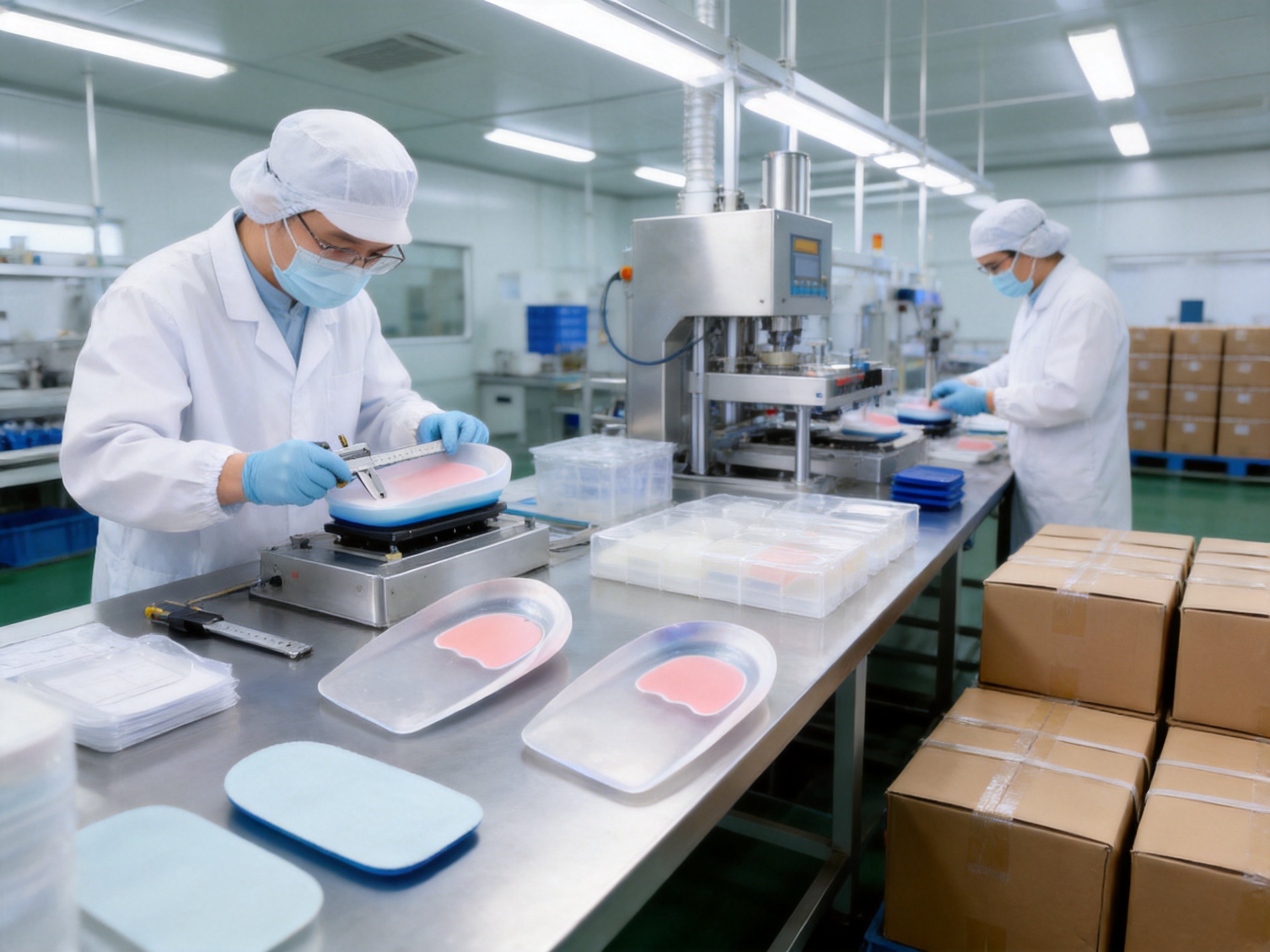
A controlled quality process for heel cushions may include incoming material inspection, dimensional checks, appearance inspection, hardness or resilience testing, production-line monitoring, packaging verification, and final sampling. Depending on the buyer’s requirements, additional testing may be considered for odor, color stability, compression recovery, abrasion resistance, and cleanliness.
Inspection at Different Production Stages
Quality should be managed throughout production rather than only at the end. Incoming inspection helps confirm that TPR, PU, Poron, packaging films, labels, and other components meet agreed specifications. In-process inspection helps identify issues such as incomplete molding, uneven thickness, flash, color variation, surface defects, or dimensional drift.
Final inspection verifies that the finished goods correspond to the approved sample. Inspectors may check product quantity, size, color, packaging, labeling, carton marks, and overall appearance. For international shipments, accurate carton information is particularly important because it supports warehouse receiving, customs documentation, and inventory control.
A documented inspection system also improves communication between the manufacturer and buyer. When a specification is written clearly, both parties can refer to the same requirements during sampling, production, and shipment approval.
Design and Customization for OEM Buyers
The Footcare Heel Cushion can be developed for different commercial positioning strategies. A medical supply distributor may prefer a clean white design with professional packaging. A sports retailer may select blue or another energetic color. A footwear brand may request a transparent version that is discreet inside the shoe. These options allow one basic product concept to serve multiple sales channels.
Customization may include material selection, hardness, color, size, surface texture, logo treatment, individual packaging, instruction leaflets, barcode labels, carton design, and retail presentation. The feasibility of each option depends on tooling, order quantity, production method, and technical validation.
Buyers should provide a detailed product brief. Useful information includes the target user, intended footwear, preferred cushioning sensation, required dimensions, expected annual volume, target market, packaging format, language requirements, and applicable regulations. The more complete the brief, the easier it is for the manufacturer to prepare an accurate quotation and sample.
Sample Approval
Sample approval is a critical stage in OEM production. The buyer should inspect the sample for dimensions, fit, flexibility, color, surface finish, comfort, odor, packaging, and labeling. If the product will be sold in multiple shoe types, testing should include representative footwear rather than only one sample shoe.
The approved sample should be documented through photographs, technical drawings, material specifications, and written notes. Any changes after approval should be confirmed in writing. This protects both parties and helps prevent misunderstandings during mass production.
Packaging Considerations
Packaging should protect the heel cushions from deformation, contamination, moisture, and damage during transportation. It should also provide enough information for the end user, including product name, size, material, intended use, cleaning guidance, warnings, and manufacturer or distributor details where required.
Retail packaging may use a header card, blister pack, folding carton, pouch, or another format. Bulk packaging may be more appropriate for hospitals, clinics, distributors, and professional buyers. The optimal choice depends on the sales channel and the expected handling environment.
Recommended Use and Care
Before installation, the user should ensure that the footwear is clean and dry. The heel cushion should be placed flat in the heel area, with no folds or curled edges. It should not be forced into footwear that is too narrow or too short. If the cushion causes the foot to slide forward, creates pressure, or changes walking comfort negatively, the user should remove it and reassess the shoe and size.
The cushion should be checked periodically. Signs that may indicate replacement include permanent deformation, cracking, tearing, surface deterioration, loss of resilience, unpleasant odor that remains after cleaning, or movement that cannot be corrected. Reusability does not mean indefinite service life; the useful life depends on wear, body weight, activity, shoe construction, and cleaning practices.
For cleaning, use mild soap and water unless the product instructions specify another method. Rinse away soap residue and allow the cushion to dry completely at room temperature. Avoid placing it on a radiator, near an open flame, or in a high-temperature dryer. Avoid bleach, petroleum solvents, and aggressive cleaning agents unless approved for the selected material.
Users with diabetes, reduced sensation, circulation problems, significant foot deformity, skin breakdown, or a history of serious foot conditions should seek professional advice before using any insert. A cushion should not be placed over an open wound, infected area, or damaged skin.
Applications and Target Markets
The large heel cushion is suitable for casual shoes when the shoe has enough internal volume. It may be offered as an accessory for loafers, walking shoes, work shoes, leisure footwear, and other styles with a compatible heel compartment. It is not automatically suitable for every athletic shoe, dress shoe, safety shoe, boot, or specialized orthopedic shoe.
Retail pharmacies may offer it as part of a general foot-comfort range. Medical supply distributors can include it in broader footcare catalogs. Sports shops may position it alongside support sleeves, athletic tape, compression products, and recovery accessories. Supermarkets and convenience-oriented retailers may choose it as an affordable, easy-to-understand personal-care product.
Online sellers should provide clear sizing and application information. Product images, dimensions, material descriptions, cleaning instructions, and footwear compatibility guidance can help reduce customer confusion and returns. Since comfort is subjective, online listings should avoid guaranteed claims and should explain that results vary between users.
For export buyers, regional requirements should be considered. Labeling language, product classification, packaging symbols, chemical restrictions, consumer safety rules, and documentation can differ between countries. The buyer and manufacturer should determine the applicable requirements before finalizing the design.
Supply and Cooperation Benefits
The company has approximately 30 years of experience in the medical device and medical consumables industry. Long-term experience can support better communication during product development, especially when a buyer needs several related items from one supplier. A distributor may be able to combine footcare products with first aid, wound care, medical tape, gauze, cotton products, sports support, hot and cold therapy, and other healthcare categories.
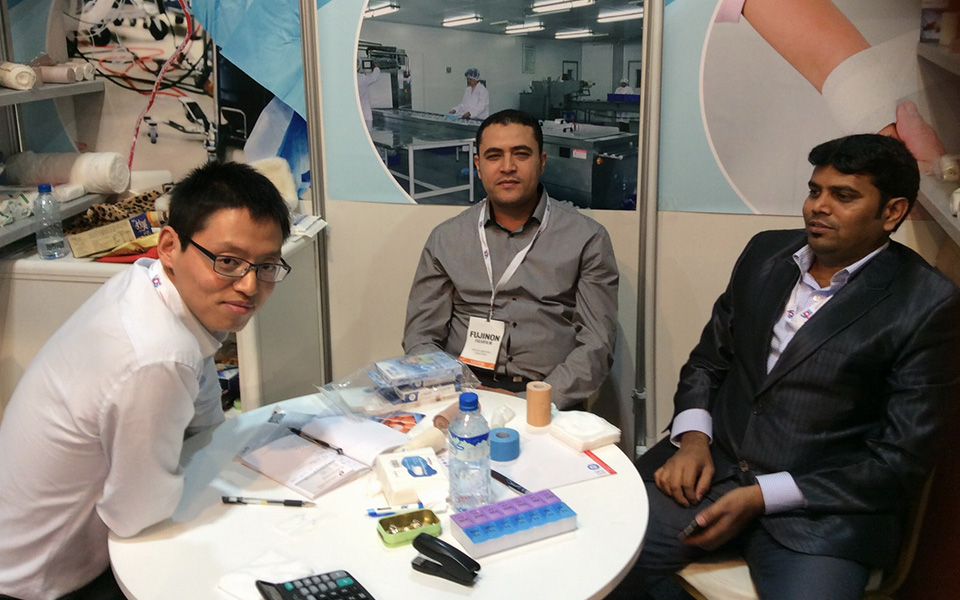
The company reports exports to more than 60 countries, including markets in Europe, Southeast Asia, Africa, and Oceania. International experience can help with export packing, commercial documentation, product communication, and coordination across different time zones and market expectations. Buyers should still confirm current export capabilities, shipping terms, lead times, and documentation for each order.
A broad product portfolio may simplify supplier management. Instead of coordinating many unrelated vendors, a customer may source several healthcare categories through one experienced manufacturer. This can reduce communication complexity, support consolidated shipments, and provide opportunities for consistent packaging or brand presentation.
However, supplier selection should be based on documented performance rather than product range alone. Buyers should evaluate samples, factory capabilities, quality records, responsiveness, production lead time, minimum order quantity, after-sales support, and the manufacturer’s ability to meet the exact specification.
How to Evaluate a Heel Cushion Before Purchase
Professional purchasers should begin with the intended use. A product intended for general consumer comfort may have different requirements from one sold through a clinical channel. The buyer should define whether the product is a general footcare accessory, a sports support item, or part of a regulated medical product range.
Next, the buyer should establish the technical specification. This may include length, width, thickness, material, hardness, color, weight, surface design, packaging, and labeling. If the product is expected to fit a particular shoe model, actual fitting trials should be conducted.
Material documentation is also important. Buyers may request information about the TPR compound, optional Poron or PU components, colorants, odor, skin-contact suitability, and relevant test methods. The appropriate documentation depends on the market and the intended claims.
Performance testing should reflect real use. Compression and recovery tests can provide information about resilience. Abrasion testing may be useful for surfaces exposed to friction. Dimensional checks can confirm consistency. Practical wear trials can reveal issues that laboratory tests may not show, such as slipping, bunching, noise, or discomfort in specific shoes.
Finally, the buyer should review packaging and logistics. The cushion should arrive without distortion or contamination. Cartons should be strong enough for the planned transport method. Labels should be readable and accurate. If products are stored for extended periods, the buyer should ask about recommended storage conditions and shelf-life expectations.
Frequently Asked Questions
It is a reusable heel support designed to be placed inside compatible casual shoes. It is made primarily from TPR and is intended to provide shock absorption, heel support, and stabilization for adult users.
What materials are available?
The listed primary material is TPR. Depending on the specification, Poron and PU may also be considered for cushioning or structural components. The final material construction should be confirmed during product development and sample approval.
Is the heel cushion suitable for both men and women?
Yes. The product is listed as unisex and intended for adults. Fit depends on the size of the cushion, the shape of the foot, and the internal dimensions of the shoe.
What shoes are recommended?
The product information identifies casual shoes as the recommended footwear category. It should be used only in shoes with enough room to accommodate the cushion without creating pressure, instability, or an altered gait.
Can the cushion be washed?
Yes. It is described as washable and reusable. Mild soap and water are generally appropriate unless the manufacturer provides different instructions. The cushion should be rinsed and completely dried before reuse.
Can the color be customized?
Yes. Listed color options include white, transparent, blue, and other customized colors. Custom color availability may depend on the material, order quantity, production method, and color approval process.
Is the large size appropriate for every adult?
No. The large size is not automatically suitable for every foot or shoe. Buyers and users should check the dimensions and ensure that the shoe has enough internal space. A small option is also available for applications requiring a more compact profile.
Can it cure heel pain or a bone spur?
It is designed to provide cushioning and support and may help reduce discomfort caused by repeated heel impact. It should not be described as a guaranteed cure. Persistent, severe, or unexplained heel pain should be assessed by a qualified healthcare professional.
What makes this product different from a disposable heel pad?
The product combines a resilient TPR structure with shock absorption, support, stabilization, and washable reusability. It also offers size and color options and can be developed for OEM or private-label requirements.
Can buyers request private-label packaging?
Yes. The manufacturer’s OEM background supports discussions about packaging, labeling, color, size, material, and other product details. Specific options should be confirmed according to order quantity, tooling, regulations, and technical feasibility.
What quality information should buyers request?
Buyers may request material specifications, inspection procedures, sample records, dimensional tolerances, relevant test reports, packaging specifications, and regulatory documents applicable to the destination market. Certification should always be verified for the exact product and intended use.
How should the product be stored?
It should generally be stored in a clean, dry environment away from direct sunlight, excessive heat, moisture, sharp objects, and chemicals that may affect the material. Specific storage instructions should be confirmed for the selected construction and packaging.
What should a buyer include in an inquiry?
An inquiry should include the required size, material preference, color, estimated quantity, packaging format, target market, labeling language, delivery destination, and any requested testing or compliance documents. Photographs, drawings, or samples of comparable products can make communication more precise.
Conclusion
The Footcare Heel Cushion, Large, is a practical reusable accessory designed to improve heel comfort in compatible casual footwear. Its combination of TPR construction, shock absorption, heel support, stabilization, washable performance, and customizable appearance gives it a strong position within the general footcare market.
Compared with basic disposable or low-resilience heel pads, the product offers a broader value proposition. It can be adapted through material choices involving TPR, Poron, and PU; offered in small or large sizes; produced in white, transparent, blue, or customized colors; and developed with OEM packaging for different sales channels.
The manufacturer’s experience in medical consumables, first aid, wound care, sports support, and family healthcare products provides a useful foundation for product development and international supply. Its multiple production bases, dedicated category investments, reported quality-control resources, and export experience can support professional buyers seeking a long-term manufacturing partner.
Successful use depends on correct sizing, suitable footwear, proper placement, regular cleaning, and realistic product claims. Buyers should approve samples, verify applicable documentation, and define technical requirements before mass production. When these steps are followed, the Footcare Heel Cushion, Large, can serve as a versatile addition to retail footcare, healthcare supply, sports support, and private-label product portfolios.
References
1. Product specification sheet for Footcare Heel Cushion, Large, including material, size, color, application, and functional features.
2. ISO 13485:2016, Medical devices — Quality management systems — Requirements for regulatory purposes.
3. General technical literature on thermoplastic rubber materials, elastomeric recovery, and molded cushioning components.
4. General technical literature on polyurethane foam materials and impact-absorbing applications.
5. General guidance on footwear fit, foot-support accessories, cleaning practices, and consumer product safety.
6. Manufacturer-provided company information concerning production bases, product categories, quality-control operations, export experience, and OEM cooperation.

 English
 Español
 русский
 Français
 Deutsch
 italiano
 By Admin