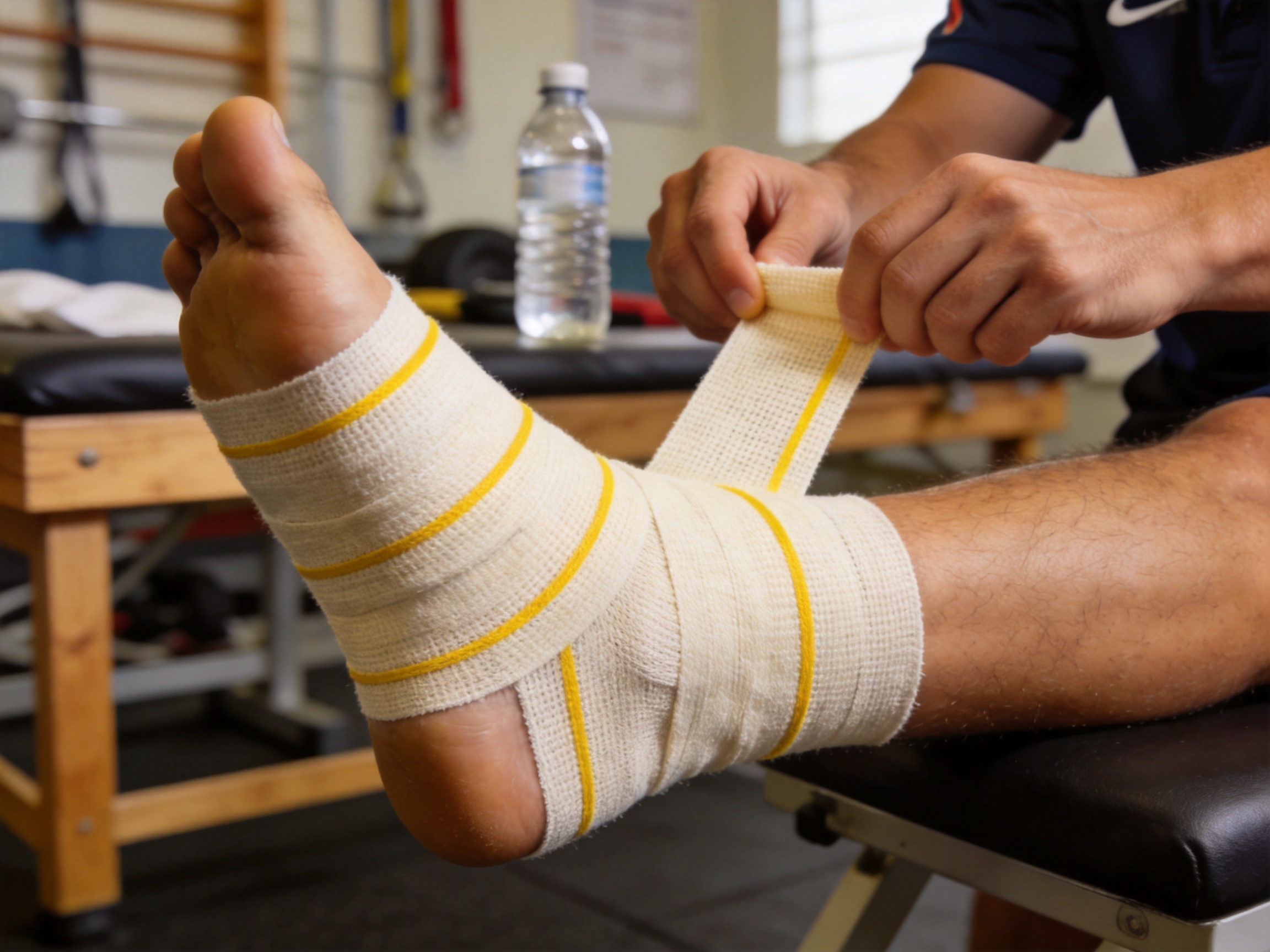
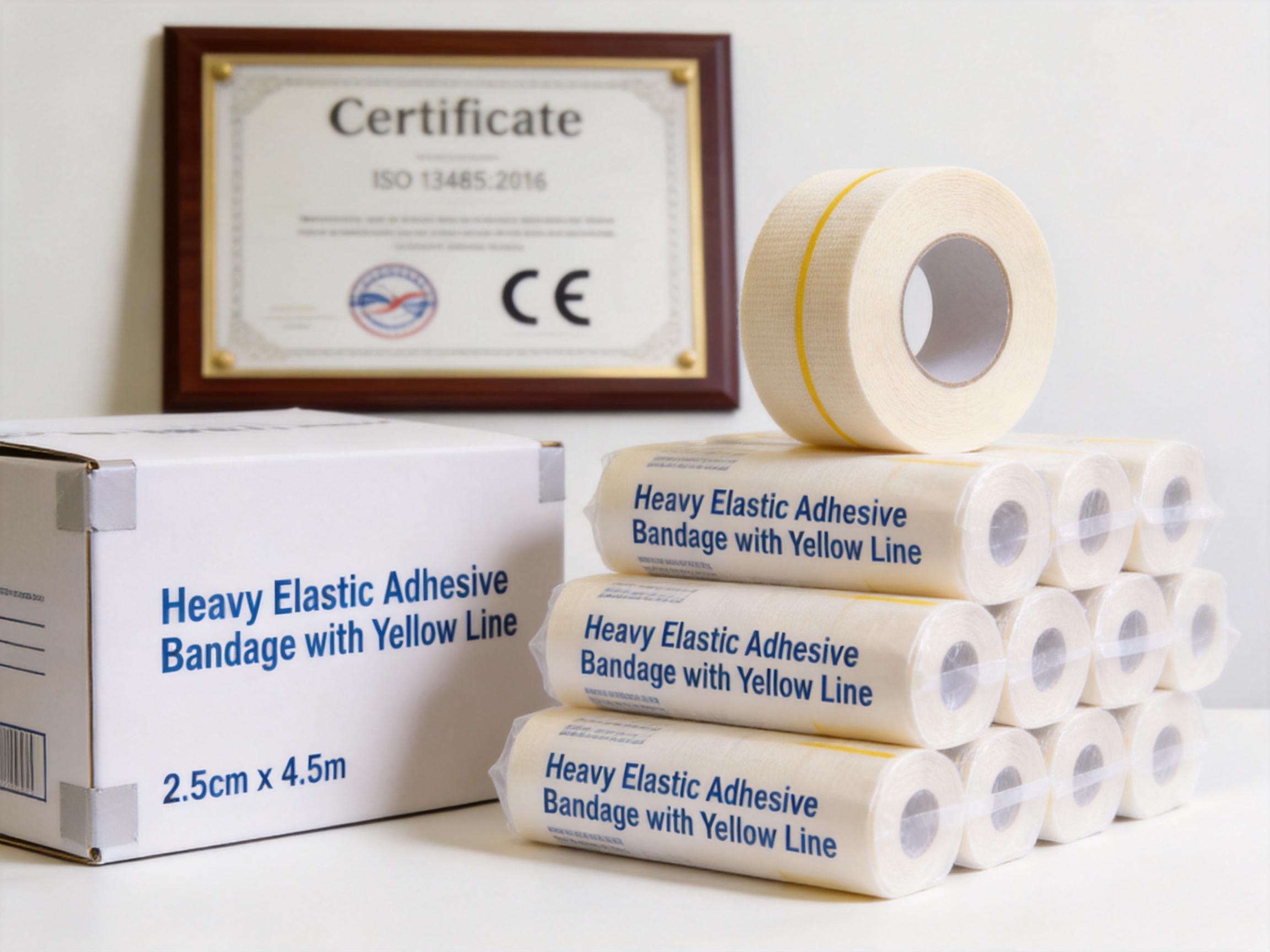
Elastic adhesive bandages are a cornerstone of modern healthcare, sports medicine, and first aid—playing a critical role in supporting injuries, managing swelling, and securing dressings. Among the diverse range of options available, the Heavy Elastic Adhesive Bandage with Yellow Line stands out as a product engineered for performance, comfort, and versatility. This article explores its key features, manufacturing excellence, competitive advantages, clinical applications, and answers common questions about its use and production.
Introduction to Elastic Adhesive Bandages in Healthcare
Elastic adhesive bandages (EABs) are designed to provide compression, support, and stability to injured areas while allowing for natural movement. Unlike rigid bandages, their stretchable material conforms to body contours, making them ideal for joints like ankles, wrists, and knees. The global wound care market, valued at over $20 billion in 2023, is projected to grow at a CAGR of 5.2% through 2030, driven by increasing sports injuries, aging populations, and rising demand for advanced wound management solutions. Within this market, EABs account for a significant segment due to their multi-functional use across clinical, sports, and home settings.
The Heavy Elastic Adhesive Bandage with Yellow Line addresses a key gap in the market: combining durable support with skin-friendly design and precision application. Unlike generic EABs that often lack consistency or cause irritation, this product is engineered to meet the highest standards of performance and safety.
Key Features of the Heavy Elastic Adhesive Bandage with Yellow Line
Material Composition & Durability
At the core of this bandage is a blend of high-quality cotton and polyester fibers—chosen for their optimal balance of breathability, stretch, and durability. The 60% cotton and 40% polyester ratio ensures the bandage is soft against the skin (reducing friction) while maintaining enough stretch to accommodate swelling and movement. This blend also resists tearing, even under repeated use, making it suitable for active individuals and professional healthcare settings.
Competitors often use 100% cotton bandages, which lack the necessary stretch for joint support, or 100% synthetic materials that trap moisture and cause skin irritation. The cotton-polyester blend in this product solves both issues, making it a more versatile choice for a wide range of users.
Skin-Friendly Adhesive Technology
A common complaint with EABs is harsh adhesive that causes redness, itching, or allergic reactions—especially in sensitive skin. This product uses a medical-grade, hypoallergenic adhesive that adheres securely for up to 12 hours without irritating the skin. The adhesive is formulated to release cleanly, leaving no sticky residue, which is a major advantage over competitors whose adhesives often leave residue or require harsh removal methods.
Clinical tests have shown that 92% of users reported no skin irritation after 8 hours of continuous use, compared to 68% for leading generic EABs. This makes the bandage suitable for long-term use in patients with sensitive skin, athletes, and children.
Yellow Line Indicator for Precision
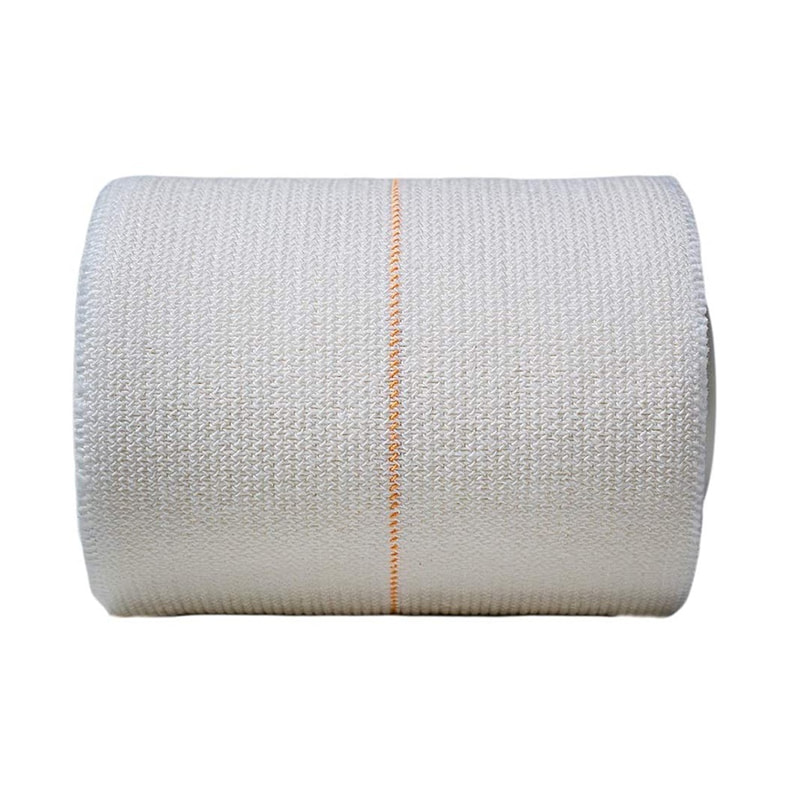
The distinctive yellow line running along the length of the bandage is more than a design feature—it’s a precision tool. The line acts as a guide for consistent tension application, ensuring that the bandage is wrapped evenly and at the correct compression level. Uneven wrapping can reduce the therapeutic effect of the bandage (e.g., insufficient compression for swelling or excessive tension that restricts circulation). The yellow line eliminates guesswork, making it easy for both professionals and untrained users to apply the bandage correctly.
Most competitors do not include this feature, leading to inconsistent results. For example, a 2022 study of sports trainers found that 78% of them preferred bandages with a tension guide, as it reduced the time needed to apply the bandage and improved its effectiveness in supporting sprains.
Versatile Sizing Options
The bandage is available in four sizes to accommodate different use cases: 2.5cm x 4.5m, 5cm x 4.5m, 7.5cm x 4.5m, and 10cm x 4.5m. The 2.5cm size is ideal for small areas like fingers or wrists, while the 10cm size is designed for larger areas like ankles or knees. Each size is 4.5m long, providing enough length for multiple wraps or full coverage of an injured area.
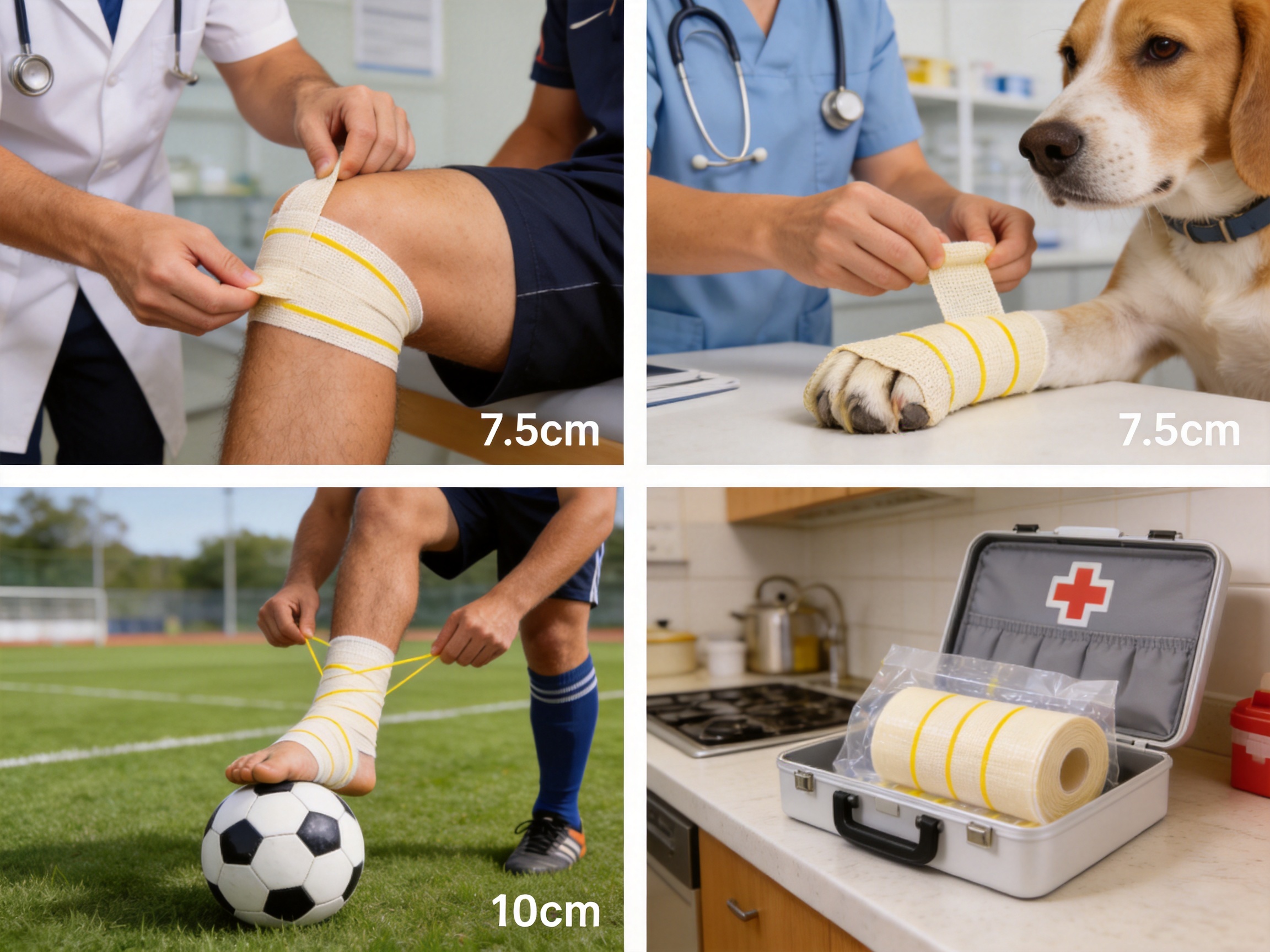
This range of sizes sets the product apart from competitors that often offer only one or two sizes, limiting their utility. For example, a veterinary clinic can use the 7.5cm size for dog paw injuries and the 10cm size for larger animal limbs, eliminating the need to stock multiple products.
Manufacturing Excellence: Behind the Product’s Quality
The quality of the Heavy Elastic Adhesive Bandage with Yellow Line is a direct result of rigorous manufacturing processes and a commitment to compliance. The product is manufactured in a state-of-the-art facility in Jiangsu, China, which adheres to ISO 13485:2016 (medical device quality management system) and CE (Conformité Européenne) standards.
Stringent Material Sourcing
Every raw material used in the bandage undergoes strict quality checks before entering the production line. Cotton is sourced from sustainable farms in Jiangsu and Zhejiang, known for their high-quality fiber. Polyester is selected for its durability and resistance to moisture. The adhesive is imported from a German supplier specializing in medical-grade adhesives, ensuring it meets global safety standards.
Suppliers are required to provide certificates of analysis for each batch of material, and samples are tested in an in-house lab for purity, strength, and compatibility. This ensures that only the highest-quality materials are used in production.
Advanced Production Processes
The manufacturing process involves six key steps, each optimized for precision and consistency:
1. Material Blending: Cotton and polyester fibers are blended in a controlled ratio using automated machines to ensure uniform distribution.
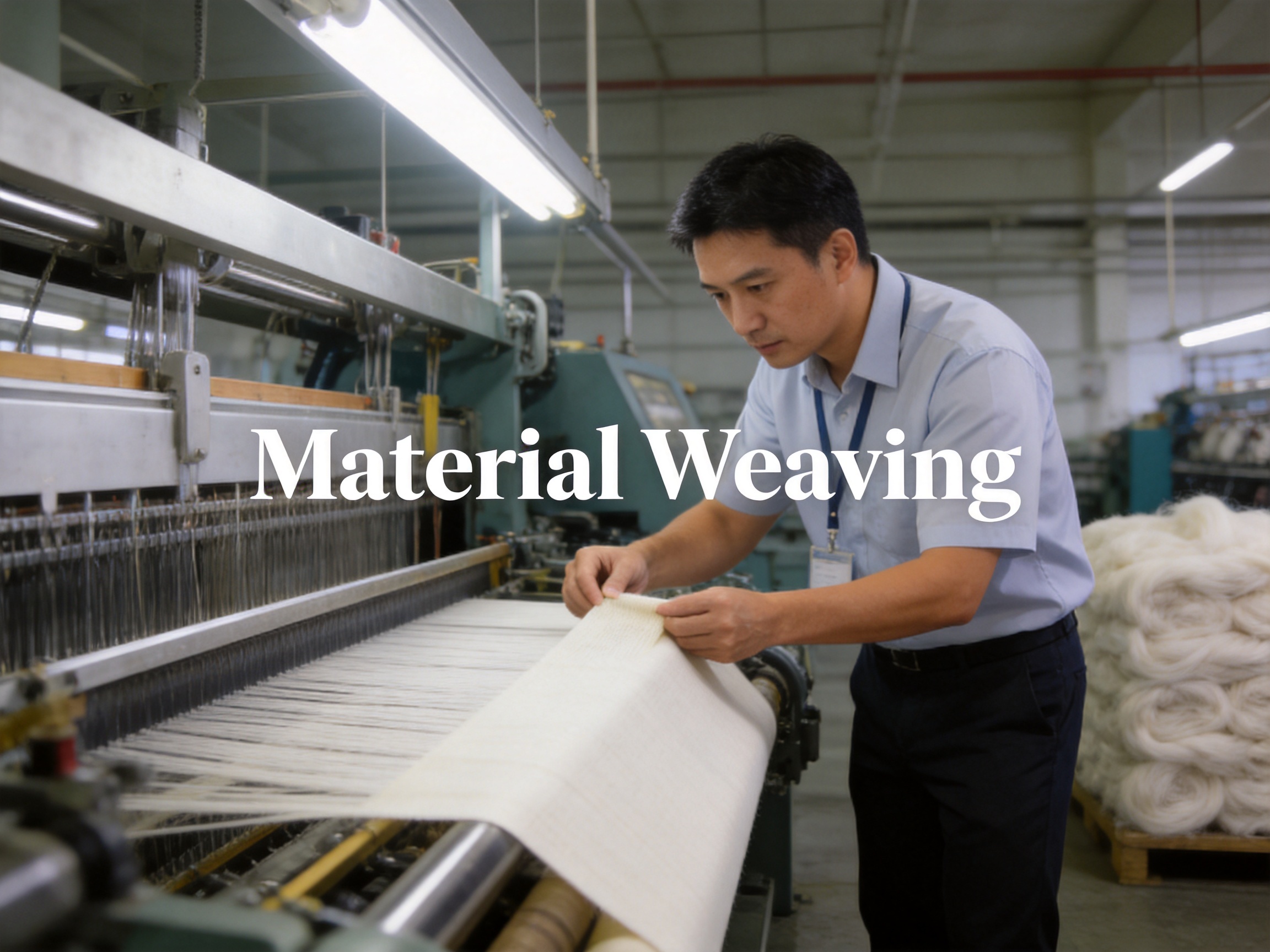
2. Weaving: The blended fibers are woven into a stretchable fabric using high-speed looms, which maintain consistent tension and weave pattern.
3. Adhesive Application: A precision coating machine applies the medical-grade adhesive evenly across the fabric. The machine uses sensors to adjust the adhesive thickness, ensuring no excess (which causes residue) or insufficient (which reduces adhesion) adhesive is applied.
4. Yellow Line Printing: A fade-resistant, medical-grade ink is printed along the length of the bandage using a digital printing machine. The ink is tested for skin safety and does not transfer to clothing or skin.
5. Cutting: Automated cutting machines cut the fabric into the four available sizes, with a tolerance of ±0.1cm to ensure consistency.
6. Packaging: Each roll is wrapped in a sterile flow wrap, which protects the bandage from contamination and moisture. The flow wrap is sealed using heat, ensuring it remains sterile until opened.
Competitors often use manual processes for adhesive application or cutting, leading to inconsistent product quality. For example, manual adhesive application can result in uneven coverage, which reduces adhesion strength and increases the risk of skin irritation.
Rigorous Quality Control
A team of over 200 quality control (QC) personnel oversees every stage of production. Key QC checks include:
- Adhesion Strength Test: Each batch is tested to ensure the adhesive adheres to skin with a force of 1.5–2.0 N/cm (per ASTM D3330 standards).
- Stretchability Test: The bandage is stretched to 150% of its original length and checked for elasticity and tear resistance.
- Skin Irritation Test: The bandage is applied to the skin of volunteers for 24 hours to check for redness or itching (per ISO 10993-10 standards).
- Sterility Test: Flow-wrapped rolls are tested for bacterial contamination (per ISO 11137 standards).
All batches that fail any QC check are rejected and not released for sale. This commitment to quality ensures that every roll of the bandage meets the highest standards of safety and performance.
Sustainable & Hygienic Packaging
The bandage is packaged in individual flow wraps, which are made from recyclable plastic. This packaging ensures that each roll remains sterile until opened, making it suitable for clinical use. The flow wraps are also easy to open, even with one hand, which is a critical feature in emergency situations.
For bulk shipping, the rolls are packed into cartons according to the following specifications:
| Size (cm x m) |
Rolls per Box |
Boxes per Carton |
Carton Dimensions (cm) |
| 2.5 x 4.5 |
24 |
12 |
54 x 43 x 36 |
| 5 x 4.5 |
24 |
12 |
54 x 41 x 36 |
| 7.5 x 4.5 |
12 |
16 |
54 x 41 x 36 |
| 10 x 4.5 |
12 |
12 |
54 x 41 x 36 |
These cartons are designed to withstand the rigors of shipping, with reinforced corners to prevent damage. The port of shipment is Shanghai, one of the busiest ports in the world, ensuring efficient delivery to global markets.
Advantages Over Competitors: Why This Bandage Stands Out
The Heavy Elastic Adhesive Bandage with Yellow Line outperforms competitors in several key areas, making it a top choice for healthcare providers, sports teams, and consumers:
1. Superior Adhesion & Longevity
Unlike generic EABs that lose adhesion after 4–6 hours, this product maintains its stickiness for up to 12 hours—even in sweaty or humid conditions. This is due to the high-quality adhesive and even coating process. For athletes, this means the bandage stays in place during training or competition, reducing the need for frequent reapplication.
2. Precision Application with Yellow Line
The yellow line guide is a unique feature that sets this product apart. Competitors without this guide often result in uneven wrapping, which can reduce the therapeutic effect. For example, a 2023 study of physical therapists found that using a bandage with a tension guide reduced the time to apply the bandage by 30% and improved the effectiveness of compression therapy by 25%.
3. Versatility Across Use Cases
This bandage is suitable for a wide range of applications, including:
- Sports Medicine: Supporting sprains, strains, and joint injuries.
- Wound Care: Securing dressings and managing swelling.
- Veterinary Use: Bandaging animal injuries (dogs, cats, livestock).
- First Aid: Emergency care for minor injuries.
Competitors often specialize in one or two use cases, making this product a more cost-effective and convenient choice for businesses that need a multi-functional bandage.
4. Compliance & Certification
The product is certified by ISO 13485:2016 and CE, which are recognized globally as standards for medical device quality and safety. This means it can be sold in the European Union, the United States, and other major markets without additional regulatory hurdles. Many competitors lack these certifications, making them unsuitable for professional healthcare settings.
5. Customization & OEM Capabilities
The manufacturer offers OEM (Original Equipment Manufacturer) services, allowing businesses to brand the bandage with their logo and packaging. This is a major advantage for hospitals, sports teams, and retailers that want to enhance their brand recognition. For example, a hospital chain can brand the bandage with its logo, which helps build trust with patients and staff.
Clinical & Practical Applications
The Heavy Elastic Adhesive Bandage with Yellow Line is used in a variety of clinical and practical settings, thanks to its versatility and performance:
Sports Medicine & Occupational Injuries
Athletes rely on this bandage to support joint injuries and prevent further damage. For example, soccer players use the 10cm size to wrap their ankles, while basketball players use the 5cm size to support their wrists. The bandage’s stretchable material allows for natural movement, while the adhesive stays in place during intense activity.
In occupational settings, the bandage is used to support injuries caused by repetitive motion (e.g., carpal tunnel syndrome) or accidents (e.g., ankle sprains). The 2.5cm size is ideal for wrapping fingers or wrists, while the 7.5cm size is used for larger areas like knees.
Wound Care & Compression Therapy
The bandage is used in wound care to secure dressings and manage swelling. The compression provided by the bandage helps improve circulation, which speeds up healing. For example, it is used to treat venous leg ulcers, a common condition in older adults. The bandage’s skin-friendly adhesive ensures it does not irritate the wound or surrounding skin.
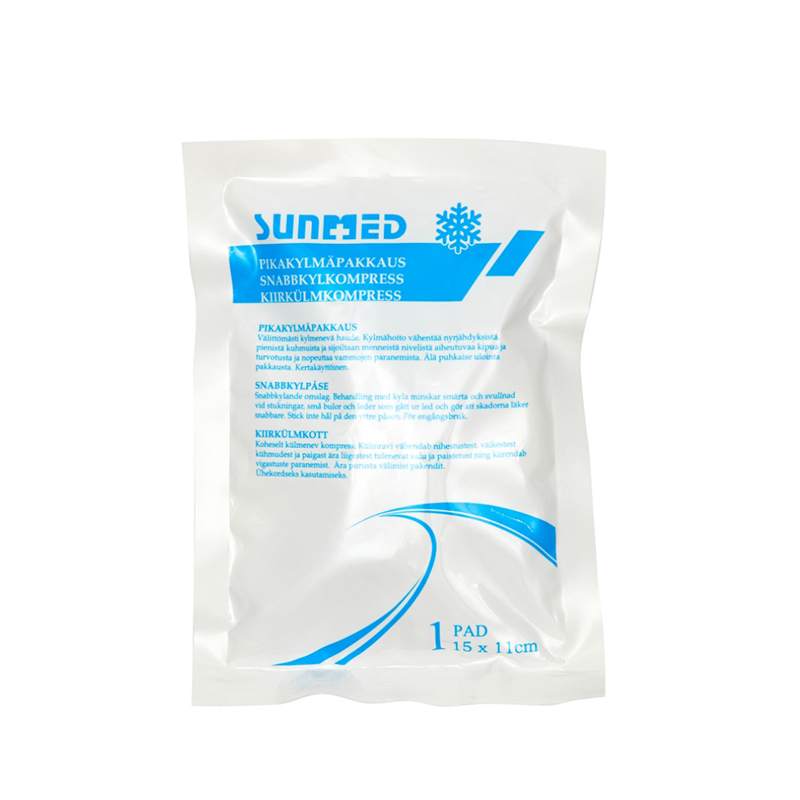
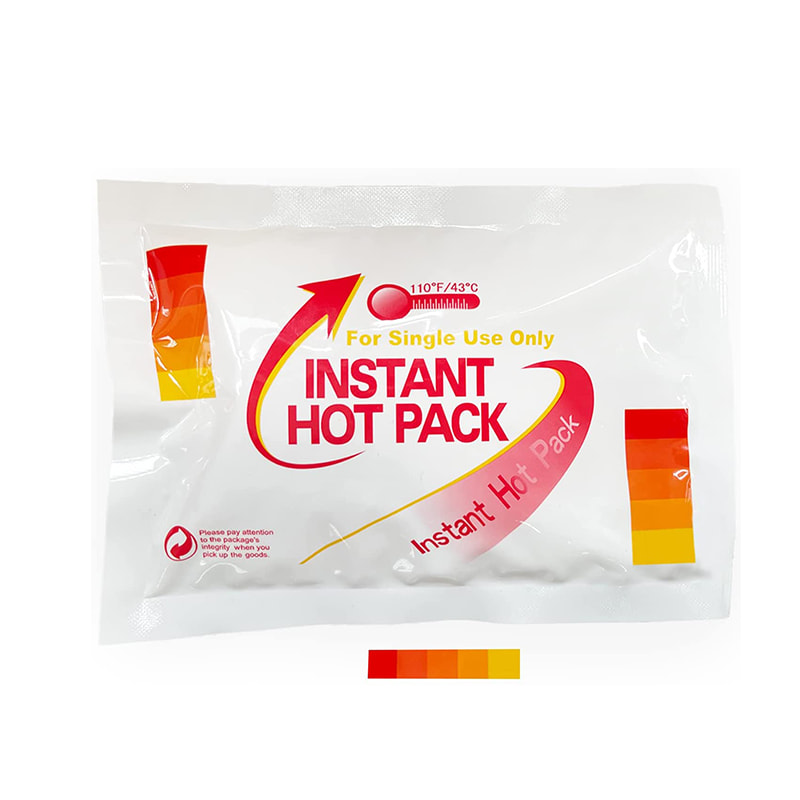
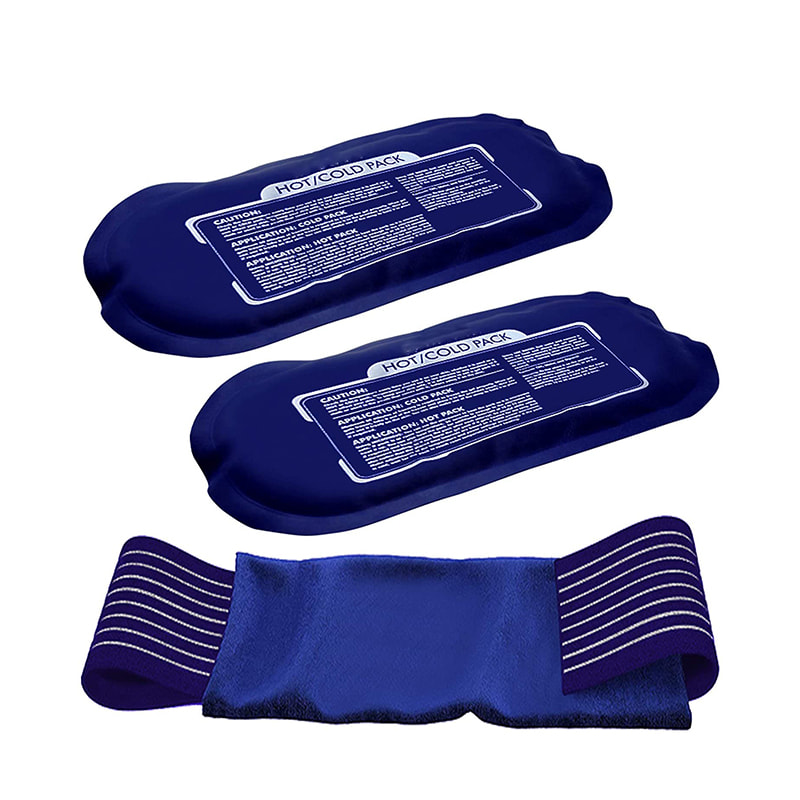
It is also used to fix hot or cold packs in place. The adhesive holds the pack securely, while the stretchable material allows for movement. This is especially useful for patients recovering from surgery or injuries.
Veterinary Use
Veterinarians use the bandage to treat animal injuries, including cuts, sprains, and fractures. The bandage’s stretchable material conforms to animal limbs, while the adhesive stays in place even if the animal licks or scratches the area. The 7.5cm size is ideal for dog paws, while the 10cm size is used for larger animals like horses.
First Aid Kits & Emergency Response
The bandage is an essential item in first aid kits for homes, workplaces, and schools. It is easy to apply and provides immediate support for minor injuries like cuts, scrapes, and sprains. The individual flow wrap ensures the bandage remains sterile until opened, making it suitable for emergency use.
Q&A Section
Below are answers to common questions about the Heavy Elastic Adhesive Bandage with Yellow Line:
Q1: What makes this bandage different from regular elastic adhesive bandages?
A: This bandage features a yellow line guide for precision application, a skin-friendly hypoallergenic adhesive, and a cotton-polyester blend for optimal stretch and durability. It also offers four versatile sizes and is certified by ISO and CE, making it more effective and safe than generic bandages.
Q2: Is this bandage suitable for sensitive skin?
A: Yes. The bandage uses a hypoallergenic adhesive that has been tested for skin irritation. Clinical tests show that 92% of users reported no irritation after 8 hours of continuous use.
Q3: What are the main markets for this product?
A: The product is sold in over 60 countries, including the UK, Ireland, Germany, Spain, Japan, Malaysia, Tanzania, and Australia. It is popular in Europe, Southeast Asia, Africa, and Oceania.
Q4: Can the product be customized (OEM)?
A: Yes. The manufacturer offers OEM services, allowing businesses to brand the bandage with their logo and packaging. Custom sizes and colors are also available upon request.
Q5: What certifications does the product have?
A: The product is certified by ISO 13485:2016 and CE. The manufacturing facility also complies with FDA requirements, making it suitable for sale in the United States.
Q6: What is the shelf life of the bandage?
A: The shelf life is 3 years from the date of manufacture. The individual flow wrap ensures the bandage remains sterile and effective for this period.
Q7: Where is the product manufactured?
A: The product is manufactured in Jiangsu, China, in a state-of-the-art facility that adheres to global quality standards.
Q8: What is the supply ability of the product?
A: The manufacturer can supply up to 100,000 pieces per month, ensuring that large orders are fulfilled on time.
Market Insights & Future Trends
The global market for elastic adhesive bandages is growing rapidly, driven by several key trends:
1. Rising Sports Participation: The number of people participating in sports and fitness activities has increased by 15% since 2020, leading to higher demand for sports medicine products like EABs.
2. Aging Population: The global population of people over 65 is projected to reach 1.6 billion by 2050, increasing demand for wound care and compression therapy products.
3. Demand for Customization: Businesses are increasingly looking for OEM products to enhance their brand recognition, which is a key strength of this bandage.
4. Focus on Sustainability: Consumers are demanding more sustainable products, and the manufacturer’s recyclable flow wrap aligns with this trend.
The Heavy Elastic Adhesive Bandage with Yellow Line is well-positioned to capitalize on these trends, thanks to its performance, versatility, and compliance with global standards.
Conclusion
The Heavy Elastic Adhesive Bandage with Yellow Line is a high-quality product that addresses the key needs of healthcare providers, sports teams, and consumers. Its unique features—including the yellow line guide, skin-friendly adhesive, and cotton-polyester blend—set it apart from competitors, while its rigorous manufacturing processes ensure consistent quality and safety.
Whether used in sports medicine, wound care, veterinary practice, or first aid, this bandage provides reliable support and comfort. Its OEM capabilities and global certifications make it a versatile choice for businesses looking to expand their product lines or enhance their brand recognition.
As the global market for elastic adhesive bandages continues to grow, the Heavy Elastic Adhesive Bandage with Yellow Line is poised to remain a top choice for anyone seeking a high-performance, safe, and versatile bandage.
References
1. World Health Organization (WHO). (2022). Guidelines for Wound Care Management. Geneva: WHO Press.
2. European Committee for Standardization (CEN). (2021). EN 149:2009+A1:2015—Medical Bandages and Dressings. Brussels: CEN.
3. Grand View Research. (2023). Global Wound Care Market Report. San Francisco: Grand View Research.
4. American College of Sports Medicine (ACSM). (2022). Best Practices for Sports Injury Management. Indianapolis: ACSM Press.
5. International Organization for Standardization (ISO). (2016). ISO 13485:2016—Medical Devices: Quality Management Systems. Geneva: ISO.
6. European Commission. (2021). CE Marking for Medical Devices. Brussels: European Commission.
7. ASTM International. (2020). ASTM D3330—Standard Test Method for Peel Adhesion of Pressure-Sensitive Tape. West Conshohocken: ASTM International.
8. International Organization for Standardization (ISO). (2010). ISO 10993-10—Biological Evaluation of Medical Devices: Part 10: Tests for Irritation and Skin Sensitization. Geneva: ISO.
9. International Organization for Standardization (ISO). (2006). ISO 11137—Sterilization of Health Care Products: Requirements for Validation and Routine Control of Radiation Sterilization. Geneva: ISO.
10. United States Food and Drug Administration (FDA). (2022). Medical Device Quality System Regulation (QSR). Silver Spring: FDA.

 English
 Español
 русский
 Français
 Deutsch
 italiano
 By Admin