Enteral feeding requires a dependable connection between feeding tubes, syringes, extension sets, bags, and other components used to deliver nutrition, hydration, or prescribed medication. Although a connector may appear to be a small part of the overall feeding system, its performance can influence workflow efficiency, handling convenience, connection identification, and the continuity of patient care. A well-designed connector helps healthcare professionals assemble feeding equipment more efficiently while supporting a consistent and organized clinical procedure.
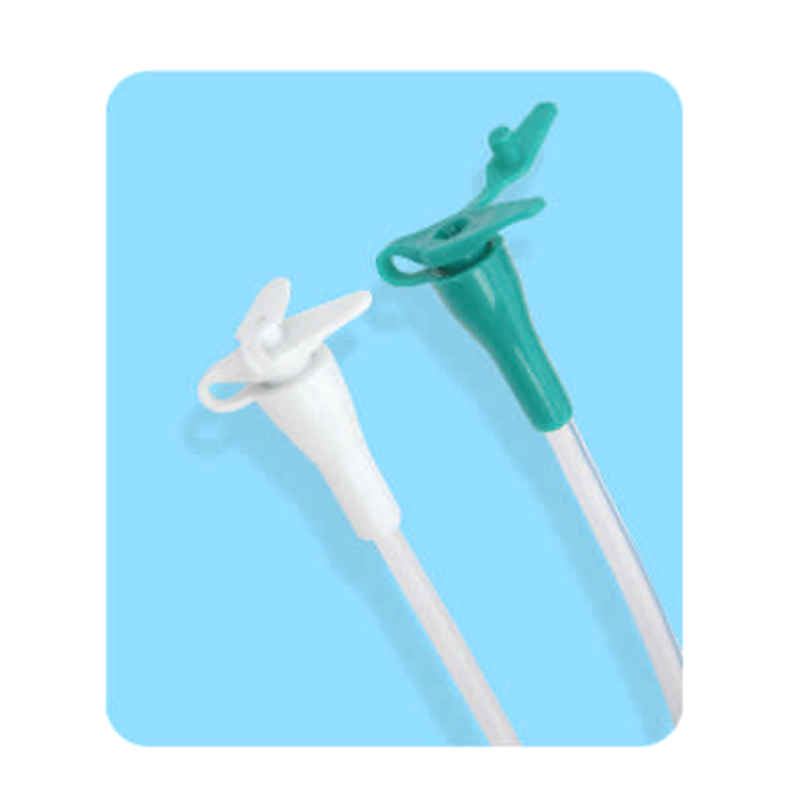
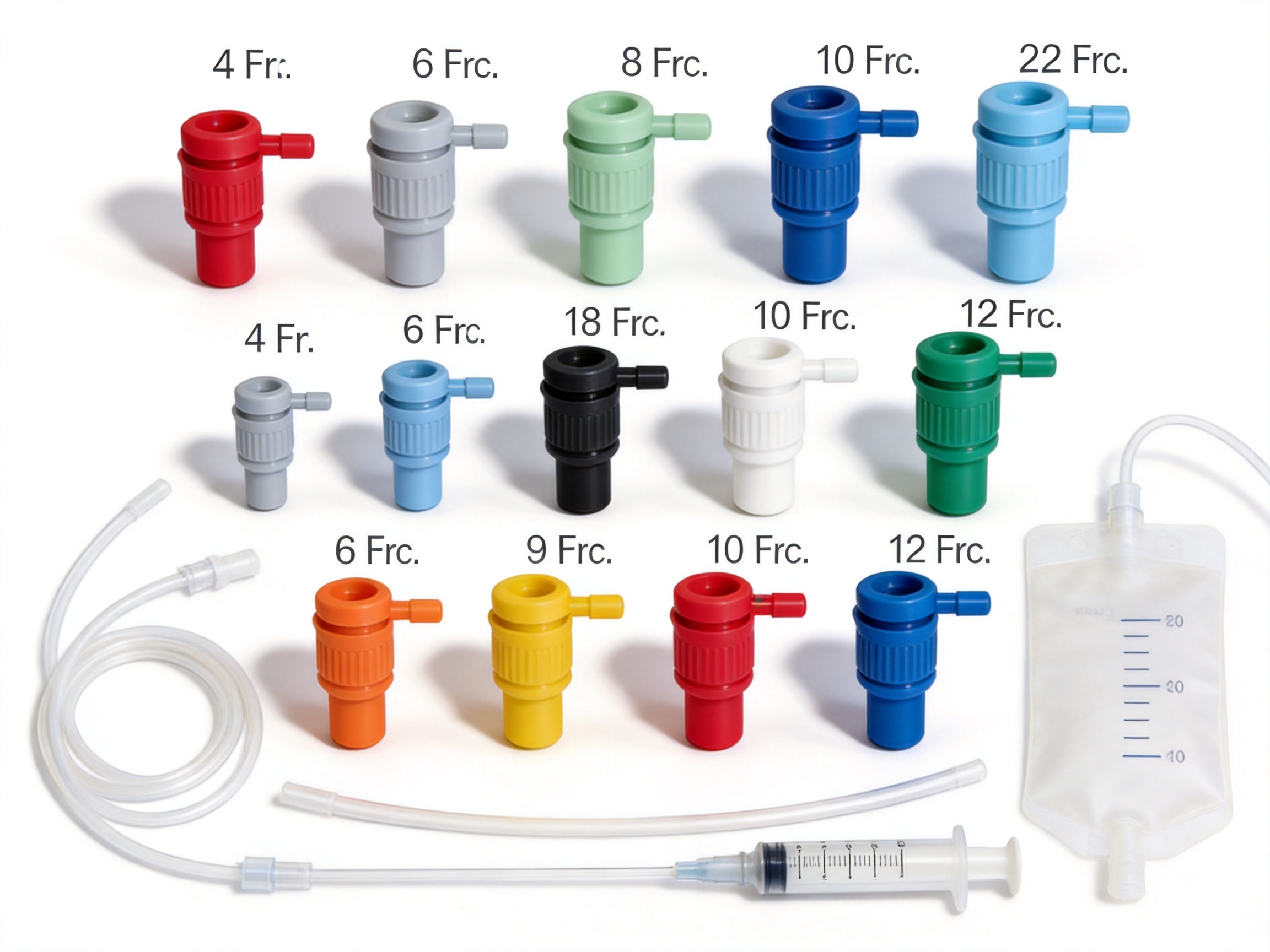
The Multifunction Connector series, identified by item numbers SMD-303113 through SMD-303124, is developed for enteral feeding applications. The series covers a broad range of sizes from 4 Fr. to 22 Fr. Each size is paired with a specific color code, creating a practical visual identification system for healthcare personnel. This combination of size selection, color differentiation, and multifunctional use makes the connector suitable for hospitals, nursing facilities, home-care providers, medical distributors, and other professional healthcare environments.
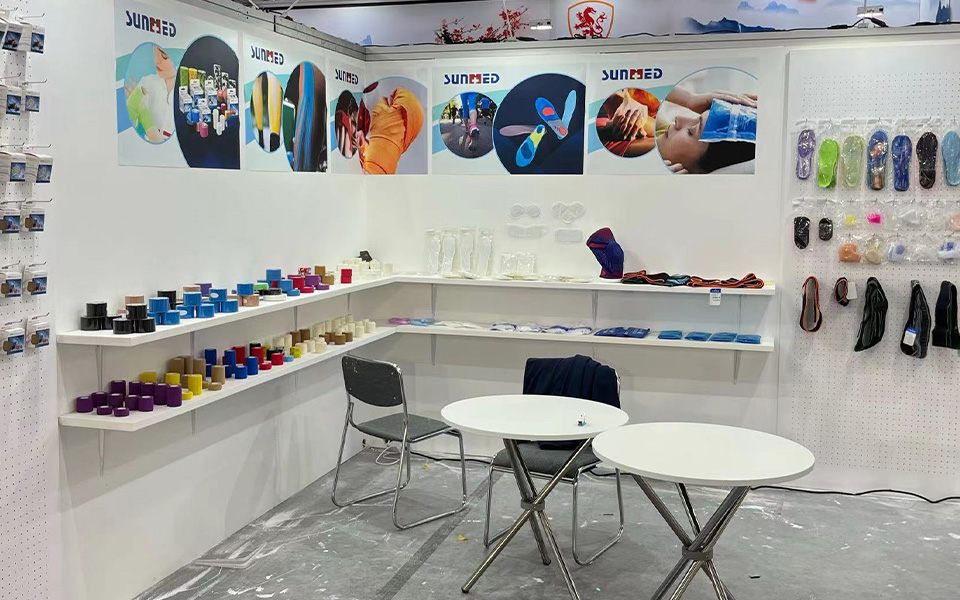
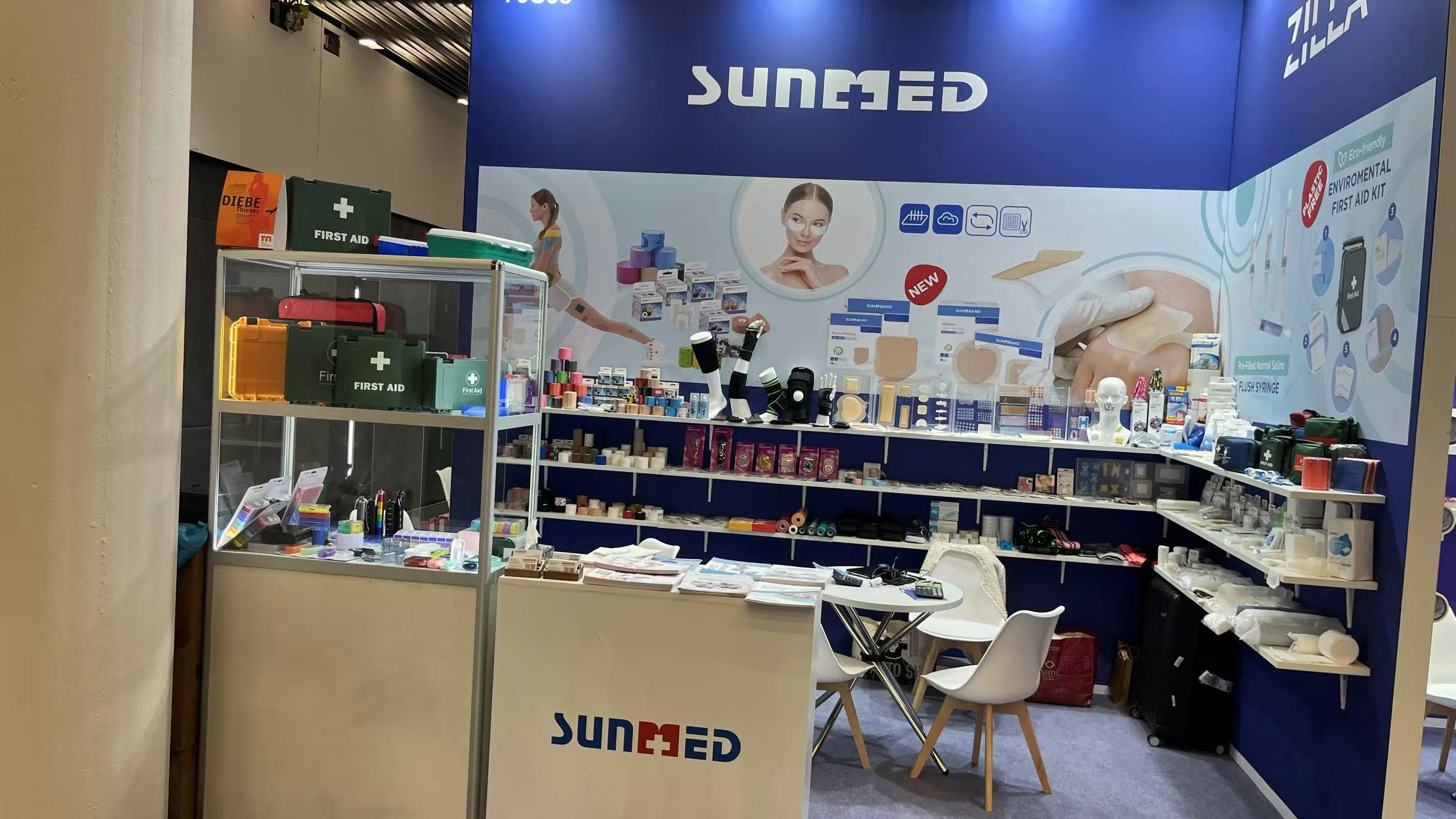
Manufactured by Suzhou Sunmed Co., Ltd., the product is supported by the experience of a long-established medical consumables manufacturer and exporter. The company operates production bases in Jiangsu, Zhejiang, and Anhui Province and maintains manufacturing capabilities across first aid, wound care, medical supplies, sports support, family healthcare, and medical instruments. Its broad product knowledge, quality-control infrastructure, and international customer experience provide a strong foundation for the production and supply of enteral feeding components.
Understanding the Role of a Multifunction Connector
An enteral feeding system may include several interconnected components. Depending on the clinical method, a patient may receive nutrition through a nasogastric tube, gastrostomy tube, feeding bag, syringe, extension line, or other compatible delivery device. The connector provides the interface that allows these components to work together as part of a controlled feeding arrangement.
The term “multifunction” reflects the connector’s role in supporting more than one connection or handling requirement within an enteral feeding setup. In practical use, a connector may help link a tube to a feeding accessory, facilitate the use of a syringe or delivery line, or support the transition between different compatible components. The exact application should always be determined by the healthcare professional and the compatibility requirements of the complete feeding system.
Because enteral feeding products are used in patient-care environments, the connector must be easy to identify and handle. A component that is difficult to distinguish from another size can increase preparation time and create avoidable opportunities for selection errors. The color-coded range addresses this practical concern by allowing staff to recognize the approximate size category visually before checking the item number and packaging information.
The series includes twelve size options. This range allows suppliers and healthcare facilities to select a suitable connector according to the tube or accessory requirements of a particular feeding system. Instead of relying on a single universal component, users can choose from an organized size portfolio that provides greater flexibility for different clinical situations and equipment configurations.
Product Range and Color-Coded Identification
The Multifunction Connector series is available in sizes from 4 Fr. to 22 Fr. French size, commonly abbreviated as Fr., is used to identify the approximate outer diameter of many medical tubes and related components. A larger French size generally corresponds to a larger diameter. Healthcare professionals should confirm the required size and compatibility before use rather than relying on color alone.
| Item Number |
Size |
Color Code |
| SMD-303113 |
4 Fr. |
Red |
| SMD-303114 |
5 Fr. |
Light grey |
| SMD-303115 |
6 Fr. |
Light green |
| SMD-303116 |
7 Fr. |
Blue |
| SMD-303117 |
8 Fr. |
Light blue |
| SMD-303118 |
10 Fr. |
Black |
| SMD-303119 |
12 Fr. |
White |
| SMD-303120 |
14 Fr. |
Green |
| SMD-303121 |
16 Fr. |
Orange |
| SMD-303122 |
18 Fr. |
Red |
| SMD-303123 |
20 Fr. |
Yellow |
| SMD-303124 |
22 Fr. |
Blue |
The color system is especially useful in busy clinical environments where several components may be prepared at the same time. For example, staff can identify the general size group by color and then verify the item number, size marking, and packaging before opening or connecting the product. This two-step approach combines visual convenience with formal product verification.
Color coding can also benefit inventory management. Medical warehouses and hospital supply rooms often store multiple sizes of similar-looking products. A consistent color reference helps personnel organize shelves, perform stock checks, and identify replenishment requirements. When a product range is standardized across departments, new staff members may also become familiar with the selection process more quickly.
It is important to recognize that color coding is an aid rather than a substitute for clinical verification. The same or similar colors may be used differently by different manufacturers or product categories. Users should always compare the connector with the relevant product label, item number, and feeding-system requirements before use.
Multifunction Connector
Key Advantages Compared with Less Organized Connector Options
Broad size selection
One of the main advantages of the Multifunction Connector series is its broad range of available sizes. The series includes 4, 5, 6, 7, 8, 10, 12, 14, 16, 18, 20, and 22 Fr. This selection enables distributors and healthcare providers to source multiple commonly required sizes from one coordinated product family.
Competitor products with a narrower range may require users to combine products from several suppliers or manage separate product specifications. This can increase procurement complexity, create inconsistencies in packaging and identification, and make staff training more difficult. A complete range provides a more streamlined approach to purchasing and stock management.
Visual size recognition
The color-coded design offers a practical advantage over connector ranges that use only printed information. Printed labels remain essential, but color provides an immediate visual reference during preparation. In a clinical setting, where healthcare workers may need to handle several feeding components under time pressure, a visual identification feature can improve workflow organization.
The series uses different colors across its available sizes, including red, light grey, light green, blue, light blue, black, white, green, orange, yellow, and a second red and blue designation for larger sizes. Since some colors recur within the range, staff must still confirm the item number and French size. Nevertheless, the color system provides a useful first-level identification method when combined with clear labeling and appropriate procedures.
Support for standardized procurement
A coordinated connector family can help hospitals and distributors reduce the number of unrelated product specifications they need to maintain. When a single manufacturer can supply a wide selection of enteral feeding sizes, purchasing teams may benefit from simplified communication, consolidated ordering, and more consistent documentation.
For importers and wholesalers, a complete product range may also make it easier to serve different customer groups. Hospitals may need multiple sizes, while home-care providers or retail medical suppliers may focus on a smaller selection. A manufacturer with a full series can support both requirements while maintaining a common product identity.
Practical handling in care environments
Connector design should support straightforward preparation and handling. A multifunction component that is clearly identified and available in multiple sizes can help staff assemble feeding equipment without unnecessary product searching. The advantage is not based only on the connector itself; it comes from the interaction between product design, identification, packaging, instructions, and supply continuity.
Compared with an unstructured assortment of connectors, a standardized series is easier to integrate into standard operating procedures. Hospitals can specify approved item numbers for particular applications, warehouse teams can use the same item references for replenishment, and clinical staff can learn a consistent selection process.
Suitability for professional supply programs
Enteral feeding products are purchased through several channels, including hospital procurement departments, medical distributors, nursing facilities, home healthcare companies, and institutional care providers. A series covering multiple sizes offers flexibility for professional supply programs that serve more than one type of customer.
For OEM and private-label customers, the availability of an established product family may also support the development of a broader enteral feeding portfolio. Product specifications, packaging, labeling, and order quantities can be discussed with the manufacturer according to the customer’s market and regulatory requirements.
Manufacturing Strengths Supporting the Product
The performance and consistency of a medical connector depend on more than its visible shape. Material control, molding or forming accuracy, component inspection, cleaning procedures, packaging, traceability, and final quality checks all contribute to the reliability of the finished product. Suzhou Sunmed Co., Ltd. presents itself as a professional manufacturer and exporter with approximately 30 years of experience in the medical device and medical consumables industry.
This experience covers a wide range of products, including medical gauze, bandages, medical tape, cotton products, non-woven products, sports bandages, kinesiology tape, cohesive bandages, hot and cold therapy products, pill boxes, disposable syringes, catheters, surgical consumables, and other healthcare supplies. Such a broad manufacturing background is valuable because many production principles are shared across medical product categories.
Multiple production bases
The company operates production bases in Jiangsu, Zhejiang, and Anhui Province. Multiple production locations can provide manufacturing flexibility and support capacity planning for different product families. It also allows the business to develop specialized production expertise while maintaining a broader supply structure.
For international buyers, manufacturing capacity is an important consideration. A supplier must be able to provide stable production, maintain consistent specifications, and communicate effectively about lead times and order planning. A manufacturer with established production infrastructure is better positioned to support recurring orders and long-term supply relationships than a trading organization with limited direct control over manufacturing.
Quality-control organization
Sunmed states that it has a professional quality-control team comprising hundreds of personnel. Quality control for enteral feeding components may involve inspection of raw materials, dimensional conformity, appearance, cleanliness, assembly, packaging, labeling, and finished-product documentation. The specific tests and acceptance criteria depend on the product design, intended use, applicable standards, and customer requirements.
A structured quality-control team helps separate production activities from inspection responsibilities. It also supports the development of documented procedures, sampling plans, corrective actions, and process monitoring. When quality expectations are incorporated into each stage of manufacturing, the final product is less dependent on a single end-of-line inspection.
ISO 13485:2016 alignment
The company reports that its products and inspection procedures are managed to meet ISO 13485:2016 standards. ISO 13485 is an internationally recognized quality-management standard for medical devices. It emphasizes controlled processes, documented procedures, risk-based thinking, traceability, supplier management, complaint handling, corrective actions, and continual maintenance of the quality system.
Alignment with a medical-device quality-management system is particularly relevant for enteral feeding products. Customers need confidence that the manufacturer has systems for controlling changes, managing records, investigating nonconformities, and maintaining product consistency. Quality-system certification or compliance claims should always be confirmed through current documentation, certificates, and the applicable product file during the purchasing process.
CE and market compliance experience
Sunmed states that most of its products are CE certified and that its Suzhou factories comply with FDA requirements. Regulatory status can differ by individual product, intended use, market, and classification. Buyers should request the specific conformity documents and regulatory information applicable to the Multifunction Connector before placing an order or introducing it into a regulated market.
The company’s experience serving customers in Europe, Southeast Asia, Africa, and Oceania suggests familiarity with international documentation, export coordination, and customer communication. It has exported products to more than 60 countries, including the United Kingdom, Germany, Spain, Denmark, the Netherlands, Japan, Malaysia, the Philippines, Thailand, Tanzania, Mauritius, South Africa, Australia, and New Zealand.
International experience can help a manufacturer understand that different markets may require different labeling formats, packaging languages, registration documents, product declarations, and shipping arrangements. This does not eliminate the responsibilities of the importer or local regulatory representative, but it can make cooperation more efficient.
Process Control from Material Selection to Finished Connector
A medical connector must be produced through a controlled process that preserves dimensional accuracy and functional consistency. Although the exact material and production parameters for the Multifunction Connector should be confirmed in the technical documentation, a professional manufacturing process typically begins with approved raw materials and defined specifications.
Raw-material management
Raw-material control is a foundational part of medical-device manufacturing. Materials should be purchased from approved suppliers and evaluated against predetermined requirements. Documentation may include supplier qualification records, material specifications, batch information, and certificates of analysis where applicable.
For a connector used in an enteral feeding system, material selection may be evaluated in relation to strength, flexibility, chemical compatibility, processing performance, cleanliness, and intended contact conditions. The material must be suitable for the product’s use environment and should not compromise the function of connected tubing or accessories.
Controlled forming and production
The connector’s shape, internal passage, interfaces, and external handling features need to remain consistent from batch to batch. Controlled forming or molding processes help establish repeatable dimensions. Process parameters may include temperature, pressure, cycle time, cooling conditions, and equipment settings, depending on the selected material and manufacturing technology.
Process control is important because small dimensional changes can influence how components fit together. A connector that is too loose may not provide a satisfactory connection, while one that is too tight may be difficult to assemble or could damage a compatible component. For this reason, dimensional inspection and functional verification are essential parts of a professional production system.
In-process inspection
Inspection during production allows potential issues to be identified before a complete batch is finished. Typical in-process checks may include appearance, dimensions, color, flash, deformation, surface condition, and assembly characteristics. Color inspection is especially relevant to this series because the color code is part of the product-identification system.
In-process inspection can reduce waste and support corrective action. If a deviation is discovered early, production personnel can investigate the equipment, material, tooling, or operating conditions before additional units are manufactured. This approach is more efficient than depending exclusively on final inspection.
Final inspection and release
Before products are released for packing and shipment, finished goods may undergo a final inspection against the approved product specification. The inspection plan should be defined according to risk, intended use, regulatory requirements, and customer agreements. It may include visual examination, dimensional checks, color verification, connection checks, packaging inspection, and review of production records.
Product release should be supported by appropriate documentation. This can include batch records, inspection records, release approvals, traceability information, and packaging verification. For professional buyers, access to relevant quality documents helps establish confidence in the manufacturing process and supports their own internal quality systems.
Packaging and protection
Packaging plays an important role in preserving product condition during storage and transportation. The packaging should protect the connector from contamination, damage, moisture, and loss of identification. Labels should clearly communicate the item number, size, color code, quantity, production information, and any required handling or regulatory information.
Customers may require different packaging formats depending on their distribution model. Hospital procurement may prefer unit packaging or bulk cartons, while retail or home-care channels may require consumer-facing labels. Packaging specifications should be agreed upon before production, particularly for OEM orders or regulated markets.
Clinical Workflow Benefits
The Multifunction Connector is intended to support enteral feeding workflows, where accuracy, preparation time, and organization are important. Feeding procedures may take place in intensive care units, general wards, long-term care facilities, outpatient settings, or patients’ homes. Each environment presents different logistical challenges, but all require clear component identification and appropriate handling.
Preparation and assembly
Before an enteral feeding procedure, staff may gather the feeding tube, connector, syringe, feeding solution, extension set, clamps, and other accessories. A clearly structured product range helps staff locate the intended connector and compare it with the feeding plan or equipment specification.
The color-coded design provides a quick visual cue during assembly. Staff can use the color as an initial reference and then confirm the item number and size. This process may be particularly helpful when several connectors are stored together or when a care team frequently works with different tube sizes.
Inventory organization
Healthcare facilities need to maintain sufficient stock without allowing inventory to become unnecessarily complex. A connector range with a consistent naming structure supports stock control. Item numbers from SMD-303113 to SMD-303124 correspond to the different sizes in the series, which provides a logical reference system for ordering and inventory records.
Distribution companies may also benefit from the structured series because they can present customers with a complete size chart rather than managing unrelated product descriptions. Consistent product references make quotations, purchase orders, warehouse operations, and after-sales communication easier to coordinate.
Staff training and standard operating procedures
Training is an important part of safe enteral feeding practice. Staff should understand how to identify the required size, verify compatibility, inspect the component before use, and follow facility procedures for connection, feeding, disconnection, cleaning, disposal, or reuse where applicable. A color-coded range can support learning, but it should be incorporated into a broader training program.
Standard operating procedures can list the item number, French size, color, intended application, and verification steps. This gives healthcare professionals a consistent reference and reduces dependence on memory. Any product-specific instructions supplied by the manufacturer should be reviewed alongside local clinical policies.
Support for home-care environments
Enteral feeding is not limited to hospitals. Many patients receive nutritional support at home under the supervision of clinicians, caregivers, and family members. In home-care settings, simple identification and organized supplies are especially valuable because the user may not work with medical components every day.
However, home users must receive appropriate instruction. The connector should be used only with compatible equipment and according to the care plan. Packaging, labeling, and instructions should be clear enough to support correct storage, inspection, and handling. Healthcare professionals remain responsible for determining whether a particular connector is appropriate for an individual patient and feeding system.
Applications and Customer Segments
The product belongs to the Enteral Feeding category and can be considered for professional medical supply programs that serve a variety of care settings. Potential customer groups include hospitals, nursing homes, home-healthcare companies, medical distributors, first aid suppliers with enteral-care products, institutional buyers, and healthcare retailers.
Hospitals and clinical institutions
Hospitals often need multiple connector sizes to support different departments and patient populations. A standardized series can help central procurement departments establish approved product lists and support consistent supply throughout the organization. Clinical departments can refer to the same item numbers when requesting replenishment.
Hospitals may also require documentation relating to quality systems, regulatory status, packaging, sterilization if applicable, shelf life if applicable, and traceability. These details should be confirmed for the specific product configuration and market. A manufacturer experienced in medical consumables can assist with the preparation of relevant commercial and technical information.
Nursing and long-term care facilities
Long-term care facilities may manage enteral feeding on a recurring basis. Their priorities may include ease of stock organization, reliable availability, staff familiarity, and clear identification of different sizes. The Multifunction Connector range can be incorporated into facility purchasing plans and storage systems.
Medical distributors
Distributors often seek products that can serve multiple customer types while remaining easy to explain and manage. The twelve-size range gives distributors an opportunity to offer a more complete enteral feeding selection. A consistent product family also helps sales teams prepare product catalogs, quotations, and technical comparisons.
OEM and private-label programs
As an OEM medical consumables manufacturer, Sunmed may be able to discuss customized supply arrangements with qualified customers. Potential areas for discussion may include packaging design, labeling, carton quantities, product documentation, and order planning. Any customization should be reviewed for its effect on product specifications, validation, regulatory submissions, and quality controls.
OEM cooperation requires clear communication. Customers should provide the intended market, product classification, packaging requirements, language needs, forecast quantities, and relevant technical expectations. The manufacturer and customer should establish responsibilities for design approval, change control, complaint handling, and post-market obligations.

Quality, Compliance, and Responsible Product Selection
Medical connectors should be selected according to the requirements of the entire enteral feeding system rather than by appearance alone. Before use, healthcare providers and purchasing teams should review the technical data, intended use, compatibility information, labeling, and instructions supplied with the product.
Compatibility verification
Compatibility is a central consideration. The connector must be matched with the feeding tube, extension line, syringe, bag, or other equipment for which it is intended. Users should verify dimensions, connection type, intended application, and any manufacturer-specific requirements. A connector should not be forced onto a component that does not fit correctly.
Purchasers should also consider whether the product is intended for single use or another defined use condition. Reuse, cleaning, disinfection, and sterilization should not be assumed unless specifically permitted by the product documentation. Incorrect reuse may affect product performance and may introduce contamination risks.
Visual and physical inspection
Before use, the connector should be inspected for damage, deformation, contamination, discoloration, cracks, or packaging defects. If the package is open, damaged, or wet, the product should be handled according to the facility’s procedure and should not be used unless its suitability has been established.
The color should be compared with the labeled item number and size. Because color perception can vary according to lighting and because some colors may recur within a size range, visual confirmation alone is insufficient. The complete product identification should be checked before connection.
Storage and transport
Medical consumables should be stored in a clean, dry environment away from excessive heat, direct sunlight, chemicals, and physical damage. Products should remain in their original packaging until needed whenever possible. Storage requirements, shelf life, and transport conditions should be confirmed from the product labeling and technical documentation.
Distributors should use stock rotation practices and maintain batch information. Hospitals and other institutions should keep inventory records that allow products to be identified by item number and lot or batch reference where applicable. Good stock management supports product traceability and helps prevent the use of outdated or improperly stored components.
Regulatory documentation
Regulatory requirements differ among countries and regions. A buyer may need a declaration of conformity, quality certificate, product specification, risk-management information, test reports, labeling samples, or other documentation. The manufacturer should be asked to provide current documents relevant to the specific product and destination market.
Statements regarding CE certification, FDA-related compliance, or ISO 13485 alignment should be evaluated in relation to the exact product and legal manufacturer. Buyers should verify certificate scope, validity, and applicable regulations rather than applying a general company-level statement to every individual item.
Why Manufacturer Experience Matters
Medical-device buyers often evaluate more than unit price. They also consider supply stability, communication, quality assurance, documentation, packaging capability, production capacity, and the supplier’s ability to support long-term cooperation. Sunmed’s experience across medical consumables and healthcare products provides a broad platform for addressing these requirements.
The company was established as a professional manufacturer and exporter serving international markets. Its stated product coverage includes first aid products, wound dressings, medical gauze, bandages, medical tape, medical cotton, non-woven products, sports support products, family healthcare items, disposable syringes, catheters, surgical consumables, and other medical supplies. This breadth indicates familiarity with different materials, packaging formats, production controls, and customer expectations.
Sunmed also reports that it established a first aid factory in 2008 to respond to customer demand and later established a dedicated factory for kinesiology tape, cohesive bandages, and elastic adhesive bandages in 2021. These investments demonstrate a willingness to develop production resources in response to market requirements. For buyers of enteral feeding products, this wider manufacturing experience may support more efficient cooperation across multiple medical product categories.
A supplier with multiple product lines can be particularly valuable to distributors that want to consolidate sourcing. In addition to enteral feeding connectors, such buyers may require wound-care supplies, medical tapes, gauze, cotton products, syringes, catheters, sports support products, or family healthcare items. Consolidated sourcing can simplify communication, order coordination, and quality documentation, although each product must still be evaluated individually.
Procurement Considerations for Buyers
When evaluating the Multifunction Connector for commercial purchase, buyers should begin by defining the intended application and required size range. A hospital may need the full 4 Fr. to 22 Fr. range, while a specialized distributor may require only selected sizes. Forecasting demand by item number can help the manufacturer prepare production and help the buyer avoid unnecessary stock shortages.
Information to request
Before purchasing, buyers may request the product specification, available sizes, material information, connection compatibility, packaging details, labeling samples, inspection standards, regulatory documents, and applicable certificates. If the product is supplied under an OEM program, the customer should also request information about artwork approval, minimum order quantities, production lead time, sample approval, and change-control procedures.
Order planning
Because the series includes twelve item numbers, order planning should clearly identify each required size. Purchase orders should include the complete item number and size rather than color alone. Buyers should also specify the requested packaging configuration and destination-market requirements.
For recurring supply, a forecast can help coordinate production and shipping. A distributor serving several markets may benefit from a framework arrangement covering multiple sizes, with deliveries scheduled according to demand. Such arrangements should be supported by written agreements covering quality expectations, delivery terms, inspection, and complaint procedures.
Samples and approval
Product samples can help buyers assess appearance, color, labeling, packaging, and compatibility with their intended feeding-system components. Samples should be evaluated by qualified personnel, and approval records should be retained. Any difference between the approved sample and later production should be managed through the agreed change-control process.
Communication and after-sales support
Clear communication is essential for medical product supply. Sunmed provides contact information for its sales team, including the email address [email protected], telephone number +86-512-68785855, and mobile contact +86-13812795048. Buyers should use official communication channels to confirm product specifications, quotations, documentation, delivery schedules, and regulatory questions.
After-sales communication may include handling product inquiries, investigating complaints, reviewing shipment information, and coordinating corrective actions if necessary. A long-term supplier relationship is strengthened when both parties maintain accurate records and respond promptly to technical or commercial questions.
Practical Selection Guide
Selecting the appropriate Multifunction Connector begins with the feeding system’s requirements. The following process can help buyers and healthcare organizations structure their evaluation.
Step one: identify the connected components
List the feeding tube, extension set, feeding bag, syringe, or other components that will be connected. Confirm the connection specifications for each component. If compatibility information is unclear, consult the manufacturer or a qualified healthcare professional before ordering.
Step two: determine the required French size
Use the equipment specification or clinical requirement to identify the correct French size. The series covers sizes from 4 Fr. to 22 Fr., but not every size is suitable for every application. The correct choice depends on the design of the feeding system and the instructions provided by the responsible healthcare professional.
Step three: verify the item number and color
After identifying the size, confirm the matching item number. Use the color as an additional visual check. For example, SMD-303113 corresponds to 4 Fr. and red, while SMD-303124 corresponds to 22 Fr. and blue. The item number remains the primary purchasing and inventory reference.
Step four: review packaging and regulatory requirements
Confirm whether the product must be supplied with specific labeling, language, lot information, or market documentation. Institutional and international orders may have requirements that differ from standard commercial packaging.
Step five: establish receiving inspection
When the shipment arrives, inspect the cartons and product packaging for damage. Compare the received item numbers, quantities, colors, and sizes with the purchase order. Record batch information and retain relevant documents according to the organization’s quality procedures.
Q&A
What is the Multifunction Connector used for?
The Multifunction Connector is designed for enteral feeding applications. It can be used as part of a compatible feeding arrangement that connects tubes and related feeding accessories. The exact application should be determined by the healthcare professional and confirmed against the specifications of the complete system.
What sizes are available?
The series includes 4, 5, 6, 7, 8, 10, 12, 14, 16, 18, 20, and 22 Fr. The corresponding item numbers range from SMD-303113 to SMD-303124.
Why are different colors used?
Different colors provide a quick visual reference for identifying connector sizes. This can support preparation, inventory organization, and staff training. Color should always be used together with the item number, size marking, product label, and compatibility verification.
Can the connector be selected by color alone?
No. Color is an identification aid, not a substitute for formal verification. Users should confirm the item number and French size on the product label and ensure that the connector is compatible with the intended feeding components.
What is the smallest available size?
The smallest listed size is 4 Fr., supplied under item number SMD-303113 and identified by the red color code.
What is the largest available size?
The largest listed size is 22 Fr., supplied under item number SMD-303124 and identified by the blue color code.
Does the range include intermediate sizes?
Yes. In addition to the larger size steps, the series includes 5, 6, 7, and 8 Fr. These intermediate options allow buyers to select a connector more closely matched to the intended feeding equipment.
Is the product suitable for all enteral feeding tubes?
Suitability cannot be assumed for every tube or accessory. The connector should be used only with components identified as compatible by the product documentation or qualified healthcare personnel. Buyers should verify the connection type, dimensions, intended use, and any relevant system requirements.
Is the connector reusable?
Reuse should not be assumed. The applicable use condition, cleaning instructions, sterilization information, and disposal requirements must be confirmed from the product documentation. If the product is supplied for single use, it should not be reused.
How should the connector be stored?
Store the product in its original packaging in a clean, dry location protected from excessive heat, direct sunlight, moisture, chemicals, and physical damage. Specific storage conditions and shelf-life information should be checked on the product label and technical documentation.
What should be checked before use?
Users should check the package integrity, item number, size, color, appearance, and compatibility with the intended feeding system. The connector should not be used if it is damaged, contaminated, deformed, or supplied in compromised packaging.
Can distributors purchase the full product series?
Distributors can discuss the required size mix, packaging, quantities, delivery schedule, and documentation with Suzhou Sunmed Co., Ltd. The complete series may be useful for customers that serve hospitals, nursing facilities, home-care providers, and other healthcare organizations.
Does the manufacturer support OEM cooperation?
Sunmed describes itself as an OEM medical consumables manufacturer. Qualified customers can discuss private-label or customized supply requirements, including packaging, labeling, order planning, and market documentation. Customized arrangements must be reviewed for technical, quality, and regulatory implications.
What quality experience does the manufacturer have?
The manufacturer reports approximately 30 years of experience in medical devices and medical consumables, multiple production bases, a professional quality-control team comprising hundreds of personnel, and quality procedures aligned with ISO 13485:2016. It also reports international export experience in more than 60 countries.
Are all products covered by the same regulatory documents?
No. Regulatory status and documentation can differ by product, intended use, market, and classification. Buyers should request and verify the documents specifically applicable to the Multifunction Connector and the destination country.
Conclusion
The Multifunction Connector series provides a structured approach to enteral feeding component selection. Its twelve available sizes, ranging from 4 Fr. to 22 Fr., give healthcare providers and distributors flexibility across different feeding-system requirements. The color-coded range supports rapid visual identification, while the item-number system provides the formal reference needed for purchasing, inventory, and quality management.
Its advantages over less organized connector selections include a broad size portfolio, coordinated product identification, simplified procurement, and practical support for clinical workflow. These benefits become more valuable when the product is integrated into standardized procedures that require staff to verify size, compatibility, packaging, and intended use.
The manufacturer’s broader strengths also support the product’s commercial potential. Suzhou Sunmed Co., Ltd. combines long-term experience in medical consumables, multiple production bases, an extensive quality-control organization, international export experience, and stated alignment with ISO 13485:2016 requirements. Its experience with first aid, wound care, medical supplies, sports support, family healthcare, syringes, catheters, and surgical consumables demonstrates a wide understanding of professional healthcare supply chains.
For hospitals, distributors, nursing facilities, and OEM customers, the series can serve as a practical component within a more organized enteral feeding portfolio. Final selection should always be based on verified compatibility, current product documentation, applicable regulations, and the instructions of qualified healthcare professionals.
References
1. Suzhou Sunmed Co., Ltd. Product information for Multifunction Connector, item numbers SMD-303113 through SMD-303124.
2. Suzhou Sunmed Co., Ltd. Company information and manufacturing profile for medical consumables and medical devices.
3. International Organization for Standardization. ISO 13485:2016, Medical devices—Quality management systems—Requirements for regulatory purposes.
4. International Organization for Standardization. General principles for quality management and process control in medical-device manufacturing.
5. Clinical enteral nutrition practice guidance concerning tube compatibility, component identification, safe handling, and feeding-system verification.
6. Applicable national and regional medical-device regulations concerning enteral feeding accessories, labeling, conformity assessment, and post-market responsibilities.

 English
 Español
 русский
 Français
 Deutsch
 italiano
 By Admin