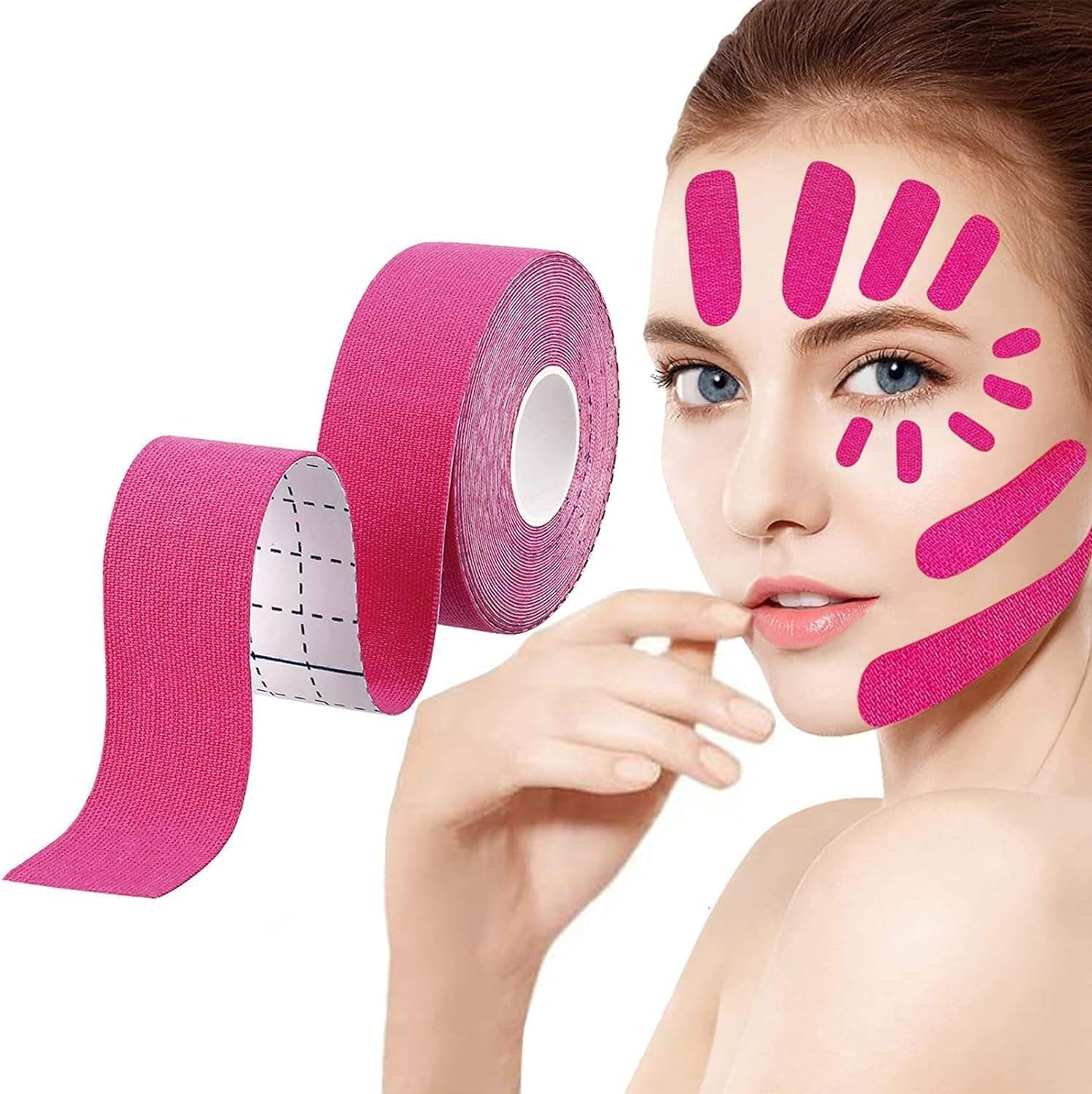
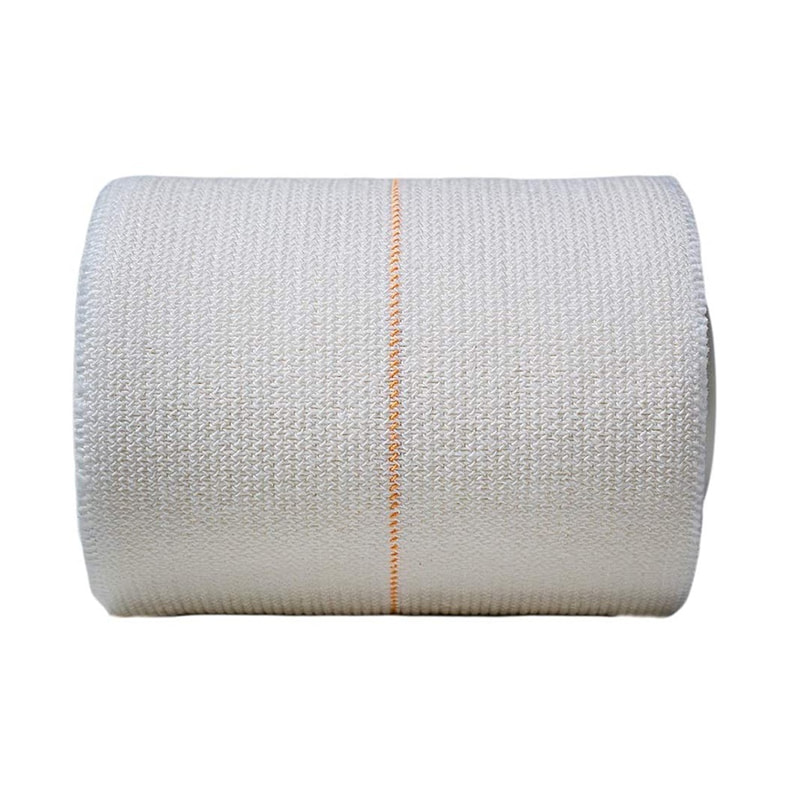
PU Silicone Tape is a modern medical adhesive tape designed for dependable fixation, comfortable skin contact, and practical use in wound care, postoperative care, scar management, and personal healthcare. Combining a flexible polyurethane film with a skin-friendly silicone adhesive layer, the tape provides a balance between secure adhesion and gentle removal. Its waterproof structure, thin profile, adaptable widths, and customizable packaging make it suitable for hospitals, clinics, pharmacies, retail chains, medical distributors, e-commerce sellers, and private-label brands.
Medical adhesive tape must perform several functions at the same time. It must remain in place during movement, resist moisture, conform to curved body areas, and protect the covered area without creating unnecessary irritation. At the same time, users increasingly expect products to be discreet, breathable, easy to apply, and comfortable during extended wear. PU Silicone Tape has been developed around these requirements, offering a versatile alternative to conventional rigid, heavily coated, or difficult-to-remove adhesive products.
The product is supplied in a range of widths and roll lengths, with standard and customized packing configurations available. It may be used as a medical waterproof adhesive tape, scar repair tape, wound-care accessory, or postoperative support product, depending on its final configuration, labeling, intended use, and applicable market authorization.
PU Silicone Tape
1. Understanding PU Silicone Tape
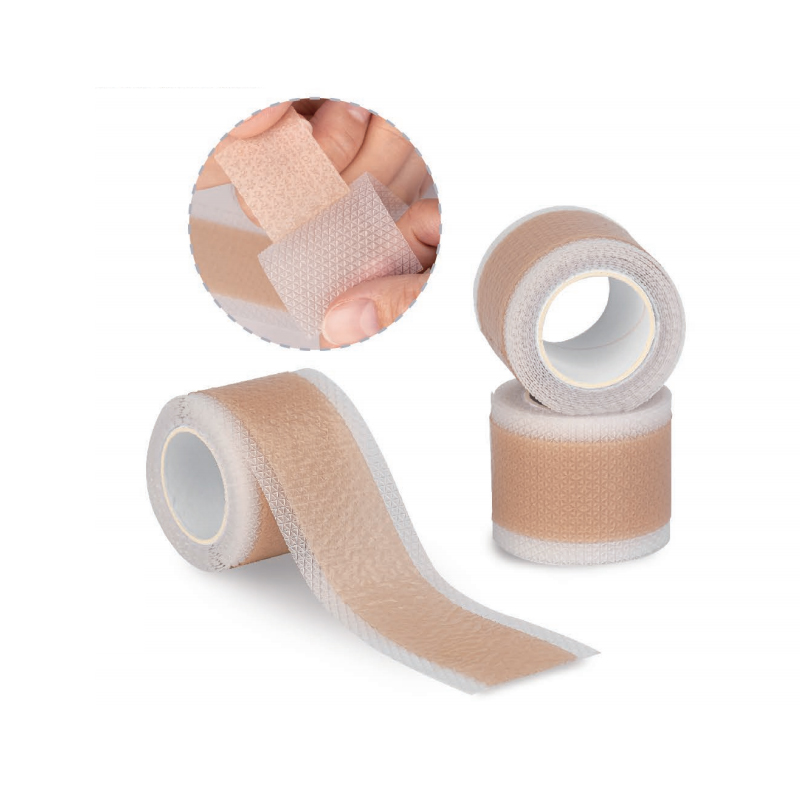
PU Silicone Tape consists primarily of a polyurethane, or PU, backing film and a silicone adhesive layer. Polyurethane is valued in medical products because it can be thin, flexible, and resistant to water penetration while maintaining a degree of breathability. Silicone adhesive is widely selected for applications where gentle skin contact and controlled removal are important.
The combination creates a tape that is more adaptable than many traditional adhesive materials. The PU film can follow body contours and accommodate ordinary movement, while the silicone adhesive helps the tape attach to the skin or surrounding dressing without relying on an excessively aggressive bond. This makes the product suitable for areas where repeated movement, sensitive skin, or postoperative comfort are important considerations.
In scar-care applications, the tape can be designed as an extra-thin covering for use over healed scars or areas requiring scar-management support. In wound-care applications, it can assist with the fixation of dressings, protective coverings, and medical accessories. The exact application should always follow the product instructions, professional medical guidance, and the regulatory requirements of the destination market.
Core Product Characteristics
The main characteristics of PU Silicone Tape include a flexible backing, a skin-friendly adhesive, a waterproof or water-resistant structure, and an extra-thin format. These properties support use in both professional and home-care environments. The product can be cut or supplied in practical roll formats, allowing users to select the amount needed for a particular application.
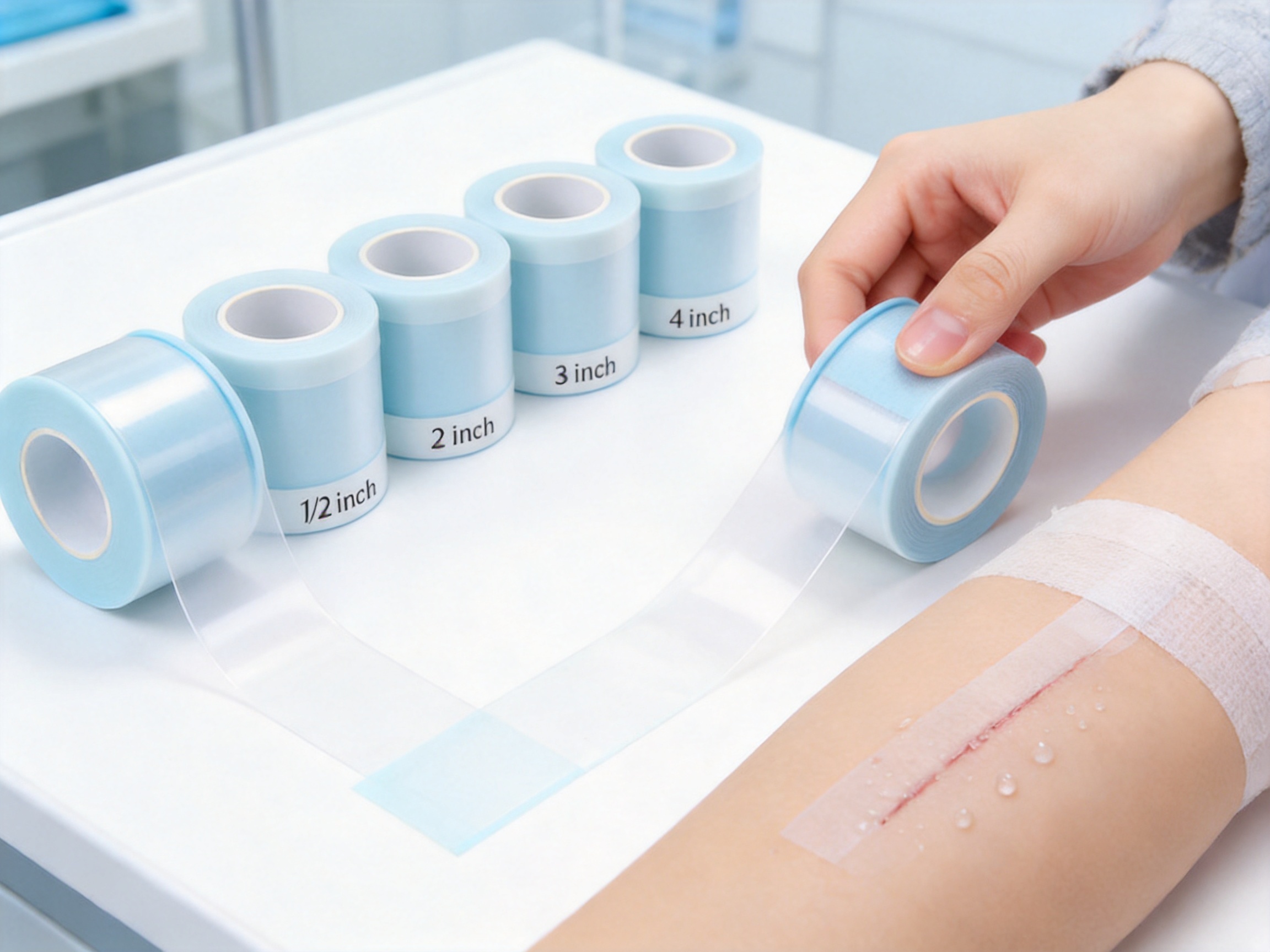
The tape is offered in widths of 1/2 inch, 1 inch, 2 inches, 3 inches, and 4 inches. Available lengths include 5 yards, 5 meters, 10 yards, and 10 meters. Customized sizes may be produced for specific clinical protocols, retail packaging requirements, or private-label product lines.
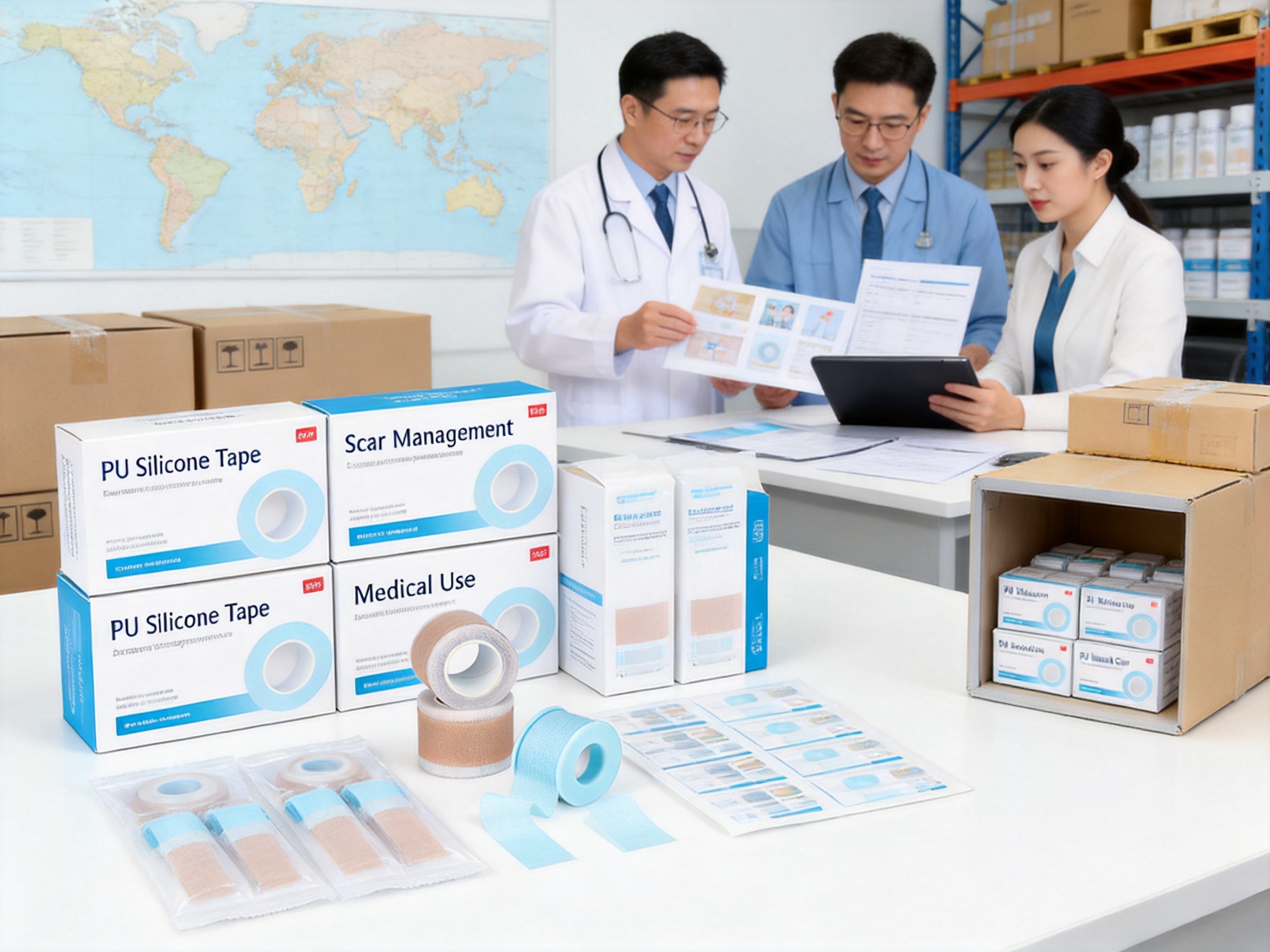
Packaging can be configured for different purchasing channels. A standard arrangement may include one piece per pouch, 20 pieces per box, and 200 pieces per carton. Alternative configurations, such as 12 pieces per box or 360 pieces per carton, may be developed according to customer requirements, order volume, labeling specifications, and logistics needs.
| Product Element | Available or Standard Option | Commercial Value |
|---|
| Backing material | Flexible polyurethane film | Supports flexibility, a thin profile, and moisture resistance |
| Adhesive layer | Medical-grade silicone adhesive configuration | Designed for skin-friendly contact and controlled removal |
| Widths | 1/2 inch, 1 inch, 2 inches, 3 inches, and 4 inches | Suitable for small areas, dressings, scars, and broader coverage |
| Lengths | 5 yards, 5 meters, 10 yards, and 10 meters | Supports professional, retail, and bulk-use requirements |
| Packaging | Individual pouch, box, and carton formats | Suitable for hospitals, retail shelves, and wholesale distribution |
| Customization | Logo, size, color, labeling, and packaging options | Enables OEM, ODM, private-label, and white-label programs |
2. Advantages of the PU and Silicone Material Combination
Flexible Polyurethane Backing
Polyurethane provides a practical foundation for a medical adhesive tape because it can be manufactured as a thin and flexible film. A flexible backing helps the tape adapt to body movement and reduces the stiffness that may be associated with some conventional tapes. This is particularly useful on joints, curved areas, or locations that experience frequent motion.
PU film can also provide a protective barrier against external moisture. In a waterproof or water-resistant design, it may help the covered area remain protected during routine washing or exposure to splashes. Waterproof performance depends on the complete product structure, including the film, adhesive, seams, edges, packaging, and application method. Accordingly, the precise claim should be confirmed through product testing and the applicable technical documentation.
Skin-Friendly Silicone Adhesive
Silicone adhesive is an important differentiating feature. Compared with some traditional high-tack adhesives, silicone systems can be formulated to provide a gentler interface with the skin. This is valuable for users who need to change dressings frequently, have delicate skin, or require an adhesive product for postoperative or scar-care routines.
A controlled adhesive bond can support removal with less pulling force. Gentle removal may help improve user comfort and reduce the risk of unnecessary skin stress. However, no adhesive is suitable for every individual. Users should follow the instructions, observe the skin during use, and discontinue application if discomfort, redness, swelling, or other unexpected reactions occur.
Thin and Discreet Design
The extra-thin design supports discreet use under clothing and may reduce the feeling of bulk around the protected area. A low-profile tape is also easier to combine with other dressings or daily-care products. For retail customers, a thinner appearance can make the product more attractive as a personal-care and scar-management solution.
Thinness must be balanced with tear resistance, handling strength, adhesive performance, and application reliability. An advanced manufacturing process therefore focuses not only on making the tape thin, but also on maintaining stable dimensions and consistent performance across the roll.
Breathability and Comfort
A breathable structure can improve comfort during extended use by allowing some moisture vapor exchange. Comfort is influenced by multiple factors, including the PU film, adhesive coverage, application pressure, wear time, environmental conditions, and the condition of the skin. The tape is designed to provide a practical balance between protection and wearability rather than functioning as an impermeable plastic covering in every application.
3. Applications in Medical and Personal Care
Postoperative Care
Following surgery, medical professionals may use specialized adhesive products to secure protective materials or support scar-management routines after the incision has sufficiently healed. PU Silicone Tape can be supplied in formats intended for postoperative care, subject to the product’s approved indication and the instructions of healthcare professionals.
The tape’s flexible structure can be useful in areas where movement is unavoidable. Its thin profile may also improve comfort for patients who need a covering for an extended period. In professional settings, hospitals and clinics can select different widths and packaging formats according to the type of procedure, dressing protocol, and expected usage volume.
Scar Management
Silicone-based scar products are commonly selected for scar-care programs because silicone can help create a protective interface over suitable healed scars. PU Silicone Tape can be configured as a roll product that allows the user or healthcare provider to cut an appropriate length for the target area.
Scar-care results depend on many factors, including scar type, age, location, skin condition, adherence to instructions, and individual healing characteristics. The product should not be presented as a universal cure or as a replacement for professional evaluation. Instead, it is best positioned as a convenient and customizable tool within a broader scar-management routine.
Wound-Care Dressing Fixation
Medical tape is frequently used to secure gauze, non-woven dressings, protective pads, and other wound-care materials. PU Silicone Tape can provide a flexible fixation option where gentle removal and moisture resistance are desired. The available widths allow distributors and healthcare providers to select a format suited to smaller dressings or broader coverage.
The tape itself should not automatically be considered a wound-contact dressing unless the specific product configuration has been tested, labeled, and authorized for direct contact with an open wound. In many applications, it is used to fix or cover a separate dressing. Clear labeling and accurate instructions are essential for safe use.
Home Healthcare
Home-care users often need products that are easy to understand and simple to apply. Individually packed rolls can be convenient for personal use, travel kits, family first-aid cabinets, and community-care programs. A waterproof outer layer may also be useful for everyday protection where the user needs to maintain a dressing during normal routines.
For home use, packaging should provide clear information about application, removal, storage, intended use, warnings, and disposal. Private-label customers can request artwork and instructions that reflect the language and regulatory expectations of their target market.
Retail and E-Commerce
PU Silicone Tape is suitable for retail and e-commerce product lines because it can be packaged as an individual consumer product or as a multipack. Its applications are easy to communicate to customers seeking scar-care, postoperative-care, first-aid, and medical dressing accessories.
Online sellers may benefit from presenting different sizes, usage formats, and package quantities. Product pages should describe the material and intended use accurately, avoid unsupported medical promises, and provide clear guidance about who should consult a healthcare professional before use.
4. Comparison with Conventional Medical Adhesive Tapes
PU Silicone Tape is designed to address several limitations that buyers may encounter when comparing conventional medical adhesive products. Traditional tapes may use paper, fabric, non-woven, or plastic backings combined with acrylic, rubber, or other adhesive systems. Each material has useful applications, but performance can vary depending on the intended environment.
Comfort and Removal
One advantage of a silicone adhesive formulation is the possibility of achieving skin-friendly contact and controlled removal. This can be especially relevant for elderly users, children, patients with fragile skin, and individuals who need repeated dressing changes. In contrast, some high-tack conventional tapes may adhere strongly but create more discomfort during removal, particularly when applied to sensitive or hairy skin.
Moisture Protection
A PU film can provide a more effective moisture barrier than porous paper or fabric backings. This may make the product more suitable for applications requiring resistance to water or external splashes. Nevertheless, buyers should distinguish between “water-resistant” and “waterproof,” and should request test data supporting the exact claim used on the label.
Flexibility and Body Conformability
Rigid tape can lift at the edges or restrict movement when applied over joints and curved surfaces. A flexible PU backing is designed to conform more easily to the body. This can support a more comfortable fit and a cleaner appearance during routine movement.
Discreet Appearance
The extra-thin structure may offer a more discreet alternative to thick dressings or bulky fixation materials. This feature is useful in personal care and scar-management markets, where customers may prefer products that are less visible under everyday clothing.
Customization Potential
Some commodity tapes are supplied only in fixed sizes and generic packaging. PU Silicone Tape is suitable for a broader OEM and ODM program. Customers can request customized dimensions, logos, packaging structures, box quantities, color options, and market-specific labeling. This flexibility gives distributors and brands more control over product positioning.
| Evaluation Factor | PU Silicone Tape | Potential Limitation of Some Conventional Formats |
|---|
| Skin contact | Silicone adhesive can be formulated for gentle contact | Some adhesive systems may feel more aggressive during removal |
| Backing flexibility | PU film supports conformability | Rigid films may be less comfortable over moving areas |
| Moisture resistance | Designed for waterproof or water-resistant applications | Paper or porous materials may absorb moisture |
| Product thickness | Extra-thin options are available | Some products may create more bulk |
| Scar-care positioning | Can be configured for scar-management programs | General-purpose tapes may not suit scar-care branding |
| Brand customization | OEM and ODM support for packaging and specifications | Generic products may offer fewer branding choices |
5. Manufacturing Process and Quality Control
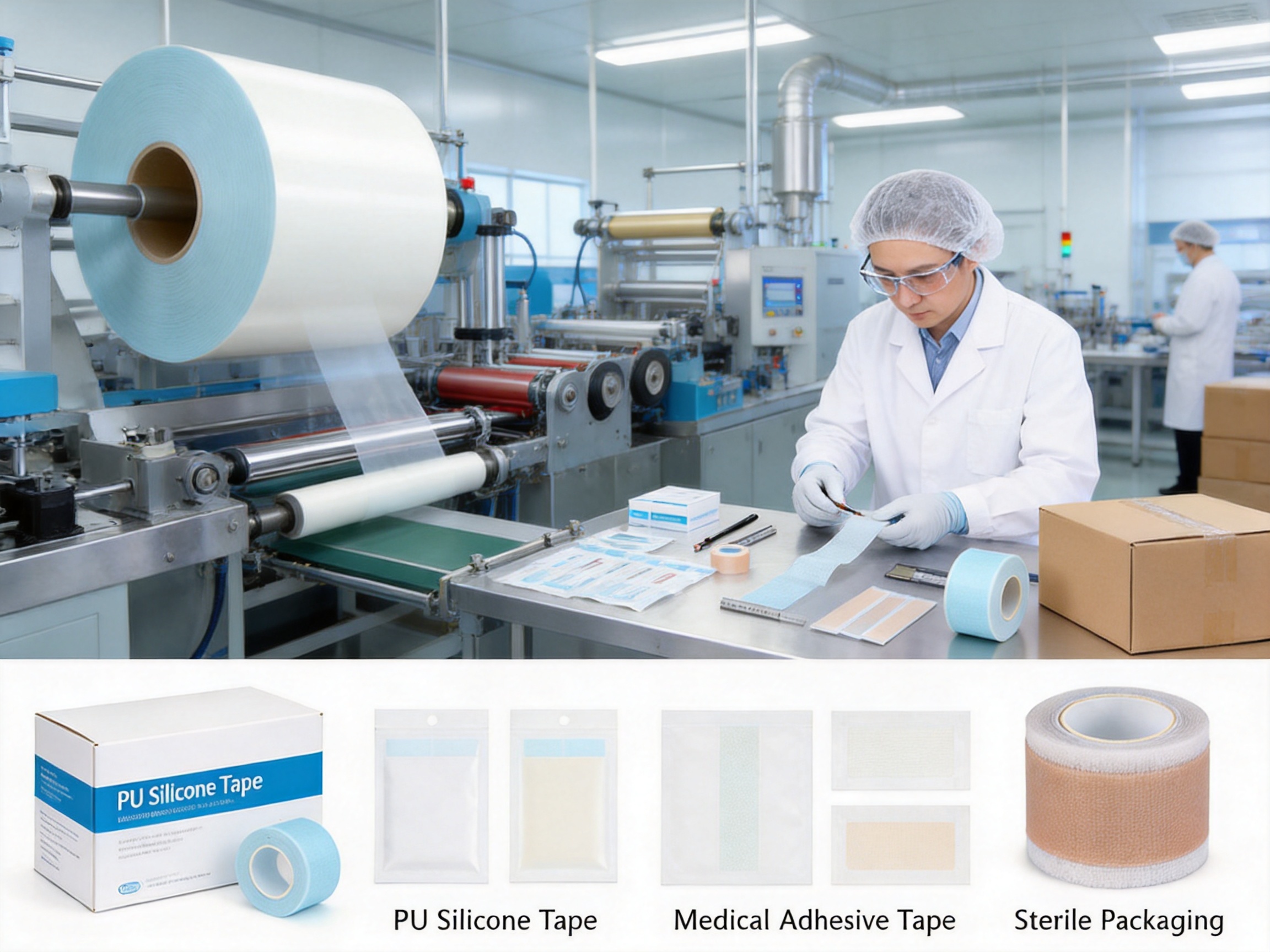
The performance of medical adhesive tape depends on consistent manufacturing at every stage. A premium product is not created simply by combining a film and an adhesive. Material selection, coating control, curing, slitting, winding, inspection, packaging, and documentation all influence the final result.
Material Selection
Manufacturing begins with the selection and qualification of PU film, silicone adhesive components, release materials, packaging films, cartons, and other production inputs. Materials must be reviewed according to defined specifications. Important considerations may include film thickness, tensile properties, elongation, appearance, adhesive compatibility, release performance, and storage stability.
Supplier qualification is an important part of this stage. Consistent incoming materials help reduce variation during coating and converting. A professional quality system should maintain records for incoming inspection, batch identification, supplier performance, and material release.
Adhesive Preparation and Coating
The silicone adhesive is prepared under controlled conditions and applied to the PU backing at a specified coating weight. Uniform coating is essential. Too little adhesive may reduce fixation, while excessive adhesive may increase residue, affect breathability, or change removal behavior.
Advanced coating equipment can help control line speed, coating thickness, web tension, temperature, and material alignment. Process parameters are monitored to maintain consistency throughout the production run. The goal is to create a stable adhesive layer with reliable contact performance across the entire roll.
Curing and Lamination
Depending on the adhesive system, curing may involve controlled heating, ultraviolet exposure, or another validated process. Proper curing helps establish the intended adhesive properties and reduces the risk of incomplete bonding or instability during storage.
If additional layers are incorporated into the product structure, lamination must be carefully controlled. The PU film, adhesive, release liner, and other layers must remain properly aligned. Poor lamination can lead to wrinkles, air pockets, delamination, uneven edges, or difficulty during application.
Slitting and Rewinding
After coating and curing, large master rolls are converted into smaller rolls with the specified width and length. Slitting precision is important for both product performance and customer satisfaction. Clean edges help the roll unwind consistently and make the tape easier to cut or apply.
Rewinding tension must also be managed carefully. Excessive tension can deform the roll or affect release behavior, while insufficient tension may produce loose or uneven rolls. Automated or semi-automated equipment can improve repeatability, while trained operators monitor the product during converting.
Inspection and Testing
Quality control may include visual inspection, dimensional measurement, adhesive performance checks, backing strength evaluation, roll-length verification, packaging inspection, and label review. Depending on the intended application and regulatory pathway, additional testing may be required for biocompatibility, aging, microbial limits, chemical characteristics, or water resistance.
Inspection results should be connected to batch records so that the product can be traced from raw material receipt through production and shipment. Traceability is especially important for medical distributors, hospitals, and international buyers who require reliable documentation.
Packaging and Final Release
Packaging protects the tape from contamination, moisture, physical damage, and uncontrolled exposure during transport. Individual pouches are useful for retail and clinical distribution, while cartons support efficient bulk logistics. Packaging artwork should identify the product, size, quantity, lot information, storage conditions, manufacturer details, and any required regulatory statements.
Before shipment, the finished goods should be released according to documented procedures. This may include a final review of inspection records, packaging integrity, quantity, labeling, and customer-specific requirements.
6. Manufacturing Strengths and Supply Capability
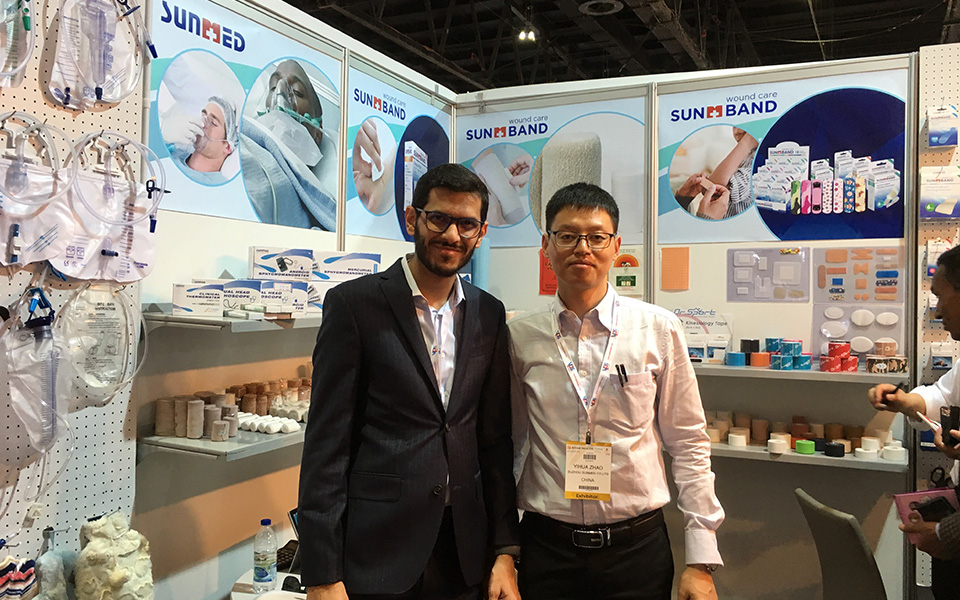
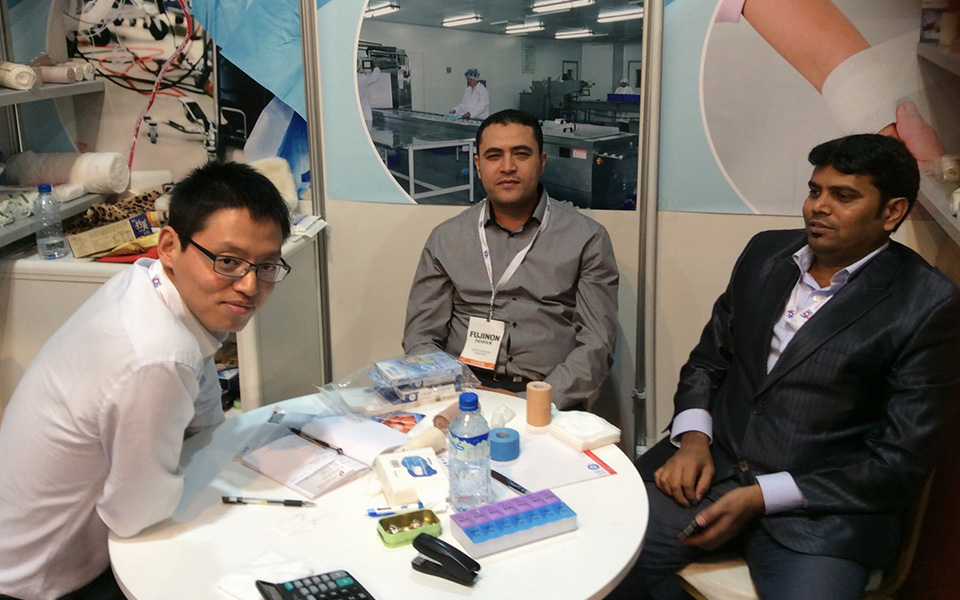
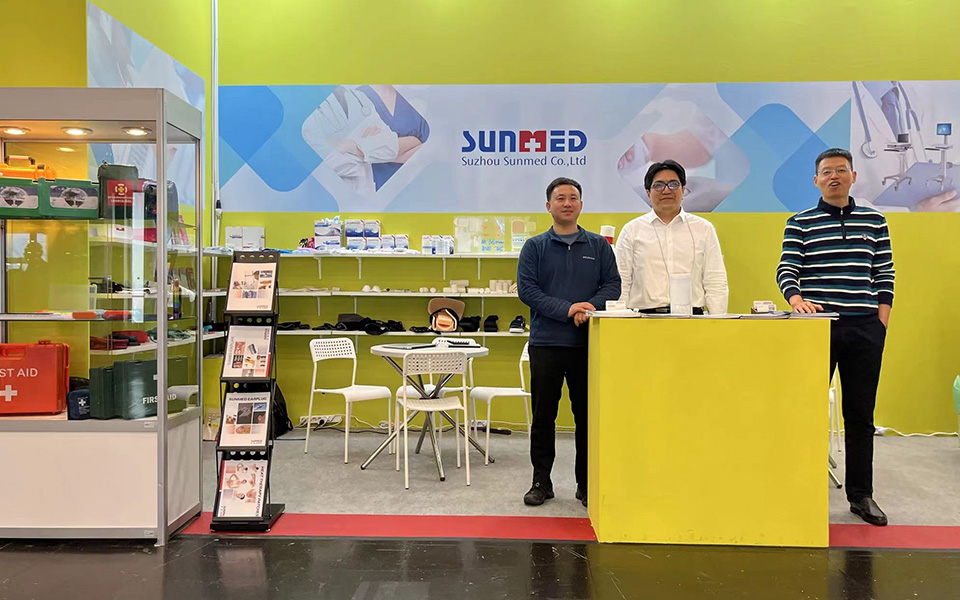
The manufacturer behind this product has approximately 30 years of experience in medical devices, medical consumables, first aid, wound dressing, medical tape, cotton products, sports support, family healthcare, and surgical consumables. This broad product knowledge provides a useful foundation for developing adhesive tape products that fit into wider healthcare supply programs.
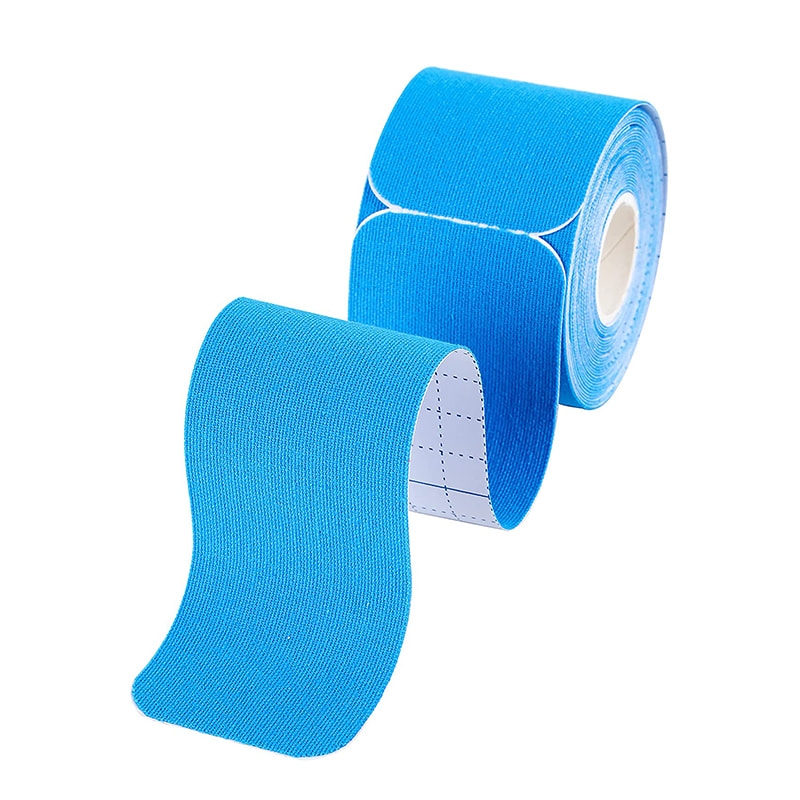
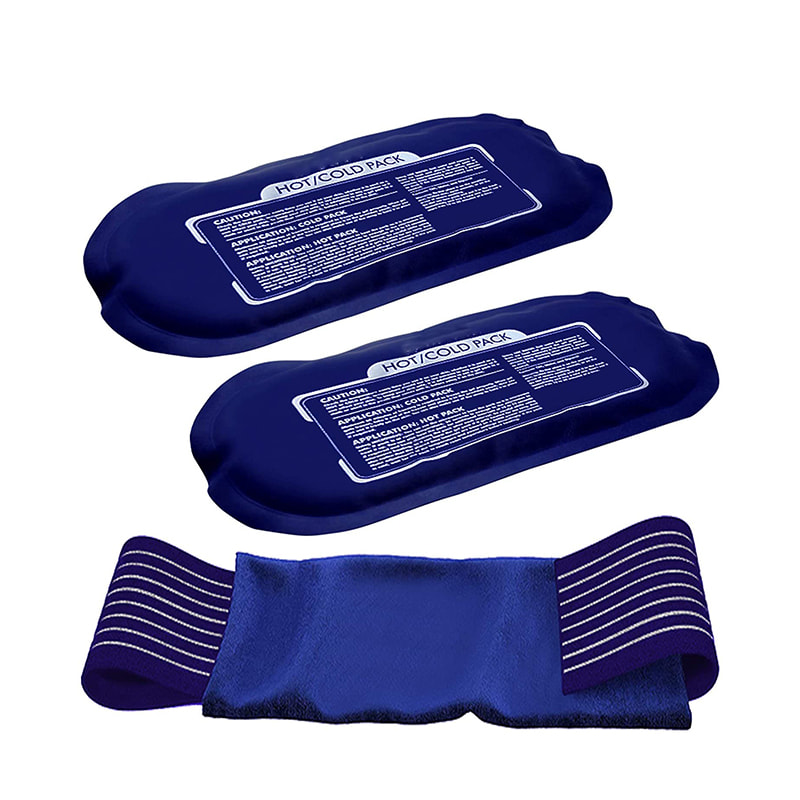
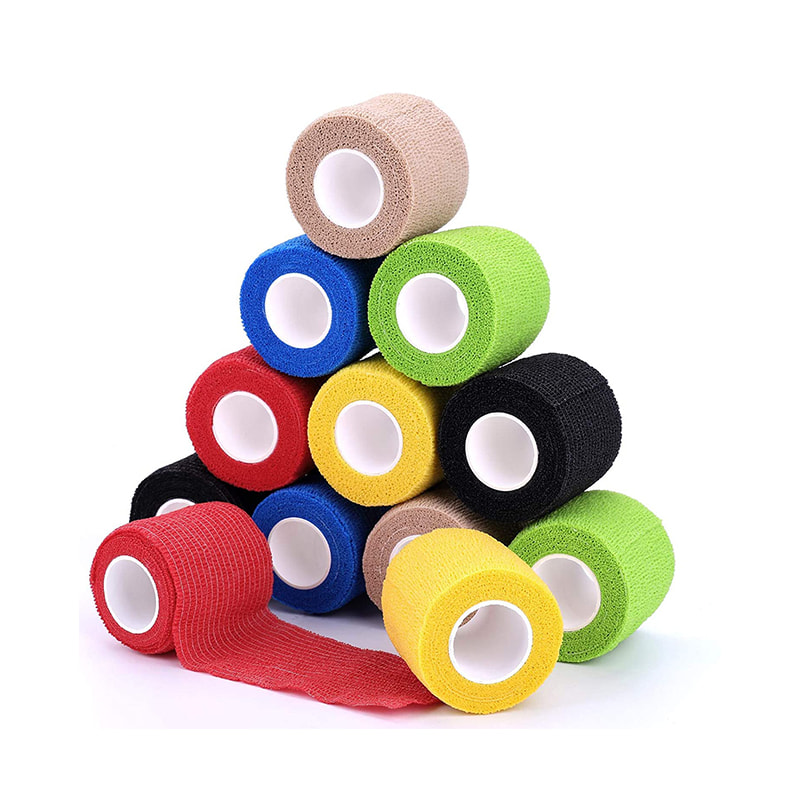
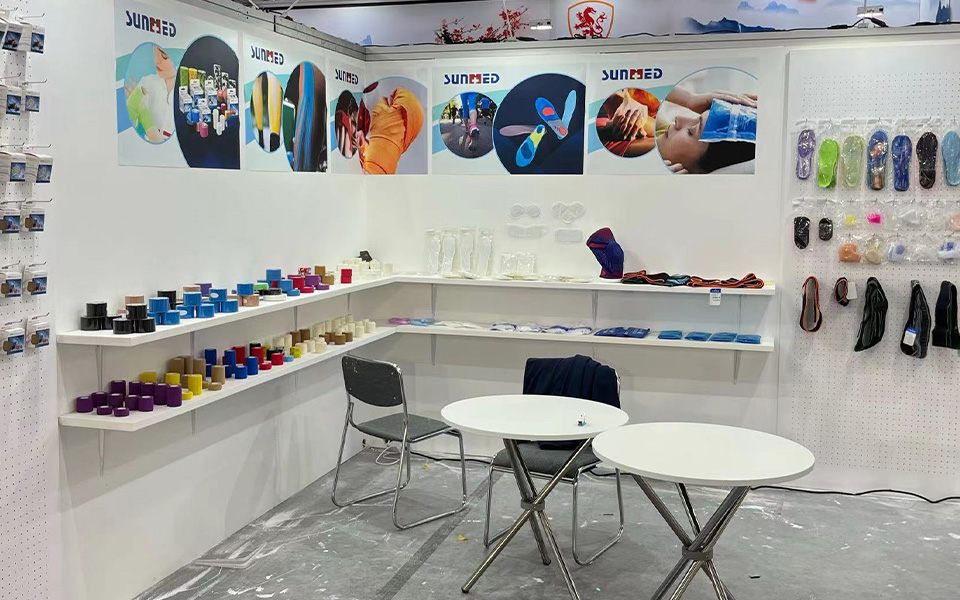
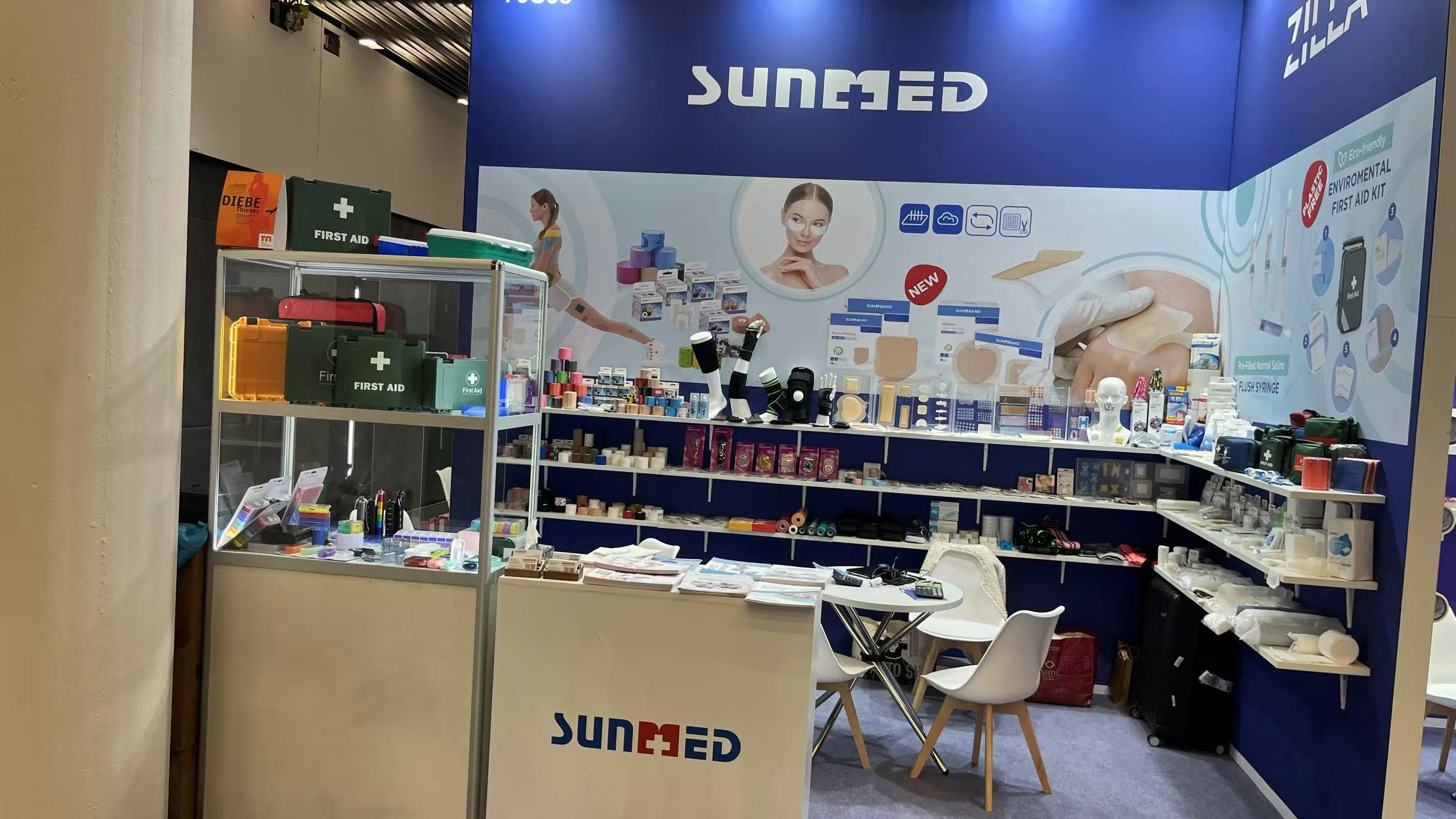
The company operates production bases in Jiangsu, Zhejiang, and Anhui Province and serves international customers in more than 60 countries. Its product portfolio includes gauze, bandages, medical cotton, non-woven medical products, kinesiology tape, cohesive bandages, elastic adhesive bandages, first-aid products, pill boxes, hot and cold packs, disposable syringes, catheters, and other medical supplies.
A wide manufacturing network can offer several advantages to global buyers. It may support access to specialized production capabilities, help coordinate different categories of medical products, and provide greater flexibility for combined purchasing programs. Buyers can discuss product development, packaging, inspection, and shipping requirements with a supplier experienced in multiple healthcare categories.
The company established a first-aid factory in 2008 and later established a factory for kinesiology tape, cohesive bandages, and elastic adhesive bandages in 2021. This investment in dedicated production capabilities demonstrates experience with adhesive, elastic, sports-support, and wound-care product technologies that are related to the development and conversion of PU Silicone Tape.
The stated monthly supply capacity for the silicone scar tape product is up to 1,000,000 pieces. This capacity can support large-scale purchasing by retail chains, wholesalers, medical distributors, and private-label brands. Actual capacity for a specific size, packaging format, and regulatory configuration should be confirmed during quotation and production planning.
Quality Management
The manufacturer reports a professional quality-control team comprising hundreds of personnel and describes inspection procedures aligned with ISO 13485:2016 requirements. ISO 13485 is an internationally recognized quality-management standard for medical devices. A quality-management system based on this standard can help organize design controls, purchasing controls, production procedures, corrective actions, documentation, and traceability.
The product information identifies ISO 13485, CE, and FDA-related compliance or certification claims. Regulatory status can vary according to the exact product model, intended use, classification, labeling, and destination market. Buyers should request current certificates, declarations, test reports, registration details, and technical files where appropriate before making a regulatory decision.
Quality management is not limited to final inspection. It should be integrated into the complete manufacturing process. Process validation, equipment maintenance, employee training, environmental control, document management, and customer complaint handling all contribute to dependable product quality.
7. OEM and ODM Customization Services
Customization is a major advantage for distributors and brands that want to build a differentiated medical or personal-care product line. The product can be developed under an OEM or ODM model, depending on whether the customer provides the specification or requests assistance with product design and commercialization.
Logo and Brand Identity
Custom logos can be printed or incorporated into suitable packaging components. Branding options may include pouch artwork, box design, carton markings, instruction leaflets, labels, and outer shipping cases. A consistent visual identity can help a product stand out in pharmacies, supermarkets, sports retailers, and online marketplaces.
Size and Format Selection
Customers can select from standard widths and lengths or request tailored dimensions. A narrow roll may be useful for small scars or dressing edges, while wider formats may be appropriate for larger postoperative areas or clinical dressing fixation. The choice of roll length can also be adapted to consumer packs, professional-use packs, or institutional supply programs.
Packaging Development
Retail packaging can be designed for shelf presentation, barcode scanning, consumer instructions, and multilingual labeling. Bulk packaging can prioritize transport efficiency and cost control. Eco-conscious buyers may also request reduced-material packaging, recyclable components, or packaging structures that avoid unnecessary plastic, subject to product-protection requirements.
Private-Label and White-Label Programs
Private-label customers may use the tape as part of a broader scar-care, first-aid, wound-care, or home-healthcare range. White-label programs can provide a ready product with customer-specific packaging and branding. These models allow distributors and e-commerce businesses to enter a market without establishing their own coating and converting facilities.
Successful customization requires early confirmation of minimum order quantities, artwork format, packaging materials, target-market regulations, samples, testing requirements, production lead time, and shipping conditions. Clear communication at the beginning of a project helps prevent delays and reduces the risk of mismatched expectations.
8. Selecting the Correct Specification
The correct tape specification depends on the intended application, body location, required coverage, expected wear time, skin condition, packaging channel, and local regulatory requirements. Buyers should not select a size solely on the basis of price or carton quantity.
For small areas, a 1/2-inch or 1-inch width may be practical. A 2-inch width can support general dressing fixation and medium-sized scar areas. Three-inch and 4-inch formats may be considered for broader coverage, depending on the approved use and the customer’s application protocol.
Shorter rolls may suit consumer trial packs, travel kits, and low-frequency home use. Longer rolls may be more efficient for hospitals, clinics, professional caregivers, and high-volume distributors. The ideal packaging quantity depends on how the product will be stored, displayed, distributed, and consumed.
| Buyer Type | Recommended Considerations | Potential Packaging Approach |
|---|
| Hospitals and clinics | Application protocol, traceability, professional labeling, consistent supply | Bulk cartons or individually protected units |
| Medical distributors | Market authorization, multiple sizes, inventory efficiency | Mixed-size programs or standard box quantities |
| Pharmacies and supermarkets | Shelf appearance, barcode, instructions, consumer-friendly sizes | Individual pouches and retail boxes |
| E-commerce sellers | Product differentiation, photographs, pack variety, fulfillment efficiency | Multipacks, branded boxes, protective shipping cartons |
| Private-label brands | Logo, artwork, claims, target-market compliance | Fully customized pouches, boxes, inserts, and cartons |
| Wholesalers | Carton utilization, pricing, lead time, export documentation | High-quantity carton packaging |
9. Storage, Handling, and Application Considerations
Medical adhesive tape should be stored in a clean, dry environment away from excessive heat, direct sunlight, moisture, and chemical contamination. The original packaging should remain intact until use. Stock should be managed using appropriate inventory rotation procedures so that earlier production lots are distributed first.
Before application, the skin should be clean and dry unless a healthcare professional has provided different instructions. Oils, creams, perspiration, and moisture may affect adhesion. The tape should be applied smoothly without excessive stretching, and the edges should be pressed down carefully to support secure contact.
When removing the tape, users should follow the product instructions and avoid sudden pulling when gentle removal is required. If the product is being used on or around a surgical site, the patient should follow the advice of the treating healthcare professional.
Products intended for scar management should generally be used only on appropriate healed skin unless the approved labeling states otherwise. The tape should not be applied to infected areas, heavily bleeding wounds, or damaged skin without professional guidance. Any sign of an adverse reaction should be taken seriously.
10. Why Global Buyers Choose This Product Category
Global healthcare buyers increasingly seek products that combine technical performance, comfortable use, stable supply, and flexible branding. PU Silicone Tape addresses these requirements through its material structure, size range, packaging options, and customization services.
For medical distributors, the product provides an opportunity to add a specialized adhesive tape to an existing wound-care portfolio. For retail chains, its scar-care and personal-care positioning can complement first-aid and postoperative products. For e-commerce sellers, the product can be offered in several sizes and multipacks. For private-label brands, OEM and ODM support can simplify the development of a differentiated line.
Supplier reliability is equally important. A product may have attractive technical features, but inconsistent quality or irregular delivery can create inventory and customer-service problems. A manufacturer with multiple production bases, an established quality team, international export experience, and high stated production capacity can be better positioned to support long-term purchasing programs.
Export experience also helps a supplier understand the practical requirements of international business. These may include commercial documentation, carton marking, packing lists, quality records, product samples, inspection coordination, and communication across different time zones and markets. The manufacturer reports export activity across Europe, Southeast Asia, Africa, and Oceania, giving it experience with a range of international customer requirements.
11. Responsible Product Positioning
Medical and personal-care products must be marketed responsibly. PU Silicone Tape should be described according to its verified specifications and approved intended use. Claims such as “waterproof,” “scar repair,” “hypoallergenic,” “medical grade,” or “FDA certified” should be supported by applicable documentation and used only where permitted.
Responsible product positioning benefits manufacturers, distributors, healthcare providers, and end users. Accurate claims reduce confusion, support regulatory compliance, and help customers choose the correct product. It is also important to distinguish between a product’s material characteristics and its clinical outcomes. A silicone adhesive may be skin-friendly, but individual tolerance can vary. A waterproof film may resist external moisture, but improper application can compromise protection.
Customers requesting private-label packaging should review all artwork and claims before production. The final label should match the technical file, test results, certificates, and requirements of the destination country. Where necessary, local regulatory professionals should assess classification, registration, language, post-market responsibilities, and import obligations.
12. Procurement and Cooperation Process
A structured procurement process helps buyers move from initial inquiry to stable supply. The first step is to define the intended use, target market, desired sizes, material requirements, packaging format, annual demand, and regulatory expectations.
The supplier can then provide product information, samples, available specifications, packaging options, and preliminary commercial terms. Samples should be evaluated for appearance, roll quality, ease of application, adhesion, removal, comfort, moisture resistance, and compatibility with the intended dressing or scar-care routine.
After sample approval, the parties can confirm artwork, technical specifications, testing, minimum order quantity, lead time, shipping terms, and inspection arrangements. For private-label programs, packaging approval should be completed before mass production. Any changes to material, size, adhesive, or intended use should be reviewed before implementation.
During mass production, buyers may request pre-shipment inspection or review of batch documentation. A clear quality agreement can define acceptance criteria, sampling methods, defect classifications, complaint procedures, and responsibilities for regulatory records.
Long-term cooperation is strengthened by regular communication and performance review. Forecast sharing can help the manufacturer plan raw materials and production capacity. Feedback from hospitals, retailers, distributors, and consumers can also support future improvements in packaging, sizes, instructions, and product configuration.
13. Frequently Asked Questions
Q1: What is PU Silicone Tape made of?
PU Silicone Tape uses a polyurethane backing film combined with a silicone adhesive layer. The PU backing supports flexibility and moisture resistance, while the silicone adhesive is intended to provide skin-friendly contact and controlled removal. The exact composition and adhesive grade should be confirmed in the product’s technical documentation.
Q2: Is PU Silicone Tape suitable for scar care?
It can be configured and supplied for scar-management applications, particularly as an extra-thin silicone tape roll for suitable healed scars. Users should follow the approved instructions and professional medical advice. Scar characteristics and individual healing responses vary, so the product should not be promoted as a guaranteed cure.
Q3: Can the tape be used directly on an open wound?
Not necessarily. Unless the specific configuration is tested and labeled for direct wound contact, the tape is generally more appropriately used to secure or cover a separate dressing. Buyers should review the intended use, technical file, and regulatory labeling before recommending direct application to an open wound.
Q4: Is the tape waterproof?
The PU film is designed for waterproof or water-resistant applications, but the exact performance depends on the complete product structure and application method. Buyers should request relevant test information and use the precise claim approved for the product model and destination market.
Q5: What sizes are available?
Standard width options include 1/2 inch, 1 inch, 2 inches, 3 inches, and 4 inches. Standard length options include 5 yards, 5 meters, 10 yards, and 10 meters. Custom dimensions may be available for OEM and ODM orders.
Q6: Can the packaging be customized?
Yes. Packaging can be customized with logos, artwork, product information, box quantities, pouch formats, carton markings, and market-specific labeling. Retail, bulk, and potentially eco-conscious packaging approaches can be discussed during product development.
Q7: What are the standard packing quantities?
A standard arrangement may be one piece per pouch, 20 pieces per box, and 200 pieces per carton. Alternative configurations, including 12 pieces per box and 360 pieces per carton, may be available depending on the order requirements.
Q8: Is OEM or private-label production available?
OEM, ODM, private-label, and white-label services are available for suitable projects. Customization may include logos, sizes, packaging, colors, and product presentation. Customers should confirm minimum order quantities, artwork requirements, lead times, and regulatory responsibilities before ordering.
Q9: What certifications are associated with the product?
The supplied product information identifies ISO 13485, CE, and FDA-related certification or compliance claims. Because certification and registration can vary by model and market, buyers should request current supporting documents and verify that they apply to the exact product configuration being purchased.
Q10: What is the production capacity?
The stated supply capacity is up to 1,000,000 pieces per month. Actual availability depends on size, packaging, customization, order schedule, raw-material planning, and other production requirements. Buyers should confirm capacity and lead time for each specific purchase order.
Q11: Who are the main target buyers?
Target buyers include hospitals, clinics, medical distributors, wholesalers, pharmacies, supermarkets, online sellers, private-label brands, first-aid suppliers, and healthcare retailers. The product can be adapted for professional supply, consumer retail, or e-commerce distribution.
Q12: How should the tape be stored?
The tape should generally be stored in its original packaging in a clean, dry place away from direct sunlight, excessive heat, moisture, and contamination. Buyers should follow the storage conditions stated on the product label and technical documentation.
14. Conclusion
PU Silicone Tape is a versatile medical adhesive solution that combines a flexible PU backing with a skin-friendly silicone adhesive. Its extra-thin structure, moisture-resistant design, range of widths and lengths, and potential for gentle removal make it suitable for wound-care fixation, postoperative support, scar-management routines, home healthcare, retail, and e-commerce applications.
Its advantages over some conventional tapes include improved flexibility, a discreet profile, a more comfortable adhesive concept, and greater customization potential. These advantages are supported by a manufacturing approach that includes controlled material selection, adhesive coating, curing, converting, inspection, packaging, and traceability.
The manufacturer’s long experience in medical consumables, multiple production bases, international export background, quality-control organization, OEM and ODM capabilities, and stated monthly supply capacity make the product suitable for buyers seeking a scalable supply partner. For the best results, purchasers should confirm specifications, intended use, regulatory documentation, sample performance, packaging requirements, and delivery conditions before placing a commercial order.
For product samples, bulk purchasing, customized packaging, or private-label development, international buyers can contact the supplier’s sales team to discuss their application and market requirements.
References
1. ISO 13485:2016, Medical Devices—Quality Management Systems—Requirements for Regulatory Purposes.
2. General principles of medical-device risk management and product quality control.
3. Technical information supplied for PU Silicone Tape and Silicone Scar Tape Roll product configurations.
4. Manufacturer-provided information concerning material options, sizes, packaging, OEM and ODM services, production capacity, and export experience.
5. General guidance for the safe selection, application, storage, and labeling of medical adhesive tape products.

 English
 Español
 русский
 Français
 Deutsch
 italiano
 By Admin