Tubular bandages have emerged as a cornerstone in modern wound care, sports medicine, and post-injury rehabilitation, offering a versatile, comfortable, and effective alternative to traditional bandaging solutions. Unlike conventional gauze rolls or elastic wraps that often require adhesive tape or safety pins to stay in place, tubular bandages are designed to conform seamlessly to the body’s contours, providing consistent support without slipping. This article delves into the core advantages of tubular bandages over their competitors, explores the advanced manufacturing processes of Suzhou Sunmed Co., Ltd.—a leading producer of medical consumables—and examines their wide-ranging clinical applications. Additionally, a detailed Q&A section addresses common queries about the product, and a comprehensive table outlines its specifications for easy reference.
What is Tubular Bandage?
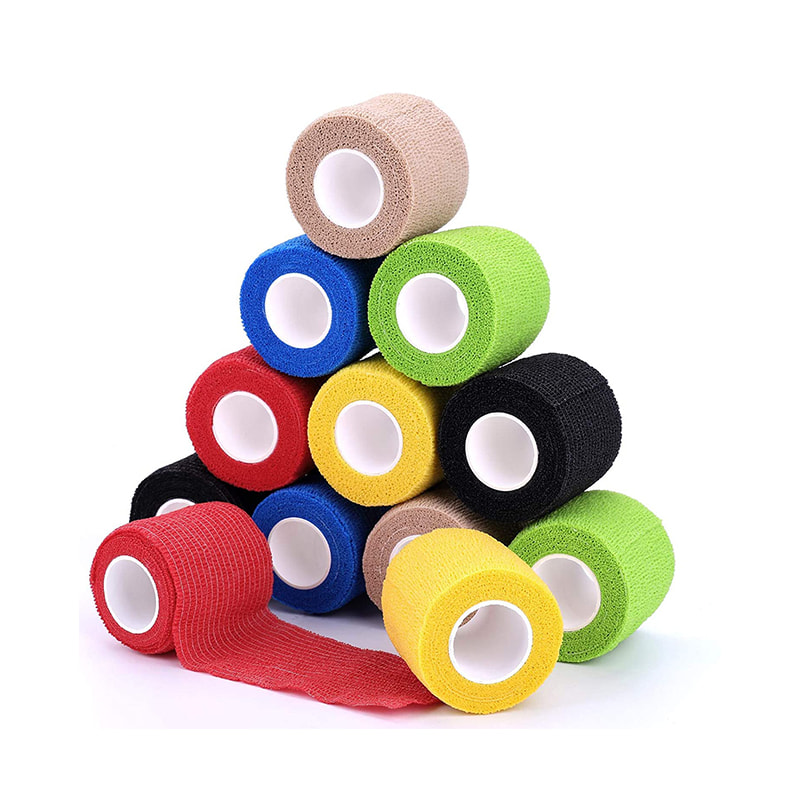
Tubular bandage is a stretchable, knitted fabric tube used to support joints, hold dressings in place, and aid in the recovery of soft tissue injuries. Its unique tubular structure allows it to be easily slid over limbs or body parts, eliminating the need for wrapping or securing with fasteners. This design not only simplifies application but also ensures uniform pressure distribution across the affected area.
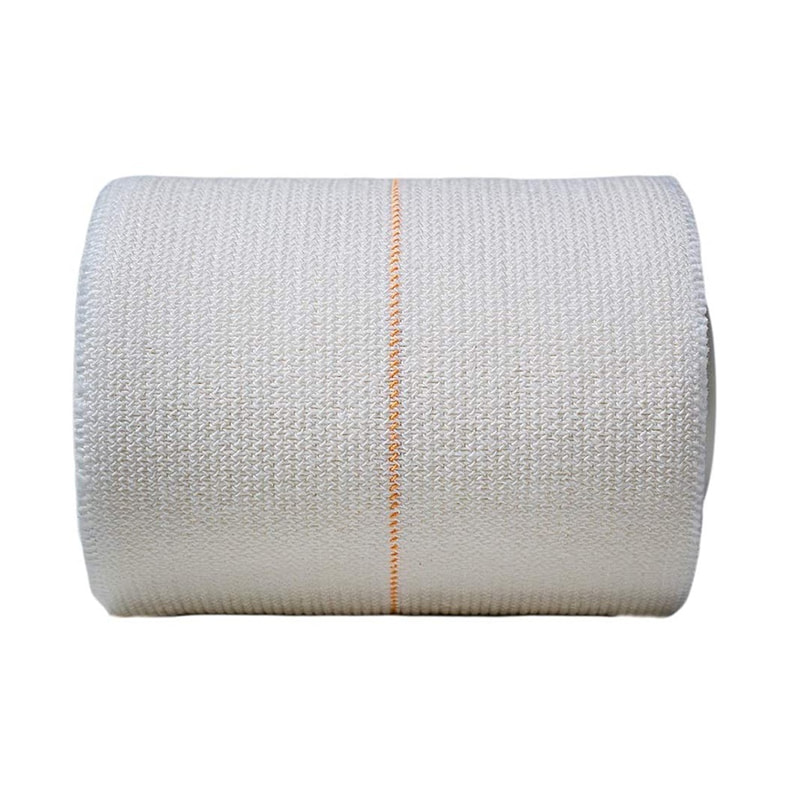
The primary materials used in high-quality tubular bandages are cotton and latex, though latex-free options are also available to accommodate patients with allergies. Cotton provides breathability and softness, while latex adds the necessary elasticity to maintain tension without losing shape. The bandage comes in a range of colors, including natural cotton, brown, and blue, allowing for easy identification of different sizes or types.
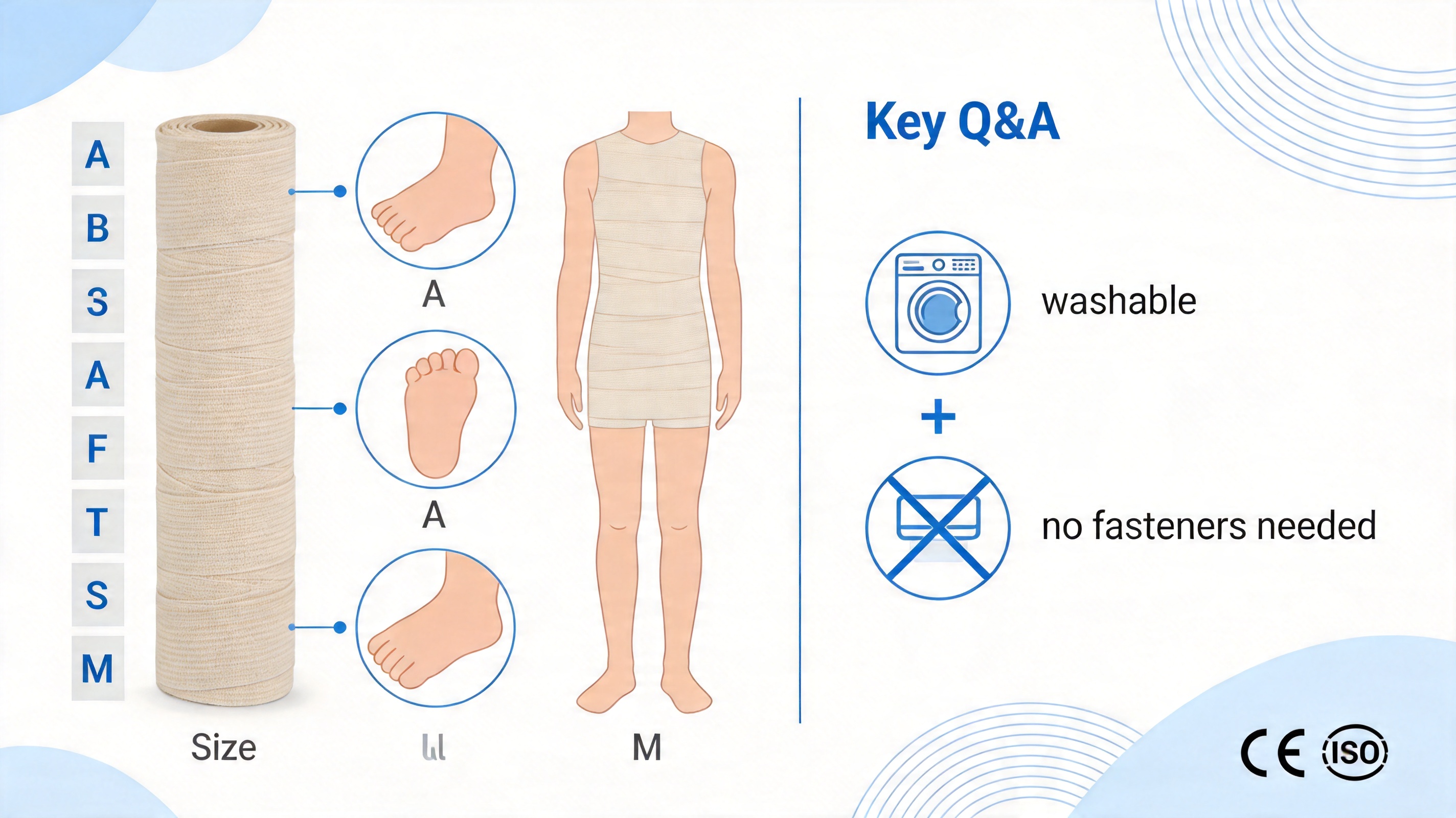
Size versatility is a key feature of tubular bandages. They are available in a complete range of sizes from A to Z, each tailored to fit specific body parts—from infant feet and arms (size A) to extra-large trunks (size M). Length options include 0.5m, 1m, 5m, 10m, 20m, and 25m, with both pre-cut lengths for immediate use and un-cut big rolls for custom sizing. This wide range ensures that the bandage can be used on virtually any part of the body, making it a truly universal solution.
Core Advantages Over Competitors
Traditional bandaging solutions—such as gauze rolls, elastic wraps, and adhesive bandages—often fall short in terms of comfort, convenience, and effectiveness. Tubular bandages address these limitations with a set of distinct advantages that set them apart in the market.
3.1 Ideal Pressure and Support
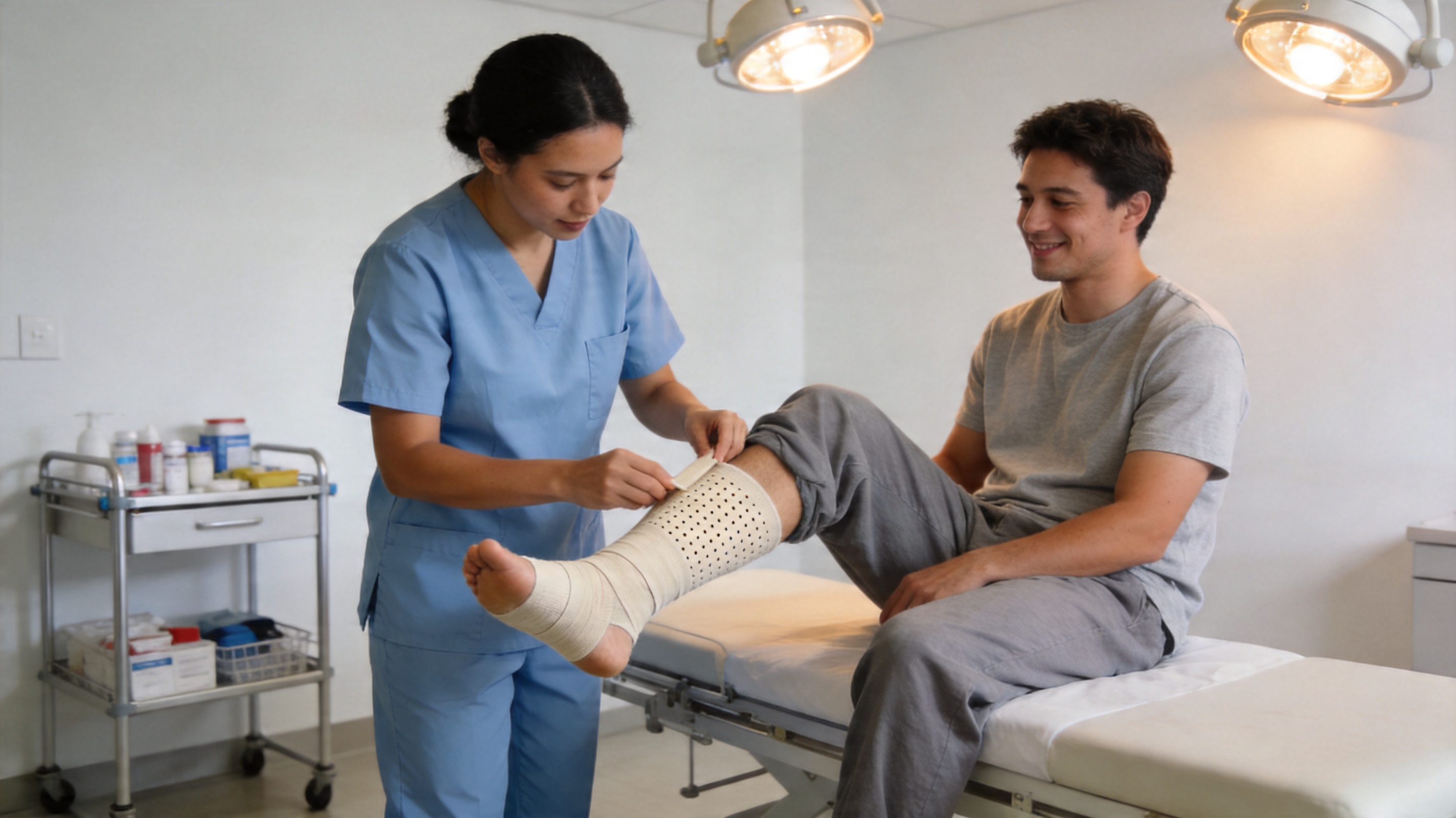
One of the most significant advantages of tubular bandages is their ability to provide ideal pressure and support to the affected area. The special elastic construction ensures that once applied, the bandage does not slip or loosen, maintaining consistent tension throughout use. This is in stark contrast to elastic wraps, which often require frequent re-tightening to maintain support, or gauze rolls, which can create uneven pressure points that may cause discomfort or impede blood flow.
The even radial support offered by tubular bandages is particularly beneficial for weakened joints and muscles. For example, in patients recovering from a sprained ankle, the bandage applies uniform pressure around the joint, reducing swelling and stabilizing the area without restricting movement. This support also aids in rehabilitation after the removal of plaster of Paris casts, as it helps to gradually reintroduce strength and flexibility to the limb.
3.2 Breathability and Comfort
Comfort is a critical factor in any medical dressing, and tubular bandages excel in this area. The cotton-based material is highly breathable, allowing air to circulate freely around the skin and preventing the buildup of moisture or heat. This not only reduces the risk of skin irritation or infection but also makes the bandage comfortable to wear for extended periods—even under shoes or underclothing.
Another key comfort feature is the absence of adhesive tape or safety pins. Unlike adhesive bandages, which can leave residue or irritate sensitive skin, or gauze rolls that require pins to secure, tubular bandages hold dressings securely in place using their own elastic tension. This eliminates the need for additional fasteners, making application faster and more comfortable for both patients and caregivers.
3.3 Versatility in Use
Tubular bandages are incredibly versatile, with applications spanning multiple medical fields. They are ideal for treating soft tissue injuries such as sprains, strains, and contusions, as well as sports injuries like ankle twists or wrist injuries. In addition, they are used to support dislocations and aid in the rehabilitation process after the removal of casts.
The wide range of sizes allows tubular bandages to be used on all parts of the body, from small infant limbs to large adult trunks. For example, size A is perfect for infant feet or arms, while size M is designed for extra-large trunks. This versatility makes the bandage a go-to solution for healthcare providers, sports trainers, and individuals seeking at-home care.
3.4 Durability and Washability
Durability is another standout feature of tubular bandages. The high tensile strength of the material ensures that it can withstand repeated stretching and use without tearing or losing elasticity. This makes it a cost-effective option for long-term rehabilitation or ongoing support.
Additionally, tubular bandages are washable, allowing them to be reused multiple times. This not only reduces waste but also makes the product more economical for users. The bandage can be washed in mild detergent and air-dried, maintaining its shape and elasticity even after several washes. Some versions also feature colorful threads in the middle, which help to identify the bandage and add a touch of customization.
Advanced Manufacturing Processes by Suzhou Sunmed Co., Ltd.
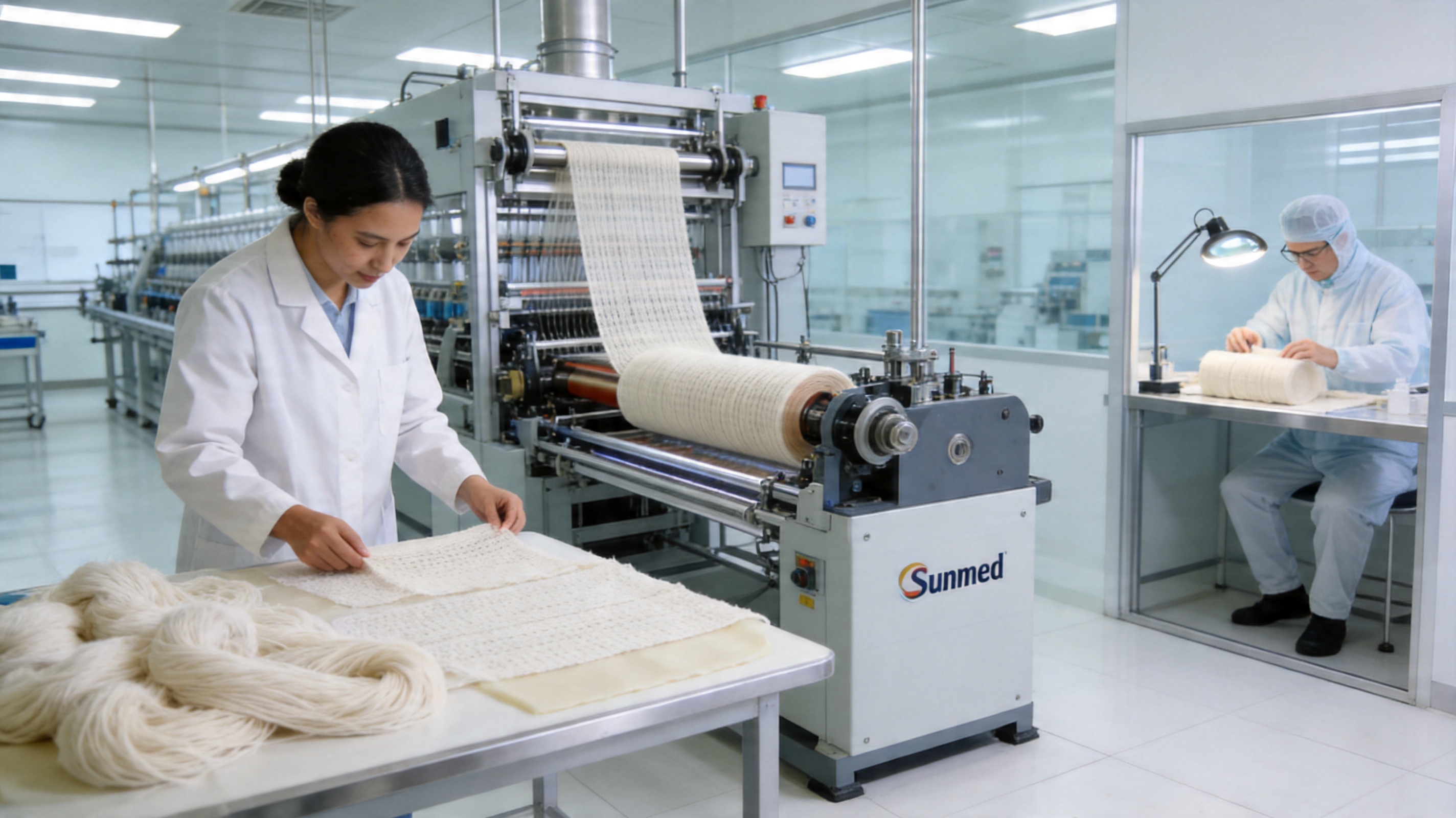
The quality and effectiveness of tubular bandages are directly tied to the manufacturing processes used to produce them. Suzhou Sunmed Co., Ltd.—a professional manufacturer and exporter of medical consumables with 30 years of industry experience—employs a state-of-the-art end-to-end production line that prioritizes precision, consistency, and quality control at every stage.
4.1 End-to-End Production Line
The production of tubular bandages at Suzhou Sunmed follows a rigorous sequence of steps: pre-weaving, weaving, washing, drying, finishing, and packing. Each step is carefully controlled to ensure the final product meets the highest standards of quality and performance.
Pre-weaving: The process begins with the selection of high-quality raw materials—cotton fibers and latex (if used). The fibers are cleaned, carded, and spun into yarns of consistent thickness. For latex-free versions, alternative elastic materials are used to maintain the necessary stretch without triggering allergies. Suzhou Sunmed sources its cotton from reputable suppliers to ensure softness and breathability.
Weaving: The yarns are then woven into a tubular fabric using advanced knitting machines. These machines are programmed to create a precise elastic structure that allows the bandage to stretch evenly in all directions while maintaining its shape. The weaving process is monitored closely by skilled technicians to ensure that the fabric has the correct density and elasticity for each size.
Washing: After weaving, the tubular fabric is washed to remove any impurities, oils, or residual chemicals. This step also softens the fabric, making it more comfortable against the skin. The washing process uses mild detergents and controlled temperatures to avoid damaging the elastic properties of the material.
Drying: The washed fabric is dried in a controlled environment to prevent shrinkage and maintain its elasticity. Special drying equipment ensures that the fabric is dried evenly, without hot spots that could cause damage. Suzhou Sunmed uses energy-efficient dryers to reduce its environmental footprint while maintaining product quality.
Finishing: The finished fabric is then cut into the required lengths and sizes (A-Z). For versions with colorful threads, these are added during the finishing process to help identify different sizes or types. The bandage is also inspected for any defects, such as tears or uneven weaving, before moving to packing. Each batch undergoes multiple quality checks to ensure consistency.
Packing: The final step is packing. Tubular bandages are available in two main packing options: bulk packs and retail packs. Bulk packs contain 5m, 10m, 20m, or 25m of bandage in a standard box, making them ideal for hospitals, clinics, or sports teams. Retail packs contain 0.5m or 1m of bandage in a gift box with custom designs and branding, perfect for individual consumers or retail stores. Suzhou Sunmed offers OEM services for custom packing and printing.
4.2 Material Innovation
Suzhou Sunmed has invested heavily in material innovation to improve the performance and safety of its tubular bandages. One key innovation is the development of latex-free options, which cater to the growing number of patients with latex allergies. These latex-free bandages use alternative elastic materials that provide the same level of support and stretch as latex versions, without the risk of allergic reactions.
Another innovation is the addition of colorful threads to the bandage. These threads not only help to identify different sizes but also add a visual cue for caregivers or users, making it easier to select the correct size for a specific body part. The threads are made from high-quality, color-fast materials that do not bleed or fade during washing.
4.3 Certifications and Compliance
To ensure that its tubular bandages meet the highest standards of safety and quality, Suzhou Sunmed adheres to a range of international certifications and regulatory requirements. These include:
BRC Certification: The BRC Global Standard for Packaging and Packaging Materials ensures that the manufacturing process meets strict hygiene, safety, and quality standards. This certification is recognized globally and is a requirement for many healthcare providers and retailers.
ISO 13485:2016: This international standard specifies requirements for a quality management system (QMS) for medical devices. It ensures that Suzhou Sunmed has processes in place to consistently provide products that meet customer and regulatory requirements.
CE Certification: The CE mark indicates that the product complies with European Union (EU) health, safety, and environmental protection standards. This allows the product to be sold throughout the EU and other markets that recognize the CE mark.
FDA Compliance: The U.S. Food and Drug Administration (FDA) sets strict standards for medical devices. Suzhou Sunmed’s Suzhou factories comply with FDA requirements, ensuring that its products are safe and effective for use in the U.S. market.
These certifications not only validate the quality of the tubular bandage but also give users confidence in its safety and performance.

Clinical Applications and User Benefits
Tubular bandages are used in a wide range of clinical settings, from hospitals and clinics to sports medicine facilities and home care. Their versatility and effectiveness make them a preferred choice for healthcare providers and users alike.
5.1 Sports Medicine
In sports medicine, tubular bandages are an essential tool for treating and preventing sports injuries. They are commonly used to support sprained ankles, twisted wrists, and other soft tissue injuries. The elastic structure of the bandage provides consistent support to the injured area, reducing swelling and stabilizing the joint. This allows athletes to return to activity more quickly and with less risk of re-injury.
For example, a soccer player who sustains an ankle sprain can use a tubular bandage to support the joint during training and matches. The bandage is comfortable to wear under soccer cleats and provides the necessary support to prevent further injury. In addition, the bandage can be washed and reused, making it a cost-effective option for sports teams.
5.2 Post-Plaster Rehabilitation
After the removal of a plaster of Paris cast, patients often experience weakness and stiffness in the affected limb. Tubular bandages are used to provide gradual support to the limb, helping to restore strength and flexibility. The even pressure distribution of the bandage reduces swelling and improves blood circulation, which aids in the healing process.
For example, a patient who has had a broken arm will use a tubular bandage after cast removal to support the arm during daily activities. The bandage is comfortable to wear under clothing and allows the patient to move the arm freely without restriction. Over time, the patient can gradually reduce the use of the bandage as the arm regains strength.
5.3 Wound Dressing Retention
Tubular bandages are highly effective at holding wound dressings in place. Unlike adhesive tape, which can irritate the skin or leave residue, the bandage uses its elastic tension to secure the dressing without the need for additional fasteners. This is particularly beneficial for patients with sensitive skin or those who require frequent dressing changes.
For example, a patient with a leg wound can use a tubular bandage to hold the dressing in place. The bandage is breathable, so it does not trap moisture around the wound, reducing the risk of infection. The bandage can be easily removed and reapplied during dressing changes, making the process faster and more comfortable for the patient.
5.4 Pediatric and Geriatric Use
Tubular bandages are suitable for use in both pediatric and geriatric populations. For infants and children, the small sizes (such as size A) provide gentle support for limbs without causing discomfort. For example, a baby with a minor arm injury can use a size A bandage to support the arm during recovery.
For elderly patients, tubular bandages are used to support joints affected by arthritis or other chronic conditions. The comfortable, breathable material is gentle on sensitive skin, and the elastic structure provides the necessary support to reduce pain and improve mobility. For example, an elderly patient with knee arthritis can use a size F bandage to support the knee during daily activities.
Q&A Section
This section addresses common questions about tubular bandages, providing clear and concise answers based on the product’s features and benefits.
Q1: What materials are used in the tubular bandage?
A: The tubular bandage is primarily made from cotton and latex, though latex-free options are available for patients with allergies. Cotton provides breathability and softness, while latex adds the necessary elasticity to maintain tension without losing shape.
Q2: Can the tubular bandage be washed and reused?
A: Yes, the tubular bandage is washable. It can be washed in mild detergent and air-dried, maintaining its shape and elasticity even after several washes. This makes it a cost-effective and environmentally friendly option.
Q3: Does the tubular bandage require adhesive tape or safety pins to stay in place?
A: No, the tubular bandage uses its own elastic tension to hold dressings securely in place. This eliminates the need for adhesive tape or safety pins, making application faster and more comfortable for both patients and caregivers.
Q4: What sizes and lengths are available for the tubular bandage?
A: The tubular bandage is available in sizes from A to Z, each tailored to fit specific body parts (e.g., size A for infant feet/arms, size M for extra-large trunks). Length options include 0.5m, 1m, 5m, 10m, 20m, and 25m, with both pre-cut lengths and un-cut big rolls available.
Q5: Are there any certifications that validate the quality and safety of the tubular bandage?
A: Yes, the tubular bandage is certified to meet several international standards, including BRC, ISO 13485:2016, CE, and FDA compliance. These certifications ensure that the product is safe, effective, and of high quality.
Q6: Can OEM services be provided for the tubular bandage?
A: Yes, Suzhou Sunmed Co., Ltd. offers comprehensive OEM services for tubular bandages, allowing customers to customize the packing and printing of the product. This includes adding custom designs, branding, and labeling to both bulk and retail packs.
Product Specifications Table
| CODE |
DESCRIPTION |
SIZE |
APPLICATION |
| SMD-240701 |
Tubular Bandage |
Size A (4.5cm) |
Infant feet or arms |
| SMD-240702 |
Tubular Bandage |
Size B (6.25cm) |
Small hands and limbs |
| SMD-240703 |
Tubular Bandage |
Size C (6.75cm) |
Adult hands, arms, or legs |
| SMD-240704 |
Tubular Bandage |
Size D (7.5cm) |
Large arms or legs |
| SMD-240705 |
Tubular Bandage |
Size E (8.75cm) |
Legs or small thighs |
| SMD-240706 |
Tubular Bandage |
Size F (10cm) |
Large knees or thighs |
| SMD-240707 |
Tubular Bandage |
Size G (12cm) |
Large thighs |
| SMD-240708 |
Tubular Bandage |
Size H (15cm) |
Extra large thighs |
| SMD-240709 |
Tubular Bandage |
Size J (17.5cm) |
Small trunks or extra large thighs |
| SMD-240710 |
Tubular Bandage |
Size K (21.5cm) |
Medium trunks |
| SMD-240711 |
Tubular Bandage |
Size KL (26cm) |
Medium large trunks |
| SMD-240712 |
Tubular Bandage |
Size L (32.5cm) |
Large trunks |
| SMD-240713 |
Tubular Bandage |
Size M (36cm) |
Extra large trunks |
References
1. World Health Organization (WHO). (2022). Guidelines for Wound Care and Dressing Selection. Geneva, Switzerland: World Health Organization Press.
2. American College of Sports Medicine (ACSM). (2023). Sports Injury Rehabilitation Guidelines. Indianapolis, IN: American College of Sports Medicine.
3. International Organization for Standardization (ISO). (2016). ISO 13485:2016: Medical devices — Quality management systems — Requirements for regulatory purposes. Geneva, Switzerland: ISO.
4. BRC Global Standards. (2021). BRCGS for Packaging and Packaging Materials: Global Standard for Packaging and Packaging Materials. London, UK: BRC Global Standards.
5. U.S. Food and Drug Administration (FDA). (2020). Medical Device Quality System Regulations (QSR). Silver Spring, MD: FDA.
6. Suzhou Sunmed Co., Ltd. (2024). Product Catalog: Tubular Bandages. Suzhou, China: Suzhou Sunmed Co., Ltd.

 English
 Español
 русский
 Français
 Deutsch
 italiano
 By Admin