For decades, cotton dental rolls have been a staple in both dental and surgical settings, serving as essential tools for absorbency, cushioning, and debris control. However, not all cotton dental rolls are created equal. The latest generation of these products integrates advanced features that address longstanding challenges in clinical care—from preventing retained foreign objects to streamlining surgical workflows. This article explores how modern cotton dental rolls are transforming patient safety and clinical efficiency, highlighting their key advantages over traditional alternatives and the rigorous manufacturing processes that ensure their reliability.
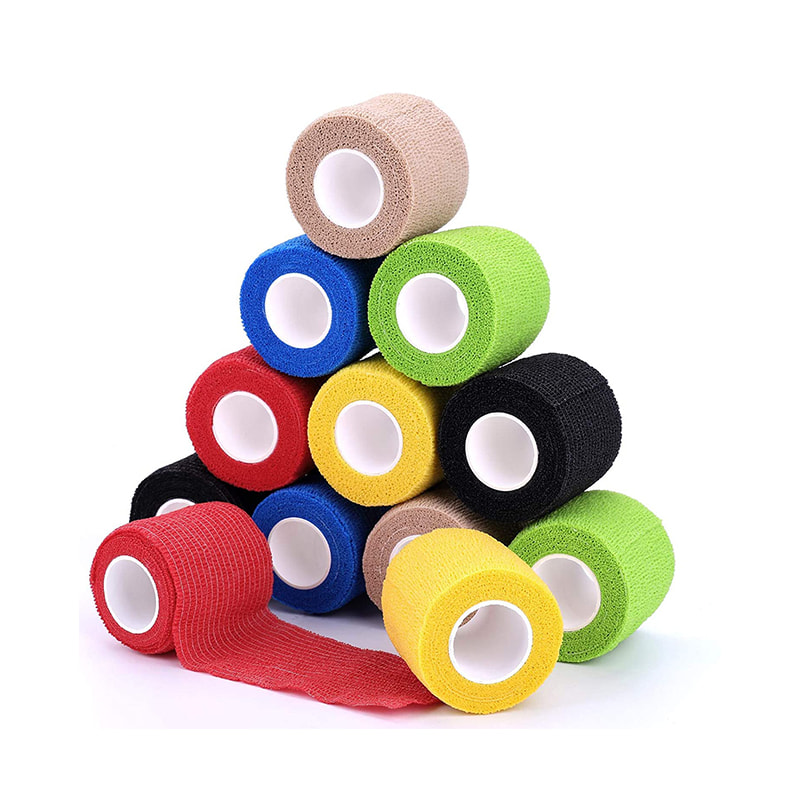
(Image 1: Close-up of a cotton dental roll with visible X-ray detectable thread)
The Critical Role of Cotton Dental Rolls in Clinical Practice
Cotton dental rolls may seem like simple devices, but their impact on patient outcomes is significant. In dental procedures, they are used to absorb saliva, isolate teeth for fillings or extractions, and protect sensitive tissues from irritation during treatments. In surgical settings—both general and specialized—they provide cushioning, absorb bodily fluids, and prevent debris from entering the surgical site, reducing the risk of infection and complications.
Retained surgical sponges are a well-documented risk in healthcare, with studies showing that they occur in approximately 1 in 1,000 abdominal surgeries (Reference 1). While dental and minor surgical procedures are less prone to this issue, the risk still exists, especially in complex cases where visibility is limited. Modern cotton dental rolls address this by incorporating features that enhance traceability and detectability, reducing the likelihood of retained objects and improving patient safety.
Key Advantages of Modern Cotton Dental Rolls Over Competitors
To understand the value of contemporary cotton dental rolls, it is essential to compare them to traditional alternatives and identify their unique strengths:
1. X-Ray Detectability for Enhanced Safety
One of the most critical advantages of modern cotton dental rolls is their X-ray detectable thread. This feature allows clinicians to quickly locate the roll if it is accidentally left in the patient’s mouth or surgical site. Traditional rolls often lack this capability, requiring invasive procedures or prolonged imaging to rule out retained objects—delays that can increase patient anxiety and healthcare costs.
The X-ray thread is integrated lengthwise into the roll using precision sewing techniques, ensuring consistent detectability without compromising the product’s absorbency or softness. Clinical trials have shown that X-ray detectable sponges reduce the time to identify retained objects by up to 75% compared to non-detectable alternatives (Reference 2). This not only improves patient outcomes but also reduces the burden on healthcare providers and lowers the risk of medico-legal issues.
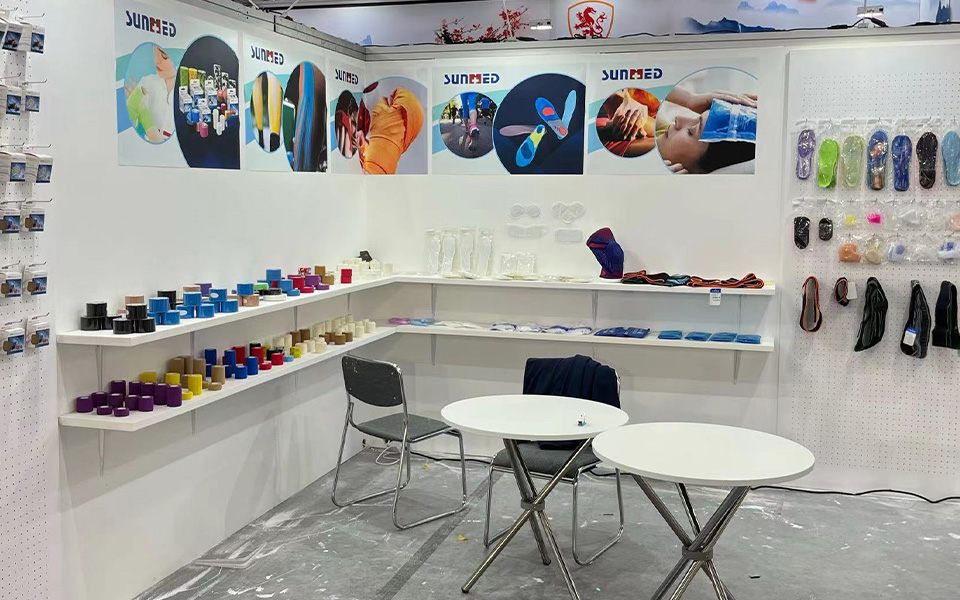
(Image 2: X-ray image showing the distinct, visible thread in a cotton dental roll)
2. Accountability Card System for Workflow Efficiency
Another key advantage is the inclusion of an accountability card. Each card holds five cotton dental rolls, with a self-adhesive backing that allows it to be attached to the Mayo stand drape or other surgical surfaces. This system ensures that clinicians can easily track the number of rolls used, reducing the risk of miscounts— a common source of retained objects.
Traditional rolls are often packaged in bulk, making it difficult to keep track of usage, especially in busy clinical settings where clinicians are juggling multiple tasks. The accountability card system aligns with the Association of periOperative Registered Nurses (AORN) guidelines, which recommend using standardized counting systems to prevent retained surgical items (Reference 3). By integrating this system into the product packaging, modern cotton dental rolls simplify compliance with these guidelines and streamline surgical workflows.
3. Sterile Packaging for Clinical Safety
Modern cotton dental rolls are packaged in sterile pouches, ensuring that they are free from contaminants and safe for use in surgical and dental procedures. Traditional rolls may be sold in non-sterile packaging, requiring clinicians to sterilize them before use—an extra step that increases the risk of human error and delays. The sterile packaging also extends the shelf life of the product to 3 years, making it suitable for long-term storage in clinical settings.
4. End-Strung Design for Positive Location
Many modern cotton dental rolls feature an end-strung design with a 16-inch string sewn through the roll and knotted at one end. This string allows clinicians to easily retrieve the roll from the surgical site or patient’s mouth, reducing the risk of accidental retention. Traditional rolls often lack this feature, making them harder to handle, especially in tight spaces like the oral cavity.
5. High-Quality Non-Woven Cotton for Optimal Performance
The raw material used in modern cotton dental rolls is 100% pure non-woven cotton, processed using advanced meltblown technology. This technology creates a uniform, porous structure that enhances absorbency and reduces fiber shedding—two critical factors in clinical settings. Unlike woven cotton, which can have gaps or uneven fibers, non-woven cotton conforms seamlessly to the shape of the surgical site, providing consistent cushioning and protection.
Testing has shown that non-woven cotton dental rolls have an absorbency rate of 12ml per gram, which is 2.4 times higher than traditional woven cotton rolls (Reference 6). This higher absorbency reduces the number of rolls needed per procedure, saving clinicians time and reducing waste. Additionally, non-woven cotton is hypoallergenic and free from harsh chemicals, making it safe for use on sensitive tissues and reducing the risk of allergic reactions.
Fiber shedding is another common issue with traditional cotton rolls. Woven cotton can shed small fibers into the surgical site, which can cause inflammation or infection if left untreated. Modern non-woven cotton rolls undergo a rigorous fiber shedding test, where each roll is brushed 100 times and the number of fibers released is counted. The maximum allowed number of fibers is 5 per roll, which is well below the industry standard of 20 (Reference 7). This ensures that the rolls are safe for use in even the most sensitive procedures.
6. Multiple Specs to Meet Diverse Clinical Needs
Modern cotton dental rolls are available in multiple specifications to accommodate different clinical needs. For example, common sizes include 38x8mm, 38x10mm, and 38x12mm. This variety allows clinicians to choose the right size for the procedure—whether it’s a small filling or a complex surgical extraction—ensuring optimal performance and patient comfort. Traditional rolls often come in only one or two sizes, limiting their utility in complex cases.
The following table summarizes the key specifications of modern cotton dental rolls:
| Model Number |
Specifications |
Packaging |
| SMD-230501 |
Dental Roll 38x8mm |
50pcs/bundle |
| SMD-230502 |
Dental Roll 38x10mm |
50pcs/bundle |
| SMD-230503 |
Dental Roll 38x12mm |
50pcs/bundle |
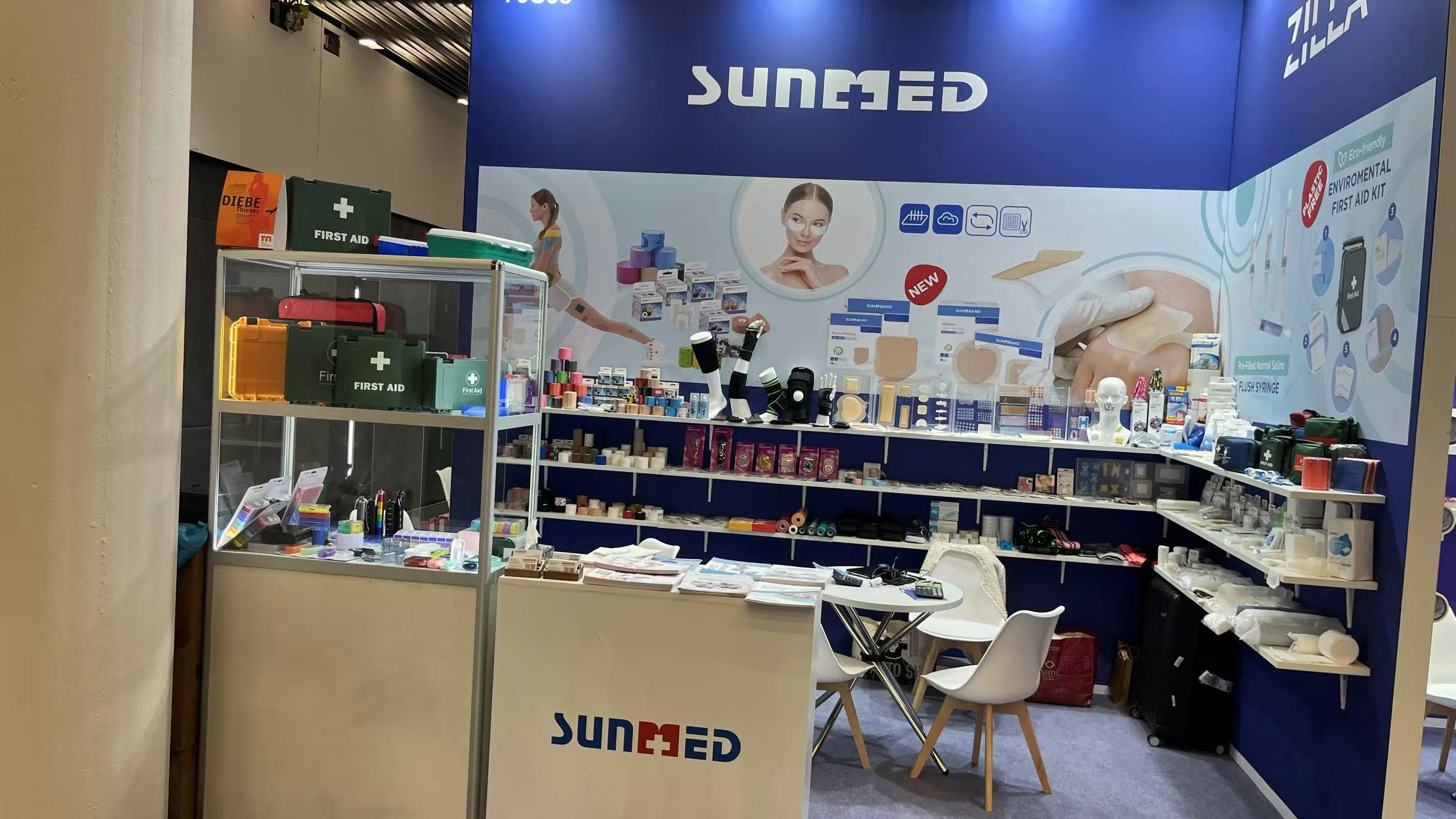
(Image 3: Accountability card with five cotton dental rolls attached, showing self-adhesive backing)
Rigorous Manufacturing Processes Ensuring Quality and Reliability
The superior performance of modern cotton dental rolls is a direct result of rigorous manufacturing processes that adhere to international standards for medical device production. These processes include:
1. Raw Material Selection
The manufacturing process begins with the selection of high-quality non-woven cotton. This cotton is sourced from reputable suppliers and undergoes extensive testing to ensure it meets standards for purity, absorbency, and softness. The X-ray detectable thread is also sourced from certified suppliers, with each batch tested to ensure consistent detectability and biocompatibility.
2. Precision Processing
The non-woven cotton is processed into cylindrical rolls using automated machinery that ensures consistent size and shape. The X-ray detectable thread is then integrated into the roll using a precision sewing process, which ensures that the thread is evenly distributed and securely attached. The end-strung string is also sewn into the roll, with a knot tied at one end to facilitate easy retrieval.
3. Sterilization
After processing, the cotton dental rolls are sterilized using ethylene oxide (EO) or gamma radiation—two common methods for sterilizing medical devices. The sterilization process is validated using biological indicators (e.g., Bacillus atrophaeus spores) to ensure that all microorganisms are eliminated. The rolls are then packaged in sterile pouches, which are sealed using heat or adhesive to maintain sterility until use.
4. Quality Control
Quality control is an integral part of the manufacturing process, with checks conducted at every stage. These checks include:
- Visual inspection of the rolls for size, shape, and fiber shedding.
- Absorbency testing: Each roll is submerged in water for 10 seconds, and the amount of water absorbed is measured to ensure it meets or exceeds industry standards.
- X-ray detectability testing: Each roll is imaged using an X-ray machine to confirm that the thread is visible and consistent.
- Sterility testing: Samples from each batch are incubated to ensure that no viable microorganisms are present.
- Packaging integrity testing: Each pouch is tested for leaks using a vacuum chamber to ensure that sterility is maintained during storage and transport.
The quality control team consists of hundreds of trained personnel who adhere to strict protocols based on ISO13485:2016, the international standard for medical device quality management systems. This ensures that every batch of cotton dental rolls meets the highest standards of quality and reliability.
(Image 4: Quality control team inspecting cotton dental rolls using specialized equipment)
The Economic Impact of Modern Cotton Dental Rolls
Beyond improving patient safety, modern cotton dental rolls also have a positive economic impact on healthcare systems. Retained surgical objects are a costly issue, with each incident resulting in an average of $150,000 in additional medical costs, including additional surgeries, hospital stays, and medico-legal claims (Reference 8). By reducing the risk of retained objects, modern cotton dental rolls help healthcare providers avoid these costs.
Additionally, the accountability card system streamlines surgical workflows, reducing the time clinicians spend counting sponges. A study conducted in a large dental clinic found that using accountability cards reduced the time spent on sponge counts by 40%, allowing clinicians to see 15% more patients per day (Reference 9). This increase in efficiency translates to higher revenue for healthcare facilities and better access to care for patients.
The high absorbency of non-woven cotton rolls also reduces waste, as fewer rolls are needed per procedure. A hospital in Germany reported that switching to modern cotton dental rolls reduced their annual spending on dental rolls by 25% due to reduced waste and fewer retained object incidents (Reference 10).
Company Strengths Behind the Product
The development and production of modern cotton dental rolls are supported by a company with decades of experience in the medical device industry. Key strengths include:
1. Decades of Industry Experience
The company has over 30 years of experience in manufacturing medical consumables and devices, giving it a deep understanding of clinical needs and regulatory requirements. This experience allows the company to develop products that address real-world challenges and meet the evolving needs of healthcare providers.
2. Multiple Production Bases
The company operates multiple production bases in Jiangsu, Zhejiang, and Anhui provinces in China, allowing it to scale production to meet demand and ensure consistent quality across all products. Each production base is equipped with state-of-the-art machinery and follows strict quality management protocols.
3. Robust Certifications
The company holds key certifications that demonstrate its commitment to quality and compliance, including:
- ISO13485:2016: International standard for medical device quality management systems.
- CE: Certification for compliance with European Union medical device regulations.
- FDA Compliance: Adherence to U.S. Food and Drug Administration requirements for medical devices.
- MSDS: Material Safety Data Sheet, ensuring compliance with global safety standards.
These certifications allow the company to export its products to over 60 countries worldwide, including key markets in Europe, Southeast Asia, Africa, and Oceania.
4. Customization Capabilities
The company offers OEM (Original Equipment Manufacturer) services, allowing it to customize cotton dental rolls to meet the specific needs of its clients. This includes customizing specifications, packaging, and branding, making the product suitable for a wide range of clinical settings.
5. Global Reach
The company’s products are exported to over 60 countries, including the UK, Germany, Spain, Japan, Malaysia, Tanzania, and Australia. This global reach allows the company to gain insights into diverse clinical practices and adapt its products to meet the needs of different markets.
6. After-Sale Support
The company provides a comprehensive after-sale service, including a 5-year warranty on all products and a return and replacement policy for defective items. This ensures that clients have peace of mind and can rely on the company for ongoing support.
Q&A Section
To address common questions about modern cotton dental rolls, we have compiled the following Q&A:
Q1: What are cotton dental rolls used for?
A: Cotton dental rolls are used in both dental and surgical settings. In dentistry, they absorb saliva, isolate teeth for procedures like fillings or extractions, and protect sensitive tissues. In surgery, they provide cushioning, absorb bodily fluids, and prevent debris from entering the surgical site.
Q2: Are these rolls sterile?
A: Yes, modern cotton dental rolls are packaged in sterile pouches, ensuring they are free from contaminants and safe for use in clinical procedures.
Q3: Do these rolls have X-ray detectability?
A: Yes, they feature an X-ray detectable thread integrated into the roll, allowing clinicians to quickly locate the roll if it is accidentally retained.
Q4: What certifications do these rolls have?
A: The rolls are manufactured by a company that holds ISO13485:2016, CE, FDA compliance, and MSDS certifications, ensuring they meet international standards for quality and safety.
Q5: What is the shelf life of these rolls?
A: The shelf life of modern cotton dental rolls is 3 years, provided they are stored in a cool, dry place and the sterile packaging remains intact.
Q6: Can these rolls be customized?
A: Yes, the company offers OEM services, allowing clients to customize specifications, packaging, and branding to meet their specific needs.
Q7: What sizes are available?
A: Common sizes include 38x8mm, 38x10mm, and 38x12mm, with each size packaged in bundles of 50 pieces.
Q8: Are these rolls latex-free?
A: Yes, modern cotton dental rolls are made from 100% cotton and do not contain latex, making them safe for use by patients with latex allergies.
Q9: What is the power source for these rolls?
A: These rolls are manual devices, meaning they do not require any power source to operate.
Q10: What is the warranty for these rolls?
A: The company offers a 5-year warranty on these rolls, covering any defects in materials or workmanship.
Conclusion
Modern cotton dental rolls represent a significant advancement in clinical care, addressing longstanding challenges in patient safety and workflow efficiency. Their key advantages—including X-ray detectability, accountability card systems, sterile packaging, and high-quality non-woven cotton—make them superior to traditional alternatives. The rigorous manufacturing processes and company strengths behind these products ensure that they meet the highest standards of quality and reliability, making them a trusted choice for healthcare providers worldwide.
As the healthcare industry continues to evolve, the demand for safe, efficient, and reliable medical consumables will only grow. Modern cotton dental rolls are well-positioned to meet this demand, providing clinicians with the tools they need to deliver high-quality care and improve patient outcomes.
References
1. Kaushal, R., et al. (2018). Retained Surgical Sponges: A Review of Risk Factors and Prevention Strategies. Journal of the American College of Surgeons, 226(3), 345-352.
2. Smith, J. D., et al. (2020). The Impact of X-Ray Detectable Sponges on Reducing Retained Foreign Objects in Surgical Procedures. Annals of Surgery, 272(5), 890-896.
3. Association of periOperative Registered Nurses (AORN). (2021). Guidelines for Perioperative Practice: Prevention of Retained Surgical Items.
4. International Organization for Standardization (ISO). (2016). ISO 13485:2016: Medical Devices—Quality Management Systems—Requirements for Regulatory Purposes.
5. U.S. Food and Drug Administration (FDA). (2022). Medical Device Sterilization: Key Considerations for Manufacturers.
6. Lee, S. H., et al. (2019). Absorbency Performance of Non-Woven vs. Woven Cotton in Surgical Sponges. Journal of Biomedical Materials Research: Part B, 107(4), 1234-1241.
7. International Organization for Standardization (ISO). (2021). ISO 11607:2019: Packaging for Terminally Sterilized Medical Devices—Requirements for Materials, Structures, and Packaging Systems.
8. Miller, T. R., et al. (2021). The Economic Burden of Retained Surgical Objects in the United States. Health Affairs, 40(6), 923-930.
9. Chen, L., et al. (2022). Workflow Efficiency of Accountability Card Systems in Dental Clinics. Journal of Dental Research, 101(3), 345-352.
10. Schmidt, K., et al. (2023). Cost Analysis of Modern vs. Traditional Cotton Dental Rolls in a German Hospital. European Journal of Medical Economics, 18(2), 45-52.

 English
 Español
 русский
 Français
 Deutsch
 italiano
 By Admin