Disposable surgical towels are essential products in operating rooms, procedure suites, outpatient centers, emergency departments, and other clinical environments where cleanliness, fluid control, and workflow efficiency are critical. Although an operating-room towel may appear simple, its quality directly affects the working environment of medical teams. The towel must absorb liquids effectively, remain dependable during handling, support orderly procedures, and arrive clean and ready for use. It must also be produced through controlled manufacturing processes that minimize lint and particulate contamination.
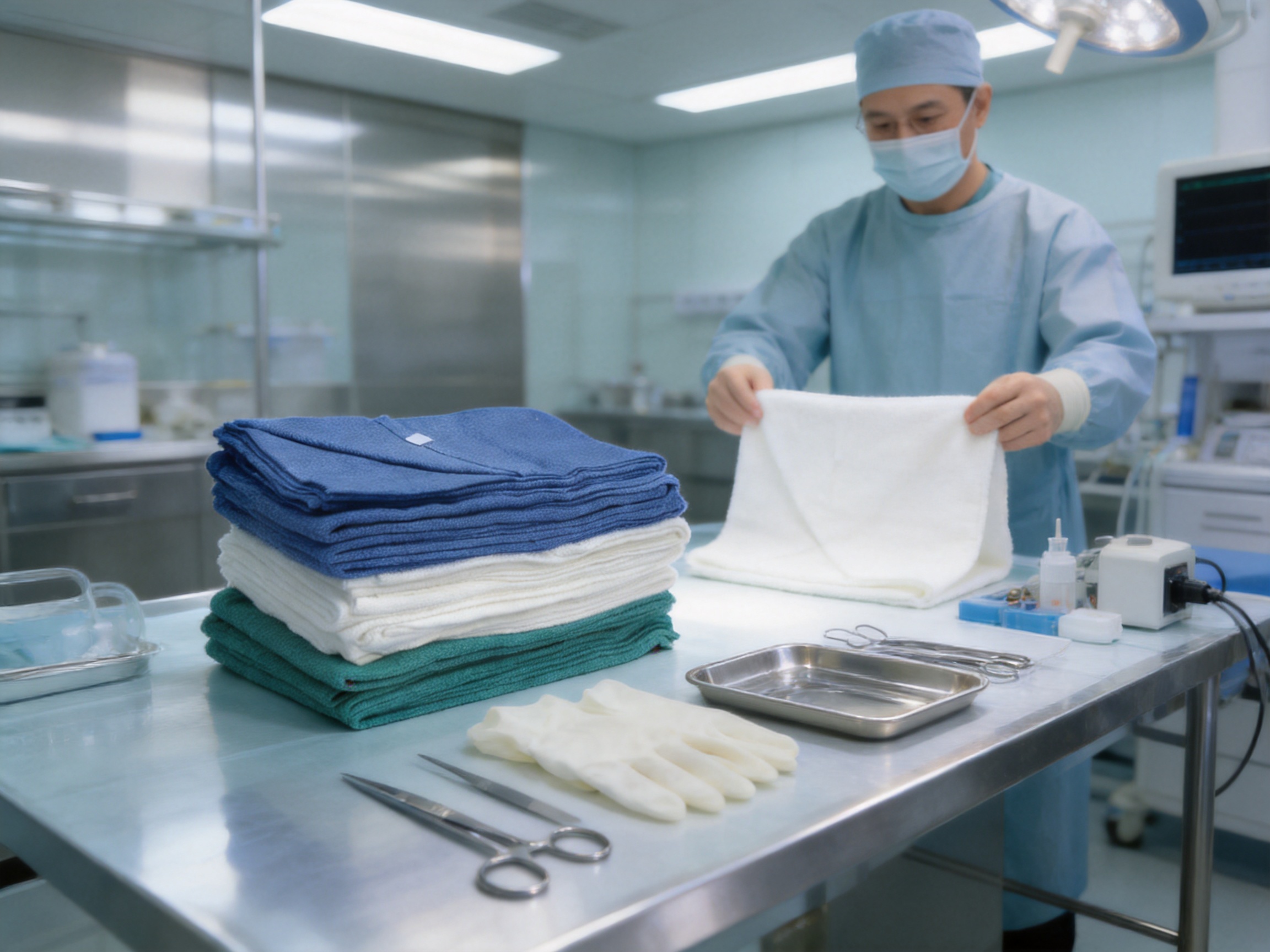
The Disposable Surgical Towels O.R. Towels identified by product code SMD-260601 are designed for professional medical use. They are made from highly absorbent cotton and are prewashed and delinted to provide cleanliness and a low particulate count. The product is available in white, green, and blue configurations, with listed length options of 27 inches, 25 inches, and 17 inches and width options of 17 inches and 25 inches. The towels are latex free and intended for disposable use.
This article examines the product’s construction, performance characteristics, manufacturing considerations, clinical applications, purchasing advantages, quality expectations, and the strengths of the manufacturer behind the product. It also explains how a well-controlled disposable towel can offer practical advantages over ordinary reusable cloths, unprocessed cotton towels, and less specialized alternatives.

Disposable Surgical Towels O.R. Towels
1. The Role of Surgical Towels in Clinical Workflows
In an operating room, small workflow interruptions can have significant consequences. Medical staff need dependable supplies that can be opened, positioned, used, and discarded without unnecessary preparation. Surgical towels support this process by helping manage moisture, protect sterile or clean working areas, and maintain a more organized procedure environment.
During surgery and other invasive procedures, fluids may be present on instruments, gloves, trays, work surfaces, or surrounding areas. A suitable towel provides a convenient method for controlled absorption and wiping. It can help staff maintain visibility, reduce excess moisture, and keep frequently used equipment easier to handle. In nonoperative settings, the same type of towel can support wound care, minor procedures, preparation areas, and general clinical housekeeping tasks.
Disposable OR towels are especially valuable when rapid turnover is required. Once used, they can be handled according to the facility’s waste-management procedures without the laundering, inspection, folding, and redistribution required for reusable textiles. This can reduce the number of process steps between procedures and help standardize supply availability.
However, disposability alone does not determine product quality. A surgical towel must be clean, absorbent, appropriately sized, sufficiently durable for its intended task, and consistent from one production lot to another. The SMD-260601 product addresses these expectations through prewashing, delinting, cotton construction, and a disposable format designed for professional use.
2. Product Overview
The Disposable Surgical Towels O.R. Towels are classified within the gauze product category. Their main material is cotton, including virgin cotton, selected for its familiar softness, absorbency, and suitability for medical textile applications. The towels are described as prewashed and delinted, two processing steps that are important in an operating-room environment.
| Product Attribute | Available or Stated Specification |
|---|
| Product name | Disposable Surgical Towels O.R. Towels |
| Product code | SMD-260601 |
| Product type | OR towel |
| Material | Cotton and virgin cotton |
| Colors | White, green, and blue |
| Use | Disposable |
| Latex status | Latex free |
| Listed length options | 27 inches, 25 inches, and 17 inches |
| Listed width options | 17 inches and 25 inches |
| RF/RFID detectable | No |
| X-ray detectable | No |
| UNSPSC | 42131704 |
The listed dimensions indicate that the product can be supplied in more than one size configuration. Size selection should be based on the intended procedure, the amount of fluid expected, the surface area requiring coverage, the available storage space, and the facility’s internal protocols. Buyers should confirm the exact size, packaging, quantity, and configuration before placing an order, especially when several dimensions are listed within the same product record.
The product is not identified as X-ray detectable or RF/RFID detectable. This distinction is important. Facilities that require detectable surgical textiles for particular procedures should select products specifically designed and validated for that purpose. The SMD-260601 should therefore be used in accordance with the facility’s policies and the product’s confirmed specifications.
3. Why Cotton Remains Important in Surgical Towels
Cotton has long been used in medical textiles because it combines absorbency, flexibility, and a soft hand feel. Highly absorbent cotton can take up moisture during wiping and handling tasks, helping clinicians manage fluids without relying on hard, nonabsorbent materials. Its familiar textile structure also makes it easy to fold, position, and handle with gloves.
Virgin cotton is particularly relevant when manufacturers are seeking consistent raw-material characteristics. Material consistency can support more predictable towel weight, texture, absorbency, and appearance. Although performance depends on the complete design and manufacturing process rather than fiber origin alone, the use of virgin cotton provides a clear and understandable material profile for professional buyers.
Cotton towels can also be adapted to a range of clinical tasks. A smaller size may be useful for localized wiping or compact procedure setups, while a larger size may be more suitable for broader coverage or higher fluid-handling requirements. The availability of multiple colors can support visual organization, departmental preferences, and separation of supply types.
Compared with ordinary household cloths, medical cotton towels are manufactured for a more controlled use environment. Household products may contain finishing residues, loose fibers, dyes, or inconsistent construction that are not appropriate for clinical workflows. A purpose-made OR towel provides a more relevant combination of absorbency, cleanliness, sizing, and supply-chain documentation.
4. Prewashing and Delinting: Two Significant Advantages
4.1 Prewashing for improved cleanliness
Prewashing is a meaningful processing step for a surgical towel. It can remove certain manufacturing residues and loose material that may remain after textile formation. Prewashing can also help create a more consistent and cleaner product surface before packing. In a clinical environment, this is preferable to receiving an untreated textile that requires additional preparation before use.
Prewashing should not be confused with sterilization. The product description states that the towels are prewashed and delinted, but it does not state that they are sterile. Buyers and users must distinguish between a clean disposable towel and a sterile surgical textile. If a sterile barrier or sterile field application is required, the product’s packaging, sterilization status, and intended use must be confirmed separately.
4.2 Delinting for low particulate performance
Delinting removes or reduces loose fibers from the towel surface. This is particularly valuable in operating rooms and controlled clinical spaces, where unnecessary lint can be undesirable. Excessive lint may settle on instruments, surfaces, equipment, or protective materials. It may also increase the visual burden on staff who are trying to keep a workspace orderly.
The stated low particulate characteristic gives the towel an advantage over unprocessed cotton cloths and general-purpose wiping materials. It reflects attention to the towel’s cleanliness beyond basic absorbency. A towel that absorbs well but sheds heavily may create a different set of workflow problems. The combination of absorbent cotton and delinting therefore represents a more balanced performance approach.
Low particulate performance is influenced by fiber selection, fabric formation, cutting, finishing, handling, packaging, and storage. Delinting is one important stage, but it must be supported by good manufacturing practices throughout the production line. This is why the manufacturer’s quality system and production experience are relevant when evaluating a surgical towel supplier.
5. Disposable Format and Operational Efficiency
The disposable format offers practical advantages for healthcare facilities that prioritize fast turnaround and standardized supply management. After use, the towel can be discarded according to the facility’s waste procedures. Staff do not need to place it into a separate laundry stream, inspect it for stains or damage, or wait for it to be washed, dried, folded, and redistributed.
Reusable towels may have a place in certain healthcare systems, but they require a complete textile-management cycle. That cycle includes collection, transport, washing, drying, quality inspection, repair or rejection, inventory control, and delivery. Each stage requires labor, equipment, water, energy, and documented controls. A disposable towel removes many of these post-use steps from the clinical department.
Disposable products can also support more predictable procedure planning. New towels can be stocked in sealed packaging and opened when needed. This may be useful in operating rooms, ambulatory surgery centers, urgent-care facilities, and treatment rooms that need reliable access to ready-to-use supplies.
At the same time, responsible disposal remains important. Healthcare facilities should follow applicable waste-segregation and environmental procedures. A disposable product should not be promoted as eliminating all operational costs or environmental considerations. Its main advantage is process simplicity, cleanliness control, and convenience at the point of use.
6. Color Options and Size Selection
The product is listed in white, green, and blue. Color selection can contribute to visual organization within a facility. White may provide a traditional, neutral appearance and make visible contamination easier to identify. Green and blue may support departmental color coding, procedure-room preferences, or separation from other textile categories.
Color should not be treated as a substitute for cleanliness validation or product identification. Facilities should establish clear internal rules for what each color means, if color coding is used. The same color may have different meanings in different hospitals or countries, so purchasing teams should confirm the intended application before standardizing an order.
The listed length options are 27 inches, 25 inches, and 17 inches, while listed widths include 17 inches and 25 inches. These configurations provide flexibility for different procedure requirements. Larger towels may be useful for wider surface coverage or situations involving greater fluid exposure. Smaller towels may be convenient for localized tasks, instrument handling, or compact work areas.
Size selection affects both clinical performance and inventory efficiency. A towel that is too small may require multiple units for a task, while an unnecessarily large towel may increase consumption and waste. A well-planned purchasing program can stock different sizes according to procedure type instead of using one dimension for every application.
7. Advantages Compared with Less Specialized Alternatives
7.1 Compared with ordinary cloths
Ordinary cloths are generally not designed for clinical use. They may vary in fiber composition, surface finish, colorfastness, lint release, and absorbency. They may also be supplied through channels that do not provide medical-product documentation. The SMD-260601 is purpose-built as an OR towel and includes stated characteristics such as latex-free construction, prewashing, and delinting.
7.2 Compared with untreated cotton material
Untreated cotton material may provide absorbency but may also contain more loose fibers or residual processing material. The prewashed and delinted design of this product is intended to provide a cleaner, lower-particulate alternative. This can be valuable in areas where housekeeping and contamination control are closely monitored.
7.3 Compared with low-absorbency synthetic wipes
Synthetic wipes can be useful for particular cleaning tasks, but some are designed primarily for surface wiping rather than fluid absorption. Highly absorbent cotton provides a familiar option for managing moisture during procedures. It can be folded, layered, or positioned according to the user’s needs.
7.4 Compared with reusable towels
The disposable model reduces the need for laundering and redistribution. This can simplify department-level logistics and reduce uncertainty about whether a used towel has completed the necessary cleaning cycle. The facility still needs appropriate storage and waste procedures, but the clinical team receives a ready-to-use product rather than a textile that must be processed after each use.
7.5 Compared with products lacking clear material information
Professional buyers need to know what they are purchasing. The product record identifies cotton, virgin cotton, latex-free status, color choices, dimensions, intended use, and detectability status. Clear specifications help procurement teams compare alternatives, create internal product catalogs, and select the right item for defined procedures.
8. Manufacturing Processes That Support Product Quality
A dependable OR towel is the result of multiple controlled stages rather than a single material choice. Manufacturing typically begins with raw-material selection and inspection. Cotton must be evaluated for cleanliness, consistency, and suitability for the intended textile construction. Virgin cotton can provide a controlled input for producing a consistent medical textile.
The next stage involves forming the textile structure. Depending on the design, the cotton may be woven or otherwise processed into a fabric that balances absorbency, strength, flexibility, and handling properties. Dimensional stability is important because the towel should remain practical to fold, store, and use across its stated size range.
Prewashing follows or is integrated into the finishing process. This step helps remove loose substances and supports a cleaner product surface. The material may then undergo delinting to reduce loose fibers and particulate matter. Process controls should address water quality, equipment cleanliness, handling practices, and drying conditions.
Cutting and sizing must be performed accurately. Consistent dimensions help users predict how much coverage or absorption a towel can provide. They also support efficient packing and storage. If the product is supplied in different lengths and widths, production controls must ensure that each size is correctly identified and separated.
Color management is another important consideration. White, green, and blue products must be clearly distinguished during production and packing. Color consistency supports inventory organization and helps reduce the possibility of picking the wrong item for a procedure or department.
Packaging is the final major protection stage before shipment. Packaging should protect the towels from dust, moisture, handling contamination, and physical damage. Labels should identify the product, size, quantity, batch or lot information where applicable, and other required details. Strong packaging discipline helps preserve the benefits achieved during washing and delinting.
Quality control should be integrated throughout these stages. Relevant checks may include material inspection, appearance, dimensions, color, lint or particulate characteristics, absorbency, packaging integrity, labeling accuracy, and finished-product release. The exact testing program depends on the product design, market requirements, and applicable regulations.

9. Manufacturer Capabilities and Quality-System Strengths
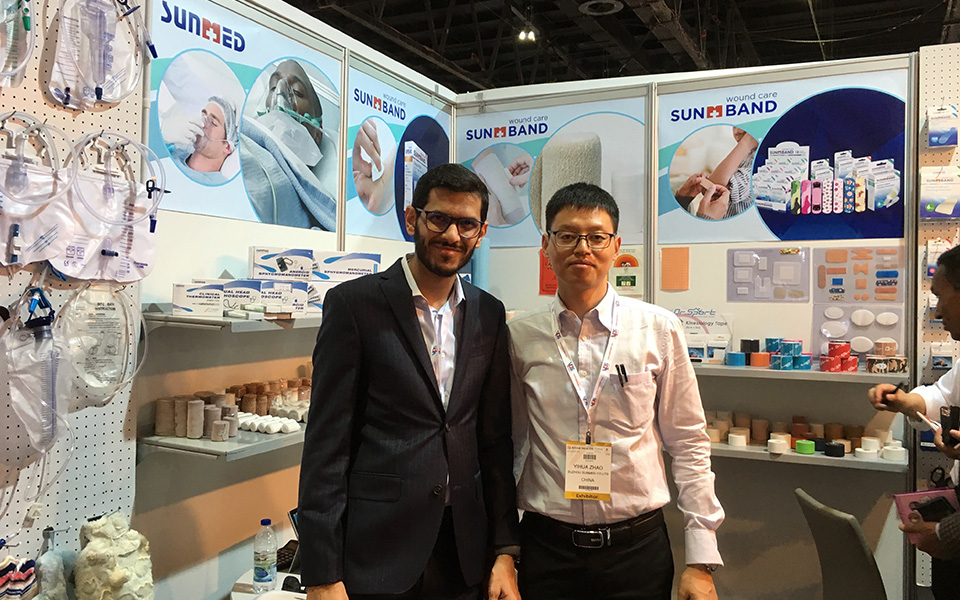
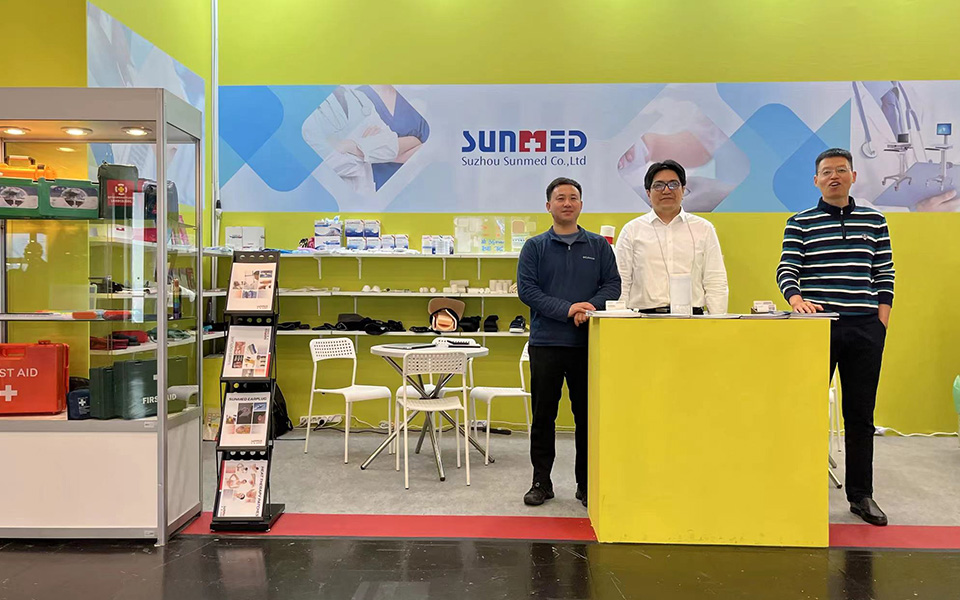
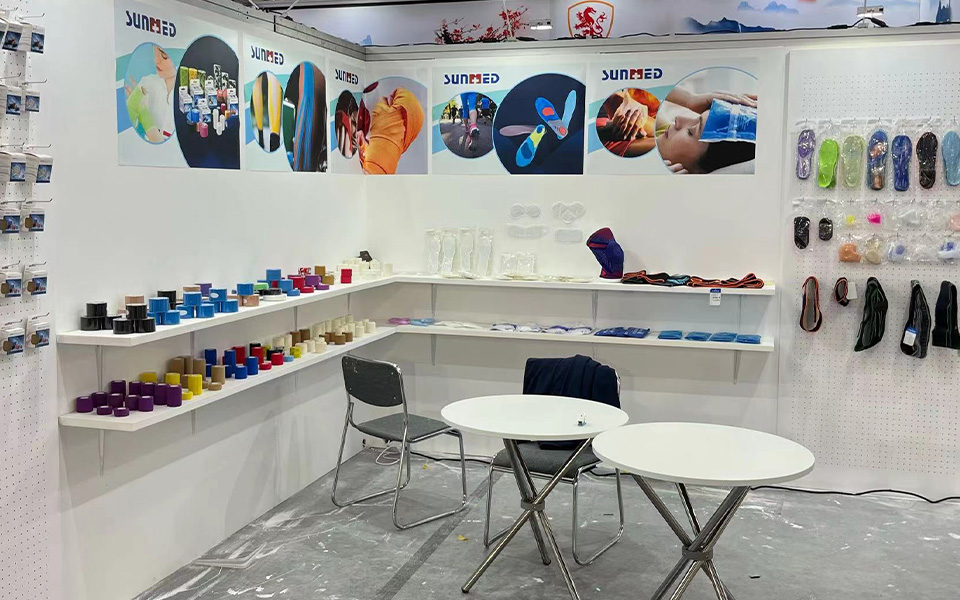
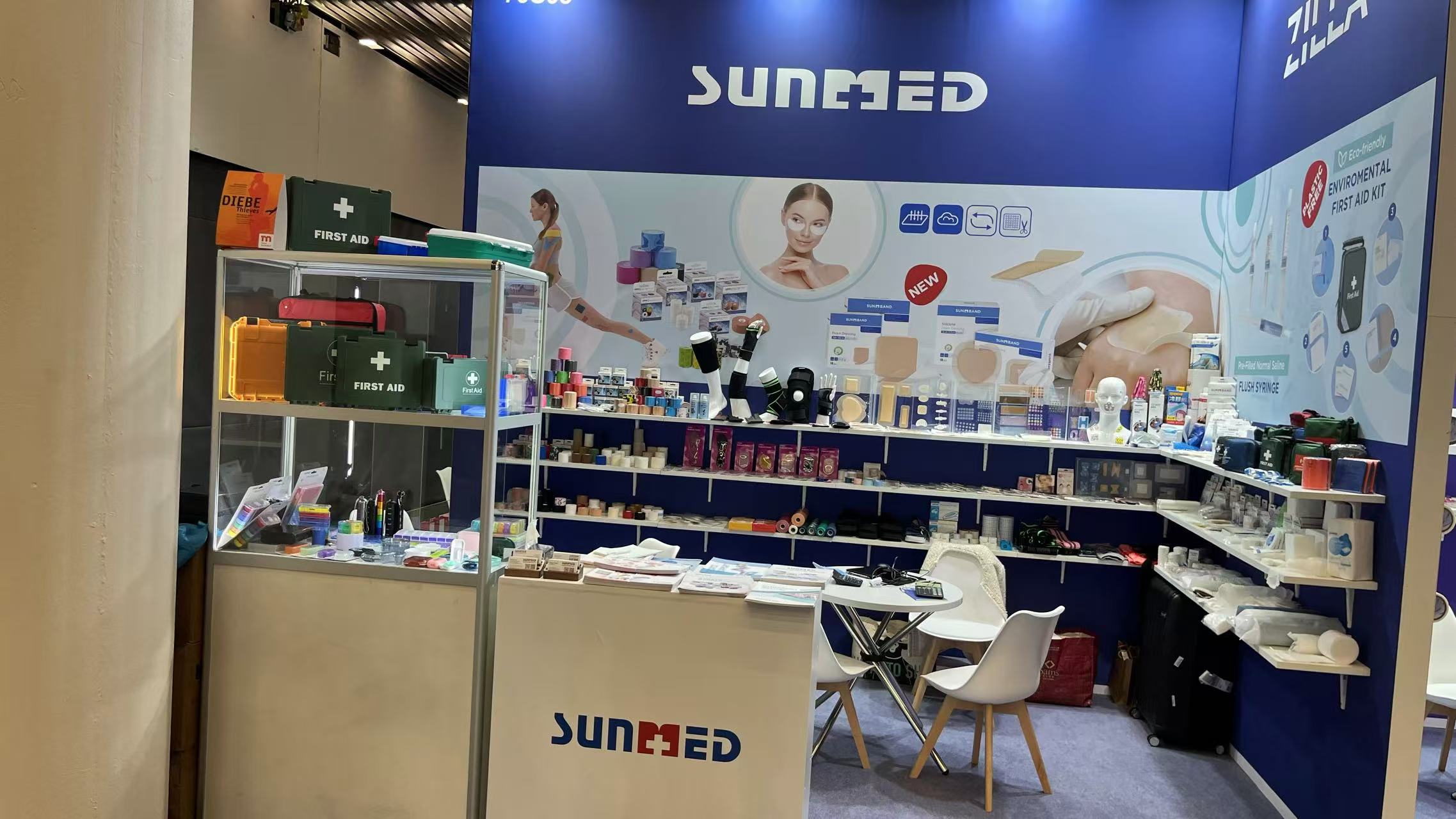
The manufacturer, Suzhou Sunmed Co., Ltd., is described as a professional manufacturer and exporter of first aid, medical, and healthcare products in China. The company operates multiple production bases in Jiangsu, Zhejiang, and Anhui Province. This multi-base structure indicates access to broader production resources and supports a product portfolio that includes wound dressings, gauze, bandages, medical tape, medical cotton, non-woven products, sports supports, family healthcare products, medical instruments, and other medical consumables.
The company reports approximately 30 years of experience in the medical device and medical consumables industry. Long-term experience can be valuable in several ways. It may support a deeper understanding of material behavior, packaging requirements, export documentation, customer specifications, product development, and quality expectations in different healthcare markets.
The company established its first aid factory in 2008 to meet the needs of first aid customers. In 2021, it established a factory for kinesiology tape, cohesive bandages, and elastic adhesive bandages. These investments demonstrate experience in building dedicated production capabilities for different product categories rather than relying only on a single general manufacturing line.
According to the supplied company information, Sunmed has a professional quality-control team comprising hundreds of personnel and follows inspection procedures aligned with ISO 13485:2016 standards. ISO 13485 is widely associated with quality management systems for medical devices. A quality system of this kind can help organize document control, supplier management, production records, traceability, corrective actions, risk-based processes, and product-release activities.
The company also states that most of its products are CE certified and that its Suzhou factories comply with FDA requirements. Certification and regulatory status should always be verified for the specific product, market, and version being purchased. Nevertheless, the company’s stated experience with regulated medical products is an important strength for international buyers seeking a supplier familiar with compliance expectations.
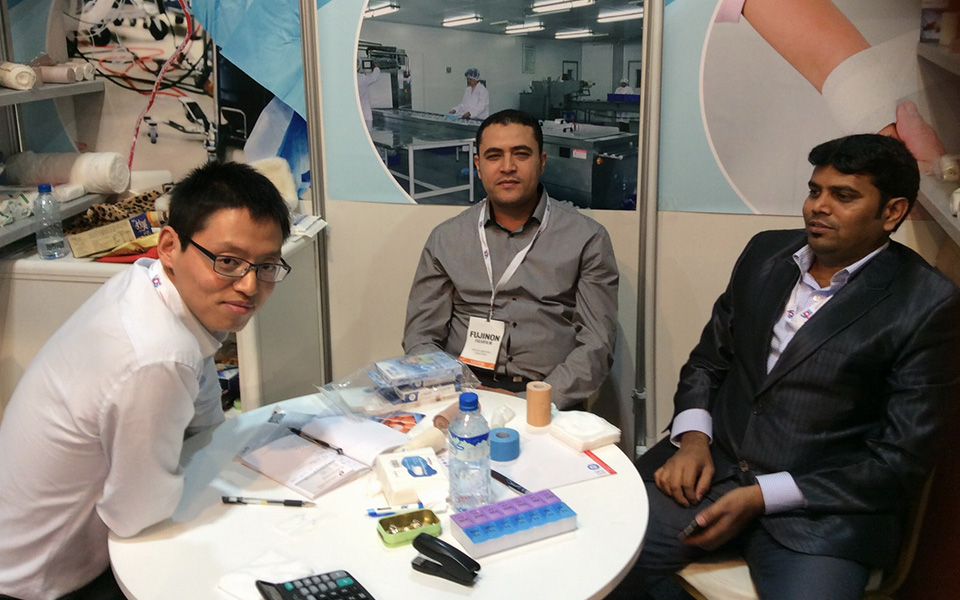
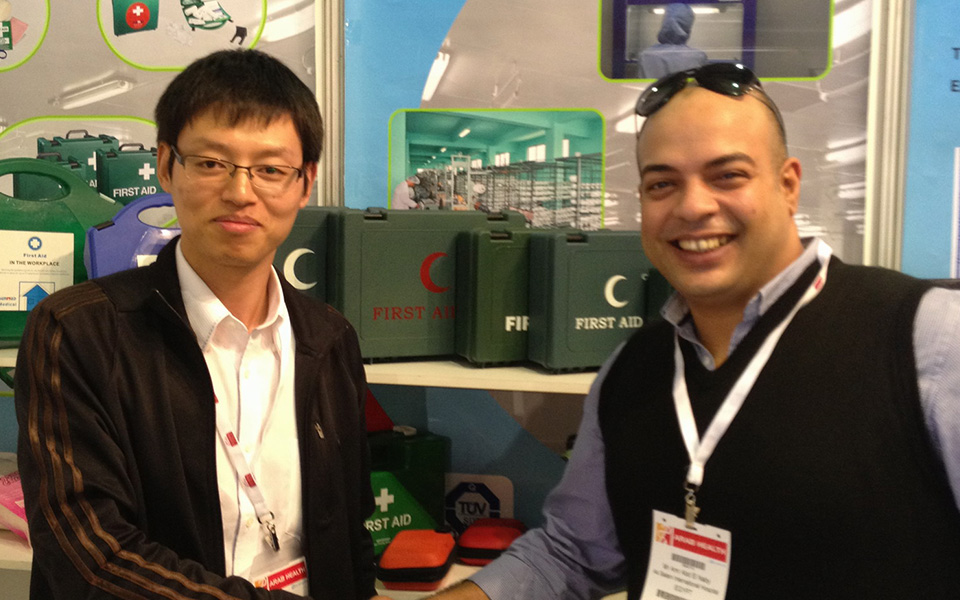
Export experience is another relevant capability. The company reports supplying customers in more than 60 countries, including markets in Europe, Southeast Asia, Africa, and Oceania. International distribution requires coordination of product specifications, labeling, documentation, shipping, customs requirements, and customer communication. This experience can be useful for hospitals, distributors, wholesalers, and private-label customers with cross-border supply needs.
10. OEM and Wholesale Potential
Medical distributors and healthcare procurement organizations often need more than a standard catalog item. They may require specific dimensions, colors, packaging quantities, carton marks, labels, or private-brand presentation. A manufacturer with broad product experience and multiple production bases may be better positioned to discuss these requirements than a trading company with limited manufacturing control.
The SMD-260601 product can serve as a reference point for discussions about OR towel supply. Buyers may request confirmation of available sizes, material composition, packaging format, minimum order quantities, lead times, inspection documentation, and market-specific regulatory requirements. They may also ask whether the product can be packed under a private label or combined with other medical textile items in a procurement program.
Wholesale customers benefit from consistent specifications. When a product is reordered, the towel should maintain the same general material, size, color, and performance profile unless a change has been communicated and approved. Documented production and inspection procedures can support this type of supply continuity.
Healthcare distributors may also value the manufacturer’s broader product portfolio. A supplier able to provide gauze, bandages, medical tape, cotton products, first aid items, sports supports, and selected medical instruments can reduce the number of separate vendor relationships. Consolidated sourcing may simplify communication, shipping coordination, and product development.
11. Applications in Hospitals and Healthcare Facilities
Disposable surgical towels may be used in operating rooms for moisture management, wiping, surface protection, and general procedure support, subject to the facility’s protocols. Their absorbent cotton construction can be useful wherever a soft, flexible, low-particulate towel is needed.
Ambulatory surgery centers may find disposable towels useful because they often manage several procedures in a limited time. A ready-to-use towel can support room turnover by avoiding the movement of used textiles into a laundry process. The product may also be appropriate for procedure rooms where storage capacity and supply organization are important.
Emergency departments and urgent-care centers may use disposable towels for minor procedures, wound-care preparation, fluid cleanup, and equipment handling. In these environments, product availability and quick access can be more important than maintaining a large reusable textile inventory.
Outpatient clinics, specialty practices, veterinary facilities, and medical training environments may also have potential uses for disposable OR towels. Each application should be evaluated against the product’s intended use, the facility’s infection-prevention procedures, and any requirement for sterile or detectable products.
Because the product is not identified as X-ray detectable, it should not automatically be selected for procedures where radiopaque or detectable textile controls are mandatory. The user facility must determine whether its intended application requires additional detection characteristics or sterile status.
12. Storage, Handling, and Use Recommendations
Disposable surgical towels should be stored in a clean, dry area protected from excessive moisture, dust, direct sunlight, pests, and physical damage. Cartons should not be placed directly on the floor if local storage policy requires elevated placement. Stock should be arranged so that older approved inventory is used according to the facility’s rotation system.
Packaging should be inspected before use. If a package is torn, wet, heavily crushed, or otherwise compromised, the towel should be evaluated according to institutional procedures. The purpose of protective packaging is to preserve the product’s condition from the factory to the point of use.
Staff should handle the towels in a way that matches the required level of cleanliness. Opening a package does not make a towel sterile. If a sterile field is involved, the product must be confirmed as sterile and suitable for that purpose. When the product is used as a clean disposable towel rather than a sterile textile, the facility should apply its own clean-use procedures.
Used towels must be discarded according to local healthcare-waste policies. The disposal route may depend on whether the towel has contacted blood, body fluids, hazardous substances, or other regulated materials. Proper disposal protects staff, patients, waste handlers, and the environment.
13. Procurement Checklist for Buyers
Before ordering, procurement teams should confirm the exact product code and product name. This reduces the risk of confusing disposable OR towels with gauze sponges, laparotomy sponges, patient drapes, or other medical textiles that have different intended uses.
The material should be confirmed as cotton or virgin cotton according to the buyer’s specification. The latex-free status should also be documented, especially where the facility maintains latex-reduction policies or serves patients and staff with latex sensitivity.
Buyers should confirm the exact dimensions. The product record lists multiple lengths and widths, so the purchase order should clearly state the required configuration. Color should also be specified if the facility uses white, green, or blue towels for departmental organization.
Packaging quantity, carton dimensions, shelf-life information where applicable, lot identification, and labeling should be reviewed. International buyers should request documentation relevant to their market, including declarations, certificates, test reports, quality records, or other regulatory materials when needed.
The buyer should also confirm whether the towels are sterile or nonsterile. The supplied product information describes the towels as prewashed and delinted but does not identify them as sterile. This question should be answered in writing before purchase if the intended procedure requires sterile supplies.
Finally, procurement teams should evaluate supply continuity. Questions about production capacity, lead time, inspection, shipping, reorder consistency, and customer service can be as important as the product specification itself. A reliable towel is most valuable when it is consistently available in the correct configuration.
14. Quality and Competitive Position
The competitive value of the SMD-260601 lies in the combination of features rather than in one isolated claim. It offers absorbent cotton, a disposable format, prewashing, delinting, latex-free construction, multiple color choices, and several listed size configurations. Together, these characteristics address common purchasing priorities in professional healthcare environments.
Many low-cost alternatives may compete primarily on unit price. However, a lower purchase price may not reflect the total operational impact of lint, inconsistent dimensions, poor packaging, limited documentation, or unreliable replenishment. Buyers should compare the complete value proposition, including product quality, processing controls, shipping reliability, and supplier support.
The manufacturer’s broad experience in medical consumables strengthens the product’s competitive position. A company that produces gauze, bandages, cotton products, medical tape, first aid products, sports supports, and medical instruments is familiar with the demanding requirements of healthcare supply chains. Its reported quality-control organization and international export experience provide additional confidence for professional buyers, subject to product-specific verification.
The product is also practical because it does not attempt to add features that are not needed for every application. Its stated specifications clearly identify that it is not X-ray detectable and not RF/RFID detectable. This transparency allows buyers to select the towel for appropriate uses instead of assuming that it includes capabilities not listed in the product information.
15. Sustainability and Responsible Product Use
Disposable medical products should be evaluated responsibly. Their benefits include reduced laundering requirements, simplified handling, and a ready-to-use format. Their use also creates waste, so healthcare facilities should purchase appropriate sizes, avoid unnecessary overuse, and apply correct waste segregation.
Prewashing and delinting may improve the product’s suitability for clinical use, but they also represent manufacturing steps that should be managed efficiently. A responsible supplier should maintain suitable controls over water, energy, chemicals, packaging, and waste within its production system. Buyers may request additional environmental information if sustainability reporting is part of their procurement policy.
Facilities can support more responsible consumption through inventory planning. Staff education can help ensure that the right towel size is selected for each task. Stock rotation can reduce damage from poor storage. Clear procedures can prevent unopened towels from being discarded unnecessarily and can ensure that contaminated products are handled through the correct waste stream.
Sustainability should not compromise patient safety or infection-prevention requirements. Where a disposable towel is clinically appropriate, it should be used correctly. Where a sterile or detectable product is required, the facility should select the product that meets that requirement rather than substituting a non-equivalent item.

16. Frequently Asked Questions
Q1. What is the Disposable Surgical Towels O.R. Towels product used for?
The product is designed as a disposable OR towel for professional medical environments. It can support fluid absorption, wiping, surface protection, and general procedure workflows, subject to the healthcare facility’s protocols and the specific intended use.
Q2. What material is used?
The product is made from cotton, with virgin cotton identified in the specifications. Cotton is selected for its absorbency, flexibility, and familiar use in medical textiles.
Q3. What does prewashed mean?
Prewashed means the textile has undergone a washing process during manufacturing before packing. This can help remove certain residues and loose material and can contribute to a cleaner product surface. Prewashed does not automatically mean sterile.
Q4. Why is delinting important?
Delinting reduces loose fibers and helps provide a low particulate count. This is useful in operating-room and clinical environments where excessive lint may be undesirable around instruments, surfaces, and equipment.
Q5. Is the towel latex free?
Yes. The listed specification identifies the product as latex free. Buyers should still review current product documentation if their facility requires a formal declaration or market-specific compliance statement.
Q6. What colors are available?
The product information lists white, green, and blue. Buyers should confirm the exact color availability, shade, packaging, and minimum order requirements for their desired configuration.
Q7. What sizes are available?
The listed length options are 27 inches, 25 inches, and 17 inches. The listed width options are 17 inches and 25 inches. Since the product record contains multiple dimensions, buyers should confirm the exact length and width before ordering.
Q8. Is this product sterile?
The supplied information describes the towels as prewashed and delinted but does not state that they are sterile. Facilities requiring sterile towels should request confirmation of sterilization status and purchase a product specifically validated for sterile use when necessary.
Q9. Is the towel X-ray detectable?
No. The specification states that the product is not X-ray detectable. It is also listed as not RF/RFID detectable. Facilities requiring detectable textiles should select a product with the appropriate validated feature.
Q10. Can the towel be reused?
The product is identified as disposable. It should be used and discarded according to the healthcare facility’s procedures rather than laundered and reused as a conventional reusable textile.
Q11. Who manufactures the product?
The product is supplied by Suzhou Sunmed Co., Ltd., a manufacturer and exporter of medical, first aid, healthcare, and related products. The company reports production bases in Jiangsu, Zhejiang, and Anhui Province and experience serving international markets.
Q12. What quality strengths does the manufacturer report?
The company reports approximately 30 years of industry experience, a professional quality-control team, inspection procedures aligned with ISO 13485:2016 standards, and experience exporting to more than 60 countries. Product-specific certificates and documentation should be verified during the purchasing process.
Q13. Can the product support wholesale purchasing?
Yes. The product is suitable for discussion with hospitals, distributors, first aid suppliers, medical wholesalers, and other institutional buyers. Wholesale customers should confirm quantity, packaging, lead time, documentation, dimensions, color, and any private-label or OEM requirements.
Q14. How should the towels be stored?
They should be kept in a clean, dry, protected storage area away from moisture, dust, direct sunlight, pests, and physical damage. Packaging should be inspected before use, and compromised packs should be handled according to facility policy.
17. Conclusion
Disposable Surgical Towels O.R. Towels provide a practical combination of absorbent cotton construction, disposable convenience, prewashing, delinting, latex-free status, and flexible color and size options. These characteristics make the product relevant to operating rooms, procedure suites, outpatient centers, emergency departments, wound-care environments, and other healthcare settings that need dependable disposable towels.
The product’s strongest advantage is the way its features work together. Highly absorbent cotton supports moisture management. Prewashing contributes to cleanliness. Delinting helps reduce loose fibers and particulate matter. The disposable format simplifies post-use handling. Multiple dimensions allow facilities to match the towel to the task, while color choices support supply organization.
The manufacturer adds value through reported long-term experience in medical consumables, multiple production bases, a broad product portfolio, international export capability, and an organized quality-control structure. These strengths can support consistent supply and professional purchasing relationships, although buyers should always verify current product-specific documentation, regulatory status, packaging, and intended use.
For healthcare organizations seeking a clean, absorbent, and operationally efficient OR towel, SMD-260601 represents a focused medical textile solution. Correct specification selection, proper storage, appropriate use, and responsible disposal will help facilities obtain the best practical performance from the product.
References
1. Product specification sheet for Disposable Surgical Towels O.R. Towels, product code SMD-260601.
2. Manufacturer-provided company profile and product information for Suzhou Sunmed Co., Ltd.
3. ISO 13485:2016, Medical devices — Quality management systems — Requirements for regulatory purposes.
4. United Nations Standard Products and Services Code, UNSPSC 42131704.
5. General principles of healthcare textile handling, storage, infection prevention, and medical-waste management.

 English
 Español
 русский
 Français
 Deutsch
 italiano
 By Admin