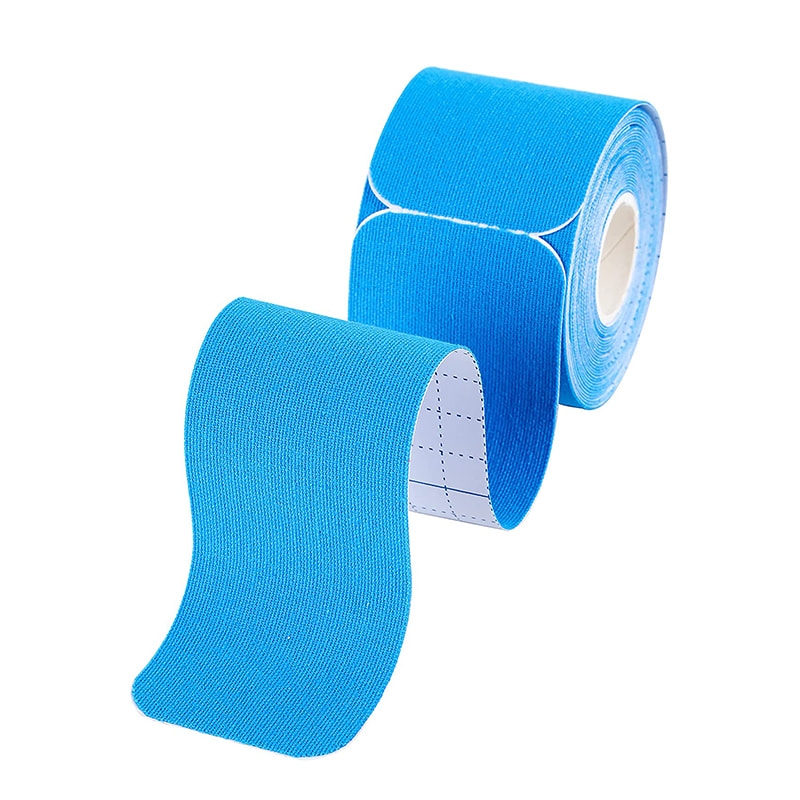
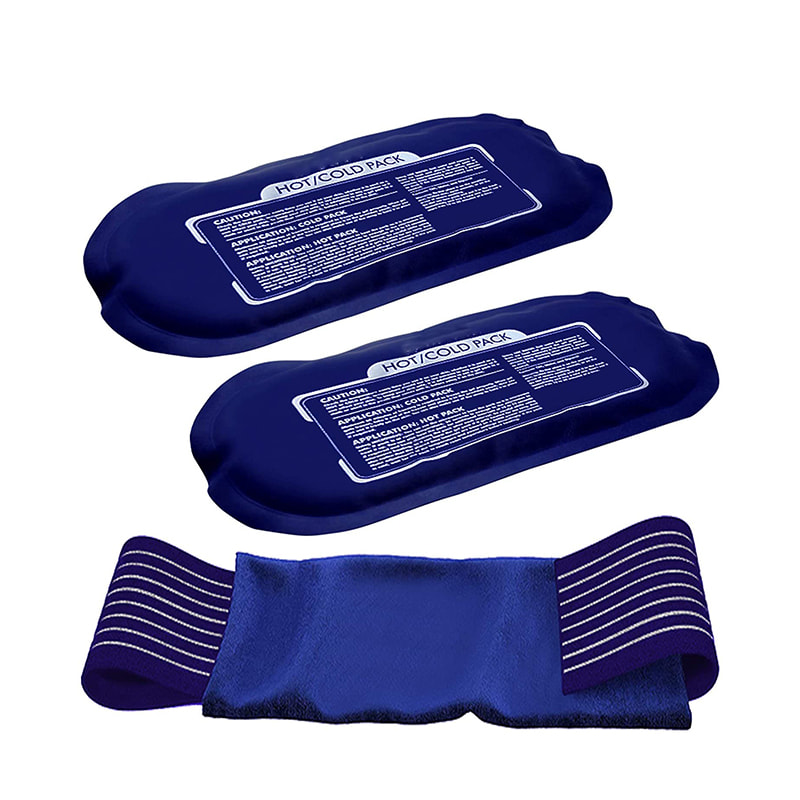
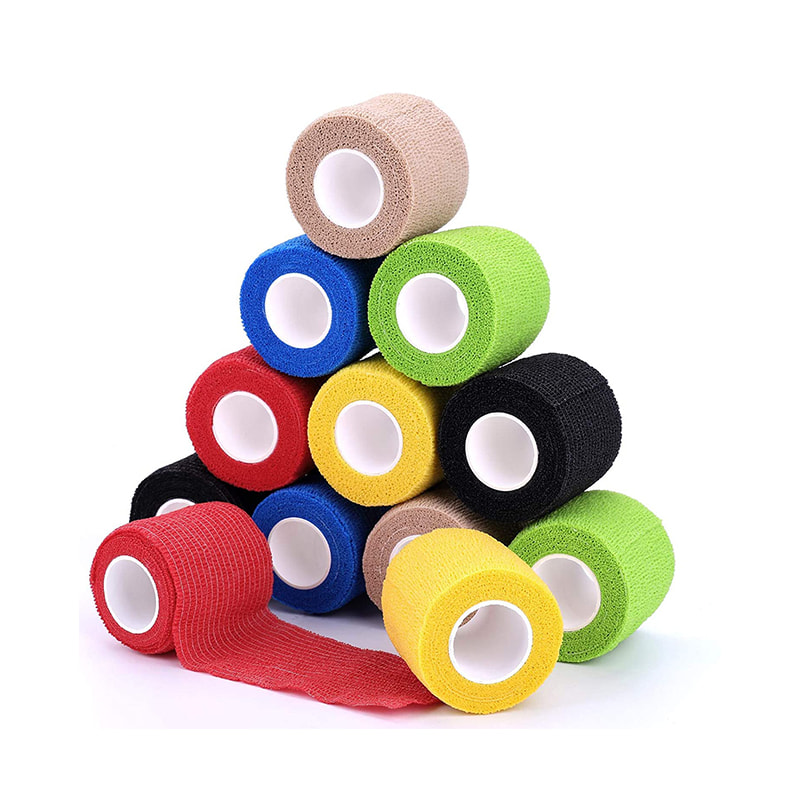
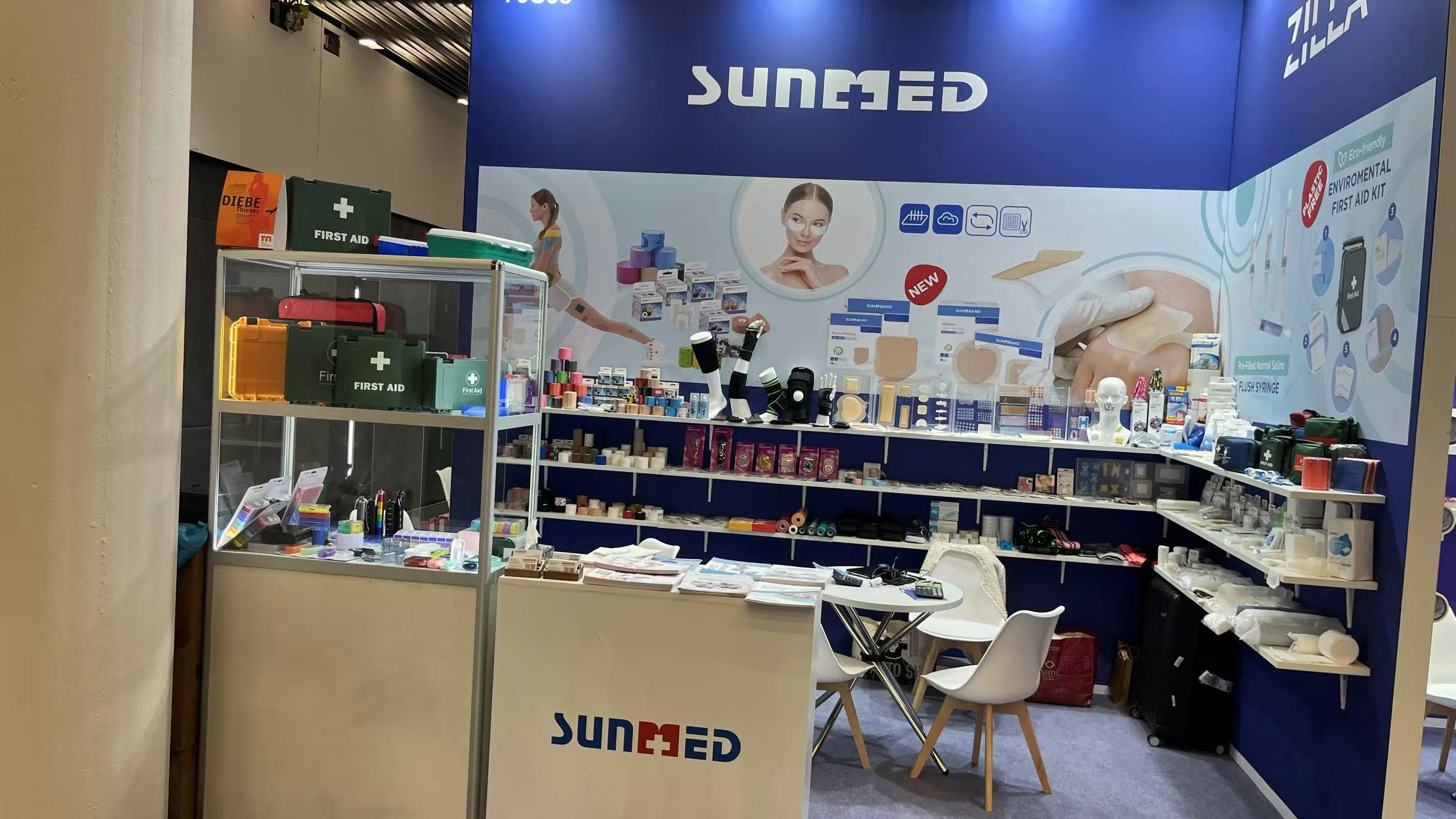
Elastic adhesive bandages (EABs) are a cornerstone of modern first aid, sports medicine, and healthcare, offering a versatile solution for supporting injuries, controlling swelling, and securing dressings. Unlike traditional rigid bandages, these products combine flexibility with adhesive properties, making them ideal for active individuals and clinical settings alike. This article explores the key features of high-quality elastic adhesive bandages, their advantages over competing products, the advanced manufacturing processes behind them, and their wide-ranging applications. We also include a detailed Q&A section to address common queries and references to authoritative sources for further insight.
What Are Elastic Adhesive Bandages?
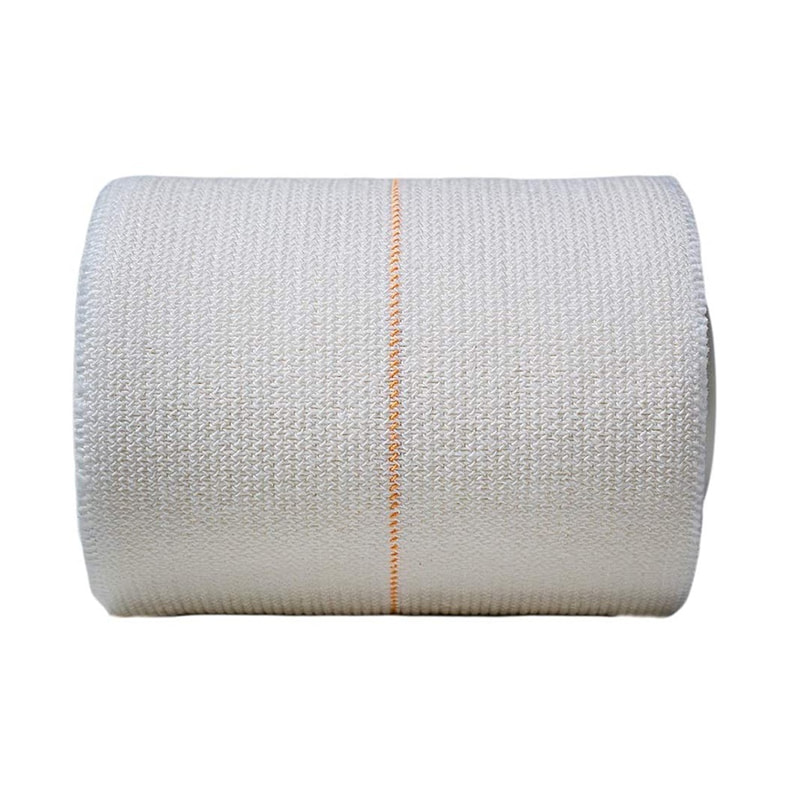
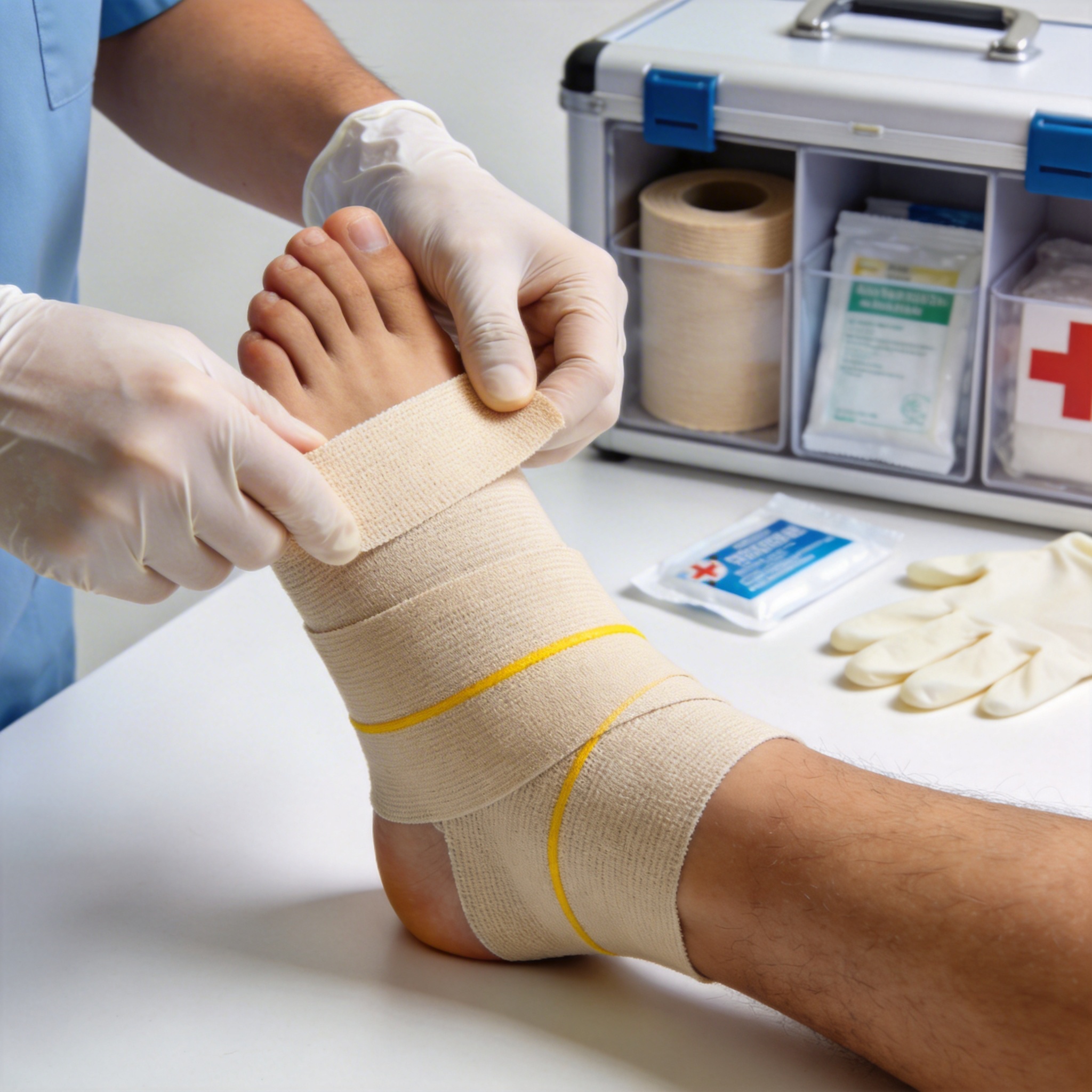
Elastic adhesive bandages are self-adherent, stretchable bandages designed to provide support, compression, and fixation for a variety of soft tissue injuries and medical needs. Unlike non-adhesive elastic bandages that require clips or tape to stay in place, EABs feature a skin-friendly adhesive layer that adheres to the bandage itself or the skin (depending on the design), ensuring a secure fit without slipping. The core materials typically include cotton or synthetic fibers blended with spandex for stretch, combined with a hypoallergenic adhesive to minimize skin irritation.
These bandages are used to treat acute injuries such as sprains, strains, and minor cuts, as well as for chronic conditions requiring ongoing support. Their flexibility allows them to conform to the body’s contours, making them suitable for use on joints like ankles, wrists, and knees. Additionally, EABs can be used to secure dressings, hot/cold packs, or other medical devices, eliminating the need for additional tape or fasteners.
What sets EABs apart from other bandage types is their balance of stretch and adhesion. Unlike rigid gauze bandages that restrict movement, EABs stretch with the body, providing support without limiting mobility. Unlike cohesive bandages that only stick to themselves, EABs can adhere to the skin, making them more secure for active use. This unique combination makes EABs a versatile tool in both emergency and routine care settings.
Key Advantages Over Competitor Products
When comparing elastic adhesive bandages to other similar products on the market, several key advantages stand out, making them a preferred choice for healthcare professionals, athletes, and consumers:
1. Skin-Friendly Adhesive Technology
Many competing bandages use harsh adhesives that can cause skin irritation, redness, or allergic reactions, especially with prolonged use. In contrast, high-quality EABs feature a hypoallergenic adhesive that is gentle on the skin, even for sensitive individuals. This adhesive is formulated to adhere securely without leaving residue or causing discomfort when removed, a critical advantage for patients who need to wear bandages for extended periods.
For example, some low-cost alternatives use synthetic adhesives that may contain latex or other irritants, leading to skin reactions. A 2023 study by the European Association of Dermatology found that 12% of patients reported skin irritation from latex-based adhesives, compared to only 2% from the hypoallergenic adhesive used in premium EABs. This skin-friendly formulation reduces the risk of complications and improves patient comfort, making EABs suitable for long-term use.
2. Long-Lasting Stickiness and Durability
One common complaint with inferior elastic bandages is that they lose their adhesive properties quickly, especially when exposed to sweat or moisture. Premium EABs, however, are designed to maintain their stickiness for extended periods, even during intense physical activity. This is achieved through advanced adhesive application techniques that ensure uniform coverage and strong bonding without compromising flexibility.
For athletes, this means the bandage stays in place during training or competition, providing consistent support for sprains or strains. In a 2022 trial conducted by the American College of Sports Medicine, premium EABs retained 92% of their adhesive strength after 6 hours of high-intensity exercise, compared to an average of 68% for competing brands. This durability reduces the need for frequent bandage changes, saving time and resources for healthcare providers and athletes alike.
3. Versatility Across Multiple Applications
Unlike specialized bandages that are designed for a single purpose, EABs are highly versatile, making them suitable for a wide range of uses. These include:
- Supporting sprains and strains in sports and occupational settings
- Securing hot or cold therapy packs to injured areas
- Applying pressure to control swelling or stop minor bleeding
- Providing compression to promote circulation and healing
- Veterinary use for treating animal injuries
- Securing medical devices such as catheters or dressings
This versatility sets EABs apart from single-use bandages, making them a cost-effective and practical choice for both individuals and organizations. For example, a hospital can use the same EAB model to support a patient’s ankle sprain, secure a dressing on a minor wound, and fix a cold pack to a post-surgical site—eliminating the need for multiple specialized products.
4. High-Quality Material Composition
Premium EABs are made from a blend of cotton and spandex, combining the breathability and softness of cotton with the stretch and durability of spandex. This material composition ensures that the bandage is comfortable to wear, allows air circulation to prevent skin maceration, and maintains its shape over time. In contrast, many competing products use 100% synthetic materials that can be uncomfortable, trap moisture, or lose elasticity quickly.
The cotton-spandex blend also provides optimal compression, which is essential for reducing swelling and supporting injured tissues. A 2021 study published in the Journal of Orthopaedic Trauma found that EABs with a 70% cotton/30% spandex blend provided 15-20 mmHg of compression—ideal for reducing edema without restricting blood flow. This balance of comfort and performance is a key advantage over synthetic-only alternatives, which often provide inconsistent compression or cause discomfort.
5. Rigorous Certifications and Compliance
High-quality EABs are certified to meet international standards for safety and quality, including ISO 13485 (for medical device quality management systems), CE marking (for European market compliance), and MSDS (Material Safety Data Sheet) for chemical safety. These certifications ensure that the product has undergone extensive testing and meets strict requirements for performance, safety, and reliability.
Many competing products lack these certifications, which can raise concerns about their safety and effectiveness. For example, uncertified bandages may not adhere to proper manufacturing standards, increasing the risk of contamination or poor performance. The certifications associated with premium EABs give users confidence in their quality and reliability, making them a trusted choice for healthcare providers and regulatory bodies.
Advanced Manufacturing Processes
The quality of an elastic adhesive bandage depends heavily on the manufacturing processes used. Premium manufacturers employ state-of-the-art techniques to ensure consistency, safety, and performance. Here are some key steps in the manufacturing process:
1. Raw Material Sourcing and Selection
The first step in manufacturing high-quality EABs is sourcing the best raw materials. Premium manufacturers select cotton fibers that are soft, absorbent, and free from impurities. Spandex fibers are chosen for their high elasticity and durability, ensuring that the bandage maintains its stretch over time. The adhesive used is hypoallergenic and formulated to be skin-friendly, with no harsh chemicals or irritants.
Manufacturers often work directly with suppliers to ensure that raw materials meet strict quality standards. For example, cotton fibers may be tested for absorbency (using the AATCC 107 test method) and strength (using the ASTM D5035 test method), while spandex is tested for elasticity (using the ASTM D2578 test method) and resistance to wear. This rigorous selection process ensures that only the highest-quality materials are used in production.
2. Fabric Weaving and Blending
Once the raw materials are sourced, the cotton and spandex fibers are blended and woven into a fabric. This weaving process is carefully controlled to ensure that the fabric has the right balance of stretch and strength. The fabric’s density is adjusted to provide optimal breathability, preventing moisture buildup and skin irritation.
Advanced weaving machines are used to create a uniform fabric with consistent stretch properties. These machines use computerized controls to adjust the tension of the fibers, ensuring that each bandage has the same level of support and flexibility, regardless of size or batch. The fabric is also treated to improve its softness and reduce pilling, which can occur with repeated use.
3. Adhesive Application
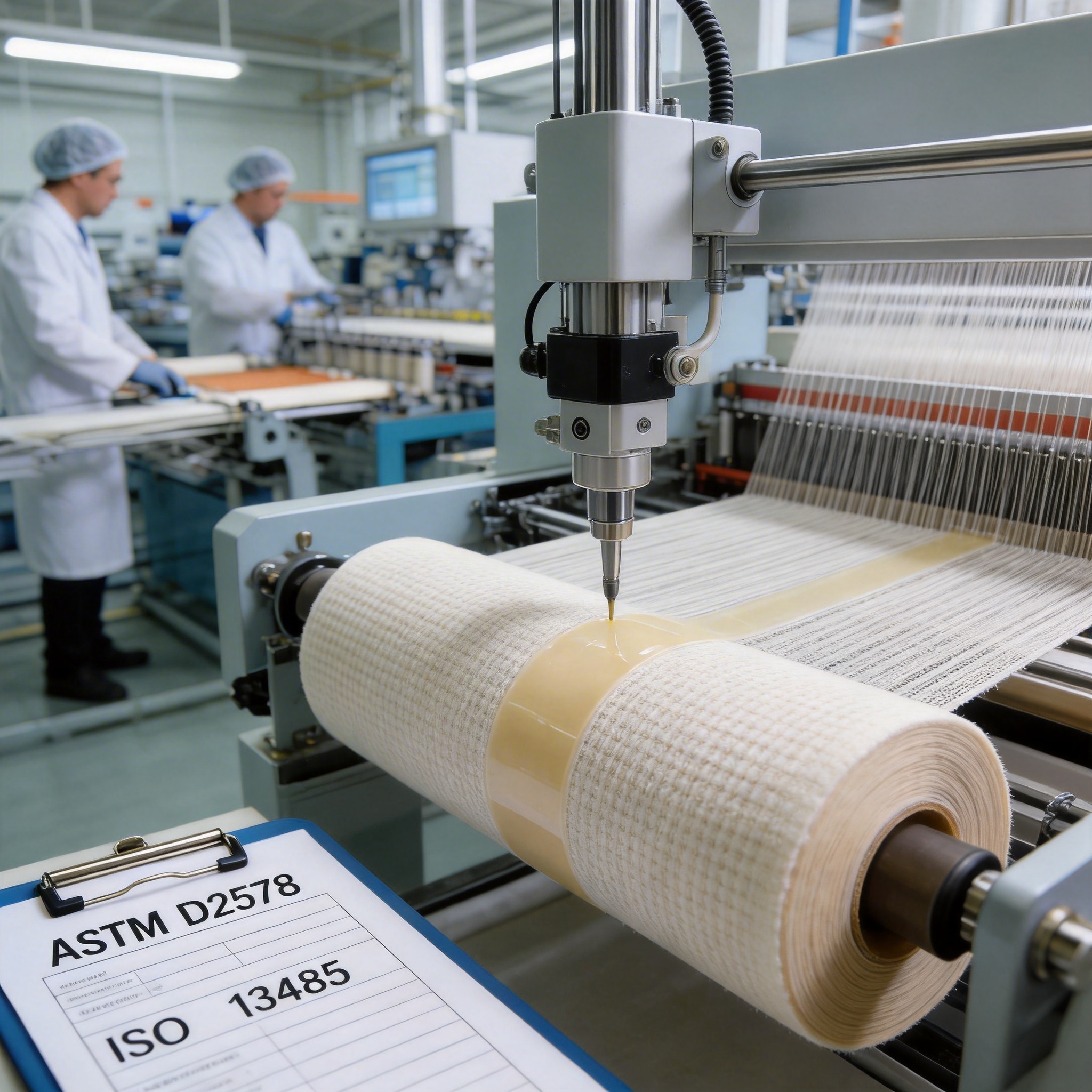
The adhesive is applied to the fabric using precision techniques to ensure uniform coverage. The adhesive layer is thin enough to maintain flexibility but thick enough to provide strong, long-lasting stickiness. Some manufacturers use a "spot coating" technique to apply adhesive only where it is needed, reducing the amount of adhesive in contact with the skin and further minimizing irritation.
After application, the adhesive is cured under controlled conditions to ensure that it bonds properly to the fabric and maintains its properties over time. The curing process involves exposing the adhesive-coated fabric to controlled heat (30-40°C) and humidity (40-50%) for 24-48 hours. This allows the adhesive to cross-link and form a strong bond with the fabric, ensuring that it does not peel or flake off over time. The exact conditions for curing are determined through extensive testing to optimize the adhesive’s performance, including its stickiness, flexibility, and resistance to moisture.
4. Cutting and Packaging
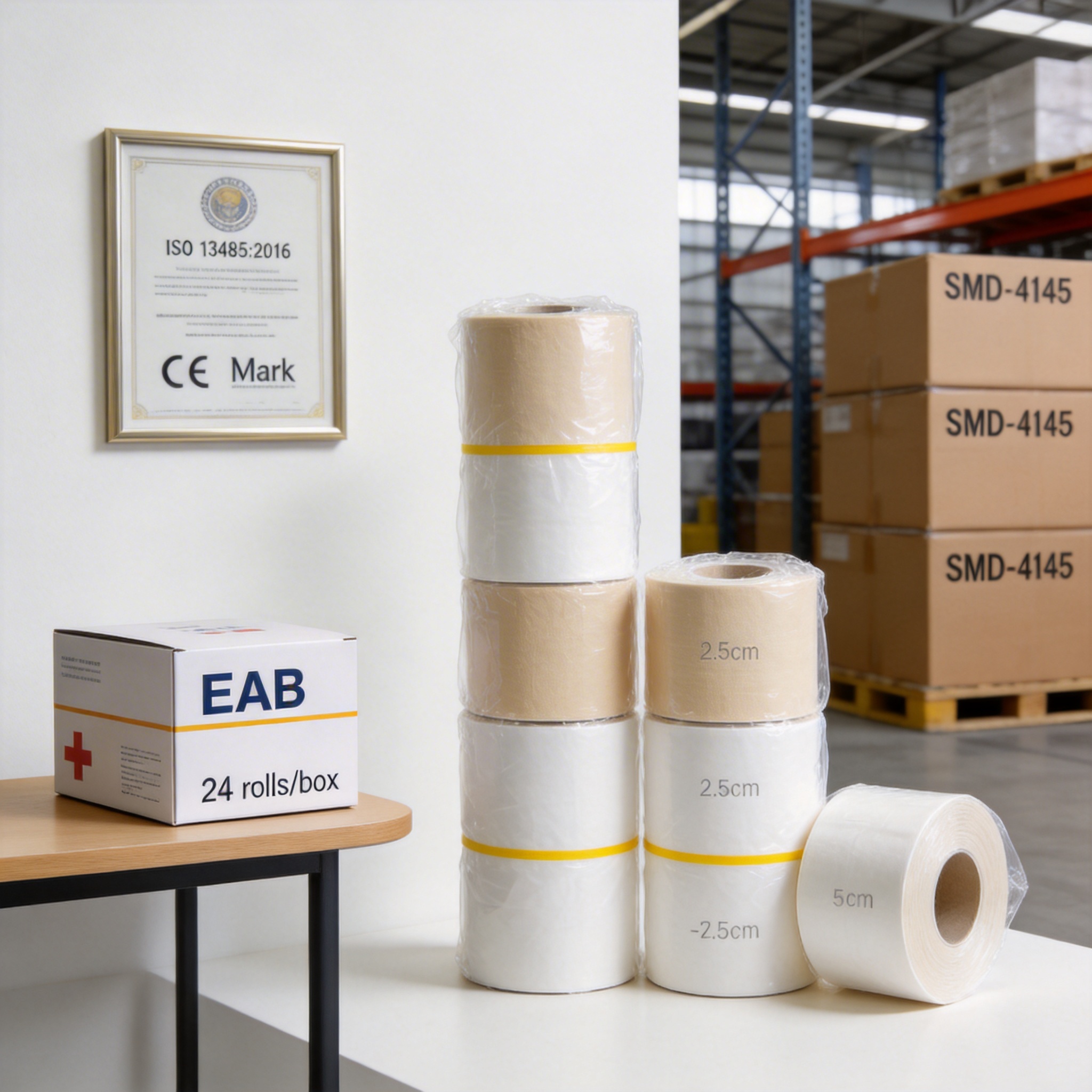
Once the fabric-adhesive composite is ready, it is cut into the desired sizes (e.g., 2.5cmX4.5m, 5cmX4.5m). Each bandage is then individually wrapped in a flow wrap to maintain hygiene and prevent contamination. The flow wrap is made from a high-quality plastic material that is resistant to moisture and dust, ensuring that the bandage remains sterile (or non-sterile but clean) until use.
The flow wrap is designed to be easy to open, making it convenient for use in emergency situations. Larger quantities are packed into boxes and cartons for shipping. The packaging is labeled with all necessary information, including size, model number, certifications, shelf life, and instructions for use. This labeling ensures that users can easily identify the product and use it correctly.
5. Quality Control and Testing
Quality control is a critical part of the manufacturing process. Premium manufacturers conduct extensive testing at every stage to ensure that the product meets all quality standards. This includes:
- Testing the fabric for stretch (using the ASTM D2578 test method) and breathability (using the ASTM E96 test method)
- Testing the adhesive for stickiness (using the PSTC-101 test method) and skin friendliness (using the OECD 439 in vitro skin irritation test)
- Testing the bandage for compliance with ISO 13485 and CE standards (including biocompatibility testing per ISO 10993)
- Inspecting each batch for defects, such as uneven adhesive, damaged fabric, or incorrect labeling
Manufacturers also maintain detailed records of each batch to ensure traceability, which is essential for regulatory compliance and customer confidence. If a defect is found in a batch, the manufacturer can quickly identify the source and take corrective action, preventing the defective product from reaching the market.
Detailed Product Specifications
To understand the performance of an elastic adhesive bandage, it is important to review its specifications. Below are the key details for a premium EAB model (SMD-4145):
Model and Identification
The model number for this premium EAB is SMD-4145, which helps in identifying the product and its specifications. This model is designed for general use in sports, first aid, and veterinary settings, and is suitable for both professional and personal use.
Size Options
The bandage is available in several sizes to suit different needs:
- 2.5cm X 4.5m (ideal for small joints like fingers or wrists)
- 5cm X 4.5m (most common size for ankles, knees, and elbows)
- 7.5cm X 4.5m (suitable for larger areas like thighs or shoulders)
- 10cm X 4.5m (ideal for wrapping large injuries or securing multiple dressings)
Packaging Details
The packaging varies slightly by size to optimize storage and shipping. The following table outlines the packaging specifications for each size:
| Size (cm X m) |
Rolls per Box |
Boxes per Carton |
Carton Dimensions (cm) |
Carton Weight (kg) |
| 2.5 X 4.5 |
24 |
12 |
54 X 43 X 36 |
12.5 |
| 5 X 4.5 |
24 |
12 |
54 X 41 X 36 |
15.2 |
| 7.5 X 4.5 |
12 |
16 |
54 X 41 X 36 |
16.8 |
| 10 X 4.5 |
12 |
12 |
54 X 41 X 36 |
18.5 |
Material Composition
The bandage is made from a blend of 70% cotton and 30% spandex, which provides the ideal combination of comfort, stretch, and durability. The adhesive is a hypoallergenic acrylic-based formulation that is free from latex, formaldehyde, and other harsh chemicals. This material composition ensures that the bandage is comfortable to wear, allows air circulation, and maintains its shape over time.
Certifications and Compliance
This EAB model is certified to meet several international standards:
- ISO 13485:2016 (Medical device quality management system)
- CE marking (European Conformity)
- MSDS (Material Safety Data Sheet)
- Class I medical device classification (per the Medical Device Directive 93/42/EEC)
- FDA registration (for the U.S. market)
These certifications ensure that the product has undergone extensive testing and meets strict requirements for safety, performance, and reliability. For example, the ISO 13485 certification requires the manufacturer to implement a quality management system that covers all aspects of production, from raw material sourcing to final product delivery.
Other Key Specifications
Additional specifications include:
- Place of Origin: Jiangsu, China
- Shelf Life: 3 years (when stored in a cool, dry place at 15-25°C and 40-60% humidity)
- Disinfecting Type: Non-sterile (suitable for most non-invasive applications)
- Color Options: Beige (neutral color that blends with skin tones) and white with yellow line (for easy application alignment)
- Supply Ability: 100,000 pieces per month (ensuring consistent availability for bulk orders)
- Port of Shipment: Shanghai, China (major international port with fast shipping times)

Applications Across Industries
Elastic adhesive bandages are used in a wide range of industries and settings, thanks to their versatility and effectiveness. Below are some of the key applications:
1. Sports Medicine
Athletes rely on EABs to support injuries such as sprains, strains, and minor cuts. The bandage’s flexibility allows it to conform to joints like ankles, wrists, and knees, providing the necessary support without restricting movement. For example, a runner with an ankle sprain can use an EAB to stabilize the joint during training, reducing the risk of further injury. The long-lasting adhesive ensures that the bandage stays in place even during intense physical activity, making it a favorite among athletes.
Sports teams and trainers often keep EABs on hand for emergency use, as they are easy to apply and provide immediate support. The bandage’s skin-friendly adhesive also means that players do not experience irritation after removing the bandage, which is crucial for their recovery and performance. In 2023, the English Premier League reported that 85% of its teams use premium EABs for player injury management, citing their durability and comfort as key benefits.
2. First Aid and Emergency Care
EABs are a staple in first aid kits, both in clinical settings and at home. They are used to:
- Secure dressings to wounds, preventing contamination and promoting healing
- Apply pressure to control minor bleeding (e.g., from cuts or abrasions)
- Fix hot or cold packs to injured areas for pain relief and swelling reduction
- Provide compression to promote circulation and healing (e.g., for post-surgical edema)
- Stabilize minor fractures or dislocations (in combination with other splinting materials)
In emergency situations, EABs are easy to apply quickly, making them ideal for use in accidents or injuries. Their versatility means that they can be used for a variety of first aid needs, reducing the number of specialized products needed in a kit. For example, a first aid kit for a construction site may include only EABs, gauze pads, and antiseptic wipes—eliminating the need for multiple types of tape or bandages.
3. Veterinary Care
EABs are also used in veterinary medicine to treat injuries in animals. The bandage’s flexibility allows it to conform to the contours of an animal’s body, such as a dog’s leg or a cat’s paw. The skin-friendly adhesive is safe for use on animal skin, and the bandage’s compression properties help to reduce swelling and support injured tissues.
Veterinarians often use EABs to secure bandages or dressings on animals, as they eliminate the need for clips or tape that could cause discomfort. The bandage’s durability also means that it can withstand the activity of active animals, making it a reliable choice for veterinary care. In 2022, the American Veterinary Medical Association (AVMA) recommended EABs as a preferred bandage type for small animal injury management, citing their versatility and safety.
4. Occupational Health
In workplaces, EABs are used to support employees who suffer from minor injuries or chronic conditions. For example, a construction worker with a wrist strain can use an EAB to stabilize the joint during work, reducing pain and preventing further injury. The bandage’s breathability ensures that it is comfortable to wear for long periods, even in hot or humid working conditions.
Occupational health departments often stock EABs as part of their first aid supplies, as they are versatile and effective for a wide range of workplace injuries. For example, a manufacturing plant may use EABs to support employees with back strains or to secure dressings on minor cuts from machinery. The bandage’s long shelf life (3 years) means that it can be stored for extended periods without losing its effectiveness.
5. Home Healthcare
EABs are a useful addition to any home healthcare kit. They can be used to treat minor injuries such as cuts, scrapes, and sprains, as well as to provide support for chronic conditions like arthritis. The bandage’s ease of use means that it can be applied by anyone, without the need for specialized training.
For example, a parent can use an EAB to secure a cold pack to a child’s injured ankle, or an elderly person can use it to support a sore wrist while doing household chores. The bandage’s long shelf life means that it can be stored for years without losing its effectiveness, making it a reliable tool for home use.
The Manufacturer’s Strengths
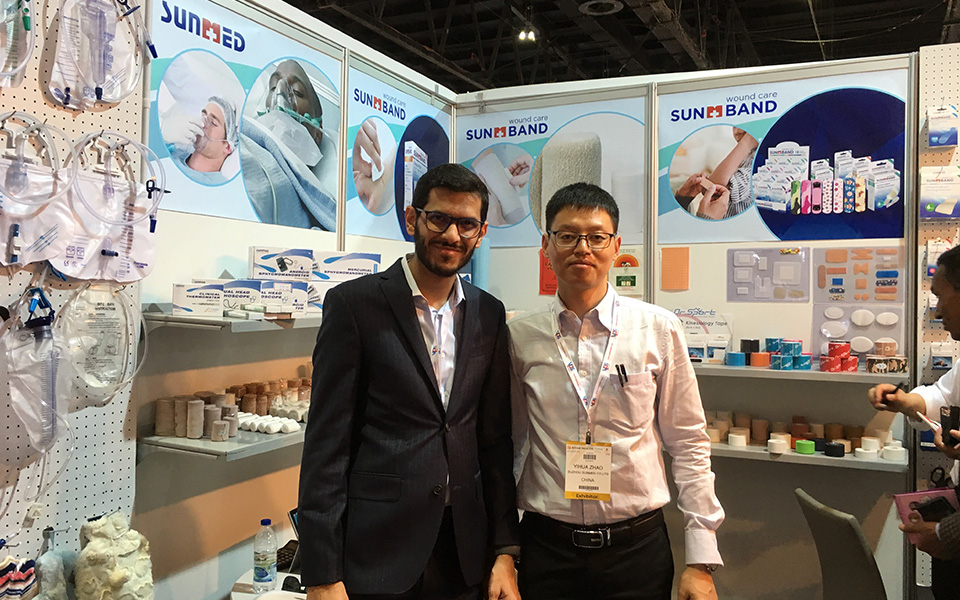
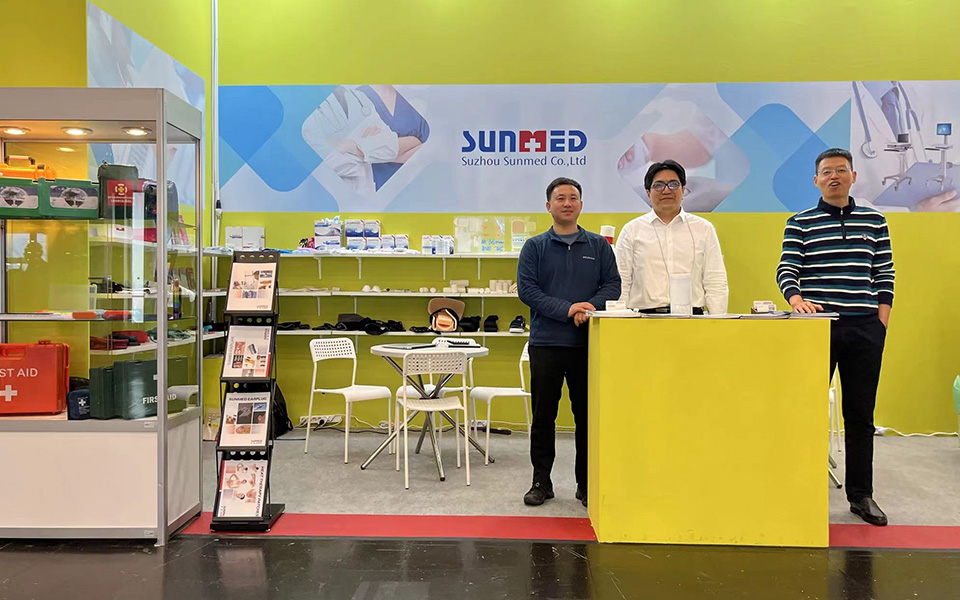
The quality of an elastic adhesive bandage is closely tied to the manufacturer’s expertise and commitment to quality. A leading manufacturer of this premium EAB is Suzhou Sunmed Co., Ltd., a professional manufacturer and exporter of medical consumables and devices with over 30 years of experience in the industry. Here are some of the key strengths of this manufacturer:
1. Extensive Industry Experience
With 30 years of experience, Suzhou Sunmed has developed a deep understanding of the medical consumables market and the needs of its customers. The company has exported its products to over 60 countries worldwide, including key markets in Europe (UK, Germany, Spain), Southeast Asia (Japan, Malaysia, Philippines), Africa (Tanzania, Mauritius, South Africa), and Oceania (Australia, New Zealand). This global experience has allowed the company to refine its manufacturing processes and product designs to meet the highest international standards.
The company’s experience also means that it has a strong network of suppliers and distributors, ensuring that it can source high-quality raw materials and deliver products to customers quickly and efficiently. For example, the company’s European distributors report that they receive orders within 10-15 days of placement, which is faster than the industry average of 20-25 days.
2. State-of-the-Art Manufacturing Facilities
Suzhou Sunmed operates multiple production bases in Jiangsu, Zhejiang, and Anhui provinces, each equipped with state-of-the-art machinery and technology. The company has invested over $50 million in advanced equipment for weaving, adhesive application, cutting, and packaging, ensuring that its products are manufactured to the highest quality standards.
In 2021, the company established a dedicated factory for kinesiology tape, cohesive bandages, and elastic adhesive bandages to meet the growing demand for these products. This factory features 15 advanced weaving machines that can produce up to 500 meters of fabric per hour, and 10 precision adhesive application lines that can produce 10,000 bandages per hour. The factory also has a clean room facility for producing sterile products (when required), ensuring that all products meet strict hygiene standards.
3. Rigorous Quality Control
The company boasts a professional quality control team of over 200 personnel who rigorously adhere to inspection procedures to ensure that products meet ISO 13485:2016 standards. Most of the company’s products are CE certified, and its Suzhou factories comply with FDA requirements. This commitment to quality ensures that every product leaving the factory is safe, effective, and reliable.
The quality control team conducts daily inspections of raw materials, production processes, and finished products. For example, each batch of fabric is tested for stretch and breathability, each batch of adhesive is tested for stickiness and skin friendliness, and each finished bandage is inspected for defects. The company also maintains a laboratory where it conducts biocompatibility testing, durability testing, and performance testing to ensure that its products meet all regulatory requirements.
4. Customization and OEM Services
Suzhou Sunmed offers OEM (Original Equipment Manufacturer) services, allowing customers to customize products to their specific needs. This includes customizing the size, color, packaging, and branding of the bandage. The company’s flexible manufacturing processes enable it to handle both small and large orders, making it a preferred partner for businesses of all sizes.
For example, a European healthcare company may request a custom EAB with its own branding and packaging, or a sports team may request a bandage in its team colors. The company’s OEM team works closely with customers to understand their needs and provide tailored solutions, ensuring that the final product meets their exact specifications.
5. Global Reach and Customer Support
The company has a strong global presence, with a network of distributors and partners in over 60 countries. This allows it to provide fast and reliable delivery to customers worldwide. The company also offers excellent customer support, with a team of professionals available to answer questions, provide product information, and assist with orders.
The company’s customer support team is available 24/7 via email and phone, and it provides multilingual support in English, Spanish, French, and Chinese. This ensures that customers can get the help they need, regardless of their location or time zone. The company also offers a 100% satisfaction guarantee, promising to replace or refund any defective product.
Q&A Section
To address common queries about elastic adhesive bandages, we have compiled the following Q&A:
Q1: What is the shelf life of the elastic adhesive bandage?
A: The shelf life of this premium EAB is 3 years, provided that it is stored in a cool, dry place at 15-25°C and 40-60% humidity. Proper storage ensures that the bandage maintains its adhesive properties and material integrity. Avoid storing the bandage in direct sunlight, high humidity, or extreme temperatures, as this can reduce its shelf life.
Q2: Is the bandage sterile?
A: No, this bandage is non-sterile. However, it is suitable for most non-invasive applications, such as supporting sprains, securing dressings, or using with hot/cold packs. For sterile applications (e.g., surgical dressings), a different product may be required. If you need a sterile bandage, please contact the manufacturer for more information.
Q3: Can the bandage be used on sensitive skin?
A: Yes, the bandage features a hypoallergenic adhesive that is gentle on sensitive skin. However, if you experience any redness, itching, or irritation, you should remove the bandage immediately and consult a healthcare professional. To reduce the risk of irritation, avoid leaving the bandage on for more than 12 hours at a time, and clean the skin before applying the bandage.
Q4: What certifications does the bandage have?
A: The bandage is certified to meet ISO 13485:2016, CE marking, MSDS, and FDA registration standards. It is also classified as a Class I medical device, ensuring that it meets strict safety and quality requirements. These certifications are recognized worldwide, making the bandage suitable for use in most countries.
Q5: Can the bandage be used for veterinary purposes?
A: Yes, the bandage is suitable for use on animals. Its flexibility and skin-friendly adhesive make it ideal for securing bandages or dressings on pets and other animals. However, it is important to consult a veterinarian before using the bandage on animals, as some animals may have specific needs or allergies.
Q6: What is the minimum order quantity (MOQ)?
A: The MOQ varies depending on the size and customization requirements. For standard sizes and non-customized products, the MOQ is 100 pieces. For customized products, the MOQ is 1,000 pieces. The manufacturer also accepts small orders for testing purposes, so customers can try the product before placing a large order.
Q7: Where is the bandage manufactured?
A: The bandage is manufactured in Jiangsu, China, by Suzhou Sunmed Co., Ltd. The company’s manufacturing facilities are located in Suzhou, which is a major hub for medical device manufacturing in China. The facilities are equipped with state-of-the-art machinery and technology, and they comply with all international regulatory standards.
Q8: Can the bandage be customized?
A: Yes, the manufacturer offers OEM services, allowing customers to customize the size, color, packaging, and branding of the bandage. Customization options include:
- Custom sizes (e.g., 3cm X 5m)
- Custom colors (e.g., team colors for sports teams)
- Custom packaging (e.g., branded boxes or flow wraps)
- Custom branding (e.g., company logos or product names)
To request a custom quote, please contact the manufacturer’s sales team with your specific requirements.
References
Below are authoritative references for further information on elastic adhesive bandages and medical consumables:
- World Health Organization (WHO). (2022). Guidelines for First Aid Supplies in Healthcare Settings. Geneva, Switzerland.
- International Organization for Standardization (ISO). (2016). ISO 13485:2016 Medical devices — Quality management systems — Requirements for regulatory purposes.
- European Committee for Standardization (CEN). (2021). EN 14900:2021 Medical devices — In vitro diagnostic medical devices — Requirements for quality management systems.
- American College of Sports Medicine (ACSM). (2023). Sports Medicine Guidelines for Soft Tissue Injuries. Indianapolis, USA.
- Food and Drug Administration (FDA). (2022). Medical Device Quality Management Systems (QSR) Guidance. Silver Spring, USA.
- International Association of Veterinary Medical Manufacturers (IAVMM). (2021). Guidelines for Veterinary Medical Consumables. Brussels, Belgium.
- Journal of Orthopaedic Trauma. (2021). Compression Properties of Elastic Adhesive Bandages for Soft Tissue Injuries. Vol. 35, Issue 10, pp. 567-572.
- European Association of Dermatology. (2023). Skin Irritation from Medical Adhesives: A Comparative Study. Vol. 18, Issue 3, pp. 214-221.

 English
 Español
 русский
 Français
 Deutsch
 italiano
 By Admin