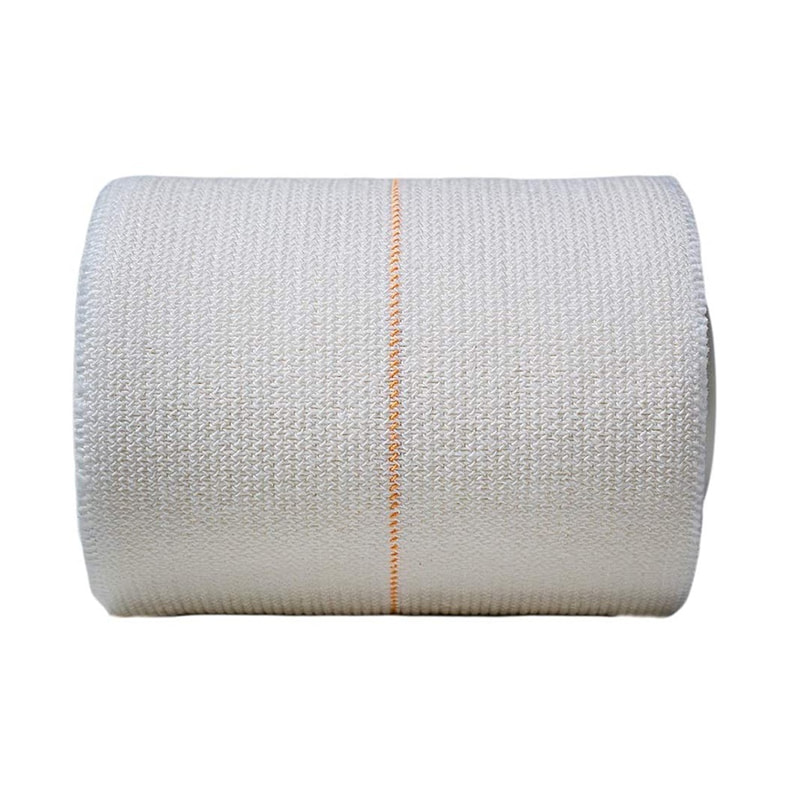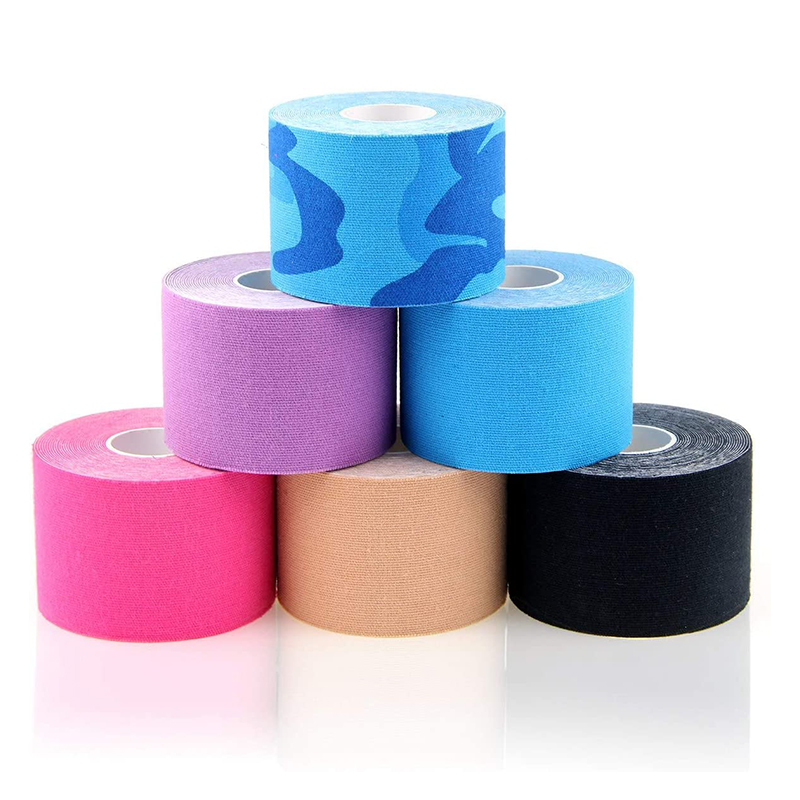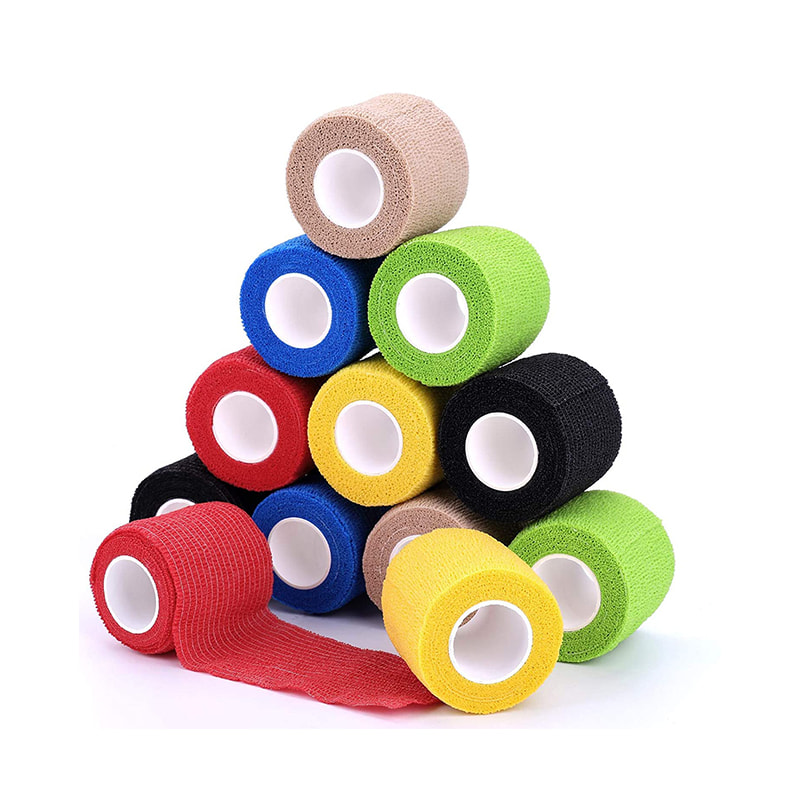
Reliable fixation is an essential part of wound care, postoperative management, catheter maintenance and everyday clinical procedures. A dressing can contain high-quality gauze or an absorbent pad, but it will not perform properly if it shifts, lifts or becomes loose during patient movement. Hospital Adhesive Fixation Sport Tape for Retention Dressing is designed to address this practical challenge by combining dependable adhesion with flexibility, conformability and patient comfort.
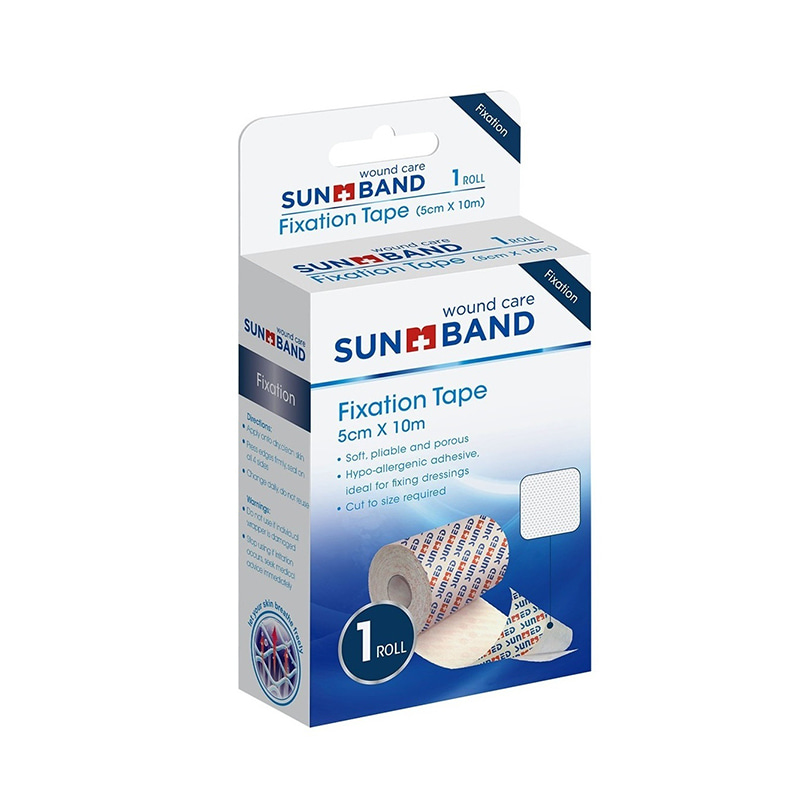
Identified by model DC660069, this retention tape is intended to secure postoperative wound dressings, gauze, absorbent pads, catheters and drainage tubes. Its construction allows it to flex with body movement, making it suitable for areas where skin and joints move frequently. The product is available in a 5 cm x 10 m roll configuration, packed as one roll per box, with additional size and pad options available for different purchasing and clinical requirements.
Unlike a rigid adhesive strip that may restrict movement or pull at the skin, this fixation tape is designed to follow the body's contours. Its hypoallergenic adhesive supports comfortable use, while its radio-transparent characteristic can help facilitate imaging procedures when the tape remains in place. These features make it a practical choice for hospitals, clinics, first aid suppliers, wound care distributors, nursing facilities, home healthcare providers and sports support channels.
Understanding Retention Dressing Tape
Retention dressing tape is a medical fixation material used to hold a dressing or medical accessory in position. It is not intended to replace the primary wound-contact layer, absorbent pad or sterile dressing. Instead, it provides external support by securing the dressing after the wound has been cleaned and covered appropriately.
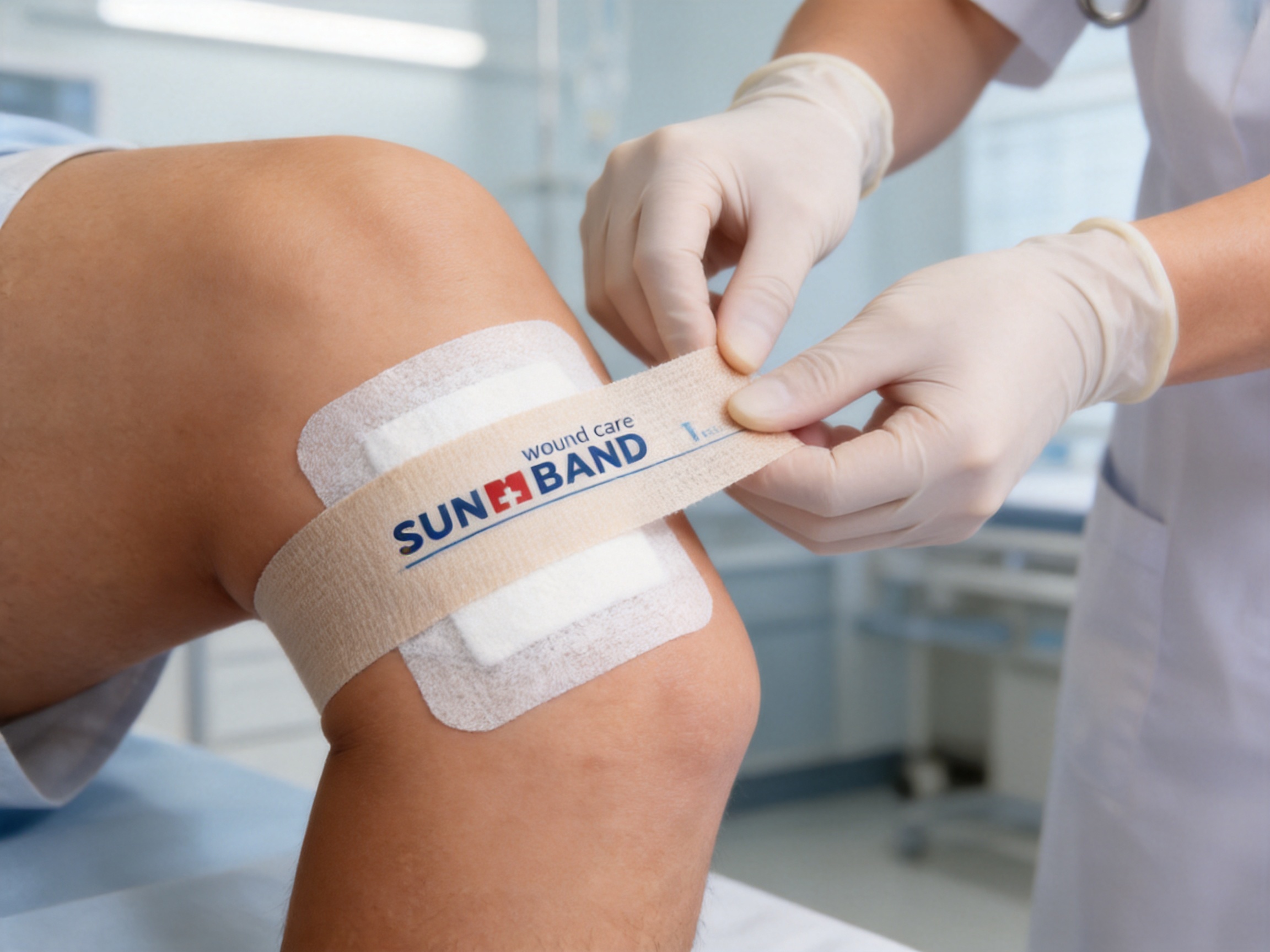
In a typical dressing procedure, a healthcare professional selects a wound-contact material according to the wound condition. Gauze, a non-woven pad, an absorbent pad or another suitable dressing may be placed over the affected area. Retention tape is then applied to the surrounding skin or over the dressing edges to reduce movement and maintain the position of the dressing.
The tape may also be used to retain catheters and drainage tubes. In these applications, the fixation material must hold securely without creating unnecessary pressure or restricting the patient's movement. The balance between adhesion, flexibility and removability is therefore important. A tape that adheres too weakly may fail during activity, while one that is too aggressive or inflexible may cause discomfort or skin trauma during wear or removal.
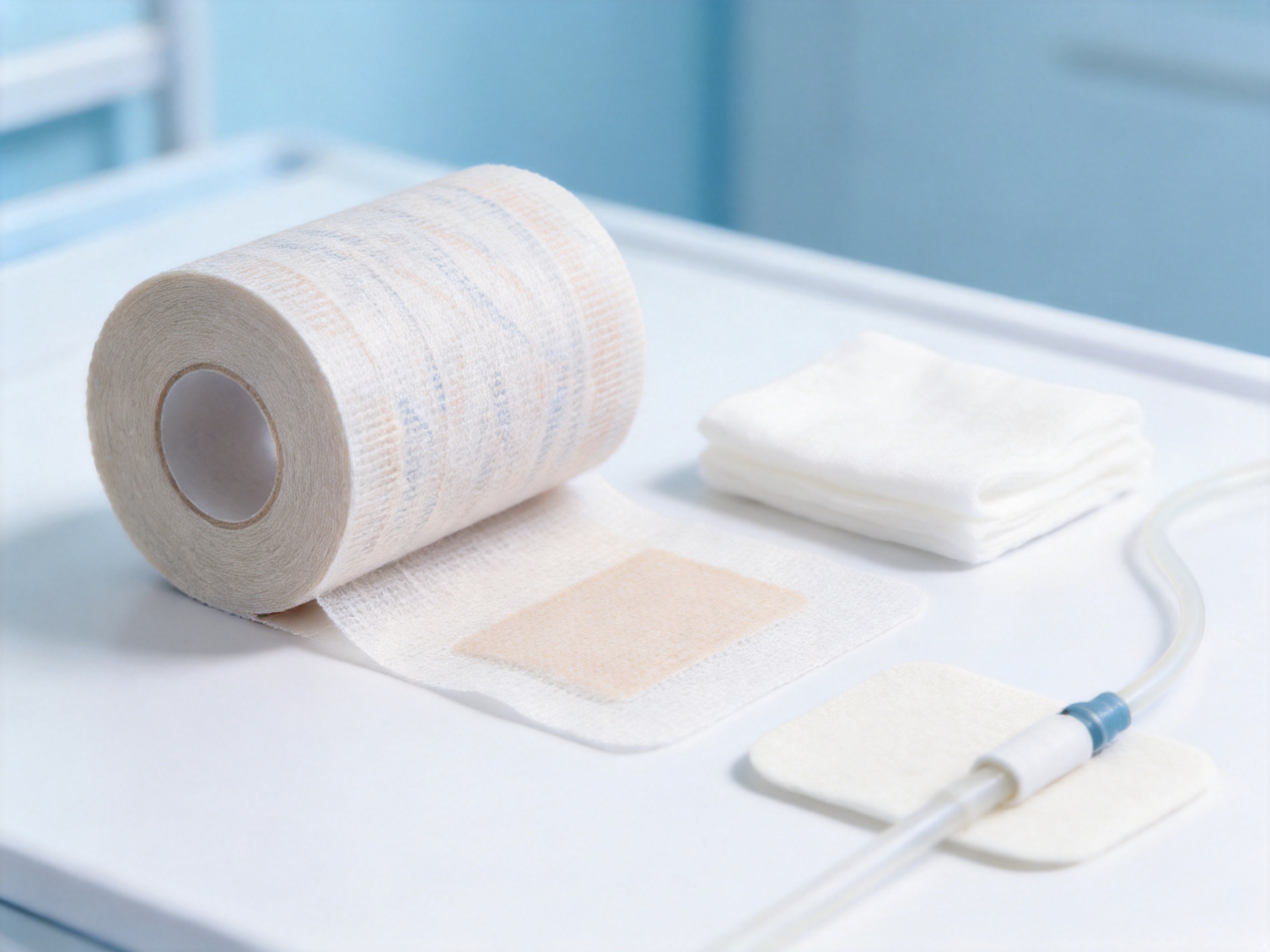
DC660069 is designed around this balance. It combines a flexible backing with a hypoallergenic adhesive coating and a format that can be cut to the required length. This allows healthcare providers to adapt the tape to different dressing sizes, body locations and fixation tasks.
Product Overview
| Product Attribute | Specification |
|---|
| Product name | Hospital Adhesive Fixation Sport Tape for Retention Dressing |
| Product category | Fixation Tape |
| Model | DC660069 |
| Primary application | Retention of dressings, gauze, absorbent pads, catheters and drainage tubes |
| Roll size | 5 cm x 10 m |
| Packing | 1 roll per box |
| Adhesive characteristic | Hypoallergenic adhesive |
| Movement performance | Designed to flex with body movement |
| Radiographic characteristic | Radio transparent |
| Available options | Different roll sizes and versions with or without pad |
| Storage temperature | Below 25°C |
| Shelf life | Five years when stored according to recommended conditions |
The 5 cm width provides useful coverage for many general fixation tasks, while the 10 m roll format allows staff to cut pieces according to the size of the dressing or device being secured. A roll format can also support more efficient stock management than multiple pre-cut strips when a facility performs varied procedures.
For distributors and purchasing departments, the availability of different roll and pad configurations creates opportunities to build a product range around clinical use. Smaller widths may be appropriate for narrow tubing or small dressings, while broader formats may be useful for larger absorbent pads or areas requiring wider edge retention.
Hospital Adhesive Fixation Sport Tape for Retention Dressing
Key Advantages of the Fixation Tape
Flexible Support During Movement
One of the main advantages of this retention tape is its ability to flex with body movement. Patients frequently move their arms, legs, shoulders, necks or torso during treatment and recovery. A dressing applied to a joint or another mobile area may be exposed to repeated stretching, bending and friction.
A fixation material that does not accommodate movement may wrinkle, lift at the edges or create uncomfortable tension on the skin. The flexible design of DC660069 helps the tape follow normal movement instead of acting as a rigid barrier. This can improve dressing stability while allowing joints to be dressed without unnecessarily constraining mobility.
This feature is valuable in postoperative care, rehabilitation, emergency treatment and sports-related first aid. It can also be helpful in routine nursing situations where patients must change position, walk, exercise gently or perform daily activities while a dressing or tube remains secured.
Hypoallergenic Adhesive
Skin tolerance is a major consideration in medical fixation. Patients may have sensitive skin, fragile skin or a history of irritation caused by certain adhesive products. The tape is coated with a hypoallergenic adhesive to support more comfortable use for a broad range of patients.
Hypoallergenic does not mean that an allergic or irritant reaction is impossible. Clinical staff should still consider the patient's history, observe the skin during use and follow local procedures for adhesive testing and removal. However, the hypoallergenic adhesive specification demonstrates that skin comfort has been included in the product design rather than treated as an afterthought.
Comfort can influence cooperation with treatment. When a patient experiences less pulling or irritation, the patient may be less likely to remove the tape prematurely or disturb the dressing. In hospitals and home care, this can support more consistent dressing retention and reduce the need for unnecessary reapplication.
Reliable Fixation for Dressings and Devices
The product is intended to provide reliable fixation for postoperative wound dressings, gauze and absorbent pads. It can also secure catheters and drainage tubes when applied correctly and when the selected tape size is appropriate for the clinical situation.
Good fixation depends on more than adhesive strength alone. The surface must be clean and dry, the dressing must be positioned correctly, and the tape should be applied without excessive tension. DC660069 supports this process by providing a flexible roll that can be cut to the desired length and positioned around the dressing or device.
For catheter and drainage tube applications, healthcare professionals should use suitable fixation techniques that prevent accidental pulling and maintain the intended tube position. The tape should not be applied in a way that compromises circulation, creates pressure points or interferes with drainage.
Conformability to Body Contours
Human anatomy includes curved, uneven and highly mobile surfaces. A flat adhesive strip may not maintain contact equally across a curved area. The conformable nature of the product helps it adapt to body contours and dressing edges.
Conformability is particularly useful around the shoulder, knee, elbow, ankle, chest, back and other areas where a dressing must follow the shape of the body. It may also reduce the tendency of the tape to form large gaps or lifted corners when applied over an uneven surface.
When a fixation tape conforms well, the user can often achieve suitable coverage with fewer overlapping layers. This may reduce bulk and improve patient comfort while supporting a neat and professional dressing appearance.
Radio-Transparent Performance
The product is described as radio transparent. This characteristic can be valuable when a dressing or fixation tape must remain in place during radiographic examination, subject to the requirements of the healthcare facility and imaging department.
In practice, medical staff should always confirm whether the tape and the complete dressing arrangement are appropriate for the planned imaging procedure. Radio transparency does not eliminate the need to follow facility protocols. Nevertheless, it can reduce the inconvenience associated with removing and replacing fixation material solely because of an imaging appointment.
With or Without Pad Options
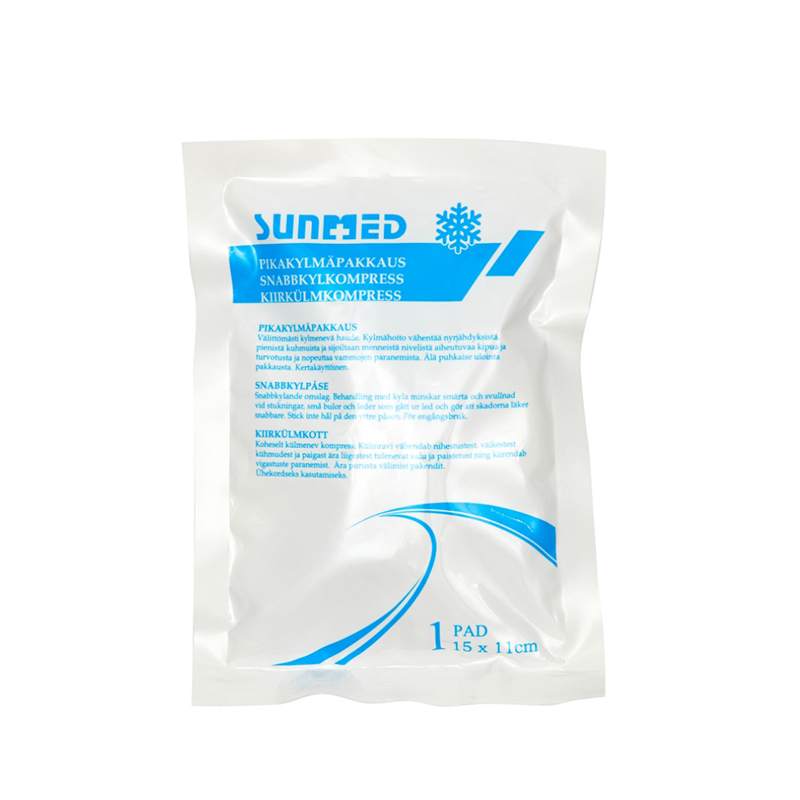
The product range can be supplied with or without a pad, depending on the intended application. A tape-only configuration is suitable when the customer already uses a separate wound-contact dressing, gauze or absorbent pad. A version including a pad may be convenient for specific first aid or dressing applications where an integrated format is preferred.
Offering both options helps hospitals and distributors avoid a one-format purchasing model. Different departments may require different solutions. An emergency department may value a ready-to-use pad configuration, while a surgical ward may prefer a separate fixation roll that can be used with several types of sterile dressing.
Applications in Clinical and Healthcare Settings
Postoperative Wound Dressing Retention
After surgery, a wound dressing must remain positioned over the surgical site while the patient recovers. Movement, clothing, bedding and routine nursing activities can all place stress on the dressing. A suitable retention tape helps keep the external dressing in place and can reduce edge lifting.
Postoperative wound management must always follow the instructions of the treating clinician. The tape should be applied only after the wound has been covered with the appropriate dressing material. It should not be placed directly over an open wound unless the specific product configuration and clinical instructions expressly permit that use.
The flexibility of DC660069 is useful when the surgical site is near a joint or another area that moves during recovery. The tape can help retain the dressing while avoiding the rigid feel associated with some conventional fixation materials.
Retaining Gauze and Absorbent Pads
Gauze and absorbent pads are commonly used in wound care, first aid and minor procedures. Their effectiveness depends partly on remaining correctly positioned over the wound. Retention tape can be used to secure the edges and help prevent the pad from shifting during ordinary movement.
The 5 cm width provides a practical balance between coverage and manageability. It can be cut into shorter pieces for small dressings or used in longer sections when broader fixation is required. The roll format also allows staff to adjust the amount of tape to the shape of the dressing instead of relying on a fixed pre-cut size.
Catheter and Drainage Tube Fixation
Catheters and drainage tubes require secure but carefully controlled fixation. Unplanned movement can cause discomfort, disrupt treatment or place tension on the insertion site. Retention tape can form part of a broader fixation method designed to stabilize the tube and reduce accidental traction.
When securing a tube, healthcare providers should leave appropriate slack according to clinical protocol, avoid excessive compression and ensure that the tape does not obstruct the tube, connector or drainage pathway. Skin condition should also be checked regularly, particularly for patients with prolonged device use or fragile skin.
Emergency and First Aid Use
In first aid settings, speed and versatility are important. A roll of fixation tape can support many dressing sizes and can be used with gauze or absorbent material already available in the first aid kit. This makes it practical for occupational first aid rooms, schools, sports facilities, ambulances and community care environments.
The product can help retain a dressing while the patient is being assessed or transferred. It should not be considered a substitute for professional medical evaluation when a wound is deep, heavily contaminated, bleeding severely or showing signs of infection.
Sports and Rehabilitation Support
The product name includes sport tape because flexibility and movement tolerance are relevant to sports support environments. Athletes and active patients may need a dressing or protective pad to remain in place while moving. A conformable retention tape can help maintain coverage without making the area feel unnecessarily rigid.
Its role is fixation rather than therapeutic support or joint immobilization. It should not be confused with kinesiology tape, rigid athletic tape or a compression bandage. The correct product should be selected according to whether the purpose is dressing retention, movement support, compression or immobilization.
Instructions for Use
The following general procedure is based on the supplied product information. Healthcare professionals should also follow facility procedures, product labeling and patient-specific instructions.
Step One: Select and Cut a Suitable Piece
Determine the amount of tape needed for the dressing, gauze, pad, catheter or drainage tube. Cut a suitable piece from the roll. The piece should provide adequate contact with the surrounding skin without creating excessive overlap or unnecessary bulk.
When fixing a dressing, consider the direction of movement and the shape of the body area. Several shorter pieces may be more suitable than one long piece in areas with complex contours. The aim is to create secure contact while preserving comfort and access for inspection.
Step Two: Prepare the Skin and Dressing
Before application, make sure the surrounding skin is clean and dry, unless a clinical protocol specifies another preparation method. Moisture, oil, lotion, blood or other residue may reduce adhesion. Hair, perspiration and skin condition can also affect performance.
Confirm that the primary dressing is properly positioned and that any catheter or drainage tube is arranged according to the relevant clinical procedure. The tape should support the dressing or device rather than correct an unsuitable placement.
Step Three: Clear the Perforation
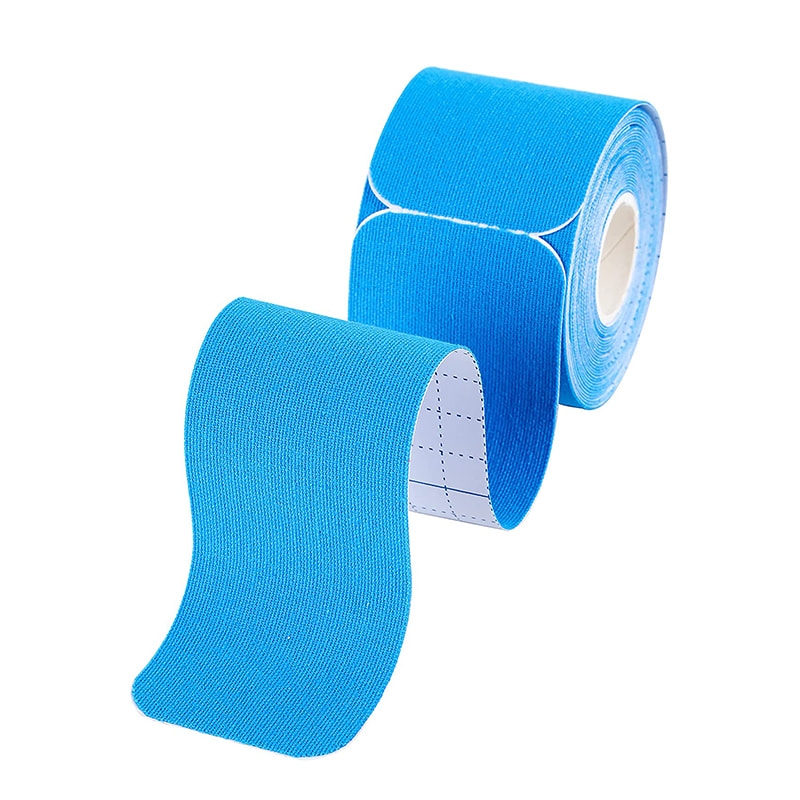
Gently stretch the release paper in opposite directions to clear the perforation. This step helps prepare the dressing or tape for removal of the release backing. Avoid pulling the adhesive surface aggressively or contaminating it with fingers, dust or moisture.
Step Four: Remove the Release Paper
Peel the release paper away from the dressing or tape, exposing the adhesive surface. Remove the backing gradually if this provides better control, especially when positioning the material over a curved body area.
Step Five: Position the Tape
Place the adhesive surface in the intended position. Apply the tape smoothly and avoid wrinkles. Do not stretch the tape excessively during application unless the product instructions specifically call for a controlled stretch. Excessive tension may pull on the skin or reduce comfort when the body returns to a relaxed position.
Press the tape gently to achieve consistent contact. Pay attention to the edges, since lifted edges are more likely to catch on clothing or bedding. Ensure that the fixation does not interfere with circulation, skin inspection, drainage or the operation of any attached medical device.
Step Six: Check the Finished Application
After application, check that the dressing or tube is stable and that the patient is comfortable. Inspect the surrounding skin for redness, swelling, blistering or other signs of irritation. During prolonged use, reassess the application according to the clinical schedule.
To remove the tape, healthcare personnel should use an appropriate technique that minimizes skin trauma. Removal should be slow and controlled, with attention to the direction of skin tension and the patient's comfort.
Why This Product Can Stand Out in the Market
Medical fixation products are available in many materials and formats. A purchasing decision should therefore consider the total performance of the tape rather than a single feature such as price or adhesive strength. DC660069 offers a combination of characteristics that can make it attractive to professional buyers.
Balanced Security and Comfort
Some products emphasize strong adhesion but provide limited flexibility. Others are soft and flexible but may not offer sufficient retention for active patients or device fixation. This product is designed to combine security with comfort, giving buyers a balanced option for everyday clinical use.
For hospitals, this balance may help standardize fixation across several departments. For distributors, it creates a product with broad application potential rather than a narrow specialty use. For patients, it can provide a more comfortable experience during dressing wear and normal movement.
Broad Application Range
A tape that can retain postoperative dressings, gauze, absorbent pads, catheters and drainage tubes is useful across multiple healthcare scenarios. This breadth can simplify inventory planning and reduce the need to purchase many separate fixation products for basic retention tasks.
At the same time, the product should be used within its intended purpose. It is not a substitute for sterile wound dressings, medical sutures, skin closure devices, compression wraps or therapeutic athletic tape. Clear product positioning helps buyers choose it for the applications where its advantages are most relevant.
Adaptable Roll Format
The 5 cm x 10 m roll provides flexibility in cutting and application. Buyers can select the required length for each procedure instead of being limited to a fixed strip size. This is particularly useful in settings where dressing dimensions vary from patient to patient.
The availability of additional sizes also supports customization. Large healthcare groups, importers and private-label distributors may be able to develop a range that includes narrow, standard and wide formats according to market demand.
Efficient Storage and Stock Management
A roll format is compact and easy to organize in medical supply rooms, first aid cabinets and distribution warehouses. One roll per box provides a straightforward retail and institutional packing unit. The five-year shelf life, when storage requirements are observed, can support planned purchasing and reduce the pressure of rapid stock rotation.
Storage should remain below 25°C, away from light and heat, and protected from thermal shock. Proper stock management should include batch tracking, expiration review and packaging inspection before use.
Manufacturing Strengths and Quality-Oriented Production
The performance of a medical fixation tape depends on controlled manufacturing. Adhesive coating, backing preparation, release paper handling, slitting, winding, packaging and inspection must work together to produce a consistent roll. A supplier's production capability is therefore an important part of product value.
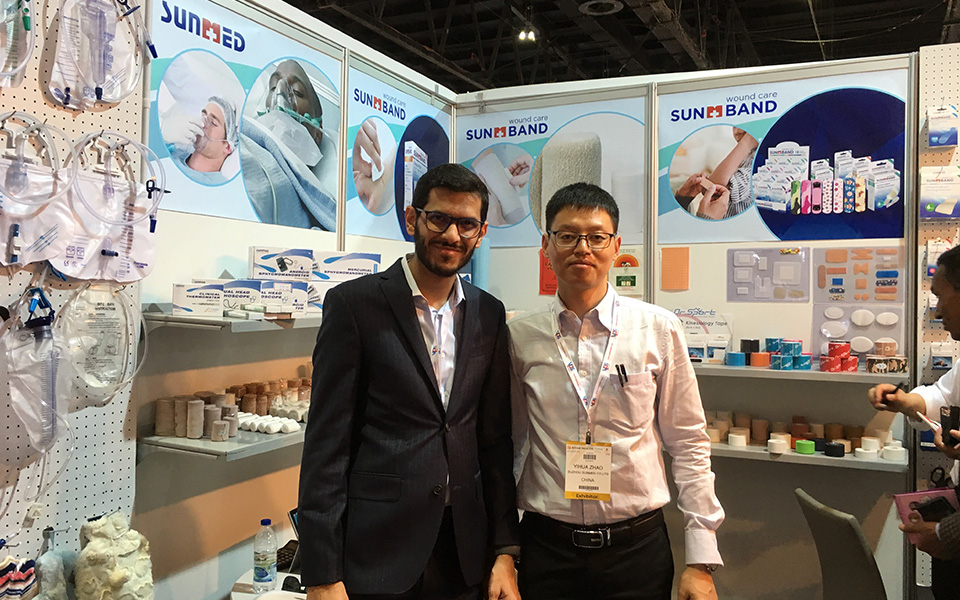
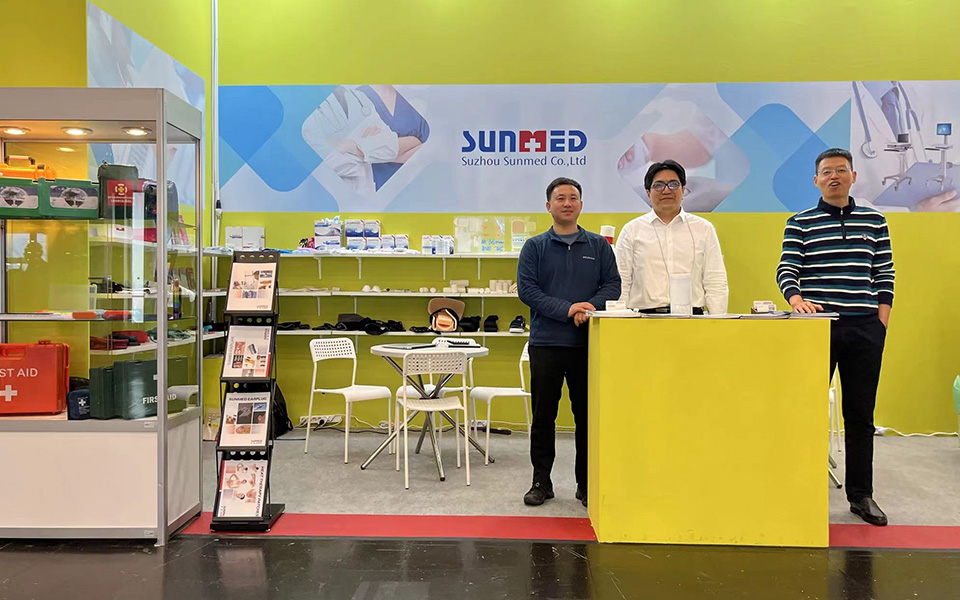
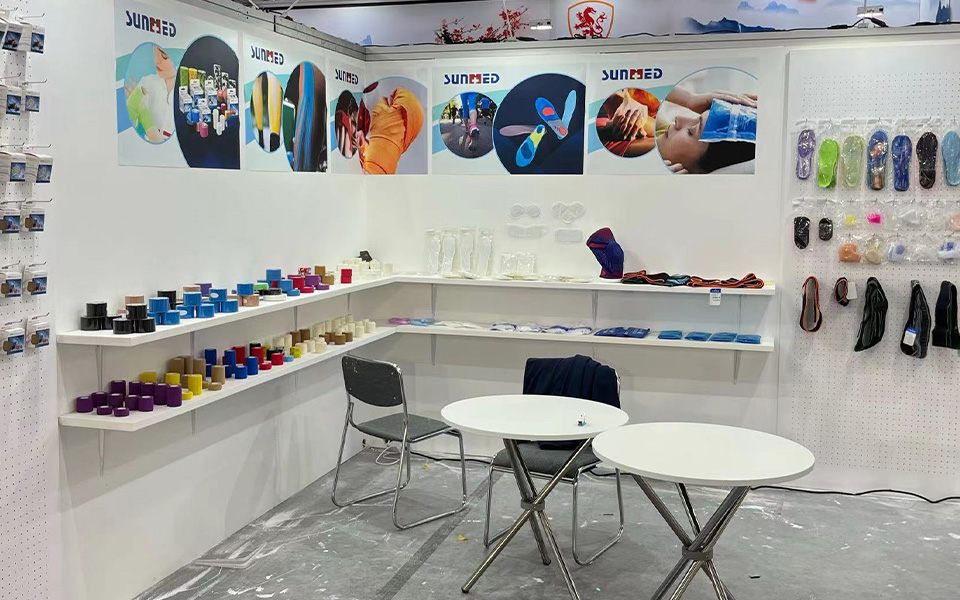
The manufacturer behind this product operates production bases in Jiangsu, Zhejiang and Anhui Province and has approximately 30 years of experience in medical devices and medical consumables. Its manufacturing portfolio includes first aid products, wound dressings, gauze, bandages, medical tape, medical cotton, non-woven products, sports bandages, family healthcare products, catheters, syringes and surgical consumables.
Specialized Medical Consumables Experience
Experience across related product categories can support better understanding of raw materials, adhesive behavior, packaging requirements and clinical purchasing expectations. A manufacturer that produces medical tape alongside gauze, bandages and wound care products can evaluate fixation products in the context of complete dressing systems.
This broader knowledge is useful when customers require different widths, pad combinations, packaging formats or private-label specifications. It can also support product development for hospitals, first aid suppliers, supermarkets, pharmacies and sports retailers.
Multiple Production Bases
Operating multiple production bases can provide additional capacity and support supply continuity. It may also allow different facilities to specialize in particular product families or production processes. For international buyers, manufacturing scale is important because healthcare distribution often requires stable repeat orders rather than occasional small shipments.
Production planning, raw material purchasing and quality inspection must be coordinated carefully across locations. A strong manufacturing organization should maintain consistent specifications, documented procedures and traceability regardless of the production site involved.
Quality Control Structure
The company reports a professional quality control team comprising hundreds of personnel. Rigorous inspection procedures are used to support compliance with ISO 13485:2016 standards. ISO 13485 is associated with quality management systems for medical devices, and a quality-focused system can help organize design control, production control, documentation, corrective action and traceability.
For an adhesive fixation tape, quality control may include inspection of roll dimensions, adhesive coating consistency, backing appearance, release paper condition, packaging integrity and labeling accuracy. Depending on the product specification and regulatory pathway, additional testing may be relevant to adhesion, flexibility, skin compatibility, aging and storage stability.
Quality management is not limited to final inspection. It begins with approved raw materials and continues through production process monitoring, equipment maintenance, environmental control, operator training and finished-product release. This process-oriented approach helps reduce variation and supports repeatable performance from batch to batch.
Compliance and International Market Experience
Most of the company's products are described as CE certified, and its Suzhou factories comply with FDA requirements. The exact regulatory status of a specific product, including DC660069, should be confirmed through the applicable technical documentation, declarations, certificates and market authorization requirements.
The company has exported products to more than 60 countries, including markets in Europe, Southeast Asia, Africa and Oceania. International experience can help a supplier understand differences in packaging language, labeling, import documentation, quality audits, shipping requirements and distributor expectations.
OEM and Wholesale Capability
The manufacturer provides OEM-oriented medical consumables and serves wholesale customers. This may be valuable for importers, regional distributors, hospital supply companies and retail chains seeking products under their own packaging or product program.
OEM cooperation requires more than printing a customer name on a box. It may include specification confirmation, artwork review, regulatory labeling, sample approval, production scheduling, quality documentation and shipment coordination. A supplier with experience across multiple medical product categories can support customers seeking to expand from one product line into a broader portfolio.
Material and Process Considerations
A professional buyer should evaluate the product through a combination of material, process and use-case requirements. The backing should provide enough flexibility for body movement while remaining suitable for converting into stable rolls. The adhesive must be applied evenly and remain compatible with the intended skin-contact application. The release paper must separate in a controlled manner without damaging the adhesive surface.
Slitting and winding are also important. Inconsistent roll edges can make the tape difficult to cut or apply. Uneven winding may create telescoping, loose layers or irregular tension. Controlled converting processes help ensure that each roll is usable from the first meter to the last.
Packaging protects the tape from contamination, humidity, heat and physical damage. A well-designed box should support product identification and stock rotation while preserving the roll during transportation. For export markets, packaging may need to accommodate different languages, symbols, instructions and legal requirements.
The manufacturer’s experience in medical tape, bandages, gauze and non-woven products provides a foundation for managing these production considerations. Buyers should request technical data and samples when they need to verify suitability for a particular clinical or commercial application.
Storage, Shelf Life and Distribution
According to the supplied information, the product should be stored below 25°C. It should be kept away from direct light and heat, and thermal shock should be avoided. These conditions help protect the adhesive, backing and release paper during the stated shelf life.
The shelf life is five years under recommended storage conditions. A long shelf life can be useful for hospitals that purchase by contract, distributors that maintain warehouse stock and emergency organizations that need supplies available before an incident occurs.
Storage areas should be clean, dry and organized. Boxes should not be crushed, exposed to water or placed directly beside strong heat sources. Stock should be rotated according to first-expiring, first-out principles. Before distribution or use, personnel should check the outer packaging, product identity, batch information and expiration date.
Transportation conditions should also be considered. Excessive heat inside shipping containers or warehouses may affect adhesive performance even when the product is within its printed shelf life. Importers should discuss transport packaging and seasonal shipping plans with the supplier when products are sent to hot or cold regions.
Purchasing Considerations for Hospitals and Distributors
Confirm the Intended Use
Before placing an order, buyers should determine whether the required product is tape-only, supplied with a pad or needed in another configuration. The correct width and roll length should be selected according to the typical dressing sizes and fixation tasks handled by the facility.
Evaluate Skin and Patient Requirements
Facilities serving elderly patients, children, postoperative patients or people with fragile skin may place greater emphasis on comfort and adhesive tolerance. The hypoallergenic adhesive specification is a useful starting point, but buyers should still review technical documents and conduct internal evaluation where required.
Review Documentation
Institutional purchasers may require product specifications, certificates, declarations, quality documents, test reports, sterilization information where relevant and packaging artwork. The regulatory classification and documentation requirements can vary by country and intended use. Buyers should confirm that the supplied documentation matches the exact model and configuration being purchased.
Assess Supply Capacity
For recurring orders, purchasing teams should consider production capacity, lead time, minimum order quantity, packaging options, quality inspection procedures and communication support. A supplier with multiple production bases and experience serving international customers may be better positioned to support regular wholesale programs, although every contract should be evaluated on its own terms.
Compare Total Value Rather Than Unit Price Alone
The lowest unit price does not always represent the lowest overall cost. Tape that fails prematurely may require reapplication, consume additional nursing time and increase material usage. A product that offers stable fixation, flexible application, appropriate packaging and dependable supply may deliver stronger total value over its service life.
Use in Different Healthcare Environments
Hospitals
Hospitals can use retention tape in surgical wards, emergency departments, outpatient clinics, radiology preparation areas and general nursing units. Standardized tape can make routine dressing procedures more consistent, while different sizes and pad options allow departments to select appropriate formats.
Clinics and Physician Offices
Clinics often need versatile products that support wound care, minor procedures and device fixation without requiring a large inventory. A 10 m roll can be used for several dressing sizes, making it practical for facilities with varied but moderate demand.
Home Healthcare
Home healthcare providers may value a product that is easy for trained caregivers to handle and store. Clear instructions, a manageable roll format and predictable cutting can support dressing changes outside the hospital environment. Professional guidance remains important, particularly for patients with chronic wounds, drainage systems or skin fragility.
Sports Facilities
Sports clubs, schools and fitness centers may use the tape to retain gauze or absorbent pads during first aid treatment. It may be suitable for flexible dressing retention during activity, but it should not be presented as a replacement for athletic support tape, compression therapy or medical evaluation.
Emergency Preparedness
Emergency response organizations require supplies that are compact, versatile and stable in storage. The five-year shelf life and roll configuration may support preparedness kits, workplace first aid cabinets and institutional emergency reserves when the storage conditions are controlled.
Safety and Responsible Use
This product should be used by trained personnel or under appropriate professional guidance. The skin should be observed for discomfort, redness or signs of an adverse reaction. If irritation occurs, the tape should be removed carefully and the patient should receive appropriate advice.
The tape should not be wrapped tightly around a limb or body part in a way that restricts blood flow. It should not cover an insertion site in a manner that prevents inspection when regular inspection is required. It should also be kept away from the eyes, mouth and other areas where adhesive products are not intended for use.
Fixation tape cannot control severe bleeding, close a deep wound or treat infection. Wounds with heavy bleeding, extensive tissue damage, foreign objects, animal bites, burns or suspected fractures require professional assessment. The product should be selected and applied according to the clinical situation and applicable instructions.
When used with catheters or drainage tubes, the tape must be part of a complete fixation and monitoring procedure. Staff should check the tube position, flow, insertion site and patient's comfort at appropriate intervals.
Frequently Asked Questions
What is hospital adhesive fixation tape used for?
It is used to retain postoperative wound dressings, gauze, absorbent pads, catheters and drainage tubes. It provides external fixation and is normally used together with an appropriate primary dressing or medical device.
Is the product suitable for moving joints?
Yes. The tape is designed to flex with body movement and is highly conformable. This makes it suitable for applications where a dressing is placed near a joint or another mobile body area, provided it is applied correctly.
Is the adhesive hypoallergenic?
The product is coated with a hypoallergenic adhesive. Patients should still be monitored because individual sensitivity varies, and no adhesive can guarantee that reactions will never occur.
What is the standard product size?
The supplied model DC660069 is listed as a 5 cm x 10 m roll. The standard packing is one roll per box. Other roll sizes and versions with or without a pad are available according to product configuration.
Can the tape be used directly on an open wound?
It is primarily a retention product for securing a dressing or medical accessory. It should not be placed directly over an open wound unless the specific product labeling and professional instructions expressly allow that use.
Can it secure catheters and drainage tubes?
Yes, it is indicated for securing catheters and drainage tubes. Application must follow professional fixation procedures and should not obstruct the tube, create excessive pressure or interfere with monitoring.
Is it radio transparent?
The product is described as radio transparent. Imaging departments and healthcare professionals should still follow their own procedures and confirm that the complete dressing arrangement is suitable for the examination.
How should the product be stored?
Store it away from light and heat, below 25°C, and avoid thermal shock. Keep the packaging clean and dry, and rotate stock according to expiration dates.
What is the shelf life?
The stated shelf life is five years when the product is stored under the recommended conditions. The expiration date and batch information on the packaging should always be checked before use.
What makes this tape different from rigid sports tape?
This product focuses on dressing and device retention while allowing movement. Rigid sports tape is generally designed for a different purpose, such as support or restriction. The two products should not be treated as interchangeable.
Can distributors request OEM packaging?
The manufacturer provides OEM medical consumables and wholesale supply services. Buyers should discuss packaging, labeling, quantities, documentation, artwork approval and regulatory requirements directly with the supplier.
Conclusion
Hospital Adhesive Fixation Sport Tape for Retention Dressing is a versatile medical fixation solution for securing dressings, gauze, absorbent pads, catheters and drainage tubes. Its main performance advantages include flexibility with body movement, high conformability, hypoallergenic adhesive, radio-transparent construction and the availability of different roll and pad options.
The DC660069 configuration provides a 5 cm x 10 m roll packed one roll per box, giving healthcare facilities a practical format for varied dressing procedures. Its balance of security and comfort can make it a useful alternative to less flexible fixation materials, especially when dressings must remain stable near joints or on curved areas of the body.
Behind the product is a manufacturer with approximately 30 years of medical consumables experience, multiple production bases, broad international export activity and a large quality control organization. Its experience in wound care, medical tape, gauze, bandages, cotton products, sports support products and surgical consumables supports an integrated understanding of healthcare supply requirements.
For hospitals, distributors, first aid suppliers and OEM customers, the product offers a combination of application versatility, storage practicality and manufacturing support. Proper product selection, professional application, suitable storage and regular skin and device monitoring remain essential to achieving the best results.
References
1. Product specification for Hospital Adhesive Fixation Sport Tape for Retention Dressing, Model DC660069.
2. Manufacturer-provided product information regarding retention dressing applications, adhesive properties, storage conditions and shelf life.
3. ISO 13485:2016, Medical devices—Quality management systems—Requirements for regulatory purposes.
4. General principles of wound dressing selection, fixation and clinical skin assessment used in professional nursing practice.
5. General medical device purchasing and storage principles for hospitals, clinics and healthcare distributors.

 English
 Español
 русский
 Français
 Deutsch
 italiano
 By Admin