Medication routines become more complicated when several prescriptions, vitamins, or supplements must be taken at different times of day. A person may need one product in the morning, another after lunch, and additional medication in the evening or at bedtime. Without a clear organizational system, it is easy to forget a dose, take the same dose twice, or confuse one day’s medication with another. A well-designed pill organizer provides a simple physical system for arranging doses in advance and checking whether each dose has been taken.
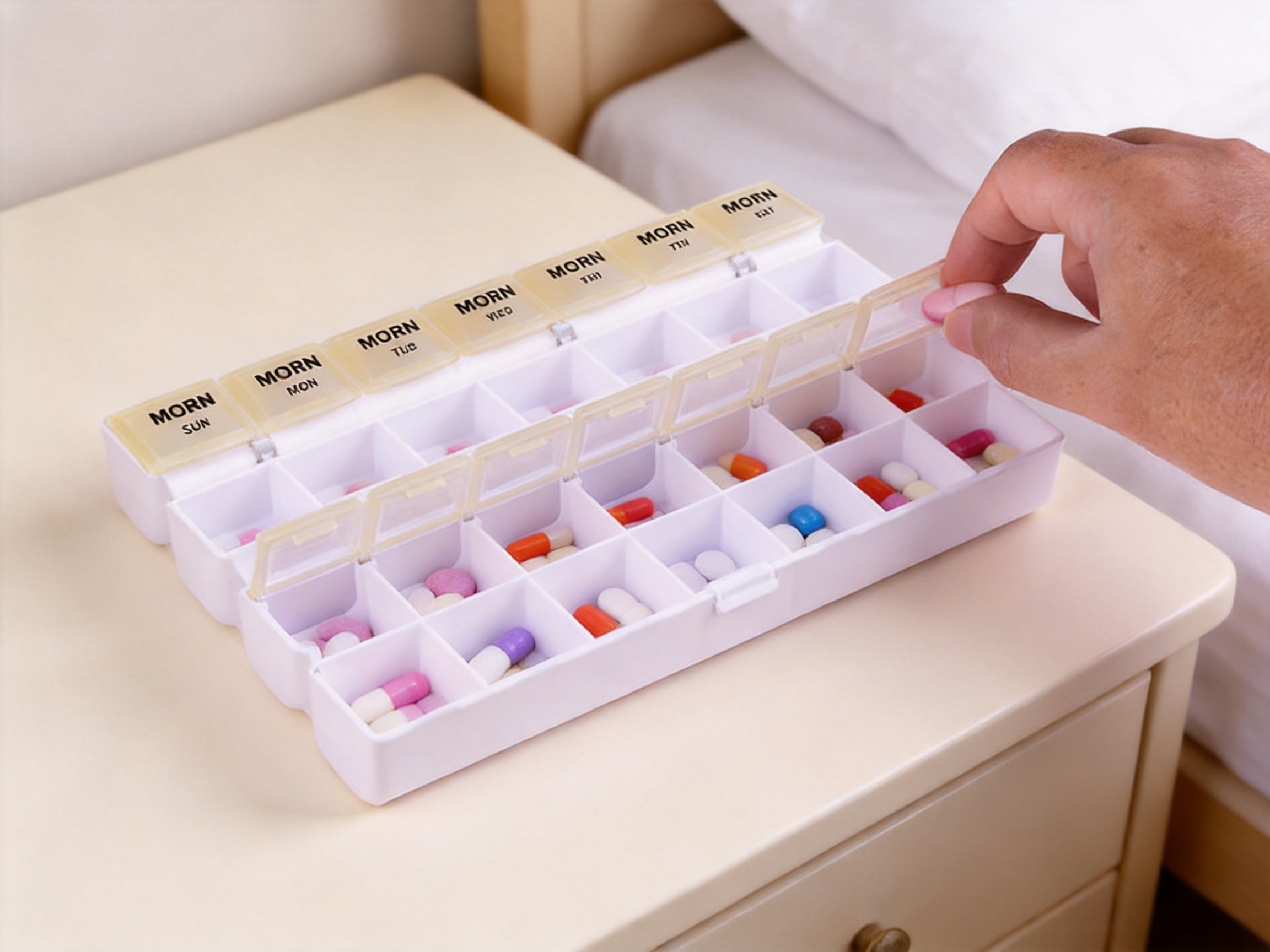
The Easy 28 Day Weekly Monthly Pill Organizer with See Through Lids is designed for this purpose. Model DC661319 combines seven days of medication planning with four daily time periods: morning, afternoon, evening, and bedtime. Its 28 compartments provide a complete weekly cycle, while the transparent, color-coded lids make the contents and status of each compartment easier to identify.
Made from PP plastic and measuring 18.8 x 12.6 x 3 cm, the organizer is compact enough for household storage while offering sufficient capacity for many common pills and vitamins. It is intended for adults, older users, caregivers, people recovering from surgery, and anyone who wants a more consistent method of managing daily medication.
Why Medication Organization Matters
Many medication errors are not caused by a lack of care. They often result from busy schedules, similar-looking tablets, changing routines, or uncertainty about whether a dose has already been taken. A container containing all medication in one place does not always provide enough visual information to support a reliable routine. A weekly organizer divides that supply into identifiable time and day compartments.
This division offers several practical benefits. First, users can prepare doses in advance instead of opening multiple bottles every day. Second, a quick visual check can show whether a compartment is still full or has already been opened. Third, caregivers can inspect the organizer more easily than they can inspect numerous individual containers. Finally, separating medication by day and time helps reduce confusion when a user takes different products throughout the week.
The DC661319 model is particularly suitable for users who need four medication periods per day. A two-period organizer may not provide enough separation for users with morning, midday, evening, and bedtime routines. By providing four designated sections across seven days, this model offers a more detailed schedule without requiring a large electronic device or a complicated digital application.
Product Overview
| Item | Specification |
|---|
| Product type | Weekly pill organizer |
| Model | DC661319 |
| Organization format | 7 days and 4 daily time periods |
| Total compartments | 28 |
| Dimensions | 18.8 x 12.6 x 3 cm |
| Material | PP plastic |
| Lid style | See-through, color-coded, easy-open lids |
| Primary use | Storage and organization of pills, vitamins, and similar oral medication |
| Model code | DC661319 |
| Minimum order quantity | 3,000 pieces |
| HS code | 3923100090 |
The product is a reusable organizational accessory rather than a medication itself. Users should fill it according to instructions from a physician, pharmacist, or qualified healthcare professional. Medication should remain in its original packaging when storage conditions require the original container, and users should confirm that a particular medicine is suitable for pill-organizer storage before transferring it.
Seven Days and Four Daily Doses
The central advantage of this organizer is its 28-compartment arrangement. Seven days are divided into four periods each: morning, afternoon, evening, and bedtime. This format gives users a complete seven-day view while retaining enough separation for schedules that involve multiple doses.
A weekly layout can make routine planning more efficient. Instead of preparing one day at a time, a user or caregiver can organize the entire week during a regular preparation period. The finished organizer then becomes a visual calendar for oral medication. Each day has its own group of compartments, and each group is divided by time of day.
This arrangement is also useful when different medicines must be taken at different times. For example, a morning tablet should not be mixed with a bedtime supplement if the user depends on visual separation. The four-period format helps maintain that distinction. It does not replace professional medical advice, but it provides a clearer physical structure for following an existing schedule.
For caregivers, the weekly format may reduce the number of daily checks required. A family member can review the organizer during preparation and later inspect the remaining compartments. In home-care situations, this can support a more consistent routine for older adults or people with temporary mobility or memory challenges.
See-Through Lids for Better Visibility
Visibility is one of the most important features of a pill organizer. Opaque containers may conceal whether a compartment is full, partially used, or empty. The transparent lids of the DC661319 model allow the user to see the contents without opening every section.
A see-through lid supports two types of checking. Before use, it helps confirm that the correct pills have been placed in the appropriate compartment. After use, it provides a quick indication of whether the compartment has been opened or emptied. This can be particularly helpful when a user is unsure whether the current dose has already been taken.
Transparent covers also make the product easier for caregivers to inspect. A quick visual review may identify an untouched compartment or an unusual quantity of medication. If something appears incorrect, the caregiver can verify the schedule against the original prescription or consult a pharmacist.
Visibility should not be interpreted as a guarantee that medication has been taken correctly. A compartment may be opened without the contents being consumed, and pills may be moved. Nevertheless, the transparent-lid design provides useful visual information that is not available with fully opaque storage systems.
Color-Coded, Easy-Open Compartments
Color coding adds another layer of identification. When day or time sections use distinguishable colors, users can locate a specific dose more quickly than they might with identical, unmarked compartments. The combination of color, printed day information, and time-of-day labeling can help reduce selection errors.
The easy-open lid design is intended to balance secure closure with convenient access. A lid that is too difficult to open can be frustrating for users with limited hand strength or reduced dexterity. A lid that opens too easily may be unsuitable for normal household handling. A practical pill organizer therefore needs a closure system that remains closed during ordinary storage while allowing the user to access a dose without excessive effort.
This feature is especially relevant to people recovering from surgery, living with long-term mobility challenges, or managing age-related changes in hand strength. The organizer is not a substitute for a child-resistant container, and it should be stored safely away from children. Its easy-open structure is intended for accessibility and convenience, not for child safety.

Easy 28 Day Weekly Monthly Pill Organizer with See Through Lids
PP Plastic Construction
The organizer is manufactured from PP plastic, commonly known as polypropylene. PP is widely used in household storage products because it offers a useful balance of light weight, rigidity, impact resistance, and processability. These characteristics make it suitable for a reusable organizer that must be handled regularly.
A PP body can be formed with clearly defined compartment walls, lid hinges, closure features, and labeling areas. Consistent molding helps the sections maintain their shape during filling and routine use. The material also supports a compact product design, allowing the organizer to offer 28 compartments without becoming unnecessarily heavy.
Material selection is only one part of product quality. The final performance also depends on resin control, mold design, injection parameters, cooling, trimming, assembly, and inspection. A well-controlled manufacturing process helps ensure that lids align correctly, compartment walls remain separated, and edges are smooth enough for comfortable handling.
Users should follow the cleaning and storage guidance supplied with the product. The organizer should be kept dry and clean, and it should not be exposed to conditions that could deform the plastic. Medication compatibility and storage requirements should always be considered separately, particularly for products that are sensitive to light, heat, humidity, or contamination.
Compact Dimensions and Practical Portability
Measuring 18.8 x 12.6 x 3 cm, the organizer offers a broad weekly layout while remaining relatively slim. Its dimensions make it appropriate for bedside tables, bathroom cabinets where suitable, kitchen storage areas, drawers, and home-care stations. The compact form also makes it easier to carry during short trips, provided that the medication and storage conditions are appropriate.
Portability is valuable for users whose medication schedule continues during travel, family visits, rehabilitation appointments, or overnight stays. Instead of carrying multiple loose bottles for each daily dose, a user may prepare the organizer in advance. However, original packaging, prescription labels, and travel regulations may still be important, particularly for controlled medicines or international travel.
The rectangular layout is easy to place on a flat surface while filling. Its height of 3 cm provides a low-profile form that can be handled without taking up excessive storage space. A compact shape also benefits wholesalers and retailers because it can be packed, displayed, and stored efficiently.
Advantages Compared with Basic Pill Containers
More Information Than a Single-Compartment Box
A basic pill box may provide only one compartment for a day or a small number of undivided sections. Such products can be useful for simple schedules, but they may not be appropriate when medication must be separated by both day and time. The 28-compartment format provides a more complete weekly structure.
Clearer Than Opaque Storage
Opaque lids can make it difficult to determine whether medication remains inside. See-through lids provide immediate visual access and can support a faster routine check. This is a meaningful functional advantage for users who value confirmation without repeatedly opening each lid.
More Accessible Than Digital-Only Systems
Electronic medication reminders and smartphone applications can provide alerts, but they may require charging, setup, software familiarity, or access to a compatible device. A physical organizer works without batteries, a network connection, or an application account. It can complement electronic reminders while remaining useful as a stand-alone organizational tool.
More Detailed Than Two-Period Organizers
Many weekly pill organizers divide a day into only morning and evening. That arrangement may not suit users who need a midday or bedtime separation. Four daily periods provide additional flexibility for common medication routines without forcing users to carry several separate organizers.
More Structured Than Loose Bottles
Individual bottles preserve original labeling, but a group of bottles may be difficult to review at a glance. The organizer creates a weekly schedule that can be prepared and checked as a single unit. This can simplify routine management, especially when several products are taken by the same person.
Benefits for Different User Groups
Older Adults
Older adults may take several prescriptions or supplements and may benefit from a clear visual organization system. Large, identifiable sections, transparent lids, and color coding can make the routine easier to follow. The easy-open design may also be helpful for users who experience reduced hand strength.
People Recovering from Surgery
After surgery, a person may need temporary medication at several points during the day. Fatigue, limited mobility, and changes in routine can make it difficult to manage multiple containers. Preparing the 28 compartments in advance can provide a more convenient way to organize the recovery schedule, subject to professional guidance.
Family Caregivers
Caregivers often coordinate medication routines for parents, partners, or other family members. A weekly organizer can make preparation and visual review more straightforward. It can also help caregivers identify when professional advice is needed, such as when a dose remains untouched or the schedule appears inconsistent.
People Managing Vitamins and Supplements
The organizer is not limited to prescription medication. It can also be used for vitamins and dietary supplements of suitable size and storage requirements. Users should avoid mixing products when labels or dosage instructions could become unclear. Each compartment should be prepared according to the actual daily plan.
Home-Care and Retail Customers
Home-care providers, pharmacies, medical supply retailers, and general healthcare stores may find this format suitable for customers looking for a practical weekly organizer. Its broad appeal comes from its simple operating method, reusable construction, and clear 7-day, 4-period layout.
Universal Storage for Different Pill Shapes
The product is intended for pills and vitamins of various shapes. The divided compartments offer more flexibility than a narrow single-dose container, allowing users to organize common tablets, capsules, and similar oral products. Exact capacity will depend on the size and number of items placed in each section.
“Universal” should be understood as a broad organizational purpose rather than a guarantee that every medicine can be stored in the organizer. Certain tablets must remain in original blister packs or manufacturer packaging. Some medicines are sensitive to humidity, light, or air exposure. Users should consult the product label, pharmacist, or healthcare provider before transferring any medicine.
It is also important to maintain identification. If several pills look alike, users should use an approved medication list and avoid relying only on color or shape. The organizer improves physical organization, but accurate medication management still depends on correct preparation and professional instructions.
Manufacturing Process and Quality Considerations
The value of a reusable pill organizer depends on more than its appearance. Reliable manufacturing is required to produce consistent dimensions, smooth edges, clear lids, and functional closures across large production quantities. A professional medical and healthcare product manufacturer typically manages the product through several controlled stages.
Product and Mold Design
The process begins with product engineering and mold design. The seven-day, four-period arrangement must be translated into a mold that forms each compartment consistently. Engineers consider wall thickness, draft angles, hinge placement, lid alignment, labeling areas, and the behavior of PP plastic during cooling.
Accurate mold design helps reduce deformation and improves the fit between the base and lids. It also supports repeatability when thousands of pieces are produced. Small changes in compartment dimensions or hinge geometry can affect usability, so testing and design verification are important before volume manufacturing.
Material Preparation
PP resin must be prepared and handled in a controlled manner before molding. Appropriate material storage helps limit contamination and moisture-related processing problems. Production teams may verify incoming materials against internal specifications before they enter the manufacturing line.
Material traceability supports quality management by linking production batches to their source and processing records. This is particularly useful when a product is supplied to international distributors, healthcare retailers, or institutional buyers that require consistent documentation.
Injection Molding
Injection molding transforms heated PP resin into the organizer’s base, lids, and related components. The material is injected into the mold under controlled pressure, then cooled until the formed parts can be removed. Important variables may include melt temperature, injection speed, holding pressure, cooling time, and cycle consistency.
Stable injection-molding conditions help maintain the organizer’s dimensions and reduce common defects such as incomplete filling, warping, sink marks, excessive flash, or uneven surfaces. The goal is not simply to produce a recognizable shape, but to maintain reliable performance across the full production run.
Trimming and Finishing
After molding, parts may require trimming or removal of excess plastic. Finished edges should be checked for sharp projections that could affect handling. Surface appearance, lid transparency, and printed or molded identification areas may also be reviewed during this stage.
Careful finishing improves both perceived quality and practical usability. A product intended for frequent daily handling should feel clean and consistent. Smooth edges also support the comfort of users who may have sensitive hands or limited dexterity.
Assembly
Assembly brings the base and lids together and verifies that the 28 sections operate as intended. Each lid should align with its corresponding compartment, open without unreasonable force, and close sufficiently for normal use. The assembly process may include visual checks, functional opening and closing tests, and inspection of labeling or color coding.
Assembly consistency is important because a small difference in hinge performance can affect the user experience. A professional production line may use standardized work instructions and inspection checkpoints to reduce variation between operators and batches.
Inspection and Testing
Quality control can include checks of dimensions, material appearance, lid operation, compartment separation, closure performance, and packaging condition. Sampling plans may be used for high-volume production, while critical product characteristics are identified for closer monitoring.
The company information provided for this product indicates that Suzhou Sunmed Co., Ltd. maintains a professional quality-control team and works toward ISO 13485:2016 requirements. It also states that most products are CE certified and that its Suzhou factories comply with FDA requirements. Certification and regulatory status can vary by product, market, and intended use, so buyers should request current documentation for the specific item and destination country.

Manufacturing Strengths of an Experienced Supplier
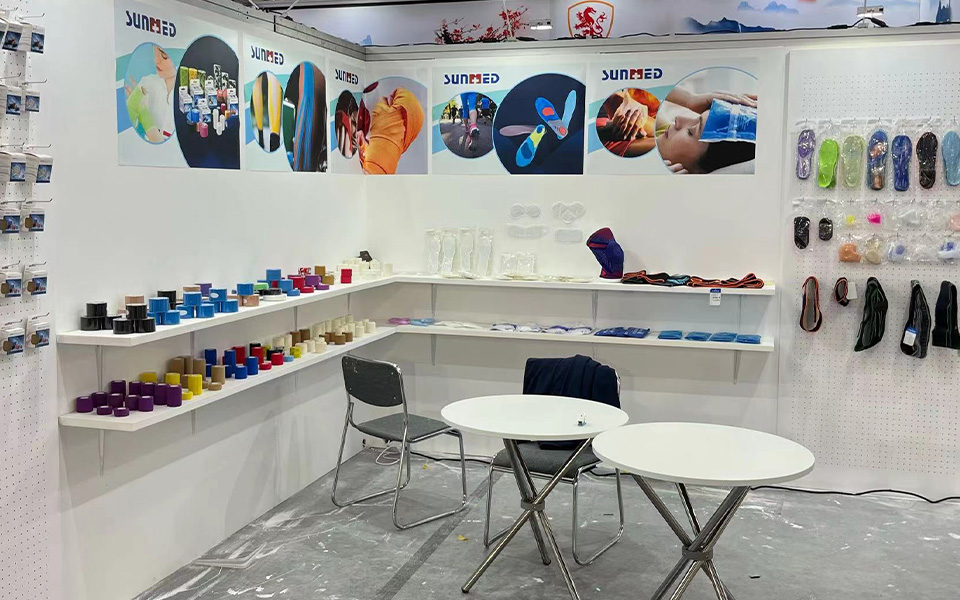
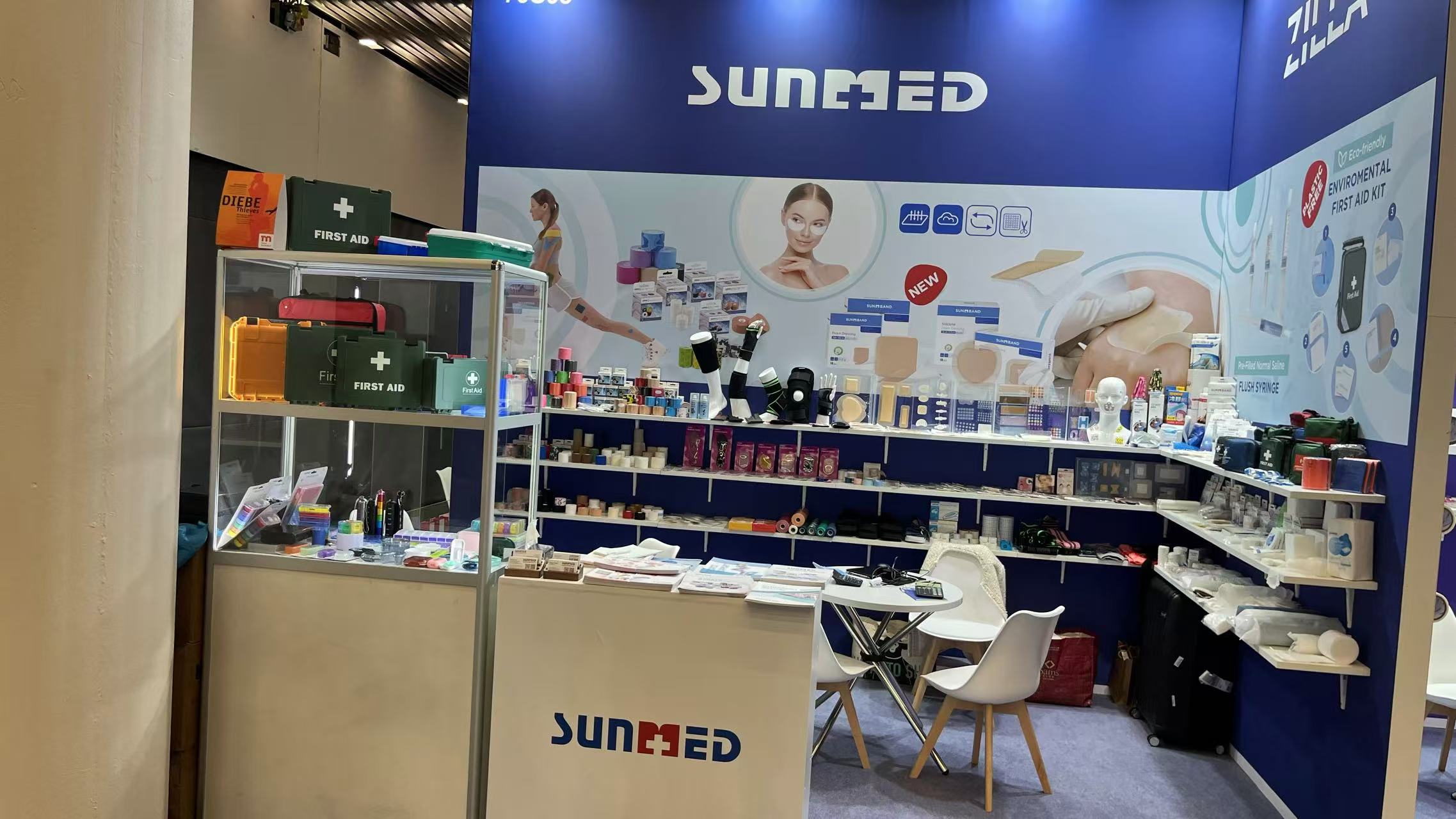
Supplier experience can affect product consistency, communication, and the ability to support repeat orders. Suzhou Sunmed Co., Ltd. reports approximately 30 years of experience in the medical device and medical consumables industry. Its product scope includes first aid, wound dressings, gauze, medical tape, cotton products, non-woven products, sports support products, family healthcare items, pill boxes, hot and cold packs, medical instruments, syringes, catheters, and surgical consumables.
This broad manufacturing background can be valuable to buyers seeking multiple healthcare product categories from one source. A supplier familiar with medical consumables may already have established approaches to material control, production documentation, inspection, packaging, export coordination, and customer communication.
The company reports production bases in Jiangsu, Zhejiang, and Anhui Province. It also states that it has exported products to more than 60 countries across Europe, Southeast Asia, Africa, and Oceania. International experience may help a supplier understand differing packaging expectations, documentation requirements, and distribution channels. Buyers should still confirm the precise compliance, labeling, and import requirements applicable to their market.
Production Capacity for Wholesale Buyers
The stated minimum order quantity for model DC661319 is 3,000 pieces. This quantity is suited to wholesalers, medical supply distributors, pharmacies, retail chains, institutional purchasers, and private-label buyers rather than one-time individual purchases. A larger order can support consistent packaging and coordinated shipment planning.
Wholesale customers should confirm lead time, packaging configuration, carton dimensions, shipping weight, available colors, labeling options, and any customization conditions before placing an order. They should also clarify whether the product is supplied as a general healthcare organizer or under a particular regulatory classification in the destination market.
For private-label programs, buyers may ask about logo application, retail packaging, barcode placement, instruction sheets, color selection, and carton markings. Any customization should be reviewed against the product’s mold limitations, minimum quantities, artwork requirements, and approval process.
Packaging, Storage, and Distribution Considerations
A pill organizer must reach the customer with its lids, hinges, surfaces, and labeling intact. Appropriate packaging helps prevent scratches, crushing, dust accumulation, and deformation during transportation. Bulk buyers should review inner and outer packaging specifications to ensure that the product is suitable for warehouse storage and retail display.
Warehouse operators should keep the product in a clean, dry environment and protect it from excessive heat, direct sunlight, and heavy compression. Since the organizer is made from plastic, unsuitable storage conditions could affect its appearance or dimensional stability over time.
Retail packaging should communicate the essential features clearly: 28 compartments, seven days, four daily time periods, see-through lids, color coding, easy opening, material, and dimensions. Clear communication helps consumers choose the correct format instead of assuming that every weekly organizer has the same number of daily sections.
Using the Organizer Correctly
Prepare the Weekly Schedule
Choose a regular preparation time in a clean, well-lit area. Gather the medication list, original containers, organizer, and any instructions from a healthcare professional. Avoid preparing medication when distracted or rushed.
Confirm Each Medication
Before placing any item into a compartment, confirm its name, strength, dose, and scheduled time. If there has been a recent change in prescription, verify the new instructions carefully. Never guess when a label or instruction is unclear.
Fill One Day or Time Period at a Time
Work systematically to avoid skipping a compartment. Some users may prefer to fill all four periods for one day before moving to the next day. Others may fill the same time period across all seven days. The best method is the one that reduces distractions and makes verification easy.
Check the Completed Organizer
After filling the organizer, compare it with the medication list. Confirm that each day and time period contains the intended dose. A second person may perform an independent check when appropriate, especially if the routine is complex.
Store It Safely
Keep the organizer in a location that is convenient for the user but inaccessible to children and pets. Avoid damp areas or locations exposed to direct heat unless the medication instructions specifically allow those conditions. The organizer should be kept clean and handled with dry hands where practical.
Limitations and Responsible Use
No physical organizer can eliminate all medication-management risks. The product does not identify pills automatically, provide a medical alert, confirm ingestion, or replace the advice of a physician or pharmacist. It also does not make unsuitable medicines safe for transfer from their original packaging.
Users should be especially careful with medicines that require special storage, have a narrow therapeutic range, are supplied in moisture-protective packaging, or must remain in original labeled containers. If uncertain, ask a pharmacist before using the organizer for a particular product.
Children should not use the organizer as an unrestricted storage container. The easy-open lids are designed to improve access for intended users, not to provide child-resistant protection. The product should be stored securely in households with children or vulnerable individuals.
Cleaning should follow the supplier’s instructions. Users should avoid harsh chemicals or high temperatures that could damage the PP plastic or affect lid performance. The organizer should be replaced if it becomes cracked, warped, difficult to close, or otherwise unsuitable for reliable use.
Why the Product Is Suitable for Home Healthcare
Home healthcare increasingly depends on practical products that help users maintain routines outside hospitals and clinics. A weekly pill organizer is a small device, but it can support a broader system of independence, caregiver coordination, and daily planning. The DC661319 model addresses these needs without requiring technical training or electronic infrastructure.
Its advantages come from the combination of features rather than from any single element. The seven-day layout supports weekly planning. Four daily periods support more detailed schedules. Transparent lids improve visibility. Color coding supports recognition. Easy-open sections support accessibility. PP construction supports a lightweight, reusable format. Together, these functions create a practical option for everyday medication organization.
For distributors, the product also fits naturally within a broader home-care range. It can be offered alongside first aid supplies, wound-care products, hot and cold therapy items, sports supports, diagnostic devices, and other healthcare accessories. This can help retailers build a more complete family-healthcare category.
How It Stands Out in a Competitive Market
The pill-organizer market includes simple daily boxes, weekly AM-and-PM organizers, travel cases, electronic reminder systems, and premium smart dispensers. The DC661319 model occupies a practical middle position. It provides more organization than a basic box while remaining simpler and more affordable to operate than a technology-dependent dispenser.
Its 28-compartment configuration is a direct advantage for users whose schedules require four daily periods. Many competing formats focus on one or two doses per day, which may force users to combine doses or carry more than one container. The four-period design provides greater schedule separation in one weekly unit.
The transparent and color-coded lids also offer a functional advantage over plain, opaque boxes. Users can identify compartments quickly and see whether contents remain. At the same time, the product avoids unnecessary electronic components, batteries, screens, and software maintenance.
For wholesale customers, the product’s established model specification, compact dimensions, PP construction, and standard healthcare application can simplify assortment planning. Its minimum order quantity of 3,000 pieces supports professional distribution while allowing buyers to evaluate a clearly defined product format.
Questions and Answers
What does “28 day” mean in this product name?
It refers to 28 total compartments, not a 28-calendar-day supply. The organizer provides seven days with four compartments per day: morning, afternoon, evening, and bedtime.
Can it be used for vitamins?
Yes, it is designed to organize pills and vitamins of suitable size and storage requirements. Users should follow the instructions for each product and confirm whether it may be removed from its original packaging.
Are the lids transparent?
Yes. The product uses see-through lids so users can view the contents of each compartment without opening every section.
Are the compartments color coded?
Yes. Color coding helps distinguish sections and supports faster visual identification, together with the day and time labels.
Is the organizer suitable for people with limited hand strength?
The easy-open lid design is intended to improve convenience and accessibility. Individual ability varies, so users should confirm that they can open and close the compartments comfortably.
Is it child resistant?
No child-resistant function is stated for this product. Because the lids are designed for easy opening, the organizer must be stored securely away from children and pets.
What material is used?
The organizer is made from PP plastic, or polypropylene. This material supports a lightweight, reusable design with molded compartments and lids.
What are the product dimensions?
The dimensions are 18.8 x 12.6 x 3 cm.
Can all medicines be transferred into it?
No. Some medicines must remain in their original packaging or require special protection from light, air, or humidity. Users should consult a pharmacist or healthcare professional before transferring any specific medicine.
Who is the product best suited for?
It is suitable for adults, older users, caregivers, people recovering from surgery, and individuals managing several daily pills or vitamins. It may also suit pharmacies, medical supply distributors, home-care providers, and retail healthcare stores.
What is the minimum order quantity?
The stated minimum order quantity is 3,000 pieces.
Can wholesale buyers request customization?
Potential customization should be discussed with the manufacturer. Buyers can ask about colors, labeling, logo application, packaging, and instruction materials, subject to minimum quantities and production requirements.
What quality systems support production?
The supplier states that it maintains a professional quality-control team and follows inspection procedures aligned with ISO 13485:2016 standards. Buyers should request current product-specific certificates and compliance documents for their intended market.
Conclusion
The Easy 28 Day Weekly Monthly Pill Organizer with See Through Lids is designed to make medication organization clearer, more accessible, and more consistent. Its 28 compartments divide a full week into four daily periods, providing more schedule detail than many basic pill boxes. Transparent, color-coded, easy-open lids support visual checking and convenient access, while the PP plastic construction provides a lightweight and practical reusable format.
The product is also supported by the manufacturing capabilities of Suzhou Sunmed Co., Ltd., a supplier with reported experience in medical consumables, family healthcare products, first aid items, sports supports, and medical devices. Its stated production bases, international export experience, quality-control resources, and focus on ISO 13485:2016-aligned procedures provide a foundation for wholesale and OEM cooperation.
As with any medication accessory, correct use requires attention to professional instructions, safe storage, and the specific requirements of each medicine. Used responsibly, this organizer can provide a simple physical framework for weekly planning and daily dose checking in homes, care settings, pharmacies, and healthcare distribution channels.
References
1. Product specification sheet for model DC661319, including dimensions, material, compartment count, and minimum order quantity.
2. Manufacturer-provided company profile describing production bases, product categories, export markets, and quality-control practices.
3. General principles of medication adherence and safe medication organization for home-care environments.
4. Polypropylene material characteristics commonly used in reusable household and healthcare storage products.
5. ISO 13485:2016, Medical devices — Quality management systems — Requirements for regulatory purposes.
6. General pharmacy guidance concerning original packaging, medication stability, storage conditions, and the use of pill organizers.

 English
 Español
 русский
 Français
 Deutsch
 italiano
 By Admin