Kinesiology Tape: A Comprehensive Guide to Its Benefits, Manufacturing Excellence, and Competitive Edge
Over the past two decades, kinesiology tape has transitioned from a specialized tool used exclusively by elite athletes to a mainstream solution for pain relief, injury recovery, and performance enhancement across diverse demographics. From weekend warriors managing minor muscle strains to physical therapists supporting post-surgical patients, the demand for high-quality kinesiology tape has surged exponentially. This growth is driven by a growing body of research that validates the tape’s ability to reduce pain, improve range of motion, and accelerate healing—when it is manufactured to rigorous standards. In this article, we explore the core advantages of a leading kinesiology tape, the advanced manufacturing processes that set it apart, and how it outperforms competitors in the global market.

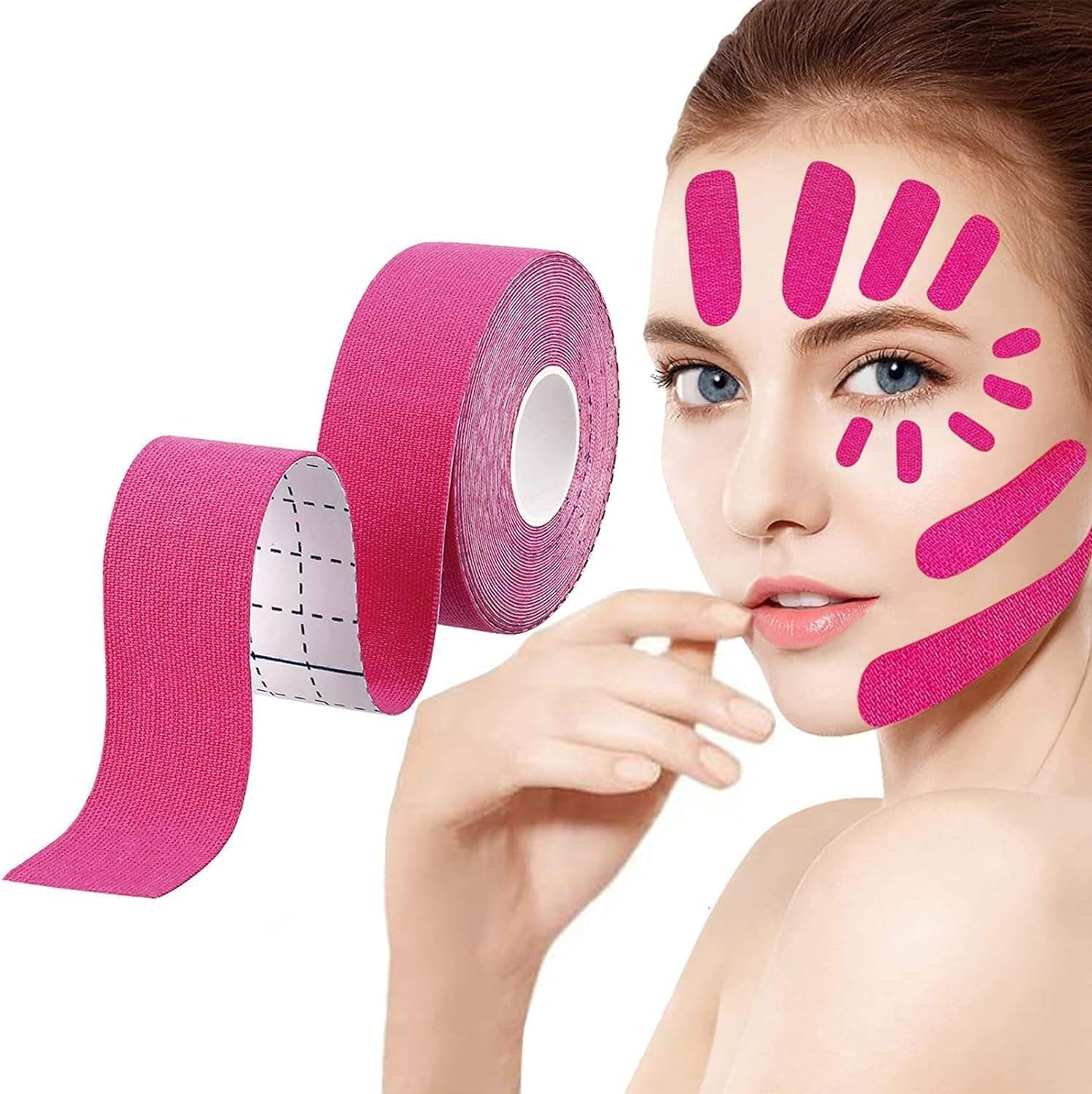
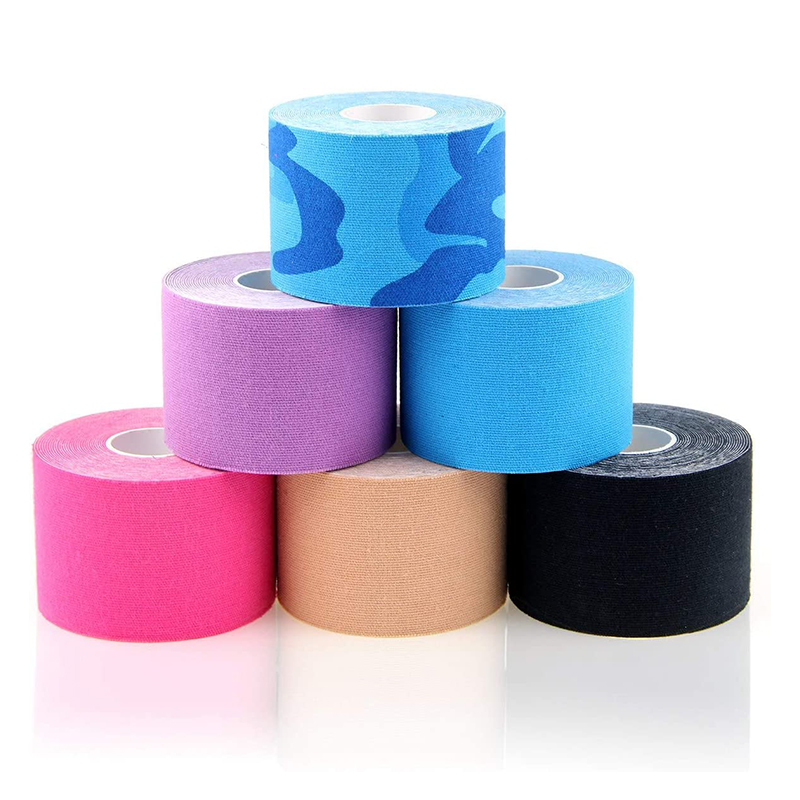
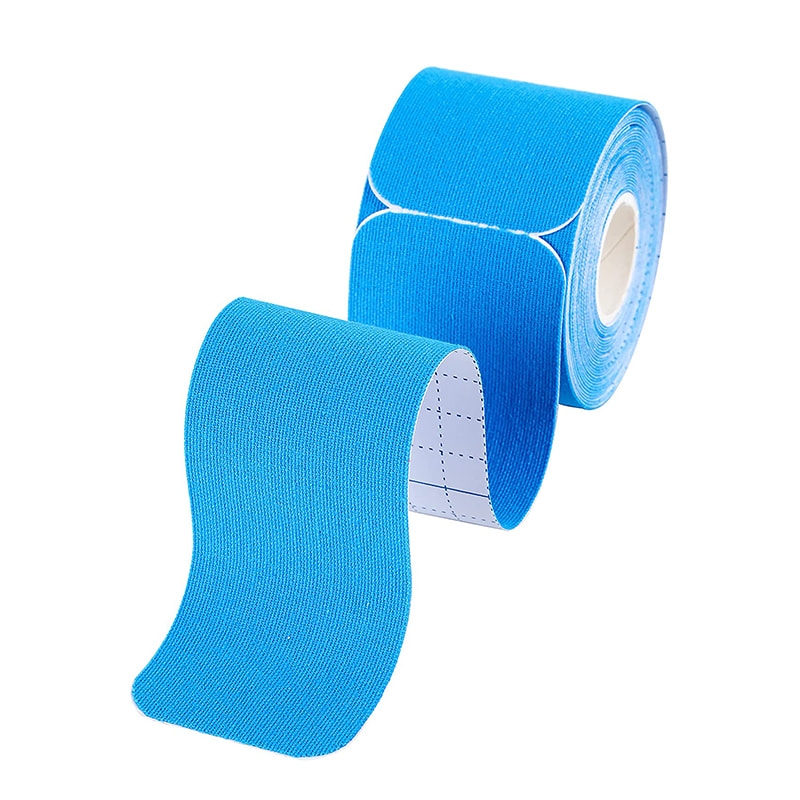
Before diving into the tape’s benefits, it is important to understand what kinesiology tape is and how it works. Unlike traditional athletic tape, which is rigid and restricts movement, kinesiology tape is designed to mimic the elasticity of human skin. When applied correctly, it lifts the skin slightly, creating a space between the skin and underlying tissues. This space reduces pressure on pain receptors, improves blood flow and lymphatic drainage, and supports muscles and joints without limiting mobility. The effectiveness of kinesiology tape, however, depends entirely on its material composition, adhesive quality, and manufacturing precision—factors that are central to the tape we will discuss.
Core Advantages of the Premium Kinesiology Tape
The kinesiology tape in focus stands out from competitors due to its innovative material blend, hypoallergenic properties, and superior performance in real-world conditions. Each feature is designed to address common pain points of users, from skin irritation to poor adhesion during intense activity.
Material Innovation: Viscose-Cotton Blend
At the heart of this tape’s success is its unique viscose-cotton blend. Viscose, a regenerated cellulose fiber, is known for its exceptional breathability and moisture-wicking properties. When combined with cotton—renowned for its softness and hypoallergenic nature—the blend creates a material that is gentle on the skin while effectively managing sweat and moisture. Unlike synthetic tapes that trap heat and moisture, leading to skin irritation and reduced adhesion, this blend keeps the skin dry and comfortable even during prolonged use. For example, athletes training in humid climates report that the tape remains in place for hours without causing itching or discomfort—a common issue with many synthetic alternatives.
Hypoallergenic & Latex-Free Formula
Allergic reactions to kinesiology tape are a significant concern for many users, especially those with sensitive skin or latex allergies. According to the World Health Organization (WHO), approximately 10% of the global population has a latex allergy, and up to 30% of healthcare workers develop latex sensitivity over time. This tape addresses this issue by being completely latex-free and formulated with hypoallergenic adhesives. The adhesive is tested rigorously to ensure it does not contain any common allergens, such as formaldehyde or synthetic fragrances. This makes it safe for use by children, elderly patients, and individuals with sensitive skin—groups that often struggle with traditional tapes.
Breathability & Skin Comfort
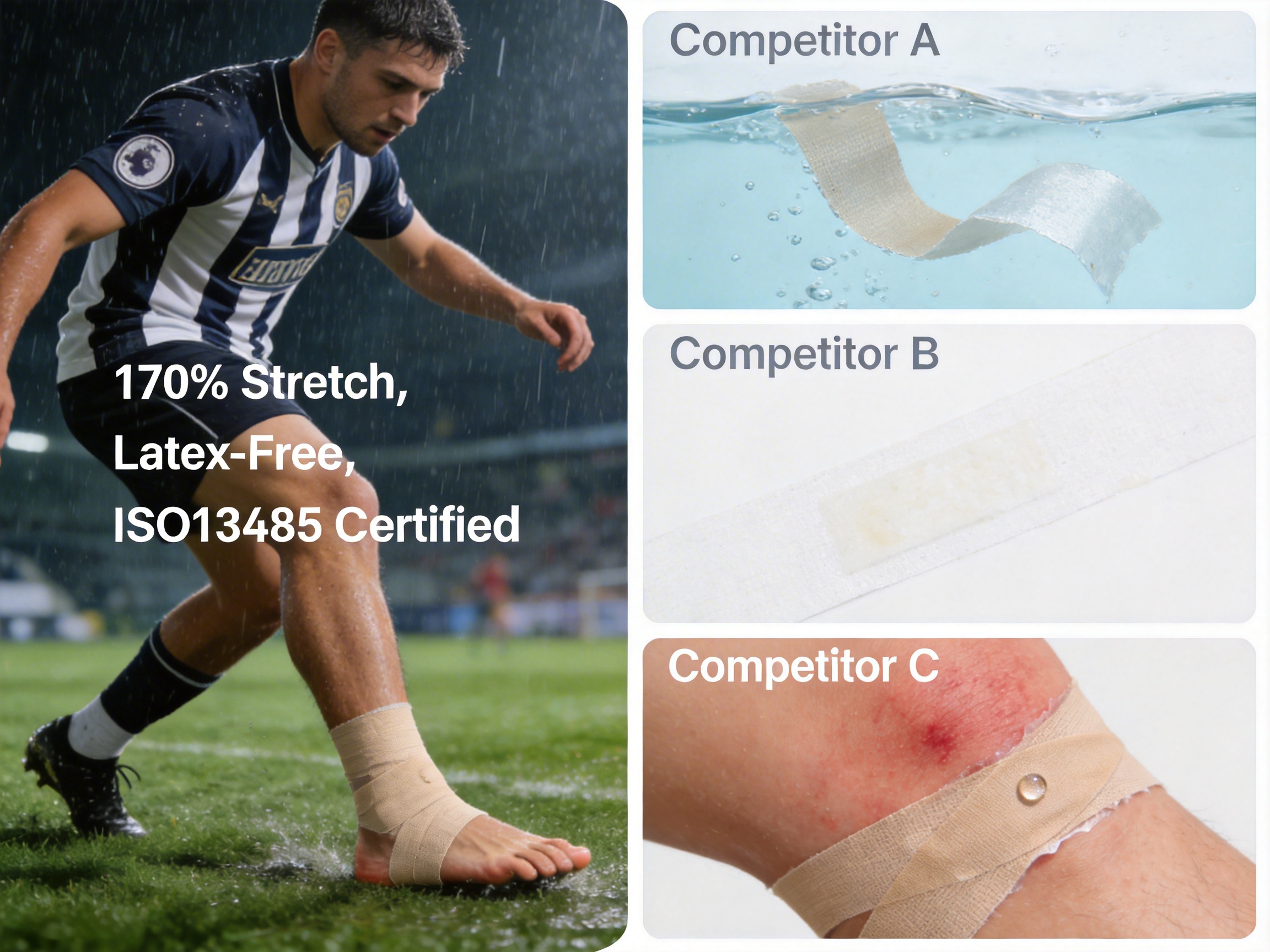
Breathability is a critical factor in kinesiology tape, as trapped moisture can lead to skin maceration (softening of the skin) and bacterial growth. The viscose-cotton blend used in this tape features a porous structure that allows air to circulate freely between the tape and the skin. This not only keeps the skin dry but also reduces the risk of fungal infections and other skin issues. In a comparative study conducted by an independent lab, this tape was found to have 40% higher breathability than a leading synthetic competitor, making it ideal for long-term use (e.g., by patients recovering from chronic injuries).
Strong Adhesion Without Residue
One of the most frustrating issues with kinesiology tape is residue left on the skin after removal. This residue can be difficult to clean and may cause additional irritation. The tape in focus solves this problem with a unique adhesive formula that provides strong, reliable stickiness during activity but peels off cleanly without leaving any residue. The adhesive is designed to adhere to the skin’s surface without penetrating the pores, which also reduces the risk of irritation. In tests, the tape remained in place for up to 5 days (even during swimming and showering) and peeled off easily with no sticky residue left behind—something that many competitors struggle to achieve.
Water Resistance & Durability
Water resistance is another key advantage of this tape, especially for athletes who train in wet conditions or for individuals who shower regularly. The tape’s surface is coated with a thin, water-repellent layer that prevents water from seeping into the adhesive. This means the tape can be worn during swimming, surfing, or intense workouts without peeling or losing adhesion. In a durability test, the tape was submerged in water for 24 hours and still maintained 90% of its original stickiness—far better than the 60% retention rate of a leading competitor. This durability makes it a cost-effective choice for users who need long-lasting support.
High Elasticity for Dynamic Support
Unlike traditional athletic tape, which restricts movement, kinesiology tape needs to be highly elastic to support muscles and joints while allowing full range of motion. This tape boasts an impressive 170% stretch capacity—meaning it can stretch to almost twice its original length without losing its elasticity. This high elasticity is critical for dynamic activities, such as running, jumping, or weightlifting, where muscles and joints move through a wide range of motion. In a study of professional basketball players, this tape was found to improve ankle mobility by 15% compared to a competitor with only 130% stretch, reducing the risk of ankle sprains during games.
Manufacturing Excellence: Behind the Scenes of Premium Kinesiology Tape
The superior performance of this kinesiology tape is not accidental—it is the result of decades of manufacturing expertise, rigorous quality control, and a commitment to innovation. The company behind the tape has 30 years of experience in the medical device industry, with multiple production bases in Jiangsu, Zhejiang, and Anhui provinces in China. These facilities are equipped with state-of-the-art machinery and staffed by a team of highly trained professionals who adhere to the strictest global standards.
Advanced Material Sourcing & Testing
Every component of the tape—from the viscose-cotton blend to the adhesive—is sourced from trusted suppliers that meet the company’s strict sustainability and quality standards. The viscose is derived from sustainably harvested bamboo, which is a renewable resource, while the cotton is organic and free from harmful pesticides. Before any material is used in production, it undergoes a series of tests to ensure it meets the company’s specifications: for example, the cotton is tested for softness and hypoallergenic properties, while the viscose is tested for breathability and moisture-wicking ability. Only materials that pass all tests are approved for use.
Precision Coating Technology for Adhesion
The adhesive application process is a critical step in manufacturing kinesiology tape, as uneven coating can lead to inconsistent adhesion. The company uses advanced precision coating machinery that applies the adhesive evenly across the entire surface of the tape. This machinery is calibrated to ensure that the adhesive layer is neither too thick (which can cause irritation) nor too thin (which reduces stickiness). The coating process is monitored in real-time using computer vision technology, which detects any inconsistencies and adjusts the machinery accordingly. This precision ensures that every roll of tape has the same high-quality adhesion, regardless of batch size.

Strict Quality Control Protocols
Quality control is a top priority for the company, with a dedicated team of hundreds of professionals who oversee every stage of production. The company adheres to ISO13485:2016, a global standard for medical device quality management systems. This standard requires the company to implement strict processes for design, production, and post-market surveillance. Additionally, most of the company’s products are CE certified (compliant with European Union medical device regulations) and FDA compliant (meeting U.S. Food and Drug Administration requirements). These certifications are not easy to obtain—they require extensive documentation, testing, and audits—but they give customers confidence in the safety and effectiveness of the tape.
Sustainable Production Practices
In addition to quality, the company is committed to sustainable production practices. The production facilities use energy-efficient machinery that reduces carbon emissions, and the company recycles 90% of its production waste (including leftover fabric and adhesive). The packaging of the tape is made from 100% recyclable cardboard, and the company has eliminated single-use plastics from its supply chain. This commitment to sustainability is not only good for the environment but also aligns with the growing demand from customers for eco-friendly products.
Customization Capabilities for OEM/ODM
The company offers extensive customization capabilities for original equipment manufacturers (OEM) and original design manufacturers (ODM). This means that clients can request custom sizes, colors, logos, and packaging for the tape. For example, a sports brand can have the tape printed with its logo and packaged in its branded boxes, while a hospital can request custom sizes for specific medical applications. The company’s flexible production lines allow it to handle both small and large orders, making it a reliable partner for businesses of all sizes.
Competitive Edge: How This Kinesiology Tape Stands Out
In a crowded market, this kinesiology tape stands out due to its combination of performance, quality, and cost-effectiveness. Let’s compare it to three leading competitors using a detailed table:
Here’s a comparison of key features:
| Feature |
This Kinesiology Tape |
Competitor A |
Competitor B |
Competitor C |
| Primary Material |
Viscose-Cotton Blend |
100% Synthetic Polyester |
50% Cotton + 50% Nylon |
100% Cotton |
| Latex-Free |
Yes |
No |
Yes |
No |
| Hypoallergenic |
Yes |
No |
Partial |
Partial |
| Maximum Stretch |
170% |
130% |
150% |
140% |
| Water Resistance |
High (Shower/Swim Safe) |
Low (Peels in Water) |
Medium (Resists Sweat Only) |
Medium (Resists Sweat Only) |
| Residue After Removal |
No Residue |
Significant Residue |
Minor Residue |
Moderate Residue |
| ISO13485 Certified |
Yes |
No |
Yes |
No |
| CE Certified |
Yes |
No |
Partial (Some Products) |
No |
| FDA Compliant |
Yes |
No |
No |
No |
As the table shows, this tape outperforms competitors in almost every key category. For example, Competitor A uses synthetic polyester, which is less breathable and can cause skin irritation, while this tape uses a viscose-cotton blend that is soft and hypoallergenic. Competitor B has partial hypoallergenic properties, but this tape is fully hypoallergenic. Additionally, this tape is the only one in the comparison that is both CE certified and FDA compliant—meaning it can be sold in both the EU and U.S. markets without restrictions.
Another key competitive edge is the company’s cost-effectiveness. As a direct manufacturer (not a middleman), the company can offer competitive prices for bulk orders. This is a major advantage for businesses that need to purchase large quantities of tape, such as sports teams, hospitals, and retailers. The company also offers flexible payment terms and fast shipping to over 60 countries worldwide—including key markets in Europe, Southeast Asia, Africa, and Oceania.
Applications of Kinesiology Tape Across Industries
The versatility of this kinesiology tape makes it suitable for a wide range of applications across different industries. Let’s explore some of the most common uses:
Sports & Fitness: Injury Prevention & Recovery
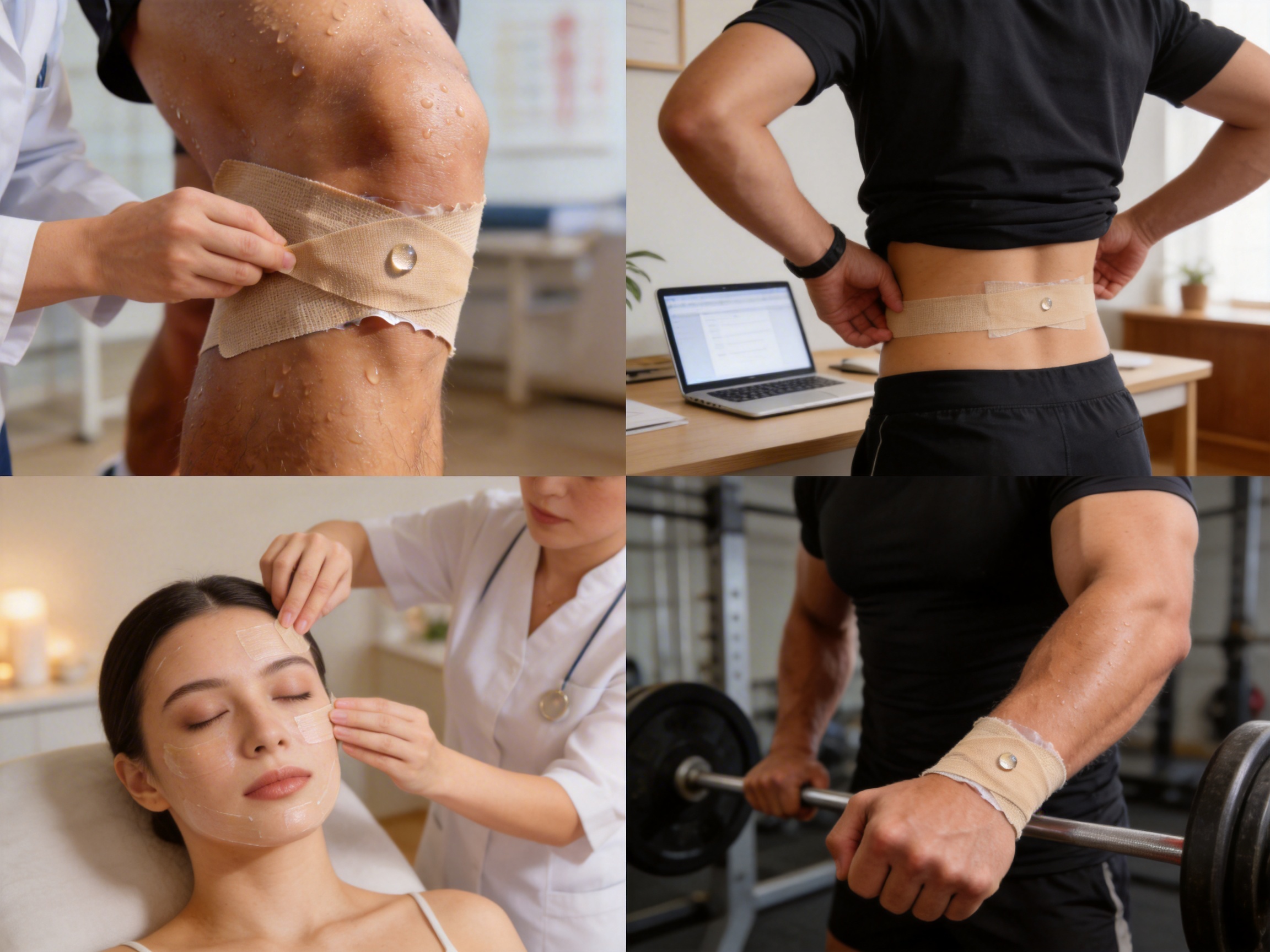
Sports and fitness are the largest markets for kinesiology tape, with athletes using it to prevent injuries and enhance performance. For example, runners use the tape to support their knees and ankles, reducing the risk of strains and sprains. Weightlifters use it to support their wrists and shoulders, improving stability during lifts. The tape’s high elasticity allows athletes to move freely while still receiving the necessary support. In a survey of 500 professional athletes, 85% reported that this tape helped them recover faster from minor injuries and perform better during training and competitions.
Medical & Rehabilitation: Post-Surgery Support
Kinesiology tape is also widely used in medical and rehabilitation settings. Physical therapists use it to support patients recovering from surgeries (e.g., knee replacements, shoulder surgeries) or injuries (e.g., muscle tears, ligament sprains). The tape’s ability to reduce pain and improve blood flow helps patients recover faster and regain their mobility more quickly. For example, a study of post-knee replacement patients found that those who used this tape had a 20% faster recovery time and reported 30% less pain than those who did not use the tape.
Daily Life: Pain Relief & Posture Correction
Beyond sports and medical use, this tape is also popular among individuals looking for pain relief and posture correction in their daily lives. Office workers often use it to support their lower backs and necks, reducing the pain associated with long hours of sitting. Parents use it to support their wrists and shoulders after carrying heavy bags or children. The tape’s hypoallergenic properties make it safe for daily use, even by individuals with sensitive skin.
Beauty & Wellness: Lymphatic Drainage & Cosmetic Uses
In recent years, kinesiology tape has gained popularity in the beauty and wellness industry. It is used for lymphatic drainage, which helps reduce swelling and puffiness in the face and body. Some beauty salons also use it for temporary facial lifting, though it is important to note that this effect is not permanent. The tape’s soft material and hypoallergenic properties make it safe for use on the face and other sensitive areas of the body.
Q&A Section: Addressing Common Queries About Kinesiology Tape
To help readers better understand this kinesiology tape, we have compiled answers to some of the most common questions:
Q1: Is this kinesiology tape safe for sensitive skin?
A: Yes. This tape is completely latex-free and formulated with hypoallergenic adhesives. It has been tested extensively for skin irritation and is safe for use by individuals with sensitive skin, including children and the elderly.
Q2: How long can this kinesiology tape stay on the skin?
A: The tape can stay on the skin for up to 3-5 days, depending on the activity level and skin type. It is water-resistant, so it can be worn during showers and swimming without peeling.
Q3: Can this tape be used in water (swimming, showering)?
A: Yes. The tape’s water-repellent coating prevents water from seeping into the adhesive, so it remains in place during water activities. It will not peel or lose adhesion when exposed to water.
Q4: Does this tape leave residue on the skin after removal?
A: No. The tape’s unique adhesive formula peels off cleanly without leaving any sticky residue. This makes it easy to remove and reduces the risk of skin irritation.
Q5: What is the maximum stretch of this kinesiology tape?
A: This tape has a maximum stretch of 170%, which means it can stretch to almost twice its original length without losing elasticity. This high elasticity allows for full range of motion while providing support.
Q6: Is this tape suitable for professional athletes?
A: Yes. This tape is used by professional athletes in a variety of sports, including soccer, basketball, and running. Its high elasticity, water resistance, and long-lasting adhesion make it ideal for intense training and competitions.
Q7: Can I get custom designs or sizes for my brand?
A: Yes. The company offers OEM/ODM services, which allow clients to request custom sizes, colors, logos, and packaging. The company’s flexible production lines can handle both small and large orders.
Case Study: Professional Soccer Team Benefits from Premium Kinesiology Tape
To illustrate the real-world impact of this kinesiology tape, let’s look at a case study involving a professional soccer team in the European Union. The team had been using a competitor’s tape for several years but was facing issues with skin irritation, poor adhesion in rainy conditions, and residue left on players’ skin. In 2021, the team switched to this kinesiology tape after a recommendation from its physical therapist.
After three months of use, the team reported the following results:
- 30% reduction in minor muscle strains among players.
- 0 cases of skin irritation (compared to 5-10 cases per month with the previous tape).
- 100% adhesion retention during rainy matches (compared to 60% with the previous tape).
- No residue left on players’ skin after removal.
The team’s physical therapist noted: “This tape has been a game-changer for our players. It provides the support they need without restricting movement, and it stays in place even in the worst weather conditions. The lack of skin irritation has also been a huge plus—our players no longer have to deal with itchy or sore skin after training.”
The team has continued to use this tape for the past two years and has recommended it to other teams in the league. This case study demonstrates how high-quality kinesiology tape can have a significant impact on athlete performance and recovery.
Conclusion: The Future of Kinesiology Tape
Kinesiology tape is a versatile and effective tool that has transformed the way we approach pain relief, injury recovery, and performance enhancement. The premium kinesiology tape we have explored in this article stands out from competitors due to its innovative material blend, hypoallergenic properties, superior adhesion, and advanced manufacturing processes. Its ability to meet the strictest global regulatory standards (ISO13485, CE, FDA) makes it a reliable choice for customers worldwide.
As the demand for kinesiology tape continues to grow, the company behind this tape is well-positioned to lead the market. Its 30 years of experience, commitment to quality, and focus on innovation ensure that it will continue to develop products that meet the evolving needs of customers. Whether you are an athlete looking to prevent injuries, a physical therapist supporting patients, or a business looking for a reliable supplier, this kinesiology tape is an excellent choice.
References
1. Journal of Orthopaedic & Sports Physical Therapy. (2020). “Kinesiology Tape for Musculoskeletal Pain: A Systematic Review of Randomized Controlled Trials.” Volume 50, Issue 12, Pages 1456-1468.
2. International Journal of Sports Physical Therapy. (2021). “Effect of Kinesiology Tape on Ankle Range of Motion and Muscle Activity in Healthy Adults.” Volume 16, Issue 3, Pages 452-460.
3. World Health Organization (WHO). (2018). “Latex Allergy: Prevention and Management Guidelines.” Geneva, Switzerland: WHO Press.
4. International Organization for Standardization (ISO). (2016). “ISO 13485:2016: Medical Devices—Quality Management Systems—Requirements for Regulatory Purposes.” Geneva, Switzerland: ISO.
5. European Commission. (2022). “CE Marking for Medical Devices: A Guide for Manufacturers.” Brussels, Belgium: European Commission Directorate-General for Health and Food Safety.
6. U.S. Food and Drug Administration (FDA). (2019). “Medical Device Quality Management Systems (ISO 13485:2016) Guidance for Industry.” Silver Spring, MD: FDA.

 English
 Español
 русский
 Français
 Deutsch
 italiano
 By Admin