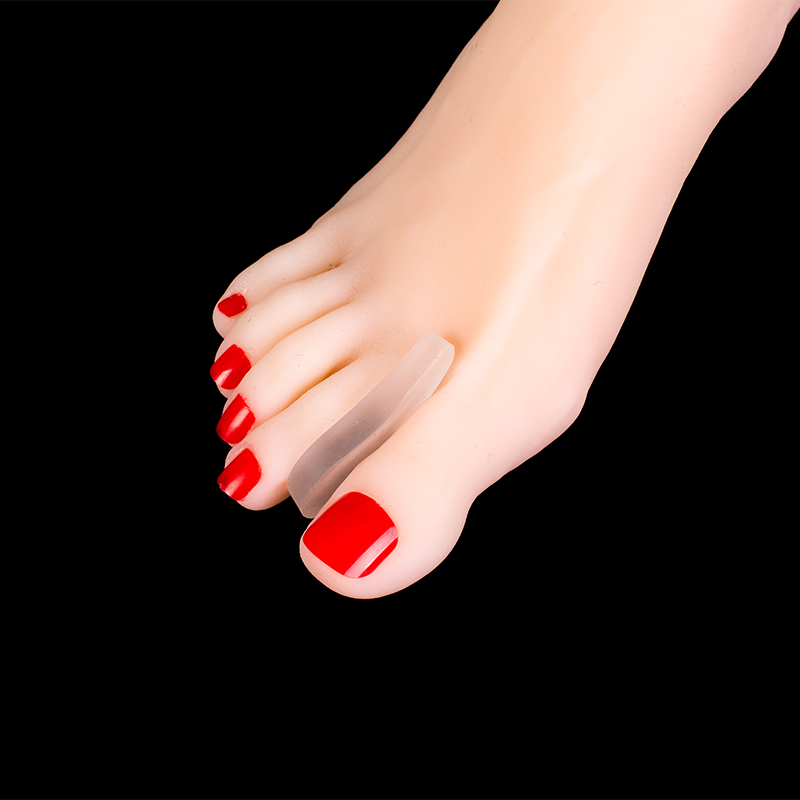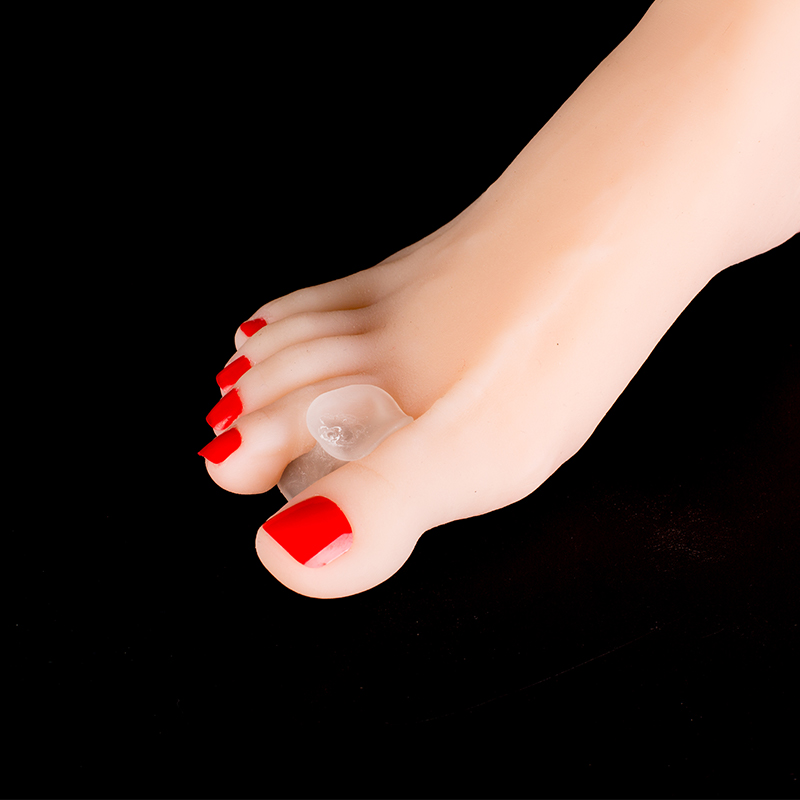
Forefoot discomfort can affect walking, standing, shopping, commuting, exercise, and many other daily activities. The front section of the foot carries substantial pressure during each step, particularly when the wearer walks in shoes with a narrow toe area, spends long periods standing, or participates in activities that repeatedly load the ball of the foot. A well-designed forefoot cushion can help improve comfort by distributing pressure, absorbing shock, and reducing friction between the foot and the shoe.
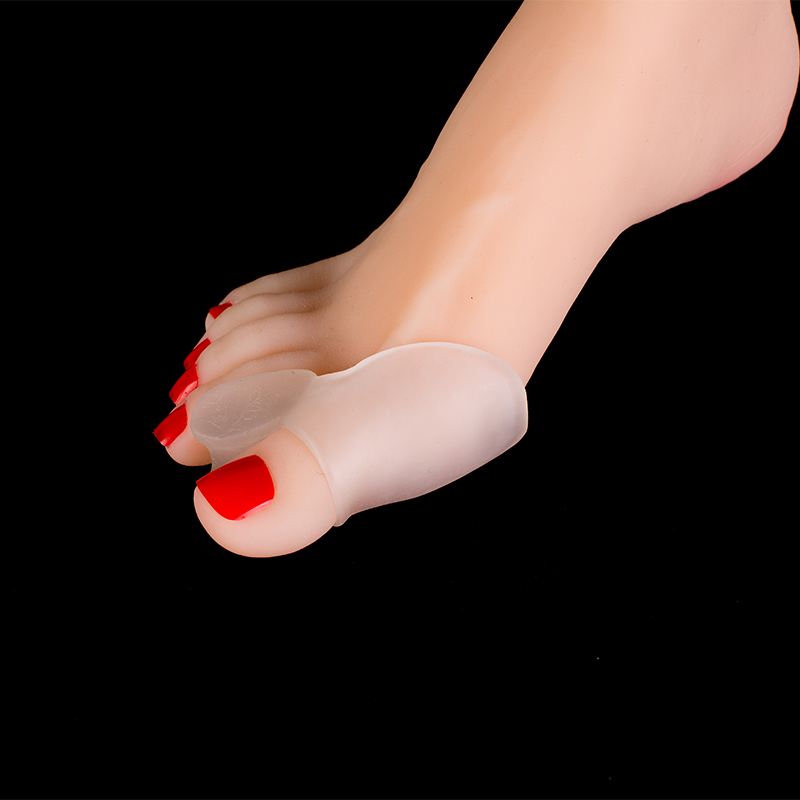
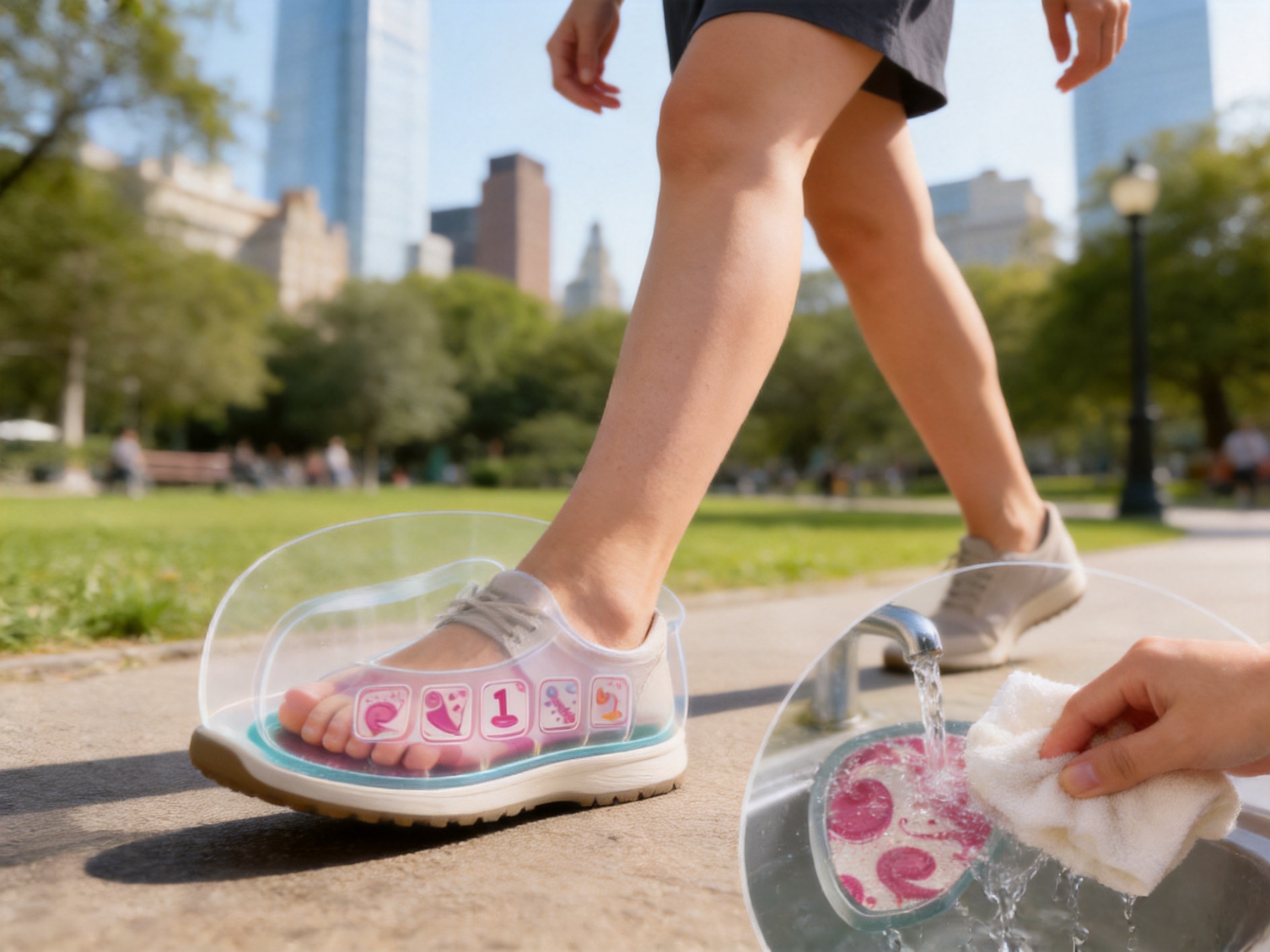
The Lady Forefoot Cushion is a practical foot-care product developed for adults who want soft, discreet, and reusable support inside casual shoes. It is available in TPR or PU foam construction and can be supplied in white, transparent, or other requested colors. Its free-size design makes it suitable for a broad range of adult users, while its washable and reusable structure supports convenient everyday use.
Rather than functioning as a rigid orthopedic device, the cushion is designed as a flexible comfort accessory. It rests beneath the forefoot and helps create a softer interface between the foot and the shoe. The product is suitable for personal-care retailers, pharmacies, first-aid suppliers, supermarkets, footwear stores, online distributors, and professional buyers seeking an adaptable foot-care item for their product range.
Understanding the Purpose of a Forefoot Cushion
The forefoot is the part of the foot located behind the toes and in front of the arch. It includes the metatarsal area, which helps support the body and assists with forward movement. During walking, the heel contacts the ground first, body weight moves through the middle of the foot, and pressure then transfers toward the forefoot and toes. This repeated movement can create discomfort when footwear provides insufficient cushioning or when pressure is concentrated in a small area.
A forefoot cushion is intended to provide an additional layer of comfort in the shoe. Depending on the material and design, it may help soften impact, reduce localized pressure, and limit sliding. The Lady Forefoot Cushion is designed around these everyday needs. Its cushioning effect may be especially useful for people who wear casual shoes for long periods, walk frequently, or prefer additional softness beneath the front of the foot.
Foot comfort is influenced by many factors, including shoe shape, foot structure, activity level, socks, walking habits, and the condition of the footwear. A cushion cannot correct every source of discomfort, and persistent or severe foot pain should be assessed by a qualified healthcare professional. However, for general comfort and preventive care, a flexible forefoot cushion can be a simple and economical addition to a footwear routine.
Product Overview
The Lady Forefoot Cushion is categorized as a foot-care product for adult users. It is intended for use in casual shoes and has a unisex application, even though the product name highlights a ladies’ comfort application. The cushion is supplied as a single-color product and may be manufactured in TPR or PU foam according to the required specification.
| Product Attribute | Specification |
|---|
| Product name | Lady Forefoot Cushion |
| Product category | Foot Care Products |
| Material options | TPR or PU foam |
| Size | Free size |
| Available colors | White, transparent, or customized colors |
| Intended users | Adults |
| Gender suitability | Unisex |
| Recommended footwear | Casual shoes |
| Primary functions | Pressure reduction, comfort support, shock absorption, and anti-slip performance |
| Care features | Washable and reusable |
| Product type | Foot care accessory |
The combination of a flexible material, compact form, and washable construction gives the product a useful balance between comfort and practicality. It can be included in individual retail packaging, private-label programs, healthcare product assortments, or broader personal-care collections.

Lady Forefoot Cushion
Material Choices: TPR and PU Foam
Material selection is one of the most important factors in the performance of a forefoot cushion. The product can be manufactured with thermoplastic rubber, commonly known as TPR, or with PU foam. These materials offer different tactile and performance characteristics, allowing buyers to select the most suitable option for their target market.
TPR Construction
TPR combines rubber-like flexibility with thermoplastic processing characteristics. It can provide a soft yet resilient feel and can be formed into a consistent product shape. TPR is often selected for foot-care accessories because it can offer good elasticity, surface grip, and resistance to repeated handling.
For a forefoot cushion, a TPR surface may help the product remain stable inside the shoe. Its flexibility allows it to conform to the movement of the foot while maintaining enough structure to support the intended cushioning function. TPR is also suitable for products that need to be cleaned and reused, provided that the user follows appropriate washing and drying instructions.
PU Foam Construction
PU foam, or polyurethane foam, is valued for its lightweight structure and cushioning feel. Its cellular composition can help absorb impact and create a softer contact surface under the forefoot. A foam version may be particularly attractive to users who prioritize softness and low weight.
PU foam can also be adapted to different densities and surface treatments. This allows manufacturers to balance softness, resilience, thickness, and comfort. The final performance depends on the specific formulation and manufacturing requirements, so buyers can discuss the intended application with the supplier before placing an order.
Choosing Between TPR and PU Foam
TPR may be preferred when grip, resilience, and a slightly more structured feel are important. PU foam may be preferred when softness, low weight, and shock absorption are the primary goals. Both materials can support the fundamental product functions, but the choice should reflect the expectations of the intended users and the positioning of the product in the marketplace.
Offering more than one material option is an advantage for distributors and brand owners. It enables them to serve different price points, packaging concepts, and consumer preferences without changing the basic product category. It also supports customized product development for customers who have specific requirements for softness, transparency, color, or tactile finish.
Key Product Advantages
Pressure-Reducing Comfort
The main purpose of the Lady Forefoot Cushion is to reduce the feeling of pressure beneath the front of the foot. By adding a cushioning layer, the product can help spread contact forces over a broader and softer surface. This may make casual shoes more comfortable during routine activities such as walking, shopping, commuting, or standing at work.
Pressure distribution is especially important when the shoe sole is thin or when the wearer feels concentrated pressure near the ball of the foot. The cushion does not replace a properly fitted shoe, but it can complement suitable footwear by adding localized support where it is needed.
Shock Absorption
Repeated impact can contribute to foot fatigue. Each step creates a sequence of contact and movement, and the forefoot may experience increased loading during push-off. A soft, resilient material can help absorb part of the mechanical impact transmitted through the shoe.
The shock-absorbing function is useful for people who spend extended periods on their feet. It can also enhance the perceived comfort of everyday shoes that were designed primarily for appearance rather than cushioning. The product provides an economical way to improve the internal comfort of existing footwear.
Anti-Slip Performance
A cushion that moves excessively inside the shoe may create discomfort and reduce user confidence. The Lady Forefoot Cushion is designed with anti-slip performance in mind, helping it remain in a more stable position during normal movement. A stable cushion can provide more consistent contact beneath the forefoot and reduce the need for repeated adjustment.
Actual stability depends on factors such as shoe interior material, moisture, size, placement, and the user’s activity. Users should position the cushion correctly and discontinue use if it causes rubbing, pressure, or irritation.
Washable and Reusable Design
Washability is a practical advantage for a product that is worn inside footwear. Regular cleaning can help maintain freshness and improve the user experience. Unlike single-use inserts, a washable cushion can be used repeatedly when properly cared for, helping reduce replacement frequency and overall consumption.
Reusable design also creates value for retailers and consumers. Buyers receive a product that can support multiple wearing cycles, while distributors can present it as a practical and economical foot-care solution. Cleaning instructions should be supplied according to the selected material and product configuration.
Free-Size Convenience
The free-size format simplifies product selection. Retailers do not need to manage a large number of size variations, and consumers can purchase the product without measuring a specific shoe size in advance. This can improve inventory efficiency and make the product easier to display in pharmacies, supermarkets, footwear shops, and online stores.
Although the product is free size, proper placement remains important. Users should ensure that the cushion fits comfortably within the shoe and does not make the footwear excessively tight. The product should not be folded, sharply creased, or used in a way that changes the intended position of the cushion.
Discreet Appearance
White and transparent options allow the product to remain visually discreet in many types of casual footwear. Buyers may also request other colors to match a private-label program, a retail theme, or a specific consumer group. Color customization can support brand differentiation while maintaining the core design and performance characteristics.
Advantages Compared with Conventional Alternatives
Many products are available for improving shoe comfort, including full-length insoles, gel pads, adhesive patches, fabric sleeves, and rigid orthopedic supports. The Lady Forefoot Cushion occupies a practical position between these alternatives. It is more focused than a full insole, less restrictive than a rigid insert, and designed to provide localized comfort without significantly changing the entire interior structure of the shoe.
Compared with Full-Length Insoles
A full-length insole covers the entire footbed and may be useful when broad support is required. However, some users do not want to replace the original insole or add a thick layer throughout the shoe. A forefoot cushion targets the area where additional comfort may be needed while preserving more of the original fit and feel of the footwear.
The smaller format may also be easier to transfer between suitable pairs of shoes. This can be helpful for users who alternate between casual shoes during the day or want a compact product for travel.
Compared with Disposable Pads
Disposable pads may provide short-term comfort but require frequent replacement. A washable and reusable cushion can offer better long-term value when cared for appropriately. Reusability can also reduce the amount of material discarded after limited use.
For retailers, the reusable feature creates a clear product message. Packaging can emphasize repeated use, easy cleaning, and everyday convenience, provided that all claims accurately reflect the final product and applicable regulations.
Compared with Rigid Supports
Rigid supports may be designed for specific biomechanical purposes, but they can feel too firm or intrusive for consumers who simply want additional softness beneath the forefoot. The Lady Forefoot Cushion is a flexible comfort accessory, making it more suitable for general daily use and broader consumer acceptance.
Its flexible construction can adapt more easily to casual footwear than a hard component. This may be particularly valuable for consumers who prefer a natural walking sensation and a soft contact surface.
Compared with Unstable Gel Products
Some gel products may feel soft but can shift or create a sticky sensation inside the shoe. The Lady Forefoot Cushion combines cushioning with an anti-slip objective, helping balance softness and stability. The choice of TPR or PU foam also gives buyers an alternative to products that rely exclusively on gel materials.
Recommended Applications
The Lady Forefoot Cushion is suitable for a range of general foot-care applications. It can be marketed as an everyday comfort accessory for adults who wear casual shoes, walk frequently, or experience temporary forefoot fatigue after prolonged standing.
Daily commuting and walking
Long periods of standing at work
Shopping and leisure activities
Travel and sightseeing
Use with casual shoes that provide limited forefoot cushioning
Personal foot-care routines
Retail foot-care and comfort collections
Private-label footwear accessory programs
The cushion is not intended to diagnose, treat, or cure a medical condition. Consumers experiencing persistent pain, swelling, numbness, skin injury, or significant changes in walking should seek professional medical advice. Retail and marketing materials should present the product accurately as a comfort-oriented foot-care accessory unless a different regulatory classification has been established.
Correct Use and Care
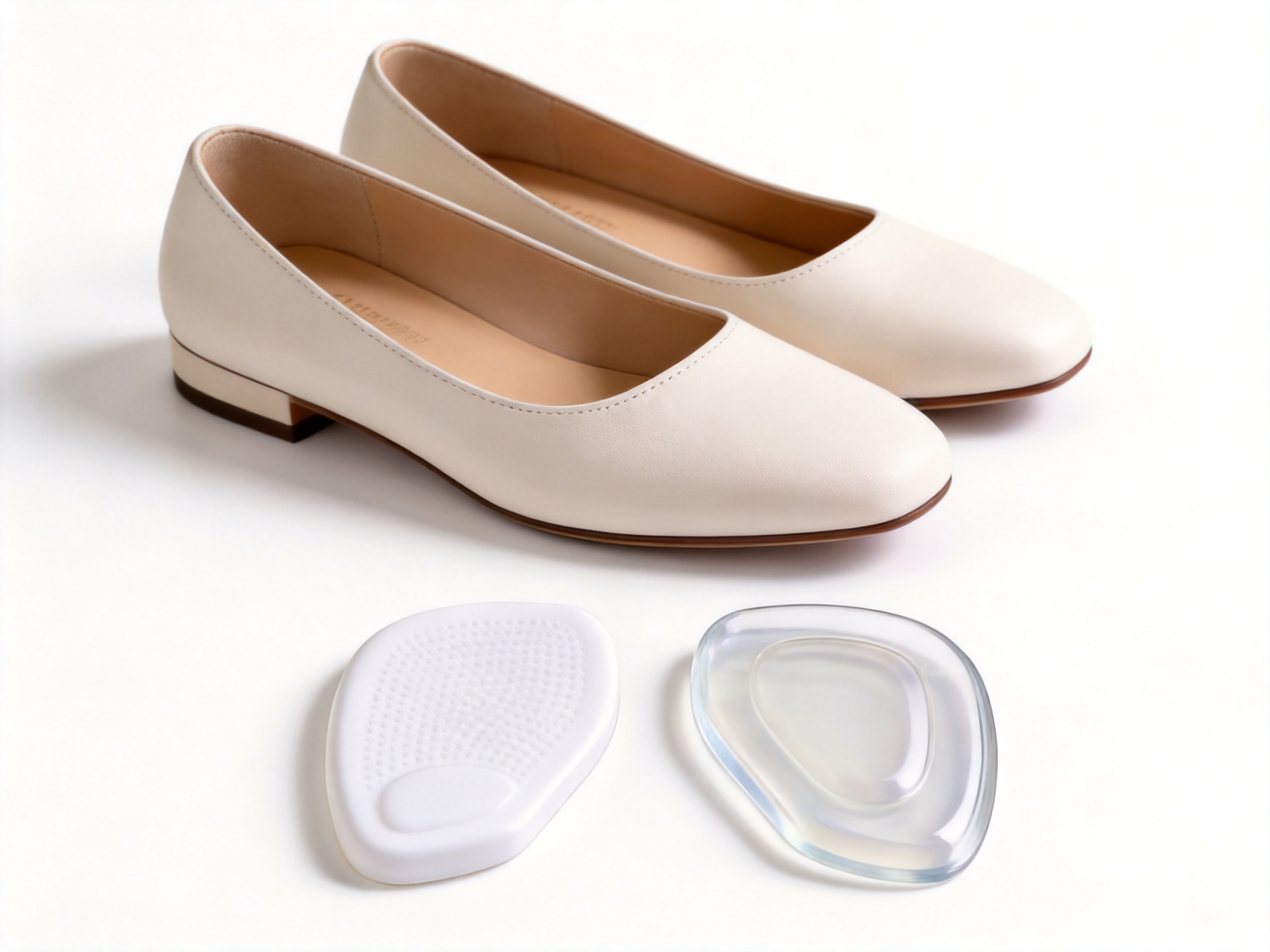
Correct placement is essential for comfort and stability. The user should first make sure the inside of the shoe is clean and dry. The cushion should then be placed beneath the forefoot in a position that feels supportive without creating excessive pressure. The shoe should not be so tight that it compresses the foot after the cushion is inserted.
Users should walk for a short period initially to evaluate comfort. If the cushion causes rubbing, pinching, numbness, or unusual discomfort, it should be removed and repositioned. Different shoes may require slightly different placement because the shape and internal construction of footwear vary.
Cleaning Guidance
Because the product is washable and reusable, cleaning should form part of routine care. A gentle washing method is generally preferable. The cushion should be cleaned with suitable mild soap or detergent, rinsed thoroughly, and allowed to dry completely before being returned to the shoe.
Users should avoid excessive heat, harsh chemicals, abrasive scrubbing, and prolonged exposure to direct sunlight unless the product instructions specifically permit these methods. The precise cleaning guidance should be confirmed for the selected TPR or PU foam formulation.
Inspection Before Reuse
Before each reuse, the cushion should be checked for tears, permanent deformation, surface damage, unusual odor, or loss of stability. A damaged product should be replaced. Retailers can include care and inspection instructions in the packaging to encourage safe and satisfactory use.
Manufacturing Process and Quality Considerations
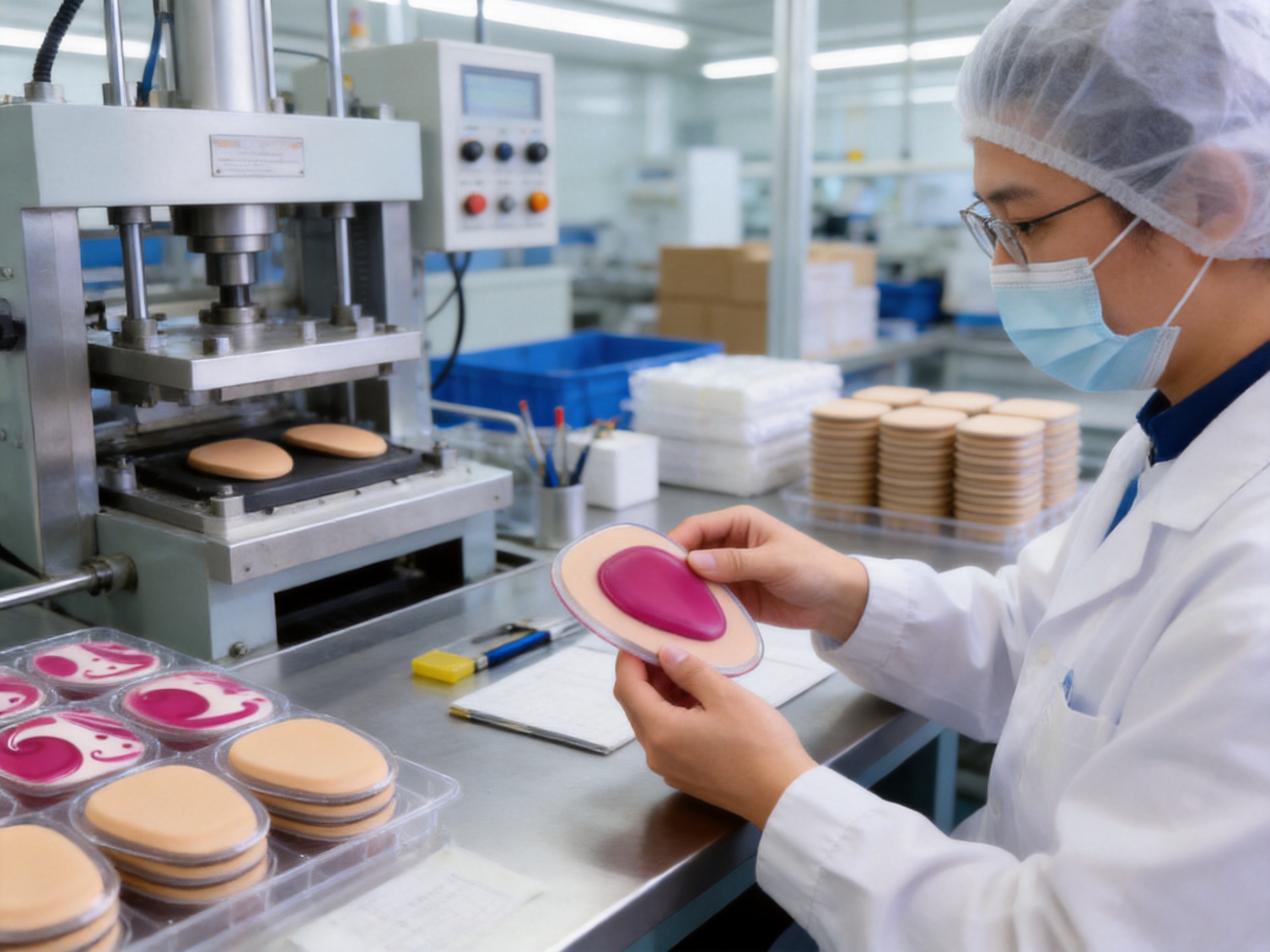
The performance of a forefoot cushion depends not only on the selected material but also on production control. Consistent dimensions, smooth edges, stable material properties, and clean finishing are important for a product that sits directly against the foot.
Raw Material Selection
Production begins with the selection and verification of TPR or PU foam materials. Material choice may be based on softness, resilience, density, color, surface feel, and compatibility with the intended production process. Incoming materials should be checked against the agreed specification before use.
For OEM and private-label orders, the buyer and manufacturer can define the required material, color, hardness, thickness, packaging format, and product appearance. Clear specifications help reduce variation and support repeat production across different purchase orders.
Molding and Forming
TPR components may be produced through controlled thermoplastic forming or molding processes. The material is heated, shaped in a mold, cooled, and removed for finishing. Proper temperature, pressure, and cycle-time management help support consistent dimensions and surface quality.
PU foam products are formed using a controlled foaming and molding process. The formulation, mold design, curing conditions, and density control influence the final softness and resilience. Production personnel must manage these variables carefully to achieve a uniform product.
Edge Finishing
Edges that contact the foot should be smooth and free from sharp projections. After molding or forming, the product may undergo trimming, deflashing, surface inspection, and other finishing steps. Good edge finishing improves comfort and gives the item a more professional appearance in retail packaging.
Dimensional Inspection
Finished cushions should be checked for length, width, thickness, shape, and overall consistency. Dimensional control is important because excessive variation may affect how the product fits inside a shoe. Inspection procedures can be adapted to the customer’s approved sample and product specification.
Surface and Appearance Inspection
Visual inspection can identify cracks, bubbles, deformation, discoloration, contamination, uneven surfaces, or other defects. For transparent or light-colored products, appearance control is particularly important because imperfections may be more visible.
Functional Evaluation
Depending on the agreed quality plan, functional checks may include flexibility, recovery after compression, surface grip, washability, and resistance to ordinary handling. These evaluations help confirm that the product continues to meet the intended performance requirements throughout production.
Packaging Inspection
Packaging should protect the cushion from dust, deformation, moisture, and damage during storage and transportation. Product labels should accurately identify the material, intended use, care instructions, quantity, color, and any required warnings. For private-label orders, packaging artwork and labeling can be reviewed and approved before mass production.
Manufacturing Strengths of an Experienced Medical Product Supplier
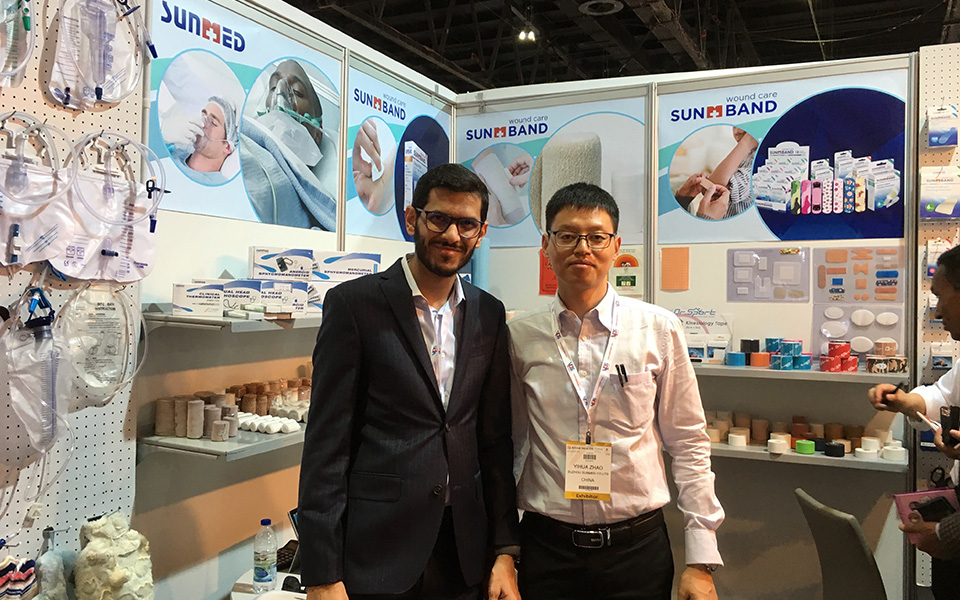
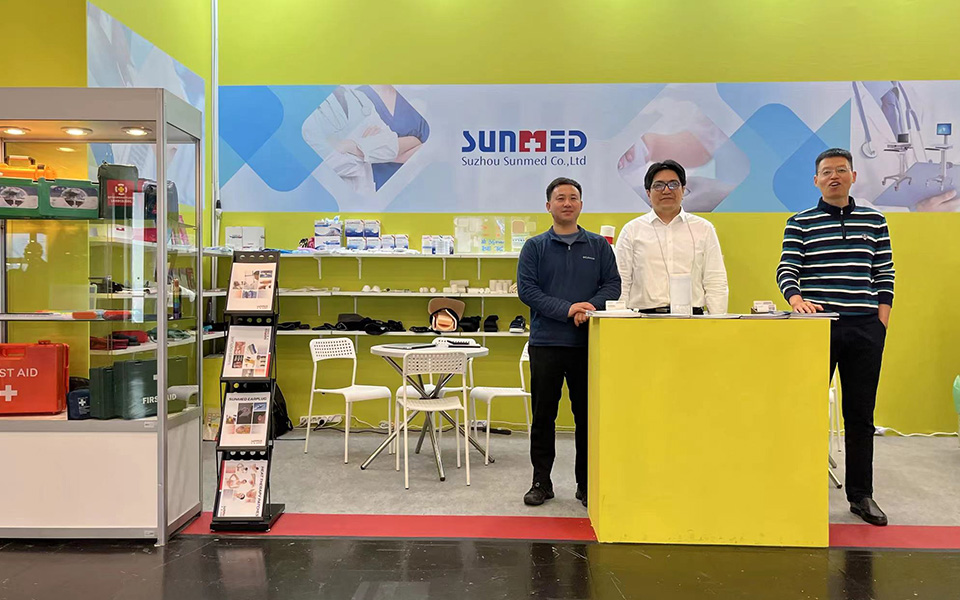
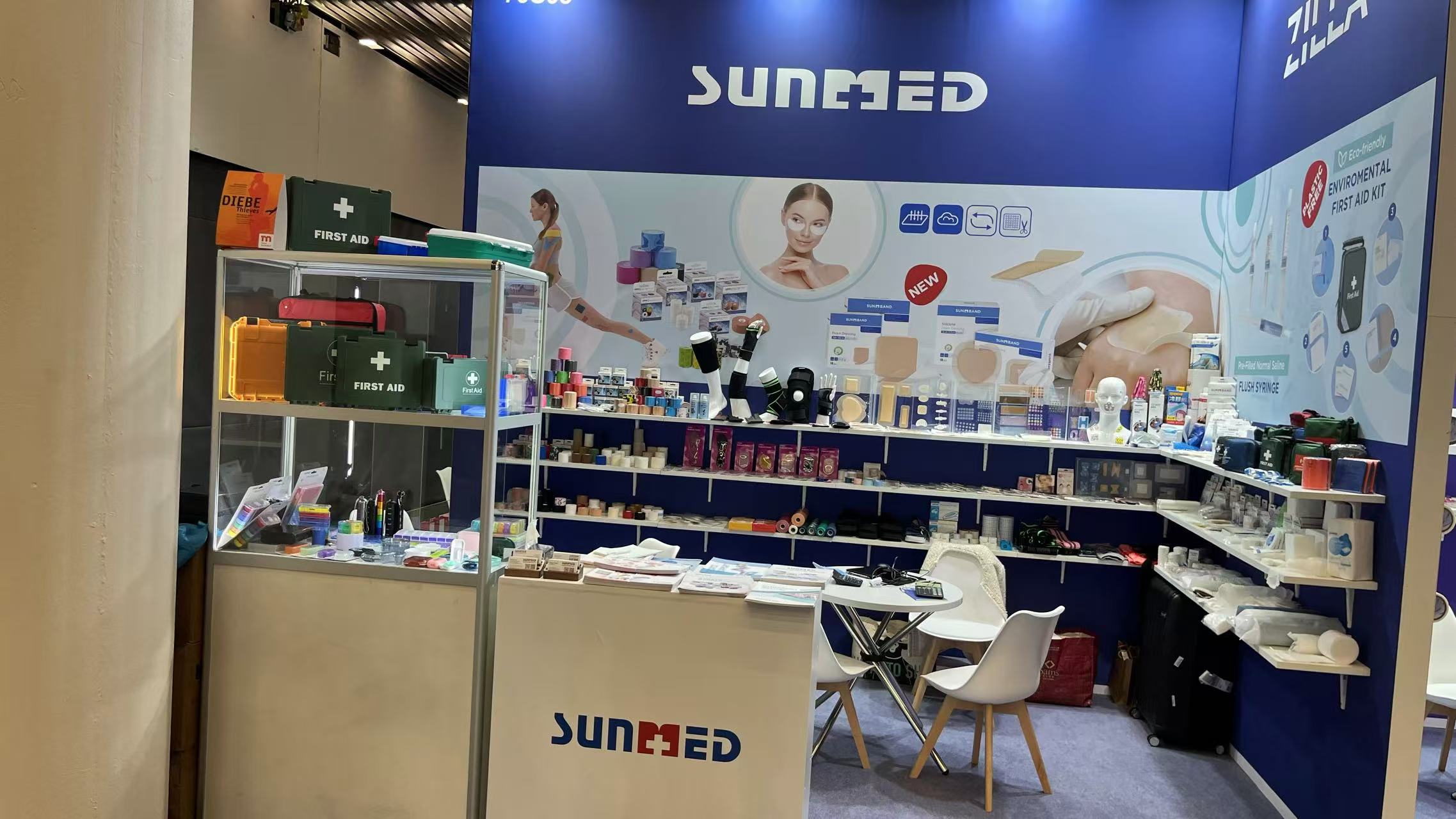
The Lady Forefoot Cushion is supported by the manufacturing and export experience of Suzhou Sunmed Co., Ltd., a professional producer and exporter of first-aid, medical, and healthcare products. The company has approximately 30 years of experience in the medical device and medical consumables industry and operates multiple production bases in Jiangsu, Zhejiang, and Anhui Province.
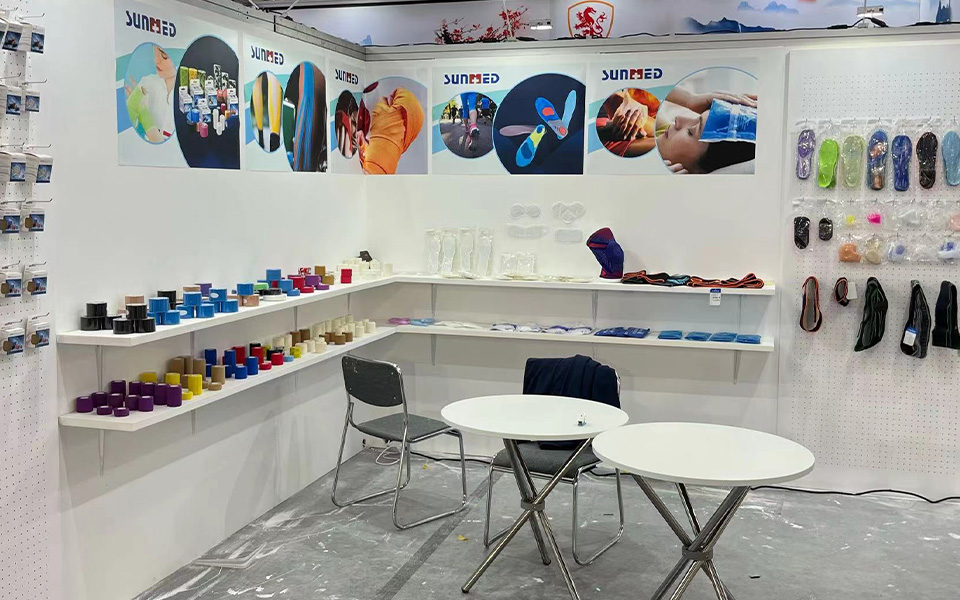
This broader product background is valuable because foot-care products are part of a larger healthcare supply chain. A supplier familiar with medical gauze, bandages, tapes, cotton products, sports supports, family healthcare items, surgical consumables, and other healthcare products understands the importance of material control, production consistency, packaging accuracy, and customer communication.
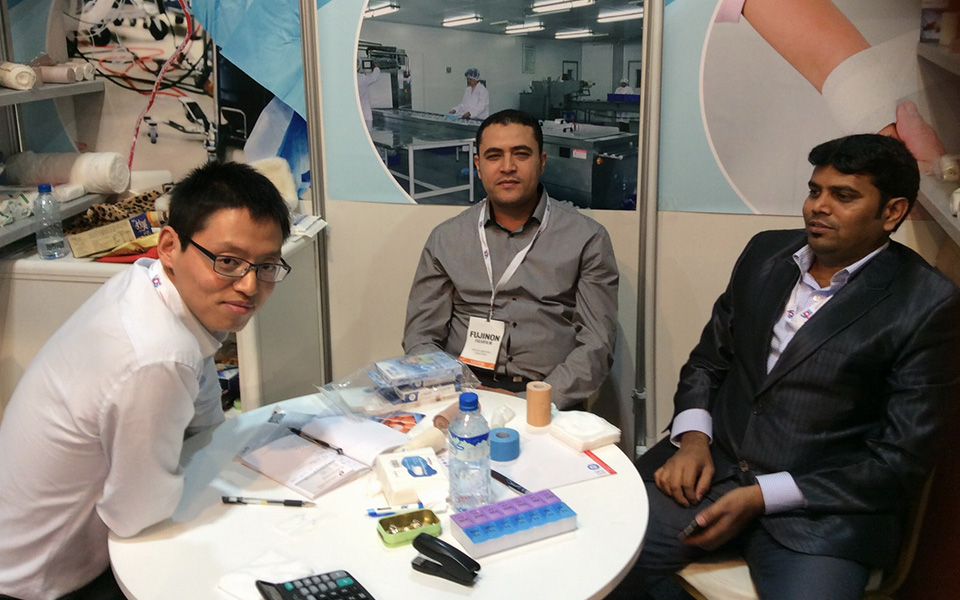
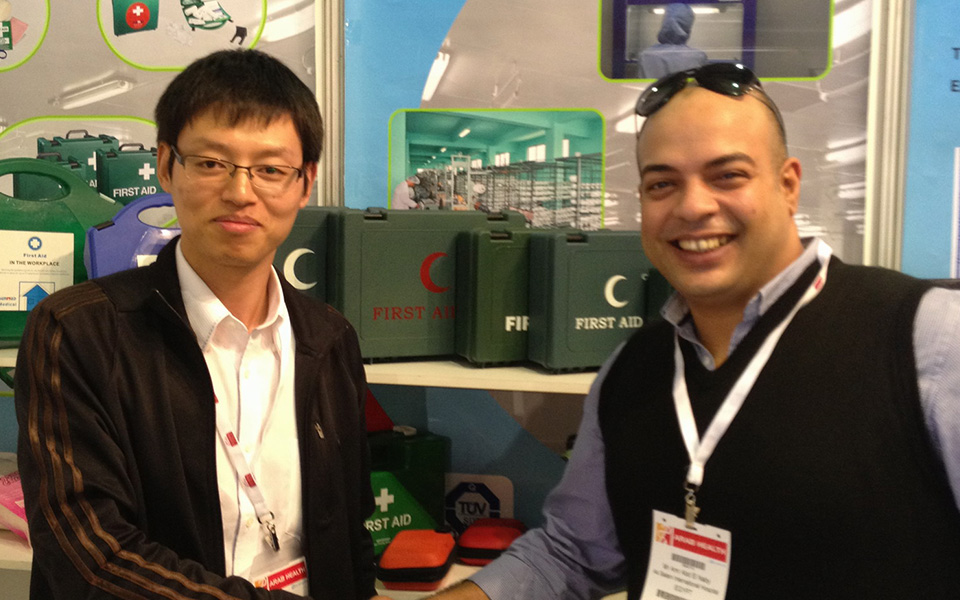
The company has exported products to more than 60 countries, serving markets in Europe, Southeast Asia, Africa, and Oceania. Its customer base includes hospitals, first-aid suppliers, supermarkets, retail sports shops, and other professional buyers. International experience can help a manufacturer understand the importance of export documentation, packaging standards, product presentation, and communication across different markets.
Dedicated Quality Control Resources
According to the supplied company information, Sunmed has a professional quality-control team comprising hundreds of personnel. A substantial quality organization can support inspection procedures at different stages, including incoming materials, production operations, finished goods, packaging, and shipment preparation.
Quality management is especially relevant for a foot-care product because the item is worn directly against the body. Buyers expect consistent softness, clean finishing, stable dimensions, and reliable packaging from one production batch to the next. Structured inspection processes help reduce preventable variation and support long-term supply relationships.
ISO 13485:2016-Oriented Quality Management
The company states that its quality-control procedures rigorously follow inspection practices associated with ISO 13485:2016 requirements. ISO 13485 is a quality-management standard specifically associated with medical devices and related regulatory expectations. A quality system based on controlled procedures, documentation, traceability, corrective action, and continual process oversight can strengthen confidence in the manufacturing process.
Product-specific compliance depends on the final classification, market, claims, materials, labeling, and applicable regulations. Buyers should confirm the required regulatory documentation and certifications for their destination market before commercial launch.
CE and FDA-Related Market Experience
The supplied company information states that most of its products are CE certified and that its Suzhou factories comply with FDA requirements. These statements should be evaluated in relation to the specific product and destination market because certifications and registrations may apply to individual products, production sites, or defined product categories rather than automatically covering every item.
Nevertheless, experience with European and United States market requirements can be useful when a buyer is developing a product for international distribution. A manufacturer familiar with technical documentation, labeling controls, inspection records, and customer audits can help make the development process more organized.
OEM and Private-Label Opportunities
The Lady Forefoot Cushion is suitable for OEM and private-label development. Buyers may discuss material selection, color, packaging, labeling, product presentation, and order quantities with the manufacturer. The free-size design and limited material options can simplify the development process while still allowing meaningful brand differentiation.
Possible customization areas include:
TPR or PU foam material selection
White, transparent, or customer-requested colors
Retail card, box, pouch, or polybag packaging
Custom logo and brand artwork
Multilingual instructions and warning labels
Retail pack quantity
Barcode and product coding
Customized outer carton markings
Product bundles with other foot-care accessories
A successful OEM program begins with a clear product brief. The buyer should define the target consumer, intended footwear, preferred material, expected softness, color, packaging style, sales channel, and destination market. Samples should be reviewed for comfort, appearance, fit, and packaging performance before mass production.
Why the Product Is Suitable for Retail and Wholesale Distribution
Foot-care products often perform well in channels where consumers seek simple, affordable solutions for everyday discomfort. The Lady Forefoot Cushion has several characteristics that support retail distribution: a clear function, compact size, broad adult suitability, reusable construction, and relatively simple product education.
For pharmacies and healthcare retailers, the cushion can be positioned within a general foot-comfort section. For footwear shops, it can be displayed as an accessory that improves the comfort of casual shoes. For supermarkets and online stores, the washable and reusable features provide clear purchasing benefits that can be communicated through packaging and product descriptions.
Wholesale buyers may also benefit from the product’s compact shipping profile. Compared with bulky footwear products, a cushion can be stored and transported efficiently. The free-size format reduces the need to maintain multiple size inventories, and color options allow the same product concept to be adapted for different markets.
Packaging and Merchandising Recommendations
Product packaging should communicate the essential benefits without making unsupported medical claims. Suitable messages may include forefoot comfort, pressure relief, shock absorption, anti-slip support, washable design, reusable use, material type, and recommended footwear.
Clear product photography, simple placement instructions, and care guidance can reduce customer confusion. Packaging should also state that the cushion is intended for adults and should be used in appropriately fitting shoes. If the product is sold in a regulated market, all mandatory labeling and language requirements should be followed.
Comparison of Product Features and Buyer Value
| Feature | Consumer Benefit | Buyer or Retailer Value |
|---|
| TPR or PU foam options | Choice between resilient structure and soft cushioning | Supports different market positions and customer preferences |
| Free-size design | Simple selection for adult users | Reduces inventory complexity |
| Pressure-reducing construction | Improves comfort beneath the forefoot | Provides a clear and understandable product purpose |
| Shock absorption | Helps soften impact during walking and standing | Enhances appeal for active and workplace users |
| Anti-slip performance | Helps the cushion remain in position | Supports a more reliable user experience |
| Washable structure | Allows routine cleaning | Strengthens the product’s hygiene and care message |
| Reusable design | Provides repeated use and better value | Creates differentiation from disposable alternatives |
| Color customization | Offers discreet or personalized appearance | Supports OEM and private-label programs |
| International manufacturing experience | Supports consistent product supply | Helps professional buyers manage export programs |
Product Development and Continuous Improvement
Foot-care products can be improved through feedback from users, retailers, and distributors. Important feedback may relate to the cushion’s softness, thickness, grip, odor, washing performance, durability, packaging, and suitability for different shoe types.
Manufacturers can use this information to review material formulations, adjust tooling, improve surface texture, refine packaging, and update instructions. A controlled improvement process helps preserve the core product identity while responding to changing market expectations.
For example, some customers may prefer a transparent version for discreet use, while others may want a colored version for retail visibility. Some buyers may prioritize a softer foam feel, while others may prefer the resilience and grip of TPR. Offering controlled material and color choices allows the product to address these preferences without requiring a completely new product platform.
Storage and Distribution Considerations
Forefoot cushions should be stored in a clean, dry environment away from excessive heat, moisture, direct sunlight, and chemicals that may affect the material. Products should remain in their original packaging until distribution whenever possible. Cartons should be handled carefully to prevent compression, deformation, or contamination.
During transportation, buyers should consider carton configuration, inner packaging, product orientation, and protection from extreme environmental conditions. A properly planned logistics process helps preserve the product’s appearance and shape from the factory to the final customer.
Stock rotation is also recommended. Although reusable cushions are designed for repeated use, inventory should still be managed according to the manufacturer’s recommended storage period and applicable regulations. Buyers should confirm shelf-life information, packaging requirements, and transport conditions during the order process.
Safety and Responsible Product Communication
Responsible communication is essential for any product used on the body. Marketing materials should describe the Lady Forefoot Cushion as a comfort and foot-care accessory unless the product has been specifically assessed and registered for a more defined medical purpose.
Users should be advised to stop use if they experience skin irritation, unusual pain, numbness, or worsening symptoms. The cushion should not be used on open wounds or damaged skin unless a healthcare professional has provided appropriate advice. People with diabetes, circulation problems, reduced sensation, or diagnosed foot conditions should consult a healthcare professional before using any new foot-care accessory.
These precautions do not reduce the product’s value. Instead, they help consumers use it appropriately and support transparent, responsible marketing. Clear instructions can improve satisfaction, reduce misuse, and strengthen trust between manufacturers, distributors, retailers, and end users.
Frequently Asked Questions
It is used to provide additional comfort beneath the forefoot in suitable casual shoes. Its design aims to help reduce pressure and discomfort while offering shock absorption and anti-slip support.
What materials are available?
The product can be manufactured with TPR or PU foam. The preferred material can be selected according to the desired softness, resilience, grip, appearance, and market positioning.
Is the product suitable for men and women?
Yes. The product information identifies it as suitable for adults and unisex. Although the product name refers to a lady forefoot cushion, the intended use can include any adult user for whom the product fits comfortably in suitable footwear.
Can the cushion be used in every type of shoe?
It is listed as suitable for casual shoes. Users should ensure that the shoe has enough internal space and that the cushion does not make the footwear too tight. Performance may vary in athletic, formal, narrow, or specially structured shoes.
Is the cushion a medical treatment?
No. It is a foot-care and comfort accessory. It should not be promoted as a treatment for a diagnosed condition unless the product has received the appropriate regulatory authorization for that claim.
Can the cushion be washed?
Yes. The product is designed to be washable and reusable. Users should follow the care instructions supplied for the specific TPR or PU foam version, use gentle cleaning methods, and allow the cushion to dry completely before reuse.
Does the product come in different colors?
White and transparent versions are available, and other colors may be requested. Color availability should be confirmed for the specific order, material, and quantity.
What does free size mean?
Free size means that the product is designed for broad adult use without multiple standard size options. It does not mean that every cushion will fit every shoe. The user should confirm that the cushion sits comfortably and securely inside the selected footwear.
Can the product be customized for a brand?
Yes. OEM and private-label possibilities may include color, packaging, logo, labeling, instructions, product codes, and carton markings. The final customization range depends on order requirements and production feasibility.
How should buyers evaluate a sample?
Buyers should examine material quality, softness, shape, edge finishing, dimensions, grip, washability, packaging, odor, and comfort in representative shoes. It is also advisable to review labeling and regulatory requirements for the intended destination market.
What type of company manufactures the product?
The product is supplied by Suzhou Sunmed Co., Ltd., a manufacturer and exporter of first-aid, medical, and healthcare products with multiple production bases and extensive international market experience.
Can the manufacturer support larger product programs?
The company’s broad product portfolio, multiple production bases, quality-control resources, and export experience support professional purchasing programs. Buyers should discuss capacity, lead time, minimum order quantity, packaging, and inspection requirements directly during project planning.
Conclusion
The Lady Forefoot Cushion is a practical and adaptable solution for adults seeking additional comfort in casual shoes. Its TPR or PU foam construction, pressure-reducing design, shock absorption, anti-slip performance, washable structure, and reusable format give it several advantages over less versatile or disposable alternatives.
The product’s free-size format simplifies selection and inventory management, while white, transparent, and customized color options support discreet use and private-label development. Its focused forefoot design provides localized cushioning without requiring the user to replace the entire shoe insole.
For professional buyers, the product is strengthened by the manufacturing capabilities and healthcare industry experience of Suzhou Sunmed Co., Ltd. The company’s international export background, multiple production bases, quality-control resources, ISO 13485:2016-oriented procedures, and experience with CE and FDA-related market expectations provide a solid foundation for OEM, wholesale, and retail supply programs.
With accurate product positioning, clear care instructions, appropriate quality controls, and responsible consumer communication, the Lady Forefoot Cushion can serve as a valuable addition to foot-care, personal-care, footwear accessory, and general healthcare product collections.
References
International Organization for Standardization. ISO 13485:2016, Medical Devices: Quality Management Systems—Requirements for Regulatory Purposes.
International Organization for Standardization. ISO 14971, Medical Devices: Application of Risk Management to Medical Devices.
National Institute of Arthritis and Musculoskeletal and Skin Diseases. General educational materials concerning foot structure, foot comfort, and common sources of foot discomfort.
U.S. Food and Drug Administration. General guidance concerning medical device quality systems, labeling, and product-specific regulatory evaluation.
European Commission. General principles relating to product safety, conformity assessment, and applicable medical-device requirements.
Supplier product specification. Lady Forefoot Cushion: material, size, color, use, and care characteristics.
Supplier company profile. Suzhou Sunmed Co., Ltd.: manufacturing facilities, quality-control capabilities, product portfolio, and international export experience.

 English
 Español
 русский
 Français
 Deutsch
 italiano
 By Admin