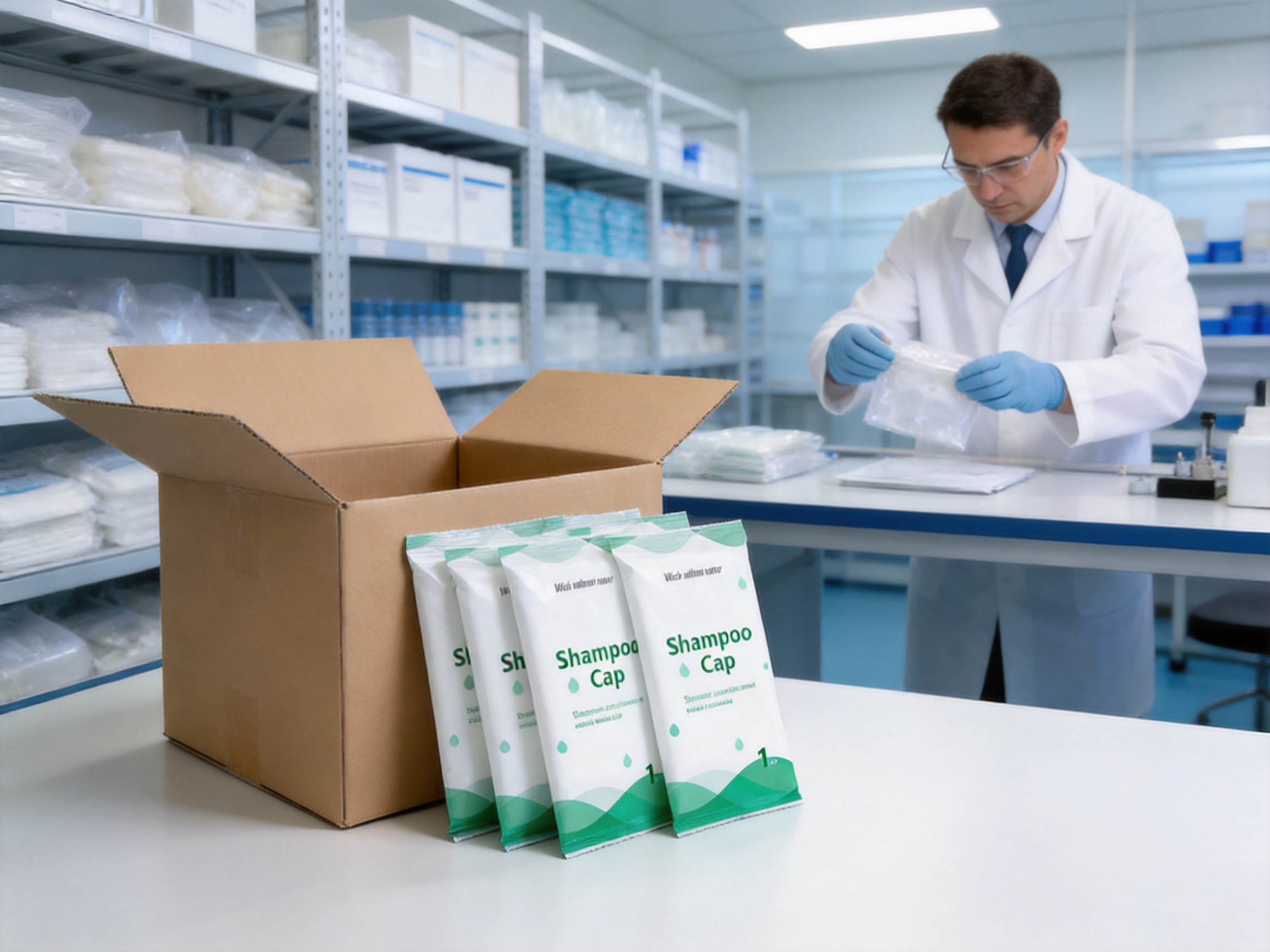
Maintaining clean, comfortable hair is an important part of personal hygiene, dignity, and daily well-being. However, conventional hair washing can be difficult or impossible for people who are bedridden, disabled, elderly, recovering from surgery, receiving care in a hospital, or traveling without access to a bathroom. Traditional shampooing usually requires water, a sink or shower, several towels, physical assistance, and enough mobility to sit or stand safely. For many users and caregivers, these requirements create unnecessary discomfort, mess, time, and risk.
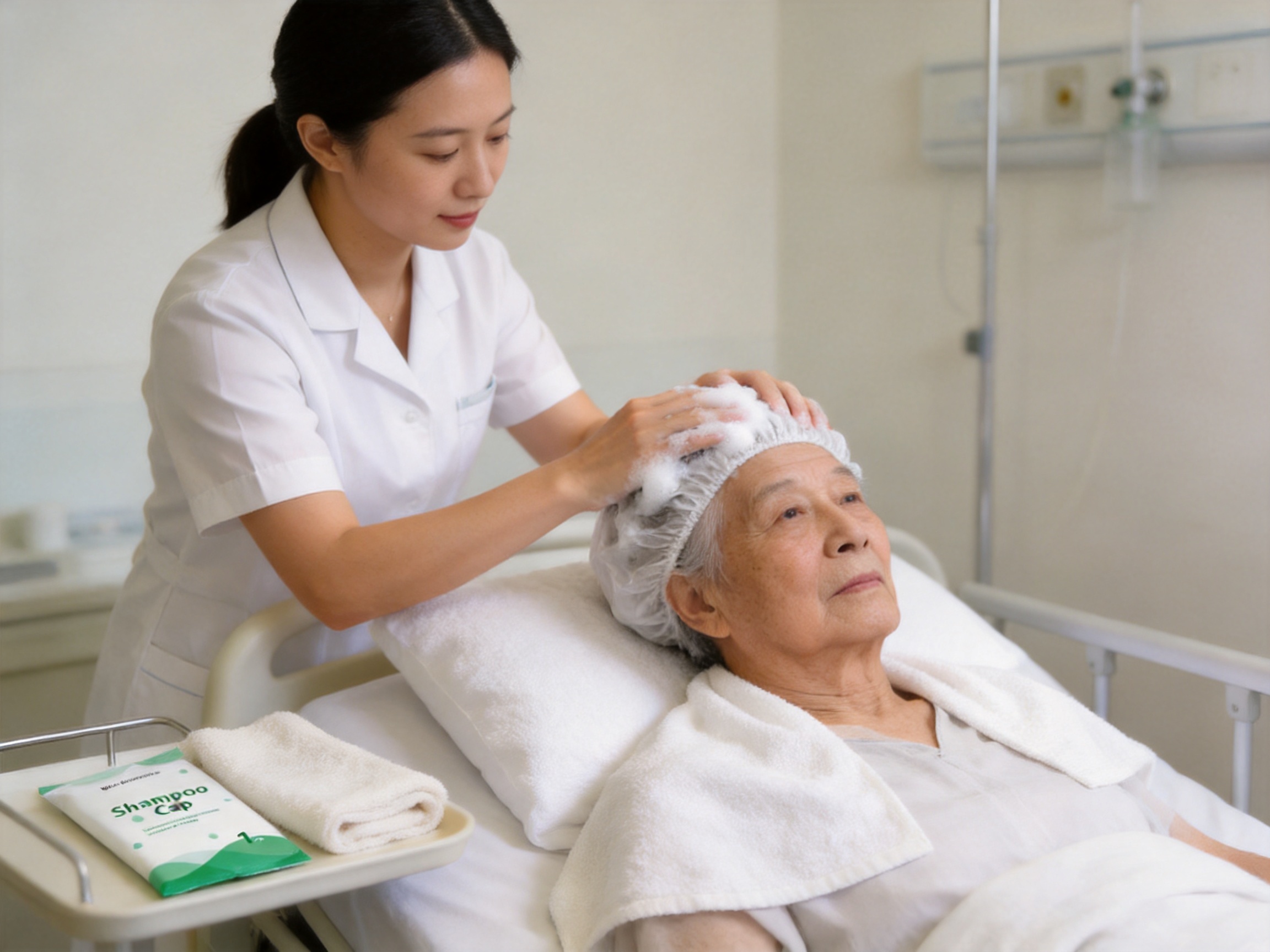
The microwaveable latex-free alcohol-free no-rinse shampoo cap offers a practical alternative. Designed to clean and condition hair without water or rinsing, the single-use cap contains shampooing and conditioning lotion that is released during massage. Once placed on the head, the cap allows the user or caregiver to massage the hair and scalp through the material. After approximately 15 to 20 seconds of massaging, the cap is removed and the hair is thoroughly towel dried.
This type of cleansing solution is suitable for hospitals, nursing homes, home care, emergency response, rehabilitation facilities, travel, camping, hiking, sports facilities, and everyday personal care. Its one-piece format simplifies the washing process while reducing the need for multiple products and accessories. The cap can also be warmed in a microwave package to provide a more comfortable experience when a warm cleansing sensation is preferred.
With model DC662101, Suzhou Sunmed Co., Ltd. supplies a medical and personal-care product designed around practical use, caregiver efficiency, and flexible hygiene management. The product forms part of a broader portfolio of first aid, medical consumables, wound care products, personal-care supplies, sports support products, and healthcare accessories.
What Is a No-Rinse Shampoo Cap?
A no-rinse shampoo cap is a pre-moistened hair-cleaning cap that allows hair to be shampooed without conventional water washing. The cap is placed over the user’s hair, and its internal cleansing solution is distributed through gentle massage. The massage action helps loosen oil, perspiration, surface dirt, and everyday residue from the hair and scalp. After use, the hair is towel dried, eliminating the need for a sink, shower, basin, or rinsing procedure.
The product described here uses a one-piece cap design. This means that the shampooing and conditioning material is integrated into the cap rather than requiring a separate bottle, bowl, washcloth, or applicator. The integrated format helps keep the process organized and may reduce the number of steps required by a caregiver.
The cap is especially useful when traditional shampooing is inconvenient or unavailable. A patient who cannot safely transfer to a bathroom may receive hair care in bed. A caregiver can complete the basic cleaning process while minimizing movement and exposure to water. A traveler, camper, hiker, or athlete can maintain hair hygiene even when shower facilities are limited.
Because the product is latex free and alcohol free, it is designed for users and environments where avoiding these ingredients is important. Nevertheless, caregivers should always review the product packaging and available ingredient information, follow institutional hygiene procedures, and consider individual sensitivities before use.
Why Waterless Hair Care Matters
Hair washing is often treated as a simple household task, but it can become a demanding care activity when mobility, balance, strength, cognition, or medical condition is affected. A person recovering from an operation may not be permitted to stand or bend. An elderly person may have a heightened risk of falling in the bathroom. A bedridden patient may need complete assistance with positioning and personal cleansing. Someone with a disability may require an alternative to a standard shower routine.
In each of these situations, a no-rinse shampoo cap can help transform hair care into a more manageable procedure. It does not require the user to enter a shower, lean over a basin, or tolerate water running across the face and neck. The caregiver can work at the bedside or in another suitable location. Fewer transfers may also make the experience less physically demanding for both the user and the caregiver.
Waterless hair care can also support infection-control routines and facility efficiency when used according to local procedures. It reduces splashing and helps prevent the wet surfaces that commonly accompany conventional washing. It may be particularly valuable in settings where water access is restricted, temporary, or inconvenient.
For outdoor and travel use, the benefit is equally clear. Camping sites, hiking routes, emergency shelters, sports tournaments, and long journeys may not provide convenient shower access. A compact pre-moistened cap can be stored with personal-care supplies and used when a full wash is not practical.
Main Product Features
Waterless and No-Rinse Operation
The central advantage of the shampoo cap is its no-rinse format. Users do not need to prepare a basin of water or rinse shampoo from the hair. The process consists of placing the cap, massaging the hair through the cap, removing it, and towel drying. This simplified routine is useful when water is unavailable or when a conventional washing process would create discomfort and unnecessary work.
Shampoo and Conditioning in One Step
The cap is intended to shampoo and condition hair during the same application. Combining these functions can reduce the number of products required during care. It also helps make the routine more consistent, since the cleansing and conditioning solution is supplied in a ready-to-use format.
One-Piece Design
The one-piece construction transfers the massaging action directly to the hair and scalp. Instead of using a separate shampoo bottle, washcloth, and container, the caregiver works through the cap itself. This can make the process easier to organize, particularly in a hospital room, bedside environment, or mobile care setting.
Microwaveable Warm-Use Option
The product package is designed to be microwaveable, allowing the cap to be warmed before application when a warm shampoo experience is preferred. Warmth can make personal care feel more comfortable, especially for elderly users or patients who may be sensitive to cold products. Any heating process must be performed according to the package instructions, including any stated time, power, and handling precautions.
Latex-Free and Alcohol-Free Composition
The cap is described as latex free and alcohol free. Avoiding latex is important for facilities and users that maintain latex-reduction policies or need to limit exposure to latex-containing materials. An alcohol-free formulation may also be preferred for a more gentle personal-care experience. Users with known allergies or skin conditions should still review product information and consult appropriate healthcare professionals when necessary.
Single-Pack Convenience
Each pack contains one shampoo cap, and the standard packing information specifies 1 piece per pack and 24 packs per carton. Individual packaging supports convenient distribution, storage, and inventory control. Facilities can issue one unit per treatment or care episode, while travelers can pack individual units without carrying an oversized bottle or separate accessories.
How to Use the Shampoo Cap
Correct use is simple, but a calm and organized procedure helps improve comfort and results. The caregiver should first explain the process to the user, especially if the user is elderly, anxious, confused, or unfamiliar with no-rinse hair care. Privacy should be maintained, and the user should be positioned safely before the cap is opened.
Step One: Prepare the User and Work Area
Place the user in a comfortable position that provides access to the entire head. A bed, reclining chair, wheelchair, or other suitable surface may be used, provided the user is supported securely. Protect clothing, bedding, and nearby surfaces with a towel if necessary. Have one or more dry towels ready before beginning.
Inspect the package and cap before use. Do not use a product if the package is damaged, opened, leaking, or otherwise unsuitable. Confirm any facility requirements related to personal-care products, single-use items, and disposal.
Step Two: Warm the Cap if Desired
The cap may be used at room temperature or warmed if the product instructions permit. When warming is preferred, follow the package directions precisely. Do not assume that all microwave ovens operate at the same power level, and do not exceed the recommended heating conditions. Carefully check the temperature before placing the cap on the user’s head.
The cap should feel comfortably warm rather than hot. Caregivers should pay particular attention when assisting people with reduced sensation, fragile skin, neurological conditions, or limited ability to communicate discomfort.
Step Three: Place the Cap Over the Hair
Open the package and place the cap over the user’s hair. Ensure that the hair is enclosed as fully as practical. The cap should be positioned comfortably without pulling, pinching, or creating excessive pressure around the forehead, ears, or neck.
Long or thick hair may need to be arranged inside the cap as much as possible. The goal is to allow the cleansing solution and massage action to reach the hair and scalp evenly.
Step Four: Massage Through the Cap
Massage the hair through the cap for approximately 15 to 20 seconds, or as directed by the product instructions, until the hair is fully saturated. Use gentle, thorough movements across the scalp and hair. The massage should be firm enough to distribute the solution but gentle enough to avoid discomfort or irritation.
The one-piece construction allows the caregiver to massage the head without directly handling wet shampoo. This may make the procedure more comfortable for both parties and can reduce the need for additional cleaning tools.
Step Five: Remove the Cap and Towel Dry
Remove the cap carefully and dispose of it according to the applicable facility or local waste procedures. Thoroughly towel dry the hair. The amount of drying required will depend on hair length, thickness, and the quantity of cleansing solution used.
After drying, check the user’s comfort and inspect the hair and scalp if appropriate. If the user reports burning, itching, pain, or another unexpected reaction, stop use and follow the relevant care or medical protocol.
Advantages Compared with Conventional Shampooing
| Consideration | Conventional Shampooing | No-Rinse Shampoo Cap |
|---|
| Water requirement | Usually requires a sink, shower, or basin | No water is required during application |
| Rinsing | Requires thorough rinsing | Designed for no-rinse use |
| Positioning | May require standing, bending, or transfer | Can be used at the bedside or in a seated position |
| Accessories | Often requires shampoo, conditioner, towels, and a container | Combines cleansing and conditioning in one ready-to-use cap |
| Mess control | Water and shampoo may splash or spill | Integrated cap helps contain the cleansing process |
| Caregiver workload | May involve lifting, repositioning, rinsing, and cleanup | Uses a short massage-and-dry procedure |
| Mobility requirements | May be difficult for bedridden or disabled users | Designed for users who need assisted or alternative hair care |
| Portability | Less convenient for travel and outdoor use | Individually packed for mobile personal care |
The table illustrates why a waterless cap can be a valuable complement to conventional bathing. It is not intended to replace every full wash. Instead, it provides a practical option when a complete shower or basin wash is unsuitable, unavailable, or unnecessarily demanding.
Compared with ordinary shampoo bottles, the cap also offers a more controlled dispensing format. The user does not need to estimate how much shampoo to pour, and the caregiver does not need to carry multiple containers. The product is prepared in advance, which can support faster care routines in busy environments.
Benefits for Elderly, Bedridden, and Disabled Users
Personal hygiene has physical and emotional dimensions. Clean hair can contribute to a sense of comfort, normality, and dignity. When a person cannot shower independently, maintaining a familiar grooming routine may help preserve confidence and quality of life.
For elderly users, bathroom transfers can be challenging. Wet floors, awkward bending, and reduced balance may increase the difficulty of conventional shampooing. A bedside cap helps move the cleaning activity away from the shower environment. The user can remain seated or lying down while the caregiver performs the process.
For bedridden users, minimizing unnecessary repositioning is often important. A no-rinse cap can be applied without moving the person to a bathroom or requiring the head to be placed over a basin. Caregivers can adapt the procedure to the user’s posture and condition while maintaining a respectful approach.
For disabled users, the cap may offer greater independence or make assisted care easier. Some users may be able to massage their own hair through the cap, while others may require help. In either case, the product supports a flexible approach that can be adapted to different levels of mobility and dexterity.
The cap can also be useful during recovery from injury or surgery. If a user has restricted movement, dressings, medical equipment, or temporary limitations, a conventional shower may be inconvenient. A waterless alternative provides a way to address hair care without placing additional demands on the body.
Applications in Healthcare and Care Facilities
Hospitals, nursing homes, rehabilitation centers, assisted-living facilities, and home-care services all manage users with varying levels of mobility and hygiene needs. A pre-moistened shampoo cap can be stored as part of a personal-care or bedside-care inventory.
In hospitals, the product may be considered for patients who cannot shower because of weakness, medical treatment, or mobility restrictions. It can also be useful when a ward needs a fast, low-mess hair-care method between full bathing sessions. Staff members should use the product according to hospital policy and any applicable patient-specific instructions.
In nursing homes and assisted-living environments, regular grooming is an important element of resident care. The cap may help caregivers provide hair cleaning to residents who are unable to access bathing facilities independently. Its individual packaging can simplify allocation and stock management across rooms or care units.
In rehabilitation facilities, patients may have changing mobility levels. A person may be able to transfer to a shower on one day but need bedside care on another. A flexible product allows staff to select a suitable method based on the user’s current condition.
For home-care providers, portability and ease of use are important. Caregivers may work in different homes with different bathroom layouts and equipment. The cap can be carried with other personal-care supplies and used without depending on the availability of a suitable sink or shower.
Applications Beyond Clinical Care
Travel
Long-distance travel can make regular hair washing difficult. A no-rinse cap takes up less space than a full set of hair-care products and can be used in a hotel room, vehicle, rest area, or other suitable location. It may be especially helpful during flights, road trips, train journeys, or temporary accommodation stays.
Camping and Hiking
Outdoor activities often involve limited water access. Campers and hikers may not have convenient showers, and using untreated natural water for hair washing may be inappropriate. A sealed, ready-to-use cap provides an alternative for short trips, emergency situations, or days when bathing facilities are unavailable.
Sports and Fitness
Athletes may need a quick hair-cleaning option after training, competition, or outdoor activity. The cap can be kept in a gym bag, event medical kit, or team-care supply. It may be useful when showers are crowded, unavailable, or unsuitable for a particular user.
Emergency and Disaster Relief
Natural disasters, power interruptions, infrastructure damage, and temporary shelters can disrupt access to water and sanitation facilities. Personal hygiene products that require little or no water may support comfort and dignity during emergency response. Relief organizations can consider individual packs for hygiene kits, provided the product is incorporated into their broader care and waste-management procedures.
Product Quality and Manufacturing Strengths
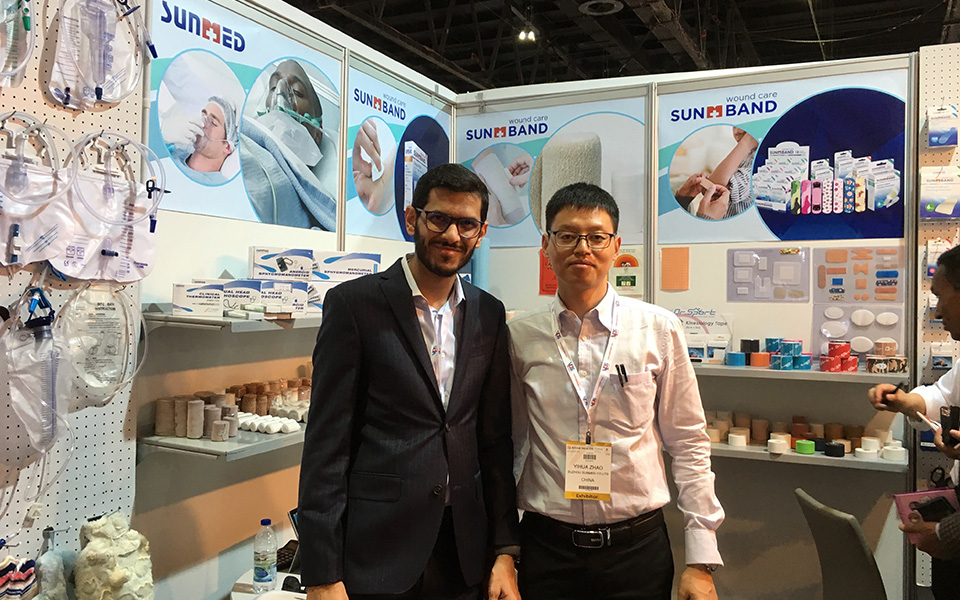
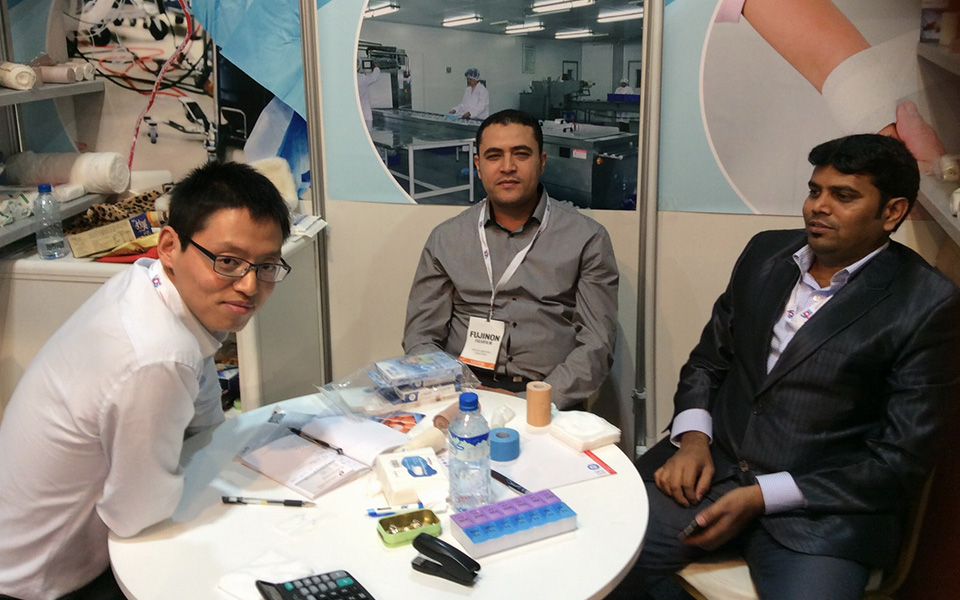
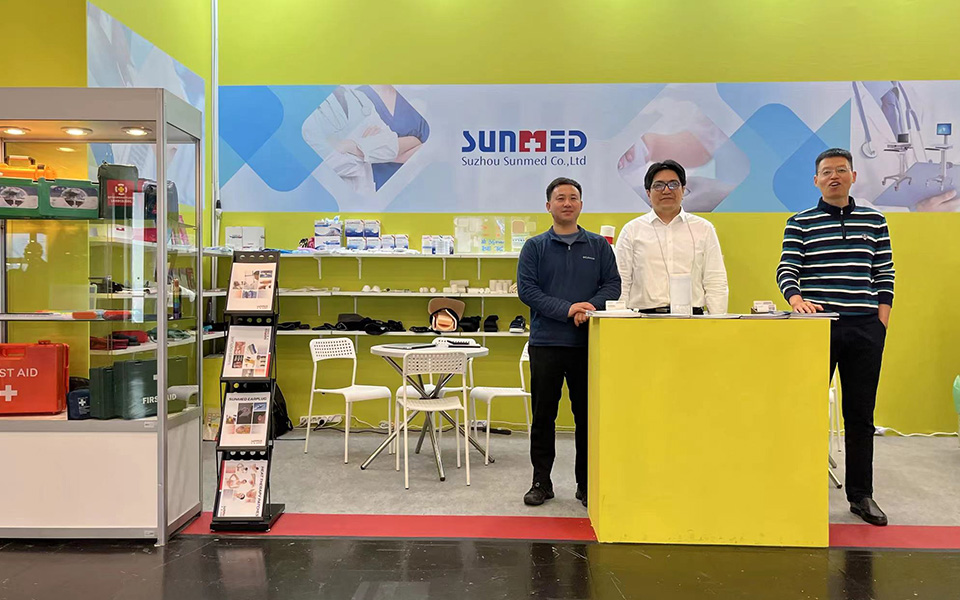
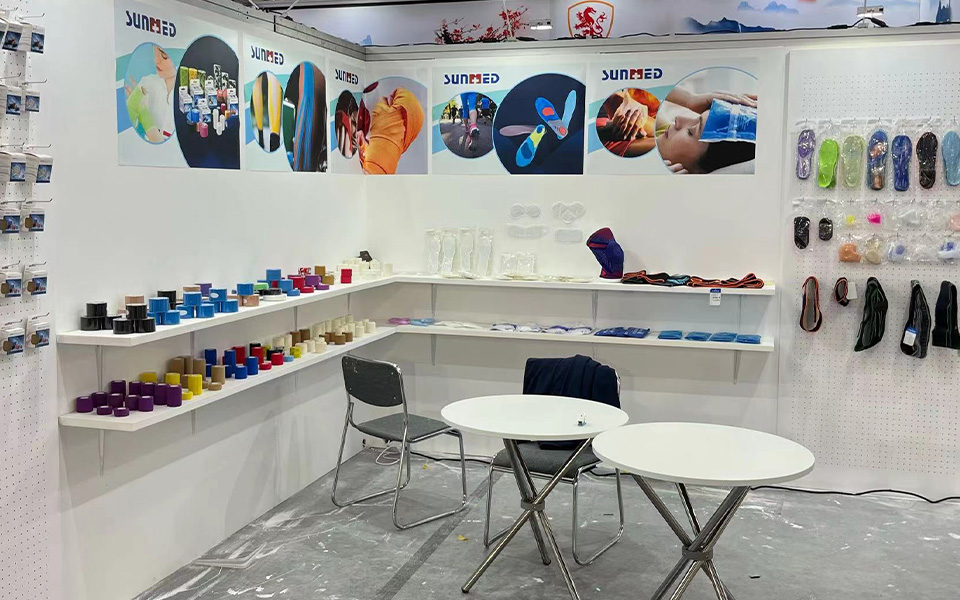
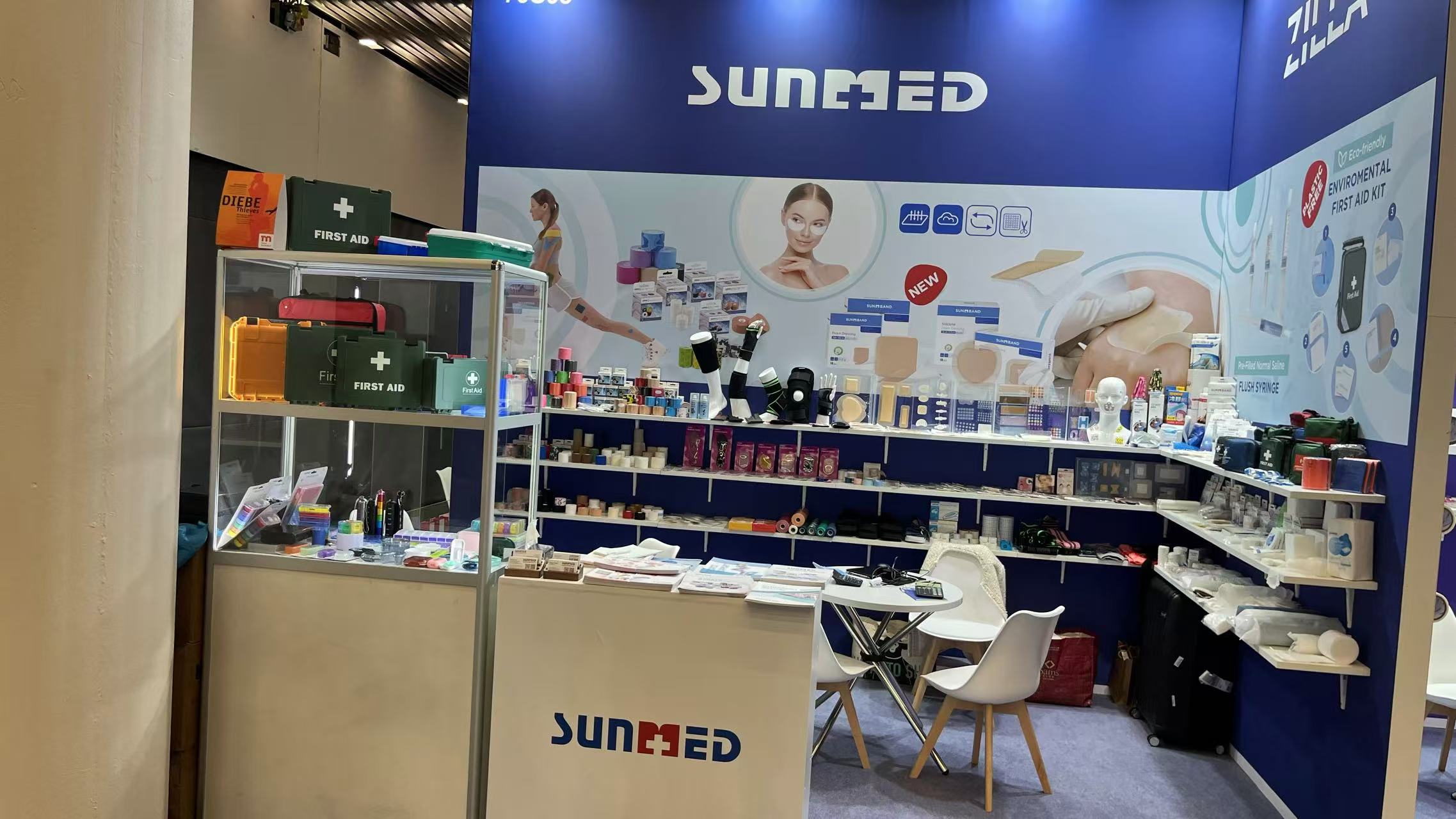
The performance of a medical or personal-care product depends not only on its visible design but also on the systems used to manufacture, inspect, package, and distribute it. Suzhou Sunmed Co., Ltd. operates as a professional manufacturer and exporter of first aid, medical, and healthcare products, with production bases in Jiangsu, Zhejiang, and Anhui Province.
The company has approximately 30 years of experience in the medical device, medical equipment, and medical consumables industry. This background provides a foundation for understanding the requirements of healthcare distributors, hospitals, first-aid suppliers, supermarkets, retail sports shops, and other professional buyers.
Its product scope includes medical gauze, bandages, medical tape, medical cotton, non-woven products, sports bandages, kinesiology tape, cohesive bandages, elastic adhesive bandages, hot and cold packs, pill boxes, disposable syringes, catheters, surgical consumables, and other healthcare products. This broad category knowledge is relevant to buyers that prefer to consolidate sourcing through an experienced supplier with multiple product families.
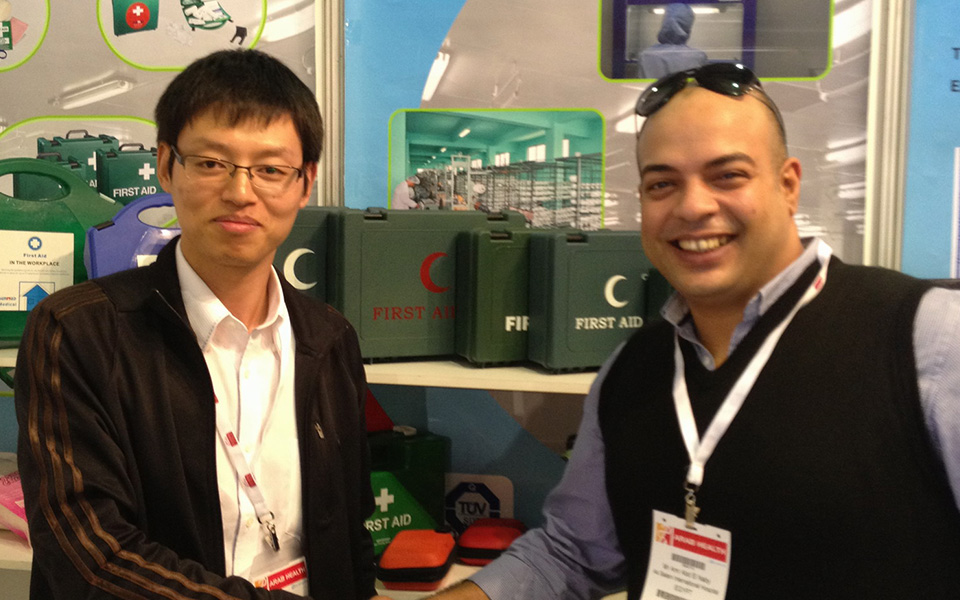
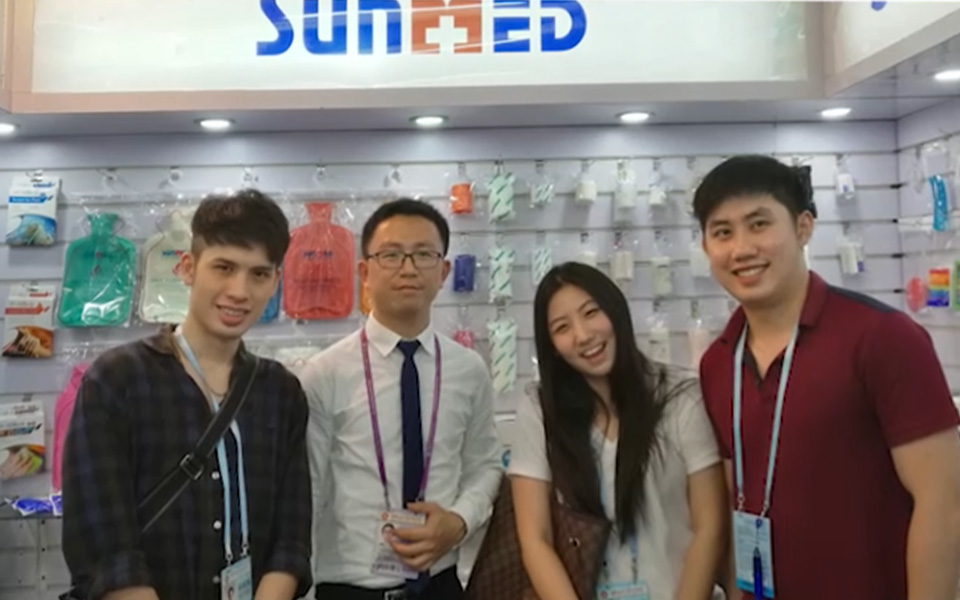
The company reports that it has exported products to more than 60 countries worldwide. Its markets include Europe, Southeast Asia, Africa, and Oceania, as well as hospitals, first-aid suppliers, supermarkets, and retail sports outlets. International distribution experience requires attention to packaging, product documentation, production consistency, communication, and shipment coordination.
Quality-Control Organization
According to the supplied company information, Sunmed has a professional quality-control team comprising hundreds of personnel. The team follows inspection procedures intended to support consistent product quality and compliance with ISO 13485:2016 requirements. This quality-management orientation is particularly important for buyers handling medical and healthcare products, where traceability, process control, and documented inspection can influence procurement decisions.
Most of the company’s products are described as CE certified, and its Suzhou factories comply with FDA requirements. Buyers should confirm the specific certification and regulatory status applicable to the exact shampoo-cap product, destination market, packaging configuration, and intended use. Regulatory requirements can vary by country and product classification.
A mature quality system can support control of incoming materials, production conditions, packaging integrity, labeling, finished-product inspection, and shipment release. For a pre-moistened disposable product, packaging and sealing are especially important because the cleansing solution must remain contained and usable until the package is opened.
Production Experience Across Multiple Product Categories
Manufacturing a broad portfolio of medical consumables can help a supplier develop expertise in non-woven materials, adhesive products, cotton products, packaging systems, personal-care formats, and healthcare distribution. Although the shampoo cap is a distinct product, experience in related disposable and hygiene categories can support practical manufacturing and quality-control decisions.
The company established a first-aid factory in 2008 to serve first-aid customers. In 2021, it established a factory for kinesiology tape, cohesive bandages, and elastic adhesive bandages in response to growing customer demand. These investments indicate an approach centered on dedicated production capacity and long-term supply development.
OEM and Wholesale Support
The company presents itself as an OEM medical consumables manufacturer and medical devices factory. For distributors, institutional buyers, and private-label customers, OEM capability can provide opportunities to discuss packaging, product presentation, order quantities, and market-specific requirements. Any custom program should be confirmed through a formal specification and quality agreement.
Wholesale buyers may also benefit from the standard packing format of 1 piece per pack and 24 packs per carton. Individual packs can be distributed through hospitals, care facilities, retail channels, travel suppliers, or hygiene-kit programs. Carton-level packing supports warehouse handling and stock planning.

Microwaveable Latex Free Alcohol Free No Rinse Shampoo Cap for the Disabled
How the Product Can Offer an Advantage Over Competing Options
Many competing hair-care solutions address only one part of the problem. Ordinary shampoo cleans hair but requires water and rinsing. Dry shampoo may absorb some oil but does not necessarily provide the same cleansing-and-conditioning process as a pre-moistened cap. Wet wipes may clean the skin but are not specifically designed to enclose and massage the hair and scalp. A basin wash can be thorough but may require more equipment, time, and physical assistance.
The shampoo cap combines several practical features in one format: waterless operation, no rinsing, shampooing, conditioning, one-piece construction, optional warming, individual packaging, and suitability for assisted care. This combination can give it a functional advantage in situations where convenience, portability, and reduced movement are more important than a conventional full wash.
The design also addresses caregiver workflow. Instead of opening several products and preparing water, a caregiver can prepare a towel, apply the cap, massage for the recommended period, remove it, and dry the hair. Fewer steps can reduce the possibility of spills, improve consistency between users, and help staff manage time more effectively.
Another advantage is adaptability. The product is not limited to hospitals. It can serve elderly care, home care, disability support, travel, outdoor activities, gyms, emergency kits, and temporary hygiene situations. This broad application range may help distributors serve multiple customer segments with one product.
Latex-free and alcohol-free positioning may also distinguish the cap in procurement environments where material preferences are part of product selection. Buyers should still verify the complete formulation, packaging materials, and regulatory documentation before making comparative claims in a specific market.
Storage, Handling, and Inventory Considerations
Individual packaging helps protect the cap before use and supports hygienic handling. Stock should be stored according to the product label and applicable quality procedures. A clean, dry storage area away from excessive heat, moisture, direct sunlight, and physical damage is generally appropriate unless the official product instructions specify otherwise.
Healthcare facilities should use a stock-rotation method so that older inventory is used first, subject to expiration dates and internal policies. Cartons should be inspected when received. Any carton showing crushing, moisture damage, leakage, or compromised packaging should be isolated for review.
Because the cap is intended for single-use application, facilities should establish a clear disposal process. Used caps should not be reused between individuals. Disposal should follow local regulations and the policies of the healthcare or care institution.
Distributors should consider the needs of different channels when planning inventory. Hospitals may require regular carton-level replenishment, while retail or travel outlets may need attractive individual packaging and clear instructions. Home-care providers may prefer smaller quantities that can be carried to different locations.
Comfort, Dignity, and Caregiver Experience
A product can be technically useful while still failing to meet the emotional needs of the user. Personal care should be performed with consent, explanation, privacy, and respect. The shampoo cap supports this approach by allowing hair care to take place without exposing the user to an extended shower procedure or unnecessary movement.
Caregivers should communicate each stage before touching the user’s hair. They should ask whether the temperature is comfortable, whether the cap feels secure, and whether the massage pressure is acceptable. Users who cannot communicate verbally may require observation of facial expression, body language, and other signs of discomfort.
The compact procedure may also reduce caregiver fatigue. Conventional bed shampooing can require lifting the head, managing water, holding a basin, rinsing, changing wet bedding, and cleaning the surrounding area. The no-rinse cap does not eliminate all assistance, but it can simplify the routine and make it easier to repeat as part of regular care.
For family caregivers, the product can provide reassurance when a loved one is unable to shower. For professional caregivers, it can serve as a standardized option within a larger personal-hygiene plan. In both cases, the product works best when integrated with appropriate skin care, oral care, bathing, grooming, and infection-prevention practices.
Important Use Considerations
The shampoo cap is intended for hair cleansing and should be used according to its product instructions. It should not be treated as a substitute for medical treatment, scalp therapy, or professional evaluation of a skin condition. If a user has open wounds, severe dermatitis, unexplained rash, infection, or a known sensitivity, a healthcare professional should be consulted before use.
Keep the cleansing solution away from the eyes unless the product instructions specifically state otherwise. Avoid forceful massage, particularly for users with fragile skin, scalp injuries, recent procedures, or hair loss associated with medical treatment. If irritation occurs, discontinue use and follow appropriate care procedures.
Microwave warming requires special attention. The package should only be heated when permitted by the manufacturer’s instructions. The caregiver must check the temperature before application, since an unevenly heated product may contain hot areas. The product should not be overheated, punctured, or altered.
The product should be kept away from children unless an adult is supervising its use. It is not intended to be eaten or used for purposes other than personal hair cleansing. Institutions should train staff in the correct procedure and maintain appropriate records when required by their quality system.
Frequently Asked Questions
What is the model number of this shampoo cap?
The model number is DC662101.
Does the shampoo cap require water?
No. It is designed for waterless use and does not require rinsing. After the massage step, the hair is towel dried.
How long should the hair be massaged?
The supplied instructions recommend massaging the hair through the cap for approximately 15 to 20 seconds until the hair is fully saturated.
Can the cap be warmed?
Yes, the product is described as having microwaveable packaging for a warm shampoo experience. Heating must follow the manufacturer’s package instructions, and the temperature should always be checked before application.
Is the product suitable for bedridden users?
Yes. It is designed for people who have difficulty showering or need assistance with washing their hair, including bedridden and disabled users. The user should be positioned safely and comfortably during the procedure.
Is it suitable for elderly care?
Yes. The product information identifies elderly users as one of its intended application groups. It may help reduce the need for bathroom transfers and simplify assisted hair care.
Is the product latex free?
Yes. The product is described as latex free. Buyers with specific allergy-control requirements should confirm the current product specification and packaging information.
Is the product alcohol free?
Yes. The product is described as alcohol free. Users with known sensitivities should review the available product information before use.
Does the cap shampoo and condition hair?
Yes. The supplied product description states that it shampoos and conditions hair during the no-rinse application.
Can it be used while traveling or camping?
Yes. The product is identified for travel, camping, hiking, backpacking, gym use, and other situations where traditional shampooing is inconvenient or unavailable.
How is it packed?
The standard packing information specifies one piece per pack and 24 packs per carton.
Can the cap be reused?
It should be treated as a single-use personal-care product unless official instructions state otherwise. Reuse between individuals is not appropriate.
Does the product replace a full shower?
It provides an alternative for hair cleansing when a conventional wash is impractical. It does not replace all bathing, skin-care, or medical-hygiene procedures.
What should a caregiver do if the user feels discomfort?
The caregiver should stop the procedure, remove the cap if appropriate, check the user, and follow the relevant care or medical protocol. Any suspected allergic or adverse reaction should receive suitable professional attention.
What type of company manufactures the product?
The product is supplied by Suzhou Sunmed Co., Ltd., a Chinese manufacturer and exporter of first aid, medical, and healthcare products with production bases in Jiangsu, Zhejiang, and Anhui Province.
What quality systems are associated with the manufacturer?
The supplied company information states that the manufacturer operates a professional quality-control team, follows inspection procedures aligned with ISO 13485:2016 requirements, and has Suzhou factories that comply with FDA requirements. Specific product documentation should be requested for the intended market and purchase order.
Why Choose an Experienced Medical Consumables Manufacturer?
For buyers, product selection is only one part of a successful supply program. Reliable communication, production continuity, quality documentation, packaging control, and export experience are equally important. An established medical consumables manufacturer can provide a broader understanding of these requirements than a supplier focused on a single consumer product.
Suzhou Sunmed Co., Ltd. combines long-term industry experience with a broad portfolio of medical and healthcare products. Its reported export history across more than 60 countries demonstrates familiarity with international customer requirements. Its manufacturing network across several Chinese provinces may also support capacity planning and product-category development.
The company’s experience in first aid, wound dressing, medical gauze, bandages, tapes, cotton products, sports supports, family healthcare, syringes, catheters, and surgical consumables provides a wide technical and commercial base. This is useful for distributors that seek complementary products rather than purchasing a single item from multiple unrelated sources.
Its stated commitment to ISO 13485:2016-oriented quality procedures, professional inspection personnel, and factory compliance can help support due diligence. Buyers should request the current technical file, product specifications, test reports, certificates, labeling details, shelf-life information, and destination-market documentation relevant to the shampoo cap.
OEM capability may further support private-label and distribution projects. Depending on the required order quantity and market, buyers can discuss packaging design, carton labeling, language requirements, product documentation, and shipment arrangements. All commercial and regulatory details should be confirmed in writing before production.
Conclusion
The microwaveable latex-free alcohol-free no-rinse shampoo cap is a practical solution for hair care when conventional washing is difficult, uncomfortable, or unavailable. Its waterless and no-rinse format supports bedside care, elderly care, disability support, rehabilitation, home care, travel, camping, hiking, gyms, and emergency hygiene programs.
The product’s key strengths include a one-piece design, integrated shampooing and conditioning, a short 15-to-20-second massage procedure, optional warming, individual packaging, latex-free and alcohol-free positioning, and suitability for users who need assisted hair care. Compared with ordinary shampoo bottles, it can reduce the need for water, rinsing, containers, and extensive cleanup.
For professional buyers, the product is supported by the manufacturing and export experience of Suzhou Sunmed Co., Ltd. The company operates across several medical and healthcare product categories, maintains production bases in multiple Chinese provinces, reports exports to more than 60 countries, and emphasizes quality control, inspection procedures, OEM capability, and long-term customer cooperation.
Used correctly and as part of a complete hygiene plan, the no-rinse shampoo cap can help caregivers deliver cleaner, more comfortable, and more dignified hair care. It offers a compact, flexible, and efficient option for modern healthcare, personal-care, travel, and emergency-use environments.

References
1. Product specification for model DC662101, Microwaveable Latex Free Alcohol Free No Rinse Shampoo Cap.
2. Manufacturer-provided application and use instructions for waterless shampoo-cap products.
3. ISO 13485:2016, Medical Devices—Quality Management Systems—Requirements for Regulatory Purposes.
4. General principles of infection prevention and personal hygiene in healthcare and residential-care environments.
5. Manufacturer profile and supplied company information for Suzhou Sunmed Co., Ltd.
6. General procurement considerations for disposable medical and personal-care consumables.

 English
 Español
 русский
 Français
 Deutsch
 italiano
 By Admin