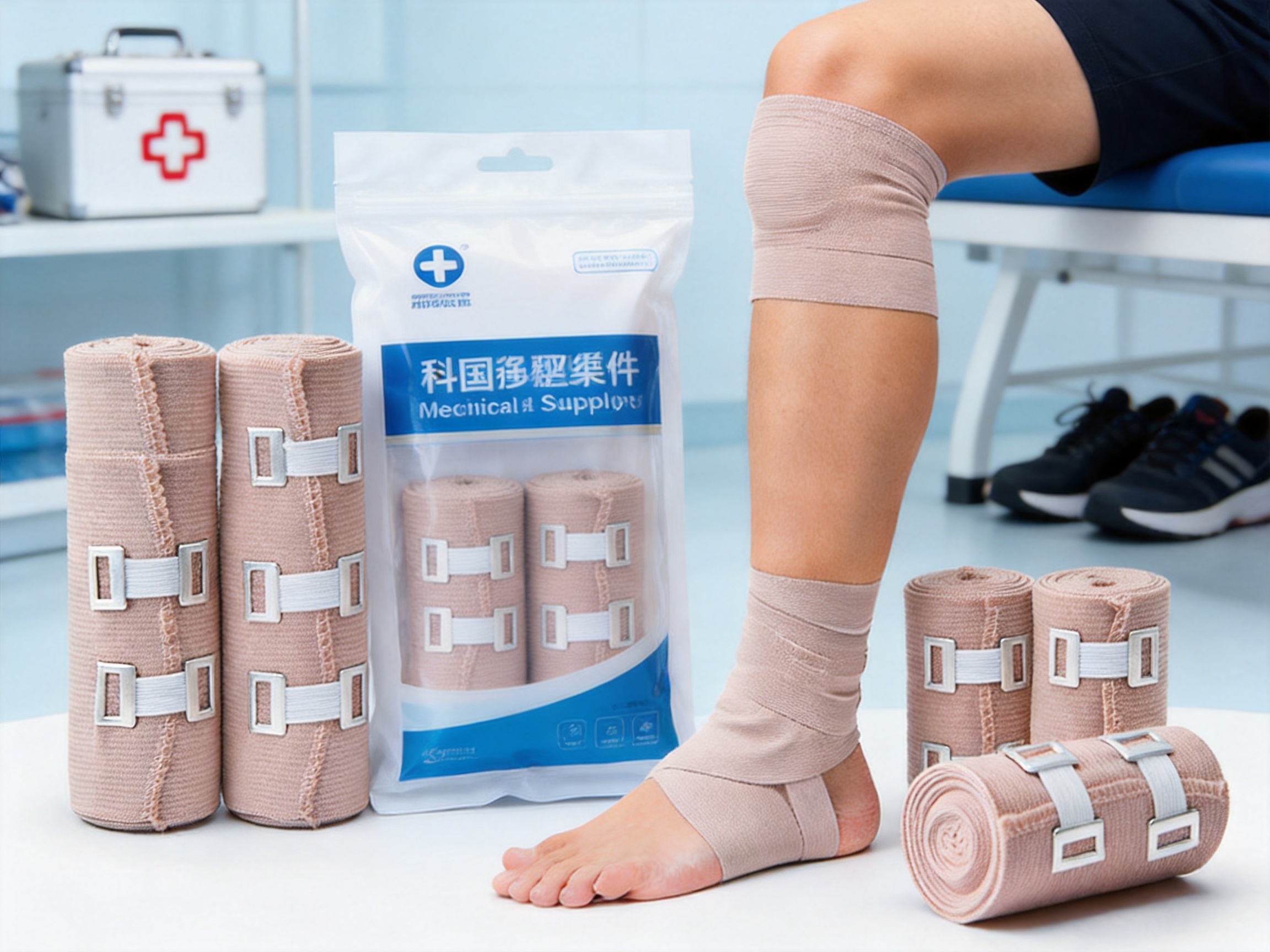
Elastic bandage wraps are widely used in first aid, sports support, rehabilitation, compression care, and routine medical treatment. A well-designed compression wrap can provide controlled support without unnecessarily restricting movement, making it useful for the ankle, knee, leg, arm, abdomen, and other areas of the body. The elastic bandage described in this article is developed for professional medical supply channels, sports retailers, hospitals, clinics, first aid distributors, and home healthcare applications.
This high-elastic bandage is available in multiple widths and lengths to accommodate different body areas and application methods. Standard options include widths of 2, 3, 4, and 6 inches, with lengths of approximately 4, 4.5, or 5 meters depending on the selected specification. The bandage is offered in a skin-colored finish and is available in different fabric weights, including approximately 80, 85, 90, 95, 100, and 105 grams per square meter. These options allow buyers to select a balance between flexibility, coverage, support, and packaging requirements.
For healthcare providers and distributors, product consistency is just as important as elasticity. The manufacturing system behind this type of bandage emphasizes raw-material control, fabric formation, elastic performance, dimensional inspection, packaging, sterilization options, and quality documentation. These steps help create a medical consumable that is practical for high-volume use and suitable for a broad range of customers.
What Is an Elastic Compression Bandage Wrap?
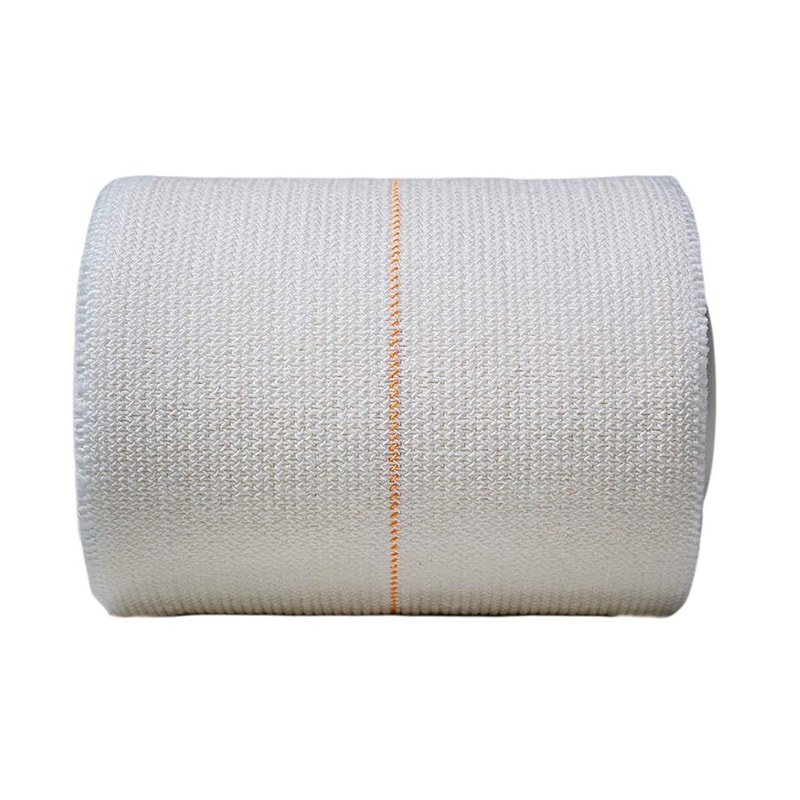
An elastic compression bandage wrap is a stretchable medical textile used to provide support, light compression, fixation, or protective coverage. It is normally wrapped around a limb or body area in overlapping layers. The material stretches during application and then exerts a gentle restoring force around the treated area. When correctly selected and applied, the wrap can help stabilize soft tissues, support joints, hold dressings in place, and assist with controlled compression.
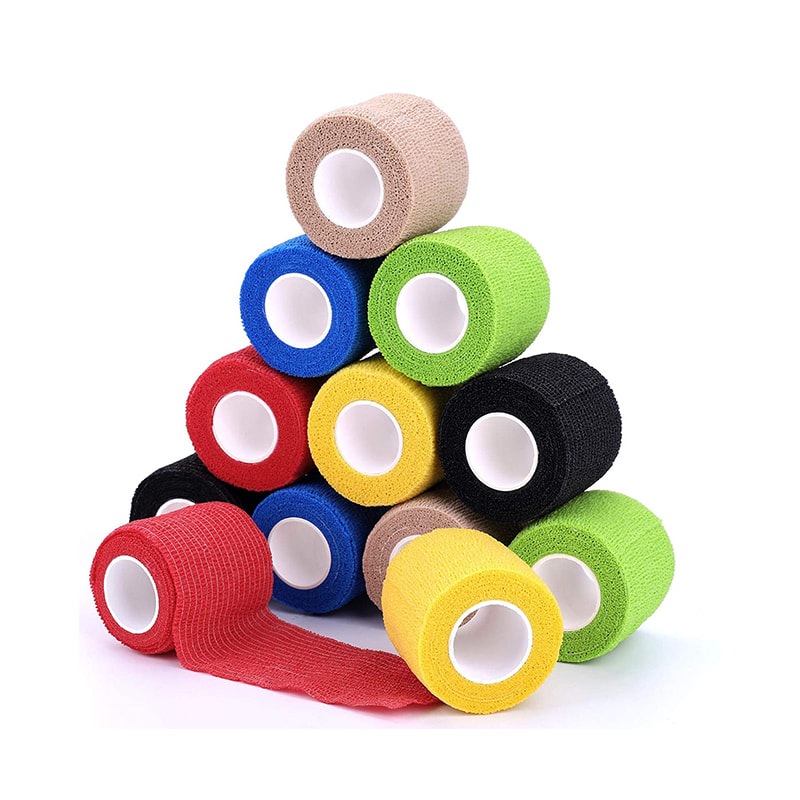
The product described here uses a blend of polyester and rubber-based elastic components. The polyester contributes to textile strength, dimensional stability, surface appearance, and resistance to ordinary handling. The elastic component provides stretch and recovery. Together, these materials create a flexible bandage that can conform to body contours more effectively than a rigid gauze roll or non-stretch fabric.
The supplied material specification identifies the construction as 78% polyester and 28% rubber. Because these percentages total more than 100%, purchasers should request confirmation of the final composition, tolerance, coating, or manufacturing specification before placing a regulated or large-volume order. This clarification is especially important when a customer requires latex-free materials, a particular rubber formulation, or a precise technical file.
Elastic wraps can be supplied for different levels of support. A lighter construction may be useful for holding a dressing or providing mild support, while a heavier construction may be selected for stronger support and greater coverage. The listed product options include a 90-gram-per-square-meter high-elastic bandage, with several widths and packing configurations.
Primary Product Features
High Elasticity and Conforming Fit
The main functional advantage of the bandage is its elasticity. The material can stretch around curved anatomical areas such as the ankle, knee, calf, wrist, elbow, or shoulder. This conforming fit can help reduce gaps and folds when the bandage is applied correctly. A conformable wrap is also easier to use on areas that change in diameter, such as the lower leg or knee.
Compared with an ordinary non-stretch gauze roll, an elastic bandage can provide more adaptable support. It can follow movement while remaining wrapped around the affected area. This characteristic is valuable in sports medicine, first aid, rehabilitation, and general nursing, where the patient may need support without complete immobilization.
Multiple Width Choices
Width selection is an important part of compression-bandage design. A narrow roll is easier to control around the wrist, hand, foot, or smaller joints. A medium-width roll may suit the ankle, knee, forearm, or lower leg. A wide roll can cover the thigh, upper leg, torso, abdomen, or larger body regions with fewer turns.
The available width range includes approximately 5, 7.5, 10, 15, and 20 centimeters, corresponding broadly to 2, 3, 4, 6, and 8 inches. The general product description also lists 2, 3, 4, and 6-inch choices. Since catalog measurements may vary by production specification, customers should confirm the final width, tolerance, roll length, and packaging before approval.
Long Roll Length
A roll length of 4, 4.5, or 5 meters gives users flexibility in selecting the right amount of material for the application. A longer roll can be useful for larger limbs, repeated wrapping, or professional settings where the caregiver needs to create overlapping layers. The 4.5-meter option is listed in the packing table for the most commonly supplied sizes.
Longer roll lengths can also support purchasing efficiency. A distributor can offer one product family in several widths while maintaining a common length for inventory planning. Hospitals and first aid suppliers may benefit from standardized roll sizes because staff become familiar with the handling characteristics and storage requirements.
Skin-Colored Appearance
The skin-colored finish provides a discreet appearance under or over clothing. This can be particularly useful for sports users, outpatient care, rehabilitation, and everyday support. A neutral color may also make the product suitable for retail packaging directed at consumers who prefer a less conspicuous bandage.
Color consistency is an important manufacturing consideration. The base fabric, dye system, drying process, and inspection conditions should be controlled so that different production batches maintain a similar appearance. Buyers who require a particular shade should request a color sample or approved master standard.
Different Fabric Weights
The product can be manufactured in several approximate weights, including 80, 85, 90, 95, 100, and 105 grams per square meter. Fabric weight can influence the hand feel, thickness, coverage, compressive behavior, breathability, and overall roll diameter. A lighter construction may offer a softer and less bulky feel, while a heavier construction may provide a more substantial wrap.
Weight selection should be matched to the intended use. Sports retailers may prefer a balanced weight that offers support while remaining comfortable inside footwear or beneath clothing. Medical distributors may require a heavier option for more demanding applications. The 90-gram-per-square-meter version is identified in the supplied packing table as a high-elastic bandage.
Individual Polybag Packaging
The standard packing format is one roll per polybag. Individual packaging helps protect the bandage from dust, moisture, handling contamination, and warehouse abrasion. It also makes the product easier to distribute in hospitals, pharmacies, sports shops, first aid kits, and consumer retail channels.
Individual packaging supports stock control because each roll has a defined unit. It can also simplify product presentation and reduce the need for secondary repacking. Depending on customer requirements, additional labeling, private-label packaging, barcodes, multilingual instructions, carton marks, and customized packaging may be discussed as part of an OEM program.
Applications Across Medical and Sports Settings
Leg and Calf Support
The leg is one of the most common application areas for elastic compression wraps. A suitable width can provide support around the calf or lower leg while allowing the user to overlap each turn. The wrap may be used as part of a clinical care plan, for general support, or to secure a secondary dressing.
When applied to the leg, the caregiver should select an appropriate width and avoid excessive tension. The wrap should lie smoothly without creating sharp ridges. The patient should be monitored for discomfort, numbness, tingling, unusual coolness, color changes, or increased pain. Medical compression should always follow professional instructions, especially when the patient has circulation problems or a diagnosed vascular condition.
Ankle and Foot Applications
The ankle has a complex shape with changes in circumference around the heel, instep, and lower leg. Elastic material is helpful because it can follow these contours more readily than a rigid strip. A narrow or medium-width bandage is often easier to control around the ankle and foot.
Application technique matters. The wrap should support the intended area without covering the toes so tightly that circulation cannot be observed. Excess layers around the heel may cause bulk inside footwear. For sports use, the bandage should be applied with enough support for the intended activity but not so tightly that it restricts normal blood flow or movement.
Knee Support
The knee changes shape as it bends and straightens. A high-elastic bandage can be used to provide temporary support around the joint or to help secure a dressing. Its stretch allows movement more effectively than a fully rigid dressing, although it does not replace a clinically prescribed brace when rigid stabilization is required.
For knee applications, the bandage should be applied evenly above and below the joint. Wrinkles or concentrated pressure behind the knee may cause discomfort. Users should follow professional guidance for injury management, particularly after a fracture, dislocation, surgical procedure, or serious ligament injury.
Sports and Athletic Support
Sports participants often need convenient support products that can be carried in a team medical kit or sold through a sports retailer. Elastic wraps are lightweight, compact, and easy to distribute. They can be used by trained personnel for temporary support during practice, competition, or recovery.
The skin-colored appearance can be attractive to athletes who prefer a low-profile product. The range of widths allows a retailer to build a practical sports-support assortment. Narrow rolls can be used for smaller joints, while wider rolls may be selected for larger areas or more extensive coverage.
First Aid and Wound Dressing Fixation
An elastic bandage is not itself a substitute for a sterile wound dressing. However, it can help hold a primary dressing, absorbent pad, or protective layer in position when the application requires gentle support. The dressing placed directly over an open wound must be appropriate for wound care and must be handled according to clinical and hygiene requirements.
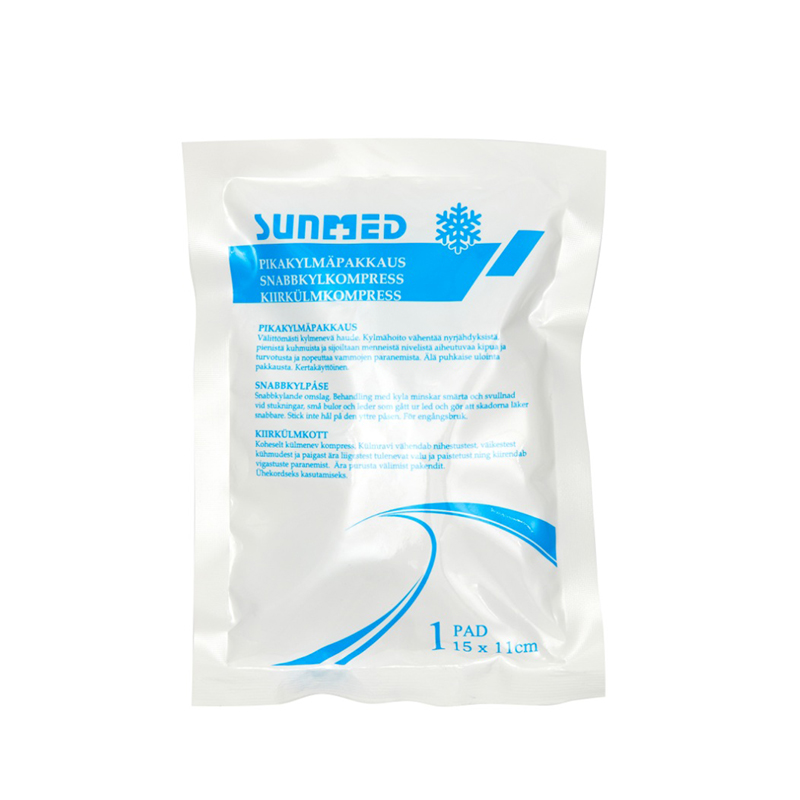
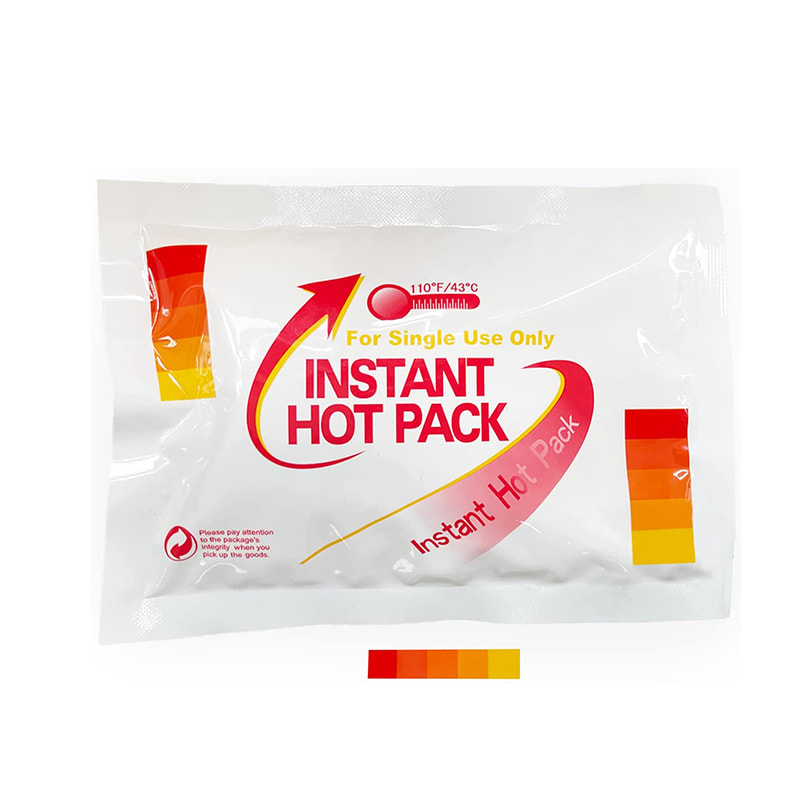
In first aid kits, an elastic wrap can complement gauze, adhesive tape, adhesive bandages, antiseptic products, and cold packs. It provides a reusable-style support format for situations where a flexible wrap is more suitable than a narrow adhesive strip. The product should remain in its original packaging until needed.
Rehabilitation and Home Healthcare
Rehabilitation settings may use elastic wraps as part of a broader support and mobility program. Patients recovering from minor soft-tissue injuries may be instructed to use a wrap during selected activities. The product can also be useful in home-care kits where a family member or caregiver needs a straightforward method of securing a dressing or providing temporary support.
Education is essential in home healthcare. Users should understand how tightly the wrap should be applied, how often it should be checked, and when to remove it. A product that is easy to stretch should not be treated as a reason to apply excessive tension. The correct level of compression depends on the patient, the body area, the medical condition, and the instructions of a qualified healthcare professional.

Elastic Bandage Wrap,Compression Wrap Bandage for Legs, Ankle, Knee
How the Product Compares with Ordinary Bandages
Elastic Versus Non-Elastic Gauze
Traditional gauze bandages are useful for covering wounds, absorbing exudate, padding tissue, and securing dressings. However, ordinary gauze generally has limited stretch. It may not follow changing body contours as easily as an elastic wrap. If a non-elastic roll is wrapped around a joint, it may loosen during movement or create uneven pressure if applied incorrectly.
An elastic compression wrap offers greater adaptability. Its stretch and recovery can help maintain contact with the body as the user moves. This makes it more suitable for support and compression applications than a simple non-stretch gauze roll. Nevertheless, gauze and elastic wraps serve different purposes and should not be considered interchangeable in every clinical situation.
Elastic Wraps Versus Adhesive Tape
Medical adhesive tape is designed to attach dressings, tubes, or materials to the skin. An elastic bandage wrap is generally used as a larger-area support or compression layer. It can cover a limb or joint more efficiently than narrow tape and can be removed without pulling a broad area of adhesive from the skin.
The supplied product is categorized as a heavy elastic adhesive bandage in the product information, while the detailed construction describes a high-elastic bandage supplied in individual rolls. Customers should confirm whether the requested version is adhesive, cohesive, or non-adhesive. These constructions have different use instructions, skin-contact characteristics, performance tests, and regulatory documentation.
Elastic Wraps Versus Rigid Braces
Rigid braces can provide a higher level of stabilization for specific injuries or rehabilitation programs. They may contain molded components, hinges, straps, or stiffeners. An elastic wrap is usually lighter, more compact, and more adaptable, but it offers less structural stabilization than a dedicated rigid brace.
The choice depends on the intended application. A flexible wrap may be preferred for mild support, dressing fixation, temporary compression, or everyday mobility. A rigid brace may be prescribed when the joint requires controlled movement or stronger immobilization. Product labeling should clearly explain the intended level of support to reduce the risk of misuse.
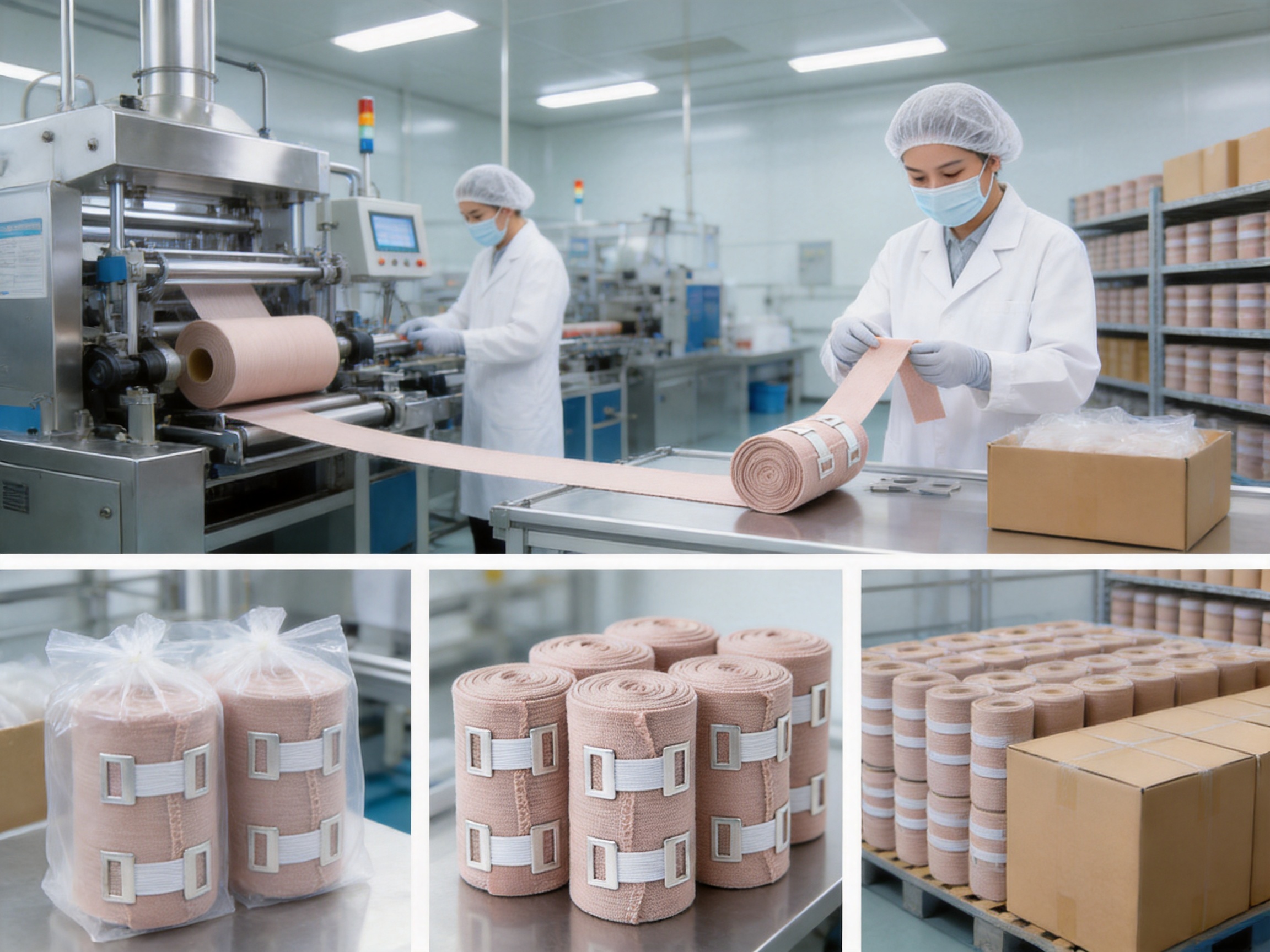
Manufacturing Process and Quality Control
Raw-Material Selection
Manufacturing begins with the selection of textile and elastic raw materials. Polyester yarn must meet requirements for strength, uniformity, color, and processing behavior. The elastic component must provide suitable stretch, recovery, and long-term stability. Incoming materials should be checked against purchasing specifications before entering production.
Raw-material control helps reduce variation between batches. Differences in yarn thickness, elastic recovery, moisture content, or surface condition can influence the final bandage. A professional production system therefore records supplier information, batch numbers, inspection results, and release decisions.
Textile Formation
The selected yarns are processed into a flexible elastic fabric or bandage structure. Machine settings influence width, density, edge quality, surface appearance, and stretch characteristics. The production team must control tension throughout the process so that the fabric remains uniform from the beginning to the end of the roll.
Uneven tension can lead to curling, irregular edges, inconsistent compression, or differences in roll appearance. Advanced manufacturing therefore combines calibrated equipment with operator experience. Production personnel monitor the fabric continuously and isolate any section that does not meet the required standard.
Finishing and Color Control
After fabric formation, the bandage may undergo finishing operations that improve handling, appearance, softness, or dimensional stability. If the product is skin-colored, dyeing and drying must be managed carefully. The temperature, dwell time, chemical concentration, and drying conditions can affect both color and elastic performance.
Quality personnel compare production material with an approved color standard. They also check for streaks, stains, broken yarns, holes, edge defects, loose threads, and other visible problems. Finished fabric should be stored in a controlled environment before cutting and packaging.
Slitting, Cutting, and Rolling
Large fabric widths are converted into the required bandage widths through controlled slitting or cutting. The process must maintain a clean edge and accurate width. The material is then rolled to the specified length, such as 4, 4.5, or 5 meters.
Roll formation is important for both usability and presentation. A loose roll can unwind during transport, while an excessively tight roll may affect the material's recovery or make dispensing difficult. Production teams inspect the roll diameter, winding condition, core specification, and label information.
Dimensional and Performance Testing
Quality control may include measurements of width, length, fabric weight, stretch, recovery, tensile behavior, and visual quality. Testing methods should be defined in the product specification or quality plan. Samples may be taken from the beginning, middle, and end of production to evaluate consistency across a run.
Elastic performance is particularly important. A bandage that stretches too little may be difficult to apply, while a bandage that stretches excessively may not provide the intended support. Recovery after extension, resistance to repeated stretching, and dimensional stability should be considered when establishing acceptance criteria.
Packaging Inspection
Each roll is placed in a polybag or another approved unit package. Inspectors verify that the package is sealed, clean, correctly labeled, and free from damage. Cartons are checked for the correct number of rolls, product size, batch information, and shipping marks.
Proper carton design protects the rolls during transportation and warehouse storage. The listed packing configurations include 960 rolls per carton for the 5-centimeter by 4.5-meter size, 480 rolls per carton for the 7.5-centimeter and 10-centimeter sizes, 240 rolls per carton for the 15-centimeter size, and 120 rolls per carton for the 20-centimeter size. Carton dimensions vary by configuration.
Documentation and Traceability
Traceability enables a manufacturer to connect finished products with raw-material batches, production dates, operators, inspection results, packaging records, and shipment details. This information supports customer service, regulatory review, complaint investigation, and corrective action when necessary.
A mature quality system also includes procedures for nonconforming products, customer complaints, supplier evaluation, equipment maintenance, staff training, document control, and internal audits. These systems are especially valuable for medical consumables because product performance and hygiene must be consistent across large production volumes.
Manufacturing Strengths of an Experienced Medical Supplier
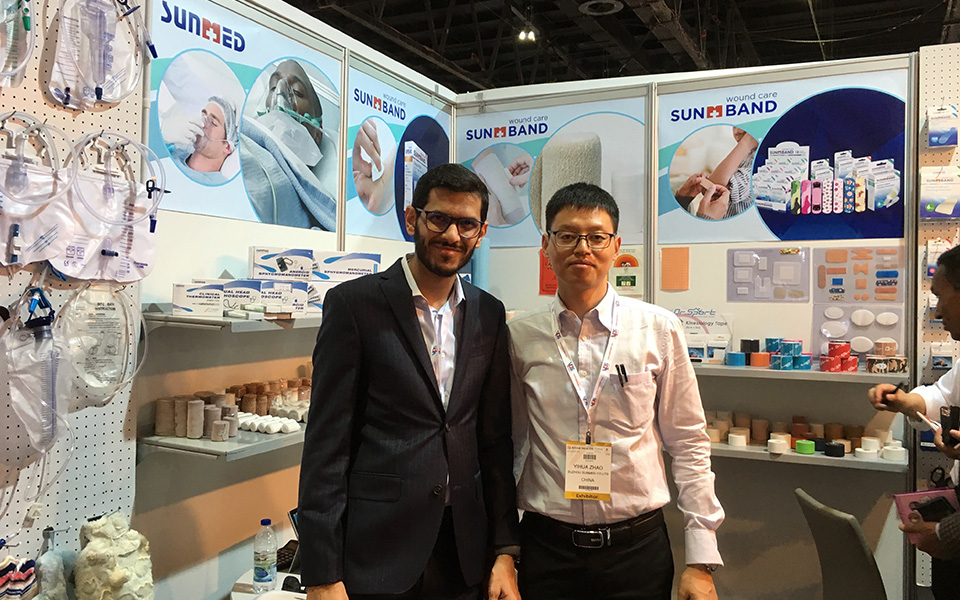
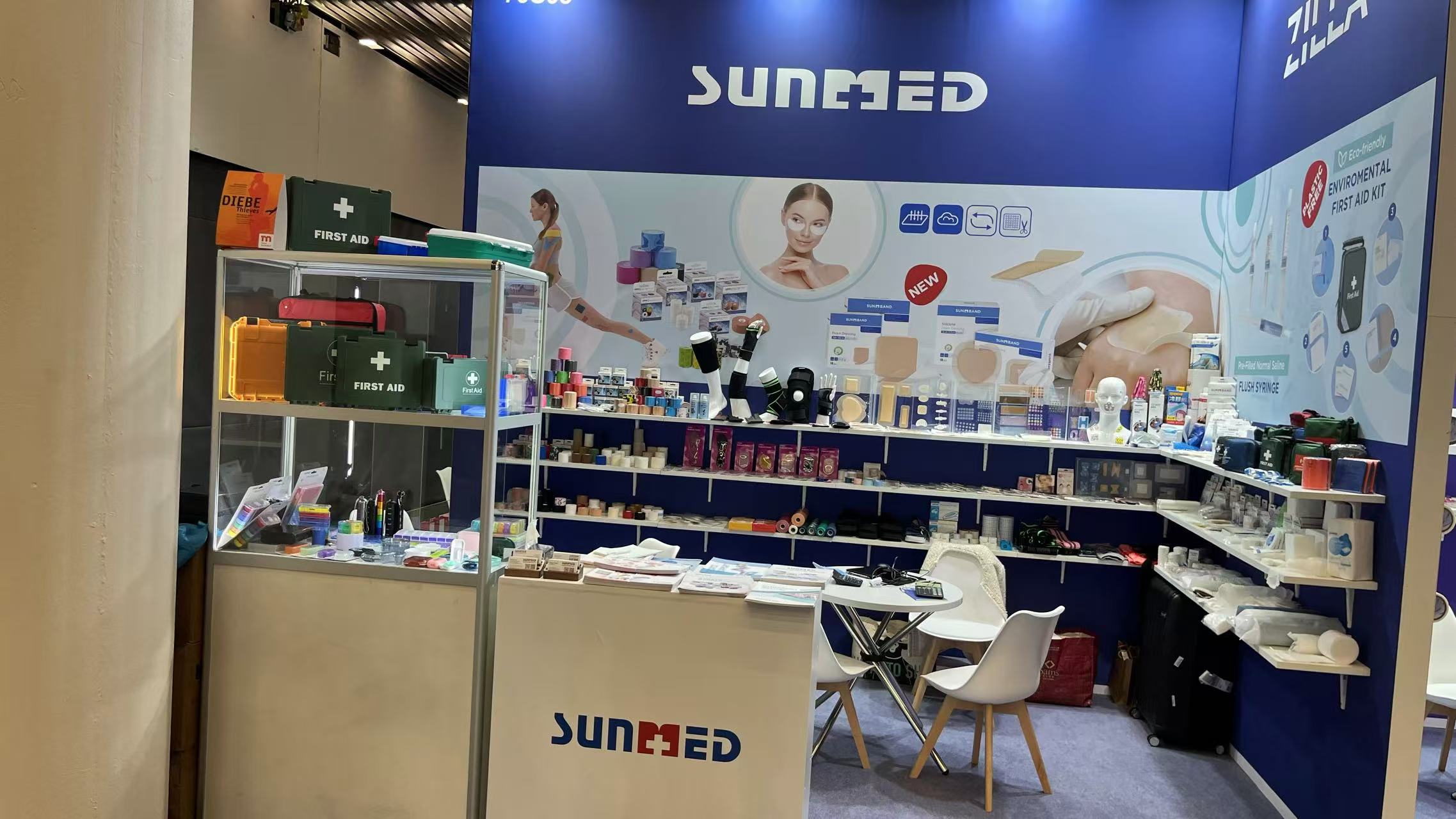
The manufacturer described in the supplied information has approximately 30 years of experience in medical devices and medical consumables. Its product scope includes first aid products, wound dressings, gauze, bandages, medical tape, medical cotton, non-woven products, sports bandages, kinesiology tape, cohesive bandages, elastic adhesive bandages, family healthcare items, surgical consumables, syringes, catheters, and other medical supplies.
This broad product background can benefit elastic-bandage customers in several ways. First, the manufacturer understands the relationship between elastic wraps and complementary products such as gauze, dressing pads, tapes, cold packs, and first aid kits. Second, it can support product-line development rather than treating the bandage as an isolated item. Third, experience with different medical categories can help buyers coordinate packaging, quality expectations, and export documentation.
The company operates production bases in Jiangsu, Zhejiang, and Anhui Province. The supplied information also states that a first aid factory was established in 2008 and that a dedicated factory for kinesiology tape, cohesive bandages, and elastic adhesive bandages was established in 2021. These facilities indicate an investment in focused production capabilities for textile-based medical and sports-support products.
A professional quality-control team reportedly includes hundreds of personnel and follows inspection procedures aligned with ISO 13485:2016 requirements. Most products are described as CE certified, and the Suzhou factories are stated to comply with FDA requirements. Certification and compliance status can vary by product model and destination market, so buyers should request the current certificate, declaration, technical documentation, and applicable registration information for the exact bandage configuration being purchased.
OEM and Private-Label Opportunities
OEM supply allows distributors, hospital groups, retailers, sports brands, and first aid companies to develop products under their own names. The product information states that OEM service is available. Depending on order volume and technical feasibility, customization may include roll dimensions, fabric weight, color, label design, packaging, carton marks, instructions, barcode information, and language requirements.
Before beginning an OEM project, the buyer should define the target market and intended product claims. A bandage sold through a pharmacy may require different labeling from a product sold through a sports retailer. A hospital purchasing department may focus on traceability, lot coding, packaging integrity, and technical files. A consumer brand may prioritize appearance, easy opening, retail presentation, and clear application instructions.
OEM development should proceed through a controlled sample and approval process. The buyer should review the material composition, width, length, weight, stretch performance, color, roll formation, package artwork, carton quantity, and shipping marks. A signed specification or approved sample can then serve as a reference for future production.
Product Specifications and Packing Information
The following table summarizes the principal information supplied for the high-elastic bandage. Exact specifications should be confirmed before commercial production because options may change according to the customer’s requirements and the intended market.
| Specification |
Available or Listed Option |
Commercial Consideration |
| Product type |
High-elastic bandage or compression wrap |
Confirm whether the requested model is adhesive, cohesive, or non-adhesive |
| Material |
Polyester and rubber elastic construction |
Confirm the final percentage composition and latex-free status when required |
| Approximate material listing |
78% polyester and 28% rubber in the supplied description |
Request confirmation because the listed percentages exceed 100% when added together |
| Length options |
4 meters, 4.5 meters, or 5 meters |
Confirm length under the selected stretch or measurement condition |
| Width options |
Approximately 5, 7.5, 10, 15, and 20 centimeters |
Equivalent inch sizes and tolerances should be approved before production |
| Color |
Skin color |
Approve a color sample or reference standard for repeat orders |
| Fabric weight |
Approximately 80–105 grams per square meter |
Higher or lower weights may affect bulk, support, and packaging |
| Standard unit packing |
1 roll per polybag |
Private-label and multilingual packaging may be available |
| Standard process information |
EO gas listed in the supplied description |
Confirm whether sterilization is required and validate the exact model |
| Instrument classification |
Class I listed in the supplied description |
Classification must be verified for the destination market and final claims |
| Shelf-life statement |
1 year listed in the supplied description |
Confirm shelf life through stability, packaging, and storage validation |
The packing information supplied for the 90-gram-per-square-meter version is summarized below.
| Bandage Size |
Carton Quantity |
Carton Size |
| 5 centimeters by 4.5 meters |
960 rolls per carton |
54 by 43 by 44 centimeters |
| 7.5 centimeters by 4.5 meters |
480 rolls per carton |
54 by 32 by 44 centimeters |
| 10 centimeters by 4.5 meters |
480 rolls per carton |
54 by 42 by 44 centimeters |
| 15 centimeters by 4.5 meters |
240 rolls per carton |
54 by 32 by 44 centimeters |
| 20 centimeters by 4.5 meters |
120 rolls per carton |
54 by 42 by 44 centimeters |
Carton sizes and quantities are important for logistics planning. They affect pallet configuration, container utilization, warehouse space, freight calculations, and minimum order quantities. Buyers should request a current packing list for the final selected width, length, weight, packaging format, and destination.
Benefits for Distributors and Retailers
Broad Customer Base
Elastic bandages can be sold through several channels, including hospitals, clinics, pharmacies, first aid wholesalers, sports shops, rehabilitation centers, nursing suppliers, supermarkets, and online medical retailers. This broad market potential can make the product a useful addition to a distributor’s portfolio.
A distributor can offer different widths as a coordinated product family. The same basic product can be positioned for ankle support, knee support, athletic kits, home first aid, wound-dressing fixation, or general compression use, provided that labeling and claims remain accurate for the selected market.
Efficient Inventory Planning
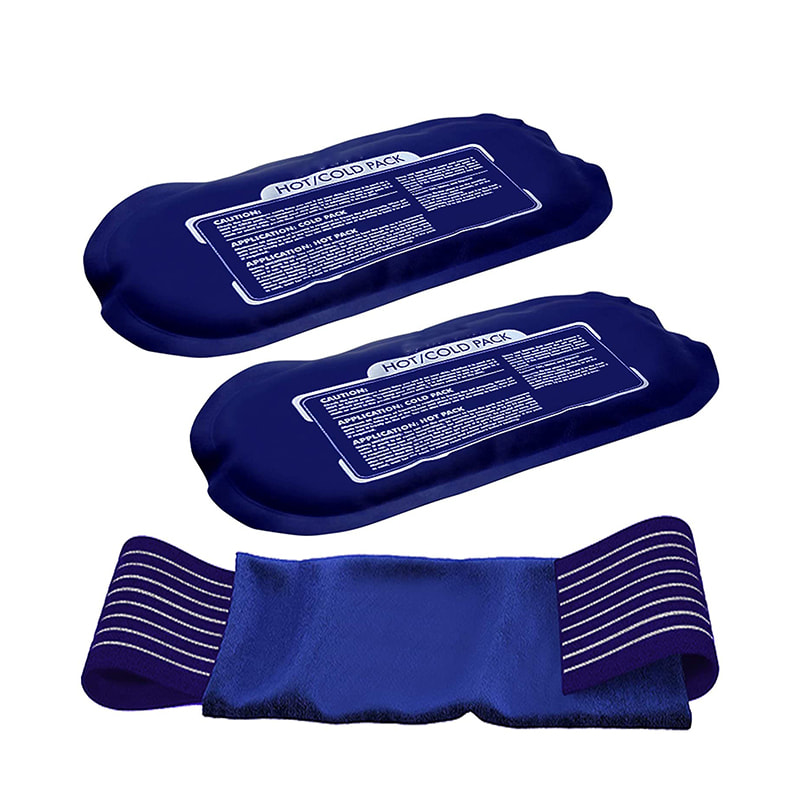
Several sizes and fabric weights allow distributors to match inventory to different customer groups. Standardized individual packaging makes it easier to count stock and prepare mixed cartons. The product can also be combined with complementary items such as gauze rolls, adhesive tape, wound dressings, hot and cold packs, sports supports, and first aid kits.
Inventory planners should monitor the sales performance of each width. Narrow sizes may move quickly through sports and pharmacy channels, while wider sizes may be more appropriate for medical distributors and institutional buyers. Forecasting should take into account seasonal sports demand, regional healthcare practices, and the product’s stated shelf life.
Private-Label Differentiation
Private-label packaging can help a distributor differentiate a standard medical consumable. A clear package may emphasize stretch, width, length, intended application, and application instructions. Professional product photography and consistent package design can help create a recognizable family across multiple sizes.
However, packaging claims should be supported by technical evidence. Terms such as “latex-free,” “sterile,” “medical grade,” “reusable,” “adhesive,” or “high compression” should only be used when the exact product specification and regulatory documentation support them.
Safe and Effective Use
An elastic bandage should be applied by a trained person or according to instructions provided by a healthcare professional. The bandage should be unrolled smoothly and wrapped with even tension. Each layer should overlap the preceding layer according to the application method. Sharp folds, twisted sections, loose gaps, and excessive pressure should be avoided.
After application, the user should check the visible skin and distal part of the limb. Warning signs may include increased pain, numbness, tingling, unusual coldness, pale or bluish skin, swelling below the wrap, or loss of normal movement. If these symptoms occur, the wrap should be loosened or removed and medical advice should be obtained.
Elastic wraps should not be used to conceal a serious injury or delay professional diagnosis. Severe pain, obvious deformity, suspected fracture, uncontrolled bleeding, deep wounds, significant swelling, or loss of function requires appropriate medical assessment. The product is a support and compression material, not a replacement for diagnosis or treatment.
For hygiene, a bandage that becomes visibly soiled, wet, damaged, or contaminated should be replaced according to the instructions for the specific product. If a model is supplied as a single-use medical product, it should not be reused. If a customer wants a washable or reusable version, that requirement must be confirmed during product development because it affects material selection, labeling, testing, and regulatory claims.
Storage and Transportation
Bandages should remain in their original packaging until use. Storage areas should be clean, dry, and protected from direct sunlight, excessive heat, moisture, chemicals, pests, and sharp objects. Heavy cartons should not be stacked in a way that crushes the inner rolls or damages the polybags.
Temperature and humidity conditions should follow the manufacturer’s approved storage requirements. Products should be managed using a first-expiry, first-out system when a shelf life is stated. The supplied information lists a one-year shelf life, but the final shelf-life claim should be verified for the exact product configuration and packaging system.
During transportation, cartons should be protected from rain and condensation. Pallets should be stable and wrapped appropriately without placing excessive pressure on the packages. At receipt, the buyer should inspect carton condition, quantity, labels, batch information, and visible product quality before the goods enter normal inventory.

Why Manufacturing Capability Matters
Elastic bandage performance depends on more than the appearance of the finished roll. The fabric must achieve an appropriate relationship between stretch, recovery, width stability, edge quality, softness, strength, and packaging integrity. These characteristics are influenced by yarn selection, machine settings, finishing, cutting, winding, and storage.
An experienced medical manufacturer can coordinate these variables through written specifications and process controls. It can also support customers when requirements change, such as a new width, a revised package, an updated label, a different fabric weight, or a destination-market compliance request.
The supplied company profile describes export experience in more than 60 countries, including markets in Europe, Southeast Asia, Africa, and Oceania. International experience can help with commercial communication, documentation, packaging languages, shipping practices, and customer service. Nevertheless, each importer remains responsible for verifying the regulatory requirements of its own market.
Production capacity is another advantage for wholesale buyers. A supplier with multiple production bases and a broad medical product portfolio may be able to support repeat orders, coordinated product families, and long-term supply relationships. Buyers should still confirm current lead times, minimum order quantities, production capacity, quality agreements, and contingency planning before signing a supply contract.
Questions Buyers Should Ask Before Ordering
Buyers should request a complete technical specification for the selected product. The specification should identify the exact material composition, whether the rubber contains natural latex, the width and length tolerances, fabric weight, stretch and recovery requirements, color standard, packaging materials, labeling, shelf life, and storage conditions.
For regulated markets, buyers should ask for the applicable certificate, declaration, quality-system evidence, product classification, risk documentation, biological safety information where relevant, and any test reports required by local law. The phrase “CE certified” should be linked to the specific product and valid certification route rather than treated as a general statement covering every item in a supplier’s catalog.
Buyers should also clarify whether the bandage is sterile. The supplied description lists EO gas as a disinfecting type, but the detailed product information does not independently establish that every version is supplied sterile. Sterile and non-sterile products require different packaging, validation, labeling, shelf-life, and handling controls.
Finally, customers should confirm whether the wrap is intended to be adhesive, cohesive, or non-adhesive. An adhesive elastic bandage attaches to a surface through an adhesive system. A cohesive wrap adheres to itself but generally not to skin or hair. A conventional elastic bandage relies on wrapping technique and a fastening method. These products are not identical and should be specified clearly in purchase documents.
Q&A
What body areas can this elastic bandage wrap support?
The wrap can be selected for the legs, ankles, knees, calves, feet, arms, elbows, wrists, abdomen, and other body areas where flexible support or controlled coverage is appropriate. The correct width depends on the size and shape of the area. Medical guidance should be followed for therapeutic compression.
What lengths are available?
The listed options include approximately 4 meters, 4.5 meters, and 5 meters. The packing table specifically identifies 4.5-meter rolls in several widths. Buyers should confirm the final length and the measurement condition used to determine it.
What widths are available?
Available sizes include approximately 5, 7.5, 10, 15, and 20 centimeters. The general product description also refers to approximately 2, 3, 4, and 6 inches. Exact metric or inch dimensions, tolerances, and production specifications should be confirmed before ordering.
Is the product latex-free?
The product description includes the phrase “latex-free” in the marketing title, but it also lists rubber as part of the material construction. Buyers who require a latex-free product should request a formal material declaration and test documentation for the exact model. The wording should not be accepted without technical confirmation.
Is the bandage adhesive?
The product category is identified as a heavy elastic adhesive bandage, but the detailed description calls it a high-elastic bandage. Customers should confirm whether the requested product is adhesive, cohesive, or non-adhesive. The answer affects application, packaging, labeling, and product testing.
Can the bandage be used directly on an open wound?
An elastic wrap is generally used as an external support layer or to secure an appropriate dressing. It should not be assumed to be a primary wound-contact dressing. A sterile wound dressing should be selected for direct contact with an open wound when clinically indicated.
What color is available?
The listed color is skin color. Customers needing a specific shade should approve a color sample or reference standard, especially for private-label production and repeat orders.
What fabric weights are available?
The supplied information lists approximately 80, 85, 90, 95, 100, and 105 grams per square meter. The 90-gram-per-square-meter option is included in the packing table. Actual tolerances and available combinations of weight, width, and length should be confirmed with the manufacturer.
How is the product packaged?
The standard unit package is one roll per polybag. Carton quantities vary by width. The listed configurations range from 120 to 960 rolls per carton, depending on the selected size.
What certificates are available?
The supplied information lists CE and ISO certifications and describes manufacturing practices aligned with ISO 13485:2016 requirements. Buyers should request current documentation for the exact product model, manufacturing site, destination market, and regulatory classification.
Is EO gas sterilization included?
EO gas is listed in the supplied product description as a disinfecting type. Buyers should confirm whether the exact order is sterile, whether EO sterilization is actually included, and whether the packaging and shelf-life validation apply to that version.
What is the stated shelf life?
The supplied description lists a one-year shelf life. The final shelf-life statement should be verified against the approved packaging, storage conditions, stability information, and regulatory documentation for the product being ordered.
Can the product be customized?
OEM service is identified as available. Potential customization may include packaging, labels, color, size, fabric weight, roll length, carton marks, and instructions, subject to technical feasibility, order quantity, and regulatory requirements.
How should the bandage be applied?
It should be wrapped with smooth, even tension and without folds or excessive tightness. Application should follow professional instructions. Users should monitor for numbness, tingling, unusual color, coldness, swelling, or increased pain and seek advice if these symptoms occur.
Conclusion
The elastic compression bandage wrap is a versatile medical textile for support, controlled compression, dressing fixation, sports care, rehabilitation, first aid, and home healthcare. Its high elasticity allows it to conform to limbs and joints more effectively than many non-stretch materials. Multiple widths, lengths, fabric weights, and individual polybag packaging make it suitable for different channels and customer requirements.
The principal advantages for wholesale buyers include flexible product selection, efficient unit packaging, broad application potential, OEM availability, and compatibility with a wider portfolio of medical and first aid products. The manufacturing background described in the supplied information adds further value through experience in medical consumables, dedicated production capabilities for elastic and sports-support products, international export knowledge, and structured quality-control procedures.
For the best purchasing result, buyers should confirm every critical detail before approval. This includes the exact material composition, latex status, adhesive or non-adhesive construction, sterilization status, shelf life, width, length, fabric weight, packaging, certificates, and destination-market requirements. With a properly controlled specification and appropriate use instructions, this type of elastic bandage can serve as a practical and scalable product for healthcare, sports, retail, and first aid supply programs.
References
1. International Organization for Standardization. ISO 13485:2016, Medical Devices—Quality Management Systems—Requirements for Regulatory Purposes.
2. International Organization for Standardization. ISO 10993 series, Biological Evaluation of Medical Devices.
3. International Organization for Standardization. ISO 14971, Medical Devices—Application of Risk Management to Medical Devices.
4. World Health Organization. Basic Guidelines for Medical Device Quality, Safety, and Performance.
5. Relevant national and regional medical-device labeling, classification, packaging, and post-market surveillance requirements.
6. Manufacturer-provided product specifications, packing information, and company capability profile supplied for this article.
7. Standard clinical first-aid and compression-bandage application practices provided by qualified healthcare professionals.

 English
 Español
 русский
 Français
 Deutsch
 italiano
 By Admin