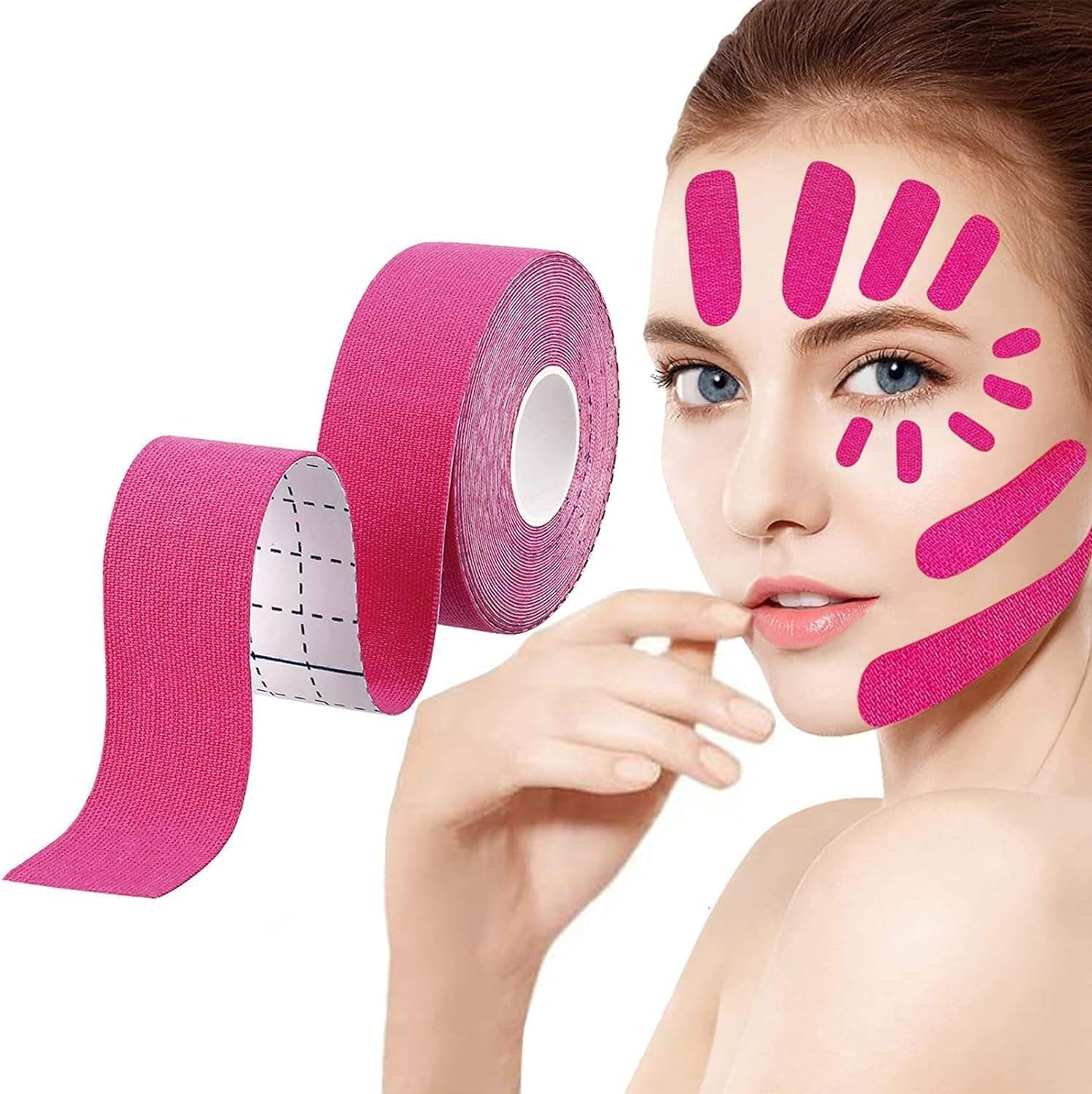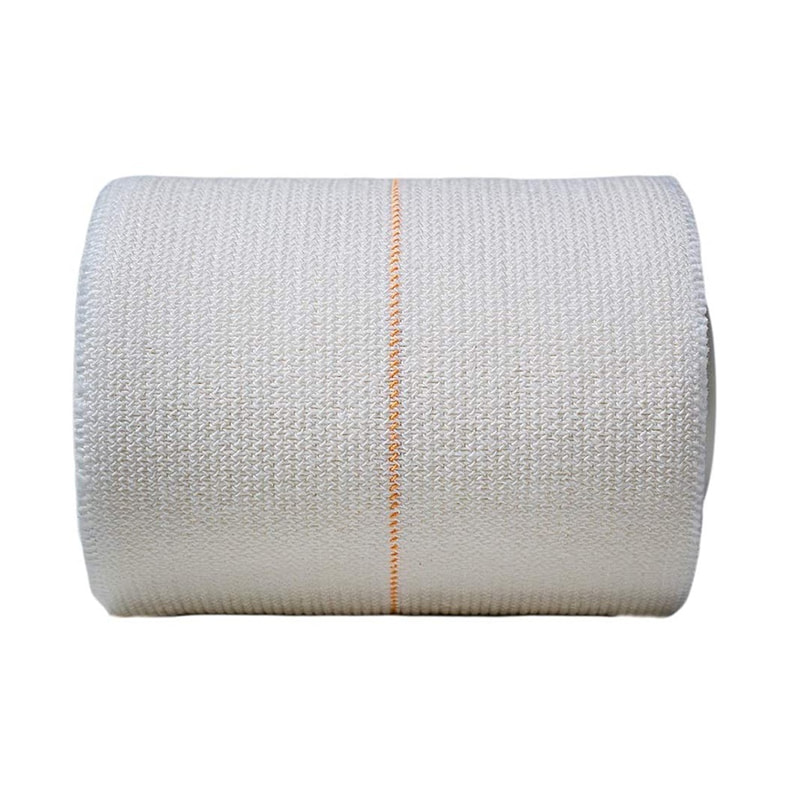
High elastic compression bandages are widely used in first aid, wound care, sports support, orthopedic care, rehabilitation, and general medical treatment. A dependable compression bandage must provide controlled elasticity, comfortable pressure, reliable shape retention, adequate breathability, and convenient application. It must also be available in different widths, lengths, weights, colors, and fastening configurations so that healthcare professionals, sports practitioners, first aid suppliers, retailers, and household users can select the appropriate product for different applications.
The High Elastic Compression Bandages with Latex or Latex-Free options described in this article are manufactured from polyester and cotton combined with rubber or spandex. They are designed to balance elasticity, support, ventilation, softness, and practical handling. Depending on the required specification, the bandage can be supplied in light skin, dark skin, natural, and other colors; multiple weights; widths from 5 cm to 20 cm; and lengths such as 4 m, 4.5 m, 5 m, or 5 yards. Latex-containing and latex-free versions allow buyers to address different market requirements and user sensitivities.
These bandages are particularly suitable for distributors and organizations that need a consistent product family rather than a single fixed specification. The manufacturer can provide different weights, dimensions, packaging formats, and fastening systems, helping customers create a product range for hospitals, pharmacies, sports shops, first aid suppliers, supermarkets, and medical supply wholesalers.
Understanding High Elastic Compression Bandages
A high elastic compression bandage is a flexible textile support product designed to apply pressure, stabilize soft tissue, hold dressings in place, or provide support during activity and recovery. Its elasticity allows the bandage to conform to body contours while maintaining a degree of controlled compression. Compared with ordinary non-elastic gauze or simple woven wraps, a high elastic bandage can provide greater adaptability when applied around joints, limbs, or other areas that change shape during movement.
The product described here is classified as a heavy elastic adhesive bandage, while its specifications also refer to metal clips and elastic band clips. In commercial practice, elastic bandages may be configured with different fastening methods according to the intended application. Buyers should confirm whether they require an adhesive, cohesive, clipped, or otherwise secured version before placing an order. The available fastening system can influence application speed, reusability, ease of adjustment, and compatibility with a particular treatment protocol.
High elasticity is one of the defining characteristics of this product. The stated extensibility is approximately 180 percent, although actual performance may vary according to width, weight, material composition, production conditions, and testing method. Such extensibility enables the bandage to stretch during application and return toward its original dimensions after use. Proper application remains essential: excessive tension can cause discomfort or circulation concerns, while insufficient tension may not provide the intended support.
The bandage is made from a polyester and cotton textile base combined with rubber or spandex. Polyester contributes strength, dimensional stability, and resistance to routine handling. Cotton contributes a softer hand feel and helps improve user comfort. Rubber or spandex provides the stretch required for compression and support. The balance between these components can be adapted to meet specific customer requirements, including latex-free production where needed.
Key Product Features
High Elasticity and Controlled Stretch
The product’s high elasticity is intended to help it conform to the body and maintain a secure fit during movement. An extensibility of about 180 percent offers a wide operating range for application. This makes the bandage suitable for areas such as the ankle, knee, wrist, elbow, forearm, lower leg, and other body regions where flexibility is important.
Elasticity also supports more efficient stock management. A single width and length can often serve several closely related applications, reducing the need for distributors to carry a large number of rigid product variations. However, medical professionals should always select the width, weight, and compression level appropriate to the patient and the intended use.
Breathable Mesh Construction
The bandage uses a mesh preparation technology designed to promote air permeability. Good ventilation helps reduce the feeling of excessive heat and may improve comfort during extended wear. A breathable structure can also help reduce moisture accumulation between the bandage and the skin, although users should still monitor the skin and replace or adjust the bandage when it becomes damp, soiled, damaged, or uncomfortable.
Compared with dense, poorly ventilated wraps, a well-constructed mesh bandage can offer a more comfortable experience during sports activity, rehabilitation, routine support, and first aid. Breathability is especially valuable when a bandage must remain in position for a prolonged period or when it is applied in warm environments.
Softness, Flexibility, and Wearability
The polyester-cotton composition is intended to provide a balance between strength and comfort. A soft textile surface can reduce rough contact with the skin, while flexibility allows the bandage to follow natural movement. These characteristics are important for users who need support without the stiff sensation associated with some rigid medical immobilization products.
The bandage is described as comfortable to wear, absorptive, and ventilative. These properties make it suitable for applications in which the product is worn over a dressing, around a joint, or as part of a sports support routine. If the product is applied directly to the skin, users should follow appropriate clinical and hygiene procedures and consider individual skin sensitivity.
Latex and Latex-Free Choices
Availability in latex and latex-free versions is a significant advantage for international distribution. Latex remains useful in many elastic medical products because of its stretch and recovery characteristics. At the same time, some users may have known or suspected sensitivity to natural rubber latex. Providing a latex-free option enables purchasers to meet the requirements of healthcare facilities, sports organizations, retail customers, and institutional buyers that prefer or require latex-free products.
Buyers should clearly identify the required material version during quotation, sampling, labeling, and purchase order approval. Latex-free status should be verified through the manufacturer’s documentation and quality procedures for the specific product configuration. Packaging, product labels, and shipping cartons should also distinguish between latex-containing and latex-free versions to reduce the possibility of mix-ups.
Washable and Sterilizable Characteristics
The product advantages include washability and sterilizability. These features may be beneficial for reusable support applications, provided that the selected product configuration, cleaning method, and sterilization process are compatible. The customer should confirm the applicable sterilization method, temperature, exposure time, packaging conditions, and number of permitted reuse cycles before using the bandage in a clinical environment.
Reusable medical textiles require careful management. Washing should not excessively stretch, damage, or contaminate the bandage. After cleaning, the product should be inspected for loss of elasticity, fraying, discoloration, weakened clips, damaged edges, or other defects. If the bandage no longer provides reliable support, it should be removed from service.
Available Specifications and Customization
The product family is designed for flexible sourcing. Listed weight options include approximately 80 g, 85 g, 90 g, 100 g, 105 g, 110 g, and 120 g, with additional specifications available according to customer requirements. Weight affects the textile’s hand feel, density, coverage, and packaging configuration. Buyers should evaluate samples before selecting a standard for large-scale purchasing.
Available widths include 5 cm, 7.5 cm, 10 cm, 15 cm, and 20 cm. Narrower widths may be appropriate for smaller body areas or more precise applications, while wider formats can cover larger limbs more efficiently. A broad width range also enables distributors to offer a more complete assortment to hospitals, pharmacies, sports retailers, and first aid customers.
Listed lengths include 5 m, 5 yards, and 4 m, with the product information also identifying a 4.5 m configuration in the packing table. Because textile length can be specified before or after stretching, customers should confirm whether a stated length is measured in a relaxed or extended condition. Consistent measurement standards are important when comparing samples and approving production.
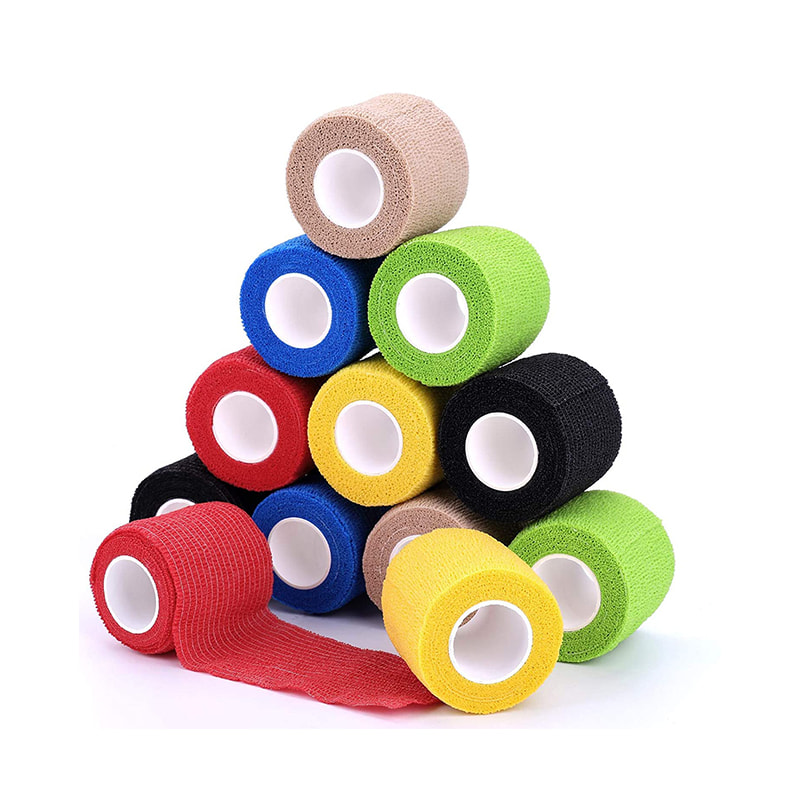
Colors include light skin, dark skin, natural, and other options. Color selection may be based on clinical preference, retail positioning, regional market expectations, or the desire to make the support less visually prominent under clothing. Custom colors and private-label packaging may be discussed with the manufacturer subject to minimum order quantities, artwork approval, and production scheduling.
| Product Configuration | Available or Listed Specification | Typical Purchasing Consideration |
|---|
| Material | Polyester/cotton with rubber or spandex | Confirm fiber blend and whether latex is present |
| Latex option | Latex or latex-free | Verify labeling, documentation, and segregation requirements |
| Width | 5 cm, 7.5 cm, 10 cm, 15 cm, 20 cm, and other sizes | Select according to body area and intended support |
| Length | 4 m, 4.5 m, 5 m, 5 yards, and other options | Confirm relaxed or stretched measurement method |
| Weight | Approximately 80 g to 120 g and other options | Evaluate density, coverage, flexibility, and market positioning |
| Color | Light skin, dark skin, natural, and other colors | Choose according to customer preference and retail presentation |
| Fastening | Metal clips or elastic band clips; other configurations may be available | Confirm the required closure and application method |
| Individual packing | One roll per package | Suitable for hygiene, inventory control, and retail display |
Performance Advantages Compared with Basic Elastic Wraps
Not all elastic bandages deliver the same level of performance. Basic low-cost wraps may vary considerably in elasticity, edge quality, textile density, fastening security, and dimensional consistency. High elastic compression bandages with carefully controlled materials and mesh construction can offer several practical advantages for buyers seeking a more dependable product.
First, consistent elasticity supports predictable application. If one roll stretches substantially more or less than another, the user may experience inconsistent pressure and difficulty reproducing a treatment technique. A controlled manufacturing process helps reduce variation between production lots and supports more reliable use across a distributor’s product range.
Second, a breathable construction can improve comfort compared with dense wraps that trap heat and moisture. Comfort is commercially important because dissatisfied users are less likely to repurchase a product and healthcare professionals may prefer products that are easier to tolerate during extended use.
Third, the choice of latex or latex-free material enables broader market coverage. Some competing products may provide only one material option, forcing distributors to source separate products from different factories. A manufacturer that can provide both versions may simplify procurement and reduce the complexity of supplier management.
Fourth, the range of widths, lengths, weights, colors, and fastening systems allows buyers to build a coordinated product family. This is useful for wholesalers and private-label customers that need several stock-keeping units with a consistent appearance and manufacturing source.
Fifth, washable and sterilizable characteristics can improve value in suitable reusable applications. Although not every end use should involve reuse, a product that can be cleaned or sterilized under validated conditions may provide more flexibility than a single-use-only textile wrap.
Finally, individual packaging supports hygiene, handling, storage, and distribution. Each roll can be issued separately, reducing unnecessary exposure of the remaining stock. Individual packaging is also useful for retail presentation and institutional inventory control.
Applications in Healthcare and Sports
First Aid and Wound Care
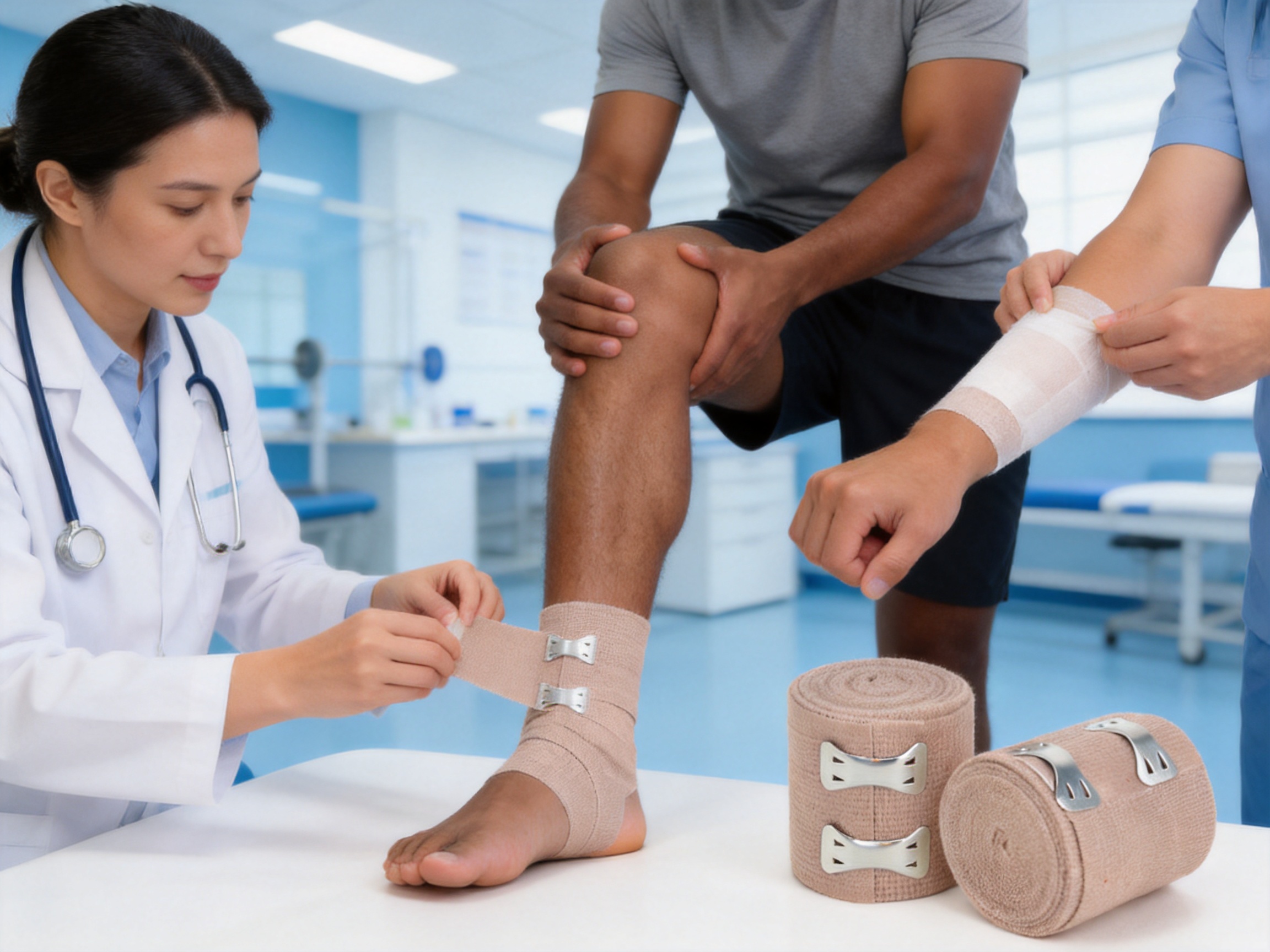
In first aid, an elastic bandage may be used to secure a dressing, support a strained area, or provide temporary compression according to professional guidance. Its flexibility allows it to be wrapped around irregular body contours without the folds and gaps that can occur with a rigid material. The bandage can be supplied as part of emergency kits, first aid cabinets, ambulance supplies, workplace safety programs, or retail healthcare products.
When used with a wound dressing, the bandage should not be applied so tightly that circulation is impaired. The wound itself should be treated with an appropriate sterile dressing, and the elastic wrap should serve its intended securing or support function. Users should monitor for increased pain, numbness, tingling, discoloration, coldness, swelling beyond the affected area, or other warning signs and seek professional advice when necessary.
Sports Support and Training
Sports participants often require flexible support for wrists, elbows, knees, ankles, calves, and other areas. A high elastic bandage can help secure a pad, provide light support, or assist with a temporary compression routine. Its breathability and flexibility are particularly useful during training and competition, when excessive heat or restricted movement can interfere with performance.
Sports retailers may value the available color and size choices because consumers often seek products that match their personal preferences or sport-specific requirements. Wider formats can be used for larger joints or limbs, while narrower versions can be easier to position around smaller areas. Product instructions should explain that the bandage is a support product and not a substitute for medical diagnosis or treatment.
Orthopedic and Rehabilitation Support
During rehabilitation, elastic bandages may be used to support joints and soft tissue while allowing a degree of movement. The product’s stretch and recovery properties can help users adjust the fit as swelling or activity levels change, subject to clinical direction. It may also be used with exercise programs, physiotherapy routines, or recovery equipment.
Rehabilitation providers should select the bandage according to the patient’s condition, the desired level of support, and the clinician’s instructions. The availability of different weights and widths makes it possible to match the product more closely to the body area and the required handling characteristics.
General Healthcare and Home Use
For household healthcare, the bandage can be included in family first aid supplies, travel kits, homecare packages, and sports bags. Individual packing makes it convenient to store one roll in a kit while keeping additional rolls sealed. Clear instructions and appropriate warnings are important for household users, particularly those who may not have professional training in compression bandage application.
Textile and Manufacturing Process
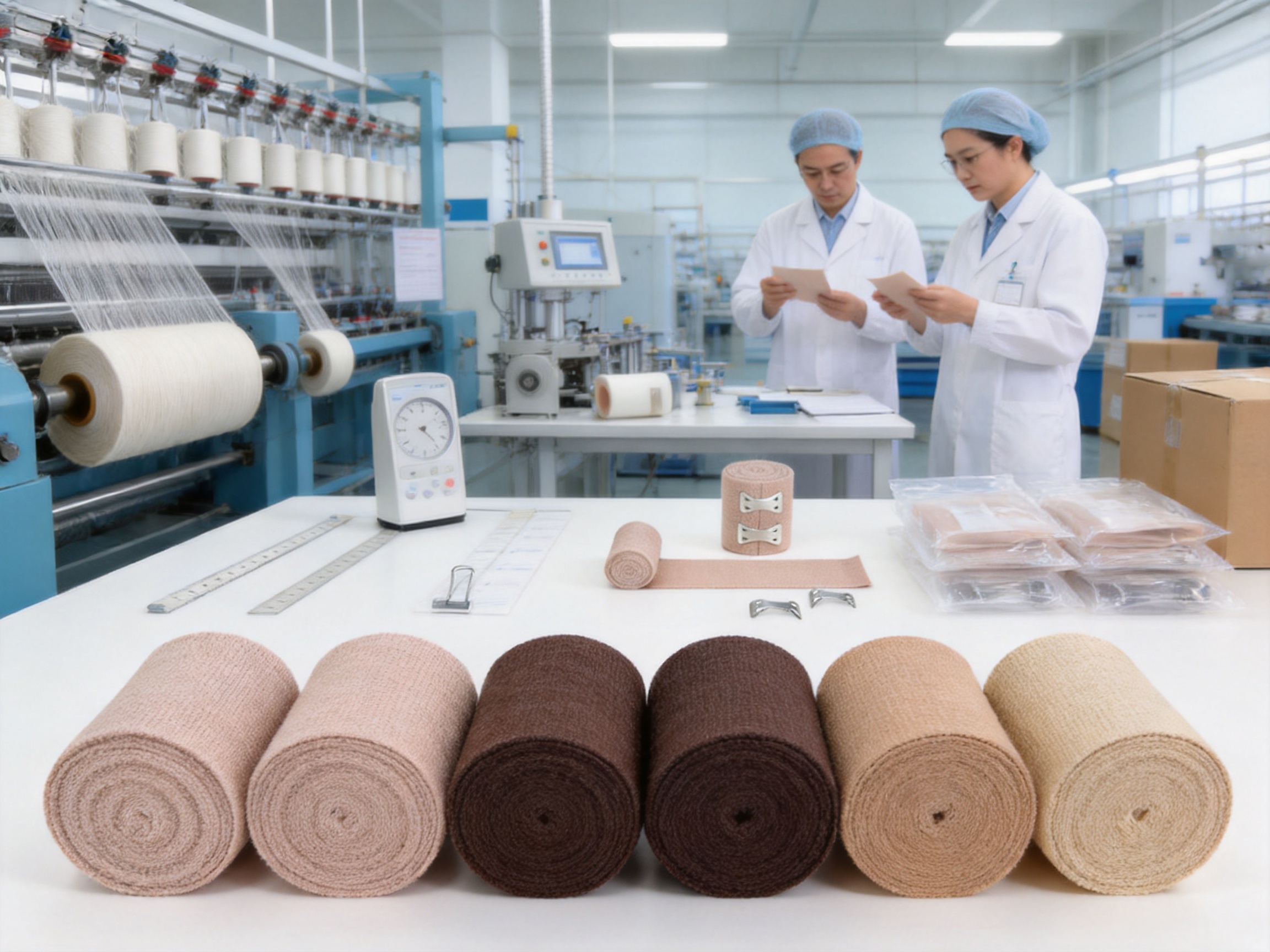
The performance of a high elastic compression bandage depends not only on the raw materials but also on the manufacturing process. A reliable production system begins with the selection and inspection of yarn, fabric components, elastic elements, clips, packaging materials, and labels. Materials should be checked against approved specifications before entering production.
For a polyester-cotton elastic bandage, yarn selection influences tensile strength, softness, surface feel, absorbency, and resistance to repeated handling. Rubber or spandex components influence stretch, recovery, and long-term elasticity. A manufacturer with experience in medical textiles can select and combine these materials to create a product that balances comfort and support rather than optimizing only one performance characteristic.
The bandage is produced using a mesh preparation technology intended to improve permeability and flexibility. During weaving or related textile formation, the factory must control yarn tension, fabric density, width, edge construction, and surface consistency. Poorly controlled tension can lead to uneven elasticity, while inaccurate width control can create difficulties during application and packaging.
After textile formation, the material may undergo processes such as inspection, cutting, rolling, fastening component installation, labeling, and individual packing. Each stage creates an opportunity to check product quality. Rolls should be assessed for visible defects, contamination, broken yarns, loose edges, incorrect dimensions, and inconsistent color.
Where metal clips or elastic band clips are used, the fastening components must be securely attached and compatible with the bandage. A closure that is difficult to operate or that releases unexpectedly can reduce user confidence. Component inspection should therefore include appearance, attachment strength, smoothness, and compatibility with the selected roll size.
For latex-free production, material identification and production control are particularly important. Raw materials should be properly identified, stored, and handled. If a factory produces both latex-containing and latex-free products, appropriate scheduling, cleaning, segregation, and documentation procedures can help reduce the risk of unintended material carryover. Customers should request product-specific declarations and quality documents for their intended market.
Quality Control and Inspection
Quality control for elastic compression bandages may include incoming material inspection, in-process checks, final product examination, packaging verification, and sample testing. Important characteristics can include roll weight, width, length, stretch, recovery, textile appearance, edge quality, color, fastening performance, and packaging integrity.
Dimensional checks help ensure that a stated 5 cm, 7.5 cm, 10 cm, 15 cm, or 20 cm width is produced within the agreed tolerance. Length verification helps confirm that each roll contains the contracted quantity. Weight checks can support consistency between lots, although weight alone does not define performance and should be evaluated together with stretch, density, and construction.
Elasticity testing can be carried out using a defined force, extension, or recovery procedure. Because test methods can produce different results, suppliers and buyers should agree on the method used for approval. A reference sample, approved specification sheet, and documented acceptance criteria can help prevent misunderstandings during mass production.
Packaging inspection confirms that each roll is individually packed, correctly labeled, and free from damage. Carton counts, carton dimensions, lot information, product descriptions, and customer artwork should be checked before shipment. This is especially important for export orders involving multiple sizes or both latex and latex-free versions.
Manufacturing Strengths and Supplier Capabilities
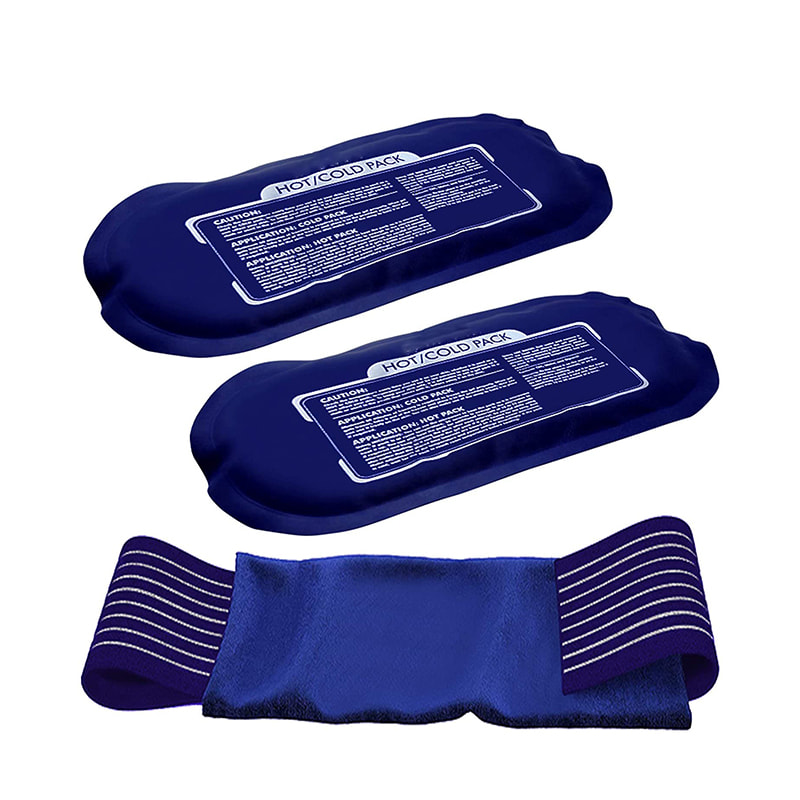
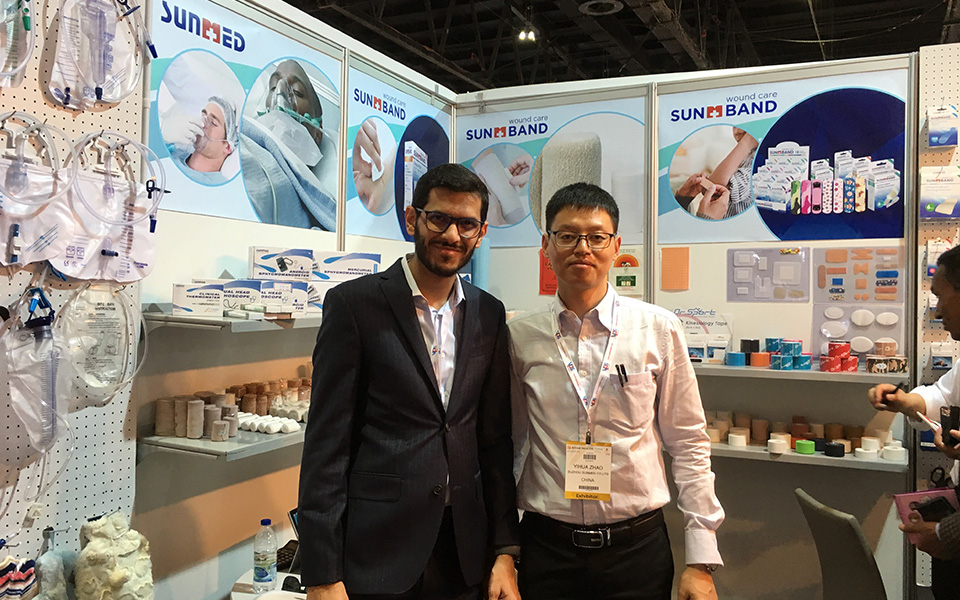
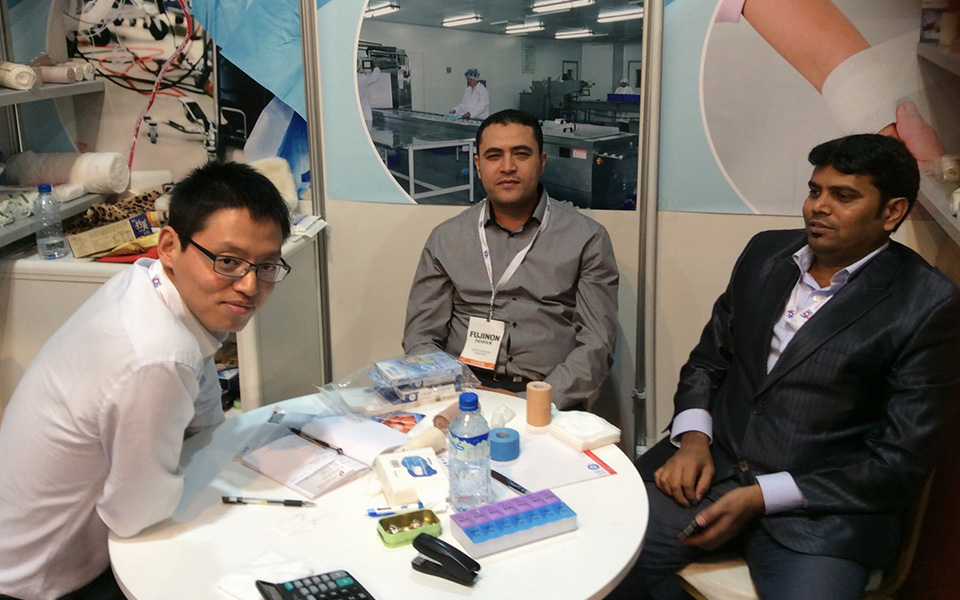
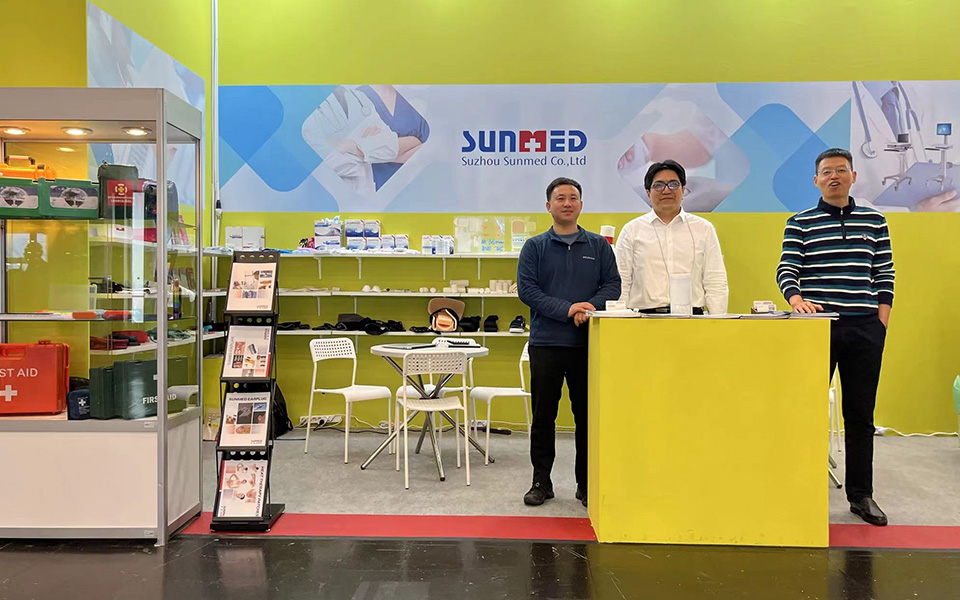
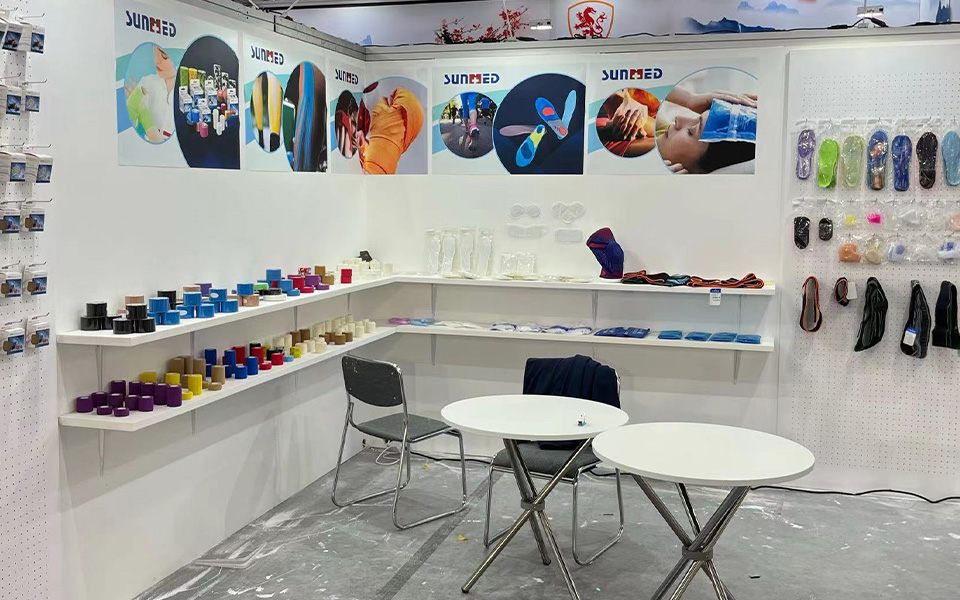
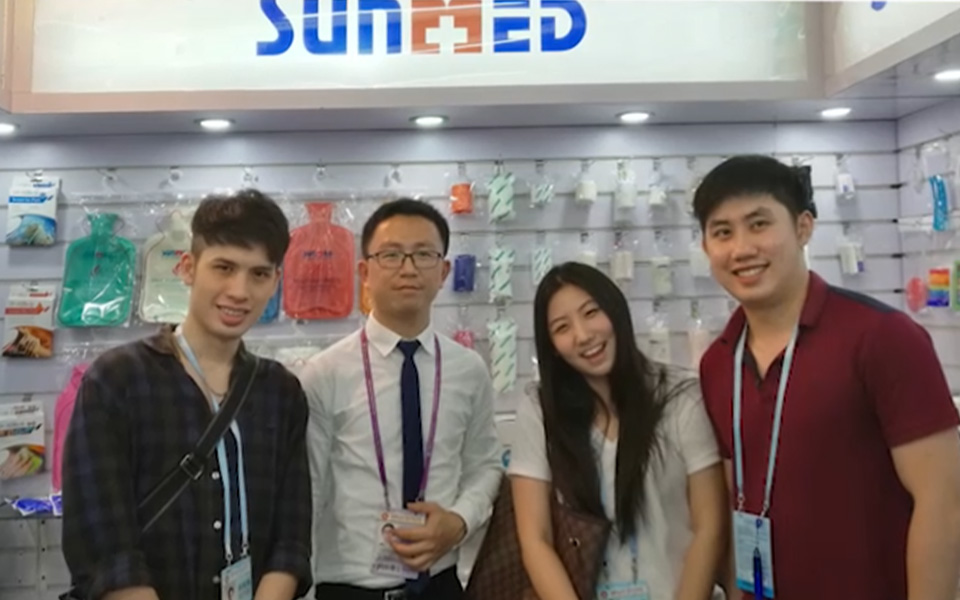
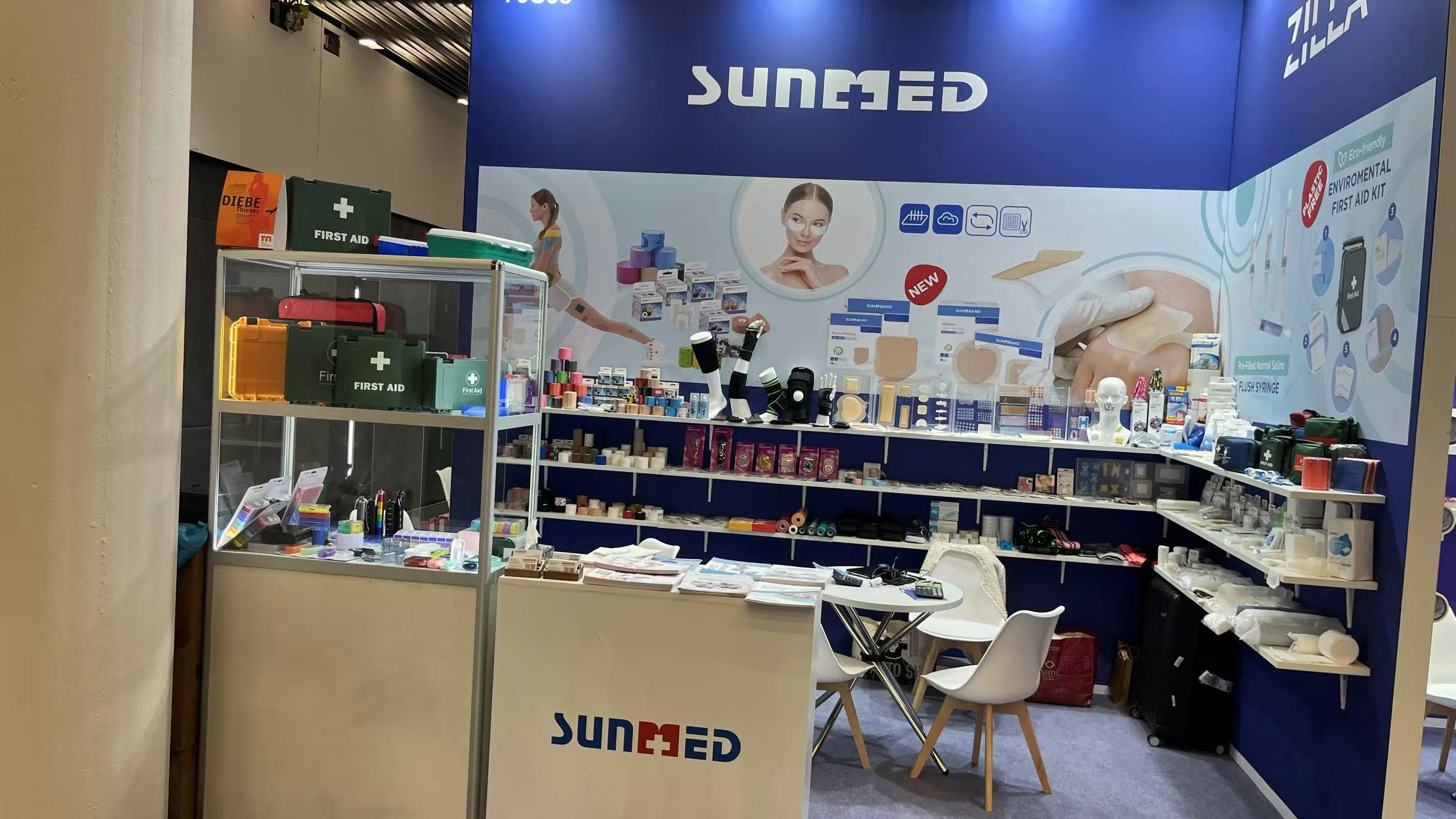
Suzhou Sunmed Co., Ltd. is described as a professional manufacturer and exporter of first aid, medical, and healthcare products in China. Its product experience covers medical gauze, bandages, medical tape, medical cotton, non-woven products, sports bandages, kinesiology tape, cohesive bandages, elastic adhesive bandages, pill boxes, hot and cold packs, syringes, catheters, surgical consumables, and other medical supplies.
This broad product background can be valuable to buyers seeking an integrated sourcing partner. A distributor may be able to consolidate several related categories, including wound care, sports support, first aid, family healthcare, and selected medical consumables. Consolidation can simplify communication, product development, quality documentation, packaging coordination, and shipment planning.
The company operates multiple production bases in Jiangsu, Zhejiang, and Anhui Province and reports approximately 30 years of experience in the medical device and medical consumables industry. Long-term sector experience can support more informed decisions about textile construction, packaging requirements, product positioning, and export market expectations.
In 2008, the company established its first aid factory, and in 2021 it established a factory for kinesiology tape, cohesive bandages, and elastic adhesive bandages. These investments indicate a focus on expanding specialized production capacity in areas closely related to high elastic compression bandages and sports support products.
The company also reports a professional quality control team comprising hundreds of personnel and states that its inspection procedures follow ISO 13485:2016 standards. It further reports that most products are CE certified and that its Suzhou factories comply with FDA requirements. Certification and regulatory claims should always be verified for the specific product, model, intended use, and target market before purchase or registration.
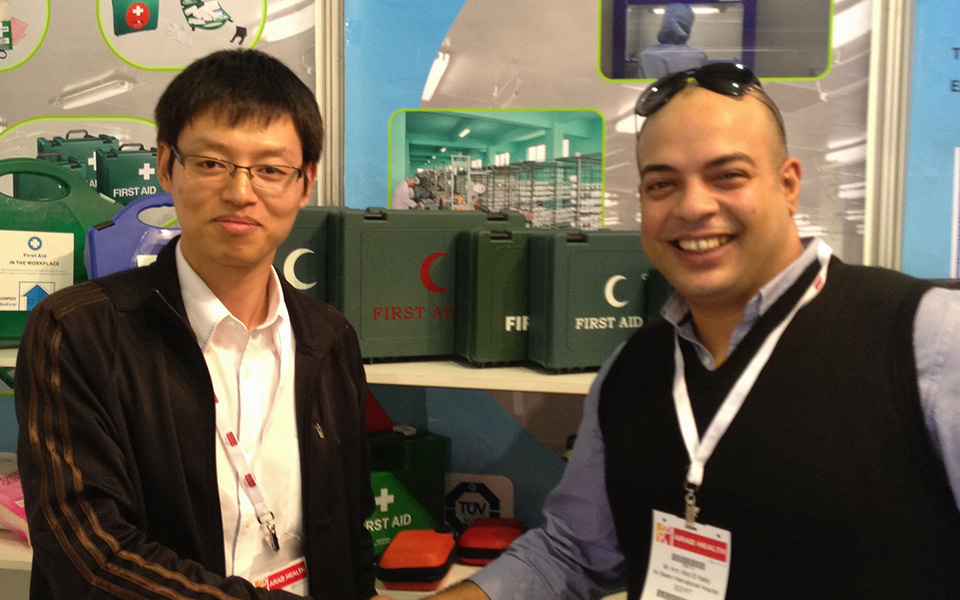
For international customers, the company’s reported export experience across more than 60 countries may offer practical advantages. Familiarity with markets in Europe, Southeast Asia, Africa, Oceania, and other regions can help support documentation, packaging, shipping coordination, and communication. However, each importing country has its own regulatory and labeling requirements, and buyers remain responsible for confirming local compliance.
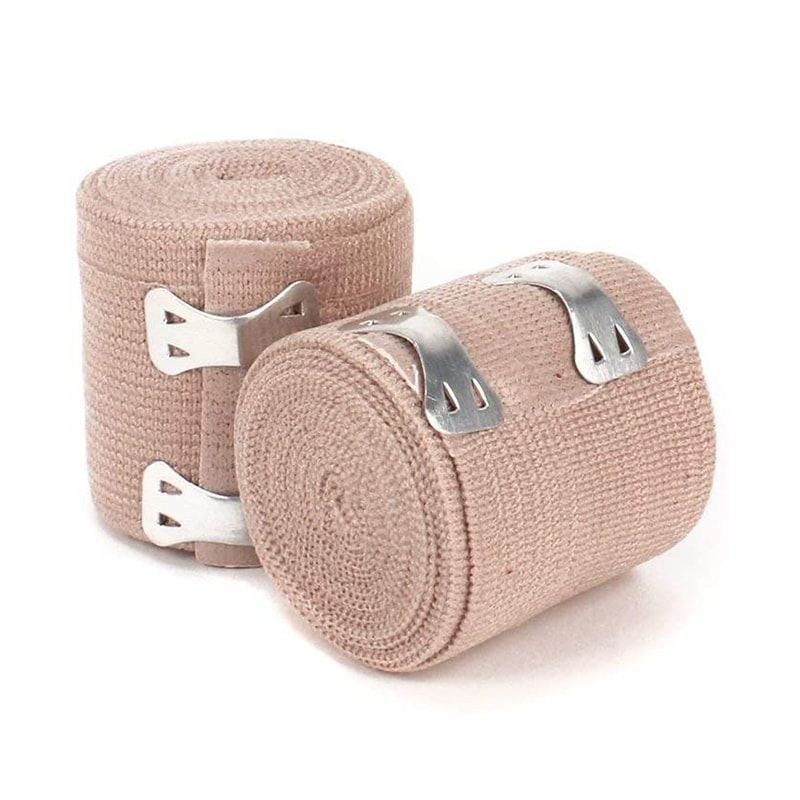
High Elastic Compression Bandages with Latex or Latex Free
Packaging, Logistics, and Wholesale Considerations
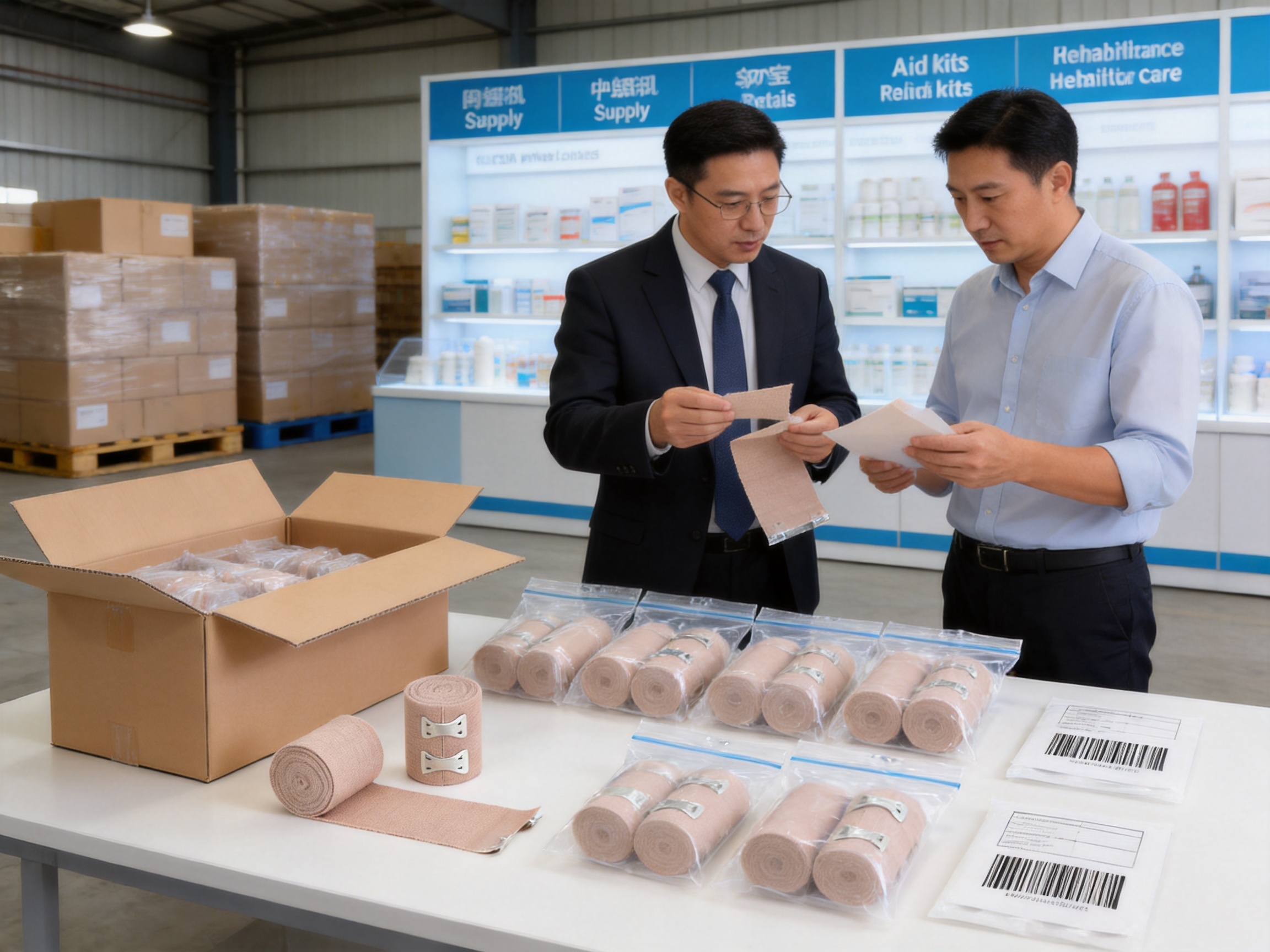
The standard packaging described for the product is one roll individually packed in a cellophane wrapper, with 10 rolls placed in one zip bag and then packed in an export carton. Individual packing improves protection and supports controlled distribution. The zip bag provides an additional grouping layer, while the export carton is designed for bulk handling and shipment.
Packaging should be adapted to the customer’s sales channel. Hospitals and institutional buyers may prefer simple, clearly labeled packs that support stockroom organization. Retail customers may require barcode labels, multilingual instructions, attractive graphics, or individual boxes. First aid kit manufacturers may request rolls packed in a particular shape or dimension to fit an existing kit layout.
Carton size and loading quantities depend on the selected width and length. The listed packing information includes the following examples for 90 g/m² high elastic bandages:
| Bandage Size | Carton Packing | Carton Size |
|---|
| 5 cm × 4.5 m | 960 rolls per carton | 54 × 43 × 44 cm |
| 7.5 cm × 4.5 m | 480 rolls per carton | 54 × 32 × 44 cm |
| 10 cm × 4.5 m | 480 rolls per carton | 54 × 42 × 44 cm |
| 15 cm × 4.5 m | 240 rolls per carton | 54 × 32 × 44 cm |
| 20 cm × 4.5 m | 120 rolls per carton | 54 × 42 × 44 cm |
Carton data should be confirmed before shipment because packing may change according to the final product weight, roll dimensions, packaging materials, private-label requirements, and order quantity. Accurate carton information supports freight quotation, warehouse planning, container loading, and customs documentation.
The stated delivery detail is within 40 days after receipt of a 30 percent down payment. Actual lead time may vary according to raw material availability, order volume, product customization, packaging approval, factory scheduling, and shipping conditions. Customers should confirm the production timeline in the sales contract and request a pre-production sample or artwork approval where appropriate.
Private Label and OEM Opportunities
High elastic compression bandages are suitable for private-label and OEM programs because the product can be configured in several dimensions and packaging styles. A customer may develop a line for pharmacies, sports retailers, hospitals, first aid distributors, rehabilitation centers, or online healthcare stores. A coordinated assortment can include multiple widths, latex-free options, different colors, and different fastening systems.
OEM cooperation normally begins with specification confirmation. The buyer should identify the material composition, latex status, dimensions, weight, elasticity requirements, color, closure type, packaging, labeling language, logo, barcode, carton markings, and regulatory documentation. A clear specification reduces the possibility of differences between the sample and mass production.
Artwork should be reviewed carefully before printing. Product names should accurately describe the bandage and its intended use. Claims such as “latex-free,” “sterilizable,” “washable,” or “medical device” should be supported by appropriate documentation and used in accordance with the destination market’s rules.
Samples should be evaluated for stretch, recovery, softness, ventilation, edge quality, closure strength, roll appearance, packaging, and labeling. If more than one size is ordered, each size should be sampled because performance and packing characteristics can vary by width and weight.
How to Select the Appropriate Specification
Selection should begin with the body area and intended use. A narrow bandage may be easier to control around a wrist or small joint, while a wider bandage may cover a lower leg or larger area more efficiently. The required length depends on the circumference of the body area, the number of layers, the desired overlap, and whether the product is used over a dressing.
Weight and density influence the feel of the bandage. A lighter construction may be preferred for everyday support or warmer climates, while a heavier construction may be chosen when greater coverage or a more substantial textile feel is desired. The appropriate choice should be established through sample testing and professional evaluation rather than weight alone.
Latex-free versions should be selected when required by the customer’s risk management policy, market preference, or user sensitivity considerations. Buyers should ensure that all associated components, including elastic elements, adhesives, closures, and packaging materials, meet the intended latex-free requirement.
The fastening system should match the user’s capabilities and application environment. Metal clips may offer a familiar and adjustable closure, while elastic band clips may provide a different handling experience. For sports, homecare, and retail users, ease of application may be particularly important. For hospitals and professional settings, the preferred closure may depend on staff training and established protocols.
Application and Safety Guidance
Before application, inspect the bandage and confirm that the roll is clean, intact, and the correct size. The skin should be assessed for wounds, swelling, irritation, or other conditions that may require professional advice. If the bandage is being used to secure a dressing, the dressing should be applied appropriately before the elastic wrap is placed.
Apply the bandage smoothly and evenly, avoiding folds, wrinkles, and concentrated pressure points. The bandage should not be wrapped more tightly than necessary. Particular care is required around joints and areas where nerves or blood vessels may be vulnerable. After application, check comfort, skin color, temperature, sensation, and circulation according to professional guidance.
If the user experiences increased pain, numbness, tingling, unusual coldness, discoloration, worsening swelling, breathing difficulty, or another concerning symptom, the bandage should be loosened or removed and medical advice should be obtained. The product should not be used as a substitute for diagnosis, emergency treatment, or a clinician’s instructions.
For sports use, the bandage should support movement rather than restrict it unnecessarily. Users should not assume that compression alone can prevent all injuries. For suspected fractures, severe sprains, dislocations, deep wounds, serious bleeding, or other significant injuries, professional medical evaluation is necessary.
Reusable versions should be washed, dried, stored, and sterilized only according to validated instructions. A bandage should not be shared between users unless it has been appropriately cleaned and processed. Discard any roll that shows contamination, damaged fibers, weakened elasticity, broken fastening components, or other defects.
Storage and Product Care
Elastic bandages should be stored in a clean, dry, and well-ventilated environment away from excessive heat, direct sunlight, moisture, chemicals, sharp objects, and sources of contamination. Rolls should remain in their original packaging until needed. Cartons should not be compressed in a way that permanently deforms the bandages or damages the packaging.
Long-term exposure to ultraviolet light, high temperatures, oils, solvents, or unsuitable cleaning chemicals may affect elastic fibers and reduce performance. Warehouse personnel should follow first-in, first-out inventory practices and inspect older stock periodically. Product labels should remain legible so that size, lot information, latex status, and use instructions can be identified.
During transportation, cartons should be protected from rain, excessive humidity, crushing, and rough handling. Container loading should consider carton weight, stacking height, ventilation, and the need to prevent movement. Private-label products should be checked after transit to ensure that printed surfaces, barcodes, and individual packs remain intact.
Why Supplier Experience Matters
Medical textile products may appear simple, but their quality depends on many interconnected details. The textile must stretch without becoming unstable, maintain adequate recovery, feel comfortable, retain its dimensions, and remain securely packed. Fastening components must function correctly, while labels must accurately communicate essential product information.
An experienced supplier can help identify practical risks before production. For example, a buyer may specify a length without defining the measurement condition, select a color without considering dye consistency, or request a latex-free product without reviewing all elastic components. Early technical communication can prevent costly revisions and reduce the possibility of rejected goods.
Supplier experience is also important when building a broader medical product portfolio. A manufacturer familiar with gauze, bandages, medical tape, cotton products, non-woven dressings, sports supports, and family healthcare products may be able to coordinate related products more efficiently. This can be beneficial for distributors seeking consistent packaging, consolidated shipments, and a long-term development partner.
The manufacturer’s reported quality system, production bases, specialized factories, export experience, and inspection personnel provide a foundation for international cooperation. Buyers should nevertheless conduct their own supplier qualification, request product-specific documents, perform sample evaluation, and confirm compliance with the regulations of the destination market.
Commercial Value for Distributors and Retailers
For wholesalers, the product’s broad specification range supports market segmentation. A distributor can offer basic widths for household and first aid use, larger sizes for clinical and orthopedic customers, latex-free options for specialized accounts, and selected colors for sports and retail channels.
Individual rolls are convenient for retail display and inventory counting. Ten-roll zip bags can support secondary distribution, while export cartons are suitable for larger wholesale orders. This layered packaging structure allows the same product to serve several sales channels without requiring entirely different handling systems.
The product can also complement other categories. A first aid supplier may combine high elastic bandages with gauze, adhesive tape, wound dressings, triangular bandages, gloves, and antiseptic products. A sports retailer may offer them alongside kinesiology tape, cohesive bandages, athletic tape, hot and cold packs, and rehabilitation supports. A medical distributor may include them in wound care and orthopedic product portfolios.
For online retailers, product pages should clearly explain the size, material, latex status, length, width, quantity, closure type, and intended use. Images and diagrams should show the package and dimensions accurately. Avoiding vague descriptions can reduce customer returns and improve confidence in the product.
Quality Documentation and Regulatory Preparation
Before importing or selling a medical bandage, buyers should identify the classification and regulatory requirements in the destination country. Requirements may involve technical files, risk management, labeling, clinical or performance information, quality certificates, declarations of conformity, importer details, language requirements, and post-market responsibilities.
The supplier should provide documents relevant to the specific product and market, which may include a product specification, material declaration, latex statement, inspection report, certificate of analysis, quality management information, packaging specification, and available certification. A general company certificate may not automatically cover every product or intended use.
For customers serving regulated markets, the product name, claims, intended purpose, and packaging must be consistent with the technical documentation. Claims about compression, sterilization, skin contact, reusability, or clinical performance should be reviewed by the responsible regulatory team before publication.
Lot traceability is important for medical consumables. The product should be identifiable through batch or lot information linked to raw materials, production records, inspections, and shipment documentation. Traceability supports complaint investigation, stock control, and any necessary corrective action.
Frequently Asked Questions
What materials are used in these compression bandages?
The listed construction uses polyester and cotton together with rubber or spandex. The exact blend and elastic component should be confirmed in the product specification for the selected version. The manufacturer can provide latex-containing and latex-free options.
What does latex-free mean for this product?
A latex-free version is produced without the specified natural rubber latex component. Buyers should request a product-specific latex-free declaration and confirm that all relevant components, including elastic materials and closures, meet the required definition for their market.
What sizes are available?
Listed widths include 5 cm, 7.5 cm, 10 cm, 15 cm, and 20 cm. Listed lengths include 4 m, 4.5 m, 5 m, and 5 yards. Other dimensions may be available subject to production capability, order quantity, and specification approval.
How much can the bandage stretch?
The stated extensibility is approximately 180 percent. Actual performance depends on the selected material, weight, width, production lot, and test method. Buyers should agree on a test standard and acceptance range before bulk production.
Are the bandages washable?
The product advantages include washability. Washing should follow validated instructions, and the bandage should be inspected after cleaning. Any product that loses elasticity, becomes damaged, or cannot be adequately cleaned should be removed from use.
Can the bandages be sterilized?
The product information states that the bandages are sterilizable. The customer should confirm the approved sterilization method and conditions for the exact product version. Sterilization compatibility should be validated before clinical use.
What fastening systems are offered?
The specifications refer to metal clips and elastic band clips with different sizes available for selection. Customers should confirm the required closure when requesting a quotation because the fastening system may affect the product specification and packaging.
Are these adhesive bandages?
The category identifies the product as a heavy elastic adhesive bandage, while the specification also mentions clipped fastening options. Because elastic medical wraps can be supplied in different configurations, buyers should clarify whether they require adhesive, cohesive, clip-secured, or another version before ordering.
How are the bandages packed?
The described standard is one roll individually packed in a cellophane wrapper, with 10 rolls in one zip bag and then packed in an export carton. Packing quantities and carton dimensions can vary according to the selected size and final order requirements.
Can the product be supplied under a private label?
OEM and private-label cooperation can be discussed. The buyer should provide logo artwork, packaging requirements, labeling language, barcode information, product claims, and destination-market requirements. Minimum order quantities and lead times should be confirmed in advance.
What should buyers test before approving a bulk order?
Buyers should evaluate material, latex status, dimensions, weight, stretch, recovery, softness, ventilation, edge quality, fastening strength, packaging integrity, labeling, and carton packing. Each ordered size and material version should be sampled where practical.
Who should use a compression bandage?
Use depends on the intended application and the user’s condition. Healthcare professionals, trained first aid providers, sports practitioners, rehabilitation professionals, and household users following clear instructions may use elastic bandages. Serious injuries or circulation concerns require professional medical advice.
What makes this product suitable for export markets?
The product offers multiple sizes, colors, weights, material options, fastening systems, and packaging choices. The manufacturer also reports extensive export experience, multiple production bases, specialized factories, quality control procedures, and a broad medical product portfolio. Buyers must still verify market-specific compliance.
Conclusion
High Elastic Compression Bandages with Latex or Latex-Free options provide a flexible solution for first aid, wound care, sports support, rehabilitation, orthopedic applications, and general healthcare. Their polyester-cotton construction, rubber or spandex elasticity, breathable mesh preparation, approximately 180 percent extensibility, multiple sizes, and individual packaging create a product platform suitable for both professional and retail markets.
The most important advantages are the combination of high elasticity, comfort, ventilation, flexibility, washable and sterilizable characteristics, material choice, and specification diversity. Compared with basic elastic wraps, a well-controlled product can offer more consistent dimensions, more dependable application, broader market coverage, and improved procurement convenience.
Suzhou Sunmed Co., Ltd. brings reported experience in medical consumables, first aid products, sports supports, wound care, family healthcare, and medical instruments. Its production bases, specialized bandage-related factory investment, export history, quality control organization, and reported ISO 13485:2016-oriented procedures support its role as an OEM and wholesale supplier. Product-specific verification, sampling, documentation review, and destination-market compliance checks remain essential parts of responsible purchasing.
For distributors, hospitals, sports retailers, first aid suppliers, and private-label buyers, the product can serve as a dependable foundation for a broader support and wound care range. By selecting the appropriate width, length, weight, latex status, fastening method, packaging, and labeling, customers can adapt the bandage to different markets while maintaining a consistent sourcing relationship.
References
1. Product specification information for High Elastic Compression Bandages with Latex or Latex-Free Options, product code DC660037.
2. ISO 13485:2016, Medical Devices—Quality Management Systems—Requirements for Regulatory Purposes.
3. General principles of elastic bandage application, dressing security, circulation monitoring, and first aid practice.
4. General medical textile quality-control practices for dimensional inspection, elasticity testing, packaging verification, and lot traceability.
5. Manufacturer-provided information concerning materials, sizes, packaging, production capabilities, export experience, and company quality procedures.

 English
 Español
 русский
 Français
 Deutsch
 italiano
 By Admin