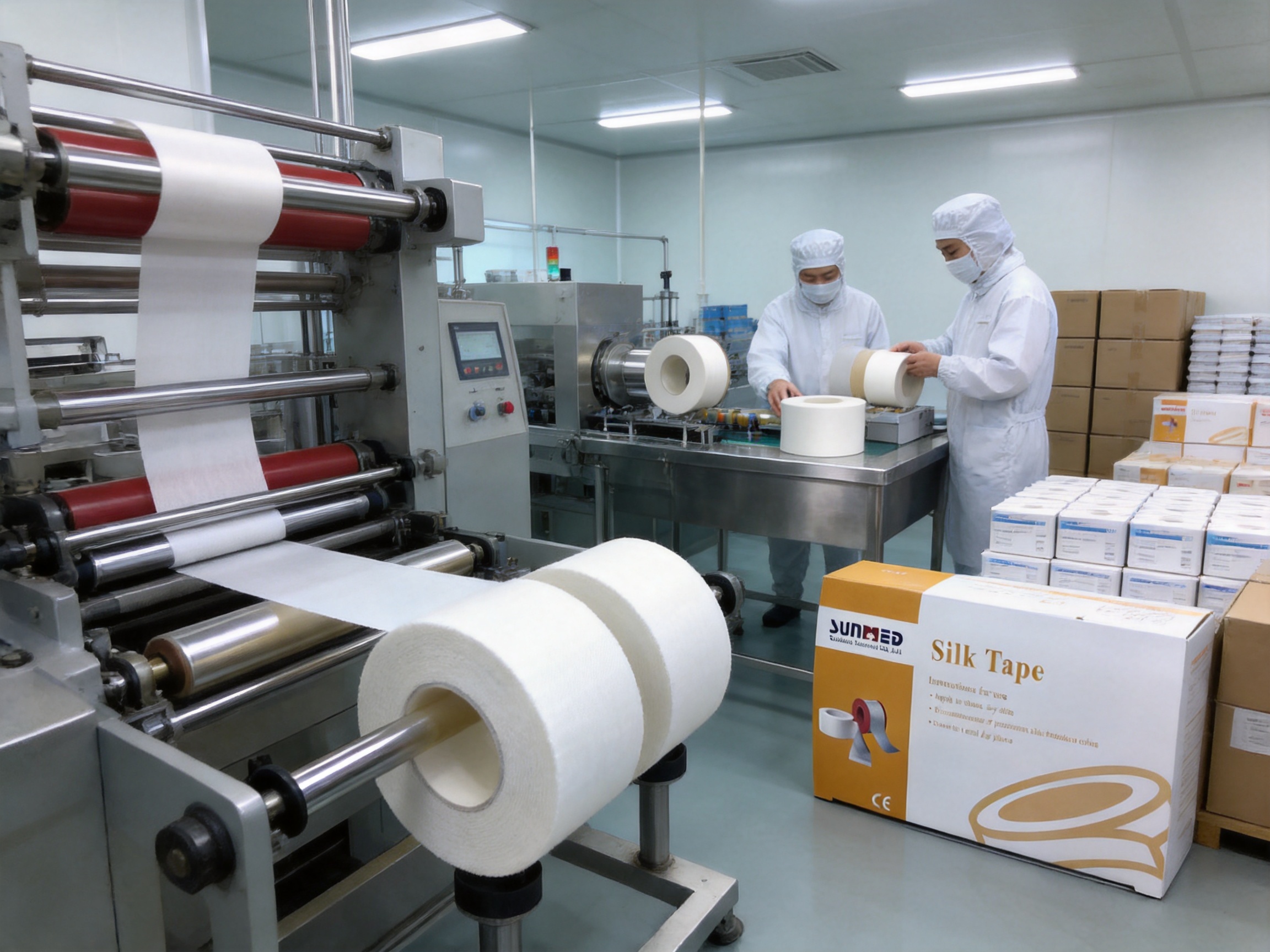
Medical tape is a small but essential component of professional healthcare. It supports dressings, secures tubing, stabilizes light medical devices, and helps keep wound-care materials in the correct position during treatment. Although tape may appear simple, its performance depends on several carefully controlled factors, including the backing material, adhesive system, coating uniformity, roll construction, packaging, storage stability, and ease of use.
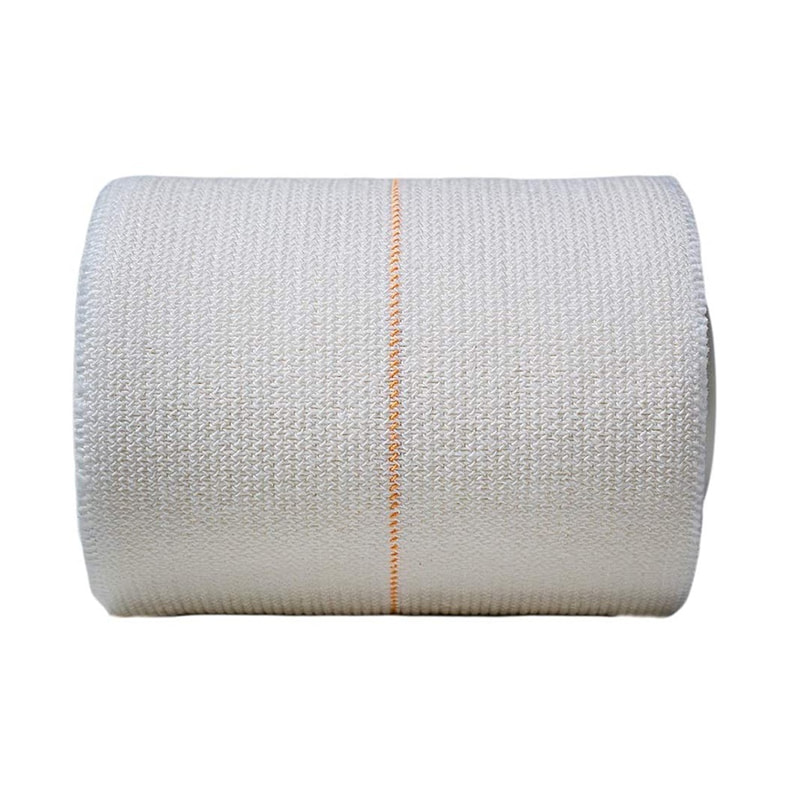
Medical silk tape with a core pack is designed to provide a practical balance between secure fixation and convenient handling. Its silk-style fabric backing gives the product a smooth, professional appearance and a flexible structure, while the internal core helps maintain roll shape and supports efficient dispensing. The product is suitable for hospitals, clinics, first-aid suppliers, pharmacies, home-care providers, distributors, and other healthcare purchasing channels.
For buyers, the value of medical silk tape is not limited to the tape itself. A dependable supplier should also provide stable production, consistent quality control, export experience, packaging flexibility, and technical support. Suzhou Sunmed Co., Ltd. combines medical consumables manufacturing experience with production resources in several Chinese provinces, allowing the company to support a broad portfolio of first-aid, wound-care, medical, sports-support, and healthcare products.
Understanding Medical Silk Tape with Core Pack
Medical silk tape is a pressure-sensitive adhesive tape intended for healthcare and first-aid applications. The product generally consists of a fabric-like backing coated with a medical adhesive. The backing provides strength and handling support, while the adhesive enables the tape to attach to dressings, gauze, tubing, or suitable skin surfaces according to the product specification and intended use.
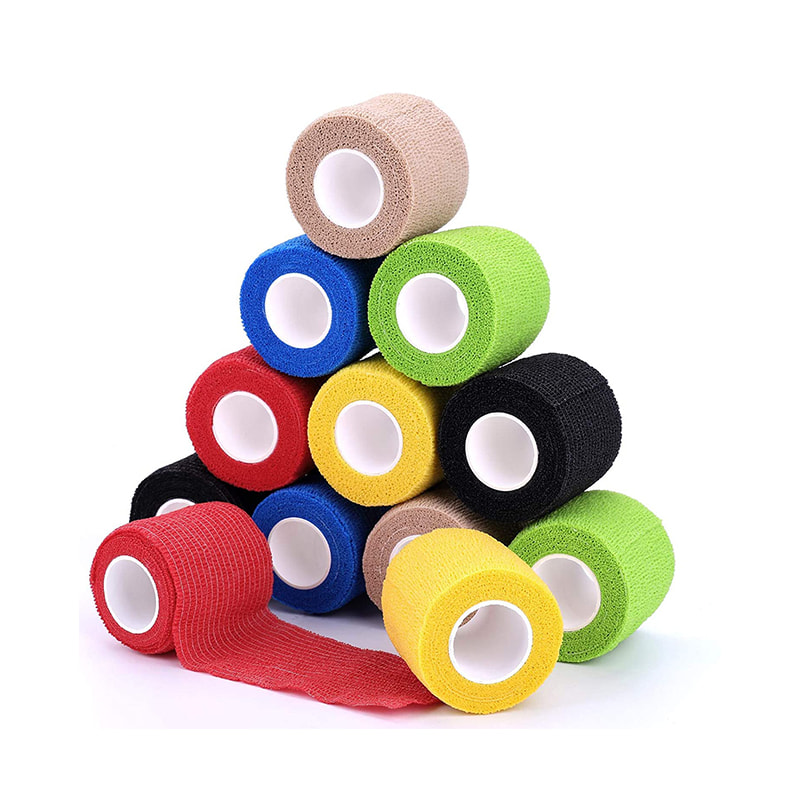
The “core pack” construction refers to the roll being wound around an internal core. This core supports the tape during winding, storage, transportation, and dispensing. It helps the roll retain its cylindrical form and makes it easier for users to unwind a controlled length. For institutional purchasers, this construction can also contribute to more orderly packaging and improved shelf presentation.
The product supplied by Sunmed is identified as SMD-TAPE and is categorized as silk tape. The tape can be supplied for professional medical distribution and private-label programs, subject to agreed technical specifications, packaging requirements, and applicable regulatory arrangements. Buyers may request product details such as roll dimensions, packaging format, labeling, carton configuration, and other commercial requirements during the quotation and approval process.
Why the Backing Material Matters
The backing is one of the main factors that distinguishes one medical tape from another. A fabric-style backing can offer a combination of flexibility, tearability, conformability, and strength. It should be easy for healthcare personnel to handle while remaining stable when used to secure a dressing or other medical material.
Silk-style tape is often selected when a purchaser wants a traditional medical-tape appearance and a dependable fabric structure. Compared with some smooth plastic films, a textile backing may provide a different tactile feel and handling response. It may also be suitable for applications in which the user needs to tear or cut the tape during routine care.
Backing performance should always be evaluated together with adhesive performance. A strong backing cannot compensate for an unsuitable adhesive, and a high-tack adhesive cannot by itself guarantee a well-performing product. The complete roll construction, coating process, winding tension, packaging, and storage conditions all influence the final user experience.
The Role of the Adhesive
The adhesive is responsible for creating contact between the tape and the intended surface. In medical use, the adhesive should provide sufficient fixation for the application while supporting appropriate removal procedures. The required balance depends on the intended use, duration of wear, surface condition, environmental conditions, and whether the tape is applied to skin, dressing material, tubing, or another medical surface.
Medical tape buyers should avoid evaluating adhesive quality only by asking whether the tape is “strong.” Excessive adhesion may not be appropriate for every use, while insufficient adhesion may lead to premature lifting. A well-designed product should be matched to its intended application and evaluated through relevant performance testing.
Important adhesive-related considerations may include initial tack, holding power, peel behavior, residue, aging stability, and performance after exposure to ordinary temperature and humidity conditions. For skin-contact applications, the finished product should also be assessed according to the applicable safety and regulatory requirements in the target market.
Key Advantages of the Core-Pack Silk Tape Design
Stable Roll Structure
An internal core gives the roll a stable foundation. This is important because a poorly wound or unsupported roll may become loose, distorted, or difficult to unwind. A stable core-pack design helps protect the roll during transportation and keeps the product organized until it reaches the point of use.
For distributors, stable roll construction can reduce presentation problems. Rolls that retain their shape are easier to count, pack, display, store, and distribute. They can also be arranged more efficiently in inner boxes and shipping cartons, depending on the selected packaging format.
Controlled Dispensing
Healthcare workers frequently need to use tape quickly. A core-supported roll can make it easier to unwind the required length and tear or cut the material without excessive handling. This can help support efficient dressing changes, routine first-aid procedures, and general medical-care tasks.
Controlled dispensing is particularly valuable in busy clinical environments. Nurses, caregivers, and first-aid personnel may need to work with gloves, manage other medical materials, or maintain clean working practices. A roll that unwinds smoothly and remains structurally stable can contribute to a more convenient workflow.
Efficient Packaging and Logistics
The core-pack format is well suited to standardized packaging. Rolls can be grouped into inner packs, retail boxes, or institutional cartons according to buyer requirements. Standardized packing helps simplify inventory control and supports consistent product identification.
For international buyers, packaging must also withstand long-distance transportation. The product may pass through multiple handling stages before reaching a hospital, distributor, retail store, or end user. Appropriate winding, wrapping, labeling, and carton protection can help preserve product integrity throughout the supply chain.
Professional Appearance
The silk-style backing and core-supported roll provide a familiar medical-supply appearance. This can be useful for hospitals, pharmacies, first-aid suppliers, and private-label healthcare brands that want a professional product presentation.
Packaging can be developed around institutional or retail requirements. Depending on the order, buyers may discuss branding, language, barcode information, product identification, instruction text, carton marks, and other packaging elements. Final availability depends on the required quantity, market regulations, and approved artwork.
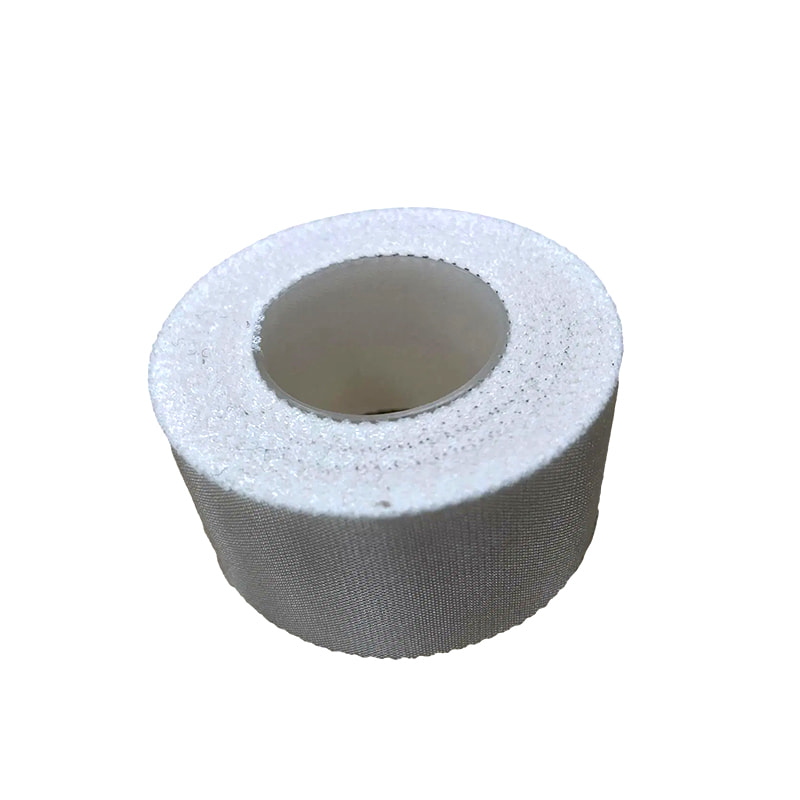
Silk Tape with Core Pack Medical Silk Tape
Applications in Medical and First-Aid Settings
Medical silk tape is commonly considered for applications where a dressing, gauze pad, tube, or light medical component needs to be held in position. The exact application must follow the product’s approved instructions and the practices of the responsible healthcare professional.
Securing Gauze and Wound Dressings
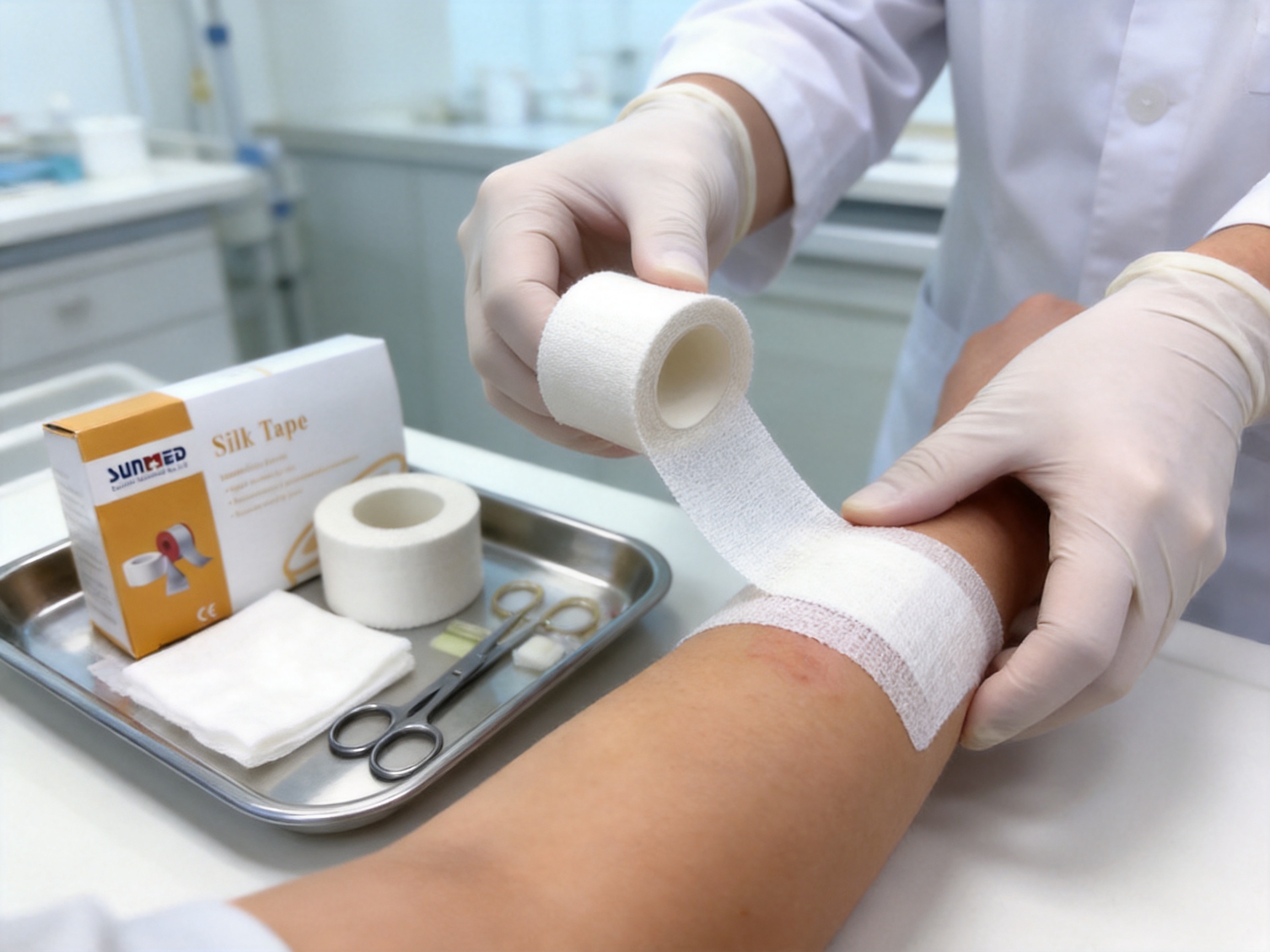
One of the most familiar applications is the fixation of gauze and other wound-care materials. Tape can help hold a dressing over the selected area and reduce unwanted movement during ordinary activity. The correct tape width and length should be selected according to the size and location of the dressing.
When applying tape, the skin or surrounding surface should be prepared according to clinical practice. The tape should not be stretched unnecessarily unless the product instructions specifically allow it. Applying excessive tension may create discomfort or affect the skin, while insufficient contact may reduce fixation.
Supporting Routine Nursing Procedures
Medical tape is used in many routine nursing situations. It may assist with securing a dressing after a procedure, holding a protective pad in place, or organizing a temporary fixation task. Its value lies in being readily available, easy to handle, and compatible with the broader range of medical consumables used in a care setting.
Hospitals and clinics often purchase tape as part of a larger wound-care or nursing-supply program. A supplier capable of offering tape together with gauze, bandages, cotton products, first-aid items, and other medical consumables can simplify sourcing and communication.
Fixing Light Tubing and Medical Accessories
Depending on the approved product specification, medical tape may also be considered for securing light tubing or accessories. Before use, the healthcare professional should confirm that the tape is suitable for the surface, the expected duration, the required holding power, and the patient’s skin condition.
Tape should not be used as a substitute for a dedicated fixation device when a specific device is required. It should also be applied in a way that does not obstruct fluid flow, create pressure points, restrict movement, or interfere with monitoring and treatment.
First-Aid and Home Healthcare
Medical silk tape can be included in first-aid kits, home-care packages, travel medical kits, pharmacy assortments, and emergency-care supplies. In these settings, the product should be easy for non-specialist users to understand and handle, with packaging that clearly communicates product identity and basic use information.
For retail programs, buyers may focus on compact packaging, recognizable labeling, clear instructions, and convenient roll dimensions. For institutional programs, the priority may instead be carton efficiency, bulk supply continuity, and compatibility with existing nursing procedures.
Comparison with Other Medical Tape Categories
Medical tapes are available in different backing materials and adhesive constructions. No single type is ideal for every application. The appropriate choice depends on the intended purpose, user preference, clinical requirements, skin sensitivity, environmental conditions, and local regulations.
| Tape category | Typical characteristics | Common purchasing considerations |
|---|
| Silk-style fabric tape | Fabric-like backing, familiar medical appearance, flexible handling, core-supported roll options | Backing strength, tearability, adhesive balance, roll stability, packaging |
| Non-woven tape | Soft and flexible structure, often selected for conformability | Comfort, breathability, lint behavior, adhesive performance |
| Paper tape | Lightweight backing and common first-aid use | Gentle handling, easy tearing, moisture resistance, intended wear time |
| Transparent film tape | Clear film construction and visual inspection potential | Flexibility, moisture behavior, film strength, intended application |
| Elastic adhesive tape | Stretchable backing for selected support or fixation purposes | Elastic recovery, tension control, support level, skin contact requirements |
| Sports support tape | Designed for sports-support or movement-related uses | Support, stretch, sweat conditions, application technique, retail positioning |
The core-pack silk tape’s competitive position is based on its combination of traditional fabric-style handling and organized roll construction. Some competing products may focus mainly on low price, while others may emphasize specialized skin sensitivity, high elasticity, transparency, or sports performance. Buyers should compare products according to the actual application rather than relying on a single feature.
Advantages Compared with Unstructured or Poorly Wound Rolls
A consistent core-supported roll can be easier to store and dispense than a loose or irregularly wound roll. This advantage becomes more noticeable when tape is purchased in large quantities or used frequently. Stable roll geometry supports more predictable handling and can help reduce inconvenience during use.
Advantages Compared with Inconsistent Private-Label Products
Private-label buyers need more than attractive packaging. They need a manufacturer that can repeat the agreed specification across production batches. Consistency in backing, adhesive coating, roll dimensions, labels, and cartons is central to maintaining customer confidence.
A manufacturer with established medical-product quality systems and experienced production personnel can offer a more structured route to private-label development. The buyer can discuss the intended market, technical requirements, packaging design, order quantity, and inspection plan before production begins.
Advantages of a Broad Medical Product Portfolio
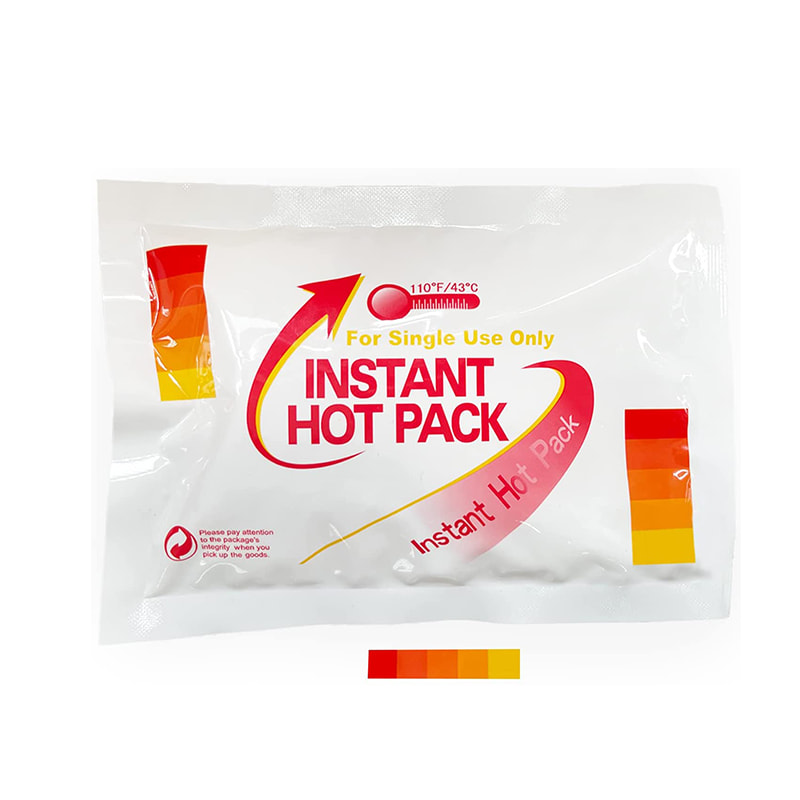
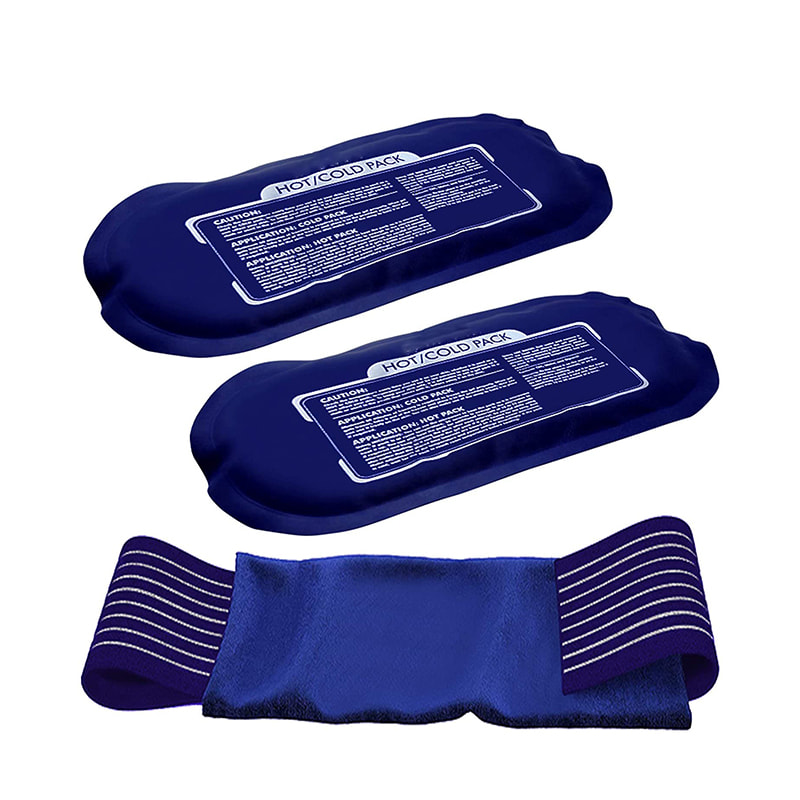
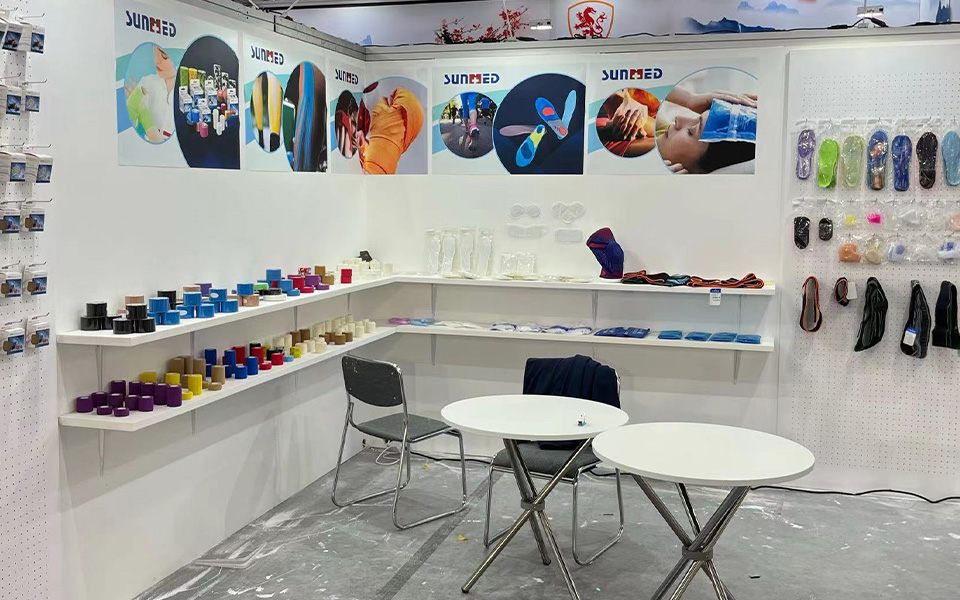
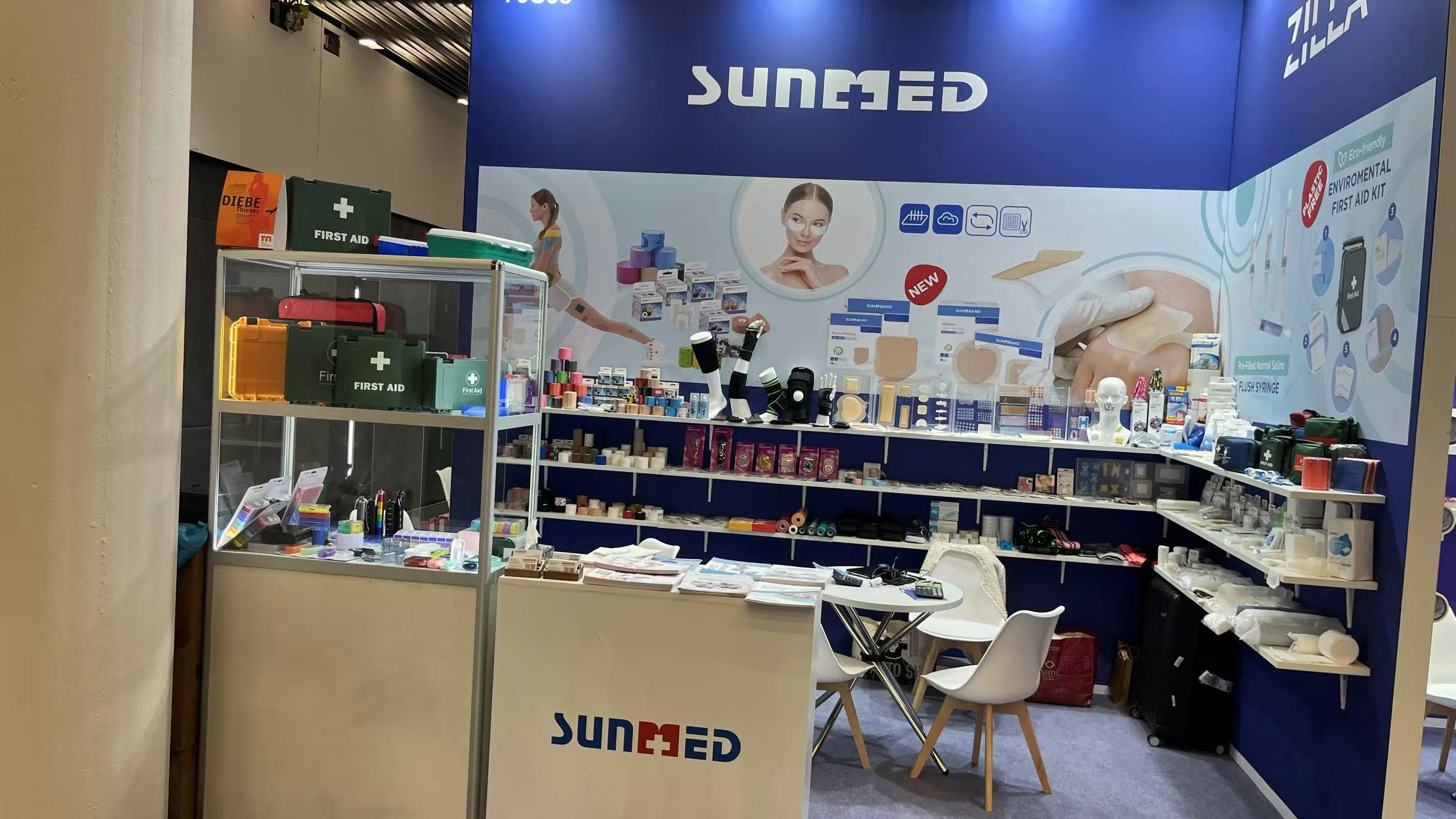
Sunmed’s product range includes first-aid products, wound dressings, gauze, bandages, medical tape, medical cotton, non-woven products, sports bandages, kinesiology tape, cohesive bandages, pill boxes, hot and cold therapy products, syringes, catheters, surgical consumables, and other medical supplies.
This broad portfolio can be useful for importers and distributors seeking to consolidate orders. Instead of managing many unrelated suppliers, a buyer may be able to coordinate several product categories through one experienced medical-supply partner. Consolidation can simplify communication, documentation, packaging coordination, and supply planning.
Manufacturing Process and Quality Considerations
Reliable medical tape production requires control at every stage. The process does not begin only when the adhesive is coated. It begins with the selection and inspection of incoming materials, continues through coating and slitting, and ends with packaging, final inspection, warehousing, and shipment.
Material Selection and Incoming Inspection
The backing material should be evaluated for characteristics relevant to the agreed specification. These may include appearance, width, basis weight, strength, flexibility, surface condition, and compatibility with the adhesive system. The adhesive components and packaging materials should also be checked before use.
Incoming inspection helps prevent unsuitable materials from entering production. It also establishes traceability between suppliers, incoming batches, production orders, and finished goods. The exact inspection plan should be determined by the manufacturer’s quality system and the product requirements.
Adhesive Preparation
Adhesive preparation requires attention to formulation, mixing, viscosity, temperature, and cleanliness. The objective is to create a uniform coating material that can be applied consistently across the backing. Variations in adhesive preparation can affect coating weight, tack, holding power, and aging performance.
Production personnel may monitor the adhesive mixture at defined intervals. Equipment settings and process records help maintain repeatability between batches. Where a customer has approved a specific adhesive or performance profile, changes should be managed through the appropriate technical and quality procedures.
Coating the Backing
During coating, the adhesive is applied to the backing in a controlled manner. Coating uniformity is essential because areas with insufficient adhesive may reduce fixation, while excessive coating may affect handling, residue, or cost efficiency.
Important process parameters may include coating speed, coating thickness, drying or curing conditions, line tension, temperature, and humidity. The specific settings depend on the materials and equipment used. A stable process helps achieve a consistent relationship between the tape backing and adhesive layer.
Drying, Curing, or Conditioning
After coating, the adhesive may require drying, curing, or conditioning before the material is wound. This stage supports the development of the intended adhesive properties and helps reduce the risk of defects caused by incomplete processing.
Environmental control can be especially important for adhesive products. Temperature and humidity may influence viscosity, drying behavior, roll formation, and storage stability. A professional production facility should define suitable operating conditions and monitor them as part of routine manufacturing control.
Slitting and Roll Formation
The coated master roll is converted into smaller rolls through slitting and rewinding. Slitting equipment must maintain accurate widths and clean edges. Winding tension should be controlled so that the rolls are neither too loose nor excessively compressed.
The internal core is installed as part of the roll-forming process. Correct core alignment helps the finished roll unwind properly and remain stable during transportation. The final roll should be checked for appearance, edge quality, winding condition, and dimensional compliance.
Packaging and Label Control
Packaging protects the tape from contamination, moisture, compression, and unnecessary exposure during distribution. It also provides a means of communicating product information, batch identification, storage guidance, and market-specific labeling.
Label control is important in medical manufacturing because an incorrect label can create a serious supply-chain problem even when the physical product is acceptable. Production teams should verify artwork, product codes, lot information, quantities, carton marks, and language requirements before packing.
Final Inspection and Release
Finished-product inspection may include visual examination, dimensional checks, roll quantity verification, packaging inspection, and performance testing. Depending on the specification, testing may address adhesion, backing strength, unwind behavior, residue, or other relevant characteristics.
Products should be released only after the required records have been reviewed. A controlled release process helps ensure that nonconforming products are identified and handled before shipment. It also supports traceability if a customer later needs information about a particular production batch.

Sunmed’s Manufacturing Strengths
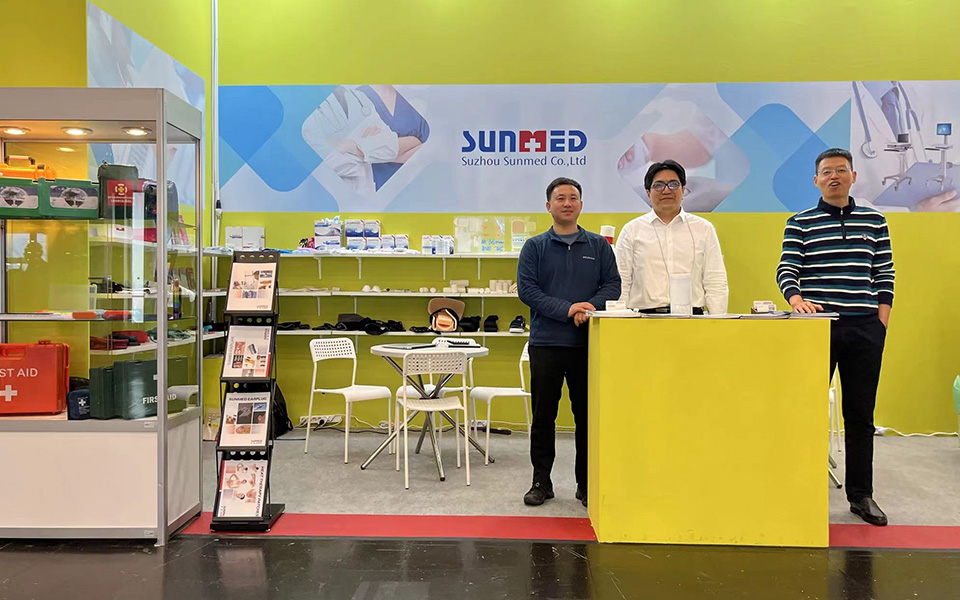
Suzhou Sunmed Co., Ltd. is a professional manufacturer and exporter of first-aid, medical, and healthcare products in China. The company operates multiple production bases in Jiangsu, Zhejiang, and Anhui Province. This production network supports a wide range of medical product categories and provides experience in coordinating different manufacturing requirements.
The company has approximately 30 years of experience in the medical device and medical consumables industry. Its product knowledge covers wound care, medical gauze, bandages, medical tape, medical cotton, medical non-woven products, sports bandages, family healthcare items, medical instruments, surgical consumables, and related supplies.
Experience in Medical Consumables
Long-term experience can support better understanding of the practical requirements faced by importers, distributors, hospitals, and retail buyers. Medical consumables must be manufactured with attention to more than basic appearance. They require stable materials, repeatable processes, suitable packaging, clear documentation, and awareness of the regulatory expectations in different markets.
Sunmed’s experience across several product categories can also support product matching. A customer purchasing medical silk tape may also need gauze, wound dressings, adhesive bandages, cotton products, sports support products, or first-aid kits. The company’s broader capabilities provide an opportunity to discuss these needs together.
Dedicated Quality Control Personnel
Sunmed reports a professional quality-control team comprising hundreds of personnel. These personnel follow inspection procedures intended to support consistent product quality and alignment with ISO 13485:2016 standards. Quality control may involve incoming-material inspection, in-process monitoring, finished-product inspection, documentation review, and shipment verification.
A strong quality system is particularly valuable for products that may be used in hospitals, clinics, first-aid programs, and healthcare distribution channels. Buyers can request the quality documents and product records appropriate to their market and order requirements.
International Export Experience
Sunmed has exported products to more than 60 countries and regions. Its reported markets include European countries such as the United Kingdom, Germany, Spain, Denmark, and the Netherlands; Southeast Asian markets including Japan, Malaysia, the Philippines, and Thailand; African markets such as Tanzania, Mauritius, and South Africa; and Oceania markets including Australia and New Zealand.
International experience can help a supplier understand the importance of export packaging, commercial documentation, communication across time zones, product labeling, and customer-specific requirements. It may also help reduce avoidable misunderstandings during order confirmation and shipment preparation.
Specialized Production Development
In 2008, Sunmed established its first-aid factory to respond to the needs of first-aid customers. In 2021, the company established a factory for kinesiology tape, cohesive bandages, and elastic adhesive bandages. These investments demonstrate an effort to develop specialized production capabilities within the medical and sports-support fields.
Although medical silk tape is a distinct product, the company’s experience with adhesive medical and sports products can be relevant when discussing coating, roll formation, packaging, and customer-specific requirements. Product suitability should still be confirmed according to the technical specification of the individual tape.
Quality Management and Regulatory Awareness
Medical tape is supplied into markets with different legal, regulatory, and documentation requirements. Buyers should identify the intended country or region at the beginning of the project so that product classification, labeling, testing, technical documentation, and certification expectations can be reviewed correctly.
Sunmed states that its quality-control procedures follow ISO 13485:2016 standards and that most of its products are CE certified. The company also states that its Suzhou factories comply with FDA requirements. These statements should be understood in relation to the specific product, manufacturing site, intended use, and target market. Buyers should request current product-specific documentation before making regulatory or commercial decisions.
Why Product-Specific Documentation Matters
A certification or quality-system statement does not automatically mean that every product has the same regulatory status in every country. Product classification may differ according to intended use, claims, contact duration, packaging, and national rules. Therefore, responsible purchasing teams should verify documents for the exact product and configuration being ordered.
Documents that may be relevant during evaluation can include a product specification, declaration or certificate where applicable, material information, test reports, quality-system evidence, packaging artwork, inspection records, and a certificate of analysis or conformity when required by the buyer.
Traceability and Batch Control
Traceability allows the manufacturer and customer to identify the relationship between raw materials, production records, finished rolls, packaging, and shipment documents. Batch information can be useful for inventory management, complaint investigation, product monitoring, and regulatory communication.
When purchasing private-label goods, buyers should agree in advance how lot numbers, manufacturing dates, expiration or recommended-use information, and carton identification will appear. The final arrangement should follow the product’s regulatory requirements and the approved artwork.
Storage and Transportation
Medical tape should be stored according to the manufacturer’s instructions. Buyers should consider temperature, humidity, direct sunlight, dust, compression, and proximity to chemicals or strong odors. Adhesive products can change when exposed to unsuitable conditions for extended periods.
During transportation, cartons should be protected from crushing, water exposure, excessive heat, and rough handling. Appropriate palletization and carton design can support product integrity. Importers should also plan stock rotation so that earlier shipments are used in a timely manner.
Purchasing and Customization Options
Medical silk tape can be purchased as a standard product or developed for a private-label program. The commercial process should begin with a clear description of the intended application, target market, preferred roll size, packaging format, annual demand, and documentation requirements.
Specification Confirmation
Before placing an order, buyers should confirm the tape width, roll length, core size, backing characteristics, adhesive requirements, color, packaging quantity, and carton dimensions. If the customer has a reference sample, it can be used to establish a comparison point, although final approval should be based on agreed technical specifications and testing.
Technical discussions should also address whether the product is intended for skin contact, dressing fixation, medical accessory fixation, first-aid kits, institutional use, or retail sale. The intended use affects the appropriate documentation, labeling, and performance evaluation.
Private-Label Packaging
Private-label customers may request printed boxes, customized labels, branded cartons, multilingual instructions, barcodes, and retail-ready packaging. Artwork should be reviewed carefully for product claims, symbols, storage instructions, regulatory information, and translation accuracy.
Packaging design should balance appearance with practical protection. A visually attractive package is useful, but the package must also protect the roll, provide sufficient product information, and remain suitable for shipping and warehouse handling.
Sampling and Approval
Samples allow buyers to assess appearance, roll formation, tearability, unwinding, packaging, and general handling before mass production. Where necessary, samples may also be evaluated by the buyer’s quality team or an independent laboratory.
Once the sample and specification are approved, changes should be controlled. Changes to raw materials, adhesive, backing, core, packaging, or production site may affect the final product. Buyers should establish a change-notification process as part of the supply agreement.
Order Planning
Demand forecasts help the manufacturer plan materials, production schedules, and packaging. Buyers should provide realistic estimates where possible and communicate seasonal demand, promotional programs, hospital tenders, or retail launches in advance.
For distributors, it may be practical to combine silk tape with related first-aid and wound-care products. Consolidated purchasing can help create a more complete product range and may support more efficient shipping arrangements.
How to Evaluate a Medical Silk Tape Supplier
Choosing a medical tape supplier should involve more than comparing quoted prices. A low initial price may not represent the best total value if the product shows inconsistent roll quality, variable adhesion, inadequate packaging, unclear documentation, or irregular lead times.
Evaluate Product Consistency
Ask how the supplier controls material batches, coating conditions, slitting width, winding tension, core alignment, and packaging inspection. The supplier should be able to explain how product consistency is monitored and how nonconforming material is handled.
Review Quality Documentation
Request documentation appropriate to the target market and intended use. The supplier should distinguish between general company information and product-specific records. A professional supplier will normally clarify which documents are available, which require customer confirmation, and which depend on the regulatory destination.
Assess Production Capacity
Production capacity should be considered in relation to the customer’s expected volume, desired delivery schedule, packaging complexity, and product range. A supplier with several production bases and multiple product categories may be better positioned to support larger or multi-product programs, although capacity should be confirmed for each specific order.
Consider Communication and Service
Clear communication reduces errors in specifications, artwork, inspection requirements, and shipping documents. Buyers should evaluate the supplier’s response time, technical understanding, willingness to provide samples, and ability to manage changes during the project.
Compare Total Supply Value
Total supply value includes product performance, packaging, documentation, lead time, shipping efficiency, quality stability, and after-sales support. Medical tape is often purchased repeatedly, so long-term consistency may be more important than a small difference in the first quotation.
Recommended Use and Handling Principles
Users should read the product instructions and follow the practices of the responsible healthcare professional. The tape should be applied only for its intended purpose and on suitable surfaces. The package should be checked before use, and damaged or contaminated rolls should not be used.
The skin or other application surface should be clean and dry when appropriate. Users should apply the required length without excessive tension and smooth the tape to establish contact. Removal should be carried out carefully, especially for infants, older adults, and people with fragile or sensitive skin.
If irritation, discomfort, redness, swelling, or another unexpected response occurs, use should be discontinued and professional medical advice should be sought. Medical tape is not a replacement for diagnosis or treatment, and it should not be used to close deep wounds or manage conditions requiring professional care unless specifically directed by a qualified healthcare provider.
Why Partner with an Experienced Chinese Manufacturer?
China has an extensive manufacturing base for medical consumables, first-aid products, and healthcare supplies. An experienced Chinese manufacturer can offer competitive production resources, a broad supplier network, export packaging capability, and experience supporting private-label customers.
The benefit is strongest when manufacturing capability is combined with quality management and customer service. Buyers need a partner that can coordinate product development, sampling, production, inspection, packaging, and shipment rather than simply supply an unverified commodity item.
Sunmed’s long operating history, multiple production bases, broad product portfolio, quality-control resources, and export presence position the company as a potential partner for importers and distributors seeking medical silk tape and related products. The company can support customers across first aid, wound care, sports support, family healthcare, surgery, nursing, and other medical-supply categories.
For a buyer evaluating the SMD-TAPE medical silk tape, the next step should be a product-specific discussion. This should include the intended market, application, dimensions, packaging, private-label needs, sample requirements, regulatory documentation, order quantity, and delivery expectations.
Conclusion
Medical silk tape with core pack is a practical medical consumable that combines a familiar fabric-style backing with a stable, easy-to-handle roll structure. Its potential advantages include convenient dispensing, organized storage, professional presentation, and suitability for a range of dressing and first-aid applications when used according to the approved specification.
The quality of the finished product depends on more than the visible tape. Material selection, adhesive preparation, coating uniformity, drying or conditioning, slitting, winding, core alignment, packaging, inspection, and traceability all contribute to reliable performance. Buyers should therefore assess both the product and the manufacturing system behind it.
With around 30 years of medical-industry experience, production bases in Jiangsu, Zhejiang, and Anhui, a broad medical-product portfolio, international export experience, and a substantial quality-control team, Suzhou Sunmed Co., Ltd. offers a supply platform for medical silk tape and related healthcare products. Its capabilities can support standard purchasing, private-label development, and consolidated medical-supply programs.
For hospitals, distributors, first-aid suppliers, pharmacies, and retail healthcare brands, the most effective purchasing decision is one based on documented specifications, application suitability, stable quality, appropriate packaging, and dependable long-term supply. Medical silk tape may be a simple product, but careful manufacturing and responsible sourcing make a meaningful difference in everyday healthcare operations.
Questions and Answers
What is medical silk tape with core pack?
Medical silk tape with core pack is a fabric-style adhesive medical tape wound around an internal core. The core helps maintain the roll’s shape, supports controlled dispensing, and improves storage and packaging convenience.
What is the product identification for this medical silk tape?
The product is identified as SMD-TAPE and is categorized as silk tape. Buyers should confirm the exact dimensions, adhesive characteristics, packaging, and intended use with the supplier before ordering.
What are the main uses of medical silk tape?
Depending on its approved specification, it may be used to secure gauze, wound dressings, light medical accessories, or tubing. The product should be used only for applications permitted by its instructions and the requirements of the target market.
Is silk tape suitable for every patient?
No medical tape is suitable for every person or every application. Skin condition, age, sensitivity, duration of wear, and clinical purpose should be considered. Users should follow professional guidance and stop using the tape if unexpected irritation or discomfort occurs.
How does the core improve the product?
The core supports roll stability, helps the tape unwind in a more controlled manner, and contributes to orderly storage and packaging. It may also help protect roll geometry during transportation.
Can the product be supplied under a private label?
Private-label options may be available depending on order volume, packaging requirements, market destination, and approved artwork. Buyers should discuss labels, boxes, barcodes, language, carton marks, and documentation during the quotation process.
What quality controls are important for medical silk tape?
Important controls may include incoming-material inspection, adhesive preparation, coating uniformity, drying or curing, roll width, winding tension, core alignment, adhesive performance, packaging accuracy, and final product release. The exact inspection plan should follow the product specification and quality system.
Does the company manufacture other medical products?
Yes. The company’s reported product categories include first-aid products, wound dressings, gauze, bandages, medical cotton, non-woven products, sports bandages, kinesiology tape, cohesive bandages, pill boxes, hot and cold therapy products, syringes, catheters, surgical consumables, and other healthcare supplies.
How many countries does the company export to?
The company reports exporting to more than 60 countries and regions, including markets in Europe, Southeast Asia, Africa, and Oceania. Buyers should confirm current export availability and product documentation for their specific destination.
What should buyers request before placing an order?
Buyers should request a product specification, sample where appropriate, packaging information, dimensions, quality documentation, labeling details, inspection requirements, lead-time information, and commercial terms. Regulatory documents should be confirmed for the exact product and target market.
How should medical silk tape be stored?
It should be stored according to the manufacturer’s instructions, generally in a clean, dry environment away from excessive heat, moisture, direct sunlight, crushing, and contamination. Stock should be managed using an appropriate rotation system.
Can several medical products be purchased together?
Because the company offers a broad medical and healthcare product portfolio, buyers may discuss consolidated purchasing for tape, gauze, bandages, first-aid products, cotton items, sports-support products, and other medical consumables. Availability and minimum order requirements should be confirmed for each item.
References
International Organization for Standardization. ISO 13485:2016, Medical Devices—Quality Management Systems—Requirements for Regulatory Purposes.
International Organization for Standardization. ISO 10993 series, Biological Evaluation of Medical Devices.
International Organization for Standardization. ISO 15223-1, Medical Devices—Symbols to Be Used with Information to Be Supplied by the Manufacturer.
United States Pharmacopeia. General considerations for medical devices, packaging, and product quality where applicable.
European Commission. General principles for the safety, performance, labeling, and conformity assessment of medical devices.
World Health Organization. Guidance materials concerning infection prevention, wound care, and the safe handling of healthcare products.
Manufacturer-provided product information for SMD-TAPE medical silk tape and related medical consumables.

 English
 Español
 русский
 Français
 Deutsch
 italiano
 By Admin