Introduction
Eye injuries require prompt, careful, and hygienic protection. Even a minor abrasion, foreign-body incident, or impact injury can become more uncomfortable when the affected eye is exposed to dust, friction, bright light, or accidental touching. A properly designed eye dressing helps protect the injured area while supporting safe first aid procedures and patient comfort. The No. 16 First Aid Eye Pad Dressing With Bandage is designed for this purpose, combining a soft sterile eye pad with a conforming bandage in a ready-to-use format.
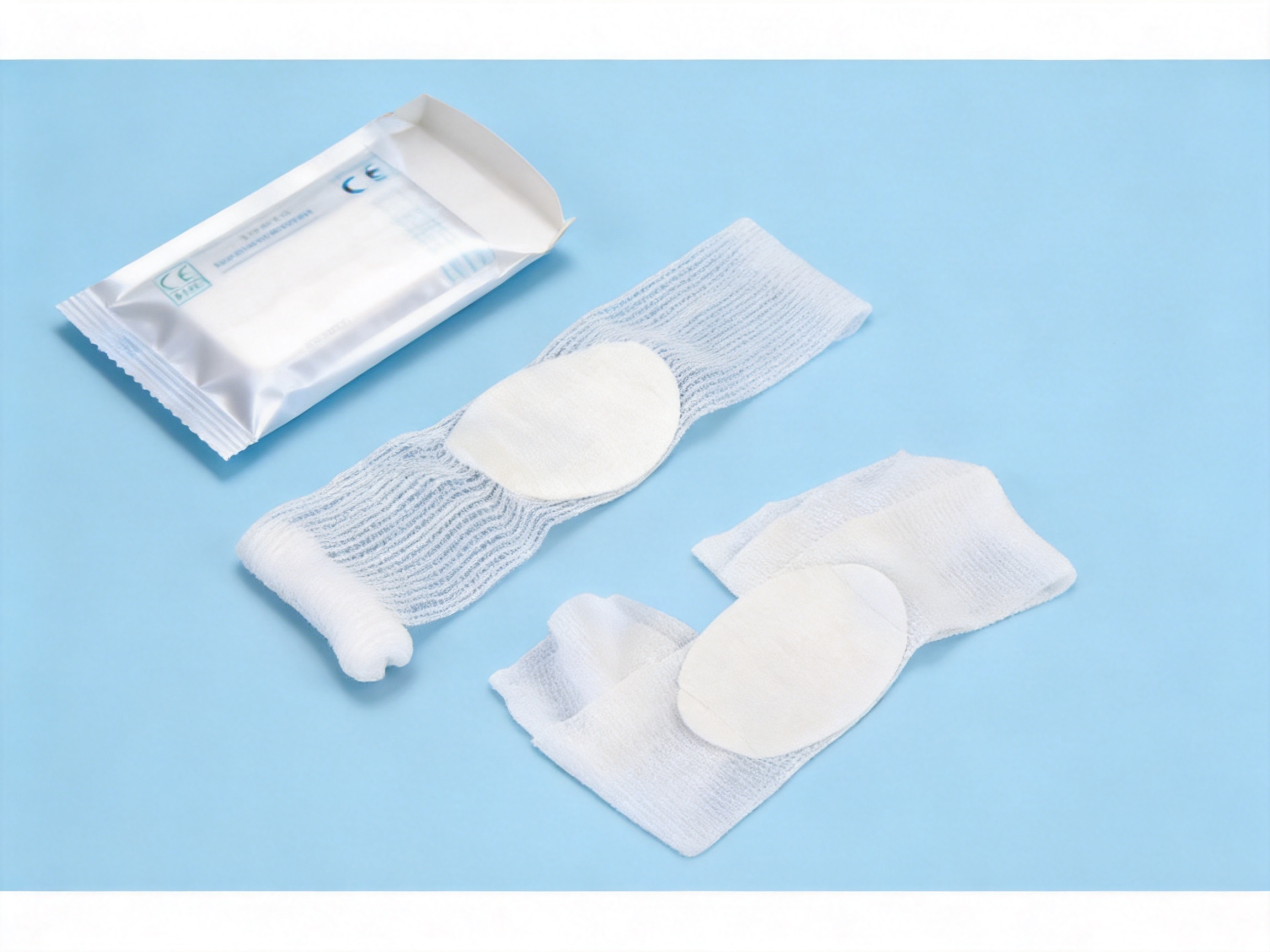
This product, identified by model number SMD-4561, is a UK standard first aid product intended for adult use. It is gamma sterile, supplied in a flow wrap or single-box format, and manufactured from polyester materials. Its integrated construction eliminates the need to search for a separate eye pad and securing bandage during an emergency. The result is a convenient, compact, and practical dressing for first aid kits, workplaces, schools, sports facilities, hospitals, clinics, pharmacies, retail channels, and household medical cabinets.
Unlike a simple loose eye pad, the No. 16 dressing incorporates an eye pad and conforming bandage as one coordinated product. This arrangement supports efficient application and helps maintain the dressing in position without requiring additional adhesive tape. At the same time, the product is designed to avoid unnecessary pressure on the eye, an important advantage when patient comfort and gentle handling are priorities.
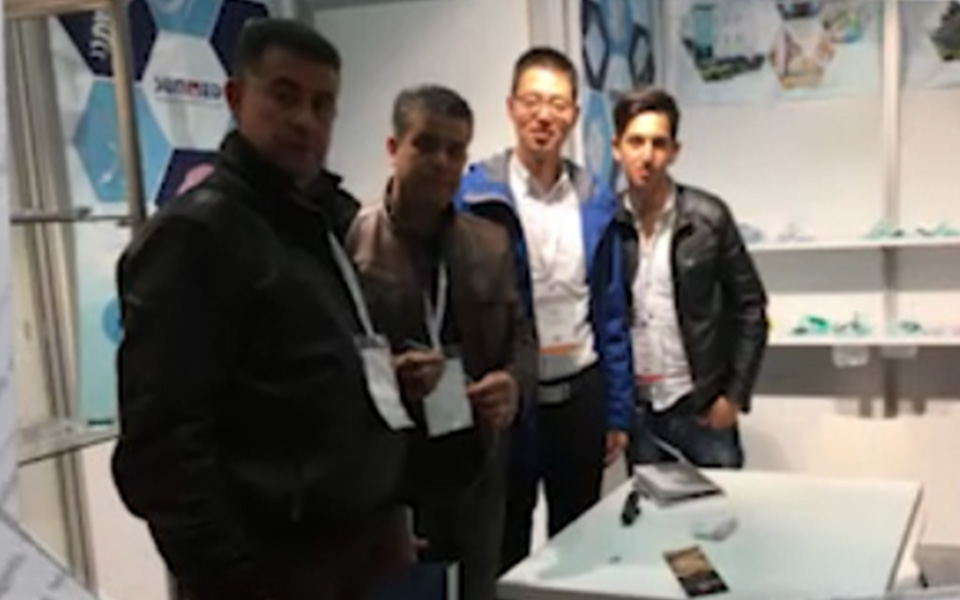
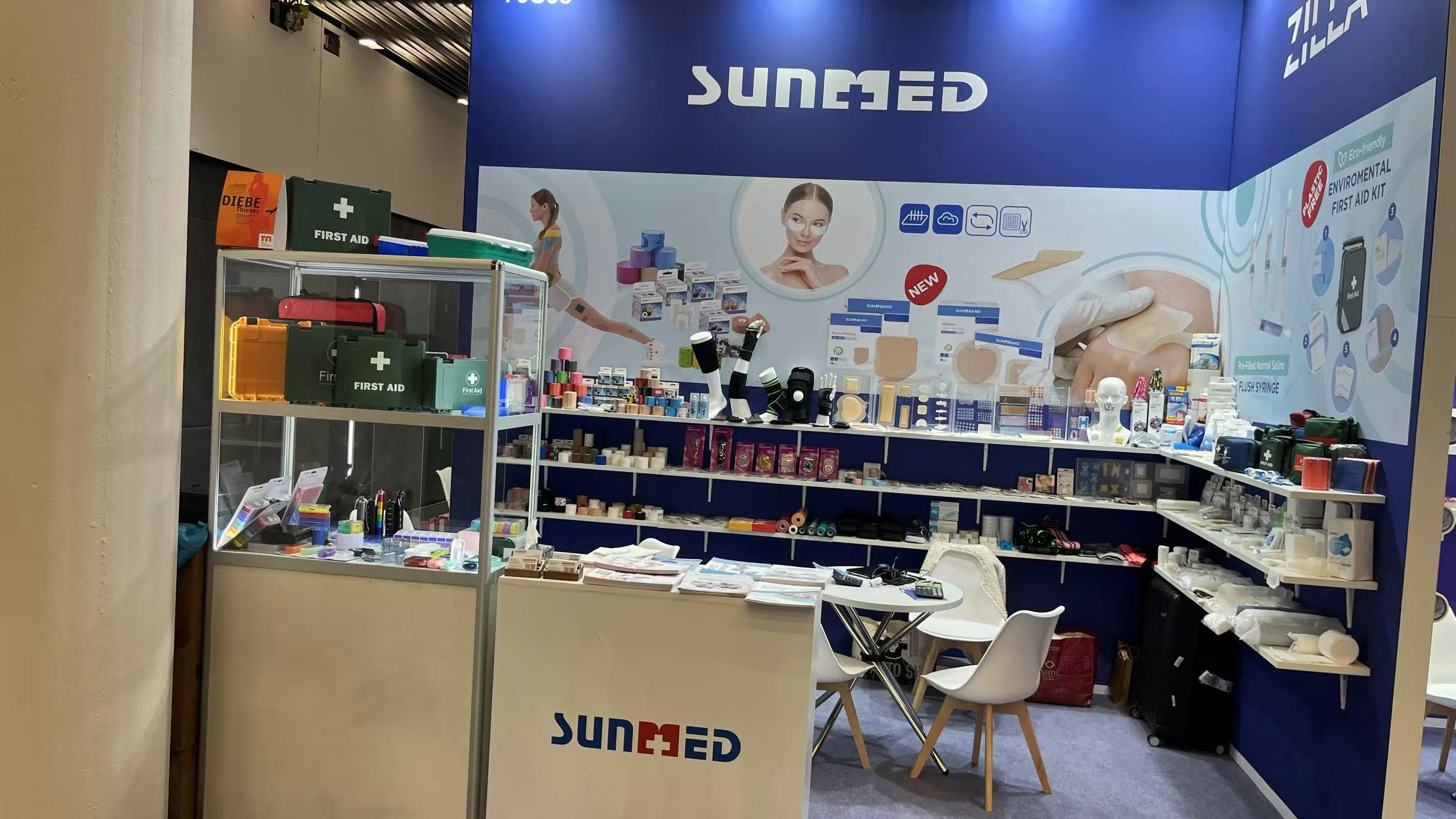
The product is manufactured and supplied by Suzhou Sunmed Co., Ltd., a Chinese medical consumables manufacturer and exporter with approximately 30 years of industry experience. The company specializes in first aid supplies, wound dressings, medical gauze, bandages, medical tape, cotton products, sports support products, family healthcare products, surgical consumables, and other medical supplies. Its production, quality-control, and export experience supports the consistent supply of products for professional and commercial buyers.
No.16 First Aid Eye Pad Dressing With Bandage
Product Overview
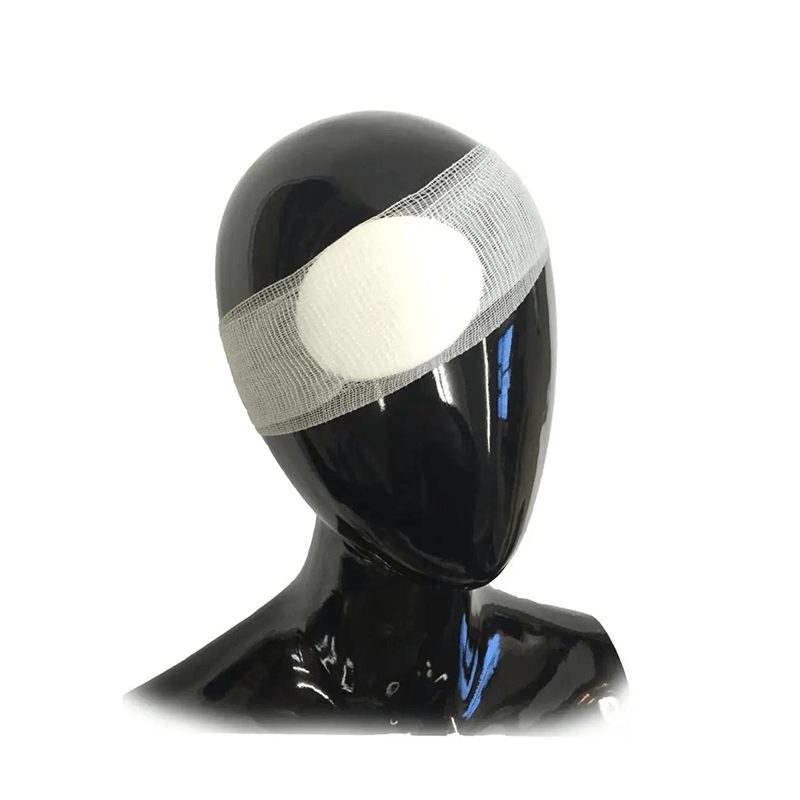
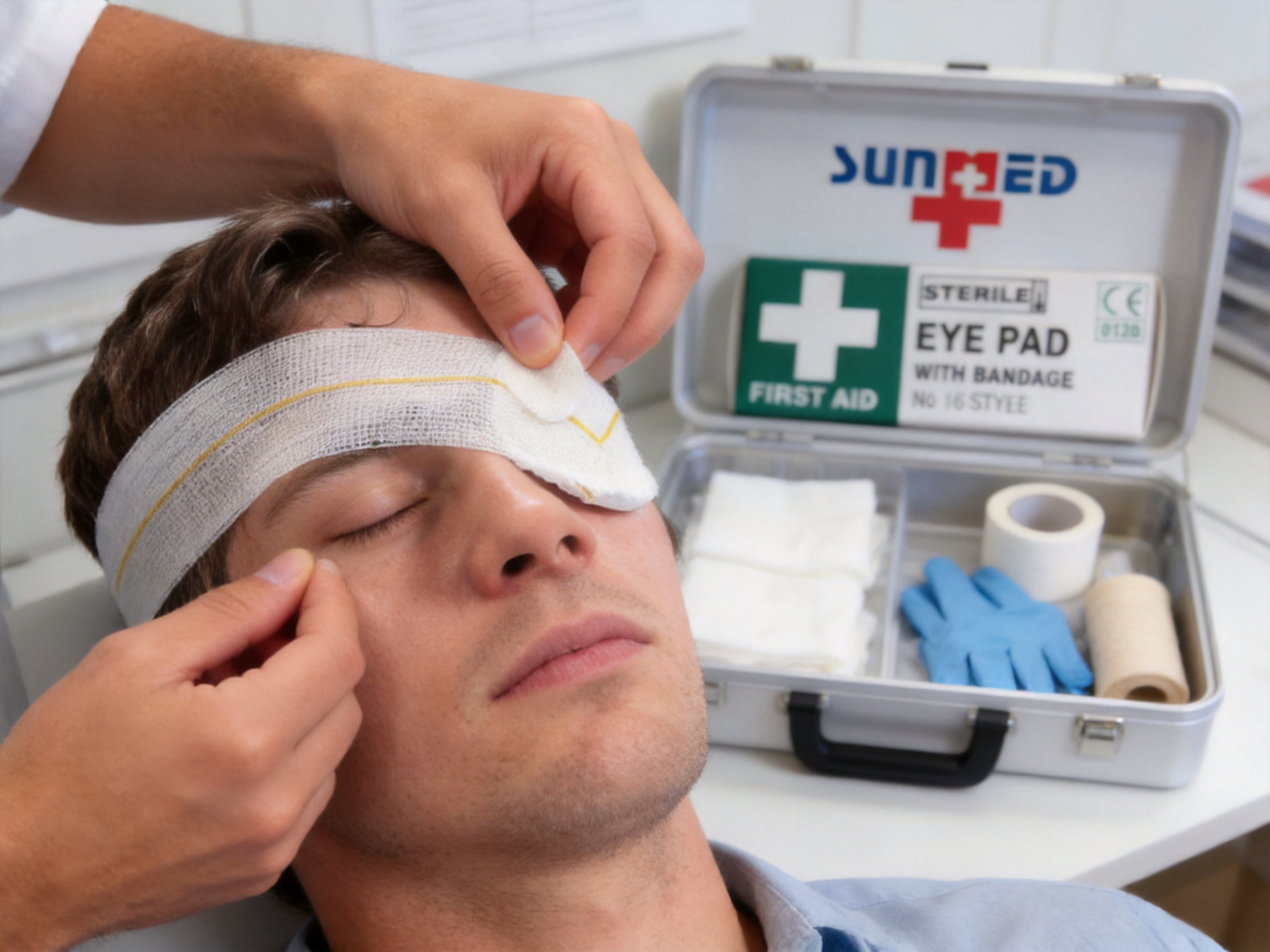
The No. 16 First Aid Eye Pad Dressing With Bandage is a sterile eye dressing intended to cover and protect one eye after injury or during first aid treatment. It consists of a comfortable eye pad attached to a conforming bandage. The pad provides a soft protective interface over the eye area, while the bandage helps hold the dressing in place around the head.
The dressing is supplied in adult size and has a white appearance. Its sterile status makes it suitable for use where a hygienic dressing is required, provided that the package remains intact and the product is used before the stated expiration date. The listed shelf life is three years. Each dressing is individually packaged, helping protect it from contamination before use and making it practical for first aid kit organization and stock management.
The model number is SMD-4561, and the product type is described as a No. 16 first aid eye pad dressing with bandage. The item is classified as a Class I medical device and carries CE certification information. The product documentation also identifies ISO13485 certification, reflecting the manufacturer’s quality management system for medical devices.
| Product Attribute | Specification |
|---|
| Product name | No. 16 First Aid Eye Pad Dressing With Bandage |
| Model number | SMD-4561 |
| Product category | First aid bandage and eye dressing |
| Intended format | Eye pad attached to conforming bandage |
| Size | Adult |
| Material | Polyester |
| Color | White |
| Sterilization method | Gamma sterile |
| Packaging | One piece per flow wrap or individual box |
| Shelf life | Three years |
| Instrument classification | Class I |
| Certification information | CE and ISO13485 |
| Manufacturing location | Jiangsu, China |
Why an Integrated Eye Dressing Is Important
Traditional first aid procedures may use a separate sterile eye pad secured with gauze, a roller bandage, or adhesive tape. Although this approach can be effective, it requires several individual items and may take longer to apply. During an emergency, users may not have the time, training, or suitable materials needed to assemble a stable dressing.
An integrated eye pad dressing simplifies the process. The eye pad is already connected to the conforming bandage, allowing the user to open the sterile package and apply the product with fewer steps. This is particularly useful in first aid situations involving pain, bleeding, impaired vision, panic, or limited access to medical equipment.
The integrated design also helps standardize the application process. A loose pad can shift while a bandage is being wrapped. A separate adhesive product may cause skin irritation or may not adhere effectively to hair, perspiration, or uneven facial contours. By contrast, the attached bandage is designed to work with the pad as one unit. This can reduce preparation time and make the dressing easier to use for trained first aiders, caregivers, and non-specialist users.
The product is not intended to replace professional medical evaluation. Eye injuries may involve corneal damage, penetrating trauma, chemical exposure, retinal injury, infection, or other conditions requiring urgent treatment. The dressing is a first aid protection product and should be used according to applicable medical guidance. When an eye injury is serious, painful, associated with vision changes, or caused by a chemical or sharp object, the patient should receive immediate professional care.
Key Product Advantages
Ready-to-use construction
The main advantage of the No. 16 dressing is its ready-to-use construction. The sterile eye pad and conforming bandage are supplied together, eliminating the need to combine separate components. This provides an efficient solution for first aid kits and professional supply programs where speed and simplicity matter.
Comfortable eye pad
The eye pad is designed to provide a comfortable covering over the eye. Comfort is important because an injured patient may already experience pain, sensitivity, watering, or anxiety. A soft dressing can help reduce the sensation of rough contact with the skin and may make it easier for the patient to keep the dressing in place.
Reduced pressure on the eye
The product description emphasizes that no pressure is experienced on the eye. This feature distinguishes the dressing from improvised coverings that may be wrapped too tightly or held against the eye with excessive force. The bandage is intended to secure the pad while supporting gentle application. Users should still apply the product carefully and avoid tightening the bandage unnecessarily.
Conforming bandage attachment
A conforming bandage can adapt more easily to the contours around the head than a rigid or poorly matched securing material. Its function is to help maintain the position of the eye pad during movement. The attachment also reduces the number of loose components that must be handled during application.
Sterile individual packaging
Each dressing is individually packed in a flow wrap or single box. Individual packaging is valuable for hygiene, transport, and inventory control. It allows unused dressings to remain protected until required and makes it convenient to distribute single units in first aid boxes, ambulances, workplaces, clinics, sports venues, and retail packs.
Extended storage life
The product has a stated shelf life of three years. A three-year shelf life can support planned purchasing and reduce the frequency of replacement in emergency stock. Organizations can schedule inventory inspections and rotate products according to expiration dates. Stock should be stored in appropriate clean and dry conditions, with packaging protected from damage, excessive humidity, direct sunlight, and extreme temperatures.
Suitable for multiple distribution channels
The No. 16 eye dressing can be supplied to hospitals, medical distributors, first aid retailers, pharmacies, occupational health providers, sports organizations, schools, and general consumers. Its compact packaging and straightforward product identity support both professional procurement and retail presentation.
Comparison With Other Eye Pad Formats
Eye dressings are available in several configurations, and each format serves different purchasing and application requirements. The No. 16 product is an integrated eye pad with conforming bandage. Other related formats include eye pads with knitted loops, non-adhesive eye pads with open or closed edges, and adhesive eye pads.
An eye pad with a knitted loop may use a continuous stretch bandage headband. This design can provide a dedicated method of securing the pad, but buyers may have different preferences regarding elasticity, handling, packaging, and application technique. The conforming bandage format used by the No. 16 product offers a familiar bandaging approach and may be easier to integrate into broader first aid procedures.
A non-adhesive eye pad is a standalone pad without an attached securing mechanism. It can be useful when the user already has suitable tape or bandages available. However, it requires additional materials and more application steps. In an emergency kit, the integrated No. 16 product may be more convenient because the securing component is included.
An adhesive eye pad includes an adhesive edge around the pad and does not require separate tape or bandage. This can make application fast, but adhesive products may not be suitable for every patient or every skin condition. Some users may be sensitive to adhesives, and facial hair, moisture, perspiration, or skin oils can affect adhesion. The No. 16 dressing uses a conforming bandage rather than relying on an adhesive edge, providing an alternative for buyers seeking a non-adhesive securing method.
| Eye Dressing Format | Main Features | Potential Purchasing Advantage | Considerations |
|---|
| No. 16 eye pad with conforming bandage | Sterile pad attached to conforming bandage | Ready to use and does not require separate tape | Requires correct bandage application |
| Eye pad with knitted loop | Eye pad attached to stretch bandage headband | Integrated headband-style securing system | Different handling and fit preferences |
| Non-adhesive open-edge eye pad | Standalone soft absorbent pad | Flexible for use with selected securing materials | Separate tape or bandage is needed |
| Non-adhesive closed-edge eye pad | Standalone pad with closed edge | Simple individual pad format | Requires a separate method of fixation |
| Adhesive eye pad | Pad with adhesive edge | Fast application without extra bandage | Adhesive tolerance and skin condition must be considered |
Materials and Functional Design
The listed material is polyester. Polyester is widely used in medical textile products because it can provide a combination of strength, flexibility, dimensional stability, and resistance to ordinary handling. In a bandage application, the material must be sufficiently durable to remain intact during wrapping while still being comfortable for the patient.
The white color gives the dressing a clean and recognizable appearance. It also makes it easier for users to identify visible staining or contamination after the package has been opened. In professional environments, a white sterile dressing is readily recognized as a medical first aid item.
The eye pad and bandage are designed as a coordinated assembly. The pad must cover the eye area effectively, while the bandage must be long and flexible enough to secure the pad around the head. The attachment point should remain stable during normal handling and application. Consistent assembly is therefore important to prevent variation between units.
Product design must balance several requirements. A bandage that is too loose may allow the pad to move. A bandage that is too tight may cause discomfort or exert unwanted pressure. A pad that is too thin may provide inadequate cushioning, while a pad that is too bulky may make application difficult. The No. 16 design addresses these requirements by combining a comfortable eye pad with a conforming bandage intended for gentle fixation.
Sterilization and Packaging
The product is gamma sterile. Gamma irradiation is an established sterilization method used for selected medical devices and disposable medical products. The process exposes packaged products to controlled ionizing radiation to reduce or eliminate viable microorganisms. Sterilization parameters and release procedures must be managed under the manufacturer’s quality system and applicable regulatory requirements.
Sterility depends not only on the sterilization cycle but also on the integrity of the packaging. The flow wrap serves as a protective barrier between the product and the external environment. Packaging materials, sealing conditions, labeling, storage, transportation, and inspection all contribute to maintaining product quality throughout the supply chain.
Before use, the user should inspect the package. The dressing should not be used if the wrapper is torn, punctured, open, wet, heavily damaged, or otherwise compromised. A product past its expiration date should also be removed from sterile medical stock. These precautions are essential for maintaining safe use conditions.
Individual packaging supports flexible distribution. A hospital can issue single dressings from a central supply area, while a retailer can include the product in first aid kits or sell it as an individual unit. The packaging details specify one piece per flow wrap with a paper label. Buyers may also request single-box packaging according to their market and application requirements.
Manufacturing Process and Quality Control
The manufacturing of a sterile eye pad dressing requires more than simply attaching a pad to a bandage. The process must control raw materials, cutting, assembly, handling, packaging, sterilization, labeling, inspection, and release. Consistency is especially important for medical products because customers expect every unit to have the same basic construction and performance.
Raw material selection
Production begins with the selection and inspection of suitable polyester materials and packaging components. Raw materials are evaluated against defined specifications, which may include appearance, cleanliness, dimensions, flexibility, strength, and compatibility with the intended manufacturing process. Incoming inspection helps prevent unsuitable materials from entering production.
Preparation and cutting
Materials are prepared according to the product’s approved specifications. Cutting equipment and production personnel must maintain consistent dimensions so that the eye pad provides appropriate coverage and the bandage has sufficient usable length. Accurate cutting also reduces material waste and supports predictable packaging quantities.
Pad and bandage assembly
The eye pad is attached to the conforming bandage in a controlled production environment. Assembly may involve alignment, stitching, bonding, or another approved attachment method depending on the manufacturing specification. The attachment must be secure enough to withstand normal application while preserving the comfort and flexibility of the dressing.
Operators and quality personnel check the assembly for alignment, visible defects, loose material, incomplete attachment, contamination, and other nonconformities. Products that do not meet the defined criteria are separated from acceptable production. This inspection approach helps ensure that defective units are not packed with conforming products.
Packaging operations
After assembly and inspection, the eye dressings are individually packed. Packaging equipment and operators must control sealing conditions and product presentation. The wrapper should fully enclose the dressing and provide a suitable barrier before sterilization and during subsequent storage.
Label information is checked for accuracy and legibility. Model number, product name, sterility information, packaging quantity, expiration information, and other required details must correspond to the correct product. Effective label control reduces the risk of product identification errors during distribution and use.
Gamma sterilization
Packaged products are processed through gamma sterilization according to validated procedures. Sterilization requires documented control of the process, including the applicable dose range, product loading configuration, and release criteria. The packaging must remain functional after sterilization, and the product must retain its intended physical characteristics.
Final inspection and release
Finished products are inspected before release. Inspection may include package integrity, product appearance, labeling, quantity, dimensions, and sterilization records. Quality documentation supports traceability and provides evidence that the product has passed the required controls.
The manufacturer identifies ISO13485 and CE certification information for the product and company quality system. ISO13485 is an internationally recognized quality management standard for medical devices. A structured quality system helps define responsibilities, document processes, manage risks, control changes, handle complaints, and support continuous improvement.
Manufacturer Capabilities
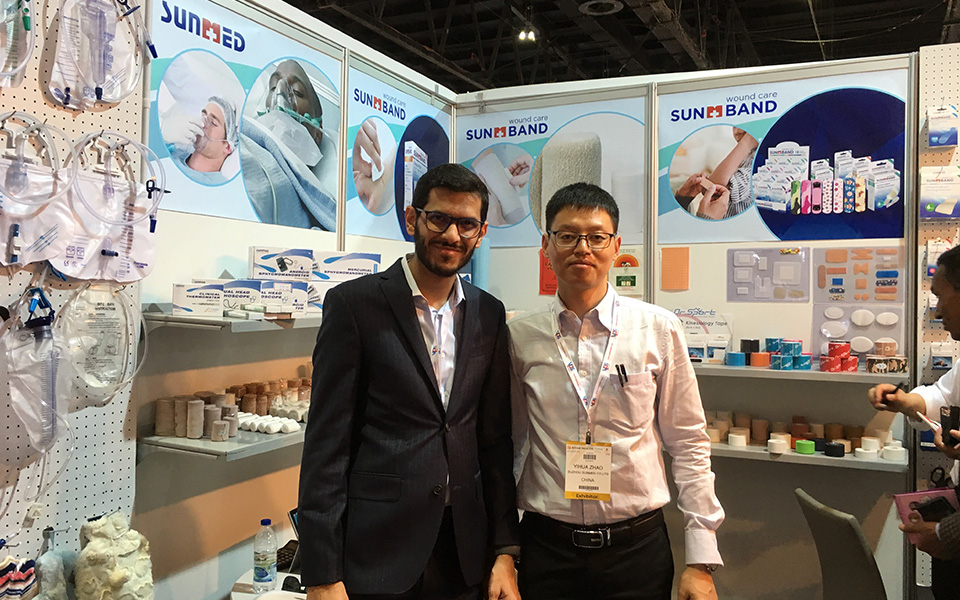
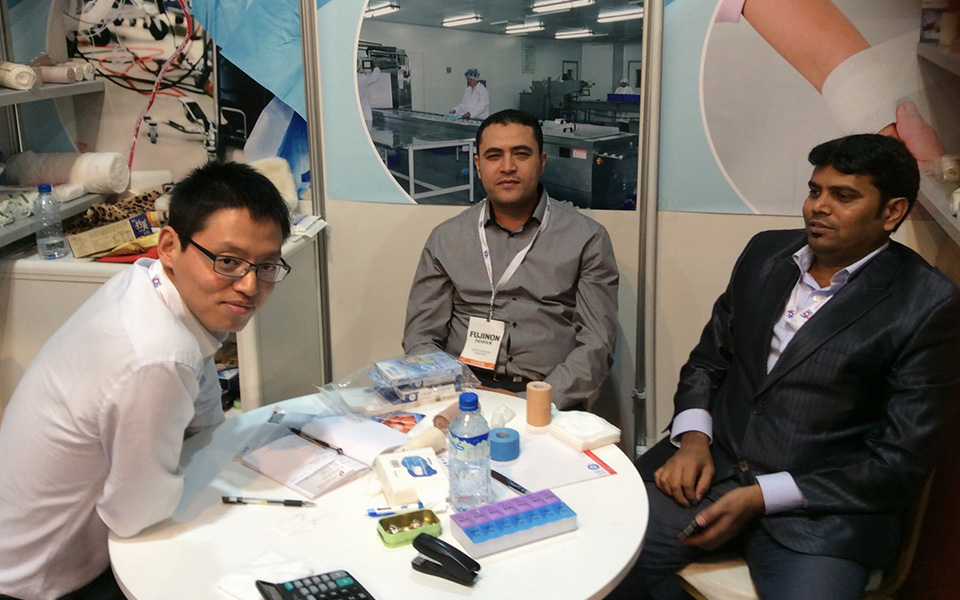
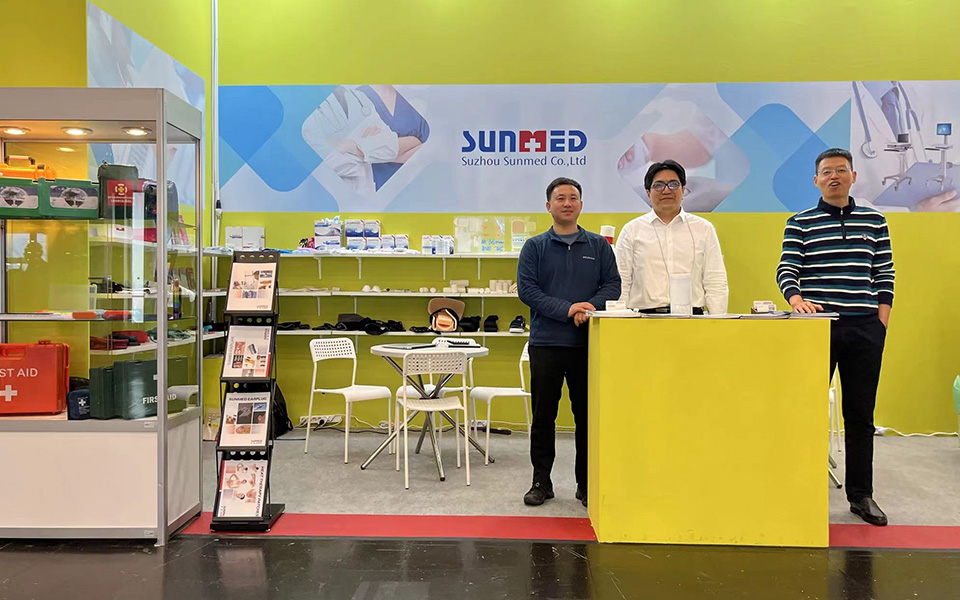
Suzhou Sunmed Co., Ltd. is described as a professional manufacturer and exporter of first aid, medical, and healthcare products. The company operates multiple production bases in Jiangsu, Zhejiang, and Anhui Province. This manufacturing network supports a broad product range and provides experience across different categories of medical consumables.
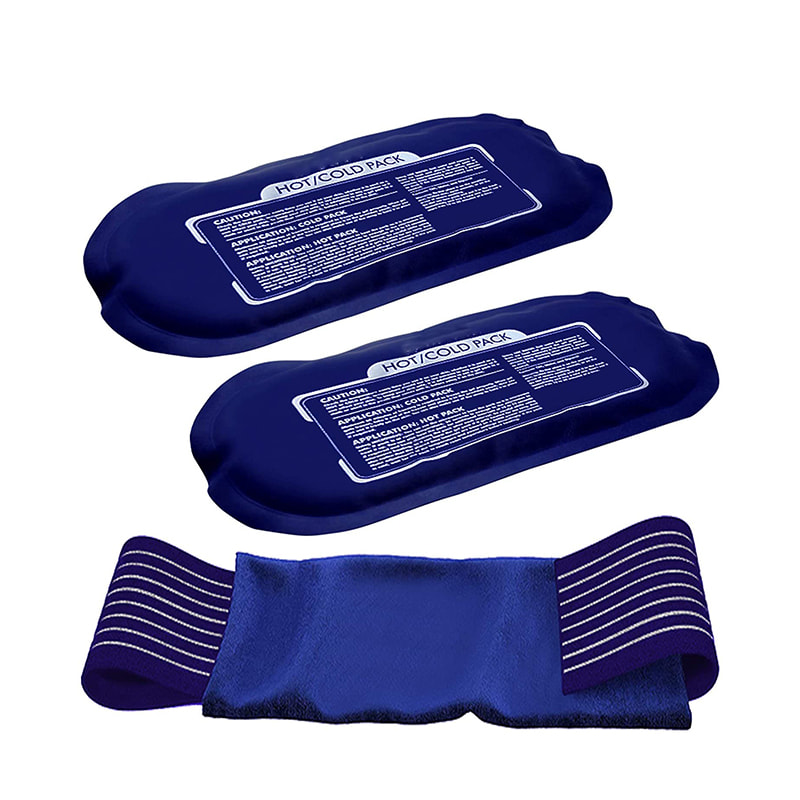
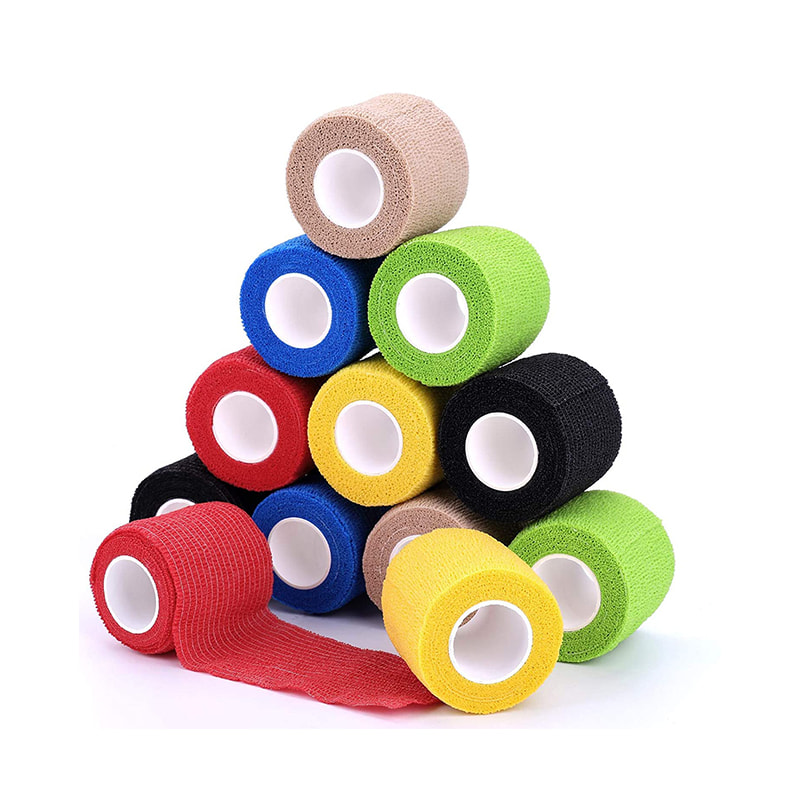
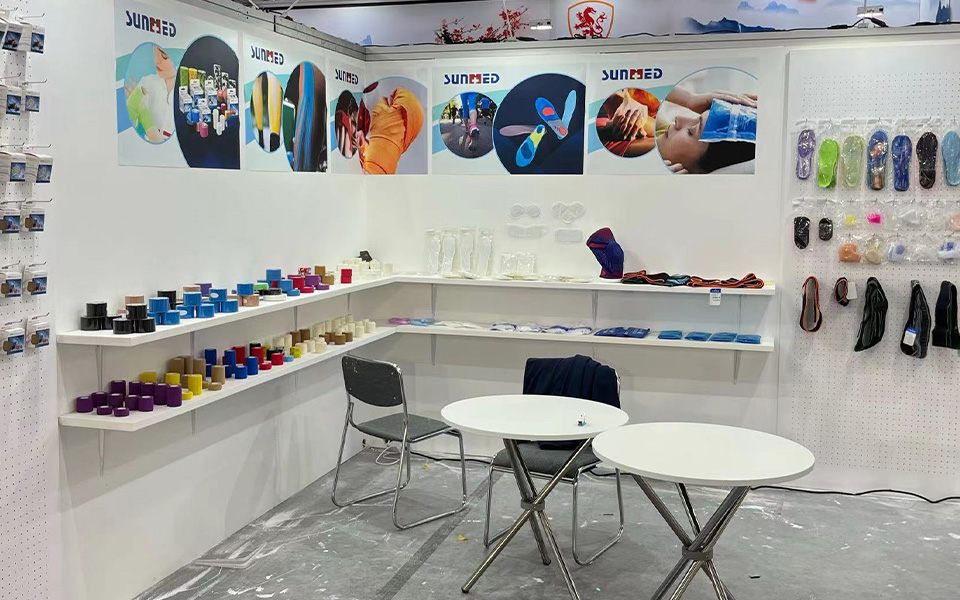
The company’s product portfolio includes medical gauze, bandages, medical tape, medical cotton, non-woven products, sports bandages, kinesiology tape, cohesive bandages, elastic adhesive bandages, pill boxes, hot and cold packs, disposable syringes, catheters, surgical consumables, and other healthcare products. This breadth is relevant to buyers that want to source several complementary items from one supplier.
In 2008, the company established its first aid factory to respond to demand from first aid customers. In 2021, it established a factory for kinesiology tape, cohesive bandages, and elastic adhesive bandages. These investments indicate a focus on dedicated production capabilities for medical and sports support products.
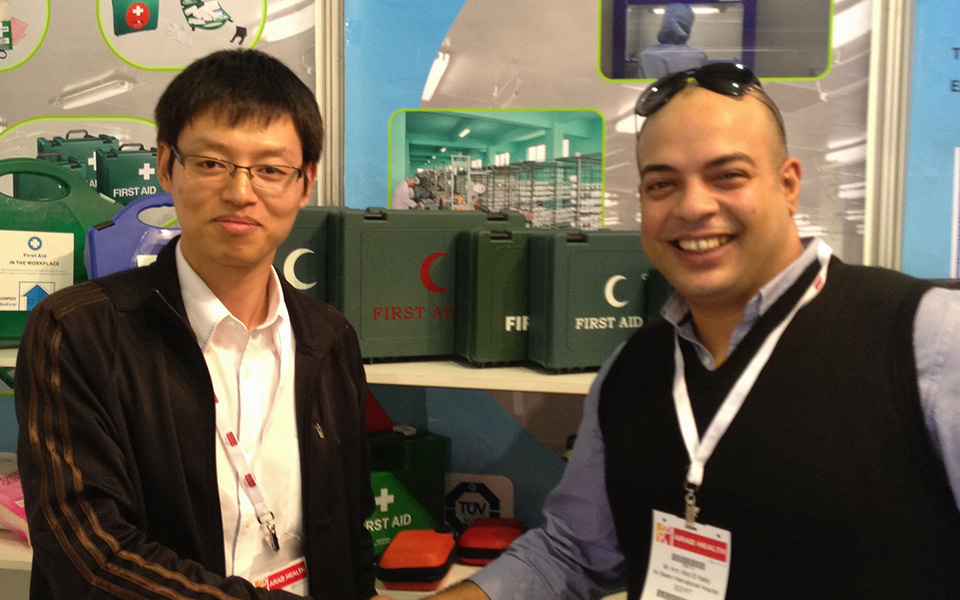
The company reports approximately 30 years of experience in the medical device and medical consumables industry. It also states that its products have been exported to more than 60 countries, including markets in Europe, Southeast Asia, Africa, and Oceania. International distribution experience can be valuable for buyers that require export documentation, coordinated packaging, order planning, and communication across different markets.
The company’s stated markets include hospitals, first aid suppliers, supermarkets, retail sports shops, and other healthcare channels. This range requires products to be suitable for different purchasing environments, from professional medical procurement to consumer-oriented retail distribution.
Advantages for Distributors and Wholesale Buyers
Simple product positioning
The No. 16 eye dressing has a clear and easily understood function. Distributors can position it as a sterile first aid eye dressing with an integrated conforming bandage. Clear positioning helps buyers identify the product quickly and can support inclusion in first aid kits, emergency cabinets, occupational health supplies, and medical consumables catalogs.
Efficient inventory management
Individual sterile packaging and a three-year shelf life simplify stock management. Buyers can order planned quantities, store the product in central warehouses, and distribute individual units when needed. The product’s compact form also helps reduce storage requirements compared with larger assembled first aid products.
Complementary product sourcing
Because the manufacturer supplies a broad range of first aid and medical consumables, a buyer may combine eye dressings with gauze, adhesive bandages, medical tape, triangular bandages, cotton products, wound dressings, gloves, and other first aid items. Consolidated sourcing can simplify supplier management and reduce the number of separate purchase relationships.
OEM and market customization potential
The manufacturer is identified as an OEM brand supplier. Depending on order quantity, market requirements, and technical feasibility, buyers may discuss private labeling, packaging design, language requirements, carton markings, and other commercial details. Any customization should be confirmed in advance and managed through approved documentation to preserve product traceability and regulatory compliance.
International supply experience
Export experience across multiple regions can help support communication regarding shipping documents, port arrangements, product packaging, and market-specific requirements. The listed port is Shanghai, a major international shipping hub. Buyers should confirm current lead times, minimum order quantities, shipping terms, certifications, and documentation before placing an order.
Applications and Suitable Use Environments
The No. 16 First Aid Eye Pad Dressing With Bandage is suitable for inclusion in workplace first aid cabinets. Industrial sites, construction areas, laboratories, warehouses, offices, and manufacturing facilities may maintain eye dressings because workplace incidents can involve dust, particles, impact, splashes, or accidental contact with irritating materials.
Schools and educational institutions may also include eye dressings in first aid supplies. Sports venues, gyms, clubs, and outdoor activity providers can use them as part of broader emergency preparedness programs. The integrated design is practical in locations where trained medical staff may not be immediately available but first aid supplies need to be quickly accessible.
Hospitals, outpatient clinics, urgent care centers, pharmacies, and medical distributors may stock the product as a general sterile eye dressing. It can also be included in travel first aid kits, vehicle emergency kits, household medical cabinets, and community first aid stations.
The product is intended for adult size. Organizations serving children should verify whether a suitable pediatric eye dressing is required. Product selection should always consider patient age, injury type, local first aid guidance, and the advice of qualified healthcare professionals.
Application Guidance
Before opening the package, the first aider should assess the situation and ensure that the environment is safe. Hand hygiene should be performed where possible, and suitable personal protective equipment should be used when contact with blood or other bodily fluids is anticipated.
The package should be inspected for damage and the expiration date should be checked. The dressing should be opened carefully without contaminating the eye pad. The pad should be positioned gently over the affected eye without pressing on the eyeball. The conforming bandage should then be wrapped according to appropriate first aid technique and adjusted so that the pad remains secure without excessive tightness.
The patient should be advised not to rub or press the injured eye. If there is severe pain, loss or change of vision, a penetrating injury, a chemical exposure, significant bleeding, suspected fracture, or a foreign object embedded in the eye, urgent medical attention is required. Chemical exposure generally requires immediate irrigation according to emergency guidance, and an eye dressing should not delay professional treatment.
After application, the patient should be monitored for discomfort, increasing pressure, breathing difficulty, faintness, or other concerning symptoms. If the dressing becomes wet, dirty, displaced, or damaged, it should be replaced by a suitable sterile product when appropriate. Used dressings should be disposed of according to local healthcare waste procedures.
Storage and Handling Recommendations
Unused dressings should remain in their original packaging until needed. Storage areas should be clean, dry, and protected from direct sunlight, excessive heat, freezing conditions, moisture, dust, and chemicals. Heavy objects should not be placed on packages if this could crush or puncture the wrappers.
First aid managers should inspect inventory at regular intervals. A basic stock-control system can record product name, model number, batch information, quantity, and expiration date. Products with earlier expiration dates should generally be used or distributed first, subject to organizational procedures.
Packages should be handled carefully during transportation. Cartons should be protected from impact and water exposure. Buyers receiving shipments should inspect external cartons and inner packaging, record any visible damage, and notify the supplier according to the agreed complaint or claims procedure.
Quality, Compliance, and Documentation
Medical consumables should be supported by appropriate technical and commercial documentation. For the No. 16 eye dressing, buyers may request product specifications, certificates, sterilization records, packaging details, labeling information, declarations, inspection reports, and other documents required for their market.
The product information identifies CE certification and ISO13485 certification. It also lists the product as a Class I medical device and identifies gamma sterilization. Importers and distributors should independently verify the validity, scope, and applicability of all certificates and declarations before placing the product on a regulated market.
Regulatory requirements differ by country and may change over time. A distributor is responsible for confirming whether additional registration, importer information, local-language labeling, clinical documentation, or post-market obligations apply in the intended destination. The manufacturer and buyer should agree on the applicable regulatory pathway before finalizing packaging and commercial distribution.
Quality assurance also includes complaint handling and corrective action. If a customer identifies a damaged package, missing component, incorrect label, or product defect, the issue should be documented with photographs, batch information, purchase details, and a description of the problem. A professional manufacturer can then investigate the issue through its quality system.
How the Product Compares With Improvised Eye Protection
Improvised eye coverings may be made from ordinary gauze, cotton, tissues, or non-medical fabric. These materials may not be sterile, may shed fibers, may apply uneven pressure, or may fail to remain in place. They also require users to determine how to secure the covering, creating additional risk during an already stressful event.
The No. 16 dressing is manufactured as a dedicated medical product. It is sterile, individually packaged, and supplied with an attached conforming bandage. Its purpose-built construction provides a more controlled alternative to improvised materials. The dressing can be stored in a first aid kit and applied when needed without assembling multiple components.
Compared with ordinary adhesive tape, the conforming bandage offers a non-adhesive fixation method. This may be useful for patients who cannot tolerate certain adhesives or for situations in which tape would be difficult to apply around the head. Nevertheless, the bandage must be applied correctly, and the product should not be used in a way that creates uncomfortable pressure.
Purchasing Considerations
When purchasing the No. 16 eye dressing in commercial quantities, buyers should confirm the required order volume, packaging format, labeling language, carton dimensions, delivery schedule, payment terms, and shipping conditions. It is also helpful to confirm whether the buyer requires flow wrap, individual boxes, private labeling, or inclusion in a larger first aid kit.
Buyers should specify the destination market and intended distribution channel. A hospital procurement department may require detailed technical documents, while a retailer may focus more heavily on barcode information, packaging appearance, shelf presentation, and consumer instructions. A distributor serving several countries may require multilingual labeling and separate packaging versions.
Quality expectations should be agreed before production. Important points may include material specifications, acceptable appearance limits, pad dimensions, bandage length, attachment strength, sterility assurance, packaging integrity, sampling plans, and batch traceability. Written specifications reduce misunderstandings and help both parties evaluate production consistently.
Samples should be reviewed before bulk production. Buyers can assess the softness of the pad, the handling of the bandage, the packaging, the label, the ease of opening, and the overall appearance. If the product is intended for a regulated market, samples should also be reviewed by the buyer’s regulatory or quality team.
Why This Product Is a Strong First Aid Choice
The No. 16 First Aid Eye Pad Dressing With Bandage combines several practical benefits in one compact unit. It is sterile, individually packaged, designed for adults, and supplied with a conforming bandage already attached to the eye pad. This reduces the number of components needed during application and supports rapid access to eye protection in first aid situations.
Its comfort-oriented design and emphasis on avoiding pressure on the eye provide advantages over poorly fitted or improvised coverings. The product also offers an alternative to adhesive eye pads for buyers who prefer a bandage-secured format. Its three-year shelf life and compact packaging support long-term storage in professional and household emergency supplies.
From a sourcing perspective, the product benefits from the manufacturer’s experience in first aid and medical consumables. Dedicated first aid manufacturing capabilities, a broad product portfolio, quality management practices, gamma sterilization arrangements, and international export experience make the supplier suitable for distributors seeking a reliable medical consumables partner.
For organizations building comprehensive first aid programs, the eye dressing can be purchased alongside wound dressings, gauze, adhesive bandages, medical tape, gloves, cotton products, sports support products, and other emergency supplies. This makes it a practical component of a standardized first aid product range.

Frequently Asked Questions
What is the No. 16 First Aid Eye Pad Dressing With Bandage?
It is a sterile adult eye dressing consisting of a comfortable eye pad attached to a conforming bandage. The product is intended to cover and protect an injured eye during first aid and while the patient is being referred for professional evaluation when necessary.
What is the model number?
The model number is SMD-4561.
Is the product sterile?
Yes. The product is identified as gamma sterile and is individually packaged. The package should be inspected before use, and the dressing should not be used if the wrapper is damaged or the product is past its expiration date.
What material is used?
The listed material is polyester. Polyester provides a combination of flexibility and strength suitable for the eye pad and conforming bandage construction.
Does the dressing apply pressure to the eye?
The product is designed so that no pressure is experienced on the eye. It should nevertheless be applied gently and should not be tightened excessively. Users should follow appropriate first aid procedures and seek professional medical care for serious injuries.
Does it require separate medical tape?
No. The eye pad is attached to a conforming bandage, so separate tape is not required for the basic application. Additional fixation should only be used when appropriate and according to medical guidance.
What is the shelf life?
The stated shelf life is three years. Buyers should confirm the expiration date and storage conditions on the final product documentation and packaging.
How is it packaged?
The standard packaging information states one piece per flow wrap with a paper label. Single-box packaging may also be available depending on the order and product configuration.
Who can use this product?
The product is intended for adult use and may be stocked by first aid providers, workplaces, schools, sports facilities, medical institutions, pharmacies, distributors, and households. Application should be performed by a trained person whenever possible.
Can it treat all eye injuries?
No. It is a protective first aid dressing, not a complete treatment for every eye injury. Severe pain, vision changes, chemical exposure, penetrating injury, embedded objects, or significant trauma require urgent professional medical attention.
What certifications are associated with the product?
The product information identifies CE certification and ISO13485 certification. It also lists the product as a Class I medical device. Buyers should verify current certificates and regulatory documentation for their destination market.
Can private labeling be discussed?
The manufacturer is identified as an OEM supplier. Buyers may discuss private labeling, packaging, and other customization requirements directly with the supplier. Customization is subject to order quantities, technical review, regulatory requirements, and written approval.
Where is the product manufactured?
The listed place of origin is Jiangsu, China. The manufacturer operates production bases in Jiangsu, Zhejiang, and Anhui Province.
What is the monthly supply capacity?
The listed supply ability is 100,000 pieces per month for the No. 16 eye pad dressing. Actual availability, production scheduling, and lead time should be confirmed for each order.
Conclusion
The No. 16 First Aid Eye Pad Dressing With Bandage is a practical sterile eye protection product designed to simplify first aid application. Its integrated eye pad and conforming bandage reduce preparation steps, while its comfort-oriented construction is intended to avoid unnecessary pressure on the eye. Gamma sterilization, individual packaging, a three-year shelf life, adult sizing, and a compact format make it suitable for a wide range of emergency supply programs.
Compared with standalone eye pads, improvised coverings, and adhesive formats, the product provides a distinct balance of convenience, gentle fixation, and ready-to-use functionality. It is particularly suitable for buyers seeking an eye dressing that does not depend on a separate roll of tape or adhesive edge.
The product is supported by the manufacturing experience of Suzhou Sunmed Co., Ltd., a medical consumables supplier with broad first aid capabilities, multiple production bases, international export experience, and an ISO13485-oriented quality management structure. For distributors, hospitals, first aid suppliers, retailers, and OEM customers, the product offers a focused solution that can be integrated into a larger medical supply portfolio.
When selecting and distributing the dressing, buyers should confirm certification validity, packaging specifications, regulatory obligations, storage conditions, and intended market requirements. Used correctly and as part of an appropriate first aid response, the No. 16 dressing can provide reliable temporary protection while supporting timely professional assessment of eye injuries.
References
1. Product specification: No. 16 First Aid Eye Pad Dressing With Bandage, model SMD-4561.
2. Manufacturer-provided information regarding material, sterilization, packaging, shelf life, certification, and supply capability.
3. ISO 13485, Medical Devices—Quality Management Systems—Requirements for Regulatory Purposes.
4. General principles of first aid wound care, sterile dressing handling, and eye injury protection.
5. Manufacturer information concerning first aid, medical consumables, sports support products, and international supply capabilities.

 English
 Español
 русский
 Français
 Deutsch
 italiano
 By Admin