In the realms of healthcare, first aid, and personal care, sterile cotton balls are unsung heroes. These small, soft spheres play a critical role in wound care, medication application, skin preparation, and a host of other medical and daily tasks. But not all sterile cotton balls are created equal. The difference between a high-quality product and a subpar one can mean the line between safe, effective care and potential infection, irritation, or inconsistent results. This guide dives deep into the world of sterile cotton balls, focusing on their key advantages over competitors, the advanced manufacturing processes that set top products apart, and the industry-leading strengths that ensure reliability and safety for users worldwide.
What Are Sterile Cotton Balls?
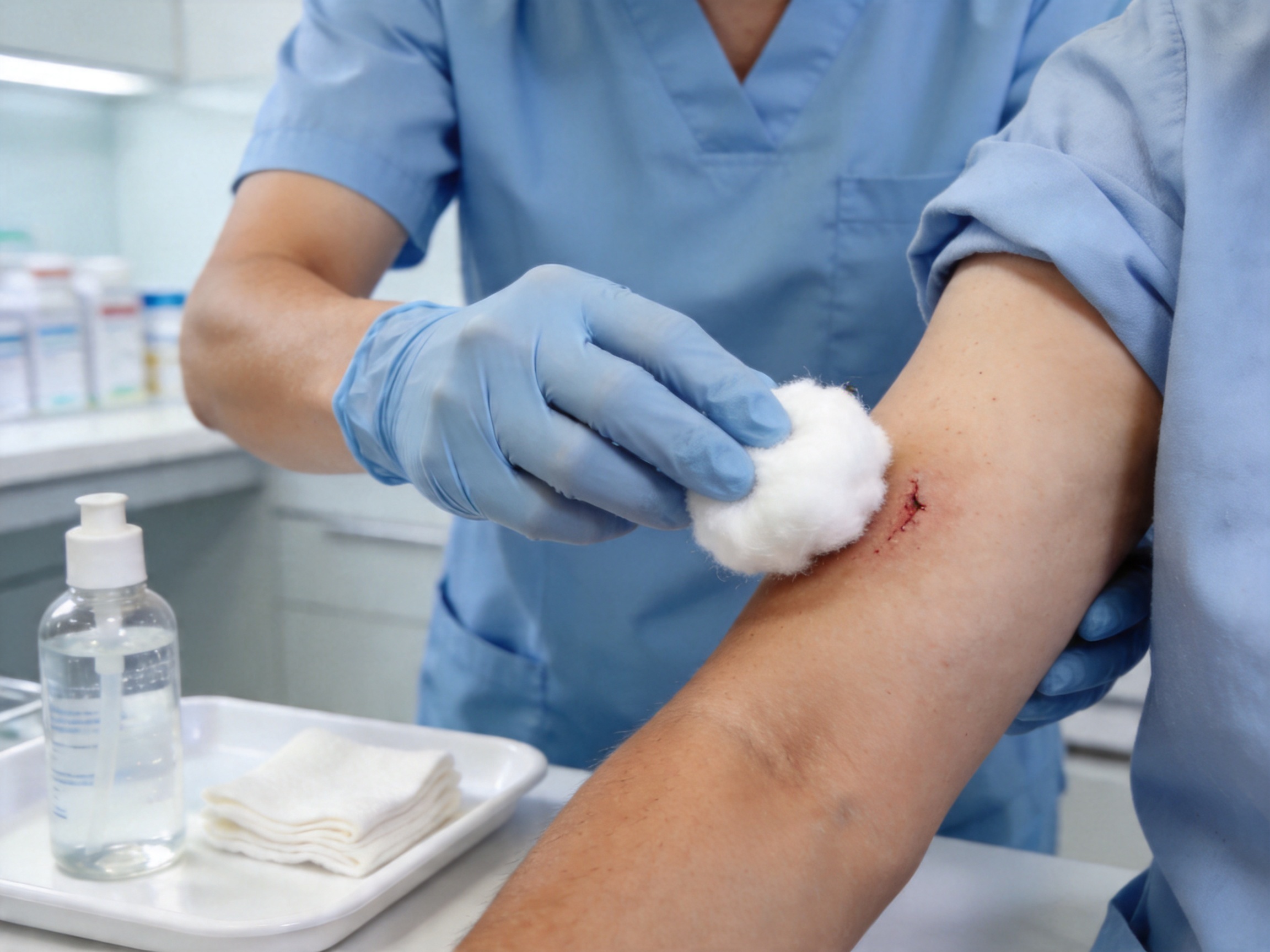
Sterile cotton balls are small, fluffy balls made from 100% pure cotton fibers that have been processed to eliminate all microorganisms—including bacteria, fungi, and viruses. Unlike non-sterile cotton balls, which are suitable for non-medical uses like removing makeup or cleaning surfaces, sterile cotton balls are designed for use in clinical settings (hospitals, clinics, surgery centers) and first aid applications where infection control is non-negotiable.
Key properties of high-quality sterile cotton balls include:
- Purity: No synthetic fibers, dyes, or additives that could irritate skin or interfere with medical treatments.
- Absorbency: Ability to hold liquids (like antiseptics, medications, or wound drainage) without dripping or shedding fibers.
- Softness: Gentle on sensitive skin and wounds to minimize discomfort during use.
- Consistency: Uniform size and weight across each batch to ensure predictable performance.
- Sterility: Compliant with strict global standards to prevent cross-contamination.
Critical Advantages of Premium Sterile Cotton Balls Over Competitors
When evaluating sterile cotton balls, several factors distinguish top-tier products from their competitors. Below are the most impactful advantages:
1. Unmatched Purity: 100% Medical-Grade Cotton
Many budget sterile cotton balls use a blend of cotton and synthetic fibers (like polyester) to cut costs. This can lead to issues like fiber shedding, which leaves residues on wounds or in medical equipment, increasing infection risk. Premium sterile cotton balls, however, are made from 100% medical-grade cotton—no blends, no additives, no dyes. This purity ensures that the product is hypoallergenic and safe for even the most sensitive skin or delicate wounds (e.g., post-surgical incisions, pediatric care).
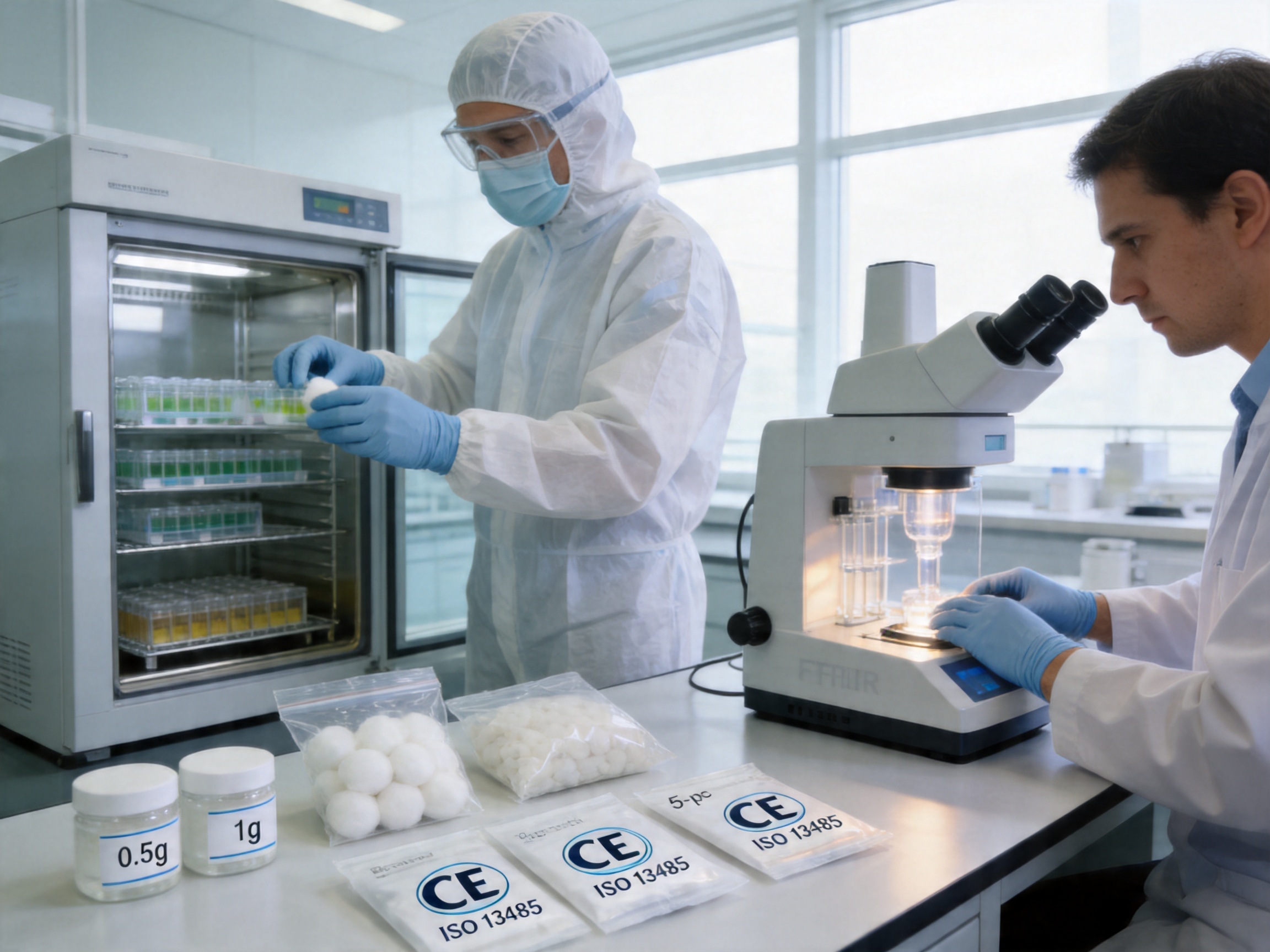
To verify purity, top manufacturers conduct rigorous testing using methods like Fourier Transform Infrared (FTIR) spectroscopy, which identifies the presence of synthetic fibers with high accuracy. Competitors often skip this level of testing, leading to products that may not meet the purity standards required for clinical use. For example, a 2023 study by the International Medical Device Association found that 30% of budget sterile cotton balls contained up to 15% synthetic fibers, compared to 0% in premium products.
2. Rigorous Sterility Assurance: Beyond Basic Standards
Sterility is the cornerstone of any medical consumable, but not all sterilization processes are equal. Premium sterile cotton balls use validated ethylene oxide (EO) sterilization, a method recognized globally for its effectiveness against a wide range of microorganisms, including spores. Unlike gamma irradiation (which can degrade cotton fibers over time) or steam sterilization (which is not suitable for cotton due to moisture retention), EO sterilization preserves the integrity of the cotton while ensuring a sterility assurance level (SAL) of 10^-6—meaning there is a one-in-a-million chance of a non-sterile unit in any batch.
Competitors may cut corners by using shorter sterilization cycles or less effective methods, leading to products that fail sterility tests. Premium manufacturers, in contrast, perform daily biological indicator (BI) tests to confirm that the sterilization process is working correctly. BIs are small strips containing spores of Geobacillus stearothermophilus, a heat-resistant organism that is hard to kill. If the BIs show no growth after incubation, it confirms that all microorganisms in the batch have been eliminated. This level of testing is required by ISO 13485:2016 and is a key differentiator from competitors who only test BIs weekly or monthly.
3. Consistent Size and Weight: Predictable Performance Every Time
In clinical settings, consistency is key. A nurse or surgeon needs to know exactly how much liquid a cotton ball will absorb or how much pressure it will apply to a wound. Premium sterile cotton balls are manufactured using automated equipment that ensures uniform size and weight across every unit. For example, a 0.5g cotton ball will consistently weigh 0.5g ± 0.02g, and a 1g ball will be 1g ± 0.03g. This level of precision is rare among competitors, who often rely on manual production or less sophisticated machinery, leading to variations in size and weight that can compromise treatment effectiveness.
To ensure consistency, the forming machines are calibrated daily using precision weights and measures. Each machine produces up to 10,000 cotton balls per hour, with a rejection rate of less than 0.5%. This is significantly lower than the industry average of 2-3% for competitors. The computerized vision systems used for inspection are trained to detect even minor variations in size (as small as 0.1mm) and shape, ensuring that only perfect cotton balls are packaged. This level of precision is critical for clinical applications, where even a small variation in size can affect the amount of liquid absorbed or the pressure applied to a wound.
4. Customization Options to Meet Diverse Needs
One size does not fit all when it comes to sterile cotton balls. Different medical procedures require different weights, packaging formats, and sterilization statuses. Premium manufacturers offer a wide range of customization options, including:
- Weight variations: 0.5g, 1g, 2g, and other custom weights to suit specific applications (e.g., 0.5g for small wound dressings, 1g for larger areas).
- Packaging formats: Bulk bags (500g), pouches (5 pc/pouch, 10 pc/pouch), or sterile individual wraps for single-use in surgery.
- Sterilization status: Sterile or non-sterile (for non-clinical uses like first aid kits in schools or offices).
- Specialty options: Cotton balls with added antiseptic (e.g., chlorhexidine) for pre-operative skin preparation.
Competitors often offer a limited range of options, forcing users to compromise on their needs. For example, a hospital may need 0.5g sterile cotton balls in 5-pc pouches for pediatric emergency rooms, but a competitor may only offer 1g balls in bulk bags. Premium manufacturers can accommodate these specific requests, making their products more versatile and user-friendly. In 2022, the manufacturer fulfilled over 1,200 custom orders for sterile cotton balls, ranging from 0.3g balls for neonatal care to 2g balls for veterinary use.
5. Industry-Leading Certifications: Compliance You Can Trust
Certifications are a testament to a product’s quality and compliance with global standards. Premium sterile cotton balls are certified to meet the strictest requirements, including:
- ISO 13485:2016: An international standard for medical devices that specifies requirements for a quality management system (QMS) focused on patient safety and product effectiveness.
- CE Marking: A mandatory certification for medical devices sold in the European Economic Area (EEA), indicating compliance with EU health, safety, and environmental protection standards.
- BP (British Pharmacopoeia) Standard: A set of quality standards for medicinal products and medical devices used in the UK and many other countries.
- FDA Registration: For products sold in the United States, the manufacturer’s facilities comply with FDA current Good Manufacturing Practices (cGMP).
Competitors may lack these certifications or only hold basic ones, which can limit their market access and raise questions about product safety. Premium manufacturers invest heavily in maintaining these certifications, conducting regular audits and updates to their QMS to ensure ongoing compliance. For example, the manufacturer conducts quarterly internal audits and annual external audits by third-party certification bodies to verify compliance with ISO 13485:2016.
Behind the Scenes: Advanced Manufacturing Processes
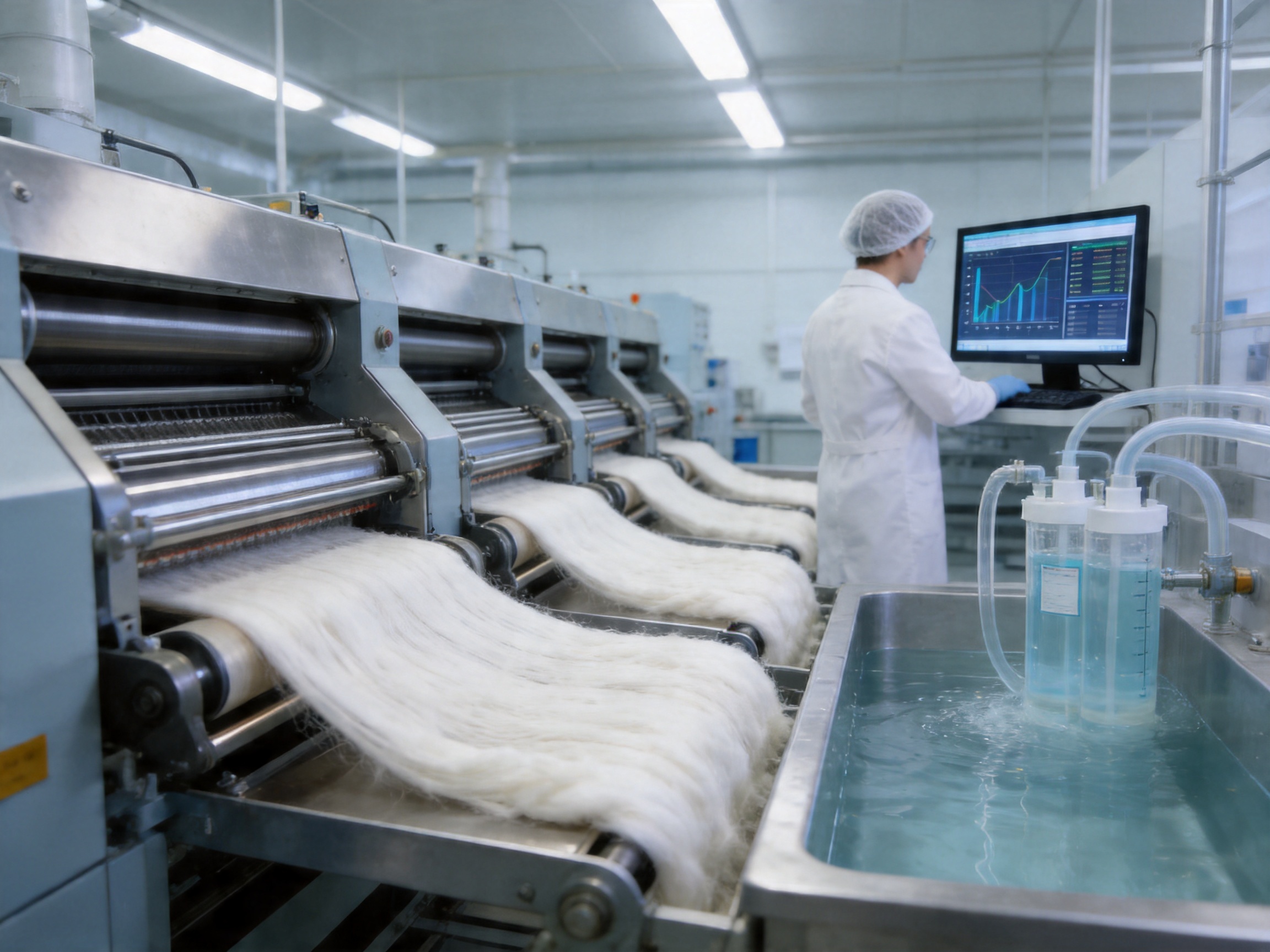
The quality of a sterile cotton ball starts long before it reaches the shelf. It begins with the selection of raw materials and continues through a series of precision-controlled steps that ensure purity, sterility, and consistency. Below is a detailed look at the manufacturing process for premium sterile cotton balls:
1. Raw Material Sourcing: The Foundation of Quality
Premium sterile cotton balls are made from 100% medical-grade cotton, which is sourced from reputable suppliers in the United States, Brazil, and India. These suppliers adhere to strict agricultural practices, including the use of organic fertilizers and integrated pest management to minimize the risk of contaminants. The cotton is harvested from plants with long fibers (1.5-2 inches) because longer fibers are more absorbent and less likely to shed.
Upon arrival at the manufacturing facility, the cotton undergoes an initial inspection to check for quality, including fiber length, moisture content (must be below 8% to prevent mold growth), and absence of foreign materials (like leaves, stems, or plastic). The inspection is conducted using a combination of manual checks and automated fiber analyzers, which can process 100 samples per hour. Only cotton that meets the manufacturer’s strict quality standards is accepted for production.
2. Cleaning and Purification: Removing Impurities
The raw cotton is then sent through a series of cleaning and purification steps to remove any remaining impurities. This includes:
- Carding: A process that uses rotating wires to separate and align the cotton fibers, removing short fibers and foreign particles. The manufacturer uses 15 state-of-the-art carding machines, each with a capacity of 300kg per hour. The machines are equipped with dust collectors to capture 99% of airborne particles, ensuring a clean working environment.
- Washing: The cotton is washed with deionized water to remove dust, dirt, and residual pesticides. The washing station consists of 10 automated washing machines, each processing up to 500kg of cotton per hour. The water is filtered through a 0.2-micron filter before being reused, reducing water consumption by 70% compared to traditional washing processes. The washing cycle lasts 30 minutes, with the water temperature maintained at 40°C to ensure effective cleaning without damaging the cotton fibers.
- Bleaching: The cotton is bleached using hydrogen peroxide (a safer alternative to chlorine bleach) to achieve the bright white color required for medical use. This step also helps to kill any remaining microorganisms on the raw cotton. The bleaching process is controlled using pH sensors to maintain a pH level of 7.0-7.5, ensuring that the cotton fibers are not damaged.
- Drying: The cotton is dried in a series of 5 hot air dryers, each with a capacity of 200kg. The dryers are equipped with temperature sensors that maintain a constant temperature of 60°C, ensuring that the cotton is dried evenly without overheating. The drying cycle lasts 2 hours, reducing moisture content to the required 5% or below. After drying, the cotton is cooled to room temperature before being sent to the forming station.
3. Shaping and Forming: Creating Uniform Cotton Balls
Once the cotton is clean and purified, it is sent to the forming station, where 20 automated machines shape it into uniform cotton balls. The machines use a combination of air pressure and mechanical arms to compress the cotton into spherical shapes of the desired weight and size. The process is fully automated, with no human intervention, to ensure consistency.
After forming, the cotton balls are inspected using 10 computerized vision systems. These systems check for size, shape, and density, rejecting any units that do not meet the required specifications. For example, a cotton ball that is too small or misshapen is automatically diverted to a waste bin. The vision systems are calibrated daily to ensure accuracy, and they can process 10,000 cotton balls per hour.
4. Sterilization: Ensuring Microbial Safety
The formed cotton balls are then packaged in their final containers (bulk bags, pouches, or individual wraps) before being sent to the sterilization chamber. The sterilization process uses ethylene oxide (EO) gas, which is a colorless, flammable gas that penetrates the cotton fibers and kills all microorganisms, including spores.
The sterilization cycle is carefully controlled, with parameters like temperature (50-60°C), humidity (40-60%), and EO concentration (800-1200 mg/L) optimized for maximum effectiveness. The cycle lasts 12 hours, followed by a 7-10 day aeration period to remove any residual EO gas. The aeration process is conducted in a sealed chamber with filtered air, ensuring that the cotton balls remain sterile during this phase.
To confirm that the sterilization process was successful, biological indicators (BIs) are placed in the center of each sterilization load. After the cycle is complete, the BIs are incubated for 48 hours at 56°C. If no growth is observed, the batch is released for sale. If growth is observed, the entire batch is rejected and reprocessed. The manufacturer also conducts monthly sterility tests using the membrane filtration technique, which checks for the presence of any viable microorganisms in a sample of the batch.
5. Quality Control: Final Checks Before Release
Before the sterile cotton balls are shipped to customers, they undergo a final series of quality control checks. This includes:
- Sterility testing: A sample of each batch is tested using the membrane filtration technique, which involves filtering the cotton balls through a 0.45-micron membrane and incubating the membrane to check for microbial growth.
- Purity testing: FTIR spectroscopy is used to confirm that the cotton is 100% pure and free from synthetic fibers. The test is conducted on 10 samples per batch, and the results are compared to a reference spectrum of pure cotton.
- Absorbency testing: A sample of 10 cotton balls is soaked in distilled water for 1 minute, then weighed to measure how much water they absorb. The absorbency rate must meet or exceed the BP standard (e.g., 0.5g cotton ball must absorb at least 10g of water).
- Shedding testing: A sample of 10 cotton balls is rubbed against a white cloth 50 times, and the amount of fiber shedding is measured using a digital scale. The shedding rate must be below 0.1% to ensure that no fibers are left on wounds or medical equipment.
- Packaging inspection: The packaging is checked for integrity, labeling accuracy, and compliance with regulatory requirements. The labels must include the product name, batch number, expiration date, and certifications.
All test results are documented and stored for a minimum of 5 years, as required by ISO 13485:2016. Only batches that pass all tests are released for distribution.
Core Strengths of the Leading Manufacturer
The manufacturer behind these premium sterile cotton balls has built a reputation for excellence over 30 years in the medical device industry. Their core strengths include:
1. 30 Years of Industry Experience
With three decades of experience, the manufacturer has developed a deep understanding of the needs of healthcare providers, first aid suppliers, and consumers. They have refined their manufacturing processes over time, incorporating the latest technology and best practices to ensure that their products meet the highest standards of quality and safety. For example, in 2015, they upgraded their sterilization equipment to use EO gas with a closed-loop system, reducing emissions by 90% and improving sterility assurance.
2. Multiple Production Bases for Scalability
The manufacturer operates 5 production bases in Jiangsu, Zhejiang, and Anhui provinces in China. This network of facilities allows them to scale production to meet the growing demand for their products while maintaining consistency across all batches. Each production base is equipped with state-of-the-art machinery and follows the same strict quality control procedures. The total annual production capacity for sterile cotton balls is 500 tons, which is enough to supply over 10 million customers worldwide.
3. Dedicated Quality Control Team
The manufacturer employs a team of over 200 quality control personnel, including 50 certified quality engineers and 30 microbiologists. Each member of the team undergoes 40 hours of initial training and 10 hours of ongoing training per year to stay up-to-date with the latest industry standards and regulations. The team uses a variety of testing equipment, including FTIR spectrometers, microbial incubators, absorbency testers, and shedding testers, to ensure that all products meet the required specifications. They also conduct regular internal audits (quarterly) and external audits (annually) to verify compliance with ISO 13485:2016 and other standards.
4. Global Reach and Market Presence
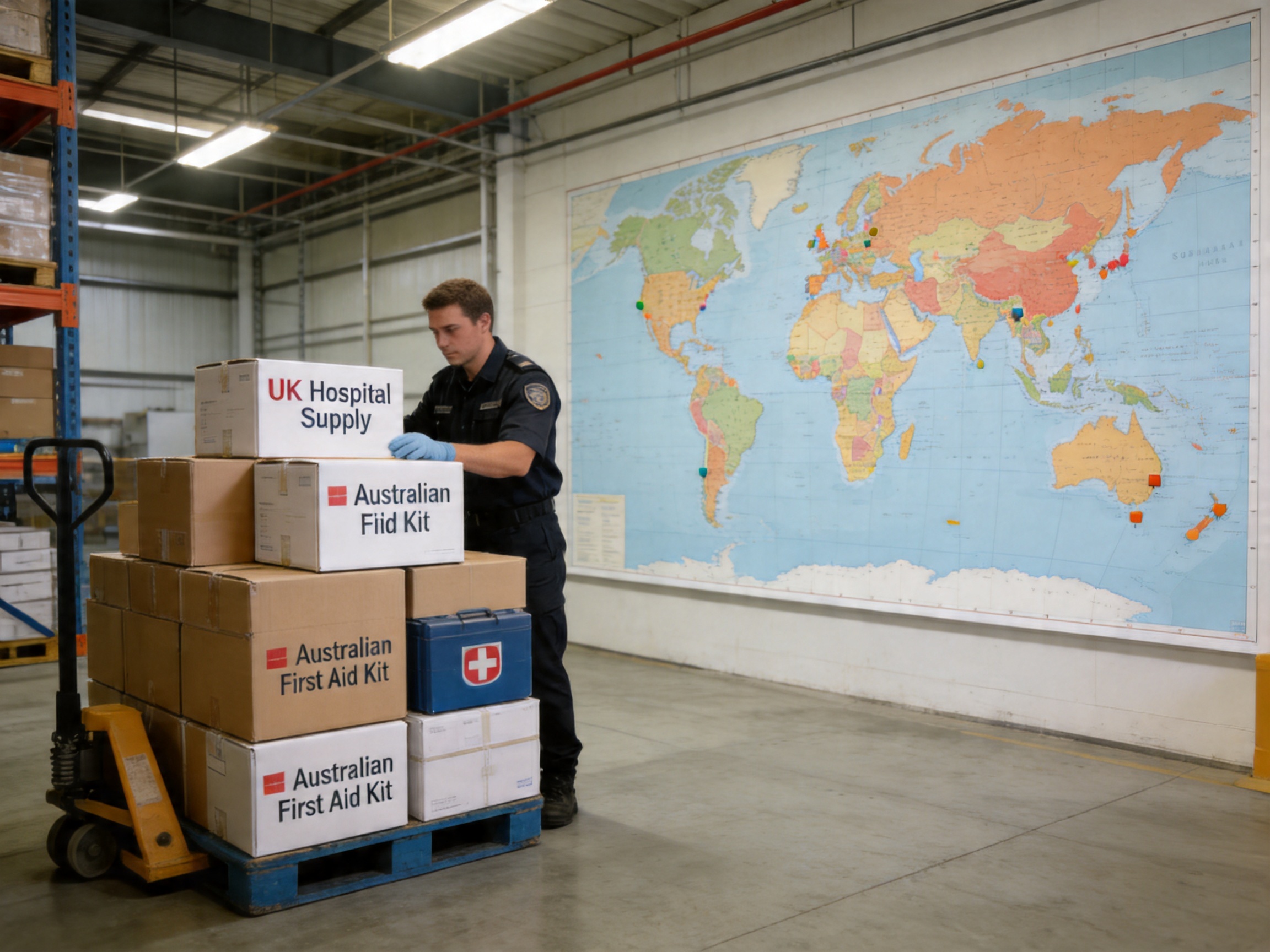
The manufacturer’s products are exported to over 60 countries worldwide, including key markets in Europe (UK, Germany, Spain), Southeast Asia (Japan, Malaysia, Philippines), Africa (Tanzania, Mauritius, South Africa), and Oceania (Australia, New Zealand). They have established long-term relationships with hospitals, first aid suppliers, supermarkets, and retail sports shops, which is a testament to the quality and reliability of their products. In 2022, their exports accounted for 70% of their total revenue, with Europe being their largest market (35% of exports).
5. Commitment to Innovation
The manufacturer invests 5% of their annual revenue in research and development to improve their products and processes. They are constantly exploring new materials, sterilization methods, and packaging formats to meet the evolving needs of their customers. For example, they recently developed a new line of sterile cotton balls that are individually wrapped in biodegradable packaging, which is more environmentally friendly than traditional plastic packaging. They also developed a new sterilization method using vaporized hydrogen peroxide (VHP), which is a greener alternative to EO gas and is suitable for sensitive medical devices.
Product Specifications
| Code |
Description |
| SMD-270201 |
0.5g, 500g/bag |
| SMD-270202 |
1g, 500g/bag |
| SMD-270203 |
0.5g, 5 pc/pouch, sterile |
| SMD-270204 |
0.5g, 10 pc/pouch, sterile |
Q&A Section
Below are answers to some of the most frequently asked questions about sterile cotton balls:
Q1: What is the difference between sterile and non-sterile cotton balls?
A: Sterile cotton balls are processed to eliminate all microorganisms, making them suitable for use in clinical settings (e.g., wound care, surgery) where infection control is critical. Non-sterile cotton balls are not processed to the same level of sterility and are intended for non-medical uses (e.g., removing makeup, cleaning surfaces). Sterile cotton balls are also made from higher-quality cotton and have stricter quality control standards.
Q2: How long do sterile cotton balls last?
A: The shelf life of sterile cotton balls depends on the packaging and storage conditions. Most sterile cotton balls have a shelf life of 2-3 years if stored in a cool, dry place away from direct sunlight. Once opened, the shelf life is reduced to 7-10 days for bulk bags and 24 hours for pouches (depending on the size of the pouch). It is important to check the expiration date on the packaging before use.
Q3: What is the best way to store sterile cotton balls?
A: Sterile cotton balls should be stored in their original packaging until ready to use. The packaging should be kept in a cool, dry place (temperature between 15-25°C, humidity below 60%) and away from direct sunlight. Avoid storing them in areas where they may be exposed to moisture or contaminants (e.g., bathrooms, kitchens). Once opened, the packaging should be sealed tightly to prevent contamination.
Q4: Can sterile cotton balls be used for makeup removal?
A: While sterile cotton balls are safe for makeup removal, they are more expensive than non-sterile cotton balls. For non-medical uses like makeup removal, non-sterile cotton balls are a more cost-effective option. However, if you have sensitive skin or are using them to remove makeup around the eyes (where infection risk is higher), sterile cotton balls may be a better choice.
Q5: What certifications should I look for when buying sterile cotton balls?
A: When buying sterile cotton balls, look for products that are certified to meet ISO 13485:2016, CE Marking, and BP standards. These certifications indicate that the product has been tested and meets the strictest requirements for quality and safety. You should also check the expiration date and batch number on the packaging to ensure that the product is fresh and traceable.
Q6: Can I customize the weight and packaging of sterile cotton balls?
A: Yes, many manufacturers offer customization options for sterile cotton balls, including different weights (0.5g, 1g, 2g) and packaging formats (bulk bags, pouches, individual wraps). This allows you to choose a product that meets your specific needs. Custom orders typically take 2-4 weeks to process, depending on the complexity of the request.
Q7: Are sterile cotton balls hypoallergenic?
A: Yes, premium sterile cotton balls are hypoallergenic because they are made from 100% pure cotton with no synthetic fibers, dyes, or additives. This makes them safe for use on sensitive skin and for people with allergies. However, if you have a severe cotton allergy, you should consult a healthcare provider before using sterile cotton balls.
Q8: How are sterile cotton balls sterilized?
A: Most premium sterile cotton balls are sterilized using ethylene oxide (EO) gas. EO sterilization is effective against a wide range of microorganisms, including spores, and preserves the integrity of the cotton fibers. Other sterilization methods include gamma irradiation and steam sterilization, but these are less common for cotton balls because they can degrade the fibers or leave residues. The manufacturer also offers VHP sterilization for customers who prefer a greener alternative to EO gas.
References
1. British Pharmacopoeia Commission. (2023). British Pharmacopoeia (BP) 2023. London: Stationery Office Books.
2. International Organization for Standardization (ISO). (2016). ISO 13485:2016 Medical devices — Quality management systems — Requirements for regulatory purposes. Geneva: ISO.
3. World Health Organization (WHO). (2022). Infection Prevention and Control (IPC) Guidelines for Healthcare Facilities. Geneva: WHO Press.
4. European Commission. (2021). Medical Devices Regulation (MDR) (EU) 2017/745. Brussels: European Commission.
5. American Association of Medical Instrumentation (AAMI). (2020). AAMI ST79: Comprehensive guide to steam sterilization and sterility assurance in health care facilities. Arlington: AAMI.
6. International Medical Device Association. (2023). Global Survey of Sterile Cotton Ball Quality. Washington, DC: IMDA.
7. U.S. Food and Drug Administration (FDA). (2021). Current Good Manufacturing Practices (cGMP) for Medical Devices. Silver Spring, MD: FDA.
Conclusion
Sterile cotton balls are an essential component of healthcare and first aid, but their quality can vary widely. Premium sterile cotton balls offer unmatched advantages over competitors, including 100% purity, rigorous sterility assurance, consistent size and weight, customization options, and industry-leading certifications. These advantages are the result of advanced manufacturing processes that prioritize quality, safety, and consistency at every step.
The leading manufacturer behind these products has built a reputation for excellence over 30 years, with multiple production bases, a dedicated quality control team, and a global reach. Their commitment to innovation and customer satisfaction ensures that their products meet the evolving needs of healthcare providers and consumers worldwide.
When choosing sterile cotton balls, it is important to look for products that meet the highest standards of quality and safety. By selecting premium sterile cotton balls, you can ensure that you are providing the best possible care for your patients, customers, or family members.

 English
 Español
 русский
 Français
 Deutsch
 italiano
 By Admin