Wound care often depends on how quickly, cleanly, and securely a dressing can be applied. In first aid situations, there may be limited time to prepare materials, the injury may be bleeding, and the person providing care may need to work with minimal equipment. In clinical settings, nurses, emergency responders, and other healthcare professionals also need dressings that are dependable, easy to handle, and suitable for a range of wound sizes.
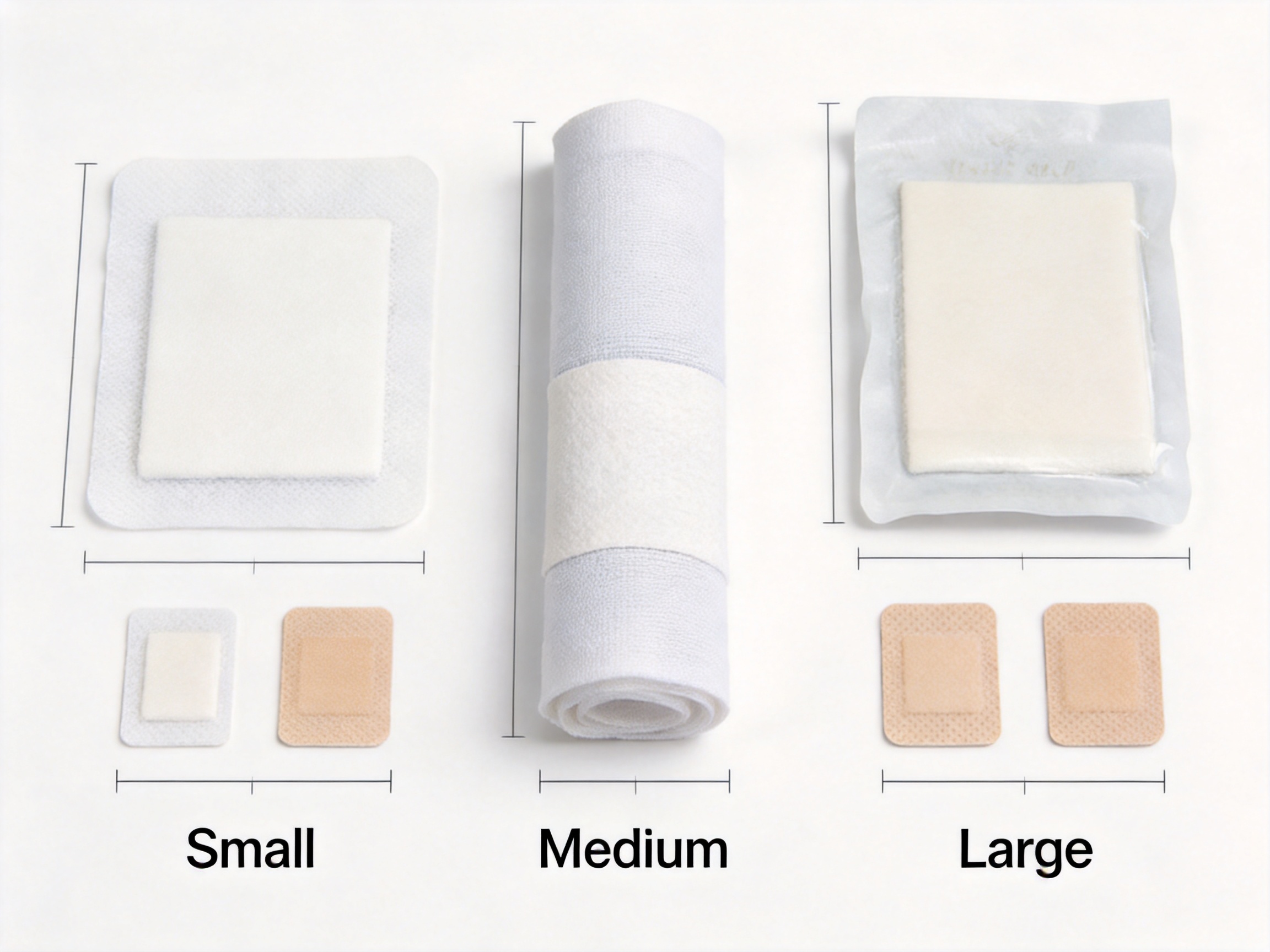
Wound Rapid Application Dressings are designed to support this need. They combine a sterile non-adherent wound pad with an extra-long, fast-edged conforming bandage in a folded format. This integrated construction allows the dressing to be positioned over a wound and secured efficiently, reducing the number of separate components required during application. The product is available in three configurations, with pad sizes of 4 cm x 6 cm, 6 cm x 8 cm, and 8 cm x 10 cm.
As a first aid dressing, this product is intended to provide a practical balance of wound coverage, handling convenience, and secure fixation. Its non-adherent pad is designed to reduce unnecessary attachment to the wound surface, while the conforming bandage helps hold the dressing in place. Two pieces of adhesive plaster are included to make dressing confirmation easier and to support a straightforward application process.
This article examines the construction, use, benefits, manufacturing considerations, quality approach, product selection, and commercial value of Wound Rapid Application Dressings. It also explains why integrated dressings can offer important advantages over conventional combinations of separate gauze, tape, and bandage materials.
Product Overview
Wound Rapid Application Dressings are sterile first aid dressings identified by the product series codes SMD-210301, SMD-210302, and SMD-210303. Each version uses the same general product concept while offering a different wound-pad dimension. This enables users to select a size appropriate to the injury without changing the basic application method.
| Product Code | Pad Size | General Application Role |
|---|
| SMD-210301 | 4 cm x 6 cm | Suitable for smaller wounds and compact first aid kits |
| SMD-210302 | 6 cm x 8 cm | Suitable for medium-sized wounds and general first aid use |
| SMD-210303 | 8 cm x 10 cm | Suitable for larger wounds requiring broader coverage |
The dressing is supplied sterile, which is important when it is applied directly to a wound. Sterility helps reduce the risk of introducing microorganisms during initial wound coverage when the package remains intact and the product is used according to appropriate procedures. The dressing should be inspected before use, and any package that is damaged, opened, wet, or otherwise compromised should not be used.
The central pad is non-adherent. This feature is especially valuable during dressing changes because it is intended to minimize unnecessary sticking to the wound surface. Reduced adherence may help make removal more comfortable and may reduce disruption to newly formed tissue, although the dressing should always be removed and replaced in accordance with the wound condition and professional guidance.
The extra-long conforming bandage is folded as part of the product design. This configuration supports fast application and helps the dressing adapt to the body area being treated. The bandage can be positioned around the affected area to maintain contact between the pad and the wound, while the included adhesive plasters can assist with confirming the dressing position.
Why Rapid Application Matters in Wound Care
In first aid, speed is often a practical requirement rather than a convenience. A wound may need immediate coverage to help protect it from environmental contamination, absorb blood or other wound fluid, and prevent the injured person from touching the affected area. A dressing that requires several separate materials can increase preparation time and create additional opportunities for errors.
Traditional dressing preparation may involve opening sterile gauze, selecting a suitable bandage, cutting medical tape, and organizing each component before application. This method can be effective, but it requires more handling. It may also be difficult when the caregiver is working in poor lighting, under stress, or while wearing gloves.
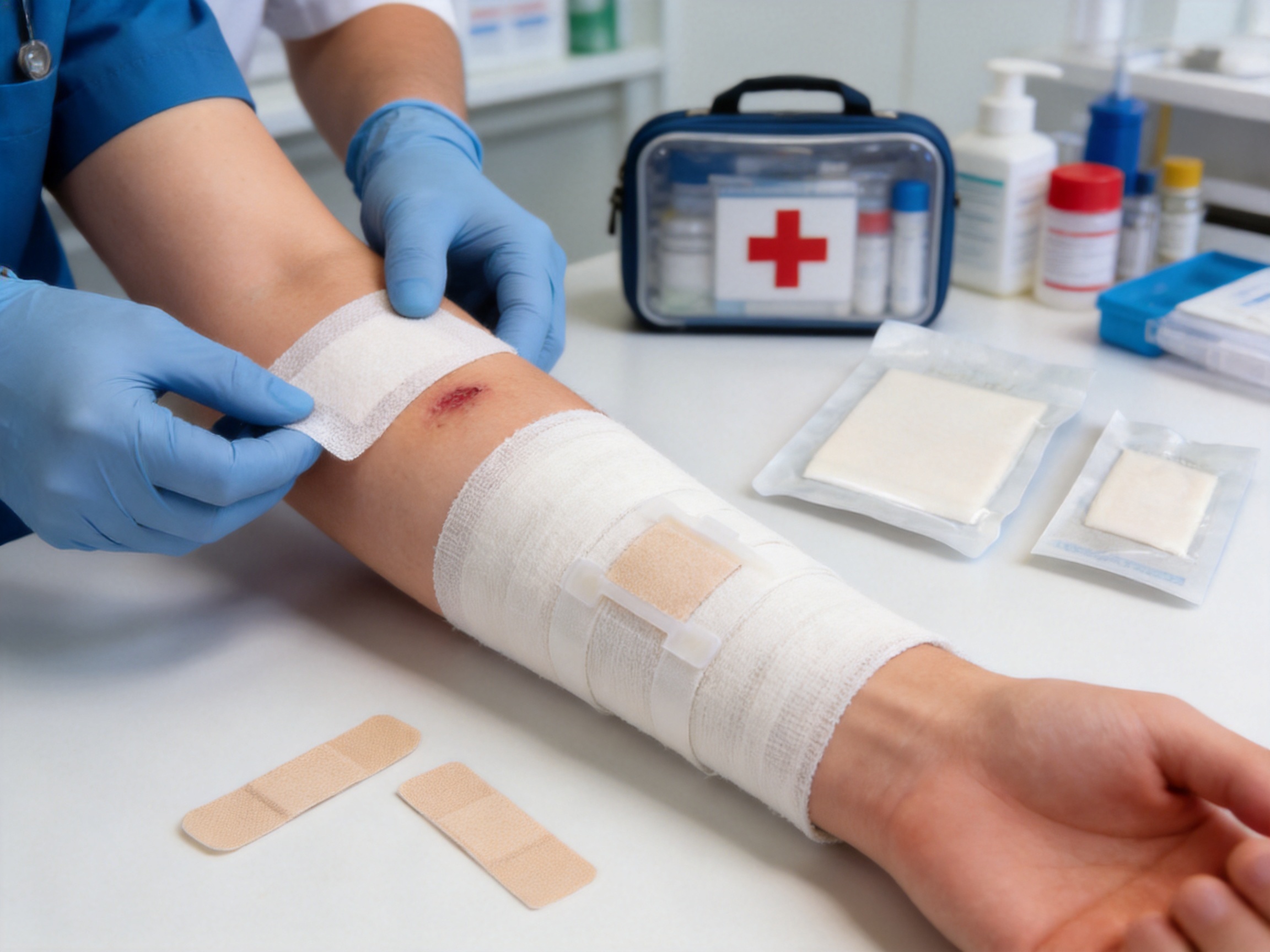
An integrated rapid application dressing simplifies this sequence. The user can open one sterile dressing pack, place the pad over the wound, unfold and position the conforming bandage, and use the included plasters to help secure the arrangement. Fewer separate components can make the process more consistent, particularly in workplaces, schools, sports facilities, vehicles, households, and emergency supply stations.
Rapid application does not mean that clinical assessment is unnecessary. Severe bleeding, deep wounds, animal bites, burns, puncture injuries, embedded objects, suspected fractures, and wounds involving the face, eyes, hands, or major joints may require professional medical attention. The value of a rapid application dressing is that it provides timely interim coverage or routine dressing support while appropriate care is arranged.
Construction and Functional Design
Sterile Non-Adherent Pad
The wound pad is the part of the dressing placed directly over the injury. Its non-adherent design is intended to provide a protective interface between the wound and the outer securing materials. By reducing direct attachment to the wound surface, the pad can support a more manageable dressing-change experience than ordinary materials that may bond to dried exudate.
The pad also provides a defined coverage area. Choosing the correct size is important because the pad should cover the wound with sufficient surrounding margin. The 4 cm x 6 cm version offers a compact option, while the 6 cm x 8 cm and 8 cm x 10 cm versions provide progressively broader coverage. Users should select the smallest size that comfortably covers the wound and remains secure without placing unnecessary pressure on the surrounding skin.
Extra-Long Conforming Bandage
The conforming bandage is designed to wrap around the affected body area and hold the pad in position. Its extra-long format provides flexibility for use on different anatomical locations and allows the user to create a secure wrap without immediately needing an additional roll of bandage.
A conforming bandage is useful because it can follow the shape of the body more closely than a rigid or flat securing material. This can be helpful around limbs, joints, and other areas where movement or curvature makes simple tape fixation less practical. Proper application should be firm enough to maintain the dressing position but not so tight that it restricts circulation.
Included Adhesive Plasters
The dressing includes two pieces of adhesive plaster. These components are intended to make it easier to confirm and maintain the dressing arrangement. They can help stabilize the bandage or provide an additional point of fixation, depending on the application site and the user’s preferred technique.
Including these adhesive pieces within the dressing package offers a practical advantage over products that require the user to find compatible tape separately. It also reduces the need to estimate tape length or cut adhesive material while treating an injury. For first aid kits, this all-in-one format can make inventory planning simpler.
Advantages Compared with Separate Dressing Components
Fewer Steps During Application
The main advantage of an integrated dressing is the reduction in preparation steps. A separate-component approach may require gauze, a roll bandage, scissors, medical tape, and sometimes a protective layer. Wound Rapid Application Dressings combine the central pad and securing bandage in a ready-to-use format, with adhesive pieces supplied as part of the package.
Fewer steps can support faster first aid and may reduce the chance of selecting incompatible materials. This is particularly useful for workplaces and public facilities where users may have different levels of first aid experience. Clear product sizing and a familiar format can make the dressing easier to identify during an emergency.
Reduced Handling of the Sterile Pad
When separate gauze and securing materials are assembled, the sterile wound-contact surface may be exposed to additional handling. An integrated dressing enables the user to handle the product as a prepared unit. With appropriate aseptic technique, this can help reduce unnecessary contact with the pad before it is positioned over the wound.
Convenient Storage
Because the dressing contains several essential components in one package, it can reduce the need to store multiple loose items. This is valuable in compact first aid kits, sports bags, emergency cabinets, ambulances, occupational health stations, and travel kits.
Stock management can also become more straightforward. Instead of checking separate quantities of pads, bandages, and adhesive tape, a facility can monitor packaged units by size. This makes it easier to establish replenishment levels and identify which sizes are being used most frequently.
Consistent Presentation
A preassembled product provides a consistent appearance and application format. In a busy healthcare or first aid environment, consistency can help users work efficiently. Each package is designed around the same basic method, while the three available pad sizes allow the user to match the dressing to the wound.
Support for Mobile First Aid
First aid frequently takes place away from treatment rooms. Sports events, construction sites, schools, warehouses, transport vehicles, and outdoor activities all require portable wound-care supplies. The compact, integrated design of this product makes it suitable for locations where space is limited and immediate access to a full dressing station is unavailable.
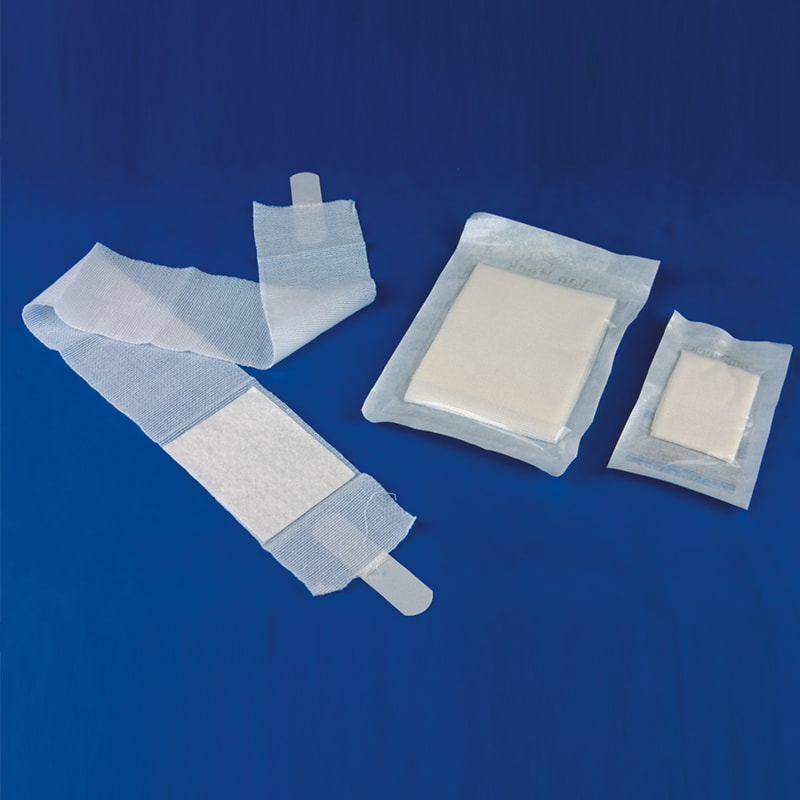
Wound Rapid Application Dressings
Selecting the Appropriate Size
Size selection should be based on the dimensions and location of the wound, the amount of surrounding skin available for secure fixation, and the need for movement after application. The pad must cover the wound adequately without folding onto the wound surface. The bandage must also be long enough to wrap around the body area while maintaining a comfortable level of support.
SMD-210301: 4 cm x 6 cm Pad
The 4 cm x 6 cm option is the most compact version in the product series. It may be useful for smaller superficial wounds, minor cuts, and compact first aid kits. Its smaller format can be convenient for workplaces, schools, households, and personal carry kits where a dressing for routine minor injuries is needed.
Users should not select the smallest option merely because it is easier to store. If the wound extends beyond the pad or if the surrounding area does not permit reliable fixation, a larger size should be chosen. The product should always be appropriate to the wound rather than selected solely according to package convenience.
SMD-210302: 6 cm x 8 cm Pad
The 6 cm x 8 cm version provides an intermediate coverage area. It can be a practical general-purpose choice for first aid stations because it offers more coverage than the compact version while remaining suitable for many routine injuries.
This size may be useful when a wound is too broad for the 4 cm x 6 cm pad but does not require the largest dressing in the series. Facilities that maintain a balanced first aid inventory may choose to stock this size in higher quantities, along with a selection of the smaller and larger versions.
SMD-210303: 8 cm x 10 cm Pad
The 8 cm x 10 cm option provides the broadest pad coverage in this series. It may be selected for larger superficial wounds or areas where additional coverage is desirable. Its larger pad can also be useful when the surrounding skin is difficult to cover with a smaller format.
A larger pad does not replace clinical assessment. Wounds involving significant tissue damage, uncontrolled bleeding, or possible infection require appropriate medical evaluation. The dressing can provide temporary protection or support routine wound management when its use is appropriate.
Application Guidance
Before applying the dressing, assess the injury and ensure that the situation is suitable for first aid dressing use. If severe bleeding is present, apply appropriate direct pressure and seek emergency assistance. Wear suitable gloves when available, and follow local first aid procedures.
Open the package carefully without touching the wound-contact surface unnecessarily. Place the non-adherent pad directly over the wound. Make sure the pad lies flat and that the wound is fully covered. Avoid repositioning the pad repeatedly after it has contacted the wound.
Unfold the conforming bandage and wrap it around the affected area. The wrap should hold the pad securely while allowing normal circulation. Do not apply excessive tension. After securing the bandage, use the included adhesive plasters as appropriate to help confirm the dressing position.
After application, check the person’s comfort and observe the area for signs that the bandage may be too tight. Numbness, tingling, unusual coldness, discoloration, increasing pain, or swelling beyond the injury may indicate that the dressing requires adjustment. In such circumstances, follow applicable first aid guidance and seek professional advice when necessary.
Keep the dressing clean and dry after application. Replace it if it becomes saturated, displaced, contaminated, or unsuitable for continued use. The frequency of dressing changes depends on the wound, the amount of exudate, the clinical recommendation, and the condition of the dressing.
Key Performance Considerations
Wound Protection
A wound dressing should provide a barrier against routine environmental contact while maintaining a suitable interface with the injury. The sterile pad is intended to support clean initial coverage when used from an intact package. The bandage helps keep the pad in position, reducing the possibility that the wound will be left exposed because of dressing movement.
Comfort During Dressing Changes
Non-adherent materials are valued because they are designed to minimize attachment to the wound. Dressing changes can be uncomfortable when ordinary fibers become embedded in dried blood or wound exudate. A non-adherent pad may help reduce this problem, although users should still follow proper removal procedures and avoid pulling forcefully.
Secure Fixation
A dressing that does not remain in place may fail to provide effective coverage. The conforming bandage and included adhesive plasters work together to support fixation. The flexible wrap can accommodate many body contours, while the adhesive pieces can help reinforce the application.
Ease of Use
Ease of use is particularly important for first aid products because the user may not be a trained healthcare professional. A clear, integrated format can reduce the need to make decisions about which separate materials to combine. This does not eliminate the need for basic first aid knowledge, but it can make the physical application process more manageable.
Packaging and Sterility
Sterile packaging is a central part of the product’s value. Packaging should protect the dressing during transport and storage and provide a clear indication of whether the package has been compromised. Users should store the product in a clean, dry environment and observe the stated shelf-life and storage requirements on the packaging.
Manufacturing Strengths and Quality Approach
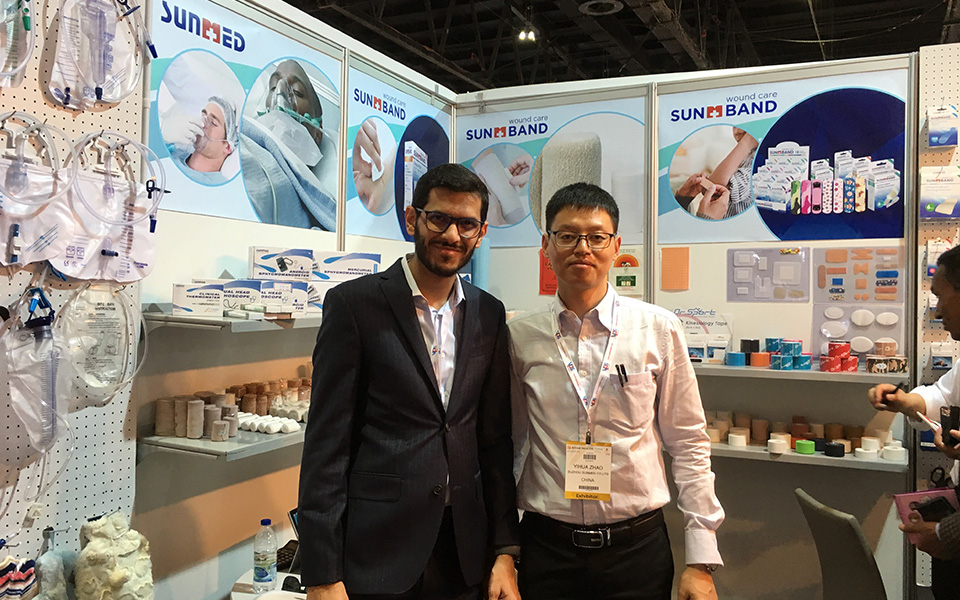
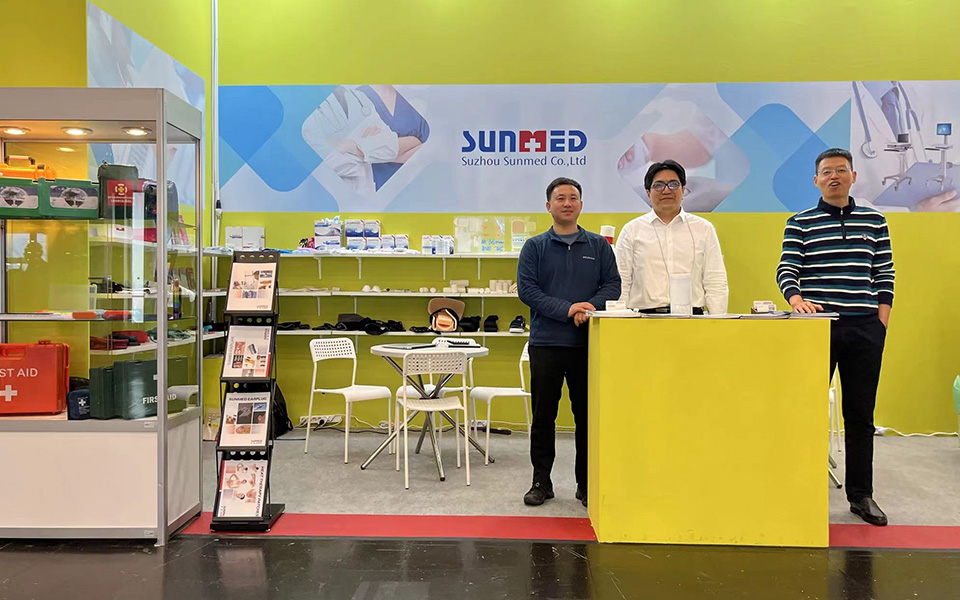
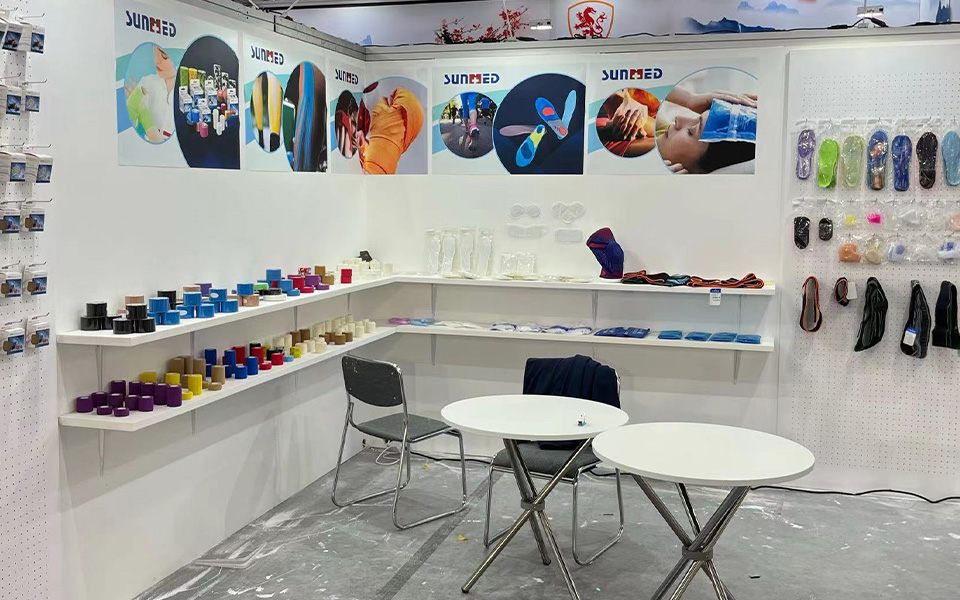
The performance of a wound dressing depends not only on its visible construction but also on the processes used to manufacture, inspect, package, and release it. Suzhou Sunmed Co., Ltd. is described as a professional manufacturer and exporter of first aid, medical, and healthcare products, with approximately 30 years of experience in the medical device and medical consumables industry.
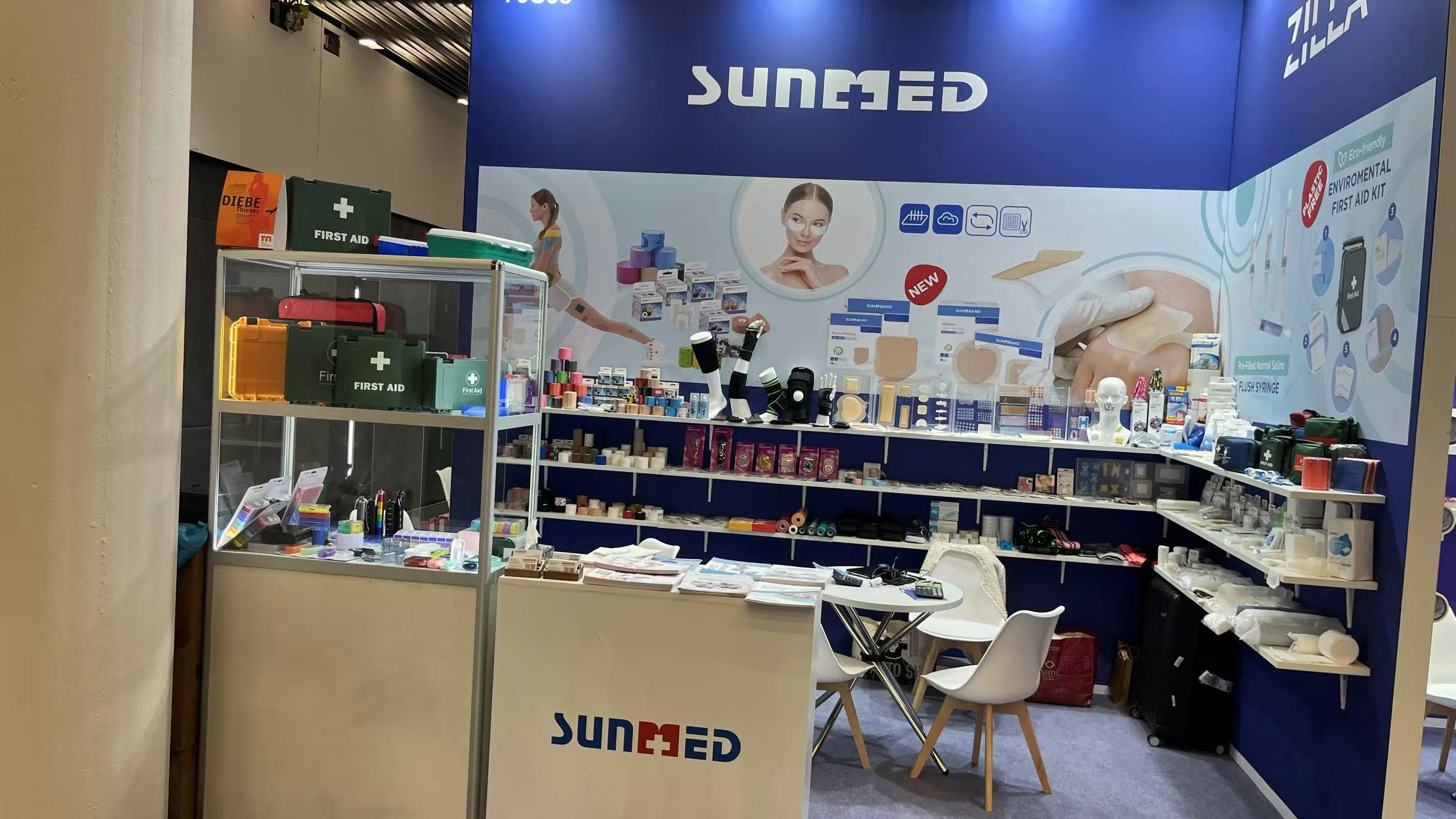
The company operates multiple production bases in Jiangsu, Zhejiang, and Anhui Province. A multi-site manufacturing structure can provide access to specialized production capabilities and support broader product categories. It also enables a supplier to serve customers across first aid, wound care, medical gauze, bandages, medical tape, cotton products, non-woven products, sports support, family healthcare, surgical consumables, and other medical supplies.
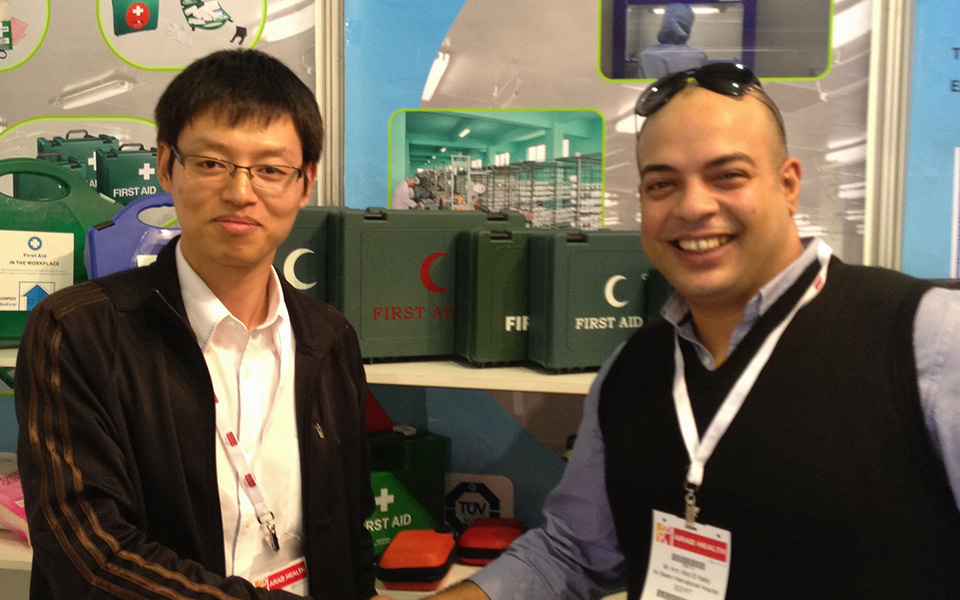
The company established its first aid factory in 2008 to meet the needs of first aid customers. This dedicated experience is relevant to Wound Rapid Application Dressings because first aid manufacturing requires attention to fast application, compact packaging, material consistency, sterile presentation, and efficient product inspection.
In 2021, the company established its own factory for kinesiology tape, cohesive bandages, and elastic adhesive bandages. These product categories are closely related to the securing and support functions used in many wound-care and sports-care products. Experience with adhesive and conforming materials can contribute to practical knowledge regarding flexibility, handling, fixation, and user convenience.
The company reports a professional quality-control team comprising hundreds of personnel. A substantial quality organization can support inspection procedures across raw materials, production operations, packaging, and finished products. For a sterile dressing, quality control must extend beyond appearance and dimensions to include packaging integrity, process control, traceability, and appropriate release procedures.
The supplied company information states that inspection procedures are aligned with ISO 13485:2016 standards. ISO 13485 is a quality-management standard specifically associated with medical devices. Alignment with this framework indicates a structured approach to documented procedures, risk-based controls, supplier management, production records, corrective actions, and continual maintenance of product quality systems.
The company also states that most of its products are CE certified and that its Suzhou factories comply with FDA requirements. Regulatory status may vary by product, market, configuration, and intended use, so buyers should request the applicable certificates and declarations for the exact dressing model and destination market. Nevertheless, experience with international regulatory expectations is an important strength for importers, distributors, hospitals, and first aid suppliers.
Manufacturing Process Considerations
Material Selection
Manufacturing begins with the selection and qualification of materials for the wound pad, conforming bandage, adhesive plasters, sterile packaging, and secondary packaging. Materials should be selected according to their intended contact, flexibility, absorbency, strength, adhesion, and compatibility with the production process.
For the pad, the non-adherent surface is particularly important. It must remain functional after cutting, folding, packaging, sterilization when applicable, and storage. The bandage must provide sufficient length and conformability for application. The adhesive plaster must support fixation while remaining suitable for the intended use conditions.
Cutting and Assembly
Production may include controlled cutting of pad materials to the specified dimensions, preparation of the bandage, folding of the dressing components, and assembly into the rapid application configuration. Dimensional consistency is important because the stated pad sizes help users choose a dressing and manage their inventory.
Assembly controls should ensure that the pad is correctly positioned, the bandage is properly folded, and the adhesive plasters are included in the package. A missing component or incorrectly folded dressing could reduce convenience and compromise the expected application method.
Inspection and In-Process Control
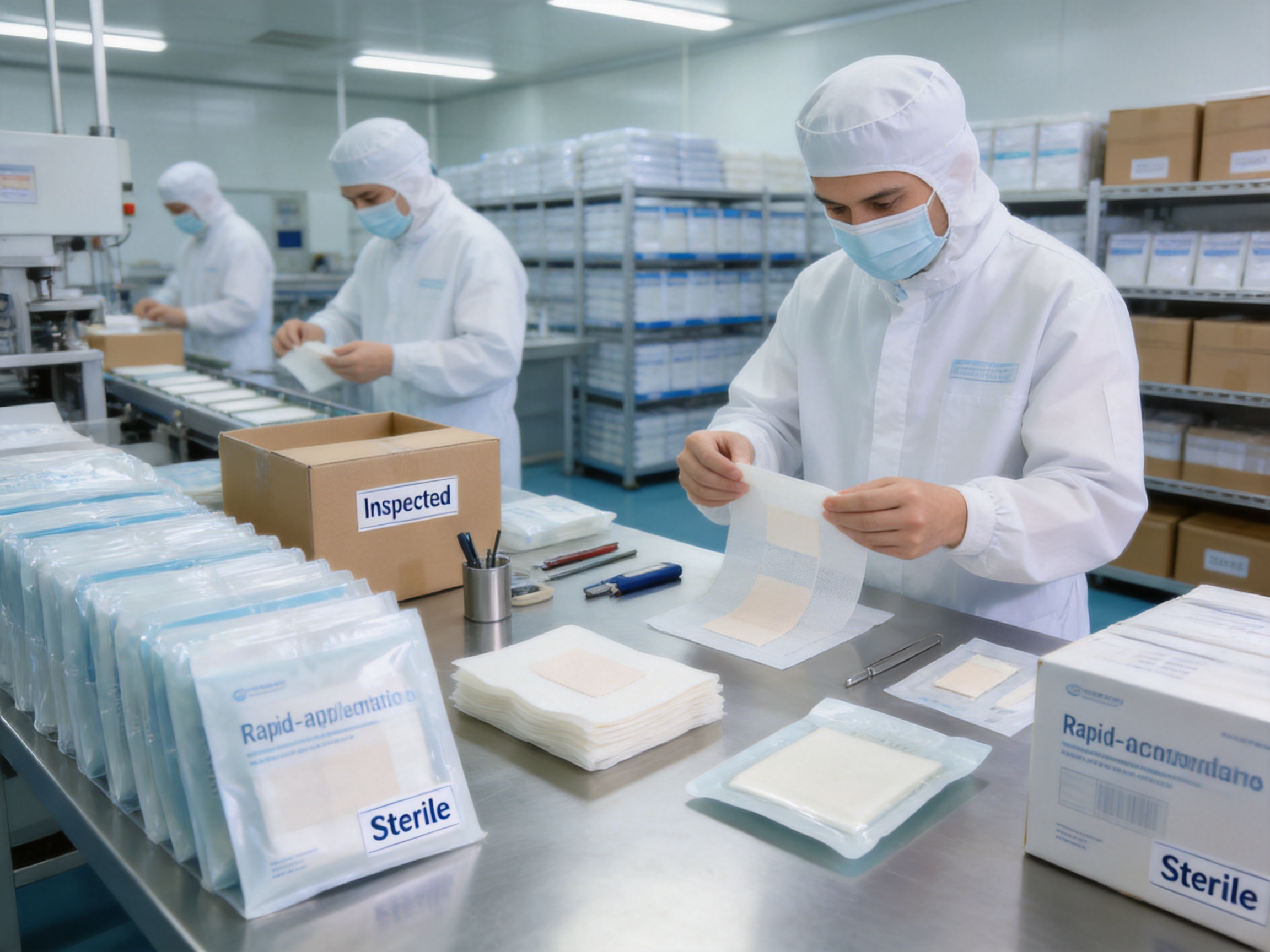
In-process inspections can identify issues before the product reaches final packaging. Typical areas of attention may include pad dimensions, bandage length, folding accuracy, material appearance, adhesive condition, component count, and package preparation. The precise inspection plan should be defined by the manufacturer’s quality system and the product’s regulatory requirements.
Inspection is especially valuable for integrated products because several components must work together. A high-quality pad alone is not sufficient if the bandage is too short, the adhesive pieces are absent, or the package does not adequately protect sterility.
Packaging and Sterile Presentation
Packaging must protect the dressing from contamination, moisture, damage, and unintended opening during distribution. The package should also support convenient opening at the point of use. For first aid applications, opening should be practical while still preserving the sterile status of the dressing until use.
Sterility-related production and release procedures must be managed according to the applicable product classification, validated processes, and regulatory requirements. Buyers should confirm the sterilization method, sterility assurance information, shelf-life, packaging configuration, and testing documentation for the specific product supplied.
Finished-Product Release
Before release, finished products should be evaluated against established specifications. These may include visual inspection, dimensions, component completeness, package integrity, labeling, and other applicable tests. Batch documentation and traceability are important for professional medical supply chains because they help support stock control, complaint investigation, and corrective action when required.
Advantages for Distributors and Institutional Buyers
Wound Rapid Application Dressings can be positioned as a practical addition to a broad first aid and wound-care portfolio. Their integrated design gives distributors a product with a clear use case: sterile wound coverage that can be applied quickly without assembling multiple separate components.
For institutional buyers, the three-size product range simplifies standardization. A buyer can establish a purchasing policy around compact, medium, and large pad configurations and distribute them according to the risk profile of different locations. A sports facility may require several sizes for routine injuries, while a factory or warehouse may prioritize medium and large versions for use at occupational first aid stations.
Retailers may also benefit from the product’s straightforward explanation. Customers can understand that the package contains a sterile pad, a conforming bandage, and adhesive pieces designed to support fast application. This is easier to communicate than a complex assortment of separate wound-care materials with different instructions.
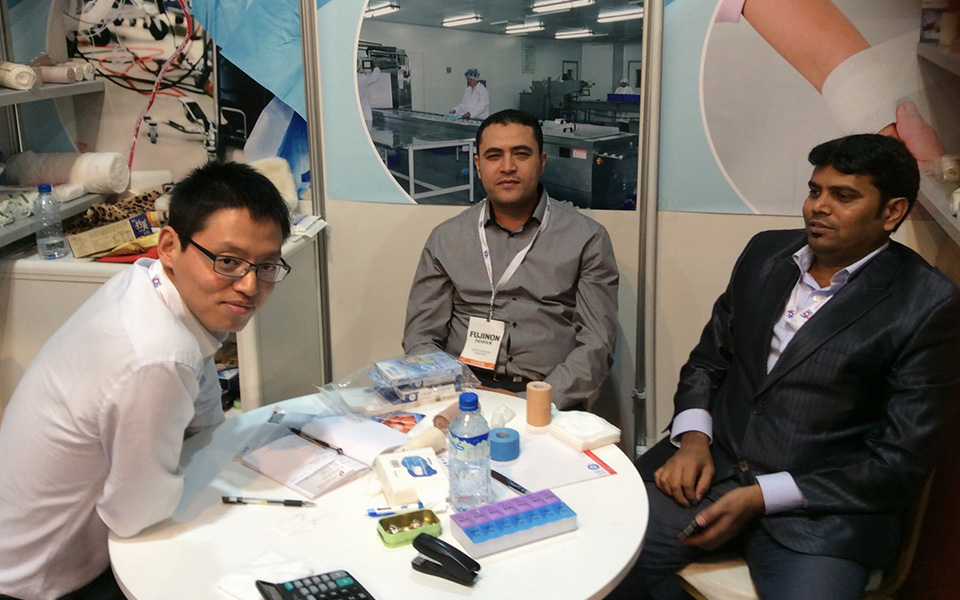
For export customers, the manufacturer’s experience across more than 60 countries provides evidence of familiarity with international business requirements, varied market preferences, and cross-border supply. The reported export markets include Europe, Southeast Asia, Africa, and Oceania. Buyers should still verify country-specific registration, labeling, language, packaging, and import requirements before placing an order.
Applications Across Different Environments
Household First Aid
Homes benefit from dressings that are easy to identify and apply. A compact selection of the three sizes can support routine treatment of minor cuts and superficial wounds. The sterile, integrated format is convenient for households that may not keep a full range of separate gauze, bandages, and medical tape.
Workplace First Aid
Workplaces often need standardized first aid supplies that can be stored in cabinets, mobile kits, or response stations. The product can support workplace preparedness by offering ready-to-use wound coverage. Employers should select quantities and sizes according to workplace risk assessments and applicable occupational safety requirements.
Sports and Recreation
Sports settings require portable supplies that can be used quickly when minor injuries occur. The conforming bandage can be useful in active environments where a dressing must remain in place during movement. Coaches, athletic trainers, and event organizers should use the product within the scope of their training and refer significant injuries for professional evaluation.
Schools and Public Facilities
Schools, community centers, offices, and public facilities often need first aid products that can be used by different staff members. The integrated configuration reduces the need to identify multiple compatible products. Clear storage, routine inspection, and staff training remain essential.
Travel and Emergency Kits
The dressing’s compact format makes it suitable for travel kits, vehicle kits, outdoor equipment, and emergency preparedness supplies. It can provide a ready option when access to a pharmacy, clinic, or fully equipped treatment area is delayed.
Storage, Handling, and Inventory Management
Store the dressings in a clean, dry location away from excessive heat, direct sunlight, moisture, and sharp objects that could damage the packaging. Keep the packages in their original cartons until needed. Avoid placing heavy items on top of sterile dressing cartons if this could crush or puncture the packaging.
Inventory should be rotated according to the manufacturer’s stated expiry date. A first-expiring, first-out system helps reduce waste and ensures that older stock is used before newer stock. During routine inspections, check the package for tears, punctures, open seals, moisture, or other visible damage.
Organizations should record which sizes are used most often. This information can help optimize future orders. For example, a workplace with frequent minor hand injuries may require more compact or medium dressings, while a facility supporting industrial operations may need a larger proportion of broad-coverage versions.
Distributors should confirm carton quantities, packaging dimensions, labeling requirements, batch information, shelf-life, and shipping conditions before import or large-scale storage. These details support accurate warehouse planning and help protect product quality throughout the supply chain.
How the Product Supports Professional Supply Chains
A professional medical supply chain requires more than product availability. It also depends on reliable specifications, consistent production, documentation, communication, and responsive after-sales support. The manufacturer’s broad product portfolio can allow buyers to source related categories from one experienced supplier, including gauze, bandages, medical tape, cotton products, sports supports, hot and cold therapy products, diagnostic devices, syringes, infusion products, and surgical consumables.
Single-source purchasing can simplify communication and reduce the number of supplier relationships a buyer must manage. It may also support coordinated packaging, private-label development, product series planning, and mixed-category ordering. Any such arrangement should be supported by clear technical specifications and written quality agreements.
The manufacturer’s OEM capability is also relevant to businesses that require customized packaging, labeling, carton design, or product presentation. Customization must remain consistent with applicable medical-device regulations, labeling rules, claims restrictions, and quality-management procedures. Buyers should approve artwork and technical documentation before production begins.
Comparison with Conventional Gauze and Tape
Conventional gauze and medical tape remain important wound-care materials and may be preferred in many clinical situations. They allow caregivers to customize the dressing size, absorbency, and fixation method. However, this flexibility also requires more preparation and can result in inconsistent application between users.
Wound Rapid Application Dressings are not intended to eliminate the need for conventional materials. Instead, they provide a ready-to-use option when speed, convenience, and standardized application are priorities. Their principal competitive advantage is integration: the wound-contact pad, conforming bandage, and adhesive pieces are presented as a coordinated dressing.
Compared with a simple adhesive bandage, the product offers a larger separate pad and a conforming wrap format. Compared with loose gauze, it reduces the number of components required for fixation. Compared with a basic rolled bandage, it includes a dedicated wound-contact pad. This combination gives the product a distinct position within first aid dressing categories.
The most appropriate choice depends on the wound, the care environment, the user’s training, and the required level of customization. For standardized first aid response, the integrated format can be particularly efficient. For complex wounds or specialized clinical procedures, healthcare professionals may select other products according to treatment protocols.
Quality and Compliance Questions for Buyers
Before purchasing, buyers should request product specifications for the exact model. Important documentation may include the technical data sheet, material information, packaging configuration, sterility statement, shelf-life, batch traceability process, inspection standards, and applicable regulatory documents.
Buyers should also confirm whether the product is intended for a particular market and whether the labeling meets local requirements. The fact that a manufacturer supplies products internationally does not automatically mean that every product configuration is registered or approved in every destination country.
Where private labeling is required, the buyer and manufacturer should define responsibilities for artwork approval, translation, claims, regulatory submissions, complaint handling, and post-market obligations. A written quality agreement can help clarify these responsibilities.
Q&A
What are Wound Rapid Application Dressings?
They are sterile first aid dressings consisting of a non-adherent wound pad and an extra-long conforming bandage folded for rapid application. Two adhesive plaster pieces are included to help confirm the dressing position.
What sizes are available?
The product series includes three pad sizes: 4 cm x 6 cm under code SMD-210301, 6 cm x 8 cm under code SMD-210302, and 8 cm x 10 cm under code SMD-210303.
What does non-adherent mean?
Non-adherent means that the wound-contact surface is designed to minimize sticking to the wound. This can support more comfortable dressing removal, although the dressing should still be removed carefully and according to appropriate wound-care guidance.
Why is the bandage described as conforming?
A conforming bandage is designed to follow the contours of the body and help maintain contact between the wound pad and the injured area. It can be useful around curved or mobile areas where a flat piece of tape may not provide sufficient fixation.
Are the dressings suitable for severe bleeding?
They may provide temporary coverage or support during first aid, but severe or uncontrolled bleeding requires urgent medical assistance and appropriate bleeding-control procedures. The dressing should not delay emergency treatment.
Can the dressing be reused?
No. Sterile wound dressings are intended for single use unless the product labeling specifically states otherwise. A used, opened, contaminated, or displaced dressing should be replaced appropriately.
How should the correct size be selected?
Select a size that fully covers the wound and allows the dressing to be secured without excessive tension. Use the 4 cm x 6 cm version for smaller wounds, the 6 cm x 8 cm version for medium coverage, and the 8 cm x 10 cm version when broader coverage is required.
Can the product replace all gauze and medical tape?
No. It is a convenient integrated option for first aid and selected wound-care applications, but conventional gauze, medical tape, elastic bandages, specialized dressings, and other clinical products remain necessary for many situations.
What should be checked before applying the dressing?
Check the wound, use gloves when available, inspect the package for damage, confirm that the dressing is within its shelf-life, and ensure that the wound is suitable for the intended first aid application. Seek professional care when the injury is serious or uncertain.
What quality systems support production?
The supplied company information states that the manufacturer follows inspection procedures aligned with ISO 13485:2016 standards, operates multiple production bases, and maintains a large quality-control team. Buyers should request documentation for the specific product and market.
Is the product available for OEM supply?
The manufacturer is described as an OEM medical consumables supplier. Buyers interested in customized packaging or labeling should confirm minimum order quantities, technical specifications, regulatory responsibilities, artwork requirements, and quality agreements before production.
How should the dressings be stored?
Store them in a clean, dry location away from direct sunlight, excessive heat, moisture, and damage. Keep each dressing in its original sterile package until use and rotate inventory according to expiry dates.
Conclusion
Wound Rapid Application Dressings provide a practical solution for fast, organized, and sterile wound coverage. Their main design advantage is the combination of a non-adherent pad, an extra-long conforming bandage, and two adhesive plaster pieces in one ready-to-use format. This reduces the need to assemble separate materials and supports efficient application in households, workplaces, sports facilities, schools, public institutions, travel kits, and first aid stations.
The three available pad sizes allow users to select a compact, medium, or broad-coverage configuration according to the wound and application environment. The integrated construction can improve convenience, reduce handling, simplify storage, and support more consistent first aid procedures when used correctly.
The manufacturing background of Suzhou Sunmed Co., Ltd. adds value for buyers seeking an experienced medical consumables partner. The company reports approximately 30 years of industry experience, multiple production bases, dedicated first aid manufacturing experience, related bandage and adhesive product capabilities, international export activity, and quality procedures aligned with ISO 13485:2016. Its stated CE and FDA-related experience may also assist customers serving regulated markets, subject to verification for the specific product and destination.
For distributors and institutional purchasers, the product offers a clear combination of functional simplicity and supply-chain practicality. It can complement, rather than replace, conventional gauze, medical tape, and specialized wound-care products. When supported by appropriate training, storage, inspection, documentation, and clinical judgment, Wound Rapid Application Dressings can serve as a dependable component of a modern first aid and wound-care portfolio.
References
1. Product specification information for Wound Rapid Application Dressings, product codes SMD-210301, SMD-210302, and SMD-210303.
2. ISO 13485:2016, Medical Devices — Quality Management Systems — Requirements for Regulatory Purposes.
3. General principles of first aid wound coverage, bleeding control, dressing application, and infection-prevention practice.
4. Manufacturer-provided company profile and quality information for Suzhou Sunmed Co., Ltd.
5. General medical-device packaging, sterility, storage, traceability, and distribution-control principles.

 English
 Español
 русский
 Français
 Deutsch
 italiano
 By Admin